Facing Poverty in El Salvador: The Continuous Problem
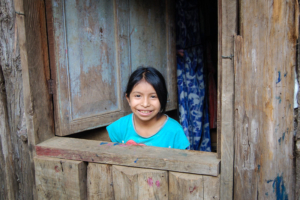 Poverty in El Salvador continues to plague citizens across the country despite a drop in poverty rates from 2000 to 2023. About 40% of Salvadorans face a state of vulnerability and 1.8 million face poverty without access to clean water and proper food. While Nayib Bukele, El Salvador’s president since 2019, has nearly removed gang violence from the list of nationwide threats, poverty remains at the top.
Beauty and Change
El Salvador is the smallest country in Central America, about 32 times smaller than the state of Texas. It is bordered by Guatemala, Honduras and the Pacific Ocean and is known for its volcanoes, surfing spots and national dish, the pupusa. Beyond the multi-colored scenery, crashing waves and popular cuisine, El Salvador is also known for its positive development since Bukele entered office in 2019.
The country faced gang violence for decades, with a total of 2,398 homicides in 2019 before Bukele stepped into office. After five years of presidency, the number of homicides has dropped to 114 in 2024. This was due to his Territorial Control Plan and implementation of the Exception Regime. Bukele has tried to offer safety and peace to Salvadoran citizens; however, poverty remains a barrier to peace and safety for many.
The Daily Struggle
Facing poverty in El Salvador means a lack of potable water and education. El Salvador faced a major drought in 2016 and declared a water crisis shortly after. Since then, citizens living in or vulnerable to poverty have suffered from a lack of proper potable water. Families also face the risk of malnutrition as a result of living in poverty.
Poverty affects families beyond inadequate food and water. A lack of access to education is considered one of the leading causes of poverty in El Salvador. According to the National TPS Alliance, in 2023, the illiteracy rate among Salvadorans aged 10 and older was 9.7%, with an average educational level of 7.2 years and just 5.6 years for families in rural areas. Without sufficient funding, families cannot provide their children with proper education.
COVID-19 and Job Opportunities
El Salvador was not spared when the global pandemic hit in late 2019 and early 2020. The poverty rate rose by 6.5 percentage points and more than 20% of Salvadoran workers lost their jobs. Although the pandemic is no longer as widespread as in 2019 and 2020, El Salvador still grapples with its lasting impacts.
In 2022, soaring inflation kept the poverty rate at nearly 27%. Combined with limited access to education, hundreds of Salvadorans face a severe shortage of job opportunities. Even those who pursue higher education are often met with unemployment, as the Salvadoran economy has not created enough jobs to meet demand.
Solutions
Despite the effects of poverty continuing to affect Salvadoran communities, organizations and charities are working to help address the persistent issue. Charities such as the Salvadoran American Humanitarian Foundation (SAHF) and the Center for Exchange and Solidarity (CIS) work toward assisting families battling poverty.
SAHF has a program called the Early Childhood Development Program that helps families and children younger than 5 years old suffering from malnutrition. The Foundation also has a program that teaches English to primary school children in the educational complex at Residencial Libertad. The Foundation also offers a “life plan” to high school students within the program, allowing them to find job opportunities following their high school journey.
The CIS offers aid to families and communities without access to potable water and to youth who do not have a proper education. The CIS has partnered with other organizations and businesses to provide households, schools and businesses with water filters, wells, tanks and hand pumps. It has helped 3,000 families since 2011.
The organization also enables underprivileged youth at the primary, secondary and university levels to a leadership development program that leads them to a defined career. Children and young adults are selected for the program based on their economic need, educational standing and commitment to social change.
El Salvador may be experiencing a decline in job opportunities and continuing to face the harsh effects of poverty. However, organizations like SAHF and CIS are working to ease these challenges.
– Keyly Rios
Keyly is based in Dallas, TX, USA and focuses on Global Health and Celebs for The Borgen Project.
Photo: Flickr
