• Link to X
  • Link to Facebook
  • Link to Instagram
  • Link to TikTok
  • Link to Youtube
  • About
    • About Us
      • President
      • Board of Directors
      • Board of Advisors
      • Financials
      • Our Methodology
      • Success Tracker
      • Contact
  • Act Now
    • 30 Ways to Help
      • Email Congress
      • Call Congress
      • Volunteer
      • Courses & Certificates
      • Be a Donor
    • Internships
      • In-Office Internships
      • Remote Internships
    • Legislation
      • Politics 101
  • The Blog
  • The Podcast
  • Magazine
  • Donate
  • Click to open the search input field Click to open the search input field Search
  • Menu Menu

Archive for category: Gender Equality

Gender Equality, Gender Wage Inequality, Global Poverty

Understanding the Gender Wage Gap in Mozambique 

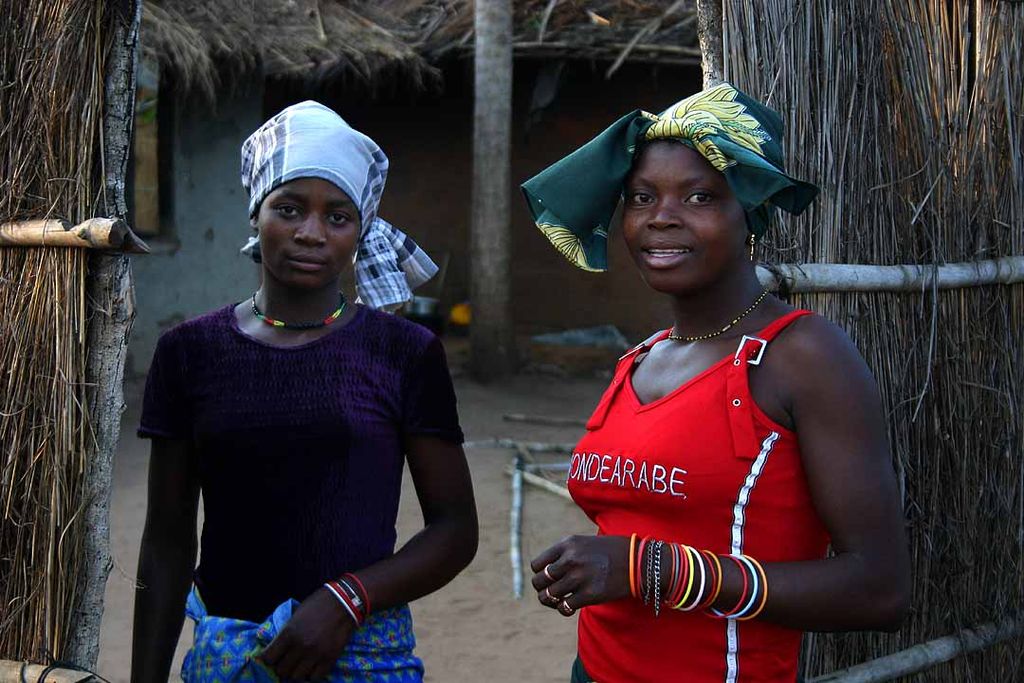
Gender Wage Gap in MozambiqueMozambique is among the poorest countries in the world with a GDP per capita of just $647 and ranking 182nd on the Human Development Index. Among the myriad challenges Mozambique faces as a result of this multidimensional poverty is its gender wage gap, which represents the average income of women compared to men. Addressing the gender wage gap in Mozambique is an important issue of social justice. 

Mozambique’s situation is typical of its regional context. In East and Southern Africa, women earn on average 21% less than men. This unjust state of affairs reflects broader regional gender inequalities relating to education access, as well as deep-rooted attitudes regarding social roles. Here are three key factors affecting the gender wage gap in Mozambique:

1. Women Work Fewer Hours Than Men

The gender wage gap in Mozambique is only 1.6% at the hourly level, but 14.9% at the monthly level. This means that women earn significantly less than men throughout the course of the month, embedding long-term income disparities. One explanation for this is the substantial role of unpaid domestic labor such as child-rearing, which women usually perform, often rendering them unable to work for as many hours as men. Discriminatory working practices are also a concern in this regard.

2. Social Attitudes to Gender Are Highly Restrictive

Gender roles in Mozambique are traditional and deep-rooted. The largest employment sectors for men are “masculine” in nature — manufacture, construction and transport — while for women, the largest sectors are household work and education. Unpaid domestic labor reflects a social contribution that is ‘unseen’ in terms of income. Estimates have indicated that 37% of women and men would need to switch occupations in order to reverse the gender wage gap that these imbalances cause.

Restrictions upon women’s autonomy in Mozambique begin in childhood. About 53% of Mozambican women marry before the age of 18, while 153 of every 1,000 adolescent females (15-19 years old) gave birth in 2023. These alarming figures demonstrate how many young women end up in domestication before they have any notions of formal employment.

3. Educational Attainment Is Highly Imbalanced

The gender wage gap in Mozambique is more pronounced (23.4%) for those who only have a primary level of education than for those who have a post-secondary level of education (13.8%). This is in the context of more girls completing secondary education than boys. Therefore, women who fail to complete secondary education end up with greater wage imbalances and worse socioeconomic prospects.

Moreover, the female literacy rate in Mozambique is substantially lower than the male literacy rate (49% to 72%). This prevents vast numbers of women accessing higher education and the higher-skilled, higher-paid employment opportunities that it beckons.

How the Gender Wage Gap in Mozambique Affects Women

One impact of the gender wage gap in Mozambique is the financial disempowerment of women, including through a lack of financial independence and long-term economic security. Significantly fewer women than men have a banking account (38.7% to 61%), and fewer women than men receive support for the future through pensions or life insurance. Low literacy rates and education levels compound this impact, making many women dependent upon their husbands. The gender wage gap can therefore be understood both as a symptom of and as a cause of restrictive societal expectations of women: it reinforces the deep-rooted inequalities within Mozambican society that give rise to it in the first place.

Reasons To Be Hopeful

Foreign governments and NGOs are offering development aid to target the root causes of the gender wage gap in Mozambique as a matter of priority. For example, Canadian development aid funds the Empowering Adolescent Girls to Learn and Earn (EAGLE) scheme, which aims to help 4,200 adolescent girls in Mozambique improve their educational attainment. Working with community leaders in the highly impoverished Monica and Sofala provinces, the scheme focuses on girls who have previously been forced out of school through marriage or pregnancy. The program provides accelerated literacy, numeracy, business and vocational classes, equipping the girls with important life skills required to enter formal employment and become more economically empowered. So far, EAGLE has helped enroll almost 1,000 girls in primary school, and 99% of participants have passed their National Literacy and Numeracy exams.

Furthermore, the World Bank is aiming to increase the number of girls completing primary and secondary education on a large scale through its Improving Learning and Empowering Girls in Mozambique program. Through a $299 million funding commitment from the U.S., the initiative has significantly increased the primary level grade retention of girls living in highly impoverished areas by providing resources such as textbooks and equipment and leading teacher training programs. At least 55,000 students have benefitted so far.

Looking Ahead

Although the gender wage gap in Mozambique appears to be an insurmountable challenge, development aid programs such as these indicate that where there is the political and economic will to address deep-rooted gender inequalities, issues of female economic empowerment can slowly be overcome. 

– Joseph Webb

Joseph is based in Norwich, UK and focuses on Politics for The Borgen Project.

Photo: Wikipedia Commons

August 2, 2025
https://borgenproject.org/wp-content/uploads/borgen-project-logo.svg 0 0 Jennifer Philipp https://borgenproject.org/wp-content/uploads/borgen-project-logo.svg Jennifer Philipp2025-08-02 07:30:492025-08-01 14:43:05Understanding the Gender Wage Gap in Mozambique 
Gender Equality, Global Poverty, Women's Empowerment

Recognizing Women’s Unpaid Labor: A Growing Global Priority

Women’s Unpaid LaborEvery day, women and girls worldwide perform 12.5 billion hours of unpaid labor, accounting for more than three-quarters of all unpaid care work globally. Women’s unpaid labor is vital in supporting and strengthening families, communities and society. However, a commitment to care responsibilities prevents female economic participation.

According to the International Labor Organization (ILO), these duties keep 708 million women out of the labor market. Recognizing, valuing and supporting women’s unpaid labor by integrating care duties into policy and infrastructure creates greater access to women’s education, employment and leisure.

The Impact of Women’s Unpaid Labor

The effects of unpaid care work are especially pronounced for women in impoverished areas. In low-income countries, women in rural areas spend up to 14 hours daily on unpaid domestic duties. Among women aged 25 to 54, 379 million cite care responsibilities as why they are not part of the workforce. Those with lower levels of education and those living in rural areas face some of the highest barriers to economic participation.

This makes including care and investment in support systems critical to reducing poverty and advancing gender equality. However, countries worldwide are beginning to acknowledge the value of unpaid care work and taking steps to redistribute domestic responsibilities across public and private sectors.

Making Care Visible: Mexico

Increasing the visibility of women’s unpaid labor through empirical evidence is essential to recognizing its importance. According to the National Institute of Statistics and Geography (INEGI), unpaid domestic work accounts for 26.3% of Mexico’s gross domestic product (GDP). To help bring this issue to the forefront, U.N. Women has played a key role in generating and promoting access to data on care work. The economic value of women’s unpaid labor is now visible through tools like Supported Time Surveys and Satellite Account.

In partnership with institutions like El Colegio de Mexico and the National Institute for Women, U.N. Women launched the Care Map, a tool more than 21,000 people used to access information on care services. Its support for local governments also led to evidence-based strategies for establishing care districts, which can now be adopted in other states. Building on these national efforts, U.N. Women Mexico joined the Government of Mexico to create the Global Alliance for Care. The platform has more than 300 members, placing care at the center of public policy.

Creating a quality care system in Mexico is important in recognizing the value of unpaid domestic duties. Barriers preventing women’s economic participation can be overcome by reducing the burden of unpaid labor and treating care as essential infrastructure.

Addressing Time Poverty: Peru

Women in Peru average nearly 40 hours a week on commitments to unpaid labor, which accounts for 52% of their total work time. The physical and emotional burden of care work leaves many women in Peru time-poor, limiting their educational opportunities, political participation and professional advancement. Findings from the 2023-2024 Young Lives Surveys reveal that women and girls are less likely to be employed than their male counterparts, spending more daily hours on unpaid care work.

However, Peru has taken significant measures to lessen the demanding domestic duties placed on women. The Transforming Care Economies project, led by U.N. Women and funded by the Spanish Agency for International Development, has advanced opportunities for caregivers. Since its launch in 2023, more than 350 caregivers have enhanced their basic and personal care skills, improving the quality of support given to those in need.

Alongside this, 70 public officials have received training in care policies and 16 civil society organizations are actively supporting local care facilities. These achievements lay the groundwork for securing the right to quality care and improving caregivers’ lives locally, paving the way for broader institutional recognition and support. By addressing time poverty through improved care systems, Peru actively supports women’s empowerment and greater access to education, employment and participation in public life.

Transforming Women’s Work: Kenya

Oxfam’s 2019 Household Care Survey shows that women in Kenya spend an estimated five hours daily on care work, while men spend just one. The COVID-19 pandemic deepened this disparity, pushing many women out of paid employment as they took on increased caregiving responsibilities due to school closures, the shift to remote learning and the shutdown of child care services.

Access to quality child care reduces the burden of unpaid care work on women. Yet, services remain expensive for low-income families and are often limited to urban areas. This lack of access forces many mothers out of the workforce, especially in rural communities.

Kidogo, a Kenyan nonprofit founded in 2014, works to expand affordable, high-quality child care in low-income areas. Supporting working mothers in informal settlements improves their chances of securing better employment. Kenya’s largest child care provider, Kidogo, serves more than 9,500 children aged less than 5, consistently exceeding development milestones and performing well in primary school. The organization has also influenced key policy reforms, including the Nairobi City County Child Care Facilities Act (2017) and the County Early Childhood Education Bill (2018).

By recognizing and addressing the unequal distribution of care, Kenya can promote professional and personal growth for women.

Looking Ahead

Valuing and supporting unpaid care work is key to reducing poverty and advancing gender equality. Creating access to quality care systems allows women to gain time and opportunities for education, work and leadership. Investing in care as essential infrastructure empowers women, strengthens communities and builds a more just and inclusive economy.

– Beatrice Punt

Beatrice is based in Manchester, UK and focuses on Business and New Markets for The Borgen Project.

Photo: Flickr

July 29, 2025
https://borgenproject.org/wp-content/uploads/borgen-project-logo.svg 0 0 Lynsey 2 https://borgenproject.org/wp-content/uploads/borgen-project-logo.svg Lynsey 22025-07-29 01:30:552025-07-28 09:47:32Recognizing Women’s Unpaid Labor: A Growing Global Priority
Gender Equality, Gender Wage Inequality, Global Poverty

Tackling the Gender Wage Gap in Kazakhstan 

Gender Wage Gap in KazakhstanKazakhstan, the largest economy in Central Asia, has achieved notable advancements in enhancing women’s access to education and formal employment. However, the gender wage gap in Kazakhstan endures, with women consistently earning less than men in the majority of industries. This imbalance constrains economic progress and perpetuates obstacles in attaining fair labor conditions.

Overview of the Gender Wage Gap in Kazakhstan

Kazakhstan has achieved near-parity in education, yet there is still a large wage gap between men and women. In the World Economic Forum’s 2024 Global Gender Gap Report, the nation had an overall score of 0.710, placing it 76th out of 146 nations. With a score of 0.751 for Economic Participation and Opportunity, it shows modest advancements in workforce participation but persistent differences in leadership positions and pay.

According to the United Nations Development Program (UNDP), which cites Kazakhstan’s Bureau of National Statistics, men continuously earn more in almost every industry, with the average gender pay gap narrowing to 21.7% in 2021 before widening again to 25.2% in 2022.

The Asian Development Bank (ADB) reports that, on average, women in Kazakhstan only make 67% of what men do, with the disparity being particularly noticeable in high-paying industries like banking, construction and transportation. The research also emphasizes how under-representation in leadership positions and vocational segregation exacerbate this disparity.

Contributing Factors

A closer look at the factors influencing Kazakhstan’s gender pay wage identifies a number of recurring problems:

  1. Industrial and Occupational Segregation: Women’s over-representation in lower-paying sectors and under-representation in high-paying industries contributed to the wage gap’s consistent 30% level, according to a 2024 research that looked at Kazakhstan from 2011 to 2019. Additionally, the investigation identified “industrial segregation” as one of the primary reasons for the wage gap.
  2. Sticky Floors and Glass Ceilings: Experts point to structural trends such as the “sticky floor,” which traps women in low-paying jobs and the “glass ceiling,” and restricts their access to senior positions. Corporate and social conventions play a major role in creating these obstacles.
  3. The Cost of Motherhood and Unpaid Care Work: Due to workplace prejudice, shortened workdays and career disruptions, mothers in Kazakhstan have financial disadvantages. According to other research, women devote a disproportionate amount of their time to unpaid domestic labor, which exacerbates economic inequality.
  4. Stereotypes Based on Culture and Gender: Traditional gender norms remain widespread in Kazakhstan. According to a UNDP poll, 96% of participants had at least one prejudice against women, such as the idea that men are more qualified for positions of leadership and business. Gender stereotypes restrict women to jobs associated with maternity, childcare and unpaid domestic work, which hinders their ability to progress professionally, according to research on female civil service executives.

Despite Kazakhstan’s high levels of female education and employment access, the pay disparity is maintained by a combination of overlapping structural factors, including caregiving duties, leadership restrictions, industry segregation and deeply rooted prejudices.

Innovation & Solutions

Across Kazakhstan, government bodies, international organizations and civil society are taking concrete action to narrow the gender wage gap in Kazakhstan:

  1. The UNDP-Led Equal Pay Campaign: The UNDP in Kazakhstan started the “Closing the Gender Pay Gap” campaign in May 2023 with the goal of encouraging more openness and communication between businesses in order to narrow the pay gap, which was 25% in 2021 and 21.7% in 2022. The campaign emphasizes the need for gender-responsive workplace regulations and highlights factors, such as career disruptions brought on by parenthood.
  2. National Policy & Legal Reform: Kazakhstan’s government action plan for 2024–27 incorporates gender equality into national budgeting and labor laws while promoting equal rights and opportunities for men and women. In order to monitor pay trends and assess labor policy, the plan calls for the collecting of gender-disaggregated data.
  3. Strengthened Family Policy and Legal Framework: According to an OECD analysis, Kazakhstan’s National Gender Equality Strategy (2006–16) and Equal Rights and Opportunities statute (2009) established important foundations. The government is now putting its “Family and Gender Policy Concept 2030” into practice, with an emphasis on supporting working parents, enhancing women’s economic involvement and incorporating gender equality into legislation.
  4. Regulation of Equal Pay in the Workplace: Kazakhstan scored 75.6 out of 100 in the World Bank’s 2023 “Women, Business and the Law” assessment, which indicates that the country has acceptable legislation pertaining to marriage and mobility but falls short in terms of pay equality and labor rights. Ongoing initiatives to create fair remuneration guidelines and enhance workplace transparency are filling up these regulatory gaps.

Looking Ahead

Despite Kazakhstan’s advancements in education and labor market participation, the gender wage gap continues to be a significant obstacle to complete economic equality. However, momentum is building. Through international cooperation, government-led changes, and growing public awareness, Kazakhstan is creating the framework for more equitable economic development. Addressing the gender wage gap in Kazakhstan will need sustained investment in legal enforcement, transparency and assistance for women in under-represented fields. Kazakhstan has the potential to not only lessen pay gaps domestically but also serve as a strong model for the larger Central Asian area if these initiatives gather momentum.

– Ray Bechara

Ray is based in Glasgow, Scotland and focuses on Technology and Solutions for The Borgen Project.

Photo: Wikimedia Commons

July 26, 2025
https://borgenproject.org/wp-content/uploads/borgen-project-logo.svg 0 0 Jennifer Philipp https://borgenproject.org/wp-content/uploads/borgen-project-logo.svg Jennifer Philipp2025-07-26 03:00:322025-07-25 16:41:25Tackling the Gender Wage Gap in Kazakhstan 
Gender Equality, Gender Wage Inequality, Global Poverty

Addressing the Gender Wage Gap in Sudan

Gender Wage Gap in SudanThe pursuit of gender equality is an international imperative, and understanding the complexities of inequalities, such as the gender wage gap, proves critical to fostering economic empowerment. In Sudan, gender discrimination in pay significantly reverses overall development and poverty reduction. Although continued war undoubtedly widens such inequalities, comprehending the causes behind the gender wage gap is vital for implementing effective solutions. 

The Depth of Economic Disparity

Sudan faces one of the largest gender pay gaps on the continent. Recent reports indicate that, on average, Sudanese women earn an astonishing 82% less than men for performing the same work. The gender wage gap in Sudan significantly surpasses the global average and underscores the need for immediate, specific interventions.

Directly contributing to this gap, the female labor force participation rate in Sudan stood at a low 14.5% in 2022, down from earlier figures and significantly below the global average. This low participation actively inhibits women’s economic independence and their right to earn a fair wage. Furthermore, occupational segregation frequently confines women to specific areas, such as agriculture or unstructured trade, which typically offer lesser wages and limited opportunities for advancement. Such labor segregation directly limits their earning potential and maintains the wage disparity. A lack of transparency in compensation schemes and discriminatory recruitment practices also increase the wage gap. Without clear guidelines and supervision, inequalities easily perpetuate unimpeded.

Societal and Structural Barriers

Institutionalized cultural practices and traditional gender roles largely explain the gender wage gap in Sudan. In most instances, these roles push women to the outskirts of the formal economy, concentrating them in lower-paying jobs or the informal sector where their work often faces devaluation. Educational disparities also account for a significant share of the gender gap in pay. Though some improvements exist, fewer than half of girls finish primary school, and many do not complete their education. Less literacy among women, particularly those from poorer backgrounds, limits their access to better-paying, more skilled jobs. While entrepreneurial activities among many Sudanese women are rampant, often necessitated by circumstances, they face serious constraints. These include restricted access to finance, a lack of knowledge and skills in business and socio-cultural values that restrain their mobility and prospects.

The intersection of gender and poverty is particularly stark in Sudan. While the overall national poverty rate stood at 46.5% in 2009 for North Sudan, recent data from 2021 indicates that 52.3% of the population is considered multidimensionally poor, with an additional 17.7% vulnerable to multidimensional poverty. Women, especially those without assets, private businesses, or education, are disproportionately affected, with studies showing that 90% of women with high economic dependency live below the poverty line. This direct correlation between the gender wage gap and women’s poverty rates highlights how limited economic opportunities and lower earnings trap women in a cycle of destitution, further exacerbated by their vulnerable employment status. For instance, in 2022, 55.5% of women in Sudan were in vulnerable employment, compared to 36.1% of men, meaning they are less likely to have formal work arrangements, social protection or safety nets.

Conflict’s Devastating Impact

Ongoing socio-political instability and conflict severely impede women’s access to employment and education, thus worsening the gender wage gap in Sudan. Displacement, destruction of infrastructure and breakdown of services disproportionately fall on women and girls, leaving them in increasingly marginalized economic positions. The conflict has also generated an enormous increase in demand for gender-based violence services, placing women and girls at higher risks of sexual exploitation and violence. This violence not only leads to physical and psychological trauma but also undermines their ability to integrate into the economy and gain livelihood, as safety concerns and trauma disrupt their economic engagement.

Paving the Path Forward: Empowering Women for Change

Despite daunting difficulties, several organizations and local women-owned businesses actively contribute to combat gender inequality and empower women economically in Sudan. One such organization is the Gender Centre for Research and Training (GCRT), a Sudanese civil society organization established in Khartoum in 1997. GCRT actively raises awareness on gender concepts to ensure gender mainstreaming in development and government policies. The GCRT focuses on research, training, alliance building, networking, advocacy and creating solidarity as means to achieve its objectives. It promotes women’s equality and their right to be active participants in social, cultural, economic and political life in Sudan, particularly during this transitional period toward democracy and peace.

Since 2011, UN Women has also instituted programs which have helped more than 60 women-owned organizations in Sudan. These programs provide vital skills training, humanitarian relief, and support women’s participation in peacebuilding. This assistance directly empowers women to become game-changers in their communities, demonstrating resilience and possibilities of a more equitable future in Sudan.

Towards a More Equitable Future

The long-lasting gender wage gap in Sudan is a complex issue of entrenched economic disparities, gendered social norms and the devastating impacts of war. The resolution of this issue requires an integrated approach of addressing low women’s labor market participation, occupational segregation, education inequalities and the heightened vulnerabilities of poor and war-affected women. By educating women, empowering them economically, and giving them freedom from violence, agencies like GCRT and UN Women are paving new ways for an improved and equitable Sudan, demonstrating that through concerted efforts, even the biggest roadblocks to gender equality can be overcome.

– Anoushka Rai

Anoushka is based in Frisco, TX, USA and focuses on Technology and Solutions for The Borgen Project.

Photo: Unsplash
July 17, 2025
https://borgenproject.org/wp-content/uploads/borgen-project-logo.svg 0 0 Jennifer Philipp https://borgenproject.org/wp-content/uploads/borgen-project-logo.svg Jennifer Philipp2025-07-17 01:30:322025-07-16 13:47:26Addressing the Gender Wage Gap in Sudan
Gender Equality, Gender Wage Inequality, Global Poverty, Women's Empowerment

The Gender Wage Gap in Syria and the Fight for Empowerment

Gender Wage Gap in SyriaIn Syria, where years of brutal violence and extreme poverty have devastated the nation, women are emerging not only as survivors of conflict, but as architects of their country’s future. Yet, despite the crucial role they now play in the rebuilding process, the gender wage gap in Syria remains a barrier to progress. Syrian women are largely undervalued and underpaid compared to their male counterparts, a reality that only perpetuates the nation’s dire economic situation. 

A Country in Crisis

Many widely regard the Syrian civil war, which began in March 2011, as one of the worst humanitarian crises of the 21st century. Over a decade of fighting led to the displacement of more than 14 million civilians, social and political instability and the collapse of the economy. As of December 2024, an estimated 90% of Syrians lived below the poverty line, and 16.7 million people were in need of humanitarian assistance.

Only on December 8, 2024, after 24 years of oppressive totalitarian rule, did the Assad regime fall at the hands of opposition forces. The conflict claimed the lives of more than 600,000 people, many of them men. Now, with so many killed or displaced, Syrian women are increasingly taking on roles in shaping their families, communities and the future of their country.

A Disproportionate Impact on Women

At the same time, women are facing significant struggles. While the civil war had a negative impact on all Syrians, it disproportionately impacted women in many ways. Increases in sexual and gender-based violence, alongside the destruction of hospitals and clinics, deprived countless women of basic and reproductive health care. In 2023, 3.9% of Syrian girls ages 15-19 gave birth, a statistic that reflects both this limited access to health care and rising rates of early and forced marriage.

Syrian women also face a lack of employment opportunities, and when they do secure jobs, they are often receive less pay than men. Globally, women earn around 77 cents for every dollar that their male counterparts earn. Although comprehensive data on the gender wage gap in Syria is yet to exist, labor force participation rates illustrate the economic disparity: in 2024, it was 62.8% among males compared to only 13.3% among females. These numbers are representative of a wider trend in the Arab world, where women’s access to employment is up to 44% lower than men’s.

Beyond being concerning from a gender equality standpoint, the wage disparity in Syria also has serious, even life-threatening implications for women and their families. 92% of female-headed households report either an insufficient or complete inability to meet their basic needs. Additionally, 74% of the almost 6 million Syrians experiencing food insecurity or malnutrition are women and girls.

The Civil War as a Turning Point

However, suffering does not solely define the story of Syrian women. Amidst violence and desolation, many women stepped out of the home and into new roles, defying long held gender norms and stereotypes. Women found numerous ways to transform their challenges into opportunities by protesting against the Assad regime, finding work to support their families and empowering their daughters to learn to take care of themselves.

One particularly noteworthy individual is Ghalia Rahhal, founder of the Mazaya Center for Women’s Empowerment. Despite an assassination attempt, the murder of her son and sexist opposition, she has never stopped her fight to integrate feminist principles into Syrian laws and practices. By training women in refugee camps on politics and equality, Rahhal is preparing them to become active participants in the transitional and future government of their country. 

Inspired to achieve similar goals, the nonprofit Uplifting Syrian Women seeks to help women and girls obtain better jobs by providing them with free online courses and trainings. The organization aims to close the gender wage gap in Syria by empowering women to enter the workforce and recognize their importance in the country’s rebuilding process.

Why Closing the Gap Matters

Looking forward, there is still much uncertainty surrounding the future of women in Syria. One reality, nevertheless, is that the empowerment of women is economically beneficial for all. As the World Economic Forum reports, increasing women’s workforce participation could boost a country’s economic output by up to 35%. That potential could become a reality as more and more women take an active role in the government and the workforce, helping close the gender wage gap in Syria and lift their country into a better future.

– Caroline Clark

Caroline is based in Needham, MA, USA and focuses on Global Health and Politics for The Borgen Project.

Photo: Flickr

July 15, 2025
https://borgenproject.org/wp-content/uploads/borgen-project-logo.svg 0 0 Jennifer Philipp https://borgenproject.org/wp-content/uploads/borgen-project-logo.svg Jennifer Philipp2025-07-15 07:30:132025-07-15 02:46:24The Gender Wage Gap in Syria and the Fight for Empowerment
Gender Equality, Gender Wage Inequality, Global Poverty

The Fight Against the Gender Wage Gap in Belarus

Gender Wage Gap in BelarusThe gender wage gap has been a persistent problem across nearly all professional sectors since the integration of women into the workforce. Unfortunately, this issue remains prevalent in many workplaces today, notably in orthodox societies with traditional views on gender roles, such as Belarus, where the unadjusted gender wage gap favors men by 26.8%.

In Belarusian society, women are often encouraged to pursue lower-risk jobs with standard working conditions and flexible hours, as they dedicate on average 19.2% of their time to unpaid domestic and care work, such as raising children. In contrast, their male counterparts have the freedom to choose professions with longer hours and higher remuneration as they spend only 9.5% of their time on these tasks. As a result of these lower wages and high familial expectations, female workers are more at risk of falling into poverty than male workers. 

Despite ranking at #55 out of 146 countries in the World Economic Forum 2024 Global Gender Gap Index, Belarus is taking significant steps through legislation and internationally backed initiatives to climb the ladder and end discriminatory practices against women in the workplace. These are two key ways that Belarus is fighting against the gender wage gap.

International Aid Efforts

The United Nations Development Programme (UNDP) is an international organization focused on supporting efforts for social and economic progress worldwide, currently working to improve women’s working conditions in Belarus. As a result of a partnership with UNICEF and the National Statistical Committee, the UNDP is now able to collect sex-disaggregated data, enabling it to find national solutions and track their progress in combating the gender wage gap. 

Progressive Legislation

In conjunction with these social efforts, Belarus has recently passed multiple pieces of legislation that are already producing positive results. 

In 2017, the Council of Ministers of the Republic of Belarus adopted the National Plan for Gender Equality. With the goal of developing a more gendered approach to public policy to level the professional playing field and empower women to hold more managerial positions, the action plan has been largely successful since its implementation. Not only do women possess more upper management positions than before, but they also make up 70% of the 69,000 cultural workers in Belarus as they work in the fields of media, education and culture.

In the National Review of the Implementation of the Beijing Declaration and Platform for Action on Gender Equality and the Empowerment of Women, a review in which the government presents answers to questions generated by the United Nations Economic Commission for Europe and UN Women, the Belarusian government explains that they have increased the salaries of employees in the women-dominated public sector. Although they do not give specific figures, professions such as teachers, medical workers and pharmaceutical professionals were the main beneficiaries and are expected to receive further salary augmentation before the end of 2025. This legislation seeks to close the gap between the salaries of these predominantly female professions and the predominantly male industrial professions in Belarus, who consistently earn far more than their female counterparts.

Political Arena

Women have also been rising to prominence in the political arena. Despite the rigid, male-dominated, autocratic regime, in both 2015 and 2020, multiple women were registered as single candidates in the presidential elections, signaling progression towards gender equality across many professions.

While the gender wage gap in Belarus is nowhere near eradicated, these progressive measures put in place by the government and international entities are positive steps towards gender equality in the workplace. These steps provide progressives and feminists across Belarus with cautious optimism. Despite the work that remains, feminist leader Irina Solomatina believes that “being a woman in Belarus is good,” as she hopes for future equality between genders in the workplace and, in turn, a lower risk of poverty for Belarusian women.

– Jack Schuchard

Jack is based in Herndon, VA, USA and focuses on Global Health and Politics for The Borgen Project.

Photo: Wikimedia Commons

July 6, 2025
https://borgenproject.org/wp-content/uploads/borgen-project-logo.svg 0 0 Kim Thelwell https://borgenproject.org/wp-content/uploads/borgen-project-logo.svg Kim Thelwell2025-07-06 01:30:282025-07-05 11:48:58The Fight Against the Gender Wage Gap in Belarus
Employment, Gender Equality, Global Poverty

Understanding the Gender Wage Gap in Bulgaria

Gender Wage Gap in BulgariaBulgaria has made notable progress in improving conditions for women, including higher employment and workforce participation rates. However, gender inequality remains a widespread issue. The 2023 Gender Equality Index indicates that Bulgaria still ranks below the EU average, despite an increase by 4.4 points since 2020.

The gender wage gap in Bulgaria serves as a key indicator of progress in economic and social gender equality. For every euro men make per hour, women earn 86 cents. By closing the gap, the risk of poverty amongst women and vulnerable groups can be significantly reduced.

The Gender Wage Gap in Bulgaria 

The gender wage gap reflects the difference between the average hourly earnings of men and women. According to the European Commission, the gender wage gap in Bulgaria currently ranks 2% below the EU average of 16.2%, placing the gap at 14%.

A study that the Zangador Research Institute conducted reveals that the health care, finance and insurance sectors have the largest pay disparities. Women were found to earn more than men in just two fields: construction and support and administrative services.

Understanding the Gap

There are many underlying reasons that explain the gender wage gap in Bulgaria. Understanding the factors behind pay disparities helps highlight the specific challenges women face in the workplace. 

  • A Divisive Labor Market: Men and women tend to cluster in different trades, creating pay disparities, sectoral segregation and career barriers. Fields like teaching and sales, which employ a larger share of women, typically offer lower wages. Comparable sectors that require similar levels of experience and education often pay more.
  • Men Typically Dominate Leadership Roles: Men more frequently receive promotions, leading to faster career advancement and higher earnings. However, more women have entered managerial roles in Bulgaria. In 2014, women led one inf four firms; by 2019, that figure rose to one in three. Despite this growth, a 2022 World Values Survey found that one-third of Bulgarians still believe men make better executives than women.
  • The “Dual Burden”: Women carry out more unpaid labor, including childcare, housework and caregiving. These responsibilities often reduce their working hours. In Bulgaria, nearly three-quarters of women perform household duties daily, compared to just one-tenth of men.

Poverty Amongst Women in Bulgaria

Financial improvements in Bulgaria across 2006 to 2014 doubled the standard monthly wage for men and women. However, data from the Gender Equality Index in 2019 indicates 24% of women and 20% of men are still at risk of poverty. Single women faced the highest risk at 52%, followed by disabled women at 39%.

Reducing the gender wage gap in Bulgaria lowers the risk of poverty amongst women and helps create greater equality in the workforce. To secure economic empowerment for women in Bulgaria, policymakers must address the gender wage gap by establishing equality in the labor market.

What the Future Holds

Since joining the EU, Bulgaria has seen improved living standards, though income disparities persist. The 2021-2030 National Strategy for Promoting Gender Equality outlines concrete legal and policy measures to support disadvantaged groups. The Bulgarian government approved this strategy in 2020 and continues to lead efforts to eliminate gender inequality and social exclusion.

The program aims to establish equality between men and women in the workplace, reduce the gender wage gap and promote women’s economic independence. In 2021, the government upgraded the employment policy framework to strengthen women’s economic empowerment and increase their participation in the workforce.

The Ministry of Labor and Social Policy aims to implement key objectives of the Employment Priority Strategy. Policymakers will encourage employers to create jobs for disadvantaged groups, thereby increasing the participation of women from vulnerable communities. These measures directly support the core aims of Bulgaria’s National Development Program, specifically Objective 1: Eradication of poverty and Objective 5: Achieving Gender Equality and Empowerment of All Women and Girls.

Additionally, the EU Pay Transparency Directive will require employers to monitor and report gender pay statistics. Starting in June 2027, companies with 150 or more employees must submit annual reports using the prior year’s data. Businesses with 150-249 employees will report every three years, while those with more than 250 will report annually.

Looking Ahead

Ongoing policy initiatives signal a promising path towards narrowing the gender wage gap and advancing economic equality for women in Bulgaria. By actively addressing pay disparities, policymakers can reduce the risk of poverty amongst women and create more equitable economic opportunities across Bulgarian society.

– Beatrice Punt

Beatrice is based in Manchester, UK and focuses on Business and New Markets for The Borgen Project.

Photo: Wikimedia Commons

July 4, 2025
https://borgenproject.org/wp-content/uploads/borgen-project-logo.svg 0 0 Jennifer Philipp https://borgenproject.org/wp-content/uploads/borgen-project-logo.svg Jennifer Philipp2025-07-04 07:30:132025-07-04 03:07:12Understanding the Gender Wage Gap in Bulgaria
Gender Equality, Global Poverty

Gender Wage Gap in Libya

libya genderWhile discussions on gender equality frequently highlight obstacles, Libya is experiencing notable advancements in women’s economic empowerment. Although disparities remain, consistent progress in education, workforce participation, financial access and greater representation in leadership positions indicates a favorable trend.

Political complexities often dominate the narrative of Libya’s socio-economic landscape. However, beneath the surface, a compelling story of progress in gender equality is unfolding, particularly concerning women’s economic roles. While a gender wage gap in Libya persists, reflecting historical and societal challenges, various initiatives and inherent strengths are actively narrowing this divide, demonstrating how life is improving for women through incremental yet impactful changes. This piece delves into the often-overlooked advancements contributing to women’s growing economic influence in Libya.

Employment and Education

A key indicator of economic empowerment is labor force participation. Since 1990, Libya has seen an increase in female labor force participation. While still lower than that of men, the trajectory is positive, with statistics showing a slight but consistent rise, reaching 33% in 2024. This upward trend signifies more women entering the workforce, which could be contributing to the national economy and gaining financial independence. Such incremental growth, though not always dramatic, represents significant progress in a context marked by traditional gender roles and economic transitions.

Education serves as a foundational pillar for economic equality, and Libya has made commendable progress in this area. A remarkable 70.5% of women aged 25 and older have attained at least some secondary education. This high level of educational attainment is a critical enabler, equipping women with the skills and knowledge necessary to pursue diverse careers, engage in higher-paying professions, and contribute to the economy in more significant ways. It indicates a long-term investment in women’s capabilities that will inevitably impact wage equality.

Women in Entrepreneurship and Innovation

Libyan women are increasingly venturing into entrepreneurship and embracing digital innovation, creating their own economic opportunities. Initiatives like “She Codes” and “Maharah Coding Academy,” with the support from organizations such as the European Union and CESVI, are empowering women with essential computer programming and digital skills. These programs not only provide pathways to employment but also foster self-sufficiency and independence. The “Deraya Initiative” further supports entrepreneurs, indicating a growing ecosystem for female-led businesses, which are crucial for economic diversification and women’s financial autonomy.

Increasing Women’s Influence in Governance and Finance

Progress is also evident in women’s growing representation in leadership and financial inclusion. The gap in account ownership between men and women in Libya (11.1%) is notably smaller than the broader Middle East & North Africa aggregate (14%), indicating greater access to financial services for women, according to the World Bank. In the political sphere, women are slowly gaining ground, holding 16.5% of seats in the national parliament in 2024, an increase since 2010.

Furthermore, women constitute 40% of members in Local Peacebuilding and Development Committees, actively influencing conflict resolution and community governance. The election of Libya’s first female mayor in late 2024 stands as a historic milestone, symbolizing a broader shift towards greater female representation and influence in decision-making roles.

Policies and Partnerships Driving Change

The strides made are significantly bolstered by the concerted efforts of both national and international organizations. The UNDP in Libya focuses on gender equality, implementing a Gender Strategy that addresses the underlying causes of inequality. It support women’s participation in elections and ensure equal access to resources and decision-making power, including the implementation of the National Strategy for the Advancement of Women in Libya.

Similarly, the European Union finances numerous projects focused on economic and social rights for women and girls, promoting equal access to technology, education, and supporting female entrepreneurship through initiatives like the EU4PSL project. These collaborations are pivotal in accelerating the pace of change.

The Path Ahead for Full Equality

While acknowledging the ongoing challenges, such as the scarcity of precise data on wage disparities and the need for further legal and social reforms, Libya’s progress demonstrates a resilient push towards gender equality. These challenges are viewed as opportunities for continued advocacy and intervention, driving further innovation in policy and programming.

The journey towards the reduction of the gender wage gap in Libya is characterized by steady, if often understated, progress. The increasing labor force participation, significant educational achievements, burgeoning entrepreneurial spirit, and growing presence in leadership positions are powerful indicators of a positive shift. These advancements, supported by dedicated national and international efforts, are not just statistics; they represent improved lives for countless women, contributing to a more vibrant and equitable Libyan society. The story of women’s economic empowerment in Libya is one of resilience, quiet determination, and a promising future.

– Cameron Jones

Cameron is based in Hendersonville, TN, USA and focuses on Good News for The Borgen Project.

Photo: Flickr

June 28, 2025
https://borgenproject.org/wp-content/uploads/borgen-project-logo.svg 0 0 Naida Jahic https://borgenproject.org/wp-content/uploads/borgen-project-logo.svg Naida Jahic2025-06-28 01:30:042025-06-27 14:10:31Gender Wage Gap in Libya
Gender Equality, Global Poverty, Women's Rights

Caring for Equality: Empowering Women in Uruguay

Women in uruguayIn December 2015, Uruguay passed Law 19.353, establishing the National Comprehensive Care System. This was the first law that pushed for gender equality and laid the framework for various positions of care as a right, not only for children under 3 but also for the elderly and people with disabilities.

The law, backed by the coordinated efforts of multiple ministries, regulated services, trained caregivers and public awareness initiatives aimed at rebalancing gender norms. The SNIC aims to challenge deeply entrenched gendered division of labor in Uruguay, where women disproportionately shoulder unpaid domestic and caregiving work.

SIEMPRE Centers: Redefining Care and Empowering Women

Uruguay’s National Comprehensive Care System, launched in 2021, introduced SIEMPRE Centers, which are early community childhood daycares with early-learning facilities managed by public, private and civil society partnerships, according to the March 2025 report. These centers offer up to eight hours of daily care and receive support from collaboration between trade unions, employers, communities and the Instituto Nacional de Niñas, Niños y Adolescentes (INAU).

Five components driving SIEMPRE’s impact are workshops for families comprising life and vocational skills like gastronomy (cooking), sewing, hairdressing, gardening and other crafts. These workshops aim to empower parents, primarily mothers, to increase their ability to pursue education or paid work due to freed-up time. Violence prevention is a welcome side-effect of SIEMPRE Centers, with staff often able to detect and respond to domestic or gender-based violence, boosting women’s physical safety, according to the March 2025 report. Lastly, centers help shift gender norms by providing crucial skills to young fathers like cooking and nursing, which are deep-rooted stereotypes assigned to women.

Legal Advances for Women

Legal framework and broader equality policies endorse key international women’s rights treaties and implement a progressive domestic legal framework. Notable laws include:

  • The workplace non-discrimination (Law 16,045).
  • Criminalization of domestic violence (Law 17.514) was recently updated in 2017 to remove the “crime of passion” loophole.
  • Legal abortion (Law 18.987)
  • Trans rights (Law 19.684)

Supporting networks and civil society organizations like Mujer y Salud en Uruguay advocate for sexual and reproductive health and rights through public awareness campaigns. Uruguay XXI, an agency that promotes investment and exports, has advanced gender equality in its workforce. Fifty six percent of its 2024 “Más Comercio” mentoring targets were women-led businesses, and women hold about 58% of its leadership roles.

Driving Change

Further engagement, such as campaigns encouraging male caregivers, aims to break norms. For example, the MenCare Campaign engages men as fathers and caregivers to promote gender equality. Although progress is slow, Uruguay is making efforts to make SNIC a social service. By strengthening collective provision, Uruguay transforms care from a burden into a collective responsibility, which would validate unpaid work and reduce hidden gender costs.

SIEMPRE Centers often negotiate through collective bargaining involving unions, employers and the government. Union-business partnerships can produce systemic reforms.

Constant Obstacles

However, despite formal equality, significant challenges persist, like unequal representation. For instance, women hold about 28% of parliamentary seats and top leadership roles, one of the lowest levels in Latin America. Women endure the brunt of unpaid labor. About 61.4% of women are involved in unpaid work, compared to 35.9% of men, resulting in women dedicating their time to domestic chores and caregiving, limiting their opportunities.

While the SNIC made strides in guaranteeing women’s care, the lack of funds makes it difficult to expand its resources. The SNIC budget share for the past five years has been stagnant, resulting in limited ability to construct and expand new centers nationwide. Violence against women in Uruguay remains at one of the highest rates in Latin America, with about 77% of women over 15 experiencing some form of gender-based violence, according to a survey conducted by the United Nations Uruguay.

Looking Ahead

Uruguay’s SNIC is a bold, feminist-informed leap in public policy that directly confronts the gendered distribution of care and builds new pathways for women’s economic and social success. SIEMPRE Centers represent a strong frontline that provides care, economic empowerment, decision-making power, and violence prevention. Yet progress could halt without continued investment, cultural transformation, and stronger female representation.

– Sebastian Llerena

Sebastian is based in Edison, NJ, USA and focuses on Global Health for The Borgen Project.

Photo: Flickr

June 27, 2025
https://borgenproject.org/wp-content/uploads/borgen-project-logo.svg 0 0 Naida Jahic https://borgenproject.org/wp-content/uploads/borgen-project-logo.svg Naida Jahic2025-06-27 01:30:392025-06-30 03:03:33Caring for Equality: Empowering Women in Uruguay
Gender Equality, Gender Wage Inequality, Global Poverty

Addressing the Gender Wage Gap in Papua New Guinea

Gender Wage Gap in Papua New GuineaPapua New Guinea is a developing country located in southwest Oceania. In 2021, U.N. Women reported the island country’s designation as a “lower middle-income country,” amassing a gross national per capita income of $2,386. Based on U.N. Women’s study, statistics show that Papua New Guinea’s income poverty sits at 28%, with 90% of those most affected living in rural environments. To complicate this further, rural women and children are among the most vulnerable under these conditions, facing many challenges to live healthy lives sustainably. Here is information about the gender wage gap in Papua New Guinea.

About the Gender Wage Gap

History has repeatedly indicated a significant disparity in power and economic allocations between women and men. In a society where men dominate the public sphere of influence, women are often disenfranchised. Due to this inequality, women are often short-sighted across sectors with limited access to power, resources, rights and wealth. A precedent of unequal pay for women in the labor market, known as the gender wage gap, often perpetuates this disparity.

The Organization for Economic Cooperation and Development (OECD) defines the gender wage gap as “the difference between the median earnings of men and of women relative to the earnings of men.”

The Gender Wage Gap in Papua New Guinea

In March 2025, the World Bank (WBG) published research showing significant increases in gender equality across landscapes in Papua New Guinea. However, research still shows gaps in employment along gendered lines. In its study, it found the following information:

  • In 2023, the value of waged and salaried female workers amounted to 15.6, more than a 10% increase from the previously recorded value.
  • Hourly earnings gaps are evident between female and male workers. Reporting a median hourly wage gap of 31.5% across all workers, irrespective of employment status, and 13.3% across wage workers. In addition to this, the mean hourly wage gap is 30.8% across all workers, irrespective of employment status and 16.3% across wage workers.
  • In Papua New Guinea, 81.9% of women are vulnerably employed (those who are self-employed and have lower labor incomes and low job security), with the remaining female population making up employers and wage and salaried workers. However, in comparison to this statistic, their male counterparts comprise 68.5% of vulnerable employment, with the remaining 27.3% fulfilling roles as employers and wage and salaried workers.

Steps in Achieving Gender Equality Globally

In the face of these wage and economic inequalities, various efforts are occurring to address these disparities. In 2024, the World Bank Group launched an initiative to accelerate gender equality, end poverty and cultivate a more livable planet. This conceptual framework will be implemented from 2024 until 20230 across the world. Its objectives include:

  • Ending gender based violence and elevating human capital
  • Expanding and enabling economic opportunities
  • Engaging women as leaders

Project Implementation in Papua New Guinea

Under the WBG’s program, selected countries like Papua New Guinea expressed a vested interest in prioritizing gender equality through various programs and reforms. The World Bank Group has outlined the following approaches.

  • The WBG is aiming to remove “barriers to women’s economic inclusion.”
  • It is prioritizing gender equality and emphasizing women’s participation in the labor force.
  • The WBG is also integrating gender analysis into the “country’s analytics to inform policy dialogue.”

This initiative leverages collective action in the interest of cultivating a world and future committed to nondiscrimination, inclusion and equality of opportunity. Furthermore, economic opportunities will experience expansion through meaningful and transformative impact. By working closely with nations through a country-engagement model, strategies to implement change through innovative financing and policy reforms will enable the advancement of public resources, support and equality for people regardless of their gender identity.

– McKenzie Rentie

McKenzie is based in Dallas, TX, USA and focuses on Celebs and Politics for The Borgen Project.

Photo: Pexels

June 21, 2025
https://borgenproject.org/wp-content/uploads/borgen-project-logo.svg 0 0 Jennifer Philipp https://borgenproject.org/wp-content/uploads/borgen-project-logo.svg Jennifer Philipp2025-06-21 01:30:322025-06-23 10:32:35Addressing the Gender Wage Gap in Papua New Guinea
Page 7 of 39«‹56789›»

Get Smarter

  • Global Poverty 101
  • Global Poverty… The Good News
  • Global Poverty & U.S. Jobs
  • Global Poverty and National Security
  • Innovative Solutions to Poverty
  • Global Poverty & Aid FAQ’s
Search Search

Take Action

  • Call Congress
  • Email Congress
  • Donate
  • 30 Ways to Help
  • Volunteer Ops
  • Internships
  • Courses & Certificates
  • The Podcast
Borgen Project

“The Borgen Project is an incredible nonprofit organization that is addressing poverty and hunger and working towards ending them.”

-The Huffington Post

Inside The Borgen Project

  • Contact
  • About
  • Financials
  • President
  • Board of Directors
  • Board of Advisors

International Links

  • UK Email Parliament
  • UK Donate
  • Canada Email Parliament

Get Smarter

  • Global Poverty 101
  • Global Poverty… The Good News
  • Global Poverty & U.S. Jobs
  • Global Poverty and National Security
  • Innovative Solutions to Poverty
  • Global Poverty & Aid FAQ’s

Ways to Help

  • Call Congress
  • Email Congress
  • Donate
  • 30 Ways to Help
  • Volunteer Ops
  • Internships
  • Courses & Certificates
  • The Podcast
Scroll to top Scroll to top Scroll to top