• Link to X
  • Link to Facebook
  • Link to Instagram
  • Link to TikTok
  • Link to Youtube
  • About
    • About Us
      • President
      • Board of Directors
      • Board of Advisors
      • Financials
      • Our Methodology
      • Success Tracker
      • Contact
  • Act Now
    • 30 Ways to Help
      • Email Congress
      • Call Congress
      • Volunteer
      • Courses & Certificates
      • Be a Donor
    • Internships
      • In-Office Internships
      • Remote Internships
    • Legislation
      • Politics 101
  • The Blog
  • The Podcast
  • Magazine
  • Donate
  • Click to open the search input field Click to open the search input field Search
  • Menu Menu

Archive for category: Gender Equality

Gender Equality, Gender Wage Inequality, Global Poverty

Gender Wage Gap in Nicaragua Ranks 6th Narrowest Globally

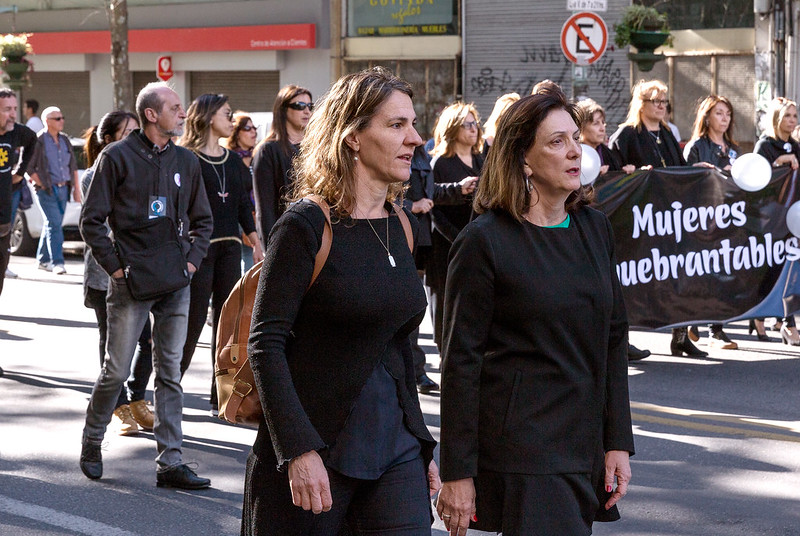
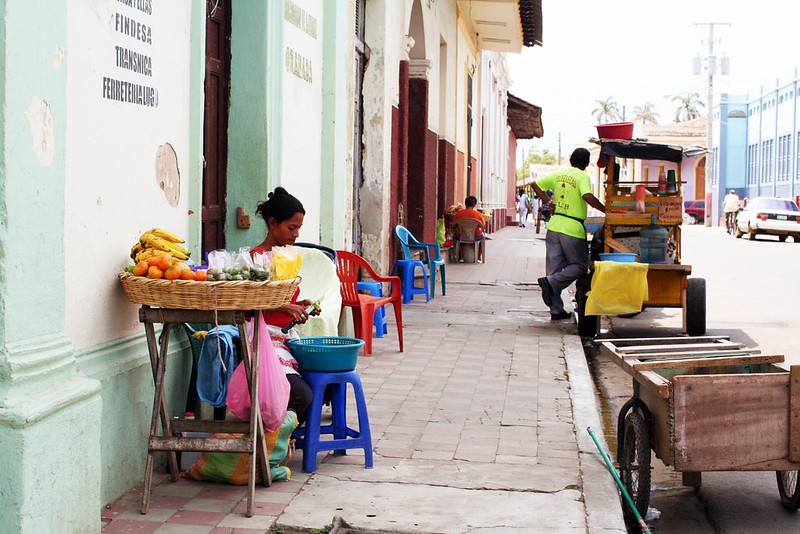
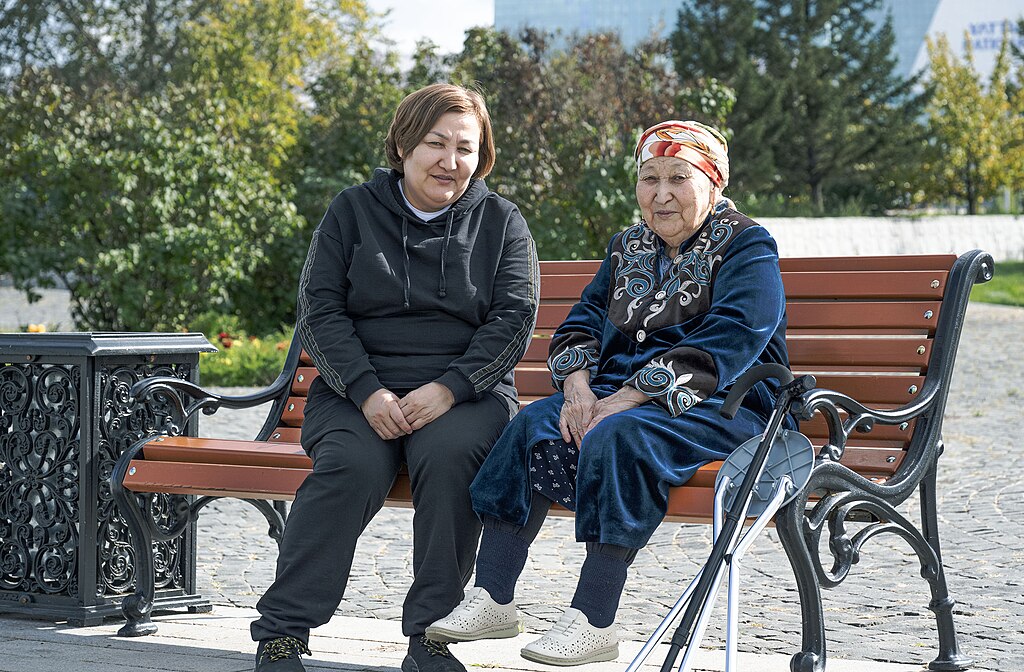
gender gap nicaraguaIn the 2024 Global Gender Gap Report, Nicaragua ranked sixth in narrowing gender gaps nationally–the only country in the Americas to rank in the top 10. Narrowing the gender gap entails eradicating the difference in outcomes for and opportunities offered to men and women, which fits into SDG 5. The gender wage gap is a specific manifestation of gender inequality. This gap encompasses the difference between men’s and women’s median financial earnings. While this statistic represents income generally, the issue of women receiving lower wages than men for the same job adds to this difference.

Through a variety of efforts, Nicaragua has decreased its gender wage gap by 80% since 2006. Decades-old initiatives such as the Nicaraguan Women’s Institute have set the stage for Nicaragua’s record levels of gender equality today, and more recent programs such as Better Work are doing on-the-ground work to fight for equal pay.

Nicaraguan Women’s Institute

The Nicaraguan government created the Nicaraguan Women’s Institute in 1987 as a body for spearheading gender equality policies. These policies influence areas of female inequality from domestic abuse to labor. The Women’s Institute targets Nicaraguan institutions, providing strategies that will sustainably enact gender equality over time.

While the institute implemented many of its programs some time ago, the foundation it laid has allowed Nicaragua to reach its impressively narrow gender wage gap today.  Many of its programs have targeted a wide range of areas in a woman’s life beyond wages, including health and education. These strategies, such as the National Program of Gender Equity, may have helped women gain access to employment, decreasing the gender wage gap.

Better Work

Better Work is an initiative that increases factories’ compliance with labor standards from the International Labor Organization (ILO). This program is a joint initiative from the ILO and the International Finance Corporation (IFC).

Better Work examines a factory’s labor conditions and shares its findings with major companies. Since many of today’s companies prefer to work with ethical factories for reputational issues, noncompliance with ILO standards is penalized.

Gender equality is a core element of Better Work’s approach. Better Work uses training and advisory services to help factories adhere to ILO standards, with gender equality strategies fully integrated into these efforts. Complying with gender equality, such as wage equality, is therefore incorporated into complying with ILO labor standards.

Since its establishment in Nicaragua in 2010, Better Work has worked with 32 Nicaraguan factories, 20 brands, and more than 45,000 workers. The initiative specifically targets the gender wage gap by fighting for shorter hours and higher wages for women to match those made by men. Industry labor accounts for almost a fifth of employment in Nicaragua, meaning Better Work’s efforts can reach a significant portion of the population.

Gender Wage Gap in Nicaragua: Going Forward

The Nicaraguan Women’s Institute and Better Work can be expected to continue to make a positive impact on Nicaragua’s gender wage gap. Nicaragua still has a way to go until it reaches gender equality in the workforce, with a female employment rate of 54.9% and a male employment rate of 75.9% in 2024.

Yet, the Women’s Institute’s institutional change strategy and Better Work’s advisory and incentive-based approach have already helped Nicaragua to decrease its gender wage gap by 80% since 2006, showcasing their effectiveness.

– Madison Fetch

Madison is based in Glasgow, Scotland and focuses on Business and Politics for The Borgen Project.

Photo: Flickr
June 17, 2025
https://borgenproject.org/wp-content/uploads/borgen-project-logo.svg 0 0 Naida Jahic https://borgenproject.org/wp-content/uploads/borgen-project-logo.svg Naida Jahic2025-06-17 07:30:042025-06-16 10:22:46Gender Wage Gap in Nicaragua Ranks 6th Narrowest Globally
Gender Equality, Global Poverty, Violence

Advancing Gender Equality in Ecuador Under SDG 5

Gender Equality in EcuadorGender Equality in Ecuador is making significant progress as the country implements new laws and initiatives to address gender disparities. These efforts align with Sustainable Development Goal 5 (SDG 5), which aims to empower all women and girls. While persistent challenges like wage gaps and gender-based violence remain, recent legislative developments and support from international organizations reflect Ecuador’s commitment to long-term change.

Legal Reforms Supporting Gender Equality in Ecuador 

In 2023, Ecuador passed two major laws aimed at increasing women’s economic participation:

  • The Equal Pay Law: The Equal Pay Law requires organizations to develop equality plans and submit annual wage reports to monitor and address gender pay disparities.
  • The Care Economy Law: The Care Economy Law formally recognizes unpaid care work and provides social protections for caregivers.

These reforms address long-standing barriers to women’s participation in the labor market in Ecuador, where approximately 552,284 women were engaged in unpaid labor as of Oct. 2024. Women aged 15 and older spend nearly 19.2% of their day on care work and domestic tasks (four times more than men). These laws seek to dismantle structural barriers that prevent women from fully participating in the labor market. 

U.N. Women have supported gender-sensitive workplace practices in Ecuador through technical assistance and funding for programs that promote equality. Notably, U.N. Women have advocated for the implementation of the Violet Law which mandates that companies with 50 or more employees must develop an equality plan registered before the Ministry of labor. These efforts align with broader feminist frameworks like the ‘Purple Economy’ which advocates for a caring and gender-equal economic model.

Women’s Participation in Politics

Legislative change has also led to historic gains in political representation. For instance, in 2023, women held 43.1% of seats in Ecuador’s National Assembly. Meanwhile, the cabinet of President Daniel Noboa included 47% women, the highest in Ecuador’s history.

Gender parity reforms in the electoral code have largely driven these advances in gender equality as they require political parties to progressively increase the percentage of women heading candidate lists.

Persistent Gender Gaps in Employment and Pay 

Despite legal reforms, gender disparities remain prominent in Ecuador’s labor market. For instance, in 2023 female labor force participation was 53% for women compared to 76% for men. According to the UNDP, women-led households are more likely to live in poverty due to fewer job opportunities, lower wages and care responsibilities. For instance, 38.1% of the population lived in multidimensional poverty in 2022. In rural areas, that number stood at 70%. These figures highlight how continued efforts are needed to create inclusive economic opportunities for women.  

The Urgent Issue of Gender-Based Violence

Gender-based violence is another significant challenge to achieving SDG 5 for Ecuador. According to Encuesta de Violencia Contra las Mujeres, 65% of women in Ecuador have experienced some form of violence in their life. The government has responded by reinforcing the 2018 Law to prevent and eradicate violence against women and amended the penal code to criminalize femicide and gender discrimination.

For women subject to gender-based violence, a lack of financial resources often makes it harder to escape abusive environments, perpetuating the cycle of poverty. A lack of access to support forces many women to remain in unsafe situations. Governments and organizations must target investment in economic and legal support to break this cycle. 

Collaborative Efforts to Advance SDG 5 in Ecuador

However, organizations like Fundación María Guare aid turning policy into practical support. Since its establishment in 1990, the organization has provided legal aid, counseling and shelter to more than 232 women escaping violence. These programs help vulnerable women access their rights and rebuild their lives. 

Ecuador’s pursuit of gender equality reflects a culmination of policy progress and persistent social challenges. New laws, rising female leadership and grassroots programs demonstrate that change is mobilizing. However, further action is required to close gender labor gaps and end violence. Collaboration between government, international partners and local organizations will be crucial for achieving SDG 5 and ensuring lasting, inclusive development.

– Rebecca Lee

Rebecca is based in Scotland and focuses on Politics for The Borgen Project.

Photo: Unsplash

May 31, 2025
https://borgenproject.org/wp-content/uploads/borgen-project-logo.svg 0 0 Jennifer Philipp https://borgenproject.org/wp-content/uploads/borgen-project-logo.svg Jennifer Philipp2025-05-31 01:30:402025-05-30 22:45:37Advancing Gender Equality in Ecuador Under SDG 5
Gender Equality, Gender Wage Inequality, Global Poverty, Women and Female Empowerment

Addressing the Gender Wage Gap in Saint Lucia 

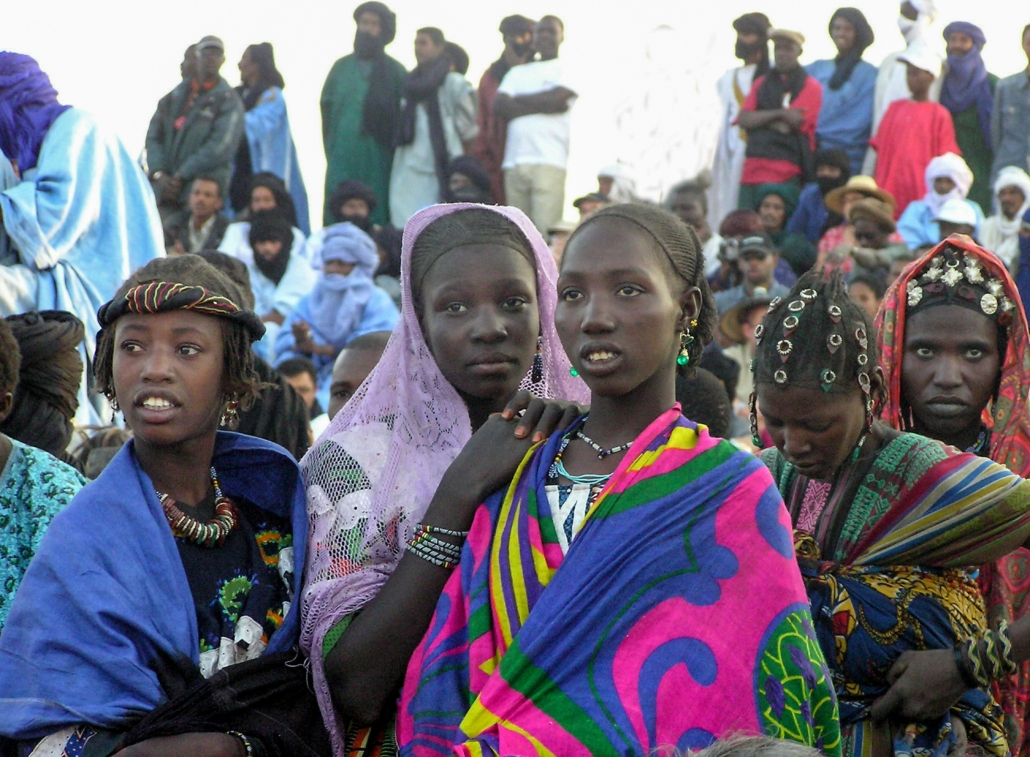
Gender Wage Gap in Saint LuciaWage disparities between men and women are a significant issue globally, and the gender wage gap in Saint Lucia is no exception. Despite some progress, women on the island still earn less than men for performing the same work. Factors such as restrictive societal norms and domestic responsibilities heavily contribute to this gap. Efforts are advancing to improve these conditions, but Saint Lucia still has a long way to go before achieving wage equality.

Gender Wage Gap in Saint Lucia

The gender wage gap in Saint Lucia reflects broader inequalities within the job market. Women make up 62.9% of the labor force, significantly trailing men at 75.6%. This disparity does not result from a lack of motivation or capability, but is largely due to the weight of unpaid domestic work carried by women. These societal expectations limit women’s full participation in the workforce, reducing their economic independence and contributing to poverty.

Also, the insufficient accommodations and resources available to support mothers balancing family responsibilities play a significant role in the high poverty rates among women in Saint Lucia. Because women frequently occupy lower-paying jobs, they have less access to the social protections that often receive funding from insurance and social security contributions, which puts them at a further disadvantage compared to their male counterparts.

Power of Education

According to UN Women, women in Saint Lucia earn approximately 10% less than men. However, data from the Saint Lucia Central Statistical Office shows that higher levels of education correlate with a smaller wage gap. This demonstrates the importance of access to quality education in empowering women and enhancing their earning potential. Investments in education are key to addressing the gender wage gap in Saint Lucia and alleviating poverty.

However, Saint Lucia has made meaningful strides in empowering women and promoting educational opportunities that play a crucial role in advancing gender equity among the workplace. Ongoing commitment to these initiatives remains important for further closing the income divide and building a society that thrives on principles of equality and fairness.

Time for Change

One promising initiative tackling the gender wage gap in Saint Lucia is the Renewable Energy Sector Development Project, launched by the World Bank. This clean energy initiative prioritizes gender inclusion by awarding scholarships to women in engineering fields. Since its start in July 2022, the program has awarded 17 scholarships to women pursuing degrees in electrical and mechanical engineering, fields historically dominated by men. This program offers a path for women to access higher-paying, high-demand jobs in the STEM field, thereby helping reduce the gender wage gap in Saint Lucia.

Recently in Saint Lucia, young ladies gathered with female leaders to discuss women’s empowerment and networking. The Department of Gender Affairs organized the event in partnership with the UN Women Multi-Country Office through the Build Back Equal Programme. The stories that these leaders shared inspired the girls, showing them that individuals like themselves can thrive despite facing institutional barriers. This event marked the beginning of more opportunities for young women to gain knowledge and feel empowered in their professional journeys.

The milestones achieved through initiatives like the Renewable Energy Sector Development Project and the Build Back Equal Programme are very meaningful. By actively creating spaces for women to enter and thrive in traditionally male-dominated fields, these programs help close the gender pay gap and also lay the groundwork for stronger economic development across Saint Lucia.

Looking Ahead

Despite the country’s small population of under 180,000, Saint Lucia is making bold strides toward gender equity. Such progress deserves greater recognition. Highlighting these efforts brings much-needed attention to the power of investing in women. When women gain access to quality education, professional mentorship and high-paying careers, the benefits extend outward; strengthening families, communities and the nation as a whole. Empowering women is not only a matter of fairness; it is a bridge for a more resilient society.

– Knia Parks

Knia is based in Pepper Pike, OH, USA and focuses on Good News and Politics for The Borgen Project.

Photo: Flickr
May 30, 2025
https://borgenproject.org/wp-content/uploads/borgen-project-logo.svg 0 0 Jennifer Philipp https://borgenproject.org/wp-content/uploads/borgen-project-logo.svg Jennifer Philipp2025-05-30 07:30:142025-05-30 05:24:03Addressing the Gender Wage Gap in Saint Lucia 
Gender Equality, Global Poverty, Technology

Women Coders: Empowering Women in Ethiopia

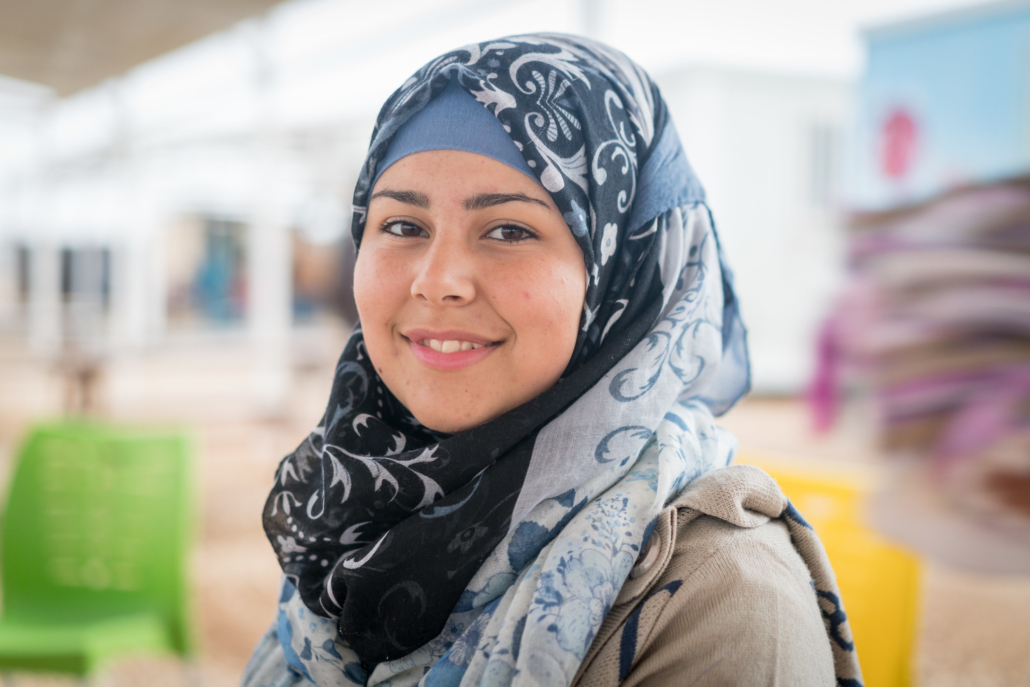
SheCodes: Empowering Women in Ethiopia Through CodingIn 2025, women in Ethiopia continue to face steep barriers in escaping poverty. This reality spurred the Federal Democratic Republic of Ethiopia to adopt the National Policy on Women in 1993, aimed at addressing gender inequities in access to resources and social opportunities. Despite good intentions, this legislation fell short in eliminating the structural and cultural disadvantages that keep many women in poverty.

Fast forward to the global tech boom of the 2000s and Africa now represents the fastest-growing region for technology worldwide—an enormous opportunity for poverty alleviation through economic growth and increased market access. But as the tech sector grows, gender disparities also widen. In Ethiopia, the digital economy has magnified decades-old inequalities in income, leadership and opportunity.

The Feminization of Poverty

With a population nearing 127 million, Ethiopia ranks as Africa’s second most populous country and one of its fastest-growing economies. Yet, approximately 69% of the population—about 82 million people—live in multidimensional poverty. Additionally, 18.4% or more than 22 million Ethiopians remain vulnerable to poverty.  Women in Ethiopia are particularly affected, facing a unique phenomenon known as the feminization of poverty, a concept representing the disproportionate number of women facing debilitating barriers to personal development. The following statistics reflect systemic barriers:

  • Only 21.9% of girls complete lower secondary school.
  • Women face an 18.9-point adult literacy gap compared to men, higher than the Sub-Saharan Africa average of 12.4 points.
  • Vulnerable employment affects 87.4% of women.
  • The account ownership gap between men and women is 15.9 points.
  • Roughly 50% of women are not homeowners.
  • About 37% of women experience intimate partner violence, 10% above the global average.
  • Women trail 44% behind men in hourly wages.
  • Only 30% of women receive STEM training or work in tech.

These gaps cost the country an estimated $3.7 billion annually, underscoring the economic consequences of gender inequality.

Tech Training for a New Generation

In Ethiopia, where only half of all primary school girls reach fifth grade, forging a new path to sustainability and financial independence for future generations of women is critical. SheCodes, in partnership with the Delac Foundation, provides a tech-based solution to these ongoing challenges.

The initiative offers coding education to 5,000 Ethiopian women, delivering free online workshops in front-end development, product design and project management. Indeed, with every purchase at SheCodes, one Ethiopian woman receives free coding education through online workshops focusing on product development, design and management.

Founded in 2017 by Matt Delac, SheCodes initially started as an idea supporting only 10 female students. Almost a decade later, SheCodes has provided online training to more than 235,000 women, of whom 2,257 reside in Ethiopia and across 191 developing countries.

Closing the Gender Gap Through Technology

The program’s work includes growing the number of women coders seeking professional and career development by boosting female participation in technology. This increased involvement is pivotal in poverty reduction, driving economic growth and the continued ascent of women and their families.

Research from the World Bank demonstrated how helping women break into the male-dominated digital and tech sector improves income, raises employment and creates new opportunities for all. The Harvard University Center for  African Studies demonstrated how women-led tech firms experienced a 34% higher return on investment than those led solely by men. With one coding class at a time, SheCodes bridges the employment and wage gap, equipping aspiring women coders in Ethiopia with the skills to build a better future. 

Looking Ahead

Efforts to address gender-based poverty in Ethiopia increasingly intersect with opportunities in the digital economy. Initiatives empowering women coders like SheCodes demonstrate how targeted training and inclusive tech education can equip women with marketable skills and access to emerging job sectors. While challenges remain, expanding such programs may contribute to broader development goals. Additionally, this could lead to improved economic resilience and support more equitable growth in Ethiopia.

– Marcus Villagomez

Marcus is based in Galveston, TX, USA, and focuses on Technology and Solutions for The Borgen Project.

Photo: Flickr
May 24, 2025
https://borgenproject.org/wp-content/uploads/borgen-project-logo.svg 0 0 Precious Sheidu https://borgenproject.org/wp-content/uploads/borgen-project-logo.svg Precious Sheidu2025-05-24 07:30:292025-05-24 04:02:21Women Coders: Empowering Women in Ethiopia
Gender Equality, Global Poverty, Women's Rights

5 Things To Know About Femicide in Honduras

Femicide in HondurasHonduras is the country with the most femicides in Latin America. In 2020, 278 women in Honduras lost their lives due to femicide and the issue has only gotten worse during and since the pandemic. Additionally, the alarming rates of gender-based violence and murders are mainly due to the patriarchy and sexism that are deep in the culture.

Femicide in Honduras

Femicide is one of the leading causes of death among adult women in Honduras. Despite awareness of this alarming trend, authorities often fail to take sufficient action. An estimated 90% of femicide cases go unpunished.

Many women who attempt to report abuse or domestic violence are not taken seriously, further discouraging victims from seeking help. This lack of response has only fueled the rise in femicide, as impunity and inaction continue to perpetuate the crisis.

Gender-Based Violence

Honduras is considered one of the most challenging places to live as a woman, with gender-based violence widespread across the country. In 2022 alone, 297 women were killed and between 2016 and 2022, a total of 2,264 women lost their lives to such violence.

Impoverished Women Suffer More

Femicide disproportionately affects impoverished women. In poor neighborhoods, police often dismiss complaints and judicial corruption stifles justice, with only 20–30% of women using state services due to distrust.

A mother in Cortes, living in poverty, reported her gang-affiliated ex-partner’s threats. However, police inaction left her vulnerable, illustrating how economic disadvantage compounds the lack of punishment for people who commit femicide.

Weak Law Enforcement

Laws have been enacted in an effort to address the issue, but impoverished women remain vulnerable. Legislation such as the 2006 Domestic Violence Law was designed to offer protection. However, weak enforcement, particularly in low-income areas, has limited its impact. Still, there is cautious optimism, as the president of Honduras has pledged to focus more on women’s rights and the fight against gender-based violence moving forward.

Hope for the Future

There is hope for the future. Movimiento de Mujeres de la Colonia López Arellano (MOMUCLA) is a grassroots organization that has spent years advocating for women’s rights in northern Honduras. In Choloma, the city where it primarily operates, the number of femicides dropped significantly, from 38 cases in 2019 to 13 in 2020, demonstrating the potential impact of sustained local efforts. This organization targets low-income neighborhoods affected by gangs, helping those who are not receiving help from the government.

Conclusion

Femicide in Honduras remains a widespread and deeply rooted issue. Furthermore, femicide disproportionately affects low-income women who often lack the resources to escape dangerous situations, sometimes with fatal consequences. While some measures have been implemented to curb gender-based violence, they have benefited mainly women with greater financial means. Unfortunately, this leaves those in poverty underserved and unprotected.

However, there is hope. A growing number of organizations are stepping up to support low-income women impacted by gender-based violence, working to provide protection, resources and a path toward justice.

– Sydney Carr

Sydney is based in San Diego, CA, USA and focuses on Global Health for The Borgen Project.

Photo: Pexels

April 21, 2025
https://borgenproject.org/wp-content/uploads/borgen-project-logo.svg 0 0 Lynsey 2 https://borgenproject.org/wp-content/uploads/borgen-project-logo.svg Lynsey 22025-04-21 07:30:212025-04-21 03:35:055 Things To Know About Femicide in Honduras
Gender Equality, Global Poverty, Women's Rights

The Gender Wage Gap in Haiti

The Gender Wage Gap in HaitiWomen in Haiti earn 20% to 30% less than their male counterparts. Additionally, they are more likely to be unemployed and less likely to have consistent jobs. In addition to the gender wage gap, women in Haiti face higher unemployment rates and fewer opportunities for stable, long-term employment. The challenges are even greater for women with children, as they are less likely to find work compared to women without children, further compounding their economic struggles.

Education

Education is a significant factor in women’s employment, as educated women are more likely to have jobs in higher positions. The literacy rate for women in Haiti is among the lowest in Latin America and the Caribbean, which plays a role in the gender wage gap in Haiti.

Child marriage and early childbirth are two major factors that prevent girls in Haiti from attending school or completing secondary education. Secondary education is essential for women to access higher-paying jobs, as simply finishing primary school is often insufficient to secure employment.

Textiles

Women dominate the textile industry in Haiti, which holds promise for creating more jobs and potentially higher pay for women. However, entry-level positions, predominantly filled by women, offer extremely low wages. Although two-thirds of the workers in the industry are women, higher-ranking positions are often occupied by men. Many women in textiles have limited education and face additional disadvantages due to the country’s low minimum wage, which further impacts their earning potential.

Unemployment During the Pandemic

There was a significant decrease in women’s employment during the pandemic. This is likely attributed to inequality in pay for domestic work. Data shows that most women did household chores like laundry, cooking, cleaning and caring for children. Only 35% of people surveyed said that the man and woman of the household shared these duties. Women-dominated fields, such as firms, were closed disproportionately during the pandemic, causing these women to work solely domestically.

Economic Factors

While a legal framework mandates equal pay, certain jobs, such as night shifts, dangerous roles and industrial positions, typically offer higher wages. However, women often do not have equal access to these opportunities. This creates a loophole that perpetuates the gender wage gap in Haiti. This disparity significantly contributes to unequal pay between men and women in the workforce.

Women in Haiti are entitled to only 12 weeks of paid leave, compared to the recommended 14 weeks, while men are granted just one week of paid leave. Additionally, women with children under 5 are less likely to participate in the workforce. This policy creates significant barriers to women’s full employment and career advancement.

Empowering Women

To address the gender wage gap in Haiti, the Food and Agriculture Organization of the United Nations (FAO) supported the Haitian Ministry of Women’s Affairs and Women’s Rights (MCFDF) through the project “Supporting the Government of Haiti for the Socioeconomic Empowerment of Rural Women.”

The project, which ran from January 2020 to December 2021, aimed to raise awareness among rural women about the importance of their roles and potential within their communities. It provided 1,200 women, organized into 15 associations, with both technical and financial support to help foster women’s freedom.

Summary

The gender wage gap in Haiti is driven by limited education, unequal job opportunities and systemic barriers, particularly for women with children. Despite legal frameworks for equal pay, women face significant challenges accessing better-paying jobs. However, initiatives like the FAO’s empowerment project provide valuable support, offering women the tools to improve their economic independence. Addressing these issues is crucial for reducing the gender wage gap and creating a more equitable society in Haiti.

– Ella Burke

Ella is based in Lawrence, KS, USA and focuses on Technology and Celebs for The Borgen Project.

Photo: Wikimedia Commons

April 8, 2025
https://borgenproject.org/wp-content/uploads/borgen-project-logo.svg 0 0 Lynsey 2 https://borgenproject.org/wp-content/uploads/borgen-project-logo.svg Lynsey 22025-04-08 01:30:522025-04-07 13:25:06The Gender Wage Gap in Haiti
Gender Equality, Global Poverty, Violence

Women’s Police Stations Combat Gender-Based Violence in India 

Women’s Police Stations Combat Gender-Based Violence in India In India, approximately 120 women live in extreme poverty for every 100 men and 30% of women experience domestic violence. Yet, many never report these incidents due to fear, stigma and a lack of trust in law enforcement. Deeply entrenched gender hierarchies have led to widespread gender-based violence (GBV), where women often endure skepticism and prejudice when they try to tell their stories. When seeking help from male-dominated police stations, Indian women frequently face additional challenges. Men account for 90% of the Indian police force, making it difficult for women to feel safe or understood when reporting violence. Despite government efforts to increase female representation in law enforcement, progress has been slow, leaving many women without a supportive system to rely on.

Women’s Police Stations

Women’s police stations, staffed exclusively by women, provide a safer and more supportive environment for victims of gender-based violence. These stations focus on helping victims rather than solely pursuing the arrest of perpetrators. Officers connect women with domestic violence helplines, provide counseling and help them escape abusive situations. The first women’s police station, the Vanitha Police Station, was established in Kerala, India, in 1973. The success of this model led to the rapid adoption of similar stations across India, with 745 now operating, primarily in urban centers. These stations offer women a space where they can seek help without fear or intimidation. Female officers handle cases of domestic violence and sexual abuse, but they also address other gender-specific issues, giving victims a sense of empowerment and agency.

India’s women-only police stations have inspired similar models worldwide. Brazil established its first women’s police station in São Paulo and countries across Latin America and Africa have since adopted the model to combat systemic discrimination and gender-based violence.

Increasing Reporting and Legislative Impact

Women’s police stations in India have led to a 29% increase in domestic violence reporting. When women see themselves reflected in law enforcement, they are more likely to come forward and seek help. Increased reporting provides governments with more accurate data, which can lead to stronger legislation to protect women. By addressing the root causes of gender inequality, these stations contribute to breaking the cycle of violence and poverty.

Women who are more likely to experience domestic violence are often the same individuals living in extreme poverty. Rural women face higher risks of gender-based violence compared to those in urban areas. Women’s police stations not only offer support but also provide valuable information about the challenges these women face, which can shape policy changes that uplift vulnerable communities. Although the Indian government has attempted to address gender disparities in poverty, women-only police stations add urgency to legislative efforts aimed at ending these inequalities.

Global Impact on Crime Reduction

The success of women’s police stations extends beyond India’s borders. In Brazil, female homicide rates among women aged 18 to 24 dropped by 50% and the overall rate decreased by 17% following the establishment of these stations. Female personnel deterred crimes against women by creating an environment where victims felt safer reporting violence. India’s decision to pioneer this model has had a far-reaching influence, ensuring greater safety for women across the globe.

Women’s police stations offer more than law enforcement. They create a space where women can reclaim their agency, find support and pursue justice without fear. These stations address gender-based violence while contributing to broader efforts to break cycles of poverty and inequality.

Looking Ahead

Women’s police stations in India have demonstrated remarkable success, but their continued impact depends on sustained funding and expanded outreach. Increasing the number of these stations, particularly in rural areas, could ensure that more women have access to safe and supportive environments. Scaling these ongoing efforts can potentially reduce GBV and also contribute to dismantling structural inequalities that perpetuate poverty and violence. By strengthening and expanding this initiative, India has the potential to empower millions of women to live safely and independently, free from the constraints of violence.

– Divya Beeram

Divya is based in San Antonio, Texas, USA and focuses on Technology and Politics for The Borgen Project.

Photo: Flickr
April 2, 2025
https://borgenproject.org/wp-content/uploads/borgen-project-logo.svg 0 0 Precious Sheidu https://borgenproject.org/wp-content/uploads/borgen-project-logo.svg Precious Sheidu2025-04-02 07:30:522025-04-01 17:04:33Women’s Police Stations Combat Gender-Based Violence in India 
Education, Gender Equality, Global Poverty

Women’s Education and the Work of JAAGO in Bangladesh

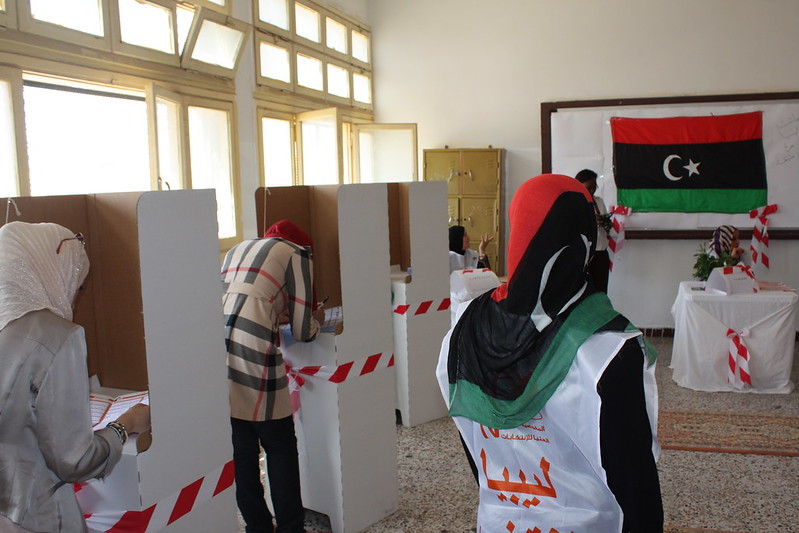
JAAGO in BangladeshAccelerating Action is this year’s International Women’s Day theme, calling for urgent efforts to advance gender equality matters. The 2024 Global Gender Gap report shows that although significant progress has been made and several economies reached higher gender parity scores this year, others are far from ideal results.

Southern Asia ranks last in Economic Participation and Opportunity and shows low rates of women employed in the workforce, with Bangladesh declining by -3.3 points in the global ranking. Bangladesh (31.1%), Sudan (33.7%), Iran (34.3%), Pakistan (36%), India (39.8%) and Morocco (40.6%) are the economies with the lowest economic parity.

Gender parity in projected earned income is less than 30% in these economies. Furthermore, all the economies on the list have labor force participation rates below 50%.

Education as a Pathway to Economic Freedom

Global studies have long shown that education is one of the most effective ways to combat poverty and reach gender equality. According to the World Bank gender data, women with secondary education earn nearly 20% more than those without and those with tertiary education earn up to 323.4% more. Educated women are also less likely to marry before 18, reducing risks associated with early pregnancy and improving overall family health.

Bangladesh excels in educational attainment, with a 94% achievement rate that reflects gender parity in secondary enrolment, 93% in literacy and 84.1% in university enrolment. Generally, Southern Asia has also made the most remarkable progress since 2006, improving educational gender parity by +13.4 percentage points – more than twice the leap made by the Middle East, Northern Africa and sub-Saharan Africa regions during the same period.

The World Economic Forum’s 2024 Global Gender Gap Report also notes that 91.3% of girls and 74.8% of boys have completed lower secondary school in Bangladesh as of 2022. Hence, the female literacy rate rose to 84% in 2023.

The Work of JAAGO in Bangladesh

JAAGO is a leading foundation in Bangladesh dedicated to promoting gender equality and ensuring women have continued access to education. Its journey began in 2007 in a single room with only 17 children in the Rayer Bazar Slum of Dhaka. It aims to break the poverty cycle and ensure a bright future for children from underprivileged communities. JAAGO currently has 11 schools in 10 districts in Bangladesh, educating 5,000 children.

Through various programs, JAAGO has successfully implemented solutions to keep girls in school while fostering skill development. In many rural areas, schools are either too expensive or poor quality. To address this, JAAGO schools offer free education with highly qualified teachers. It provides online programs through the digital school initiative, ensuring access to quality education for all.

The Digital School Program of JAAGO in Bangladesh

JAAGO Foundation’s Digital School Program provides quality education to underprivileged children in remote areas of Bangladesh using online learning. It bridges educational gaps by offering interactive lessons, trained teachers and digital resources. The program focuses on accessibility, inclusivity and skill development, ensuring children receive a standardized education regardless of location. This initiative empowers students with knowledge and opportunities for a brighter future.

The program also focuses on delivering quality education and opportunities at every step, including counseling parents to encourage them to keep their daughters in school. Additionally, the programs provide medical and mental health sessions to ensure girls can continue their education without barriers.

ODOMMO

The ODOMMO project, launched by the JAAGO Foundation with the Malala Fund, promotes girls’ education in Bangladesh by tackling poverty, gender discrimination and societal barriers. It focuses on improving school enrollment, retention and learning environments. The initiative further includes teacher training, life-skills programs and school expansions, empowering girls to become future leaders and advocates for change.

The ODOMMO project has positively impacted 1,584 girls in Bangladesh’s flood-prone areas by reducing school dropout rates, increasing awareness about child marriage and encouraging greater participation in STEM. Additionally, the project conducted community-driven awareness initiatives, including courtyard meetings and discussions with school authorities, government officials and local leaders to advocate for girls’ education in the region.

Bandarban School Bus

Many impoverished families in Bangladesh struggle to afford schooling and recurrent flooding worsens job losses, making education even less accessible. In many cases, girls are sent to work or married off instead of continuing their studies, as families believe marriage offers them a more secure future.

Geographical challenges further limit access to education, especially in rural areas, where long and unsafe commutes discourage attendance. Without secure transportation or infrastructure, many girls cannot reach school safely.

The JAAGO Foundation launched the School Bus Initiative to tackle this issue, providing students with reliable transportation. This simple yet impactful solution has significantly increased attendance, ensuring more children, especially girls, stay in school. By removing safety concerns and commuting barriers, the initiative has helped reduce dropout rates, allowing students to focus on their education.

Volunteering and a Call to Action

Ensuring access to education requires a collective effort; governments, parents, corporations and communities all drive meaningful change. Raising awareness through social media campaigns, expert advocacy and corporate engagement can further mobilize resources and support.

Individuals and businesses can contribute by sponsoring a child’s education, covering school fees, meals, supplies, health check-ups and mentorship. Sponsors also receive monthly reports and can connect with the school or child via online calls or in-person visits.

Beyond financial support, volunteers play a key role in driving local change. During recent floods in Bangladesh, volunteers stepped up by raising funds, rescuing people, setting up medical camps and rebuilding homes, demonstrating how collective action can make a lasting impact.

– Arianna Distefano

Arianna Distefano is based in London and focuses on Good News, Politics for The Borgen Project.

Photo: Flickr
March 26, 2025
https://borgenproject.org/wp-content/uploads/borgen-project-logo.svg 0 0 Lynsey 2 https://borgenproject.org/wp-content/uploads/borgen-project-logo.svg Lynsey 22025-03-26 07:30:472025-03-25 05:20:32Women’s Education and the Work of JAAGO in Bangladesh
Africa, Gender Equality, Global Poverty, Women's Empowerment

WEHAF Foundation: Knowledge is Power for Women in Tanzania

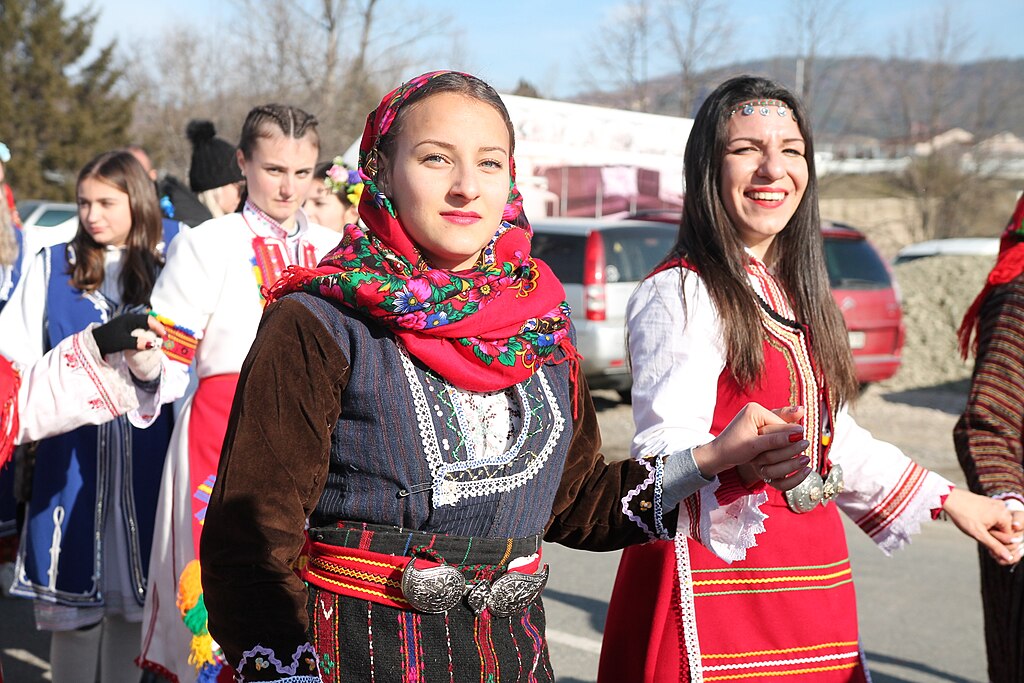
Women in tanzaniaThe women of the Maasai tribe in Arusha, Tanzania face extreme rates of poverty and violations of their human rights. Traditions and cultural norms perpetuate health risks and social injustice, diminishing their development and way of life. About 60% of women live in extreme poverty, on account of the unequal challenges they face.

These risks include Female Genital Mutilation (FGM), early marriages, vulnerable employment and unfit education on reproductive health. Indeed, as of 2016, 10% of women experienced the cultural practice of FGM. Furthermore, 35% of those women were under the age of 1.

WEHAF in Tanzania

Ensuring women in Tanzania have access to proper education and tools to fight economic and social issues was the deciding factor behind Widows Encouragement & HIV/AIDS Foundation (WEHAF). Founders Theresia Mollel and Silvia George are sisters who came together in 2016 to empower women of all ages to create a better life for themselves and their families.

WEHAF’s objectives include lobbying for human rights policy change, increasing psychosocial support services to victims of HIV/AIDS and women in need, providing legal assistance to these groups, etc. Further, most young women simply need educating on daunting practices like FGM and early marriage that propel them into adulthood. WEHAF holds workshops and open conversations surrounding FGM in Tanzania to get women equipped to overcome these hardships.

Unemployment

Along with human rights violations, these women lack the necessary resources to cultivate an adequate income. Women are more likely to participate in unpaid labor than men. The employment rate among women has dropped from 79% in 2005 to 72% in 2016.

Vulnerable employment rates, or informal work arrangements and fewer protections, have steadily stayed at a higher rate among women than men in Tanzania. In 2023, the vulnerable employment rate in women was 89.3%, with men at 77.8%. As this rate slowly decreases over time, WEHAF is building a New Mama Center to revive economic prosperity among Maasai women.

In December 2023, construction on WEHAF’s New Mama Center began in Moshono, a small suburb in Arusha, Tanzania. This facility will provide a more permanent care center for women and victims of HIV/AIDS. Furthermore, classes on menstrual hygiene practices are provided for an array of life skills that will set these women up for a successful future.

Success Story

From food packages to sewing classes, WEHAF has created real results that encourage the community in Tanzania to trust the process. One example of the sisters making an impact is through 63-year-old Aisha. She was an accomplished coal saleswoman, but after her leg was amputated, she could no longer invest in her business once the hospital bills came through. WEHAF provided two bags of coal and a food package to kick start her career again. Just one month later Aisha was flourishing once again.

The outreach programs graciously provided by WEHAF is proof that investing in the younger generation is highly important. There is a call to action regarding these women and children, through donations, volunteering or advocacy. The Mollel sisters and everyone fighting with WEHAF appreciate any efforts to break down barriers for women in poverty in Tanzania.

– Rachael Wexler

Rachael is based in Chicago, IL, USA and focuses on Good News and Global Health for The Borgen Project.

Photo: Flickr
March 23, 2025
https://borgenproject.org/wp-content/uploads/borgen-project-logo.svg 0 0 Naida Jahic https://borgenproject.org/wp-content/uploads/borgen-project-logo.svg Naida Jahic2025-03-23 07:30:122025-03-21 14:45:18WEHAF Foundation: Knowledge is Power for Women in Tanzania
Gender Equality, Global Poverty, Women's Rights

Women’s Rights in Sao Tome and Principe

Women’s Rights in Sao Tome and PrincipeSao Tome and Principe is an island nation on the coast of Central Africa, with a population of nearly 240,000 and a land area of 386 square miles. Although the island is small, one cannot understate the role of women in its success. They are the backbone of society, and while Sao Tomeans have made long strides in removing legal barriers to women’s rights in Sao Tome and Principe, restrictions remain that prevent women from accessing the full extent of their rights.

Sao Tomean Women in Poverty

More than two-thirds of the population of Sao Tome and Principe lives in poverty, but compared to 64.3% of male-led households in poverty, more than 71.3% of women-led households experience extreme and debilitating poverty.

Attempting to rectify systemic inequalities, the Sao Tomean government wrote the Constitution of the Democratic Republic of Sao Tome and Principe in November 1975, not only establishing the nation’s independence from Portugal but also codifying a host of cornerstone women’s rights, including property ownership, inheritance and the ability to pursue a job without a husband’s permission.

Since 1975, Sao Tomeans have introduced more than 14 national legal reforms to increase women’s economic autonomy and have ratified numerous international conventions, including the Convention on the Elimination of All Forms of Discrimination Against Women.

Most recently, in 2022, Sao Tomean President Carlos Vila Nova signed a new gender parity law designating 40% of all parliamentary seats to women. Although women in Sao Tome and Principe have not yet met the 40% representative quota, they now occupy 24% of parliament, a substantial increase compared to just around 12% in 1980.

In a legal context, the government has made undeniable progress toward women’s rights in Sao Tome and Principe, and it has implemented measures attempting to eliminate the poverty inequalities between men and women. However, many social barriers still prevent women from being truly free. 

Preventing Gender-Based Violence

Gender-based violence is a principal indicator of women’s rights standards and a major barrier preventing women from escaping poverty. Sao Tomean leaders have implemented new measures to decrease the incidence of domestic abuse and increase the ability for women to report, but few of those reforms show in the growing rate of gender-based violence.

Police and prosecutors saw an increase of more than 20% in the number of domestic violence cases. Law enforcement is now considering ways to dismantle the influence of centuries-long traditions embedded in the inequities women face, including introducing new ways for women to report instances of violence.

Gender-based violence is cyclically linked to poverty, as both an impetus and a response. There is hope to end gender-based violence in Sao Tome and Principe with persistent legislators and police officers, given time and consistent resources.

Encouraging Women’s Education 

Sao Tomeans segment their education into pre-primary, primary, secondary and tertiary levels, and while education is legally mandated for children between 6 and 14 years old, many children, particularly young girls, face challenges in attending school. Often, people encourage them to stay home and learn the traditional role of women rather than skills to join the workforce.

Sao Tomean’s adherence to tradition may explain why only 23.1% of women participate in the workforce, compared to 24.1% of men, furthering the challenges for women escaping poverty. Education is the most critical factor in allowing young women to pursue professions later in their lives, and while girls typically finish secondary school, they rarely go on to higher education.

To advance women’s education, the Sao Tomean government removed the Disciplinary Act in 2020, which prevented pregnant girls from attending classes during the day after their first trimester. They are also expanding gender-responsive education and providing support materials to young women seeking education.

The government secures women’s rights in Sao Tome and Principe one girl at a time, reaching empowerment through structural reform and ending poverty disparities across the archipelago. 

– Divya Beeram

Divya is based in San Antonio, TX, USA and focuses on Good News and Technology for The Borgen Project.

Photo: Wikipedia Commons

March 20, 2025
https://borgenproject.org/wp-content/uploads/borgen-project-logo.svg 0 0 Jennifer Philipp https://borgenproject.org/wp-content/uploads/borgen-project-logo.svg Jennifer Philipp2025-03-20 07:30:082025-03-20 01:18:25Women’s Rights in Sao Tome and Principe
Page 8 of 39«‹678910›»

Get Smarter

  • Global Poverty 101
  • Global Poverty… The Good News
  • Global Poverty & U.S. Jobs
  • Global Poverty and National Security
  • Innovative Solutions to Poverty
  • Global Poverty & Aid FAQ’s
Search Search

Take Action

  • Call Congress
  • Email Congress
  • Donate
  • 30 Ways to Help
  • Volunteer Ops
  • Internships
  • Courses & Certificates
  • The Podcast
Borgen Project

“The Borgen Project is an incredible nonprofit organization that is addressing poverty and hunger and working towards ending them.”

-The Huffington Post

Inside The Borgen Project

  • Contact
  • About
  • Financials
  • President
  • Board of Directors
  • Board of Advisors

International Links

  • UK Email Parliament
  • UK Donate
  • Canada Email Parliament

Get Smarter

  • Global Poverty 101
  • Global Poverty… The Good News
  • Global Poverty & U.S. Jobs
  • Global Poverty and National Security
  • Innovative Solutions to Poverty
  • Global Poverty & Aid FAQ’s

Ways to Help

  • Call Congress
  • Email Congress
  • Donate
  • 30 Ways to Help
  • Volunteer Ops
  • Internships
  • Courses & Certificates
  • The Podcast
Scroll to top Scroll to top Scroll to top