Tackling the Gender Wage Gap in Kazakhstan
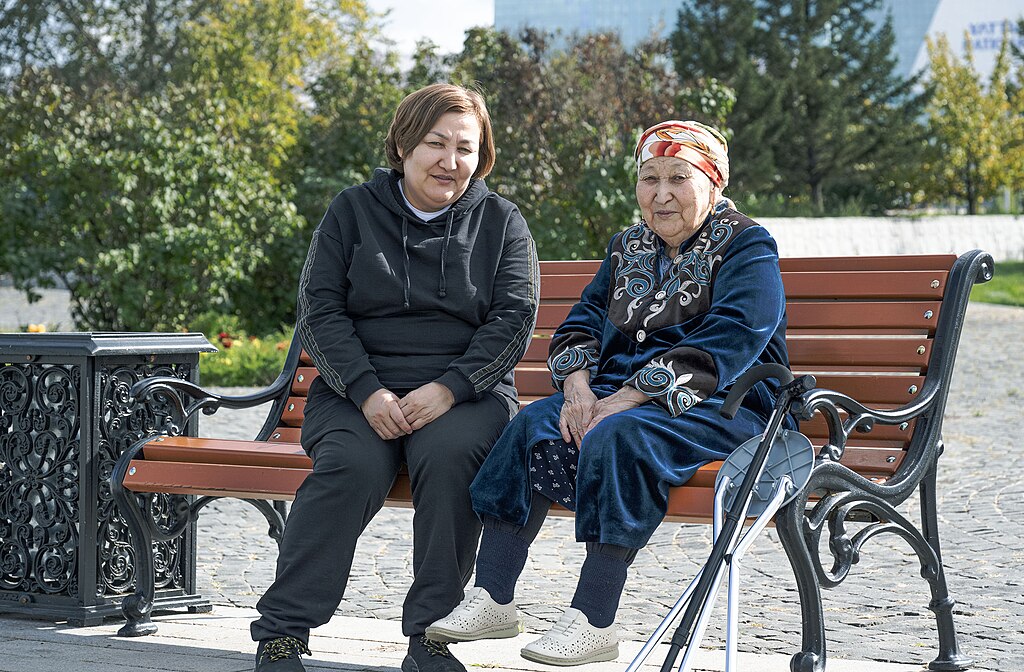 Kazakhstan, the largest economy in Central Asia, has achieved notable advancements in enhancing women’s access to education and formal employment. However, the gender wage gap in Kazakhstan endures, with women consistently earning less than men in the majority of industries. This imbalance constrains economic progress and perpetuates obstacles in attaining fair labor conditions.
Overview of the Gender Wage Gap in Kazakhstan
Kazakhstan has achieved near-parity in education, yet there is still a large wage gap between men and women. In the World Economic Forum’s 2024 Global Gender Gap Report, the nation had an overall score of 0.710, placing it 76th out of 146 nations. With a score of 0.751 for Economic Participation and Opportunity, it shows modest advancements in workforce participation but persistent differences in leadership positions and pay.
According to the United Nations Development Program (UNDP), which cites Kazakhstan’s Bureau of National Statistics, men continuously earn more in almost every industry, with the average gender pay gap narrowing to 21.7% in 2021 before widening again to 25.2% in 2022.
The Asian Development Bank (ADB) reports that, on average, women in Kazakhstan only make 67% of what men do, with the disparity being particularly noticeable in high-paying industries like banking, construction and transportation. The research also emphasizes how under-representation in leadership positions and vocational segregation exacerbate this disparity.
Contributing Factors
A closer look at the factors influencing Kazakhstan’s gender pay wage identifies a number of recurring problems:
- Industrial and Occupational Segregation: Women’s over-representation in lower-paying sectors and under-representation in high-paying industries contributed to the wage gap’s consistent 30% level, according to a 2024 research that looked at Kazakhstan from 2011 to 2019. Additionally, the investigation identified “industrial segregation” as one of the primary reasons for the wage gap.
- Sticky Floors and Glass Ceilings: Experts point to structural trends such as the “sticky floor,” which traps women in low-paying jobs and the “glass ceiling,” and restricts their access to senior positions. Corporate and social conventions play a major role in creating these obstacles.
- The Cost of Motherhood and Unpaid Care Work: Due to workplace prejudice, shortened workdays and career disruptions, mothers in Kazakhstan have financial disadvantages. According to other research, women devote a disproportionate amount of their time to unpaid domestic labor, which exacerbates economic inequality.
- Stereotypes Based on Culture and Gender: Traditional gender norms remain widespread in Kazakhstan. According to a UNDP poll, 96% of participants had at least one prejudice against women, such as the idea that men are more qualified for positions of leadership and business. Gender stereotypes restrict women to jobs associated with maternity, childcare and unpaid domestic work, which hinders their ability to progress professionally, according to research on female civil service executives.
Despite Kazakhstan’s high levels of female education and employment access, the pay disparity is maintained by a combination of overlapping structural factors, including caregiving duties, leadership restrictions, industry segregation and deeply rooted prejudices.
Innovation & Solutions
Across Kazakhstan, government bodies, international organizations and civil society are taking concrete action to narrow the gender wage gap in Kazakhstan:
- The UNDP-Led Equal Pay Campaign: The UNDP in Kazakhstan started the “Closing the Gender Pay Gap” campaign in May 2023 with the goal of encouraging more openness and communication between businesses in order to narrow the pay gap, which was 25% in 2021 and 21.7% in 2022. The campaign emphasizes the need for gender-responsive workplace regulations and highlights factors, such as career disruptions brought on by parenthood.
- National Policy & Legal Reform: Kazakhstan’s government action plan for 2024–27 incorporates gender equality into national budgeting and labor laws while promoting equal rights and opportunities for men and women. In order to monitor pay trends and assess labor policy, the plan calls for the collecting of gender-disaggregated data.
- Strengthened Family Policy and Legal Framework: According to an OECD analysis, Kazakhstan’s National Gender Equality Strategy (2006–16) and Equal Rights and Opportunities statute (2009) established important foundations. The government is now putting its “Family and Gender Policy Concept 2030” into practice, with an emphasis on supporting working parents, enhancing women’s economic involvement and incorporating gender equality into legislation.
- Regulation of Equal Pay in the Workplace: Kazakhstan scored 75.6 out of 100 in the World Bank’s 2023 “Women, Business and the Law” assessment, which indicates that the country has acceptable legislation pertaining to marriage and mobility but falls short in terms of pay equality and labor rights. Ongoing initiatives to create fair remuneration guidelines and enhance workplace transparency are filling up these regulatory gaps.
Looking Ahead
Despite Kazakhstan’s advancements in education and labor market participation, the gender wage gap continues to be a significant obstacle to complete economic equality. However, momentum is building. Through international cooperation, government-led changes, and growing public awareness, Kazakhstan is creating the framework for more equitable economic development. Addressing the gender wage gap in Kazakhstan will need sustained investment in legal enforcement, transparency and assistance for women in under-represented fields. Kazakhstan has the potential to not only lessen pay gaps domestically but also serve as a strong model for the larger Central Asian area if these initiatives gather momentum.
– Ray Bechara
Ray is based in Glasgow, Scotland and focuses on Technology and Solutions for The Borgen Project.
Photo: Wikimedia Commons
