Closing the Gender Wage Gap in Nepal for Dalit Women
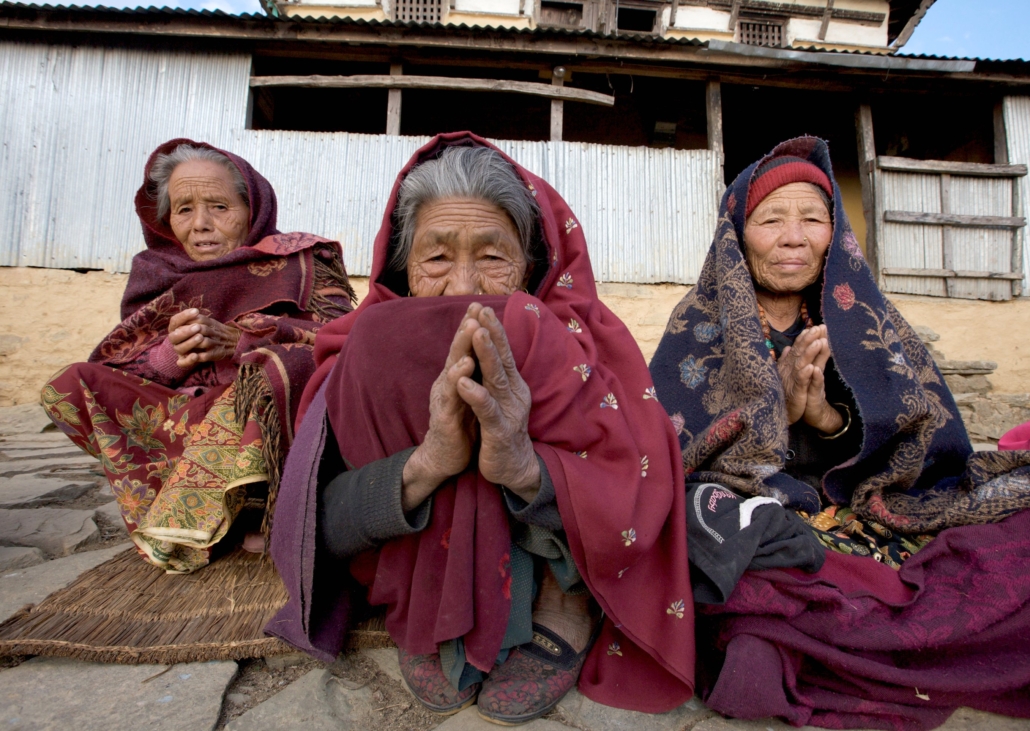 The gender wage gap is a continuing problem for women in the workforce of Nepal, particularly Dalit women. Like many South Asian countries, the caste system has a significant influence on the socioeconomic makeup of Nepal. This is despite the fact that the Nepali government outlawed caste-based discrimination in 1963. This hierarchical system, originating within Hinduism, divides society into different hereditary castes. At the bottom of this system are the Dalits, who face substantial economic and social barriers in accessing fair employment. Dalit women particularly face dual discrimination based on both caste and gender, compounding their economic and societal exclusion.
Barriers to Wage Equality
The Nepal Labor Force Survey in 2022 found that women earned on average 23% less than men. Specific up-to-date statistics on the gender wage gap in Nepal by caste are chronically lacking; however, an overrepresentation of Dalit women in low-paying, informal positions will likely compound the already existing gender wage gap. This means employers often neglect to give them the same wage protections and labor rights as those in more formal employment.
Furthermore, the Haliya system forces a specific community of Dalits into bonded labor from birth, making them work off ever-increasing debt. Although the government banned this system in 2008, it still traps thousands from lower castes, often women, in agricultural slavery. This has contributed to a poverty rate of almost 42% amongst the Dalit population, almost double the national average of 21.6%. This pattern of poverty and wage discrimination can trap Dalit women in a generational cycle of systematic oppression.
Legislative Victories
In spite of these persistent challenges, a growing body of legislation is helping to lay the groundwork for greater gender and caste wage equality. The 2015 constitution itself marked a huge stride in eliminating the gender wage gap in Nepal. Article 18 sets out the right to equality from gender and caste based discrimination, with Article 38 also specifically outlining the rights of women, which include rights to special opportunities for employment based on the principle of positive discrimination. This move by the Nepali government represents meaningful legislative progress and demonstrates at least in principle, support for wage equality.
The 2017 Labor Act reinforced this by outlining a “prohibition on discrimination in remuneration for equal work.” However, it is also true that while ground-breaking, lawmakers and government institutions have not been able to comprehensively enforce this legislation. Nepali society still has not fully accepted these legislative changes, and in many rural communities, authorities have struggled to enforce equality, leaving a regional divide in the gender wage gap. Despite this, these laws provide a critical foundation, giving advocates, communities, and Dalit women themselves the legal tools to push for lasting change.
ADWAN: Association for Dalit Women Advancement of Nepal
For those fighting against wage inequality in Nepal, there is no greater tool than education. If marginalized groups can access education, then they are substantially more likely to escape the generational gender and caste-based cycles of poverty. Bisjnu Maya Pariyar and other advocates for Dalit Women set up the Association for Dalit Women Advancement of Nepal (ADWAN) in 1998 as a vehicle to fight against this discrimination. At the core of its work is the principle that “equality is unfeasible without education.” This is the idea that economic emancipation begins with education. This is why ADWAN funds a variety of adult literacy and scholarship programs aimed at women and Dalit women specifically.
There are signs that programs like this are having an impact. In 2001, the literacy rate for Dalit women stood at just 7.2%. By 2015, this had increased to 34.8% reflecting the work that organizations like ADWAN are doing to further women’s education and thus increase the economic opportunity available to Dalit women.
Looking Ahead
Despite the persistence of the gender wage gap in Nepal, there is substantial evidence suggesting its effect is weakening. The government has made significant legislative progress in outlawing wage discrimination. In fact, the 2024 Women, Business and the Law index, which measures the laws that affect women’s economic opportunity, scored Nepal 80.6/100, higher than all its neighboring countries. While these legislative victories may not yet have trickled down to affect Nepali society fully, the direction of travel is undoubtedly positive. The tireless efforts of Dalit women organizing, educating and advocating for their rights has made much of this progress possible. From grassroots initiatives like ADWAN to national legislative change, a growing movement is demanding a more equitable future. If this momentum continues, the next generation of Dalit women may enter a workforce where equal pay is not an aspiration, but a reality.
– Adam Walsh
Adam is based in Nelson, Lancashire, UK and focuses on Good News and Politics for The Borgen Project.
Photo: Wikimedia Commons
