• Link to X
  • Link to Facebook
  • Link to Instagram
  • Link to TikTok
  • Link to Youtube
  • About
    • About Us
      • President
      • Board of Directors
      • Board of Advisors
      • Financials
      • Our Methodology
      • Success Tracker
      • Contact
  • Act Now
    • 30 Ways to Help
      • Email Congress
      • Call Congress
      • Volunteer
      • Courses & Certificates
      • Be a Donor
    • Internships
      • In-Office Internships
      • Remote Internships
    • Legislation
      • Politics 101
  • The Blog
  • The Podcast
  • Magazine
  • Donate
  • Click to open the search input field Click to open the search input field Search
  • Menu Menu

Archive for category: Food & Hunger

Information and stories on food.

Food Security, Global Poverty, Technology

Kuza Freezer and Its Impact on Kenya’s Fishing Industry

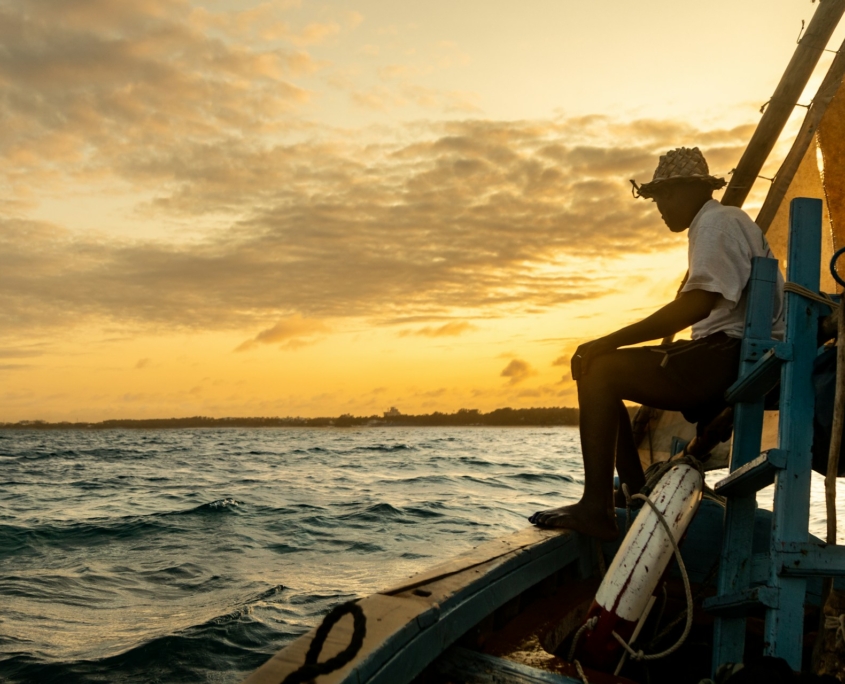
Kuza Freezer and Its Impact on Kenya's Fishing Industry Founded in 2021, Kuza Freezer based in Mombasa, Kenya, aims to boost local fishing industries by providing solar-powered cold storage refrigeration. The fishing industry plays a vital role in the lives of many Kenyans, offering them employment and income as well as contributing toward poverty reduction, minimizing food insecurity and expanding the country’s economy through foreign exports. According to Kenya’s National Bureau of Statistics, agriculture, forestry and fishing contributed approximately 22% to the country’s gross domestic product (GDP) and was the largest employer with more than 20 million workers in 2023, marking a 2% increase. 

Challenges and Innovations in Fish Storage

Proper storage can keep fish fresh for up to three months after catching, but many developing countries lack necessary refrigeration, leading to a much shorter shelf life of just a few hours. This increases the risk of foodborne illnesses such as cholera, diarrhea and typhoid. Despite fish products accounting for approximately 30% of all reported foodborne illnesses, a variety of fish, including tilapia, carp, eel and bass remain popular in Kenyan markets, where locals prefer fresh fish. Fisheries also face significant profit losses due to mass spoilage, often resorting to reprocessing wasted fish as feed rather than selling it.

Technological Advancements and Community Impact

Kuza Freezer provides a sustainable solution with its portable cold boxes that maintain fish at optimal temperatures for up to 30 days. These freezers, lightweight and easy to transport by car or bike, operate on solar energy with battery life lasting up to eight hours. Constructed from recycled plastics sourced from local communities, the cold boxes can reach temperatures as low as -18 degrees Celsius. In Kenya’s fishing industry, these solar-powered units are favored for their affordability and low maintenance, offering a practical alternative to conventional freezers and ice.

Kuza Freezer also markets its emissions-free Kuza Freezer Trike, a combination mobile bicycle cart and freezer, designed for customers requiring enhanced mobility. The company offers training to its customers, along with flexible payment plans and support for repairs to ensure sustainability. Additionally, Kuza Freezer facilitates direct deliveries through its Soka Express App, which conveniently brings fish directly to customers, enhancing the service’s accessibility and efficiency.

Expansion and Broader Applications

Kuza Freezer has achieved significant milestones by delivering more than 350 products, boosting customer incomes by 60%. A study revealed that 99% of fishers reported profit increases with the aid of a cold storage system. Moreover, the benefits of Kuza Freezer’s products extend beyond the fishing industry to encompass dairy, produce and even medical sectors, demonstrating the broad utility and impact of reliable refrigeration solutions.

Looking Ahead

Kuza Freezer’s solar-powered cold storage technology is transforming Kenya’s fishing industry by reducing spoilage and enhancing product quality, which leads to increased incomes for local fishers. The company’s innovative approach to refrigeration has the potential to expand beyond the fishing industry, impacting agriculture and health care by providing reliable cold storage solutions. As Kuza Freezer continues to grow, its technology could play a crucial role in supporting economic development and improving food security in Kenya and beyond.

– Tanita Love

Tanita is based in Chicago. IL, USA and focuses on Technology and Solutions for The Borgen Project.

Photo: Unsplash

June 27, 2024
https://borgenproject.org/wp-content/uploads/borgen-project-logo.svg 0 0 Precious Sheidu https://borgenproject.org/wp-content/uploads/borgen-project-logo.svg Precious Sheidu2024-06-27 07:30:012024-06-25 04:59:19Kuza Freezer and Its Impact on Kenya’s Fishing Industry
Agriculture, Food Security, Global Poverty

Cultivating Growth in Bangladesh with Floating Gardens

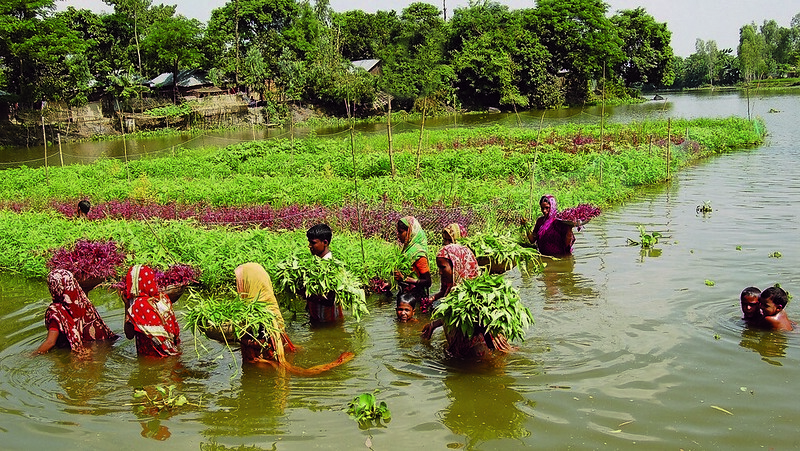
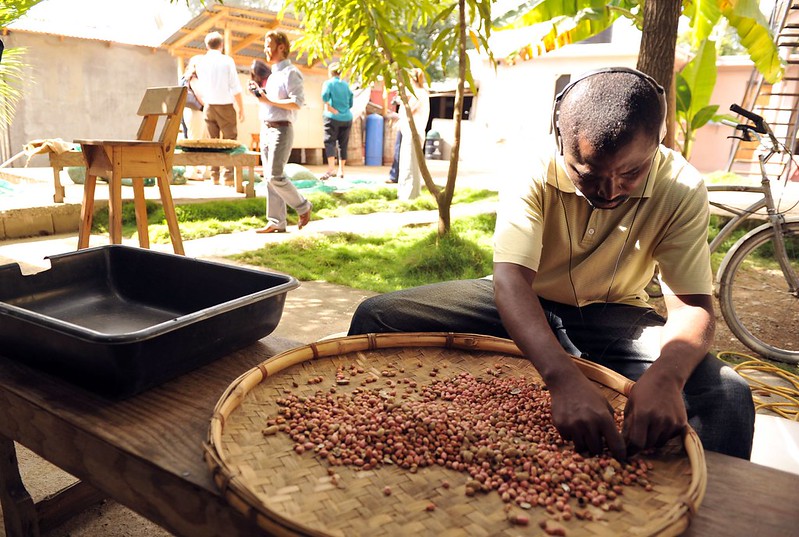
Cultivating Growth in Bangladesh with Floating GardensHeavy monsoon rains douse Bangladesh for eight months each year, submerging nearly one-third of the country. Severe flooding jeopardizes food security and threatens the livelihoods of almost half of the population directly employed by agriculture. Farmers are taking matters into their own hands, transforming waterlogged fields into hydroponic floating gardens. This method boosts crop yields and provides a more diverse, robust bounty.

The transition from predominantly growing rice to cultivating more nutrient-dense foods like pumpkins, tomatoes, papayas and beans will be instrumental in promoting health and well-being across Bangladesh, a country with one of the highest malnutrition rates. Development charities like Practical Action and humanitarian organizations like Care International have helped bring an ancient farming practice to the country’s most at-risk areas, namely rural and impoverished communities.  

Agricultural Progress and Environmental Setbacks

In the past few decades, Bangladesh has made significant strides toward reducing poverty and averting famine with incremental improvements in farming technologies. According to the World Bank, productive agricultural strategies facilitated a tripling of food grain production between 1972 and 2014, helping meet the needs of a rapidly expanding population. Still, salt intrusion, drought and flood threaten to hamper progress, which demands continued adaptability and innovation in the agricultural sector. 

Revival of Ancient Agricultural Practices

Farmers in south-central Bangladesh, are turning to a historical gardening practice: floating vegetable gardens. These gardens, constructed on artificial islands in swampy wetlands and rivers, provide a lifeline during monsoon seasons. They also serve as shelters for livestock and double as fishing spots. The simplicity of this method makes it a viable alternative to traditional farming during periods of intense flooding. Farmers tend to their plants by paddling across the water in rafts fashioned from natural materials like water hyacinth. As the floating gardens rise and fall with rain patterns, farmers reap the rewards of their labor and nourish local villages. 

Hydroponic Innovations to Resource-Poor Regions

While hydroponic gardening has shown promise in some parts of Bangladesh, it’s crucial not to overlook the areas with fewer resources. These regions, often in urgent need of intervention, could greatly benefit from the tools and support to convert their fields into floating gardens. The work of groups like Practical Action, which have set up floating gardens in the northern part of the country, enables and empowers farmers to grow food year-round, regardless of weather conditions. 

Looking Ahead

Bangladesh’s adaptation of hydroponic floating gardens promises a resilient agricultural future, especially for regions perennially affected by flooding. As more communities embrace this innovative farming technique, it could significantly enhance food security and reduce malnutrition nationwide. Continued support from development charities and local innovation will be key to expanding these ongoing sustainable practices to ensure all regions can thrive despite environmental challenges.

– Natalie Kaufman

Natalie is based in Orlando, FL, USA and focuses on Technology and Global Health for The Borgen Project.

Photo: Flickr
June 14, 2024
https://borgenproject.org/wp-content/uploads/borgen-project-logo.svg 0 0 Precious Sheidu https://borgenproject.org/wp-content/uploads/borgen-project-logo.svg Precious Sheidu2024-06-14 07:30:342024-06-13 13:36:08Cultivating Growth in Bangladesh with Floating Gardens
Developing Countries, Food & Hunger, Global Poverty

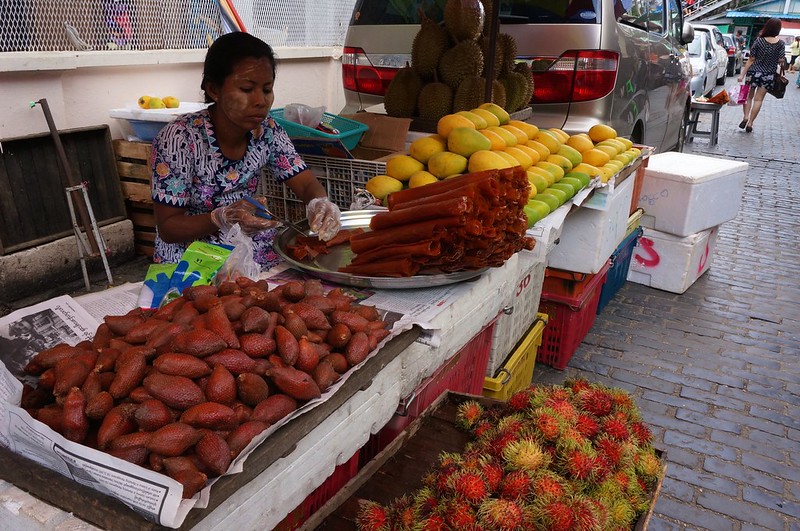
Food Systems in Myanmar

Food in MyanmarMyanmar continues to face severe food insecurity exacerbated by the 2021 coup, economic slowdown and natural disasters. Some pre-existing challenges have worsened, and the ongoing conflict and climate-related challenges have intensified the situation. Recent reports highlight soaring food prices and limited supplies. In response, UN agencies and the World Food Programme have provided crucial aid. Despite efforts, the crisis persists, demanding sustained international support for food systems in Myanmar.

Food Scarcity

Food scarcity is not new in Myanmar. Before the 2021 coup, 2.8 million people were considered food insecure in the country. In pre-pandemic Myanmar, the World Food Programme estimated that 4% of the country had poor food consumption, and an additional 21% were on the borderline. By April 2021, on the heels of the coup and economic slowdown, up to 3.4 million extra people were facing food insecurity.

There are several key factors driving food insecurity, as predicted by the World Food Programme in 2021:

  • Job losses: WFP assumes a more considerable loss in sectors worked by those in poverty. It was predicted that stalled foreign investment, protests, and strikes would significantly impact food insecurity for workers and their dependents.
  • Remittance losses: With the halting of services from most banks, remittance also halted. In 2021, remittances made up a significant amount of income.
  • Challenges to agriculture: The rippling effect of agriculture is palpable, with many unable to prepare for the upcoming crop season.
  • Economic concerns: WFP flagged major economic concerns from the downturn in foreign investment and predicted economic recession.

Conflict and Food Systems in Myanmar

Since 2021, Myanmar has endured ongoing conflict, climate-related blows such as Cyclone Mocha, and unprecedented flooding in October 2023, alongside the political crisis, exacerbating pre-existing poverty. The UN Humanitarian Needs Overview in 2022 estimated that “14 out of 15 states and regions [were] within the critical threshold for acute malnutrition.”

In an April 2024 update from OCHA, food insecurity was underlined as a significant concern. Ongoing fighting between the Myanmar Armed Forces and the Arakan Army combined with a deepening humanitarian crisis have caused soaring food prices and “limited market supplies in many locations.”

The UN and WFP have implemented crucial aid amid this increasing food insecurity crisis. The Food and Agriculture Organization of the United Nations provided 4,700 vulnerable farming households with emergency assistance by April 2022. Additionally, The FOA trained 1759 households in Chaungzon township in agriculture practices and provided fertilizer.

Severe floods, economic turmoil and food insecurity impacted U Ohn Myint, a 65-year-old smallholder farmer in Kalawt Kanai village. With the help of the UN FAO, he bought medicine, a rice bag, and cooking oil to address his and his family’s immediate hunger needs. He was also able to restore his livelihood and hope.

Food Assistance

The World Food Programme continues efforts, providing monthly assistance to 360,000 people in border areas who have been displaced. For thousands of people, the WFP has also launched emergency food and nutrition programs in harder-to-reach locations like Kayah State, Shan State and Bago Region. 

Despite the daunting challenges, international efforts offer hope for Myanmar’s food insecurity. Vulnerable communities receive vital aid through emergency assistance, training programs, and ongoing support. As seen through U Ohn Myint, livelihoods and renewed hope exemplify the impact of these efforts. While the road ahead remains challenging, these efforts demonstrate the power of solidarity and the effect of global action on complex humanitarian crises. 

– Lydia Young 

Lydia is based in Glasgow, Scotland and focuses on Global Health and World News for The Borgen Project.

Photo: Flickr
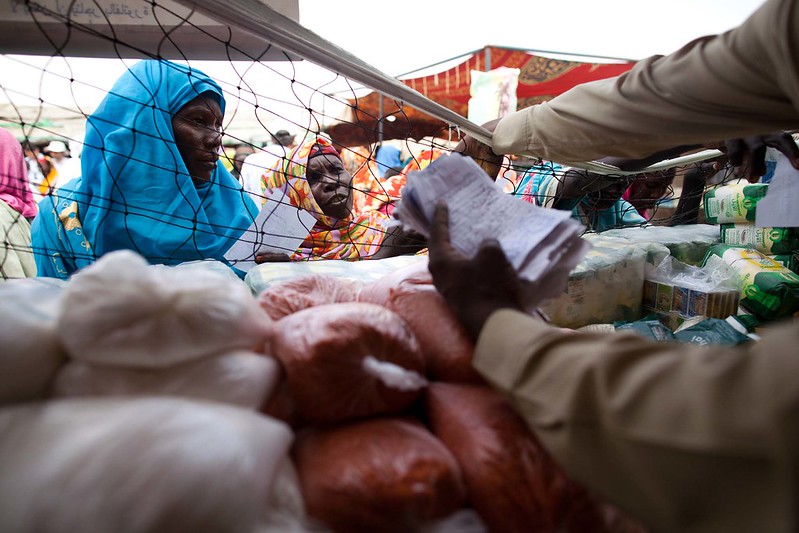
June 6, 2024
https://borgenproject.org/wp-content/uploads/borgen-project-logo.svg 0 0 Jennifer Philipp https://borgenproject.org/wp-content/uploads/borgen-project-logo.svg Jennifer Philipp2024-06-06 01:30:292024-06-05 05:20:08Food Systems in Myanmar
Advocacy, Food Aid, Food Insecurity, Food Security, Global Poverty

Papatoetoe Food Hub Fights Food Insecurity in South Auckland

Papatoetoe Food Hub Fights Food Insecurity in South AucklandSouth Auckland, a highly diverse region of New Zealand, is home to numerous Māori communities like mana whenua and Pacific, Asian and European ethnic groups. Each of these groups holds significant food traditions that currently face the risk of increasing food insecurity. Data from the area reveal that one in seven children come from families facing moderate to severe food insecurity, with 30% of Māori children affected. The COVID-19 pandemic exacerbated food insecurity in South Auckland, with a local food bank reporting that most of its food parcel recipients were individuals who lost their jobs due to the pandemic.

Traditional Food Practices

Land ownership, or the lack thereof, has severely affected indigenous communities’ ability to access and cultivate food. This is especially true for Māori communities, where colonization and urbanization have hindered their ability to gather and prepare traditional kai (food). In addition, the respectful use of whenua (land) is central to food cultivation in these communities. However, maintaining these values is becoming more challenging in the context of contemporary food systems. Consequently, the struggle of indigenous communities to engage in environmentally friendly farming practices is a major factor in escalating food insecurity.

The Papatoetoe Food Hub

The Papatoetoe Food Hub set up shop in South Auckland to provide sustainable and affordable meals to the community while embracing traditional values of community and environmental stewardship. A key focus, as reported by the Food Hub, is promoting knowledge exchange on growing, harvesting and maintaining crops. To this end, it conducts on-site lessons about indigenous cooking methods. The hub also prioritizes sustainable food practices aligned with Māori values, rescuing and repurposing 18.6 tons of food between September 2019 and May 2021.

A Community-Led Success Story

The Papatoetoe Food Hub adopts a community-led strategy, working in close collaboration with local schools, universities and government agencies to benefit its local community. Knowledge Auckland conducted interviews with 30 individuals about the hub, seeking to understand its impact. The study revealed the value generated by every dollar spent at the hub:

  • $0.55 goes to the team, comprised of people hired from local communities.
  • $0.38 goes to the local economy, including the purchase of ingredients from local suppliers.
  • $0.07 goes toward government infrastructure.

Julio Bin of the Southern Initiative observed, “The Food Hub is a tangible demonstration of how we can do things differently.” Meanwhile, a local mom emphasized, “They base the menu on what the community wants.” The Papatoetoe Food Hub continues to thrive, attracting an increasing number of patrons and even received endorsement from former Prime Minister Jacinda Ardern. The hub aims to build on this success, with local stakeholder Gael Surgenor noting, “The biggest impact is yet to come.”

Looking Forward

The Papatoetoe Food Hub exemplifies the power of community-driven solutions in combating food insecurity while preserving cultural heritage. Addressing food insecurity in South Auckland, the hub intertwines traditional values with modern sustainable practices. It offers a beacon of hope for diverse communities, showcasing a scalable model for others to follow.

– Kayleigh O’Brien

Kayleigh is based in Leeds, UK and focuses on Good News and Global Health for The Borgen Project.

Photo: Unsplash

April 13, 2024
https://borgenproject.org/wp-content/uploads/borgen-project-logo.svg 0 0 Precious Sheidu https://borgenproject.org/wp-content/uploads/borgen-project-logo.svg Precious Sheidu2024-04-13 07:30:452024-04-12 15:33:07Papatoetoe Food Hub Fights Food Insecurity in South Auckland
Africa, Aid, Food & Hunger, Refugees

How ShelterBox is Aiding Nigeria 

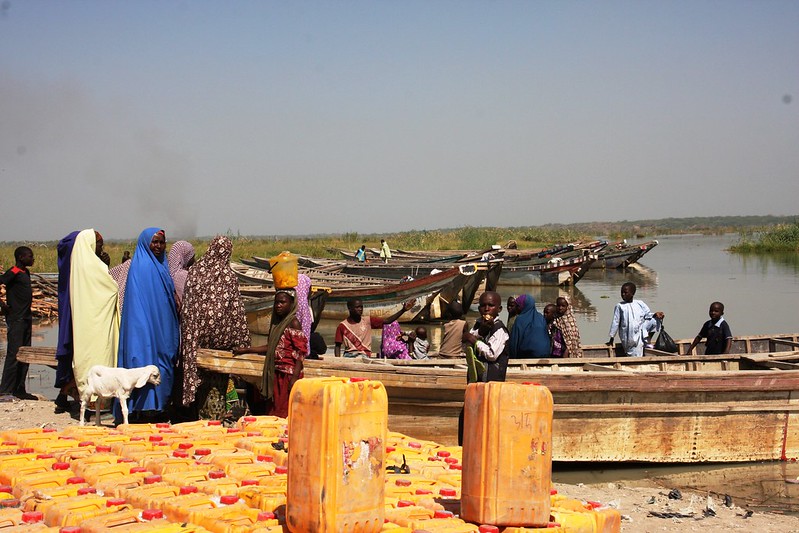
aiding NigeriaWith a population of almost 220 million people, Nigeria is the most populous country in Africa and the world’s sixth most populous country. Nigeria has been facing growing instability and fear due to Boko Haram’s mutiny against the Nigerian government since 2009, particularly targeting the northeast and committing large-scale acts of violence. More than 2.9 million Nigerians have no choice but to flee their homes to seek refuge in neighboring countries, leaving behind crops and vital necessities for survival. Ultimately, this has resulted in a humanitarian crisis as many Nigerians move into poorer regions and refugee camps where food, water and shelter are dangerously limited.

However, since 2018 ShelterBox has been aiding Nigeria by saving and protecting the lives of thousands affected by Boko Haram, as well as providing general support as a result of climate-driven scarcity worsened by conflict in the Lake Chad Basin.

Improving Food and Water Insecurity

According to the UN Office for the Coordination of Humanitarian Affairs (OCHA), Nigeria faces a humanitarian emergency. More than 8.3 million Nigerians require emergency assistance, 80% of whom are women and children. Around 314,000 Nigerians have died from food insecurity due to the decline of agricultural production, which is a major catalyst affecting public health in Nigeria and has been worsened by conflict in the Lake Chad Basin, flooding and extreme weather. This has resulted in the displacement of 3.2 million and leaves 10.6 million Nigerians in need of humanitarian assistance as the majority of the Lake Chad population depends on agriculture, livestock, fishing and manual labor for survival, according to Refugee International.

ShelterBox and their partner ACTED are aiding Nigeria by providing lifesaving items such as kitchen sets, water containers and purification equipment to reduce food and water insecurity, enabling Nigerians to rebuild their lives, according to its website. Because of the effects of flooding, extreme weather and military-enforced movements, Nigerians are prevented from effectively growing and harvesting crops to support their livelihood. However, by providing kitchen sets, water containers and purification equipment, food and water insecurity is decreasing as ShelterBox and ACTED have successfully helped over 7,300 families from 2018 to 2022, according to its website. Additionally, water purification equipment has enabled Nigerians to access safe and clean water, significantly reducing the chances of disease from dirty water.

Providing Shelter and Security

With no choice but to flee their homes in search of safety away from conflict and food insecurity, more than 2 million Nigerians remain displaced from homes in the northeast of Nigeria, as of 2019. Thousands have no choice but to live in overcrowded displacement sites which are significantly below international minimum standards. Although some Nigerians choose to build improvised shelters with sticks and ripped fabric, it does not provide efficient shelter from extreme weather and provides no privacy or security, making women and children in particular even more susceptible to intrusions and attacks.

There are 9.7 million people in urgent need of humanitarian assistance in the Lake Chad region, according to ShelterBox. In partnership with other charities, ShelterBox has been aiding Nigeria by providing tents, shelter kits, rope, tarpaulins, mosquito nets, solar lights, blankets and other lifesaving necessities to increase the security and health of Nigerians amid the humanitarian crisis.

From 2018 to 2022 in partnership with IEDA, ShelterBox has been successfully aiding more than 100,000 refugees and displaced Nigerians. Additionally, ShelterBox has provided a type of shelter known as the Bama shelter to more than 30,000 Nigerians in the epicenter of the crisis in partnership with ACTED.

The Bama shelter is large enough for a family of five; it has a timber-framed structure with tarpaulin material for the wall and the roofing structure, ShelterBox reports. Windows provide natural sunlight and ventilation and for extra safety, the shelter has a secure lockable door to prevent intrusions and attacks. ShelterBox also provides sleeping mats, blankets and mosquito nets, allowing Nigerians to start again with a safe and comfortable lifestyle.

Aiding Nigeria Through the Crisis

After many years of instability, ShelterBox and other charities have worked tirelessly to aid Nigerians through the humanitarian crisis which remains an ongoing issue after ten years since the conflict began. Overall, Boko Haram seems to be at its final stages of conflict, however, aiding Nigeria remains vital. Other factors such as extreme weather patterns and flooding have resulted in food and water instability amongst Nigerian communities which continues to worsen as years go by.

– Emily Whatley
Photo: Flickr

April 7, 2024
https://borgenproject.org/wp-content/uploads/borgen-project-logo.svg 0 0 Naida Jahic https://borgenproject.org/wp-content/uploads/borgen-project-logo.svg Naida Jahic2024-04-07 01:30:172024-06-11 00:12:45How ShelterBox is Aiding Nigeria 
Food & Hunger, Foreign Aid, Global Poverty, NGOs, World Hunger

Ukraine Promotes Human Welfare

Ukraine Promotes Human WelfareIn March 2024, the Grain from Ukraine initiative, launched by President Zelenskyy in 2022, contributed 7,600 tonnes of wheat flour to Sudan. This human welfare effort, facilitated by the German Federal Foreign Office, underscores Ukraine’s commitment to humanitarian assistance. The German Federal Foreign Office funded the operation with a $16 million investment, aligning its mission and humanitarian efforts with the principles of the Red Cross and Red Crescent Movement.

In addition, the German Federal Foreign Office bases its actions on key humanitarian principles: humanity, impartiality, neutrality and independence. These principles emphasize the importance of aiding individuals based on their needs without influence from political, military, economic, or other agendas, ensuring assistance is purely humanitarian.

Engineering the Donation

The Integrated Food Security Phase Classification (IPC), the German Federal Foreign Office and the Grain from Ukraine program all maintain political neutrality in their donation efforts. Above all, its primary goal is saving lives and alleviating suffering through humanitarian aid. These efforts aim to underscore the importance of foreign aid and advocacy from one nation to another, focusing on the critical need for continued support.

Data Determines Need

The IPC is a multi-partner program that works to improve food security and perform nutrition analysis. This program analyzes situations of need, adheres to the Humanitarian Needs Overview (HNO) process and shares data. Data from the IPC is then utilized by the Humanitarian Response Plan (HRP). The decision-makers like the IPC Acute Food Insecurity (AFI) and HRP use this information to address the situation of food insecurity.

Furthermore, the IPC uses five categories to identify areas of need: minimal/none, stressed, crisis, emergency and catastrophe/famine. The category designation guides decision-makers in prioritizing assistance and intervention efforts on global, regional, or national levels.

Improving Human Welfare

More than 25 million people in Sudan, South Sudan and Chad are facing a severe food security crisis. In Sudan alone, 5 million out of 18 million are experiencing emergency levels of hunger. In addition, the United Nations World Food Program (WFP) reports that a shipment of 7,600 tonnes of wheat flour will provide a month’s sustenance for one million people. Arriving in Port Sudan, this wheat flour, distributed by WFP trucks, is crucial for families, especially during May’s “lean season” when food scarcity intensifies.

Moreover, Eddie Rowe became WFP’s Country Director for Sudan in March 2021, overseeing Emergency and Natural Disaster operations, including in Sudan. Rowe expressed, “This donation will enable WFP to support people whose lives have been completely upended. We are deeply grateful to Ukraine and Germany for supporting the Sudanese people in their greatest hour of need.”

Looking Forward

The Grain from Ukraine initiative, backed by the German Federal Foreign Office, is a beacon of hope for millions facing food insecurity in Sudan, South Sudan and Chad. Through collaborative international efforts, this program not only provides essential sustenance but also embodies the spirit of human welfare and solidarity across borders. The commitment to neutrality and impartiality ensures that aid reaches those most in need, free from external agendas.

Above all, as these endeavors progress, they highlight the crucial role of data-driven decision-making in addressing global hunger crises. The partnership between nations like Ukraine and Germany, alongside organizations such as the WFP, sets a precedent for future humanitarian collaborations. Looking ahead, the continued support and generosity of the international community remain vital in combating hunger and building a more secure, nourished world.

– Pamela Fenton
Photo: Flickr

March 16, 2024
https://borgenproject.org/wp-content/uploads/borgen-project-logo.svg 0 0 Precious Sheidu https://borgenproject.org/wp-content/uploads/borgen-project-logo.svg Precious Sheidu2024-03-16 03:00:072024-03-15 04:09:46Ukraine Promotes Human Welfare
Food & Hunger, Global Poverty

Nutrition Education in Mali’s School Systems

Nutrition EducationChronic malnutrition or stunting, affects more than 26% of children in Mali. “Stunting has long-term effects on a child’s physical and cognitive development, which makes children more susceptible to sickness and leads to poor performance in school.” As a country with a significant burden of malnutrition, integrating nutrition education into school curricula can be a proactive approach to fostering healthy eating habits and empowering students with essential knowledge about balanced diets.

Root Causes of the Lack of Nutrition Education in Mali

One fundamental issue lies in the limited allocation of resources toward educational programs focused on nutrition. More funding is needed to ensure the implementation of comprehensive curricula that integrate nutrition education seamlessly into the school system. In the Sahel countries, the nutritional status of children under five remains concerning. Additionally, the low rainfall in 2017 may make things worse during the lean season.

About 1.6 million children in the Sahel experienced severe acute malnutrition in 2018, a 50% rise over the previous significant nutrition crisis that occurred there in 2012. Since 2020, there has been a rise in the number of underprivileged children by at least 1.5 million. Consequently, about five million children in Mali critically need humanitarian aid, including access to adequate water, health, nutrition, education and protection services.

Additionally, a lack of trained educators exacerbates the problem, as only a few have the knowledge and skills necessary to teach nutrition concepts to students. Money is needed to support medical services, such as the purchase of fuel to keep vaccines cold and more humanitarian goods like life-saving medications for malnourished children, as well as to give emergency food aid to those in need.

Moreover, amid cultural problems and domestic conflicts, schools may not prioritize nutrition education in Mali, leading to the neglect of formal schooling structures. The United Nations (U.N.) confirmed 1,024 grave violations of children’s rights in the nation in 2022, including the recruitment and use of children by armed forces and groups, as well as killing and maiming.

Current Picture

More than 1,700 schools have had to close due to conflict and resource shortages, depriving at least half a million students of an education. Nearly 25% of Malians experience moderate to severe food insecurity as a result of domestic conflict. In the meantime, more than 2,500 people, primarily children, are at risk of starvation in the crisis-affected district of Menaka for the first time in the nation.

Mali faces a significant health care challenge, with approximately 2,780 physicians, translating to just 0.12 doctors per 1,000 inhabitants, far below the global standard of 1.70 physicians per 1,000 inhabitants. Despite the constitutional guarantee of the right to proper health, Mali allocates only about 2.9% of its GDP to health care, contributing to a high incidence of various diseases. Moreover, the limited health care resources are disproportionately concentrated in the capital, Bamako, where more than 4,000 health care workers strive to maintain the well-being of 1.8 million people.

Solutions Addressing Lack of Nutrition Education in Mali

  • World Food Programme (WFP): Starting in 1961 as a humanitarian agency, WFP aims to save lives in emergencies and use assistance to help communities become self-sufficient and resilient to shocks. After receiving the Nobel Peace Prize in 2020, WFP provided emergency food and nutrition assistance to 3.8 million people in Mali. This included aid for 650,000 individuals during the pre-lean season (March to May) and support for 1.2 million food-insecure people throughout the June-September lean season.
  • Implementing Undergraduate Nutrition Training: Education institutes have implemented nutrition degree programs to address proper nutrition, overnutrition and nutrition security, including agriculture and food sanitation. With an emphasis on improving access to nutritional education, these educational institutes believe in updating syllabuses with nutrition training curricula.

Conclusion

The lack of nutrition education in Mali exacerbates the chronic malnutrition crisis, impacting more than 26% of children. Limited resources and a shortage of trained educators hinder the integration of nutrition education into school curricula, perpetuating the cycle of poor health and underdevelopment. However, several organizations, including WFP, are working to address Mali’s lack of nutrition education.

– Mahima Bhat
Photo: Flickr

March 5, 2024
https://borgenproject.org/wp-content/uploads/borgen-project-logo.svg 0 0 Lynsey 2 https://borgenproject.org/wp-content/uploads/borgen-project-logo.svg Lynsey 22024-03-05 01:30:202024-03-04 02:01:51Nutrition Education in Mali’s School Systems
Food & Hunger, Global Poverty, Malnourishment

Alleviating Child Malnutrition in North Macedonia

Alleviating Child Malnutrition in North MacedoniaIn the heart of the Balkans, North Macedonia boasts a rich history and culture. However, an underlying issue endangers the well-being of its youngest citizens: child malnutrition, closely tied to poverty. Despite strides in economic development, the challenge of child malnutrition remains a persistent hurdle. Addressing and alleviating child malnutrition in North Macedonia is a critical priority.

The Interplay of Malnutrition and Poverty

Malnutrition and poverty share a complex and intertwined relationship, forming a cycle that disproportionately affects children in this country. In North Macedonia, where poverty rates remain consistently high, malnutrition intensifies the challenges faced by families already struggling to make ends meet. According to the World Bank, approximately 22% of North Macedonia’s population lived below the national poverty line as of 2021, with children being among the most vulnerable groups.

Impact on Children’s Health

Child malnutrition in North Macedonia also poses threats to physical and cognitive development, which can have effects such as weakened immune systems and cognitive impairments. These effects can extend far beyond childhood as well, affecting individuals’ long-term health outcomes and economic prospects. Malnourished children are more susceptible to illnesses and less likely to perform well academically, for example, which perpetuates the cycle of poverty into adulthood.

Economic Implications

The economic consequences of child malnutrition in North Macedonia are widespread as well. A new World Bank report warns that malnutrition is costing low-income countries up to 3% of their yearly GDP, while malnourished children are at risk of losing more than 10% of their lifetime earnings potential. This cost not only undermines economic growth but perpetuates the cycle of poverty in North Macedonia by depriving the nation of a healthy and educated workforce, however, this is a cost that can be remedied by alleviating child malnutrition in North Macedonia.

Progress and Ongoing Efforts

While these challenges are considerable, North Macedonia has taken significant steps toward alleviating child malnutrition. Government initiatives such as the National Food and Nutrition Strategy and the School Meal Programme, for example, are working to improve access to nutritious food and promote healthy eating habits among children. Collaboration between government agencies, NGOs, health care providers and communities has also been crucial in delivering services to individuals in need. These steps, as well as those listed below, provide examples of what must continue to be done to alleviate childhood malnutrition in North Macedonia.

Working with NGOs

Nongovernmental organizations (NGOs) play a crucial role in alleviating child malnutrition in North Macedonia. Organizations such as the Red Cross of North Macedonia and World Vision have implemented nutrition programs targeting vulnerable communities, providing food assistance, nutrition education and access to health care services. These approaches ensure that interventions are tailored to the specific needs of each community, fostering lasting change in North Macedonia.

Investing in Nutrition Education and Health care

Nutrition education is another key to alleviating child malnutrition in North Macedonia. Schools, health care facilities and community centers can serve as platforms for delivering nutrition education to children and caregivers throughout the country. Similarly, improving access to health care services, particularly in underserved areas, is critical for early detection and treatment of child malnutrition. Investing in health care infrastructure and training health care professionals can strengthen the system’s capacity to address the nutritional needs of children in North Macedonia more effectively.

Looking Forward

North Macedonia stands at a crucial juncture in its fight against child malnutrition and poverty. While the country has made significant progress, more work is necessary to guarantee every child the chance to thrive and fulfill their potential. Collaborative efforts among government agencies, NGOs, health care providers and communities are essential to further reduce child malnutrition in North Macedonia, ensuring a future where no child falls behind due to malnutrition and poverty.

– Olivia Pitrof
Photo: Unsplash

March 2, 2024
https://borgenproject.org/wp-content/uploads/borgen-project-logo.svg 0 0 Precious Sheidu https://borgenproject.org/wp-content/uploads/borgen-project-logo.svg Precious Sheidu2024-03-02 07:30:052024-03-01 02:40:48Alleviating Child Malnutrition in North Macedonia
Food & Hunger, Global Poverty, Humanitarian Aid

USAID/BHA Food Assistance

USAID/BHA Food AssistanceFood insecurity affects more than 783 million people worldwide and is a significant driver of poverty. Suppose people are unable to secure their basic food needs. In that case, it is difficult to focus on addressing their other needs, such as medical concerns, employment and access to other services, like housing and electricity. Additionally, as reported by the United States Agency for International Development (USAID) Bureau for Humanitarian Assistance (BHA), the government entity that provides humanitarian food assistance around the world, alleviating hunger also helps protect the security of those in need and the United States (U.S.) because food insecurity can create and exacerbate conflict.

Strategies and Funding Allocations

For this reason, the USAID/BHA allocates much funding towards its food assistance programs: more than $6 billion in the Fiscal Year 2022 alone, helping more than 167 million individuals worldwide. It also partners with the World Food Program (WFP) and various humanitarian NGOs to provide funding and food provisions to even more needy people. The methods by which this assistance reaches those experiencing food insecurity go beyond providing food and are adapted to the specific conditions facing the countries and communities requiring food aid. These strategies vary from direct food assistance from the U.S. to locally procured food products and even cash or food vouchers given to those who need them to use at local markets.

In-Kind Food Assistance: A Rapid Response System

One common method of providing food aid is through provisions directly delivered by the U.S. to those in need. Referred to as “in-kind food assistance,” food parcels are taken from USAID distribution centers in Miami, Florida; Dubai, UAE; Durban, South Africa; and Djibouti City, Djibouti.

These warehouses are stocked with up to 50 million metric tons of food supplies, enabling a swift and robust response to urgent food needs worldwide. Basic staples such as rice, vegetable oil and lentils are readily available for deployment in critical situations. The reliability of the in-kind food assistance system proves particularly effective in addressing acute hunger resulting from emergencies, including conflicts or natural disasters.

A recent example highlighting the efficacy of this assistance occurred in Kenya, where years of drought made food both scarce and prohibitively expensive in 2022. It necessitated importing food aid into the country through USAID/BHA and WFP. Another instance underscores the crucial role of this assistance in Yemen, currently grappling with one of the world’s most severe humanitarian crises. Conflict in Yemen has severely disrupted local food supplies and markets, necessitating the importation of in-kind food assistance to address the insufficient capacity of local resources to provide for its citizens.

Supporting Economies and Meeting Local Preferences

USAID/BHA also utilizes other methods of providing food aid to those who need it beyond in-kind food assistance. One such method is using USAID/BHA funds to buy food provisions from local markets to distribute to those experiencing food insecurity. This allows USAID/BHA funds to support the local economy and provide foods that are more familiar and comforting to those experiencing hunger. It also can often be a more affordable and quicker method of food assistance for aid groups in places where conflict has made locally procured food assistance an essential supplement to in-kind food assistance, which can sometimes be costly to provide in these areas and can often be delayed. This recently has been the case in South Sudan and Afghanistan, where locally procured food products have helped aid groups provide food to those who need it.

Direct Cash Assistance

Another method is giving money directly to those in need so that can buy food at local markets. This is more common in places where there is technically enough food to feed the population locally, but it is unaffordable for those experiencing food insecurity or crisis. An example of USAID/BHA utilizing this approach is in Guatemala, where much of the population experiences hunger and malnutrition. Guatemala has the highest rate of childhood stunting in Latin America and the Caribbean. USAID/BHA efforts in Guatemala are entirely based on cash transactions, rather than in-kind food transfers or local procurement, in conjunction with other programs that partner with local farmers to strengthen agricultural supply and resiliency.

Food Vouchers

Finally, the last method utilized by USAID/BHA to help those experiencing hunger is by providing food vouchers, which can then be redeemed at local markets. A voucher, rather than monetary assistance, ensures that the funding is used for specific nutritious food items and decreases the possible dangers of possessing cash in certain volatile situations. An instance of this method in action is in Syrian refugee camps, where electronic vouchers are often provided to those living in these camps to procure food for themselves and their families.

Conclusion

Overall, USAID/BHA food assistance, as well as food aid provided by WFP and various NGOs supported by USAID/BHA, offers a range of methods to provide food to those experiencing food insecurity. This multifaceted approach allows these programs to adapt to the changing conditions and needs of different communities and situations globally. The flexibility inherent in utilizing all of these approaches, often in conjunction with each other, ensures that food reaches those in need efficiently while providing the added benefits of giving back to the local economy and providing some autonomy and comfort to those facing hunger. Most importantly, USAID/BHA food assistance helps keep people worldwide from having to go to bed hungry.

– Lyle Seeligson
Photo: Wikimedia Commons

February 29, 2024
https://borgenproject.org/wp-content/uploads/borgen-project-logo.svg 0 0 Lynsey 2 https://borgenproject.org/wp-content/uploads/borgen-project-logo.svg Lynsey 22024-02-29 03:00:502024-02-28 03:04:50USAID/BHA Food Assistance
Food & Hunger, Global Poverty

Childhood Health in Liberia

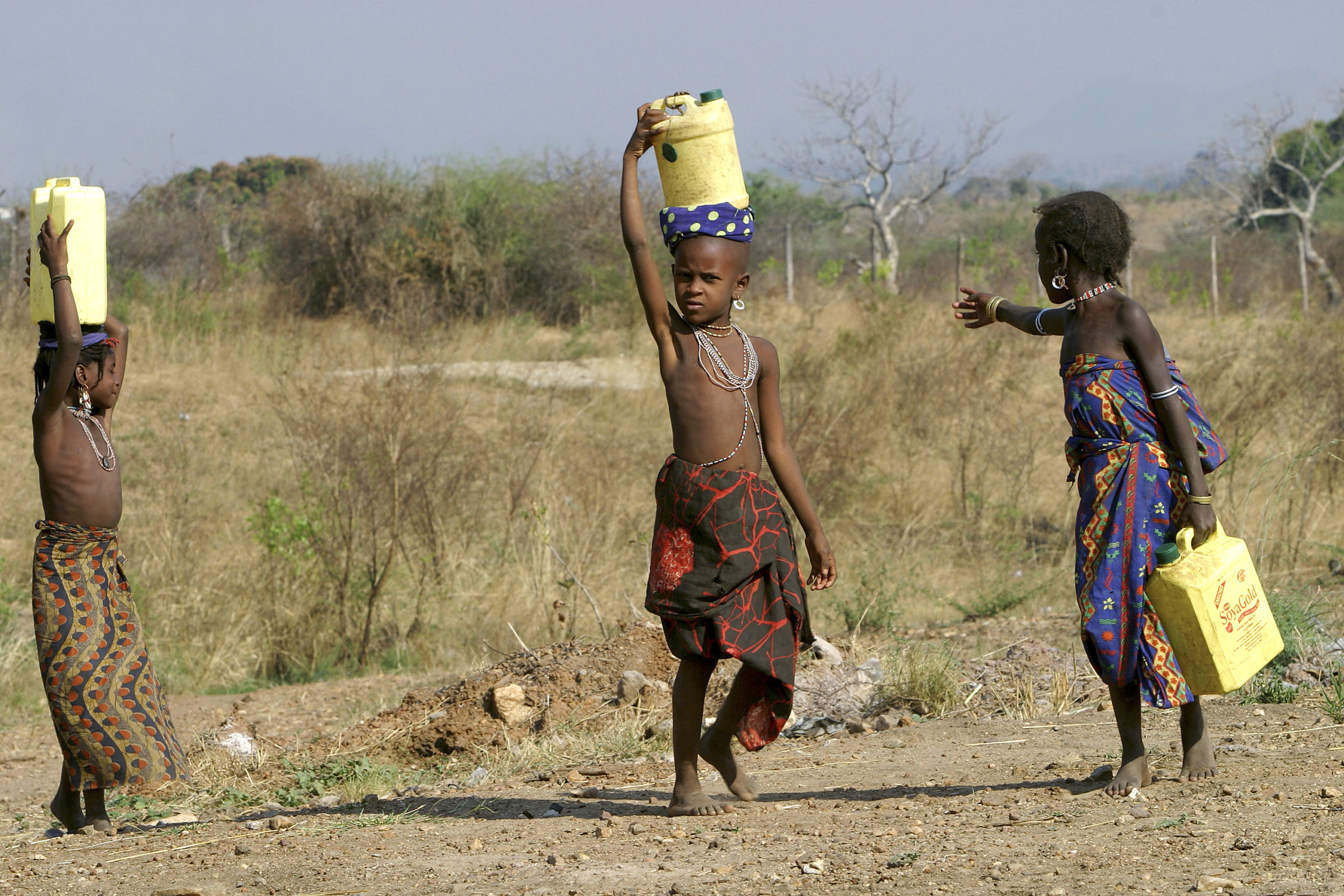
Childhood Health in LiberiaIn Liberia, more than 230,000 children are victims of chronic malnutrition. This can limit human potential, reduce economic growth and cause stunting in children. Chronic malnutrition can also cause physical and cognitive delays in a child’s development, however, organizations are working tirelessly to help.

Childhood Malnutrition

Stunting in a child is one of the most worrisome problems associated with childhood health in Liberia. Approximately “one in three children under the age of 5 are stunted or too short for their age.” Childhood health in Liberia is significantly affected by stunting and children can face many challenges because of it. It can negatively affect a child’s brain function, immune system and organ development. A child who experiences stunting may also perform poorly in school and experience decreased productivity. In the future, the child could also develop obesity or diabetes.

In Liberia, the neonatal period is the most challenging time for a child. This is considered the “make or break years.” More than a third of deaths in children under the age of five happen during the neonatal period. This is because of the high maternal mortality rate and children not getting the support that they need. The maternal mortality rate is 1,072 deaths for every 100,000 births. Children may either die with their mother during childbirth or are born without a mother to care for them and provide the proper nutrition.

Children need access to food that provides energy, protein, fatty acids, iron, iodine, zinc and thiamin to grow properly and healthy. If a child is living in poverty and does not have easy access to nutrient-dense food, they are at more of a risk of experiencing stunting. The most significant growth velocity occurs between conception and two years of age.

Childhood health in Liberia has remained stagnant, while other parts of the world are declining in stunting. This is due to the continued high poverty rate, natural disasters and past and present conflict. However, the Liberian government and other organizations strive to solve the issues.

Organizations Here to Help

The United Nations Children’s Fund (UNICEF) supports childhood health in Liberia. The organization is working with the Liberian government to provide women with proper nutrition during pregnancy and children with adequate nutrition during the first two years of their lives. UNICEF also supports Direct Nutrition Interventions, promoting breastfeeding, treatment of malnutrition, hand washing, de-worming, supplements and food fortification.

The Power of Nutrition organization also strives to reduce childhood health in Liberia. The initiative seeks to help “lower coverage of nutrition services, limit capacity of health workers and challenge the nutrition information system.” So far, it has helped more than 950,000 children and more than 517,000 women access nutrition services.

The Actions Against Hunger organization is also active for childhood health in Liberia. It strives to provide childcare services, family planning services, nutrition services for pregnant women and breastfeeding mothers, malnutrition screening for children under five and hygiene kits to 4,000 households.

A Way Forward

Childhood health in Liberia is greatly affected by malnutrition and stunting. There is still a huge problem, but many organizations strive to fight it and give children better opportunities.

– Abby Trussell 
Photo: Flickr

February 6, 2024
https://borgenproject.org/wp-content/uploads/borgen-project-logo.svg 0 0 Lynsey 2 https://borgenproject.org/wp-content/uploads/borgen-project-logo.svg Lynsey 22024-02-06 23:15:382024-05-30 22:32:51Childhood Health in Liberia
Page 6 of 78«‹45678›»

Get Smarter

  • Global Poverty 101
  • Global Poverty… The Good News
  • Global Poverty & U.S. Jobs
  • Global Poverty and National Security
  • Innovative Solutions to Poverty
  • Global Poverty & Aid FAQ’s
Search Search

Take Action

  • Call Congress
  • Email Congress
  • Donate
  • 30 Ways to Help
  • Volunteer Ops
  • Internships
  • Courses & Certificates
  • The Podcast
Borgen Project

“The Borgen Project is an incredible nonprofit organization that is addressing poverty and hunger and working towards ending them.”

-The Huffington Post

Inside The Borgen Project

  • Contact
  • About
  • Financials
  • President
  • Board of Directors
  • Board of Advisors

International Links

  • UK Email Parliament
  • UK Donate
  • Canada Email Parliament

Get Smarter

  • Global Poverty 101
  • Global Poverty… The Good News
  • Global Poverty & U.S. Jobs
  • Global Poverty and National Security
  • Innovative Solutions to Poverty
  • Global Poverty & Aid FAQ’s

Ways to Help

  • Call Congress
  • Email Congress
  • Donate
  • 30 Ways to Help
  • Volunteer Ops
  • Internships
  • Courses & Certificates
  • The Podcast
Scroll to top Scroll to top Scroll to top