• Link to X
  • Link to Facebook
  • Link to Instagram
  • Link to TikTok
  • Link to Youtube
  • About
    • About Us
      • President
      • Board of Directors
      • Board of Advisors
      • Financials
      • Our Methodology
      • Success Tracker
      • Contact
  • Act Now
    • 30 Ways to Help
      • Email Congress
      • Call Congress
      • Volunteer
      • Courses & Certificates
      • Be a Donor
    • Internships
      • In-Office Internships
      • Remote Internships
    • Legislation
      • Politics 101
  • The Blog
  • The Podcast
  • Magazine
  • Donate
  • Click to open the search input field Click to open the search input field Search
  • Menu Menu

Archive for category: Food & Hunger

Information and stories on food.

Children, Food & Hunger, Global Poverty

4 Charities Operating in Jamaica 

Charities Operating in Jamaica 
Jamaica is a diverse and culturally rich island known for its music and natural attractions. It is the third-largest island in the Caribbean and has a population of about 2.5 million. However, COVID-19, changing weather patterns and other governmental issues have resulted in environmental, educational and economic gaps. Post-pandemic, Jamaica’s economy has taken a hit. Tourism, which is a large part of the Jamaican economy, has plummeted and Jamaica’s poverty rate increased by 4%. This article features four impactful charities operating in Jamaica that strive to help resolve these issues and improve the quality of life on the island.

Children First Agency

One of the major charities operating in Jamaica is Children’s First Agency, which is a nonprofit charity that supports children, mobilizes them to overcome poverty and gives them educational tools to improve their lives. Its mission is to allow children who may not have had equal opportunities to realize their full potential. More than 190,000 children in Jamaica live in poverty, with rural areas having higher poverty rates, while 85% of children experience violent discipline and 30% are born to mothers under 17. This charity aims to assist families that are not sufficiently supported by their environment.

The nonprofit has two main projects: the Youth Wellness Center and the Bashy Bus. The Youth Wellness Center focuses on educating children on their healthcare needs by giving them knowledge that helps them make informed decisions. The center offers education and vocational skills training, job placements and support services. The Bashy Bus is a bus that provides reproductive health information and resources to teenagers. It is the first mobile bus service for reproductive health.

Issa Trust Foundation

Couples Resorts founded the Issa Trust Foundation in 2005 with the mission to promote the well-being of Jamaican people. The organization strives to assist with the needs of children and families, advocating for improved medicine and education. Besides fostering a sense of community and support for the impoverished, the charity has a focus on pediatric care.

Issa Trust Foundation’s 10th pediatric medical initiative showed more than 1,000 children being treated with more than 41 volunteers taking part for treatments. The charity also offers free health lectures, as well as providing eye care and glasses for children in need. A pharmacist intern Shanique Powell is an example of a Jamaican-born citizen returning to Jamaica to counsel and help needy families. Powell says, “Coming back has reminded me of where I am from.” This opportunity to reconnect with her culture and improve upon her home country would not have been possible without the Issa Trust Foundation and her story is only one in many.

Food for the Poor

Food for the Poor is a global charity that strives to assist impoverished families by providing food, housing, clean water and more. In Jamaica, 17.1% of citizens live below the poverty line and 7% of children under 5 suffer from malnutrition. Although the charity is global, Jamaica was the first country in their initiative in 1982. Since then, FFTP has remained steadfast in helping relieve Jamaica’s poverty. In 2022, it implemented two income-generating projects, provided 68 computers to children in Angel of Hope’s Children Homes, provided a rainwater harvesting system in a school and more. In 2024, the charity gave more than 32.4 million meals to Jamaica and contributed to the building and expansion of more than 322 schools.

Smile a While Foundation

Smile a While Foundation is a nonprofit organization geared towards providing therapy for special needs children in Jamaica. The founder, Joanne Oates, was inspired to help children who may not be able to get the support they need. In Jamaica, 162,800 people reported having a self-identified mental illness. Children under 14 make up 21% of this group. However, developing countries often don’t have the resources or infrastructure to provide sufficient help.

Between 76% – 85% of people in these countries with serious mental illness do not receive the help they need. The Jamaican government has tried to reduce the reliance on institutional care, use more licensed professionals, and emphasize community care. Smile a While Foundation is an example of a progressive step forward. In 2023, the charity opened a splinting clinic, recruited new therapists with specializations in autism, and more.

Looking Ahead

These four charities operating in Jamaica are essential contributors to alleviating Jamaica’s economic, educational and environmental issues. With the support of donations and volunteers and the vision of these nonprofit leaders, Jamaica will continue to improve and strive for a better island for all its citizens.

– Sofia Hattiangadi

Sofia is based in New York City, NY, USA and focuses on Good News and Global Health for The Borgen Project.

Photo: Flickr

September 11, 2024
https://borgenproject.org/wp-content/uploads/borgen-project-logo.svg 0 0 Jennifer Philipp https://borgenproject.org/wp-content/uploads/borgen-project-logo.svg Jennifer Philipp2024-09-11 01:30:032024-09-10 22:43:064 Charities Operating in Jamaica 
Food Security, Global Poverty, Women's Empowerment

The Chomuzangari Cooperative: Food Security in Masvingo

The Chomuzangari Cooperative: Food Security in MasvingoIn many rural, impoverished parts of Zimbabwe, women are the primary producers of staple food within households. However, many face discrimination that detracts from their access to resources and decision-making capabilities. The Chomuzangari Cooperative bolsters female participation, empowerment and mental health in these areas. Furthermore, the Cooperative directly enhances food security, water access and education. Individuals who have directly experienced the challenges of rural life in Zimbabwe drive the success of the Cooperative. The Welsh Government, through Hub Cymru Africa, largely funds and supports this initiative.

Women in Masvingo

In the Chivi District of Masvingo Province, where women form the majority of the population at 787,098, they traditionally play a diminished role in community decision-making. The Chomuzangari Cooperative aims to empower these women by boosting their confidence and self-esteem, ensuring their voices are heard and their participation increases. The theory is simple: with more resources and confidence, women can enhance food production in the area. A significant method for bolstering self-esteem is through education. To make education more accessible to everyone in the community, the Cooperative has introduced e-learning resources, including Raspberry Pi technology.

Mental Health

In addition to enhancing learning, water access, sanitation and hygiene, the Cooperative also focuses on destigmatizing mental health in Zimbabwe. Typically, mental health services are concentrated in hospitals in major urban centers, leaving rural areas poorly served. Rural mental health care suffers from stigma, resource constraints and staff shortages. Moreover, care for the mentally ill often falls on women, which can be traumatic and detrimental to their mental health. By boosting female self-esteem, the Cooperative hopes to not only support women through these challenges but also empower them to advocate for improvements in the mental health system.

3 Success Stories of Women in Masvingo

  1. Nutritious Veg Gardens. By encouraging women in Masvingo to gather and share nutrient-rich recipes and foods, the community saw a significant boost in local nutrition. Women in the area started a one-hectare nutrition garden where they planted nutritious crops such as rodade tomatoes, Texas Grano onions, cabbage, kale and much more. This initiative dramatically improved the quality of life for women and enhanced food security in the region, as it eliminated the need for women to travel 90 kilometers to Chivi Growth Point or 140 kilometers to Masvingo town to buy fresh vegetables.
  2. Access to Clean Water. Following a collaborative initiative with Hope Foundation, funded by the Welsh Government, thousands of Chomuzangari residents now have access to clean drinking water. The program financed the installation of a borehole, a solar pump and a 5,000-liter storage tank. Local volunteers contributed by making bricks and installing parts of the system. This development ended the previous burden of walking 3-8 kilometers to collect water. Now, nearly all women in the district live within 500 meters of a water point. This significantly reduces food insecurity and prevents children from missing school to fetch water.
  3. Protection of Crops. Due to a new fence constructed with the help of 67 volunteers, 600 women can now grow more food for their families. This fence, which encloses a hectare of garden space for growing vegetables, was funded by a grant from the Welsh Government. The initiative recognizes that protecting crops from animals is essential for fostering food security in the region.

Looking Ahead

The Chomuzangari Cooperative has significantly enhanced the perception of women and the quality of life in entire communities throughout the Masvingo region. Before the project began, the changing climate, discrimination and limited resources severely hindered women’s ability to provide food for their families. Although these challenges persist, the Cooperative’s ongoing efforts and funding have greatly mitigated their impact.

– Bea Newington-Bridges

Bea is based in Edinburgh, Scotland and focuses on Good News and Global Health for The Borgen Project.

Photo: Flickr

September 10, 2024
https://borgenproject.org/wp-content/uploads/borgen-project-logo.svg 0 0 Precious Sheidu https://borgenproject.org/wp-content/uploads/borgen-project-logo.svg Precious Sheidu2024-09-10 07:30:322024-09-10 03:19:46The Chomuzangari Cooperative: Food Security in Masvingo
Aid, Food & Hunger, Global Poverty

Brazil’s Global Alliance Against Hunger and Poverty

Brazil's Global AlliancePresident of Brazil and the G20, Luíz Inácio Lula da Silva, announced at the New Delhi G20 summit a new task force, a Global Alliance to reduce hunger and poverty across the world. This Global Alliance focuses on eradicating poverty and having zero hunger with sustainable agriculture practices. The task force is open to both G20 members and other interested countries. The official launch for the task force is in November 2024. The Global Alliance will be managed from the Food and Agricultural Organization headquarters in Rome and Brasilia.

Why Brazil’s Global Alliance

Before the Global Alliance Against Hunger and Poverty, President Lula created a national program in 2003 to eradicate hunger. In 2014, “with an undernourishment rate below 2.5% for three years,” Brazil left the Food and Agriculture Organization’s (FAO) “hunger map,” but has been unable to maintain those levels since 2021. Levels started falling again, however, in 2023, in President Lula’s new administration.

President Lula has taken his national program and turned it into a global scale. In his announcement speech, he says: “In the middle of the 21st century, nothing is as absurd and unacceptable as the persistence of hunger and poverty, when we have so much abundance, so many scientific and technological resources and the artificial intelligence revolution at our disposal.”

The Pan American Health Organization (PAHO) director has welcomed the Global Alliance and has stated the importance of overcoming inequalities. He said that policies and public investment in health are needed, and to ensure healthy lives, eliminating hunger and poverty is necessary.

Goals of Brazil’s Global Alliance

From Wellington Dias, the Minister of Development and Social Assistance: “The Alliance’s mission is to expand the adoption of good national programs on a large scale to end hunger and poverty; and of policies to ensure the human right to dignity and to adequate, nutritious and healthy food.”

Brazil’s Global Alliance will aim to raise and mobilize resources, both funds and technological knowledge, to expand policies and programs to help combat and eradicate inequality in terms of poverty and hunger, according to Africa News.

In President Lula’s announcement speech, he expresses how the Global Alliance’s goals go beyond eradicating hunger and poverty, but rather to ultimately bolster a just world:

“As long as there are families without food on the table, children in the streets and young people without hope, there will be no peace. A just world is a world in which people have unimpeded access to food, health, housing, education and decent jobs,” Gov.br reports.

Support

Ahead of the official launch in November 2024, President Lula has sought support for the Global Alliance. As the initiator of the initiative, Brazil is covering half of the cost, according to Africa News.

After the announcement speech in New Delhi, Brazil is hopeful to gain the support of over one hundred countries. So far, the World Bank president, Ajay Banga, has declared support for the initiative. The Inter-American Development Bank and the African Development Bank (AfDB) have also said they would support the initiative. The International Monetary Fund (IMF) has approved the channeling of Special Drawing Rights for development banks, Reuters reports.

– Rachel Padden

Rachel is based in Baltimore, MD, USA and focuses on Good News for The Borgen Project.

Photo: Flickr

September 9, 2024
https://borgenproject.org/wp-content/uploads/borgen-project-logo.svg 0 0 Naida Jahic https://borgenproject.org/wp-content/uploads/borgen-project-logo.svg Naida Jahic2024-09-09 07:30:392024-09-08 23:33:02Brazil’s Global Alliance Against Hunger and Poverty
Food & Hunger, Food Security, Global Poverty

Kauai Food Bank: Island-based organization combats hunger

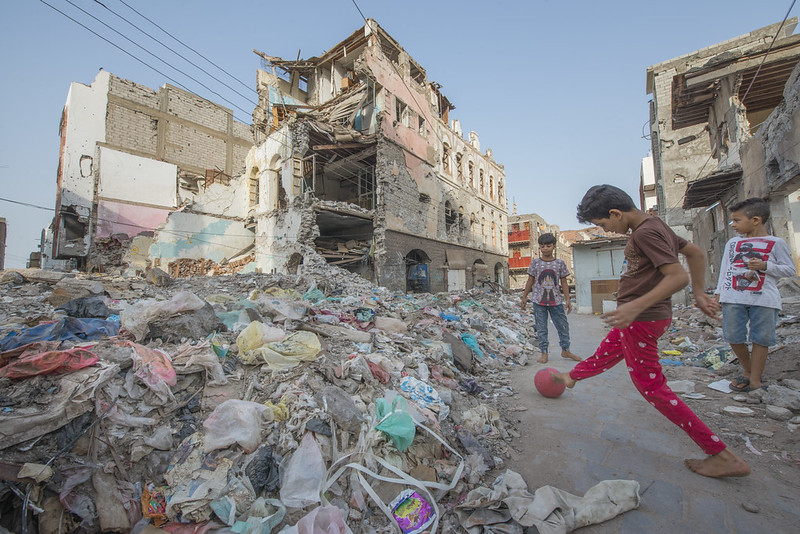
Kauai Food BankKauai, known as Hawaii’s “Garden Isle” for its breathtaking landscapes and lush greenery, faces a challenge not immediately apparent to its visitors–food insecurity. Despite the island’s beauty, residents of the island struggle with a food insecurity rate of 20% as of 2020, higher compared to other hunger data sources. Additionally, the state of Hawaii struggles with hunger as well, with a food insecurity rate of 22%, according to 2018 BRFSS data. To address this critical issue, the Kauai Food Bank has emerged as a vital organization dedicated to fighting hunger and providing essential resources to those in need.
How It Helps

The Kauai Food Bank plays a crucial role in the community by offering various programs to alleviate hunger. One of the primary services the organization provides is food assistance through its distribution centers. These centers are strategically located across the island to ensure food is accessible to all residents, including those living in remote areas. The organization also hosts distribution events from their Lihue warehouse every second and fourth Wednesday of the month.

Pop-Up Events

In response to the heightened food insecurity that the COVID-19 pandemic caused, the Kauai Food Bank introduced “pop-up” food distribution events. The organization designed these events to meet the urgent needs of those disproportionately affected by the pandemic. The pop-up events provide essential items such as fresh produce, pantry staples, and other groceries. By bringing food directly to the communities that need it most, the food bank has reached more people and provided immediate relief to families struggling during these difficult times. The success of these events highlights the food bank’s ability to adapt to changing circumstances and continue its mission under challenging conditions.

Partnerships

The Kauai Food Bank’s efforts are further amplified through its partnerships with other local organizations and corporations. By collaborating with corporations, schools, shelters and nonprofit organizations, the food bank has created a network of support that allows it to extend its reach and impact. An example of a contribution that resulted from a partnership with the Kauai Food Bank would be Project Keiki, a community-giving program dedicated to providing food for children when they don’t have access to school lunches. Foodland Super Market, a local Hawaii grocery store chain, helped launch this project with the state food bank, which branched out to all island-local food banks.

Achievements

A study published in 2024 revealed that Kauai has the lowest household food insecurity rate in Hawaii, at just 23%. This achievement directly results from the concerted efforts of the Kauai Food Bank and its partners. The study’s findings underscore the importance of the food bank’s work and its positive impact on the community. Continued efforts are necessary to maintain and further reduce food insecurity, ensuring all residents have access to the resources they need to thrive.

Kauai Food Bank: Even More Success

The Kauai Food Bank also focuses on serving special populations within the community, including children and families. During a recent food distribution event, the Kauai Food Bank and the Hawaii Foodbank provided enough food to support more than 500 individuals and families. This event is just one example of how the food bank’s targeted initiatives are making a tangible difference in the lives of Kauai’s residents. The ability to reach such a large number of people in a single event demonstrates the food bank’s capacity to mobilize resources quickly and efficiently, a critical factor in the fight against hunger.

Conclusion

Looking ahead, the Kauai Food Bank remains steadfast in its mission to eliminate hunger on the island. As the island’s economy continues to recover from the pandemic’s effects, the food bank’s role will be more important than ever. By providing not only food but also hope and support, the Kauai Food Bank is a lifeline for many residents, ensuring that the island’s beauty is reflected not just in its landscape, but in the well-being of its people.

– Christian Core

Christian is based in Princeville, HI, USA and focuses on Good News for The Borgen Project.

Photo: Flickr

September 9, 2024
https://borgenproject.org/wp-content/uploads/borgen-project-logo.svg 0 0 Naida Jahic https://borgenproject.org/wp-content/uploads/borgen-project-logo.svg Naida Jahic2024-09-09 01:30:202024-09-08 23:08:13Kauai Food Bank: Island-based organization combats hunger
Aid, Food & Hunger, Global Poverty

Aid in Yemen: Three Charities Providing Support

aid in yemenAs the civil war in Yemen remains ongoing, so does the world’s largest humanitarian crisis. Since 2014, violence offset by the civil war has led to the deaths of 377,000 people in Yemen, including 10,000 children, as of 2022. The impact of the violence reflects through the depletion of resources and economic collapse, leaving 23.4 million people in need of humanitarian assistance and 17.4 million without stable access to food. The rate of malnutrition in children is also incredibly concerning, with estimates suggesting that every 10 minutes a child will lose their life through malnutrition.

Aid in Yemen

UNICEF report from August 2024 suggests that acute malnutrition in Yemen is “rapidly increasing.” It states that the rate of acute malnutrition in Yemen threatens to surge during the lean-season months between July and October, where agricultural activity is minimal. Continuing the provision of aid in Yemen is therefore more important than ever. Numerous charities are doing crucial work to ensure the delivery of aid in Yemen. Islamic Relief Worldwide, Doctors without Borders and Yemen Relief U.K. are all notable examples of charities whose ongoing work is incredibly important, particularly during these critical upcoming months.

Islamic Relief Worldwide

Founded in 1984, Islamic Relief Worldwide is one of the world’s largest relief and development charities and provided £193 million worth of aid in 2022 alone.

Islamic Relief has been active in Yemen since 1998, having strengthened its programming significantly since the outbreak of the civil war. The organization has helped 800,000 people gain access to safe drinking water, providing support for children and establishing 167 new health facilities in the country. Islamic Relief provided food aid in Yemen to at least 2 million people each month until the World Food Programme (WFP) paused its food distribution into the northern regions of Yemen last December.

Doctors Without Borders

Medecins Sans Frontieres (MSF), also known as Doctors Without Borders first started in 1971 in France. MSF provides medical care in situations of unprecedented humanitarian disaster, including during disease outbreaks, natural disasters and conflict. It takes care to be impartial in providing medical care and prioritizing assistance to those most in need. It is currently active in more than 70 countries across the world

In 2023, MSF provided significant medical aid in Yemen, supporting 17 hospitals and 18 health facilities across the country. This includes the support of feeding centres in response to the rising rates of acute malnutrition. For instance, they expanded the therapeutic feeding centre in Abs General Hospital in Hajjah from 45 beds to 88. https://www.doctorswithoutborders.org/what-we-do/where-we-work/yemen

A recent MSF publication describes how a health care facility in the neglected mountain town of Mafraq Al Mokha now provides care free of charge, thanks to the support of MSF since 2022.

Yemen Relief UK

Yemen Relief U.K. is a U.K.-based charity solely that focuses on providing humanitarian assistance, alleviating poverty and easing suffering in Yemen. It undertakes several programs and projects to provide support.

It provides a charity bakery through the support of donors, supplying bread to thousands of families daily to tackle food insecurity. Yemen Relief also provides food packs and clean water wells through the support of donors. In Yemen, 1.1 million children have lost a parent in the ongoing conflict, leaving many dependent on humanitarian aid to survive. Willing donors can also sponsor an orphan through Yemen Relief U.K.

Willing donors can also sponsor an orphan through Yemen Relief UK. 1.1 million children have lost a parent in the ongoing conflict, leaving many dependent on humanitarian aid to survive. https://www.yemenrelief.org.uk/yemen-orphan-sponsorship/

The Future of Aid in Yemen

As UNICEF highlights, the continued support of Yemen is crucial in the next couple of months when acute malnutrition threatens to rise.

The rising rate of malnutrition can be mitigated if charities such as Islamic Relief, MSF and Yemen Relief U.K. continue to be supported in providing medical care and aid in Yemen. These charities, among many others, have already had a positive impact on the livelihoods of thousands of families in Yemen. The world’s largest humanitarian crisis has been devastating, yet there is hope for Yemen’s future thanks to the continued charitable work and support being done in the country.

– Joshua Marriott

Joshua is based in Cardiff, Wales and focuses on Technology and Politics for The Borgen Project.

Photo: Flickr

August 31, 2024
https://borgenproject.org/wp-content/uploads/borgen-project-logo.svg 0 0 Naida Jahic https://borgenproject.org/wp-content/uploads/borgen-project-logo.svg Naida Jahic2024-08-31 01:30:182024-08-30 06:35:26Aid in Yemen: Three Charities Providing Support
Africa, Food & Hunger, Global Poverty

Famine in Sudan: WFP, FAO and UNICEF Are Providing Vital Aid

Famine in SudanFamine in Sudan is currently one of the worst hunger crises in its history, with 25.6 million people subject to extreme food insecurity. The situation results from conflicts between parties, as war persists for months without respite. Violent attacks, looting and the destruction of infrastructure are widespread. This leads to interrupted agriculture, transportation of goods and food shortages, driving the price of food up by 83%.

In a recent United Nations (U.N.) report, Edem Mosornu, Director of Operations and Advocacy in the Office for Coordination of Humanitarian Affairs, calls this a reality coming out of a “nightmare.” She reveals the gravity of the situation, with 90% of the population sitting at an advanced stage of food insecurity, trapped in areas that are out of reach of humanitarian agencies.

Famine has already gripped the entire northern region of Darfur and 13 other areas are at high risk of facing the same fate. Sudan’s dire situation requires immediate assistance, making humanitarian aid and initiatives essential for providing crucial support.

Famine in Sudan and WFP Action 

The World Food Programme (WFP) has responded rapidly and effectively to the Sudan emergency. It supports community kitchens around Khartoum in partnership with local organizations, aiming to provide 100,000 hot meals per month. Additionally, WFP’s strategy includes using an “Emergency Telecommunications Cluster” to protect vital communication and establish United Nations Humanitarian Air Services. This successful project connects Sudan to Amman and Nairobi. It has already transported 18.5 metric tons of cargo in the latter half of 2023. WFP is also implementing an emergency wheat production project in areas such as Kassala and Gezira to encourage long-term resilience.

FAO and UNICEF

The Food and Agriculture Organization of the United Nations (FAO) and the United Nations Children’s Fund (UNICEF) also aid Sudan. FAO’s project is closely aimed at supporting farmers and their agriculture and improving the situation through this approach. This involves the distribution of seeds; the U.N. organization has already purchased 8,000 tonnes of millet and sorghum cereal seeds and aims to reach 1.8 million farming families this year.

On the other hand, UNICEF has focused on evaluating and supporting children suffering from severe malnutrition. This effort has included vaccinating 500,000 children and providing more than five million people with clean water. To support education, UNICEF works closely with mothers, offering financial assistance to 350,000 pregnant and lactating women and their families. It is also making efforts to protect vulnerable children from violence, separation and trauma.

Final Note

As long as conflict persists in Sudan, the hunger crisis continues. Predictions from the Integrated Food Security Phase Classification indicate that the situation could lead to severe health issues, including the spread of infectious diseases and increased infant mortality. The humanitarian aid provided by WFP, FAO and UNICEF offers hope for Sudan’s future. However, it also underscores that the situation is far from stable and ongoing assistance remains crucial.

– Grace Sammartini

Grace is based in Rome, Italy and focuses on Good News and Global Health for The Borgen Project.

Photo: Flickr

August 24, 2024
https://borgenproject.org/wp-content/uploads/borgen-project-logo.svg 0 0 Lynsey 2 https://borgenproject.org/wp-content/uploads/borgen-project-logo.svg Lynsey 22024-08-24 03:00:092024-08-23 06:25:17Famine in Sudan: WFP, FAO and UNICEF Are Providing Vital Aid
Africa, Food & Hunger, Global Poverty

TebuTebu: Changing Lives With Peanut Butter

TebuTebuEdith Ndebele, a single mother from Zimbabwe, has changed her life using peanut butter. Using a metal drum in a junkyard in Bulawayo, Zimbabwe’s second-largest city, Ndebele has been producing peanut butter for her local community to support herself and her children and has since gone on to start her own company, TebuTebu Enterprises.

Why Is Peanut Butter the Answer?

As has been discovered, peanut butter can be used as a powerful weapon against global hunger, a strategy already implemented successfully in Malawi. Dr. Mark Manary recognized this potential and put his theory to the test. He observed a 95% success rate among his patients by feeding starving children fortified peanut butter. Peanut butter does not require cooking or refrigeration, is easy to transport and has a much longer shelf life than other foods for treating starvation. It is calorically dense, contains zinc and protein and is easy to digest.

Doctors even believe that allergies will not be an issue if children are exposed to peanuts at an early age. These factors present an irrefutably convincing case for the potential of peanut butter in the struggle against starvation. The World Health Organization (WHO) has recognized this potential and declared it a valuable treatment for malnutrition.

TebuTebu Enterprises

In 2021, amid the COVID pandemic, Ndebele was a single mother struggling to support her children. By 2024, she will own her own company and serve as the chair of a group of female entrepreneurs. She transformed her life using peanut butter. To improve her children’s lives, she began grinding and roasting peanuts to produce peanut butter to sell to her community.

Using a metal drum heated by firewood, she perfected her recipe. She can now produce peanut butter just the way her customers like it. Her product is available in various-sized containers. Ndebele carefully selects ingredients to maximize quality; she chooses the best peanuts to retain the iconic golden color.

TebuTebu Enterprises (named after her youngest son Teboho) also produces detergent due to her peanut butter success, providing the family with a steady income thanks to Ndebele’s efforts. The World Food Programme (WFP) noticed Ndebele’s innovation and donated a new roasting drum, allowing her to streamline production by cutting cooking time in half, saving both time and firewood. Not only has she turned her own life around, but she is also providing her community with a substance that has been proven to curb starvation.

In urban areas in Zimbabwe, only 10.4% of children receive the minimum nutrition they need, making Ndebele’s operation all the more critical.

The Problem of El Niño

El Niño, caused by the routine warming of the eastern Pacific Ocean, occurs once every seven years. It hit Zimbabwe and surrounding countries halfway through 2023, impacting rain cycles and prompting the governments of Zimbabwe, Malawi and Zambia to declare a national emergency. Like many, Ndebele has been affected by this phenomenon.

The lack of rainfall has created hardships for farmers, impacting peanut production. As a result, Ndebele has had to import peanuts from Zambia, leading to higher prices due to rising costs. Financial difficulties have forced her to reduce her workforce, letting go of one employee. Despite these challenges, Ndebele remains committed to improving her community’s lives and securing a better future for her children.

Summary

Despite the challenges posed by El Niño, Ndebele’s peanut butter production has been vastly beneficial for all parties involved. She has supported her children, lifted them out of poverty and provided her customers with a product that has been crucial in delivering vital nutrients. With the help of the WFP, Ndebele has changed her life and positively impacted her community using peanut butter.

– Molly Ralph

Molly is based in Dorset, UK and focuses on Good News and Global Health for The Borgen Project.

Photo: Flickr

August 8, 2024
https://borgenproject.org/wp-content/uploads/borgen-project-logo.svg 0 0 Lynsey 2 https://borgenproject.org/wp-content/uploads/borgen-project-logo.svg Lynsey 22024-08-08 07:30:572024-08-08 01:02:58TebuTebu: Changing Lives With Peanut Butter
Africa, Food & Hunger, Global Poverty

World Food Program Boosts Operations to Provide Food in Sudan

Food in SudanSudan is one of Africa’s poorest and most war-torn nations. When South Sudan seceded in 2011, Sudan lost a majority of its oil revenue, causing high rates of inflation and bringing the poverty rate to 51.07%. In April of 2023, a civil war between two factions of the nation’s military began. The war created the world’s worst displacement crisis to go along with one of the world’s worst hunger crises. Of its population of 48.1 million people, more than 25.6 million people face extreme hunger. Fourteen areas in nine states throughout Sudan have recently been declared at risk of famine. With more than 5 million people on the verge of starvation, the World Food Program (WFP) is urgently seeking support for the nation.

World Food Program in Sudan

WFP has been working in Sudan since 1963. Through the years, it has become “the logistics backbone of humanitarian response” throughout the country. By providing food to communities and internally displaced people, treating malnutrition for young children and providing farmers with agricultural training, WFP has helped Sudan avoid a hunger catastrophe. Despite these efforts, the escalating conflict has strained resources and complicated distribution efforts, resulting in famine in the country.

As the threat of famine continues to grow, WFP is rapidly expanding its emergency food and nutrition services. The nonprofit organization is scaling up to provide food and nutrition for five million people in Sudan by the end of 2024. Along with food and nutrition assistance, WFP will provide more than $1.2 million in cash to families in 12 Sudanese states. This cash injection aims to stimulate local economies by boosting farmers and markets, enabling communities to increase food production independently and reduce their reliance on external aid.

WFP’s comprehensive approach in Sudan not only addresses immediate needs but also fosters long-term resilience among affected communities. By supporting local agriculture and economies, WFP helps create sustainable solutions that empower Sudanese families to rebuild their lives and improve their self-sufficiency. This dual focus on urgent aid and structural support is crucial in stabilizing the region and mitigating the ongoing humanitarian crisis.

The Future

Since the war started in April 2023, WFP has assisted more than 6.7 million people across 18 states. As fighting continues, regions such as Khartoum, Gezira and others are at high risk of falling into famine if they do not receive assistance as soon as possible. The United Nations (U.N.) has identified two million people across 40 hotspots who are in desperate need of food and nutrition services. The program is in urgent need of $200 million to continue delivering assistance to the Sudanese for the rest of 2024. Without immediate financial support, the crisis could deepen, leading to even more severe humanitarian consequences and potentially unmanageable levels of suffering.

– Nicolas Mezzaucella

Nicolas is based in New Rochelle, NY, USA and focuses on Good News and Global Health for The Borgen Project.

Photo: Flickr

August 8, 2024
https://borgenproject.org/wp-content/uploads/borgen-project-logo.svg 0 0 Lynsey 2 https://borgenproject.org/wp-content/uploads/borgen-project-logo.svg Lynsey 22024-08-08 01:30:592024-08-08 00:47:48World Food Program Boosts Operations to Provide Food in Sudan
Food & Hunger, Global Poverty, Nonprofit Organizations and NGOs

3 Organizations Fighting World Hunger

Organizations Fighting World HungerGlobally, approximately one in 10 people go to bed hungry each night and nearly 3 billion cannot afford a healthy, nutritious diet. Numerous organizations around the world dedicate significant effort to solving this issue, aiming for a future where no one faces hunger. Here are three organizations fighting world hunger.

The Hunger Project

The Hunger Project, operating in Africa, Asia and Latin America, employs a three-point strategy to combat world hunger. Initially, the organization empowers women by providing resources, information and personal freedoms, recognizing that regions with more autonomous women often see higher education rates, improved health and increased agricultural productivity. Subsequently, The initiative equips all community members with essential skills to enhance local opportunities, offering training in literacy, numeracy, healthy eating and local laws. This empowers individuals to lead healthy, successful lives and ensures their voices are influential in governance. The final phase involves workshops that encourage community members to propose improvements for their area and assign specific tasks to realize these visions, fostering a sense of self-efficacy and ongoing advocacy. This approach has notably reduced severe hunger by 25% in the regions where The Hunger Project operates.

Action Against Hunger

Action Against Hunger actively combats global hunger, operating in Africa, Asia, the Middle East, Europe and the Americas. This organization collaborates closely with members of the British Parliament and influential organizations to address the impact of conflict on food security. Between July 2023 and January 2024, Action Against Hunger engaged in strategic discussions with United Nations agencies and government representatives to explore solutions to hunger exacerbated by conflict and identify obstacles to implementing these solutions. In Jan. 2024, the organization participated in discussions with the International Development Committee about the United Kingdom’s efforts to combat world hunger. Additionally, in May 2024, it joined a debate in the House of Lords focusing on food insecurity due to conflict. Beyond advocacy, Action Against Hunger also implements direct interventions, exemplified by its volunteers in Gaza who delivered essential nutrients to 13,000 mothers and babies.

CARE International

CARE International, operating across Africa, Asia and the Pacific, Latin America and the Caribbean, Europe and the Middle East, employs a five-step strategy to combat world hunger. This strategy includes maintaining healthy ecosystems and securing financial stability, enhancing farmer productivity to increase food availability, ensuring that all community members, particularly marginalized groups and women, have necessary rights and opportunities and equipping communities with the tools to withstand challenges like extreme weather. This holistic approach aims to significantly improve lives. As of 2023, CARE has aided 34 million people through 647 projects targeting world hunger and aims to reach 75 million people by 2030.

Looking Ahead

The fight against global hunger involves concerted efforts from numerous organizations, each playing a vital role in addressing food insecurity. The Hunger Project has made significant strides by empowering women and communities to foster local development and reduce severe hunger. Action Against Hunger collaborates with governments and international bodies to address the impacts of conflict on food security, while CARE International employs a comprehensive strategy to enhance farmer productivity and community resilience. Together, these organizations are fighting world hunger and aiming to create a future where everyone has access to a nutritious diet.

– Sue-Joyce Headon

Sue-Joyce is based in Liverpool, UK and focuses on Good News and Celebs for The Borgen Project.

Photo: Flickr

July 30, 2024
https://borgenproject.org/wp-content/uploads/borgen-project-logo.svg 0 0 Precious Sheidu https://borgenproject.org/wp-content/uploads/borgen-project-logo.svg Precious Sheidu2024-07-30 07:30:132024-07-29 09:29:163 Organizations Fighting World Hunger
Agriculture, Food Security, Global Poverty

The Svalbard Global Seed Vault: Protecting Crop Diversity

The Svalbard Global Seed Vault: Protecting Crop DiversityIn Svalbard, Norway, deep within a mountain at 150 meters, lies a significant refrigerated vault holding more than a million crop seeds from around the globe. Regional seed banks worldwide contribute duplicates of their seeds to this repository, ensuring their secure storage. Supported by the Norwegian government, this initiative aims to safeguard biodiversity and provide a safety net against potential global crises that could threaten the food supply.

The Importance of Seed Banks

Crop diversification plays a crucial role in sustaining healthy ecosystems and enhancing agricultural resilience. It mitigates soil erosion, enriches soil health and fortifies crops against pests and diseases. By planting a variety of crops, farmers can potentially shield their livelihoods from extreme weather and other adversities, ensuring that if one crop falters, others may thrive to offset the loss. However, crop diversity has sharply declined over the last 50 years. TIME Magazine reports that merely about 30 crops now supply 95% of the nutritional needs of humans. The Food and Agriculture Organization of the United Nations (FAO) adds that since 1900, there has been a staggering 95% loss in plant genetic diversity globally.

Natural disasters are the primary threat to crop diversity in developing countries. Flooding, drought, excessive heat and other unpredictable weather patterns, can wipe out entire fields of crops. The Svalbard Global Seed Vault protects crop diversity and prevents hunger by ensuring that crop species do not go extinct. The vault stores seeds and their duplicates, ensuring that agriculture can reintroduce them following catastrophic events, thus protecting global food security.

Marie Haga, executive director of the Crop Trust, an organization that operates the Svalbard Seed Vault in collaboration with the Norwegian government, emphasizes that crop diversity is essential to global livelihood: “Not too many think about crop diversity as being so fundamentally important, but it is. It is almost as important as water and air. Seeds generally as the basis for everything. Not only what we eat, but what we wear, nature all about us.” 

Seed Banks Around the World

The Svalbard Global Seed Vault collaborates with more than a thousand regional seed banks worldwide. These banks collect, freeze and store seeds from various crop species. They send duplicates of these seeds to the Svalbard vault for secure, long-term storage. Operating much like an insurance policy, the organization protects these seeds against potential regional threats such as severe weather or conflict. Svalbard safely stores the duplicates should a regional seed bank’s supplies be compromised.

The Svalbard facility’s operations are important in war-ridden regions. In 2012, the International Center for Agricultural Research in the Dry Areas (ICARDA) had to move from its location just outside of Aleppo, Syria, in 2012 when the civil war threatened the facility’s security. In Afghanistan and Iran, violent conflict destroyed seed banks, compromising seeds that had not yet been sent to Svalbard.

Svalbard’s location in Northern Norway is optimal for the global seed vault due to its cold climate, which is essential for preserving seeds at -18° Celsius. The vault’s placement of 150 meters inside a mountain offers added protection against severe weather events, including extreme cold and avalanches. Apart from these natural conditions, Svalbard’s remoteness plays a crucial role in its security, making it unlikely to be affected by international conflicts. This combination of factors effectively safeguards the seeds, providing a critical backup for global agriculture.

Looking Forward

The Svalbard Global Seed Vault plays a pivotal role in preserving global crop diversity, acting as a vital insurance policy against environmental and man-made disasters. Securing more than a million seed samples from various regions ensures the continued availability of essential crops for future generations. The Svalbard Global Seed Vault continues to expand its collection and it can hold about 4.5 million seeds. This initiative can potentially maintain agricultural resilience and secure food supplies worldwide.

– Maren Fossum-Wernick

Maren is based in St. Paul, MN, USA and focuses on Global Health and Politics for The Borgen Project.

Photo: Flickr

July 10, 2024
https://borgenproject.org/wp-content/uploads/borgen-project-logo.svg 0 0 Precious Sheidu https://borgenproject.org/wp-content/uploads/borgen-project-logo.svg Precious Sheidu2024-07-10 07:30:042024-07-10 05:11:54The Svalbard Global Seed Vault: Protecting Crop Diversity
Page 5 of 78«‹34567›»

Get Smarter

  • Global Poverty 101
  • Global Poverty… The Good News
  • Global Poverty & U.S. Jobs
  • Global Poverty and National Security
  • Innovative Solutions to Poverty
  • Global Poverty & Aid FAQ’s
Search Search

Take Action

  • Call Congress
  • Email Congress
  • Donate
  • 30 Ways to Help
  • Volunteer Ops
  • Internships
  • Courses & Certificates
  • The Podcast
Borgen Project

“The Borgen Project is an incredible nonprofit organization that is addressing poverty and hunger and working towards ending them.”

-The Huffington Post

Inside The Borgen Project

  • Contact
  • About
  • Financials
  • President
  • Board of Directors
  • Board of Advisors

International Links

  • UK Email Parliament
  • UK Donate
  • Canada Email Parliament

Get Smarter

  • Global Poverty 101
  • Global Poverty… The Good News
  • Global Poverty & U.S. Jobs
  • Global Poverty and National Security
  • Innovative Solutions to Poverty
  • Global Poverty & Aid FAQ’s

Ways to Help

  • Call Congress
  • Email Congress
  • Donate
  • 30 Ways to Help
  • Volunteer Ops
  • Internships
  • Courses & Certificates
  • The Podcast
Scroll to top Scroll to top Scroll to top