• Link to X
  • Link to Facebook
  • Link to Instagram
  • Link to TikTok
  • Link to Youtube
  • About
    • About Us
      • President
      • Board of Directors
      • Board of Advisors
      • Financials
      • Our Methodology
      • Success Tracker
      • Contact
  • Act Now
    • 30 Ways to Help
      • Email Congress
      • Call Congress
      • Volunteer
      • Courses & Certificates
      • Be a Donor
    • Internships
      • In-Office Internships
      • Remote Internships
    • Legislation
      • Politics 101
  • The Blog
  • The Podcast
  • Magazine
  • Donate
  • Click to open the search input field Click to open the search input field Search
  • Menu Menu

Archive for category: Food & Hunger

Information and stories on food.

Food Security, Global Poverty, Homelessness, Poverty Eradication

Innovations in Poverty Eradication in Finland

Poverty Eradication in FinlandAcross the world, more than 150 million people are homeless, around 783 million lack food security and more than half the global population lacks essential health services. Among countries, Finland stands out as a pioneer in implementing innovative solutions to combat mass poverty. The following is a brief look into innovations behind poverty eradication in Finland.

Decline in Homelessness

From 2006 to 2007, Finland experienced a spike in the number of homeless people, the first since 1998. This prompted a focus on addressing homelessness and led to innovations in poverty eradication. The main innovation Finland implemented was the Housing First policy. Enacted in 2008, the Housing First policy has dropped the number of homeless people from more than 8,000 to 3,686 in 2022. This correlates to a 50% reduction in the number of homeless people in Finland in 14 years. The Housing First policy works by granting homeless people access to long-term housing as opposed to the more common temporary shelters. These rental housing units are innovative as they are financially viable and provide the homeless with substantial social support, such as better employment opportunities.

As more homeless people acquired jobs, the unemployment rate dropped by 2.6% from 2015 to 2022. This has, in turn, stimulated Finland’s economy and compensated for the cost of these rental units, thereby highlighting the efficiency of the Housing First policy. Overall, the Housing First policy benefited more than 4,000 individuals through housing, and an additional 137,208 through job opportunities.

Stable Food Security

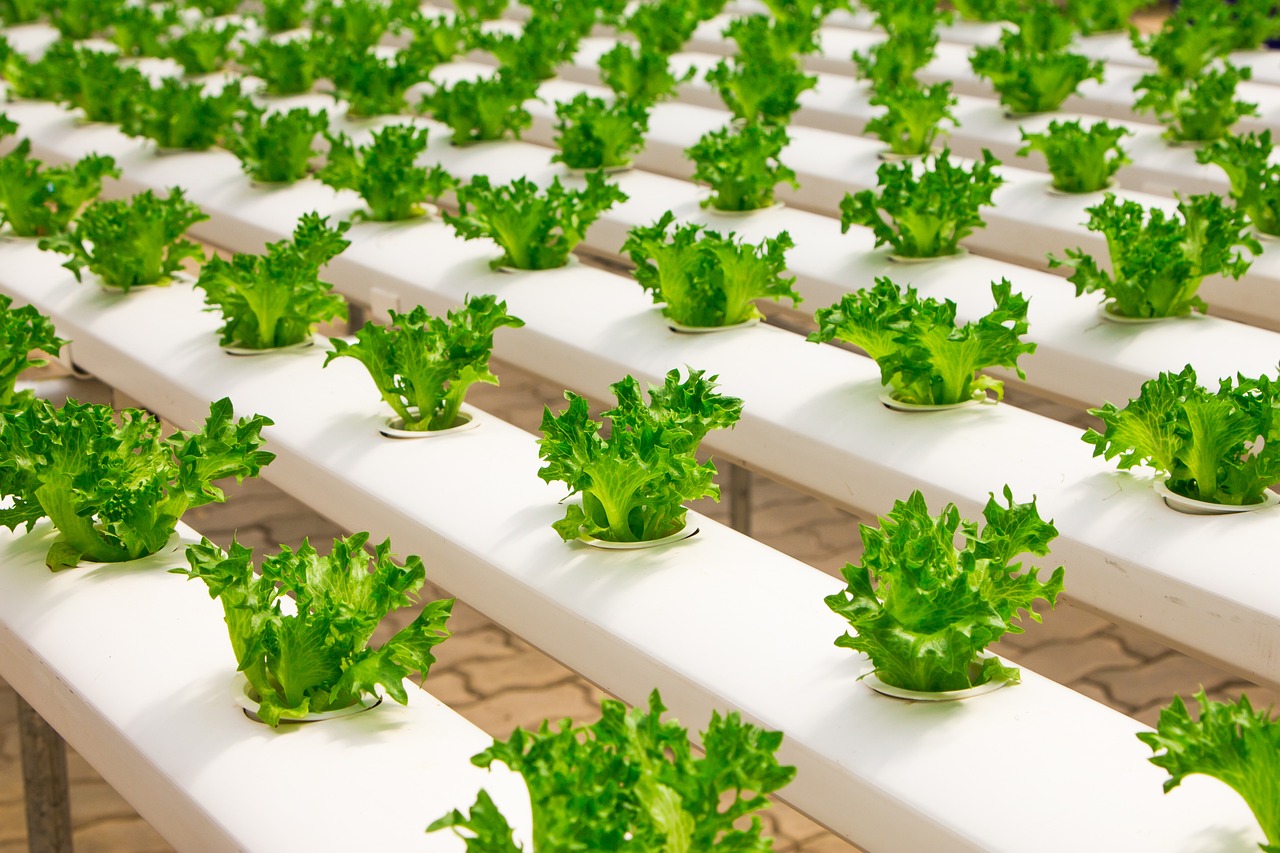
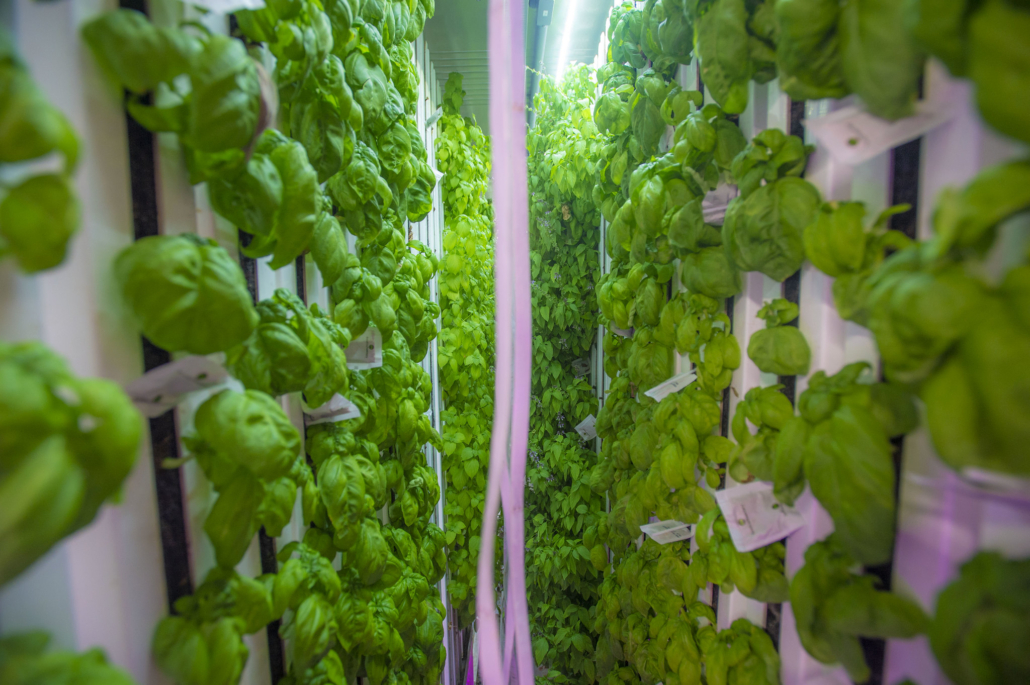
Food security has become a non-issue in Finland due to innovative approaches dominating the Food and Agriculture industry. One such innovation is the prevalence of vertical farms. Vertical farms have revolutionized food security within Finland as they maximize space (no need for arable land), are pesticide-free, decrease water usage by 90%, cultivate up to 2.5 times more yield and have rapid scaling potential (from 500 to 20,000 sq.m). Vertical farms have proven to be positively transformative as they have successfully increased access to cheaper and healthier foods. Each vertical farm, such as the one in Pirkkala, Finland, has the potential to feed more than 20,000 people.

Another innovation in Finland is the recent creation of Solein, a natural protein produced using air and electricity. The creation of Solein has the potential to increase food security in Finland as it exceeds the bounds of traditional proteins. Solein can be used in meat, cheese, dairy, bread, pasta, drinks, etc. Solein’s versatility makes it suitable for various food products, offering a cost-effective alternative for nutritious food seekers.

As a result of these food security innovations, Finland achieved a score of 83.7 on the Global Food Security Index (GFSI) in 2022, the highest among countries. As opposed to the world average of 11.7 % in 2022, Finland’s food insecurity rate remains relatively low at 2.5%. The country’s innovations have prevented 511,233 people from falling into poverty.

Effective Health Care

Finland is lauded for its health care system as it offers a variety of services at affordable prices. One way Finland achieves this is through the innovative Kela Card. In terms of health care, the Kela Card plays a key role, in reimbursing people for medical prescriptions, ill-related absences, travel and a portion of private health care expenses. The Kela Card is an integral component of Finland’s health care system because every citizen and permanent resident of Finland receives it. The Kela Card also provides social security and employment benefits. Its very design allows it to assist those who are struggling to maintain a stable income and provides them with social benefits. This has, in turn, benefitted more than 360,000 people in Finland each year.

Innovations in poverty eradication in Finland extend to medical hardware as well. Finnish tech company Sooma developed a portable medical device for depression treatment. This device is portable and requires no expertise to use, thus reducing the medical costs associated with depression. Another medical instrument, created by Optomed, captures retinal images and diagnoses diabetic retinopathy, a leading cause of blindness worldwide. This device is innovative as it is the most affordable camera of its kind. The efficiency of medical equipment in Finland has allowed people to avoid the excessive costs associated with modern health care.

What is Next?

Finland continues to pursue poverty eradication through ongoing innovation. These modern solutions have already contributed to a 1.4% drop in poverty rates between 2019 and 2020. Ultimately, the success of Finland’s innovations could serve as a model and inspiration for other countries looking to alleviate poverty.  

– Manav Yarlagadda
Photo: Unsplash

July 27, 2023
https://borgenproject.org/wp-content/uploads/borgen-project-logo.svg 0 0 Jennifer Philipp https://borgenproject.org/wp-content/uploads/borgen-project-logo.svg Jennifer Philipp2023-07-27 07:30:232024-05-30 22:32:11Innovations in Poverty Eradication in Finland
Education, Food Security

How Villages in Partnership Relieves Poverty in Malawi

Villages in Partnership is an organization that has assisted Malawi in its fight against poverty. More than 50% of the population in Malawi lived under the national poverty line in 2019, the World Bank notes. Villages in Partnership has contributed by providing electricity, wells to access clean water and many other basic necessities that the people of Malawi lack.
Infrastructure

During the rainy seasons, areas of Malawi easily become flooded, which makes it more difficult for the people of Malawi to travel from one place to another. Bridges allow students to get to school and allow people to access wells for clean water while allowing others to travel to health care centers and access goods and services. Villages of Partnership’s mission is to build more bridges to provide this crucial access to the people of Malawi.

Malawi is known for its lack of electricity. Less than 10% of the population of 18 million is connected to the electrical grid. And, access to electricity stands at just 1% for the 80% of people who live in rural areas.

Electricity is very important to the infrastructure of a country. In 2013, Villages of Partnership provided electricity to the village of Kaupe to power the maize mill. The mill makes flour, which is an important ingredient in the staple dish called nshima. Because of the electricity access, the mill can supply flour in minutes instead of producing it through hours of labor without electricity.

Food Security

Unlike countries like Congo, Malawi does not have rich soil. This forces farmers to depend on successful rainy seasons. However, the climate in Malawi is very unpredictable, and this often leads to food insecurity.

Villages in Partnership has created a solar irrigation technology for the farmers in Malawi. In 2020, the organization added a second site for this technology, which has created a water source for more than 70 farmers and families that are now able to depend on it.

Alongside that, Villages in Partnership also provides improved seed varieties and fertilizers to farmers to increase their crop yields and gives goats and chickens to families in need. The animals provide eggs and meat, which improves the food security of many families in Malawi.

Access to Water

In Malawi, 4 million people lack access to safe water, USAID reports. Along with that, only 6% of the population has the ability to access clean sanitation facilities. Unfortunately, this lack of access to clean water and sanitation can lead to disease and even death.

One of Villages in Partnership’s top priorities is providing accessible and safe water to villages that need it. In Malawi, women and girls are spending their time walking several miles to source clean water. Sometimes, the women source this water from contaminated rivers.

Many villages in Malawi have been hesitant to accept the option of building wells and donating land due to the time-consuming nature of the process. Nevertheless, since 2019, there has been significant progress in efforts to improve water accessibility in the town of Sakata. A total of 23 boreholes and 15 shallow wells have been dug, and many damaged wells have been repaired.

Villages in Partnership takes a proactive approach to addressing water scarcity issues in Malawi. Every year, it organizes the Water Walk, a global event that brings people together to understand the needs of Malawian villages and the significance of clean water. Participants in the Water Walk contribute to various initiatives, including providing solar irrigation, creating employment opportunities, and facilitating access to health care through the Khanda Health Center. The primary focus remains on raising funds to drill wells in Malawian villages.

Education

In 1994, the Malawi government initiated free primary education, providing a valuable opportunity for children to receive education at no cost. However, this move resulted in challenges such as overcrowded classrooms and insufficient supplies, leading to decreased educational quality and poor student performance.

Presently, Malawi faces low literacy rates, with only 65% of the population able to read or write, and limited access to secondary education, with one-third of students attending. For Sakata’s community, the percentage of people who have attended university is as low as one-tenth of 1%, highlighting the education system’s shortcomings.

Nonetheless, education remains a crucial pathway out of poverty. Recognizing this, Villages in Partnership supports 15 community-based childcare centers, acting as preschools to foster the mental, social and physical development of Malawian children.

Additionally, Villages in Partnership has undertaken projects like Chimpeni School, providing education to children who previously had limited access to schools. The organization also undertook the reconstruction of Sakata School after it began to deteriorate in 2016. These efforts aim to improve education opportunities and enhance the prospects of the Malawian community.

Looking Forward

Villages in Partnership is making a significant impact in Malawi by addressing key challenges such as infrastructure, food security, access to water and education. Through building bridges, providing electricity and implementing solar irrigation technology, the organization is enhancing the lives of people in need. By focusing on clean water initiatives and supporting educational opportunities, Villages in Partnership is empowering communities and contributing to the fight against poverty in Malawi.

– Abigail DiCarlo
Photo: Pixabay

July 24, 2023
https://borgenproject.org/wp-content/uploads/borgen-project-logo.svg 0 0 Kim Thelwell https://borgenproject.org/wp-content/uploads/borgen-project-logo.svg Kim Thelwell2023-07-24 07:30:232023-07-25 10:10:13How Villages in Partnership Relieves Poverty in Malawi
Food & Hunger, Global Poverty

How Bamboo Farming in Uganda Reduces Poverty

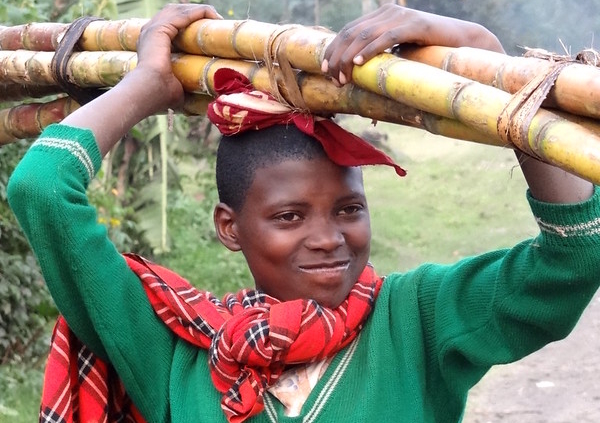
Bamboo Farming in UgandaAlongside offering numerous benefits, the bamboo plant can thrive in almost any type of soil and weather condition. This ability to thrive in less-than-ideal conditions works out favorably for Uganda, an East-African country with an active agricultural sector despite its poor soil quality.

Bamboo farming in Uganda has become a valuable source of income for many individuals. As a result, the Ugandan government responded with training programs to develop citizens’ skills in producing baskets, furniture and other crafts using the versatile plant.

A Reliable Source of Employment

Bamboo farming in Uganda provides a dependable and recurring source of income for the unemployed due to several agricultural factors unique to the plant. The bamboo plant is a perennial crop with a rapid maturation cycle. The entire plant matures within four to eight years and is ready for harvest in just five years. Furthermore, the plant has the unique ability to produce new shoots every year, which helps to stabilize the soil.

In Uganda, where the unemployment rate is 9.2% and 13.3% among youths aged between 18-30 years, the Ministry of Water and Environment has developed a strategy to produce 140 million bamboo poles yearly. By planting 230,000 ha of bamboo on farmland, the initiative will create 150,000 full-time jobs and 700,000 long-term job opportunities, providing a crucial boost to the country’s economy.

Market Expansion

The global market for bamboo production is expanding in response to the growing demand for sustainable products. According to the International Network of Bamboo and Rattan (INBAR), a United Nations intergovernmental organization, the bamboo economy is estimated to be worth around $60 billion, serving as a significant source of income for rural households.

To capitalize on this trend, the Ugandan government has developed a 10-year National Bamboo Strategy and Action Plan (2019-2029) with support from INBAR, the Uganda Forest Sector Support Division, the Ministry of Water and Environment (MoWE) and the National Foresting Authority. This plan aims to unleash the untapped potential of the bamboo plant, not only to develop a green economy but also to produce high-quality products for international, regional and domestic markets.

Alleviating Deforestation

Bamboo farming in Uganda is ideal for reforestation efforts due to the plant’s fast regrowth after cutting. In 2010, Uganda had almost 7 million hectares of tree cover, but by 2021, the number had dwindled by 49,000 hectares. This was mainly due to illegal logging and population growth. Planting bamboo could help restore some of the lost forest cover quickly.

Projections suggest that bamboo planting could contribute 15% toward the restoration of 2.5 million hectares of forest by 2030, with much of the planting occurring on private land.

Bamboo as a Food Source

Food insecurity in Uganda remains a significant concern, with 48% of the population experiencing moderate food insecurity and 11% experiencing severe food insecurity. Malnutrition is also a problem, with an estimated 2.4 million children suffering from stunted growth per UNICEF’s report.

Bamboo farming in Uganda offers a promising solution to this issue, as bamboo shoots are a rich source of fiber, vitamins, minerals and protein, making them ideal for addressing the nutritional deficiencies of stunted children.

To promote bamboo as a food source, the Dutch-Sino-East Africa Bamboo Development Program organized a training initiative for Ugandan government officials and community members. The aim was to raise awareness of the plant’s benefits, alongside its potential to improve food security.

In Uganda, the young shoots of the bamboo plant are a delicacy known as Malewa and the leaves are a valuable source of nutrition for livestock, such as cows and horses.

Providing Shelter

Bamboo is a versatile plant with variable applications in building construction. It can be utilized for roofs, fences, ceilings, floors and other building materials. Additionally, the stem can serve as a source of bioenergy for cooking, providing an environmentally friendly alternative to traditional firewood.

Bamboo is also a valuable resource in the paper and textile industries. It is also a useful resource for manufacturing cardboard and fabric. In addition, it can be fashioned into canoes, baskets, pencils and school desks, providing an additional source of income.

In Uganda, bamboo is effective in dealing with floods. When grown, it acts as a barrier to limit the effects of overflowing rivers. Its widespread, firm root structure allows water to pass through while preventing the collapse of river banks.

Looking Ahead

Bamboo is an economically significant plant, as its leaves, stem and root are all valuable. Bamboo farming in Uganda continues to play a crucial role in boosting foreign trade, promoting food security, creating job opportunities and mitigating the impact of deforestation. Ultimately, it is contributing to creating a better country for all Ugandans.

– Chidinma Nwoha

Photo: flickr

May 9, 2023
https://borgenproject.org/wp-content/uploads/borgen-project-logo.svg 0 0 Jennifer Philipp https://borgenproject.org/wp-content/uploads/borgen-project-logo.svg Jennifer Philipp2023-05-09 01:30:532023-05-07 14:14:16How Bamboo Farming in Uganda Reduces Poverty
Food & Hunger, Food Insecurity, Global Poverty, Refugees and Displaced Persons

Supporting Refugees During Ramadan

Supporting Refugees During RamadanRamadan is the holiest month of the year for Muslims globally. During this month, Muslims fast from dawn to sunset every day for 30 days as an act of worship, a way to practice self-discipline and a period to empathize with the needy and less privileged. Every evening in the holy month, Muslims break their fast with a meal known as ‘iftar’.

Apart from being a fast-breaking meal, iftar plays a vital role in balancing health and nutrition. Unfortunately, in a world where 11.7% of the entire global population experiences extreme food insecurity, millions of Muslims often have no food to break their fast with. Food insecurity is a major issue affecting refugees and displaced people who rely on donations and aid to access food. In a bid to alleviate the issue, charities like Restless Beings are supporting refugees during Ramadan by providing them with iftar meals.

Restless Beings is a U.K.-based human rights organization that is making efforts to address food insecurity during Ramadan. Through distributing food packages in nations with high numbers of refugees and displaced people, such as Syria and Bangladesh, it provides iftar meals for Muslims around the world.

The Borgen Project spoke with one of the directors of Restless Beings, Rahima Begum, to find out more about the organization’s food packages and other ongoing efforts aimed at supporting refugees during Ramadan.

Food Packages

In 2023, Restless Beings is distributing food packages in Gaza, Turkey, Syria and the Rohingya refugee camps in Bangladesh. The content of the food packages varies for each nation depending on dietary requirements and cultural sensitivities. According to Rahima Begum, “As Restless Beings is a highly consultative organization, we ensure that at all stages, we speak to the community about their needs and what they want in their food packs.”

For example, the packages for refugees in Bangladesh include food items such as rice, chickpeas, lentils, vitamin supplements, oil, onions and seasonings. These are all staple items in a typical Bangladeshi diet. In Gaza and Syria, the packages include tea, pasta, beans, feta cheese, dates and bulgar. The Turkish food packages include most of the aforementioned as well as olives, tahini and ingredients for making traditional Turkish bread. Each food package contains enough to feed a family for at least one month.

The food packages are distributed by the organization’s on-the-ground teams. As of April 2023, Restless Beings has provided food packages and other forms of assistance to over 50,000 refugees globally.

Feeding Refugees in the UK

For Restless Beings, supporting refugees during Ramadan in the U.K. is just as important as supporting refugees abroad. It partners with other organizations that specialize in assisting refugees and migrants arriving in the U.K. to provide occasional free, warm iftar meals throughout Ramadan. It also donates baked snacks, including bread and pastries, which refugees can take away. The service is not exclusive to only Muslims, as Restless Beings is committed to helping refugees from all religious and cultural backgrounds. The organization is affiliated with two food banks in East London, both of which provide free or discounted food to the homeless and those affected by extreme food insecurity.

Gifting Presents and Haircuts

Restless Beings is supporting refugees during Ramadan in ways other than providing food. It also aims to restore joy and hope in the lives of refugee children. Many of the children that Restless Beings works with have witnessed extreme violence and experienced severe political conflict and displacement. This has stripped them of their fundamental human right to safety and deprived them of their childhood.

The organization is making efforts to give children something to look forward to while encouraging them to believe that there is hope for a better future. It gifts children in the Rohingya refugee camps hampers, new clothes, shoes and fresh haircuts to celebrate Eid al-Fitr, the day that follows the end of Ramadan. For Rahima Begum, the gifting service is of utmost importance because it bestows a sense of normalcy and dignity on the recipients that aids their emotional healing. She says “When a child is reminded of their dignity and given an opportunity to feel and look fresh… this child feels like they are seen, heard and most of all, valued.”

Concluding Thoughts

Through their work in supporting refugees during Ramadan, Restless Beings is addressing global food insecurity and bringing nourishment and familiarity to affected people. A Muslim herself, Rahima reflects that “feeding a fasting person is a blessed action” and doing so provides her with the opportunity to ensure Muslims less fortunate than herself can “observe the religious duties that [she is] personally adhering to, in the most comfortable way possible.”

– Mohsina Alam.
Photo: Flickr

April 25, 2023
https://borgenproject.org/wp-content/uploads/borgen-project-logo.svg 0 0 Kim Thelwell https://borgenproject.org/wp-content/uploads/borgen-project-logo.svg Kim Thelwell2023-04-25 07:30:252023-04-26 10:48:28Supporting Refugees During Ramadan
COVID-19, Food Security, Global Poverty

Unemployment Inequality in Belize

Unemployment Inequality in Belize

In 2019, over 60,000 people in Belize had employment in the country’s tourism industry. The country’s relatively small economy is primarily dependent on tourism, which accounts for 40% of the country’s GDP and 70% of export proceeds. When the COVID-19 pandemic crossed borders into Central America, unemployment levels rose dramatically with the swift restrictions that were placed on international travel and other major industries. This growth in unemployment was coupled with a simultaneous growth in unemployment inequality in Belize, as the women of Belize found themselves more at risk of unemployment than men.

Unemployment on the Rise

Toward the end of 2019, unemployment began to rise in Belize. Reports indicated a jump from 7.7% to 10.4% in the last quarter. Some suggested that this increase in the unemployment rate was due to an unprecedented growth of the labor force and an insufficient job market. Specifically, women found themselves out of employment more than their male counterparts. Figures indicated that an increase in women entering the workforce effectively flooded the labor market, where there were not enough available jobs.

In all the districts of Belize, unemployment rose significantly in 2019. Research indicates that around 6,200 people found themselves unemployed from April 2019 to September of the same year alone. A staggering three-quarters of this demographic were women.

As COVID-19 crept into the country the following year, it became apparent this pattern was set to continue. COVID-19 created the biggest contraction within Belize’s economy to date, which was already in a precarious way prior to the pandemic. ‘Substantial declines’ in vital industries such as tourism, led to a further increase in unemployment inequality in Belize, which continued from 2020 to 2021.

Impacts of Unemployment

Food Insecurity: The rising unemployment rate in Belize had many profound impacts on affected households. Notably, COVID-19 and unemployment directly correlated with an increase in food insecurity and hunger for Belizeans. 25% of households reported that they were skipping meals as a result of economic struggles from the pandemic, and many children who had main meals at school found their access to food restricted as school closures were imposed across the country.

Gender Inequality: The intersection of gender and unemployment in Belize resulted in a widening gap in unemployment inequality. Micro and small enterprises were hit particularly hard by the pandemic, resulting in many closing down and workers finding themselves unemployed. The majority of business owners within these micro and small enterprises were women, making them particularly vulnerable to unemployment.

On job recovery since COVID-19, this pattern of unemployment inequality continued. 21% of jobs held by men were not recovered after the pandemic, yet 38% of jobs held by women were not recovered. This has led to an increase in unemployment inequality in Belize as more women are finding themselves unemployed than men.

The Solution

However, despite this staggering widening of unemployment inequality in Belize, the government has implemented measures which are proving to be relatively effective so far. Executive Secretary Alicia Bárcena for the Economic Commission for Latin America and Caribbean (ECLAC) has identified that in order to reduce the prevalent poverty and hunger rates in Belize, employment policy must be at the center of government policy making. In response, the government has built on the Horizon 2030 Vision Project, which has been running since 2010 to support long term development in Belize.

The Horizon 2030 Vision is focusing on increasing employment opportunities in the Northern Triangle and Southern Region of Belize, for all Belizeans, including women and indigenous people. These two priority areas are seeing investment and protection of small and medium enterprises, and an increase in trade agreements such as the Belize-Guatemala border, in the aim of job creation.

Results

Since Belize implemented this in 2021, a steady decrease in unemployment has been seen as the country begins to reverse the negative impacts of COVID-19. Between 2021 and 2022, unemployment decreased by over half from 10.2% to 5%. This was coupled with a significant increase in the country’s GDP as economic performance and productivity was boosted, which is expected to continue.

To tackle the inequality amongst unemployed persons in Belize, the government increased funding for targeted social spending, such as BOOST, a cash transfer program designed to support families in sending their children to school. This program has been successful in increasing enrolment figures which has directly resulted in increasing the female labor force participation in Belize. As of October 2022, female participation in the labor market stands at 44%. This is a positive result which is indicative of a continuing trend of tackling unemployment inequality in Belize.

– Ariana Mortazavi
Photo: Flickr

April 22, 2023
https://borgenproject.org/wp-content/uploads/borgen-project-logo.svg 0 0 Jennifer Philipp https://borgenproject.org/wp-content/uploads/borgen-project-logo.svg Jennifer Philipp2023-04-22 01:30:332023-04-20 09:00:39Unemployment Inequality in Belize
Food & Hunger, Global Poverty

ICRC’s Response to Somalia’s Food Crisis

Somalia’s food crisis
Somalia is facing significant consequences as a direct result of changing weather patterns. The most serious is the food crisis and severe malnutrition it faces due to droughts, poor crop yields and livestock deaths. The International Committee of the Red Cross (ICRC) has called for immediate action as the continuing conflict and rising food and energy costs will require immense humanitarian aid in 2023. The ICRC is tackling Somalia’s food crisis by implementing several programs and methods, including teams on the ground that provide water and food, financial help, nutrition services and health care (mobile health teams).

Somalia’s Food Crisis

Many different factors have led to the food crisis in Somalia. Changing weather patterns and the resulting “worst drought in 40 years” has left more than 7 million people without adequate food, British Red Cross reports. The droughts have prevented access to food and water and led to the death of livestock that Somalians depend on for their livelihood. Another factor that has contributed to Somalia’s food crisis is the conflict.

Conflict throughout Africa and the COVID-19 pandemic have led to the displacement of populations and a rise in food and fuel prices. The conflict between Russia and Ukraine, which produces a quarter of the world’s wheat and grains, is a significant contributor to the hunger crisis since Somalia relies on its exports for 90% of its wheat and grains, ICRC reports.

The rising food and energy costs are hurting communities steeped in armed conflict and violence. The ICRC has indicated that the price of food staples has risen to more than 30% in Somalia. The consequences of the food crisis in Somalia have left many exhausted as people are displaced and struggle to find necessities such as water and food. Many children are unable to attend school to fulfill their education needs.

Ultimately, as of May 2022, Somalia has seen drought affect 6.1 million people and the displacement of 760,000 people throughout the country without access to sufficient water, food and health care. An update that the ICRC provided in the month of August indicates that the internal displacement throughout Somalia due to the drought continues to rise. About 30,000 people experienced displacement in May 2022, 100,000 people in June 2022 and 83,000 people in July 2022, totaling more than a million people displaced in Somalia in 2022.

Emergency Funding For Families

One of the ways the ICRC is tackling the food crisis is by providing monthly payments of $90 to more than 150,000 families in the south and central parts of Somalia to help them purchase food and other necessities. As of the end of August 2022, the program had provided more than $13 million. The program’s outcome has seen positive results. One of the recipients, Dadir Ahmed Adan was able to use the money to open a small shop for $50 and save the rest of his money to buy food for his children after losing his livestock to the droughts.

The primary objective of this program is to help the most vulnerable people survive and minimize debt. The impact of the droughts has caused families to become displaced as they lost their livelihoods. They end up in desperate situations where they look for help from other family members or aid organizations.

Agricultural Cooperatives

Another way that the ICRC is tackling Somalia’s food crisis is by supporting agricultural cooperatives designed to help bear the brunt of changing weather patterns. The cooperatives involve training, farming tools, drought-resistant seeds and cash that is necessary for the fuel in order to irrigate. The ICRC cash assistance will continue distributing cash assistance to people in conflict-affected areas of Somalia and rehabilitating boreholes and wells. Communities will also benefit from primary health care services and mobile health clinics and support. Through this program, the ICRC has managed to help more than 150,000 families with life-saving assistance to purchase food and other necessities, following severe droughts in Somalia.

Provision Of Clean Water and Sanitation

The ICRC is also tackling Somalia’s food crisis by increasing the production and quality of water to alleviate the impact of droughts. This consists of “electromechanical quick fixes, re-drilling of boreholes, increasing the water storage by constructing elevated water tanks, water catchment systems, animal troughs and generator houses for strategic existing borehole/mechanized hand-dug well locations.”

Since the beginning of 2022, the ICRC has successfully distributed fuel and made quick fixes to 26 electro-mechanical boreholes. They completed the construction of five water reservoirs and half a dozen hand-dug wells and rainwater catchment systems. They have also constructed community water sand filters and animal troughs.

The ICRC’s success in aiding drought-stricken regions comes from their initiative and determination, along with support from local communities. The organization ensures that the most vulnerable people in Somalia have the means and access to clean water and sanitation and that these facilities have proper maintenance and improvement.

Road Ahead

The work that the ICRC conducted in response to the food crisis continues and the challenges for 2023 are ever-present. This is a year where humanitarian support is greatly necessary and the ICRC has appealed for $2.9 billion to fund its work in 2023. The ICRC expects the situation to get worse throughout the year, with children and the elderly being the most affected.

– Arijit Joshi
Photo: Flickr

January 24, 2023
https://borgenproject.org/wp-content/uploads/borgen-project-logo.svg 0 0 Jennifer Philipp https://borgenproject.org/wp-content/uploads/borgen-project-logo.svg Jennifer Philipp2023-01-24 07:30:432023-01-24 11:37:20ICRC’s Response to Somalia’s Food Crisis
Food & Hunger, Global Poverty

3 Technologies That Can Help Solve Global Food Problems

Global Food Problems
The globalization of agricultural markets has played an important role in virtually every country’s economy. Even though the farming sector has been declining, it still makes up 27% of worldwide employment and about 75% of the world’s poorest people. With how important the agricultural sector is to many of the world’s impoverished, many of these people find their economic prosperity and success stymied by a lack of food security and access to agricultural technologies. Thankfully, there are several technologies and programs working to solve many of these global food problems.

The Importance of Food Security

Global food security today is shaky at best. About 30% of the global population is susceptible to food insecurity due to issues such as COVID-19, the war in Ukraine and pre-existing economic security in many of the world’s poorest countries. These problems contributed to between 720 and 811 million people around the world suffering from chronic hunger in 2020. The numbers are not much better today, with more than 2 billion people still suffering from general malnutrition.

A significant factor causing these global food dilemmas is poverty that exists in the agricultural sector. Estimates suggest 60% more food production is necessary by 2050 to keep pace with the increasing global population, but that is a tall order considering that 700 million agricultural workers live in poverty. This makes it difficult for them to have access to technologies and resources to help them effectively connect with the ever-growing (and ever-digitizing) global agricultural markets. Thankfully, even with these steep hurdles, several technologies and programs are working today to help raise the world’s poorest agricultural workers and solve global food problems.

myAgro

Founded in 2011, myAgro knows that a vital component of boosting the productivity of poor farmers is connecting them to financial resources and platforms that allow them to afford the tools and technologies needed to farm. By developing a mobile layaway platform allowing poor farmers to pay for agricultural items like seeds and fertilizers in advance (and in smaller increments), myAgro has helped over 115,000 farmers grow 78% more food. This has translated into more than a million additional people being fed in 2021. myAgro continues to work in raising the world’s poorest farmers through its innovative financial technology.

TechnoServe

A nonprofit organization based out of Virginia, TechnoServe has been active for more than 50 years in the fight against global poverty. TechnoServe understands that a lack of access to many technologies we take for granted has stunted the economic growth of the world’s poorest farmers. TechnoServe has built digital training courses that help farmers otherwise locked out of global data and agricultural knowledge learn the skills needed to successfully run a farm. For example, it created the Maximizing Opportunities in Coffee and Cacao in the Americas (MOCCA) program which uses digital technologies to teach cacao farmers in Central America how to farm efficiently and sustainably. The provision of these digital avenues of agricultural learning has made a positive impact in reducing many global food problems.

Aerobotics

One technology that has made an impact is the drone. One company helping make this technology more accessible to poor farmers is Aerobotics, a South African company that Cape Town native James Patterson created. By developing drones that help farmers gain invaluable data on crop health, Aerobotics has helped boost their farming clients’ yields by as much as 10%. As drone prices continue to drop, they are becoming an ever-more-important tool for poor farmers to boost their agricultural efficiency.

Making Progress

Thanks to innovative programs and technologies from organizations like myAgro, TechnoServe and Aerobotics, great progress has occurred in raising the world’s poorest farmers. As these technologies develop and become more efficient and accessible, progress in solving global food problems will only continue.

– Elijah Beglyakov
Photo: Flickr

January 21, 2023
https://borgenproject.org/wp-content/uploads/borgen-project-logo.svg 0 0 Jennifer Philipp https://borgenproject.org/wp-content/uploads/borgen-project-logo.svg Jennifer Philipp2023-01-21 01:30:442023-01-18 05:58:243 Technologies That Can Help Solve Global Food Problems
Food & Hunger, Global Poverty

Food Insecurity and Supply Chain Issues

Food Insecurity
Food insecurity is an issue that affects those in poverty at a higher rate. Due to supply chain issues, food prices are at a record high. Lower and middle-income countries are at a higher risk of the impact of increases in food prices because they spend a higher percentage of their income on food.

Food Insecurity

Food security is defined as having access to an adequate amount of food to sustain individual health and well-being. More than 2.3 billion people were food insecure in 2020. This was an increase of about 320 million people from 2019. In addition, there are still an estimated 660 million people who may experience food insecurity by 2030. Food insecurity is a serious threat to the livelihood of those in poverty. Those in middle and lower-income countries are more likely to suffer from hunger due to the inability to access the resources needed to be food secure. There are currently about 800 million people who are malnourished, and about 780 million of them live in low to middle-income countries. Additionally, in areas with chronic poverty, malnutrition is often present. Food insecurity is an economic issue, and when local areas do not have control over their food supply, the economy suffers, along with the health of the individuals that comprise it.

Economics and Food Insecurity

Food insecurity closely relates to economic principles; supply chain issues have caused an increase in food insecurity, especially in countries with weaker economies. In July 2022, the Agriculture Price Index was 19% greater than in January 2021. Moreover, the price of maize was 16% higher and wheat prices rose by 22% from January 2021 to July 2022. The COVID-19 pandemic still plays a huge role in supply chain issues and food insecurity. Around 130 million people could endure chronic hunger because of the pandemic’s damage to the supply chain. Furthermore, the supply chain has been restricted since the start of the war in Ukraine. Additional limitations by more than 15 countries since July 2022 have exacerbated supply chain issues. World events influence the supply chain, but strengthening local economies and producers will likely contribute to increased food security.

Solutions

In order to solve food insecurity, it is essential to make food accessible. One way to do this is through the supply chain. When every branch of the supply chain – from the local farmers to the consumers – is strengthened, local communities can be better served. Up to 80% of food comes from small farms; when these farmers are able to work in their local communities, they can cut down on costs and fight food insecurity. Economically, it is less expensive to buy food locally than to import it. However, farmers need additional support to counteract the supply chain issues and potential loss of income. The average salary of more than 500 million small farmers around the world is just $2 a day. Making the necessary changes to food accessibility, such as subsidizing local farms, will be a boon to food security.

Soy Farming

In the northeastern Brazilian state of Bahia, the startup, Agrorobótica, is analyzing dry soy fields using NASA technology. This organization takes soil samples and then analyzes their composition. The robots measure the amount of carbon in the soil. When farmers know how much carbon is in their soil, they can find ways to improve their farmland. By implementing sustainable farming practices like cover cropping, conservation tilling and crop rotations, farmers are able to improve soil productivity and, thus, fight food insecurity. Agrorobótica CEO, Fabio Angelis, explained that Brazilian agribusiness could account for 40% of the 70% increase in agricultural productivity over the next ten years. The startup is investing in Brazil’s soil to make food more accessible. The desired goal is for the supply chain to become more sustainable and efficient.

Conclusion

Food insecurity is an issue that predominantly impacts low-income countries. Improving the supply chain can make a huge difference in fighting food accessibility. There are a wide variety of solutions ranging from economic improvements in farming to reforming entire industries.

– Ann Shick
Photo: Unsplash

January 18, 2023
https://borgenproject.org/wp-content/uploads/borgen-project-logo.svg 0 0 Jennifer Philipp https://borgenproject.org/wp-content/uploads/borgen-project-logo.svg Jennifer Philipp2023-01-18 07:30:292023-01-16 06:58:25Food Insecurity and Supply Chain Issues
Food & Hunger, Global Poverty

Charities Operating in Argentina

Charities Operating in Argentina
Argentina is one of the southernmost countries in South America. Though it boasts a 98% literacy rate, a solid public healthcare system and one of the most robust economies in all of South America, it suffers from a high national poverty rate and concerns in the healthcare and education sectors. Both the government and non-governmental organizations (NGOs) must work to improve the living conditions for Argentinian citizens. Here is an overview of the country’s poverty situation and a few impressive charities operating in Argentina.

Argentina’s Poverty Situation

In 2011, the population in urban centers had an estimated poverty rate of 12.2% (earning less than $5.50 per day). However, a national economic recession in 2018 combined with the financial toll of the COVID-19 pandemic led to the sharpest increase in poverty in Argentina in recent decades. Approximately 41% of the urban population now falls below the national poverty line.

Beyond high poverty, Argentina struggles with inequalities in key sectors including education and health care. Though Argentina has a relatively strong education system, there is a trend of high dropout rates and low college attendance as well as a steep inequality in education quality between urban and rural areas. Similarly, though Argentina has universal health care, it is decentralized, creating a large discrepancy in the quality of care. In particular, healthcare access is either poor or absent in more rural, remote areas of the country. These issues call for help from a variety of charities operating in Argentina.

4 Helpful NGOs Operating in Argentina

  1. Sumando Manos Foundation: One NGO doing great work in improving nutrition and health care in Argentina is the Sumando Manos Foundation. The organization has helped more than 7,000 children and their communities since its founding in 2005. It does this by “providing food and critical medical and dental attention and teaching fundamental health care.” Sumando Manos operates by visiting the same communities over a span of many years. Common dental problems and nutritional deficiencies have decreased by more than half in the communities that Sumando Manos serves. That is tangible evidence of Sumando Manos’s strong impact.
  2. La Casa Ronald de Argentina: McDonald’s humanitarian healthcare initiative in Argentina, La Casa Ronald de Argentina, provides support for families with young family members who have cancer and other complex care needs. Specifically, La Casa Ronald provides rooms within hospitals and houses where families can stay with their children while they receive medical care. This is an incredibly important service in Argentina where most quality medical care is located in urban centers and families have to temporarily migrate to accommodate the situation. Casa Ronald also has a Healthy Habits Unit that promotes healthy lifestyle choices and a Wellness Unit that provides snacks and books to families during their long days at the hospital. Since its founding in Argentina in 1998, Casa Ronald has provided nearly $37 million to 280,000 children and families facing healthcare emergencies
  3. Fundacion Leer: A third organization improving the quality of life in Argentina is Fundacion Leer. It is dedicated to providing educational resources throughout the country with the goal of 100% literacy for children across Argentina. In operation for over 25 years, its impact is no doubt a part of the literacy rate increasing from 93.9% in 1980 to 98.1% in 2015. In its time, Fundacion Leer has provided more than 2.5 million children with assistance in learning to read and write, more than 2.5 million books to educational institutions and trained 27,613 adults to teach basic literacy skills.
  4. Cåritas Argentina: Cåritas Argentina, an institution of the Catholic Church, exists to reduce poverty and improve the quality of life in Argentina. The organization provides direct aid, but also more central to its mission, its 40,000 volunteers provide emotional and spiritual support for vulnerable families. As its website explains, “The challenge is not only to provide food or shelter, but to accompany families and be the gateway to listen, contain, organize and plan tasks that stimulate human development.” Cåritas Argentina works in many sectors including early childhood education, addiction prevention and food response. Two specific examples of achievements include helping 5,300 families construct and maintain their own homes through its Habitat initiative and maintaining a network of  180 inclusive educational spaces.

These charities operating in Argentina fight poverty reduction by giving citizens skills, opportunities and services essential for success in life.

– Xander Heiple
Photo: Flickr

November 27, 2022
https://borgenproject.org/wp-content/uploads/borgen-project-logo.svg 0 0 Jennifer Philipp https://borgenproject.org/wp-content/uploads/borgen-project-logo.svg Jennifer Philipp2022-11-27 01:30:492024-05-30 22:30:31Charities Operating in Argentina
Food & Hunger, Global Poverty

Food Systems in Sri Lanka

Food Systems in Sri Lanka
Food systems globally are having to adapt to increasing numbers of challenges; a growing population, supply chain inadequacies and an overwhelming strain on the environment that in itself disrupt harvests and crop growth. Food systems in Sri Lanka are experiencing major shortages in recent years due to government mismanagement and a failed transition to organic agriculture, alongside crippling economic conditions and mounting foreign debt. People’s food security is a growing concern.

The World Food Programme (WFP) reported an estimated 6.3 million people, nearly 30% of the population believed to be experiencing moderate to severe acute food insecurity in September 2022. This follows after successive poor harvests and a limit on imports of food grains as a result of a depreciating currency and rising prices of goods.

Imports account for 22% of the country’s food consumption. Previously self-sustained in the production of rice, meat, fish, eggs and fruit and vegetables, poor harvests have rendered domestic supplies inadequate, forcing Sri Lanka to import $450 million worth of rice, despite the price for the staple crop rising some 50%. Maintaining a nutritious diet has become increasingly difficult for the average household as inflation rises to 57.4% and incomes fall.

How it Happened

One can attribute poor harvests to environmental impacts and government policy. Former president Gotabaya Rajapaksa in April 2021 imposed a national ban on synthetic fertilizers and pesticides in an effort to transition Sri Lanka’s agriculture sector to organic production methods. This was carried out without an integration period, effectively ordering 2 million of the countries’ farmers to go organic overnight.

Whilst the notion of organic farming is appealing through the environmental benefits it offers, the use of synthetic fertilizers attains consistency in yield that is difficult to replicate. Consequently, since the imposition of the ban, Sri Lanka’s rice production has substantially declined.

The foreign exchange felt the economic drawbacks of this policy after tea production took a hit and Sri Lanka’s export revenue decreased, weakening a key industry that employs many across rural areas. The significant decline in agricultural output sent many Sri Lankan farmers into poverty.

Intrinsically altering the nature of production and operations of food systems in Sri Lanka in such a way requires education programs to introduce farmers to alternative methods of crop growth. Unfortunately, Sri Lanka did not take such measures.

Following public outcry, in October 2021 the government went back on its synthetic fertilizer ban. Despite this, the global rise in prices has seen farmers struggling to afford imports of fertilizer, resulting in continued shortages of harvest and food.

The need for sustainability in agriculture is irrefutable; for the attainment of various SDGs as well as the health of the consumer. A gradual approach, alongside a holistic framework, reappraising all the involved sectors and stakeholders will be necessary to ensure vulnerable communities are provided with the required subsistence levels.

Solutions

To curb the effects of current shortages, NGOs and foreign governments are actively sending remittance packages targeting vulnerable communities and Sri Lankan food systems.

In September 2022, the United States embassy announced a package worth $40 million supplying Sri Lankan farmers with fertilizer needed to resume crop growth. A crucial step in kickstarting the agricultural sector. The embassy also announced a package worth $20 million addressing immediate humanitarian needs across the country, focusing on the groups that the shortages most affected, including pregnant women and children.

The WFP appealed for $63 million in emergency funds earlier in the year to supply those most affected by the crisis, including vulnerable groups, pregnant women and children. It aims to offer food vouchers to help cover expenses and provide emergency nutrition and school meals until the end of the year.

Australia was the first country to meet the WFP’s appeal, from whom Sri Lanka received a donation of rice worth $15 million in September. The Australian government has scheduled further donations of rice and cooking oil to be shipped to Sri Lanka in the coming months.

Many are hungry and much rely on a successful harvest in the coming season. However, with the measures in place, some pressure on the agricultural sector and food systems in Sri Lanka is being relieved, and the immediate needs of the most vulnerable groups are receiving attention.

– Bojan Ivancic
Photo: Flickr

November 5, 2022
https://borgenproject.org/wp-content/uploads/borgen-project-logo.svg 0 0 Jennifer Philipp https://borgenproject.org/wp-content/uploads/borgen-project-logo.svg Jennifer Philipp2022-11-05 07:30:132022-11-01 09:33:56Food Systems in Sri Lanka
Page 8 of 78«‹678910›»

Get Smarter

  • Global Poverty 101
  • Global Poverty… The Good News
  • Global Poverty & U.S. Jobs
  • Global Poverty and National Security
  • Innovative Solutions to Poverty
  • Global Poverty & Aid FAQ’s
Search Search

Take Action

  • Call Congress
  • Email Congress
  • Donate
  • 30 Ways to Help
  • Volunteer Ops
  • Internships
  • Courses & Certificates
  • The Podcast
Borgen Project

“The Borgen Project is an incredible nonprofit organization that is addressing poverty and hunger and working towards ending them.”

-The Huffington Post

Inside The Borgen Project

  • Contact
  • About
  • Financials
  • President
  • Board of Directors
  • Board of Advisors

International Links

  • UK Email Parliament
  • UK Donate
  • Canada Email Parliament

Get Smarter

  • Global Poverty 101
  • Global Poverty… The Good News
  • Global Poverty & U.S. Jobs
  • Global Poverty and National Security
  • Innovative Solutions to Poverty
  • Global Poverty & Aid FAQ’s

Ways to Help

  • Call Congress
  • Email Congress
  • Donate
  • 30 Ways to Help
  • Volunteer Ops
  • Internships
  • Courses & Certificates
  • The Podcast
Scroll to top Scroll to top Scroll to top