• Link to X
  • Link to Facebook
  • Link to Instagram
  • Link to TikTok
  • Link to Youtube
  • About
    • About Us
      • President
      • Board of Directors
      • Board of Advisors
      • Financials
      • Our Methodology
      • Success Tracker
      • Contact
  • Act Now
    • 30 Ways to Help
      • Email Congress
      • Call Congress
      • Volunteer
      • Courses & Certificates
      • Be a Donor
    • Internships
      • In-Office Internships
      • Remote Internships
    • Legislation
      • Politics 101
  • The Blog
  • The Podcast
  • Magazine
  • Donate
  • Click to open the search input field Click to open the search input field Search
  • Menu Menu

Archive for category: Food & Hunger

Information and stories on food.

Food & Hunger, Global Poverty

How the Pothichoru Scheme is Reducing Poverty in Kerala

Poverty in KeralaKerala is an Indian state on the southwest Malabar Coast. Among its population of 33 million, Kerala has one of the lowest poverty rates in the country which some attribute to its leftist and progressive social policymaking. However, despite this, many still live in poverty and are unable to feed themselves and their families. Yet, since 2017, many Keralans have participated in a novel food parcel scheme called the Pothichoru scheme that has helped those in desperate need. This is how the Pothichoru scheme is reducing poverty in Kerala.

The Problem

In recent years, Kerala has made admirable strides toward eliminating poverty. According to the latest data from the World Bank, only 8% of Kerala’s population now lives below the poverty line. Much of this success is due to progressive social policy-making that has driven egalitarian land reform, registered more children in schools and made health care more widely available. Across the rest of India, in 2017, the national poverty rate stood at 10.4%.

However, despite this success, as of 2016, 84,000 families still live in extreme poverty in Kerala. For many, they have no income, no home and are unable to eat at least twice a day (three determinants of extreme poverty). Some have the added burden of caring for sick and elderly family members. This means the effects of poverty will amplify as households stretch their resources and the time available to work reduces considerably. As a result, many families are struggling to pay medical bills and generate the extra income necessary to care for their relatives. Many people are now going hungry and sleeping in abject conditions, such as on hospital benches and floors to care for relatives because they cannot afford the local accommodation.

What is the Food Parcel Scheme?

The Pothichoru or food parcel scheme is a locally organized program that began in 2017. Participating families cook an extra portion of food in their homes to provide meals for those in need. They then wrap the extra portion in a banana leaf and tie it to form a small parcel or Pothichoru before local volunteers who distribute the freshly made Pothichoru to those who are facing hardship collect them.

One can attribute the success of the Pothichoru scheme to its unique way of providing much-needed support to the poor all while keeping operational costs at a minimum. For example, apart from petrol costs (many deliveries that volunteers make by bicycle are negating this), there is no requirement for a kitchen to prepare everything and therefore no utility bills nor staff costs. As volunteers make the meals in their homes, there is only the requirement of adding extra ingredients so any extra burden on the food preparer is minimal. The use of a rota also means that participating villages and volunteers who only make the Pothichoru three to five days a year divide the cooking tasks. This allows volunteers to prepare meals 365 days of the year with little inconvenience for them.

How it Addresses Poverty in Kerala

India Today tells the story of a local Keralan named Soumya who contributes to the Pothichoru scheme. It is early morning in Kattakkada and Soumya is busy cooking. Stirring the Sambar (lentil stew), she measures out two glasses of rice rather than the usual one-and-a-half normally sufficient to feed her family of four. The rice will accompany the already prepared sambar and thoran (vegetable dry fry) and shortly be collected by volunteers of The Democratic Youth Federation of India (DYFI) who will distribute the Pothichoru to 50 hospitals in 14 districts in the state. Assisting those struggling to feed themselves and their relatives, what started with just 300 cooked food packets in 2017 now feeds around 40,000 people every day. This has contributed significantly to aiding those living in extreme poverty.

One can also attribute the success of the Pothichoru scheme to the fact that to those receiving the food, there are no social indicators of who prepared the food. Due to India’s caste system and its history of religious conflict, this could be an issue. As a result, the discretion and impartiality associated with the Pothichoru mean that it traverses cultural and social divisions and reaches as many people as possible.

Looking Ahead

While the Keralan Government has made great strides in reducing instances of poverty within the state, additional action is required to reach those who are struggling, especially those who must sacrifice time and money to care for ill relatives. However, as has been shown where there is community in Kerala there is compassion through the unique Pothichoru scheme that is supporting some of the state’s most vulnerable members. This is an example of how the Pothichoru scheme is reducing poverty in Kerala.

– Cameron Mason
Photo: Flickr

January 10, 2024
https://borgenproject.org/wp-content/uploads/borgen-project-logo.svg 0 0 Borgen Project https://borgenproject.org/wp-content/uploads/borgen-project-logo.svg Borgen Project2024-01-10 07:30:432024-01-07 08:03:11How the Pothichoru Scheme is Reducing Poverty in Kerala
Food Aid, Global Poverty

Resuming Food Assistance to Ethiopia

October 2023 saw two major global organizations resume food assistance to Ethiopia and its refugees.
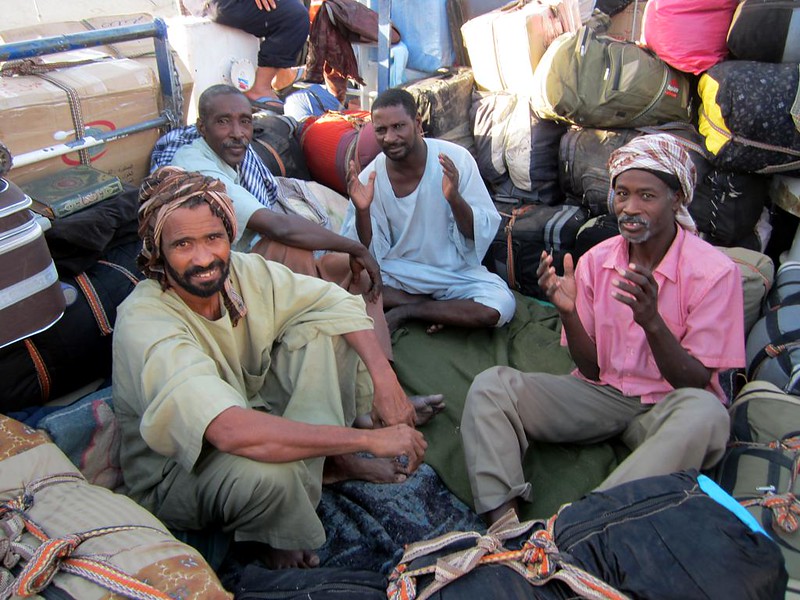
On October 5 and October 9, respectively, both the United States Agency for International Development (USAID) and the UN’s World Food Programme (WFP) announced they were again beginning to provide nutritional aid and food assistance to Ethiopia, specifically the country’s refugee populations. This comes after a pause in June 2023, when both USAID and the WFP suspended provisions after receiving reports of aid diversions.

The Situation

Ethiopia is a landlocked East African country, with a population of 116.5 million people. Following a two-year civil war in the Ethiopian region of northern Tigray — formally resolved in November 2022 — residents and refugees alike have found themselves in need of aid. Conflict has left 9.4 million people requiring food assistance throughout the Tigray, Afar and Amhara regions. Additionally, severe drought in Ethiopia, a product of five consecutive seasons without adequate rainfall, has meant 11.8 million in the nation are facing extreme hunger. 

Assistant executive director of the WFP, Valerie Guarnieri, highlighted the widespread issue following the recent announcements to resume aid. “Food is a lifeline for refugees living in unimaginably hard conditions,” said Guarnieri, “and it’s a relief that we now have measures in place to resume vital support.” 

The Efforts of USAID and WFP

In their announcements, USAID and the WFP outlined effective plans of action to resume and maintain food assistance and combat the diversion of aid. In its press release, USAID reemphasized its pledge to provide for the most vulnerable refugee populations facing food insecurity. The nongovernmental organization stressed its disapproval for events in the past year, firmly stating that any diverting of its assistance is “unacceptable.” Relating to this, it announced the appointment of a “new agency coordinator” in Washington who will work to oversee the implementation of aid across the world and ensure that provisions from the U.S. are not mismanaged or diverted away from those most in need.

The WFP, on the other hand, pointed out in its press release that around 35,000 refugees in Ethiopia are in urgent need of food assistance, after fleeing from conflict in neighboring Sudan. It also noted how Ethiopia is currently hosting a further 850,000 individuals fleeing from Somalia, Eritrea and South Sudan. With this in mind, in its announcement to resume aid, the WFP has pledged to provide refugees with resources such as pulses, cereals, salt and vegetable oil, as well as promising some of the vulnerable with additional cash assistance.

Like USAID, the WFP have worked to prevent future issues of aid diversion: The organization now exclusively manages each and every warehouse in Ethiopian refugee camps, and updated systems have been implemented for the tracking and collection of resources. The WFP has improved face-to-face support systems for refugees in Ethiopia at risk of having their food assistance diverted, placing help desks on-site and introducing an anonymous hotline for feedback and potential reporting.

The European Union’s Pledge

Food assistance to Ethiopia represents part of an international effort to end extreme poverty in the nation. Just days before USAID and the WFP announced they would be resuming aid, on October 3, 2023, the European Union pledged $680 million in support to Ethiopia, a package that the outbreak of civil war delayed. The original aim was for funding to undergo disbursal among Ethiopians from 2021 to 2027. Ahmed Shide, finance minister for Ethiopia, said the deal demonstrated the “strategic importance” of the Ethiopia–EU partnership. Jutta Urpilainen, the European commissioner for international partnerships, also said that the EU aims to “rebuild a mutually reinforcing partnership” with Ethiopia, with the goal of ensuring political peace and stability in the nation. 

Looking Ahead

Overall, global efforts to provide food assistance to Ethiopia and its refugees signal a step in the right direction. Concentrating aid in the regions with the most vulnerable populations — and ensuring all attempts at aid diversion promptly stop — is sure to reduce severe hunger in Ethiopia, contributing to the fight to end global extreme poverty. 

– Alice Weatherley
Photo: Unsplash

January 6, 2024
https://borgenproject.org/wp-content/uploads/borgen-project-logo.svg 0 0 Lynsey 2 https://borgenproject.org/wp-content/uploads/borgen-project-logo.svg Lynsey 22024-01-06 01:30:022024-01-02 12:51:41Resuming Food Assistance to Ethiopia
Food Security, Global Poverty

Being poor in North Korea (Democratic People’s Republic of Korea)

Being Poor in North KoreaNorth Korea, officially known as the Democratic People’s Republic of Korea (DPRK), is one of the poorest countries in the world, occupying the northern half of the Korean Peninsula in East Asia. The Korean War broke out on June 25, 1950, when the North Korean Army attacked South Korea. The war lasted until 1953 when military commanders from the United States (U.S.), China and North Korea signed the Korean Armistice Agreement. It established a demilitarized zone (DMZ) that has economically and culturally separated South and North Korea to this day. 
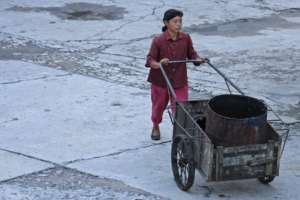
Following the Soviet Union’s collapse in 1991, North Korea experienced a significant economic decline, mainly due to a reduction in foreign aid. Poverty in North Korea is widespread, and its people have become one of the most isolated and marginalized groups. This economic downturn has contributed to the challenges faced by the population.

What Is Poverty Like in North Korea?

Poverty is prevalent in North Korea. Around 60% of the total population is believed to live below the poverty line, equating to 15 million people. According to the remote-sensed luminosity data, the economic status of North Korea forecasts a downturn even though there is a lack of credible information regarding the poverty figures. Furthermore, due to agricultural mismanagement of the state as well as an increasing economic inequality between regions, North Koreans are suffering from food shortages, leading to malnutrition. Aside from economic problems, there is a lack of infrastructure in education and health care, making the quality of life much poorer. 

When Have They Been So Poor?

Being poor in North Korea has been an ongoing issue. From 1994 to 1998, there was a severe famine in North Korea, which resulted in nearly two to three million deaths, more than 10% of North Korea’s population. All the natural disasters, such as hailstorms in 1994, flooding from 1995 to 1996 and droughts in 1997, pushed the whole country into a more grievous economic crisis. Despite starvation during the 1990s, the regime has maintained a failed economic model, which put the country’s food security in danger. Throughout the global pandemic coronavirus disease, starting in early 2020, North Korea closed its borders, which aggravated the scarcity of food. Day by day, North Koreans face increasing repression and danger, threatening the welfare of their lives. 

Why Is Poverty Rampant in North Korea?

Undeniably, being poor in North Korea stems from the poor governance of the totalitarian regime of the Kim family. They adopted the “Juche” ideology, having these three elements: the spirit of independence, self-reliance in the economy and self-defense in the military sector, which paved the way for the dictatorship by isolating the country in the name of independence. This ideology led the leadership to take on a command economy, also known as a planned economy, in which they controlled the production and distribution of goods and services. 

This economic model severely limits freedom in the domestic market setting, hindering economic growth due to the absence of competition. All the regulations on international trade exacerbate the country’s economy. Furthermore, the regime violated the right to life and freedom, and in particular, women and children are poorly treated among all vulnerable groups.

Hope in Action

Helping Hands Korea(HHK) is a non-governmental organization based on the Korean peninsula that has actively supported North Koreans since 1996. It provides necessities, including food, medicine and clothing, to North Korean people as well as escapees in China. 

LiNK, Liberty in North Korea, is an international non-government organization that aims to rescue North Korean refugees who have to travel a 3,000-mile secret route and empower them by offering resettlement programs. The organization also strives to change the narrative on North Korea by creating media content. More than 150,000 people engage with North Korean storytellers on social media, and in 2019, this project reached over 5.7 million people online. 

The what, when and why of being poor in North Korea reflects that its political and economic stance has made North Korea a hermit kingdom. However, despite the extreme poverty in North Korea, they have a hopeful future ahead as there are international supporters who are acting in full hope to ensure they are well-fed, clothed and sheltered.

– Grace Mun
Photo: Wikimedia Commons

January 2, 2024
https://borgenproject.org/wp-content/uploads/borgen-project-logo.svg 0 0 Lynsey 2 https://borgenproject.org/wp-content/uploads/borgen-project-logo.svg Lynsey 22024-01-02 07:30:542024-01-03 03:58:27Being poor in North Korea (Democratic People’s Republic of Korea)
Food & Hunger, Global Poverty, Hunger

4 Foods That Can Feed the World’s Poor

Feed the World’s PoorPeople around the world are suffering from hunger—more than 800 million of them as of 2021, in fact. Some specific foods that can feed the world’s poor include amaranth, pigeon peas, taro and fonio. Apart from them being nutritious, their weather-resilient nature makes these crops ideal. While tackling the hunger crisis does involve immediate food relief, it also requires a longer-term investment in teaching people to plant well, using sustainable agricultural practices and crops suited to harsh environments. Here are four plants that communities can plant across the world to address hunger.

Amaranth

Although amaranth produces grain, every part of it is edible. Furthermore, its nine amino acids and high protein and fiber content make it a very nutritious meal. It is drought-resistant and has been planted yearly on nearly every continent, making it an excellent crop. Amaranth grain is easier to digest after soaking for a few days. It can be turned into flour or added to a variety of dishes. Amaranth tastes “sweet and nutty,” with a “crunchy [texture] when cooked.” Puente a la Salud Comunitaria is a nonprofit working in Oaxaca, Mexico, to reduce malnutrition and poor health. It is incorporating amaranth into its diet outreach and microenterprise workshops because of its high nutrition. Purdue also recognized the importance of amaranth as one of the foods that can feed the world’s poor when it created an amaranth popper for use in Africa.

Pigeon Peas

This “pea” is not a snap pea or a cowpea. While the grain is edible, the other parts of the plant have been used as roofing, medicine and charcoal. Its usefulness as far more than a food increases its favorability. Pigeon peas are drought and heat-resistant. They can be harvested ripe or dry and must be replanted every year in areas that receive frost. However, in areas without frost, the pea plant can last for up to five years. Under the right conditions, this is an extremely high-yield plant. One plant reportedly produced 2.5 lbs. of seeds, making it an excellent addition to the list of foods that can feed the world’s poor. It is grown widely in India and Africa and has been cultivated at high elevations.

This pea is known for its sweet flavor and must be cooked before it is eaten. In 2022, Madagascan farmers took advantage of pigeon peas’ drought-resistant nature and used the peas to feed their families. The improved soil quality post-pea can be used to plant other crops. In Malawi, pigeon peas have a reputation for being the food that gets eaten when there isn’t anything else to eat. This demonstrates their hardiness, but people are not receptive to it as a staple because they are unaware of its many uses. To solve that problem, a pigeon pea cookbook was published in 2022 to teach people how to use it.

Taro

The underground part of this plant is the most commonly eaten portion, but contrary to popular belief, it is a corm or underground stem, not a root. Although its leaves and stalks are also edible,  they are eaten less frequently. High in fiber and nutrients, this adaptable plant is grown around the world, making it one of the ideal foods that can feed the world’s poor. There are several varieties of taro, and as a result, it can be grown in different types of soil. It must be cooked before it is eaten due to its toxicity when raw, and “has a mildly sweet taste and a texture similar to potato” with a note of nuttiness. One of taro’s limits is its inability to store well for long periods of time. However, it can be prepared in various ways to feed the world’s poor.

The Center for Excellence in Disaster Management and Humanitarian Assistance recognizes that taro takes a limited amount of land and work to grow. This makes it an attractive option for farmers and countries in poverty. In 2018, the crop was “9th in the world for food crop production.”

Fonio

This hardy and nutritious grain is another food that can feed the world’s poor. It contains important amino acids along with plenty of fiber and nutrients. Fonio is extremely drought-resistant and can also flourish in less-than-ideal soil conditions. These two characteristics make this grain a formidable opponent of world hunger. It is a traditional African crop and has been grown there longer than any other cereal. It is also easily stored, enhancing its capacity to address hunger. This grain has a “rich, nutty flavor” and expands in size four times when cooked in water.

Looking Ahead

According to UNICEF, “more than one in five children under age 5 worldwide had stunted growth” as a result of malnutrition in 2022. With hardy, nutritious and versatile crops like taro, fonio, pigeon peas and amaranth available, solving world hunger and changing the lives of millions of people could be within reach.

– Abigail Leland
Photo: Unsplash

November 23, 2023
https://borgenproject.org/wp-content/uploads/borgen-project-logo.svg 0 0 Kim Thelwell https://borgenproject.org/wp-content/uploads/borgen-project-logo.svg Kim Thelwell2023-11-23 07:30:052024-06-11 00:17:594 Foods That Can Feed the World’s Poor
Food Security, Global Poverty, Hunger

3 US Initiatives Fighting Global Hunger

Fighting Global HungerGlobal hunger is a multifaceted issue that affects communities and economies. Addressing it is not only a humanitarian imperative but also essential for achieving broader global goals and ensuring a more equitable and sustainable future.

Despite the challenges posed by the Russo-Ukrainian war and the growing wave of nationalism, the United States continues to take initiatives aimed at reducing global hunger and improving food systems and nutrition security on a global scale.

What is the Global Hunger Index?

The Global Hunger Index (GHI) is responsible for calculating and tracking hunger at regional, national levels and global levels. GHI evaluation is done on the values of four component indicators: undernourishment, insufficient availability of food, shortfalls in the nutritional status of children and child mortality. The GHI score is measured on a 100-point scale reflecting the severity of hunger, where zero is the best score, indicating no hunger, and 100 is the worst.

According to the report, there are currently 46 countries experiencing “serious” or “alarming” levels of hunger. Unfortunately, without significant changes, both the global situation and approximately 46 specific countries are not expected to attain even a minimal level of hunger reduction, as the Global Hunger Index (GHI) measured, by the year 2030.

Some have said the reason to be the Russo-Ukrainian War, which has disturbed the supply chain. Before that, the COVID-19 pandemic worsened economic crises. Further climate change and civil disputes have increased the scale of global hunger. This has caused the need for the urgent scaling up of humanitarian and resilience-building responses.

The US Initiatives for Reducing Global Hunger

The U.S. is responding to these worrying details with three initiatives. The U.S. dollar has relatively high purchasing power, and the country is trying to contribute its fair share to end global hunger.

The following three initiatives have extended humanitarian assistance to the people who are facing hunger.

1. Feed the Future

The foundation of this initiative was laid down in 2010 by Barack Obama. The program has helped in the technological advancement of 9 million farmers and improved the diets of nearly 18 million children across the globe by working in a variety of sectors to reduce hunger and promote self-resilience. It is active in 19 countries including Ghana, Ethiopia, Uganda, etc. 

The program focuses on the promotion of agriculture. For example, the program has helped farmers in the Democratic Republic of Congo (DRC) to learn new techniques upon high prices of fertilizers. The Feed the Future DRC Fall Armyworm Activity program works with farmers to make them aware of new technology and methods of mitigating the Armyworm, an infectious pest.

Furthermore, Feed the Future catalyzes research in various fields. As an illustration, in 2023, Esther Achola conducted research aimed at combating groundnut rosette disease (GRD). This disease is especially harmful to peanut crops as it results in plant discoloration, stunting and distortion, leading to total loss of the crop. In April 2023, a five-year, USAID promised a $15 million investment in the Peanut Innovation Lab. This contribution will strengthen global food security and will prove a boon for farmers.

2. Food For Peace

Almost 60 years ago, President Dwight D. Eisenhower found a solution to the agricultural surplus going to waste in America. He signed the Agricultural Trade Development Assistance Act into law. In 1961, President John F. Kennedy expanded the program, naming it Food For Peace (FFP). The new program came under the purview of foreign policy and worked to provide food to people in need.

Through its emergency programs, the program can reach people in acute shortage of food, who natural disasters affect. The program also has a development-focused aspect which equips people to be less dependent on foreign assistance. 

Yemen has the most concerning situation in terms of food security. FFP provided more than $361 million in life-saving emergency food assistance to Yemen in 2018.

In Guatemala, FFP trains people to farm in a way that helps the environment and makes more food at home. In the area where the project happened, more farmers started using good farming methods. These methods include using better seeds, taking care of the soil, using natural fertilizers, growing gardens at home, looking after fruit trees and growing local herbs. In 2013, only 50.1% of farmers used these methods, but by 2018, it went up to 63.8%.

3. The Global Food Security Act

The Global Food Security Act of 2016 was aimed at extending the U.S. commitment to eliminate global hunger. The success of the Feed the Future program prompted the passing of this act. On October 11, 2018, President Trump signed a law that reauthorized the Global Food Security Act and added five years to achieve better results. It emphasized reducing global hunger and poverty with attention to solving the problem of malnutrition in developing countries. Sustainable development aims to achieve the reduction.

The Global Food Security Act of 2016, or GFSA, made official the methods that Feed the Future uses to combat global hunger. It is a commitment to keep fighting hunger and making sure everyone knows about it. Through GFSA, the United States made Feed the Future even stronger by improving how it tracks progress and making different parts of the government work together.

Looking Ahead

Addressing global hunger is imperative for a more equitable and sustainable future. Despite the challenges that conflicts pose, such as pandemics and changing weather patterns, the United States is actively engaged in combating global hunger through initiatives like Feed the Future, Food For Peace and the Global Food Security Act. These efforts exemplify the nation’s commitment to making a positive impact on the global food security landscape, emphasizing the urgency of collective global action to achieve meaningful progress.

– Asra Mairaj
Photo: Flickr

November 14, 2023
https://borgenproject.org/wp-content/uploads/borgen-project-logo.svg 0 0 Yuki https://borgenproject.org/wp-content/uploads/borgen-project-logo.svg Yuki2023-11-14 07:30:422024-06-11 00:17:593 US Initiatives Fighting Global Hunger
Food Security, Food Security

Food Security for Venezuelan Refugees in Colombia

Food Security for Venezuelan RefugeesThe collapse of global oil prices in 2014 led to a rapid economic decline in Venezuela and subsequent hyperinflation. In 2015, this caused a rebellion and the forming of a major opposition group whose leader Guaidó became the interim leader of Venezuela. The standoff between the two leaders was exacerbated by U.S. and EU support for Guaidó and Russian and Chinese support for Maduro. Social services could not be provided, and as a result, many refugees traveled underfed and carrying disease. While Maduro managed to get inflation down a bit in his presidency, the pandemic caused a second economic decline causing a second wave of refugees to arrive into Colombia.

More than 7.2 million Venezuelans fled their country from 2019 to 2023 due to the violent revolution and economic turmoil. Approximately 2.5 million have sought refuge in Colombia, and about 980,000 Colombians who were working there had to return to their home country — which now has to support over 2 million refugees seeking jobs and housing. This has caused an obvious strain on food security in Colombia. 

The 2023 Humanitarian Response Plan for Colombia identified 7.7 million people in the country to be in need of humanitarian assistance, in particular food security, health and protection. As of February 2023, approximately 30 percent of Colombian households were food-insecure. More than half of the migrant and refugee population in Colombia — 1.3 million people — face acute food insecurity.

Foreign Aid

USAID provided more than $958 million in response to the regional crisis since 2018. The primary focus was emergency food security in Colombia — cash transfers for food, food vouchers redeemable in local markets, hot meals and food kits for traveling refugees. Additionally, USAID has supported five NGO partners since 2021 to provide critical protection interventions such as hygiene kits, reproductive services and temporary shelter. In 2023, $47 million was set aside from the budget for this kind of emergency assistance. The U.S. understands that prosperous countries are great trade partners. Since 2012, Colombian agricultural exports to the United States have grown by more than $2.1 billion.

In hopes of boosting economic growth to accommodate the high number of refugees, the Colombian government signed a 2022-2026 National Development Plan amid the Venezuelan conflict. It was created with the help of e-government and regional input, the document being translated into 51 dialogues. There are five major outcomes, one of them being food security in Colombia. The country plans to increase food availability by improving roads for transport and providing online platforms to inform and help farmers with their logistics and operations. Colombia’s President Petro promised in 2022 to buy 1.23 million acres of land to give as farmland to rural communities in an effort to strengthen food security. Another of the five major outcomes is security for the individual — which encompasses a wider health care system, crucial for new refugees carrying disease. 

Unfortunately, many humanitarian aid groups face restrictions when trying to access certain communities in Colombia notably Guaviare, Nariño and Norte de Santander. OCHA, an emergency agency within the U.N. reported a 133% increase in restrictions on humanitarian assistance in Colombia between January and April 2023. President Petro signed a peace agreement with Maduro in 2022, and it is theorized that eager to re-establish ties with Venezuela, Petro downplayed the magnitude of the humanitarian issues Venezuela’s migrants face. Additionally, Colombia still does not have enough money to keep the economy stable. A Regional Refugee and Migrant Response Plan — aimed at helping Venezuelan migrants in 17 Latin American and Caribbean host countries — only received about 8% of the $1.72 billion in funding it needed for 2023. 

Final Thoughts on Food Security for Venezuelan Refugees

Thankfully some services have been in Colombia since before the conflict and have strengthened the economy. The U.N. Agency IFAD (International Fund for Agricultural Development) has services to increase the productivity and income of small-scale farmers and rural entrepreneurs. The agency does this through the improvement of its assets, its association capacity, its access to markets and access to inclusive financial services. The NGO is creating partnerships with the private sector to develop permanent agribusinesses. It is crucial that the food available is well-distributed.

Thanks to foreign aid and a welcoming government, Venezuelan refugees are slowly gaining safety and food security in Colombia. Though much progress needs to be made for Colombia’s economy and refugees, international coverage of the Venezuelan conflict has brought in substantial finances to ease Colombia’s strain and give hope to its people.

– Claire Duvillier
Photo: Flickr

October 12, 2023
https://borgenproject.org/wp-content/uploads/borgen-project-logo.svg 0 0 Yuki https://borgenproject.org/wp-content/uploads/borgen-project-logo.svg Yuki2023-10-12 07:33:162024-05-30 22:32:27Food Security for Venezuelan Refugees in Colombia
Food Security, Global Poverty

Impact of Hydroponics on Sahrawi Refugees

Sahrawi Refugees
Since 1976, the Sahrawi refugees have been in the middle of a dispute over who controls the Western Sahara, being confined to refugee camps in the Tindouf province of Algeria. The conflict
has changed the way they live their lives settling in arid conditions and struggling for self-sustenance away from their traditional nomadic lifestyle. Due to the lack of self-sustenance many of the population residing in the camps largely depend on humanitarian aid for survival and food security. The impact of hydroponics on Sahrawi refugees living in the Algerian Sahara has had profound effects on food security, economic opportunities and reducing malnutrition in the camps raising the Sahrawi people’s standard of living.

Problems and Challenges Faced by Sahrawi Refugees

As of 2018, the total population of the five camps located in Tindouf was 175,000. Due to the Algerian desert being a very hostile environment to live in with frequent sandstorms and temperatures that can exceed 50 degrees Celsius, food is a major issue in the harsh environment making it nearly impossible for anything to grow naturally. The hostile climate combined with the lack of economic opportunities has led to around “one-quarter of the camps’ residents” facing chronic malnutrition. This chronic malnutrition comes from “the limited range of food available – which is mainly composed of cereals, sugar and oil but is lacking in protein.” Due to chronic malnutrition and hostile conditions, “food assistance accounts for 52% of refugees’ food consumption” with the “poorest households spending over 60%” of their income on food. 

Hydroponics as a Solution

H2Grow is a World Food Program (WFP) hydroponic initiative that uses low-tech hydroponic units to grow food for animals to “strengthen food security in the community” as the Sahrawi refugees’ diet traditionally consists of meat and milk. Hydroponics uses 90% less water than traditional agriculture without the use of soil. Therefore, this technique can be used to enable plant growth in areas that are non-fertile and arid, the same condition where the Sahrawi refugees currently reside.

The Sahrawi refugees value livestock for meat and milk; however, due to the Algerian desert’s arid climate, goats in the camp often end up eating garbage. Thus, using hydroponics, the WFP alongside local experts “developed a low-tech system to grow barley for use as animal fodder by refugees in camps in Tindouf.” The increase in the volume of barley has allowed more goats to be fed, increasing access to milk and meat, thereby improving food security in the camps. 

In 2017, the WFP made both a solar-powered container and DIY household unit built with “locally procured material at 10% of the cost” as well as household kits. Due to the success of hydroponics, the technique was scaled up in the camps increasing the number of units from four to now 200 as of 2018.

The Impact of Hydroponics on Sahrawi Refugees in the Algerian Sahara

The impact of hydroponics on Sahrawi refugees living in the Algerian Sahara has been significant, with the Sahrawi people working together to maintain and protect the hydroponic units from “wind, sandstorms and keeping it cool from the sun.” With the hydroponic units at full operation, refugees can use 90% less water to “grow barley grass from seed in just 7 days.” According to Oxfam, each unit produces about “132 pounds of fodder per day – enough to feed 20 goats.” The implementation of hydroponics has led to a better diet for goats, something the Sahrawi refugees rely on for livelihood whether for food or economic trade. The WFP has found that hydroponics had increased goat milk production by 250% when fed fresh fodder rather than garbage found around the campsite, with meat quality and quantity improving also. Furthermore, excess fodder was able to be sold creating a new revenue stream for the Sahrawi refugees.

The impact of hydroponics on Sahrawi refugees living in the Algerian Sahara has been huge. The WFP and Oxfam have taken huge leaps in improving food security and livelihood for the Sahrawi people who live in a hostile environment. Due to the success of hydroponics in Algeria, the technique can be used in “similarly challenging environments such as Chad, Jordan and Sudan.” The implementation and impact of hydroponics on Sahrawi refugees living in the Algerian Sahara show us that humans cannot just survive in hostile environments but thrive.  

– Kishan Patel
Photo: Pixabay

September 22, 2023
https://borgenproject.org/wp-content/uploads/borgen-project-logo.svg 0 0 Lynsey Alexander https://borgenproject.org/wp-content/uploads/borgen-project-logo.svg Lynsey Alexander2023-09-22 01:30:262023-09-18 09:18:31Impact of Hydroponics on Sahrawi Refugees
Food Security, Global Poverty

China’s Advancements in Vertical Farming

Advancements in Vertical Farming 
Among the biggest issues families in poverty face are the lack of access to nutritional foods and the fatigue that follows extreme hunger. Vertical farming is a modern agricultural advancement that may be able to greatly increase accessibility to healthy, natural food for lower-income families and China is a leading investigator into this new idea. In April 2023, Chinese scientists managed to make one of the biggest advancements in vertical farming. They grew a previously unheard-of yield of cabbages and lettuce — 2,500 — in a single 9 by 5.5-meter tower in Singapore. The tower was in the shape of an “A,” and its yield was about 10 times that of a traditional farm with about 5% of the ground space. 

China’s Vertical Farming Efforts

China is one of the top investors in vertical farming. The farms require high-technology equipment to regulate temperature, making the production of them an expensive endeavor. However, China is confident in its ability to provide food to urban areas and has so far invested in more than 250 farms across the country. The country was even one of the first to officially invest in the farms in 2002, and its popularity has increased steadily since then. 

One of the largest farms set to be made in China is the Jian Mu Tower, which is designed to be 218 meters tall and use 10,000 square meters to grow indoor crops. This amount of space would yield almost 300,000 kilograms of crops each year, meaning it would be able to feed about 40,000 people. This is set to be one of the biggest advancements in vertical farming and many other agricultural practices. The tower is not only intended to be a farm but an experiment center for techniques like solar shading and microclimate control. The production of this building in Shenzhen will set the bar for vertical farms across the globe, alongside being a huge agricultural and architectural advancement. 

The Benefits of Vertical Farming

One of the biggest benefits of vertical farming is that it simply takes up less space and water. Vertical farming is built upward, not outward across acres of land, and thus can yield thousands more crops with only a fraction of the ground space of traditional farming. The farms are also able to eliminate water waste within farming.  

Another huge advantage to vertical farming is that the farms’ yields are not susceptible to bad weather conditions. In traditional farming, entire acres of crops can be wiped out by tornadoes or windstorms, yields can be ruined because the climate is too hot or cold and certain crops can only be grown in season. Indoor vertical farms can grow almost all crops year-round independent of weather conditions. The indoor farms are able to simulate any climate to properly nurture crops and save them from harsh weather conditions that would otherwise wipe them out, yielding high-quality, healthy food consistently and without high waste. 

Finally, plants are also able to grow without bugs eating away at them, meaning agrochemicals that are used to control weeds or repel insects do not need to be used. This benefits both the crops, keeping them natural and unaffected by chemicals, and the environment, through the decreased use of aerosols. 

The Downsides of Vertical Farming

Unfortunately, vertical farms can be very expensive. Many of the benefits that come along with vertical farming are a direct result of the cost of creating vertical farms. The equipment required to simulate outdoor conditions and properly monitor the growth of the crops is high-tech and high-priced, making countries less likely to invest in the farms. 

The Future of Vertical Farming

Traditional farming is high-maintenance, strenuous work, and young people are becoming less interested in traditional farming as a career path. As of 2017, around 60% of farmers were more than 50 years old, and fewer and fewer young people are willing to participate in manual labor as the world becomes more technologically advanced. Vertical farms could grow in popularity because of this, as their controlled environment and smaller-scale individual production make working conditions much more comfortable. 

– Allison Groves
Photo: Flickr

September 21, 2023
https://borgenproject.org/wp-content/uploads/borgen-project-logo.svg 0 0 Lynsey Alexander https://borgenproject.org/wp-content/uploads/borgen-project-logo.svg Lynsey Alexander2023-09-21 01:30:012023-09-21 02:59:14China’s Advancements in Vertical Farming
Food & Hunger, Food Insecurity, Global Poverty, Malnourishment

Passionate Youth Entrepreneurs Drive Fiji’s Sustainable Food Shifts

Fiji’s Sustainable Food Shifts
Fiji, a large archipelago in the South Pacific, has diverse landscapes and climate. Although a nation of complex ecosystems, the island’s food systems suffer to feed its own sustainably. The leading cause of death in Fiji is NCDs, a rising crisis affecting thousands. Furthermore, malnourishment afflicts more than 40% of Fijian children, “a condition caused when children (and adults) don’t eat enough food, don’t eat the right sort of food, or are unable to digest food.” The health of Fijians is at risk as the history of chronic mistreatment of the body stresses the demand for sustainable food systems to cure the nation’s health behaviors. In response, youth-led social entrepreneurship and innovation efforts aim to advocate for Fiji’s sustainable food shifts that promote positive human health needs. 

The participation of the country’s passionate youth emerges in their drive to endorse and build sustainable approaches to deliver fresh, nutritional foods to local communities. Pulling from several studies and journals, the island parents established several programs and initiatives to champion Fiji’s youth to combat NCDs.

Poverty and Food in Fiji

Fiji, a Pacific nation scattered across 300 islands, flourishes with substantial natural resources and accessibility to rich freshwater resources and fertile land to grow crops. However, due to the country’s remote location, Fiji battles with changing weather patterns and disasters that continue to threaten communities and limit Fijians to fresh local foods (fruits, vegetables, fish, etc.).

Despite Fiji’s larger geographic size and favorable growing conditions, “High consumption of energy-dense foods is also considered a contributing factor to the increasing prevalence of non-communicable diseases (NCDs) in Fiji..” According to importation data, Fiji’s reliance is low at 22.46%, while exporting figures rest at 60.02%. Although these statistics materialize deceptions that food is accessible, 30% of Fijians live below the basic needs poverty line. This marks 14% of the population as experiencing moderate to severe levels of food insecurity. 

Due to the island’s extreme sensitivity to disastrous natural disasters, higher food prices, seasonality and lifestyle choices, the stability of Fiji’s food system worsens, putting Fijian health at risk.

Pacific Youth Leadership

The message of healthy and sustainable foods and the ability to create them is the information that the young community of Fiji (which makes up more than half the population) needs to learn. Luckily, many people are starting to see these issues and are passionate about animating Fiji’s sustainable food shifts. The Participatory Action Research (PAR) of Talanoa is one example of a group excited to help make a difference in food systems. It is passionate about spreading the word about new ideas to young people to help build the future leaders of these big projects. Alongside this work, it aims to bring back the traditions of Fijian food, rooted in fish, vegetables and other nutritious foods. 

Another group, the Young Entrepreneurs Council, is focused on changing the narrative around food in general. Taking a more psychological approach to the situation and working on education around the relationship between the body and food, rather than only explaining what food is bad for you, a tactic that has proven unsuccessful. Teaching people to love food and understand what healthy food is capable of can have groundbreaking results as opposed to previous methods, which can do the opposite. 

In addition, the 2022-2027 Youth in Agriculture Policy notes young people as crucial agents for positive change, increasing its support in the 2023-2024 budget, supporting the “establishment of sustainable gardens for young people’s health and wellbeing.” 

The Minister explains, “Under this policy, young people will be encouraged and supported through a 4-pronged approach of increasing access to land, finance and markets; improving agricultural education and training; increasing commercial agriculture opportunities and supporting sustainability.” Furthermore, the SDG Fund program, led by UNDP and in partnership with IFAD, envisions young people with employment opportunities in the agriculture sector. These initiatives strengthen public-private partnerships, meeting the needs of education and employment for Fiji’s youth within the agricultural sector, empowering self-sufficiency and local production of healthy food to advocate for resilient food systems.

Fiji’s Future

Overall, the hope is to bring down the rates of non-communicable diseases like diabetes, obesity and heart disease that have hurt the nation. Creating enough food sources locally to provide for the community is vital in bringing these numbers down and decreasing poverty significantly. 

There is great hope that in the future, the children of Fiji will feast on the local fish, fruits and veggies that become so available on the island that the history of health issues is long in the past, but change must start now to invigorate Fiji’s sustainable food shifts. The Ministry sums up the integral participation of young Fijians, “We can create livelihoods without sacrificing our biodiversity. Rather than leave our children a world of lifeless deserts, we can pass on ecosystems that are rich with life and capable of supporting coming generations.”

– Emmalyn Meyer
Photo: Flickr

September 19, 2023
https://borgenproject.org/wp-content/uploads/borgen-project-logo.svg 0 0 Lynsey Alexander https://borgenproject.org/wp-content/uploads/borgen-project-logo.svg Lynsey Alexander2023-09-19 01:30:572023-09-14 20:49:30Passionate Youth Entrepreneurs Drive Fiji’s Sustainable Food Shifts
Food Aid, Global Poverty, Humanitarian Aid

World Central Kitchen’s Work in Ukraine

World Central Kitchen's Work in UkraineThe war in Ukraine has posed a significant threat to the region’s food supplies as ports and bridges have been under attack, limiting exports of Ukrainian grains to the rest of Europe. On June 6, 2023, the Kakhovka hydroelectric dam exploded, flooding one of the world’s largest reservoirs and displacing 190,000 people from the Mykolaiv region in Ukraine. Flooding destroyed entire villages and ravaged miles of crops.

This reservoir is known as “Europe’s breadbasket,” and according to The New York Times, it irrigates millions of acres of farmland. Its catastrophic flooding puts food for millions at risk. More than 5 million Ukrainians are already internally displaced, with an additional 8 million seeking refuge outside of Ukraine. Today, one-third of families in Ukraine are food insecure. Here is some information about World Central Kitchen’s work in Ukraine to feed Ukrainian families.

About World Central Kitchen’s Work in Ukraine

Since 2011, World Central Kitchen (WCK) has worked on the front lines of humanitarian crises, feeding those cut off from a stable food source. Since the onset of the war in Ukraine, WCK has cooked and delivered 235 million meals to refugees in seven other countries and people still in Ukraine.

On the same day the dam exploded, World Central Kitchen in Ukraine set up sites for evacuees. Volunteer teams from the Mykolaiv and Kherson regions arrived at Pryozerne, a village that was underwater. WCK teams used inflatable boats to transport the supplies to reach families stuck without food or drinking water.

How the World Central Kitchen Works

The goal of WCK is to provide hot, locally sourced meals for those with nothing to eat. First Food Fighters respond immediately to disasters where the need is greatest and then partner with local restaurants to affect long-term change. Its approach has come to include meal kits and bags of groceries.

In an interview on “The Late Night Show,” founder of World Central Kitchen Jose Andres, recipient of the 2018 Humanitarian of the Year by the James Beard Culinary Foundation, said of his decision to act: “I think I got tired of sitting in the comfort of my home and seeing that actually big problems had really simple solutions.”

In 2010, Andres went to Haiti to cook for victims of a devastating earthquake. He noticed inefficiencies in existing crisis response systems. Emergency provisions did not arrive soon enough nor stay long enough. To remain community-driven and sustainable, World Central Kitchen partners with local restaurants and chefs. José Andres formed a cooking school École des Chefs alongside a Haitian chef to permanently improve access to quality food in Haiti. Since then, WCK has spearheaded infrastructure that increases food stability in hard-hit regions.

Chefs for Ukraine

Chefs for Ukraine is a branch of WCK. It runs the largest food relief network in Ukraine, with sites in Kyiv, Kramatorsk, Kharkiv and Lviv, among others, despite active missile strikes. In a #ChefsforUkraine interview, a Food Fighter explains, “There is an urgent need for World Central Kitchen. Food is a big contribution because people in the 21st Century are dying of hunger.”

In Kramatorsk, at the end of a train line, World Central Kitchen in Ukraine opened an aid site within hours of Russia’s first attack. As more residential areas are targeted, Chefs for Ukraine sites feed refugees – mostly women, children and seniors. Currently, thousands of Food Fighters run more than 9,000 sites in Ukraine.

Ripple Effect

The impact of giving food and water to those hungry and thirsty is world-changing. José Andres believes WCK is an investment in the people, in democracy and in global interconnectedness. A video for #ChefsforUkraine in 2022 announced 100 million meals served in Ukraine. Andres, in the video, describes how World Central Kitchen’s work in Ukraine is helping fight for “a country of liberty, a country of freedom, and a country that for centuries has been feeding not only Ukraine but has been feeding the world.” Food changes individual lives and, in doing so, changes the world.

– Caroline Crider
Photo: Flickr

July 31, 2023
https://borgenproject.org/wp-content/uploads/borgen-project-logo.svg 0 0 Lynsey Alexander https://borgenproject.org/wp-content/uploads/borgen-project-logo.svg Lynsey Alexander2023-07-31 07:30:102024-12-13 18:02:55World Central Kitchen’s Work in Ukraine
Page 7 of 78«‹56789›»

Get Smarter

  • Global Poverty 101
  • Global Poverty… The Good News
  • Global Poverty & U.S. Jobs
  • Global Poverty and National Security
  • Innovative Solutions to Poverty
  • Global Poverty & Aid FAQ’s
Search Search

Take Action

  • Call Congress
  • Email Congress
  • Donate
  • 30 Ways to Help
  • Volunteer Ops
  • Internships
  • Courses & Certificates
  • The Podcast
Borgen Project

“The Borgen Project is an incredible nonprofit organization that is addressing poverty and hunger and working towards ending them.”

-The Huffington Post

Inside The Borgen Project

  • Contact
  • About
  • Financials
  • President
  • Board of Directors
  • Board of Advisors

International Links

  • UK Email Parliament
  • UK Donate
  • Canada Email Parliament

Get Smarter

  • Global Poverty 101
  • Global Poverty… The Good News
  • Global Poverty & U.S. Jobs
  • Global Poverty and National Security
  • Innovative Solutions to Poverty
  • Global Poverty & Aid FAQ’s

Ways to Help

  • Call Congress
  • Email Congress
  • Donate
  • 30 Ways to Help
  • Volunteer Ops
  • Internships
  • Courses & Certificates
  • The Podcast
Scroll to top Scroll to top Scroll to top