• Link to X
  • Link to Facebook
  • Link to Instagram
  • Link to TikTok
  • Link to Youtube
  • About
    • About Us
      • President
      • Board of Directors
      • Board of Advisors
      • Financials
      • Our Methodology
      • Success Tracker
      • Contact
  • Act Now
    • 30 Ways to Help
      • Email Congress
      • Call Congress
      • Volunteer
      • Courses & Certificates
      • Be a Donor
    • Internships
      • In-Office Internships
      • Remote Internships
    • Legislation
      • Politics 101
  • The Blog
  • The Podcast
  • Magazine
  • Donate
  • Click to open the search input field Click to open the search input field Search
  • Menu Menu

Archive for category: environment

Education, environment, Global Poverty

Clean-Air Schools in Cairo Offer Hope for Low-Income Children

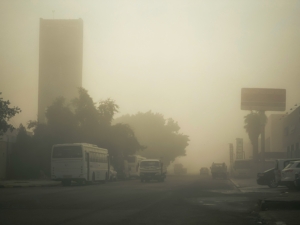
Clean-Air SchoolsIn Egypt’s crowded capital, children living in low-income neighborhoods face an invisible threat every day: air pollution. According to the World Bank, Cairo ranks among the world’s most polluted cities, with vehicle emissions, industrial pollution and desert dust contributing to hazardous air quality that disproportionately harms vulnerable communities. Children from impoverished districts, where schools sit near congested roadways and factories, face an elevated risk of developing asthma and other respiratory illnesses.

The World Health Organization (WHO) notes that children breathe faster than adults and are more vulnerable to fine particulate matter, which can become trapped in developing lungs.

Pollution and Poverty Reinforce Each Other

Across Cairo, environmental health and economic inequality are closely linked. According to UNICEF, children in low-income communities experience higher exposure to environmental hazards and have less access to quality health care. For many families, chronic respiratory illness creates additional financial hardship, including missed school days, lost wages for parents caring for sick children and recurring medical costs.

The Egyptian Ministry of Health reports that asthma is among the most common chronic illnesses affecting Egyptian children, with higher prevalence in densely populated urban areas.

Clean-Air Schools Take Root

To address this challenge, NGOs and parent-led coalitions have begun implementing “clean-air schools” initiatives in the most polluted districts of Cairo. These programs equip classrooms with portable air purifiers, increase natural ventilation and plant trees and shrubs around school grounds to trap airborne pollutants. Environmental groups, such as Greenish, a Cairo-based nonprofit, partner with schools to “provide workshops focused on environmental awareness.”

According to the American University in Cairo’s Center for Applied Research on the Environment, urban greening has been shown to lower particulate matter levels, improving both air quality and student well-being.

Health and Education Benefits

Cleaner indoor air is more than a health measure; it is a tool for improving educational outcomes. Research cited by the U.S. Environmental Protection Agency (EPA) indicates that air purifiers in schools can reduce respiratory symptoms and absenteeism, two key factors that hinder academic performance in children with asthma. In Cairo’s low-income areas, where asthma-related absences can lead to learning delays and higher dropout rates, clean-air classrooms provide an opportunity to break the cycle of disadvantage.

Government Policies and Future Expansion

National efforts reinforce local programs. Under the National Air Pollution Reduction Plan, Egypt aims to reduce particulate pollution by 50% by 2030, supported by upgrades to public transportation, stricter emissions monitoring and urban greening projects. Egypt’s National Climate Strategy 2050 also includes expanding electric buses and increasing green spaces in urban centers, measures expected to improve air quality in commuting corridors near schools.

A Breath of Relief for Cairo’s Youngest Learners

While systemic improvements will take time, clean-air schools in Cairo are already beginning to reduce asthma symptoms and improve student well-being in participating districts. For families in Cairo’s most impoverished communities, where health and education resources are limited, these small interventions can mean the difference between chronic illness and opportunity. As Egypt invests in cleaner transportation and environmental protection, community-driven school programs ensure that the most vulnerable children benefit today, helping them breathe more easily, learn better and envision a healthier future.

– Katie Williams

Katie is based in England, UK and focuses on Global Health for The Borgen Project.

Photo: Unsplash

November 17, 2025
https://borgenproject.org/wp-content/uploads/borgen-project-logo.svg 0 0 Hemant Gupta https://borgenproject.org/wp-content/uploads/borgen-project-logo.svg Hemant Gupta2025-11-17 03:00:302025-11-17 00:26:03Clean-Air Schools in Cairo Offer Hope for Low-Income Children
environment, Global Poverty, Natural Disaster

Tackling Geographical Poverty in Nepal

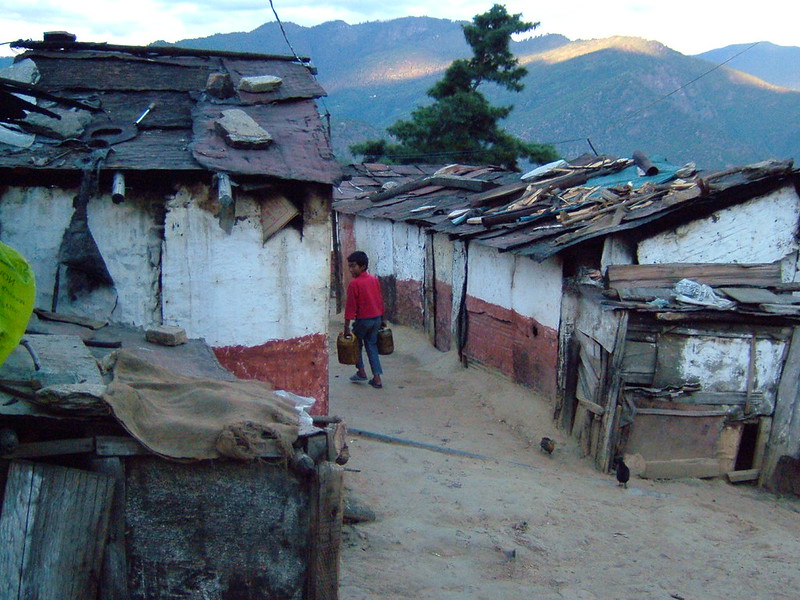
Tackling Geographical Poverty in Nepal Nepal, a landlocked country nestled in the Himalayan mountains, is one of the poorest countries in South Asia. In 2022, the national poverty rate stood at 20.3%. While this is a significant improvement from 68% in 1996, social and regional disparities mean that rural communities across Nepal experience a slower decline or even an increase in poverty compared to urban centers. As of 2024, more than 77% of Nepalis live in rural areas, making poverty alleviation an urgent and ongoing challenge.

One key factor behind Nepal’s enduring poverty is its geography. The country’s mountainous terrain, landlocked position and susceptibility to frequent earthquakes all make infrastructure development and economic growth difficult. This article explores how geographical barriers contribute to poverty in Nepal and highlights efforts underway to overcome them.

Inaccessible and Deadly Terrain

Nepal’s rugged mountains, steep hills and deep valleys make building and maintaining infrastructure, such as roads and electricity, challenging, particularly in remote regions. Heavy monsoon rains, floods and landslides frequently damage roads and homes, leaving many areas isolated for long periods. Many rural communities lack the financial resources to repair these damages. By 2012, more than half of Nepal’s roads built over the previous 15 years had become unusable due to poor maintenance.

Limited infrastructure also affects digital access. In 2022, the United Nations Children’s Fund (UNICEF) reported that only 3% of Nepali youth had access to computers and the internet, largely because of inadequate connectivity. This severely limits online education and remote work opportunities, particularly when travel becomes difficult or dangerous.

As a result, access to basic goods, employment opportunities and education is often time-consuming, costly, hazardous and unreliable. In Nepal, at least 90% of passenger and freight movement is done by road, which imposes heavy burdens on the poor and hinders long-term economic growth in rural areas. 

Paving New Roads: The Rural Access Program Nepal

Between 2017 and 2023, the Rural Access Programme Nepal built more than 1,100 kilometres of road and improved access to markets, health and education facilities for more than 2.75 million people in rural areas. Beyond building and maintaining roads, the project trained more than 40,000 people in new income-generating skills and created at least 19 million days of employment, 40% of which were women. 

This program marks a crucial step toward enchanting mobility, promoting gender inclusion, and reducing poverty in Nepal. The program is set to continue through 2025, further expanding its impact on rural connectivity and livelihoods. 

Expanding Digital Connectivity

In early 2025, FC, Standard Chartered Bank Nepal Limited, and WorldLink Communications Ltd. partnered on a $29 million project to expand Nepal’s fiber networks and develop innovative, environmentally sustainable data centers. The initiative aims to bridge Nepal’s digital divide and promote inclusive economic and educational development.

WorldLink, Nepal’s leading internet provider, has already built a nationwide fiber network spanning more than 7,500 locations, including remote and underserved areas. Improved internet access has opened new avenues for education, job creation and entrepreneurship, and has helped to reduce regional disparities and support long-term economic growth.

Barriers to Trade

Nepal is landlocked between China and India, with no direct access to the sea. As a result, the country relies heavily on India for most of its international trade, making imports and exports both costly and time-consuming. Historically, the country has also experienced several trade disruptions and blockades along its border with India, which have further contributed to persistent poverty in Nepal.

Railways for Connection

Despite these challenges, Nepal has significant potential to boost trade and development by enhancing cross-border connectivity with its powerful and wealthy neighbors, China and India. Proposed railway projects linking Kathmandu with Keyrong (China) and Birgunj (India) will enhance trade, diversify the economy, reduce reliance on remittances and create jobs for millions of Nepalis. Moreover, by designing these railways to be sustainable and climate-resilient, Nepal could attract investment from global institutions such as the World Bank and the United Nations (U.N.) to fund these projects.

Destructive and Deadly Earthquakes

Nepal sits on the active boundary between the massive Indo-Australian and Asian tectonic plates. The ongoing collision of these massive plates causes frequent and powerful earthquakes, which destroy homes and infrastructure and injure thousands of people. These disasters are extremely costly and hinder stable economic growth, particularly in rural areas where resources for recovery are limited.

Seismic Resilient Infrastructure

Projects like the SAFER Project are working to develop earthquake-resilient infrastructure that increases human safety and reduces damage from seismic activity. The SAFER Project specifically aims to improve the seismic safety and resilience of schools and community buildings in Nepal through collaborations with rural communities, international researchers, developers, nonprofits and the Nepali government. 

Techniques like base isolation, which decouple buildings from the ground, help structures remain stable during earthquakes by allowing the ground to move independently. SAFER also uses affordable, locally available materials like stone instead of costly concrete to make earthquake-resistant construction more achievable for rural communities. 

By protecting schools and public facilities, initiatives like SAFER can help maintain school attendance and job security for teachers following natural disasters, supporting long-term community stability and development.

Overcoming Geographical Poverty in Nepal

From its rugged terrain and isolation to its landlocked trade barriers and seismic risks, Nepal’s geography poses numerous formidable challenges when it comes to poverty alleviation. Yet, the nation’s ongoing investments in infrastructure, connectivity and resilience offer hope to both Nepalis and other countries facing similar issues.

– Dylan Kretchmar

Dylan is based in Granville, OH USA and focuses on Good News and Technology for The Borgen Project.

Photo: Flickr

November 14, 2025
https://borgenproject.org/wp-content/uploads/borgen-project-logo.svg 0 0 Precious Sheidu https://borgenproject.org/wp-content/uploads/borgen-project-logo.svg Precious Sheidu2025-11-14 01:30:482025-11-14 02:04:30Tackling Geographical Poverty in Nepal
environment, Global Poverty, Water

Zero Day Droughts

Zero Day DroughtsAcross the entire world, millions of people are approaching a point known as Day Zero. This is the specific moment when a region or city runs out of water and taps go dry, crops wither and livelihoods collapse. Day Zero droughts are more than just environmental disasters; they are also drivers of poverty and hunger and they are reshaping lives across many countries, including Somalia, Yemen and Haiti.

Water scarcity is something that has many different, far-reaching effects. Without water, livestock die, agriculture fails and food prices soar. In many vulnerable regions that are currently battling conflict and poverty, a Day Zero event can quickly become a full-blown humanitarian crisis. In Somalia, currently, less than 30% of the Somali population has access to clean water. This means that many rural Somali households have to rely on expensive and unsustainable means to access clean, usable water.

The Link Between Poverty and Water

Somalia has had five consecutive failed rainy seasons, which have all but devastated pastures and farmlands. As crops start to fail and animals start to die, many communities lose their primary sources of income and food and families are forced to migrate in search of the most important things they need to survive: food and water. Many families are forced to end up in overcrowded displacement camps and have little access to sustainable agriculture or drinking water, which causes hunger to spread and poverty to deepen.

In Yemen, which is one of the most water-scarce countries in the entire world, the ongoing conflict has completely damaged its water infrastructure. More than 90% of the available water resources are used for agriculture; inefficiencies or depletion of groundwater can threaten not only crops but also rural communities’ survival. Many households in the country often rely on trucked-in water, which can be expensive and consume much of their income. This leaves many families unable to afford enough food as the decline in agriculture drives up the prices of food across the entire country.

In Haiti, a combination of hurricanes and droughts has destroyed much of the country’s farmland and disrupted its rural livelihoods entirely. Many farmers struggle to even irrigate their crops, which leads to widespread hunger and crop failure. As the cycle of drought and disaster repeats, it keeps many rural communities unable to recover between crises and trapped in poverty.

The Global Impact of Day Zero Droughts

Day Zero droughts don’t just mean empty taps, but they also mean empty plates. When water disappears and food production drops, farming collapses and hunger also increases. As the effects of climate instability accelerate, Day Zero droughts are becoming more frequent and severe, increasingly threatening global food security as well.

The World Food Programme (WFP) is the world’s largest humanitarian organization. It works to save lives in emergencies and uses food assistance to build a pathway to stability, peace and prosperity for individuals recovering from conflict, disasters and climate-related disasters. This organization has a presence in more than 120 countries and works tirelessly to bring life-saving resources to people in need.

According to the WFP, 319 million people are acutely hungry and famine looms for 1.9 million worldwide. It also reports that climate extremes are a key driver of food insecurity and that the climate crisis is exacerbating hunger for many people in need.

Innovative Solutions Bringing Hope

Despite this severe crisis, many communities are working to implement innovative solutions that can combine sustainable agriculture, clean water access and community-led, local governance. In Somalia, the Saudi Fund for Development (SFD) and the United Nations Development Programme (UNDP) are currently collaborating on a project to help provide sustainable water access for drought-affected communities. The project promises to help more than 120,000 people by harnessing solar energy.

This project aims to strengthen local water governance, ensuring that local communities have access to sustainable sources of water. Additionally, the World Bank’s Somalia Urban Resilience Project Phase II is designed to strengthen urban resilience in Somalia. It aims to rebuild infrastructure, improve water supply and support displaced and drought-affected families.

In Yemen, the UNDP’s Integrated Water Resources Management to Enhance Resilience of Agriculture and Food Security Project (IWRM-ERA) is working to strengthen the country’s food security and agricultural resilience. It does so by ensuring efficient, equitable and sustainable water resource management. The UNDP is also trying to build community wells, improve water harvesting and protect farmland from disastrous floods.

In Haiti, the World Bank approved an $80 million grant to improve rural access to decentralized, sustainable and resilient water and sanitation services. The funding will also expand access to resilient and sustainable water systems across rural communities. Additionally, the Green Climate Fund (GCF) is supporting the Trois-Rivieres region with a project that combines sustainable agriculture, flood control and better governance for water and land management.

How US Aid Can Help

The U.S. can play a pivotal role in helping prevent future droughts. By supporting sustainable water infrastructure, climate adaptation and drought resilience through international aid, the U.S. can make a lasting difference. U.S. funding for projects like drought-resistant crops, irrigation systems and water governance has the potential to not only save lives but also strengthen global food security.

Additionally, these investments have the potential to create stable, self-sufficient communities that can be better equipped to face the challenges at hand.

– Madyn Lewis

Madyn is based in Chicago, IL, USA and focuses on Global Health for The Borgen Project.

Photo: Unsplash

November 10, 2025
https://borgenproject.org/wp-content/uploads/borgen-project-logo.svg 0 0 Hemant Gupta https://borgenproject.org/wp-content/uploads/borgen-project-logo.svg Hemant Gupta2025-11-10 07:30:372025-11-09 23:46:16Zero Day Droughts
Clean Water Access, environment, Global Poverty

Restoring Guatemala’s Motagua River and Communities

Guatemala’s Motagua RiverFor a large percentage of rural Guatemalans, rivers function as important lifelines that provide water for drinking, cooking and agriculture. Yet decades of neglect and poor waste management have turned rivers like the Motagua, Guatemala’s largest watercourse, into polluted landfills and made them breeding grounds for disease. To address the problem, a mix of private, governmental and grassroots organizations has banded together to begin restoring Guatemala’s Motagua River and communities.

The Motagua River’s Importance

Communities settled along the banks of the Motagua River are among the most vulnerable in Guatemala, where 56% of country at large is already living in poverty. Many rural and indigenous families depend on the river for daily survival despite its contamination by plastic waste and untreated sewage.

Because of underdeveloped infrastructure, they do not have another choice: 40% of Guatemalans lack access to running water and basic plumbing inside their homes, forced to rely on rivers, wells or rainwater, which is why, in the interim, successfully restoring Guatemala’s Motagua River and communities is crucial.

The Cost of Polluted Waters

The Motagua River carries almost 20,000 tons of solid waste annually as it passes through nearly 100 municipalities before emptying into the Caribbean Sea. For the impoverished communities relying on it as a daily water source, this poses a serious health risk.

Contaminated water spreads illnesses and diseases like diarrhea and hepatitis, particularly affecting children and the elderly. Costs linked to treating these maladies exacerbate existing poverty conditions and reduce quality of life.

Pollution also damages economic livelihoods. Motagua River fish populations have plummeted and farmers relying on river water for irrigation risk crop contamination or die-off. With few resources and limited state support, entire communities face food insecurity and economic instability.

Cleanup and Restoration Efforts

Multi-partnership cleanup initiatives have begun to address the growing crisis. Nonprofit organizations like The Ocean Cleanup, in partnership with Kia and Guatemala’s Ministry of Environment, have deployed interception systems in the Motagua River to catch plastic before it reaches the Caribbean Sea, improving the health of the river, the lives of the riverfront residents and raising awareness of the link between responsible disposal practices and health.

Grassroots groups are also mobilizing. The Alliance for the Motagua River brings together NGOs such as the Ocean Legacy Foundation, community leaders and local governments under an “EPIC” strategy: Education, Policy, Infrastructure and Cleanup, to usher in lasting change. This community-driven approach galvanizes local communities to improve their surroundings, and therefore their food and water security.

These cleanup initiatives dedicated to restoring Guatemala’s Motagua River and communities recognize the link between environmental and economic health. Safe water improves food security and supports agriculture, while the replenishment of fish stocks, in addition to sustenance, provides economic improvement. The World Bank states that healthy watercourses are vital to sustainable development and resilient local economies, paving the way for poverty reduction.

Restoration and Renewal

Restoring Guatemala’s Motagua River and communities is both an environmental and humanitarian mission rolled into one. Access to clean water forms the basis of health, education and livelihood, especially for Guatemala’s indigenous and rural communities. Realizing the goal of a clean river is one more step toward humanitarian and economic stability.

The Motagua River’s restoration shows that collaboration between communities, governments and global partners can lead to lasting impact. As Guatemala moves toward a sustainable water future, its riverbanks may once again become places of life, resilience and renewal, giving it the stable bedrock necessary to focus on expanding water infrastructure and lifting its riverfront communities permanently out of poverty.

– Nikola Stojkovic

Nikola is based in Villa Park, IL, USA and focuses on Global Health for The Borgen Project.

Photo: Flickr

October 31, 2025
https://borgenproject.org/wp-content/uploads/borgen-project-logo.svg 0 0 Naida Jahic https://borgenproject.org/wp-content/uploads/borgen-project-logo.svg Naida Jahic2025-10-31 07:30:222025-10-31 03:01:42Restoring Guatemala’s Motagua River and Communities
environment, Global Poverty, NGOs

The Changing Climate and Poverty in Fiji

Poverty in FijiFiji, long celebrated as a South Pacific paradise, now faces the growing threat of changing weather patterns, a crisis that endangers both its land and its citizens. With more than 75% of the population living along the coast and about half living below the national poverty line, many Fijians cannot afford the home adaptations or relocations needed to ensure their safety. This leaves impoverished communities especially vulnerable. 

Cyclone Winston: A Devastating Wake-Up Call

In 2016, Cyclone Winston, the most powerful cyclone ever recorded in the Southern Hemisphere, destroyed much of Fiji overnight. The storm claimed 44 lives, critically injured hundreds, and damaged 88 of the country’s 124 health facilities. With estimated economic losses of $1.3 billion, thousands were left homeless. As of 2025, many communities are still rebuilding homes, infrastructure and livelihoods.

The International Monetary Fund (IMF) predicts that damage caused by rising sea levels could cost Fiji an average of 1.8% of its GDP annually between 2020 and 2050. For many already living in poverty in Fiji, the economic efforts required for recovery remain a persistent challenge as these events become increasingly frequent.

The Borgen Project spoke with Grace Chang, the Fiji Partnership Manager at ThinkPacific, a social enterprise that collaborates with local partners to develop community initiatives. Chang said, “Many affected communities are still rebuilding infrastructure, homes and livelihoods. Cyclone Winston highlights the need for stronger disaster preparedness and resilience in vulnerable areas, which continues to shape recovery and support programs.”

Humanitarian Initiatives

The Fijian government and international organizations are working to address poverty while strengthening communities’ resilience to the changing climate. Cash transfer systems, anticipatory frameworks and mental health services have been established to help the nation’s poorest citizens recover from and prepare for future challenges.

To help vulnerable populations weather economic shocks after natural disasters, the Fijian government, alongside the International Finance Corporation (IFC), has begun piloting the parametric insurance program. This program is designed to ensure that low-income households in Fiji can afford to cover the costs of any damage caused during extreme weather events. The aim is for registered households to receive a cash payout directly to their bank accounts immediately after the disaster strikes so they can rebuild and recover swiftly from any damages. This rapid payout system ensures funds are readily available post-destruction, allowing for timely recovery.

Anticipatory Action Framework

In November 2023, the Fijian government, in partnership with the United Nations, introduced the Anticipatory Action Framework for Tropical Cyclones, relying on meteorological forecasts to predict a cyclone’s impact on vulnerable communities. A “trigger” mechanism has been designed to release pre-arranged funding, which will be made available promptly to humanitarian actors to ensure those most affected can access the resources they need.

When activated, the framework’s pre-planned interventions include:

  • Distributing safe shelter kits
  • Providing boat-strengthening kits to fishing communities
  • Pre-positioning educational materials for schools
  • Distributing food and cash to families facing impending storms

By acting before a storm strikes, the Anticipatory Action Framework ensures that vulnerable communities are not just responding to disaster but are protected and empowered to withstand it.

The Importance of Mental Health

Humanitarian aid organizations have also recognized that the physical rebuilding of Fiji must go hand in hand with emotional recovery, especially for those living in poverty who are least able to absorb the shocks of climate disasters. Cyclones devastate homes and livelihoods, leaving communities even more economically vulnerable than before.

Chang again stated, “The increasing frequency and severity of climate events have caused stress, anxiety and trauma, particularly for those who have lost homes, land or family members. Many community members face ongoing uncertainty about future disasters.”

For the poorest families, these stresses are compounded by financial insecurity. Lost crops, damaged fishing equipment and destroyed homes often mean they struggle to rebuild their lives. In response, nongovernmental organizations (NGOs) such as Empower Pacific have been providing trauma counseling and psychological first aid to those who cannot afford private care. The Fiji Red Cross has also expanded its mental health and psychosocial support programs, emphasizing that true recovery must address both physical damage and emotional well-being.

A Beacon of Resilience and Hope

Despite all the devastation, there is hope for this island nation. Fiji shows that even in the face of incredible destruction, hope persists. The changing climate remains a growing threat, but with the support of humanitarian organizations and government efforts, it is never too late to help those living in poverty in Fiji.

– Niamh Trinder

Niamh is based in Leicester, UK and focuses on Good News for The Borgen Project.

Photo: Unsplash

October 26, 2025
https://borgenproject.org/wp-content/uploads/borgen-project-logo.svg 0 0 Precious Sheidu https://borgenproject.org/wp-content/uploads/borgen-project-logo.svg Precious Sheidu2025-10-26 07:30:112025-10-26 01:39:46The Changing Climate and Poverty in Fiji
Electricity and Power, environment, Global Poverty

Renewable Energy in Benin

Renewable Energy in BeninBenin, a small West African country, is making significant strides towards a sustainable, energy-secure future. With only 57% of its population currently having access to electricity, Benin ranks low in energy consumption among African nations. The country is at a critical point in its energy development and transition; strategies implemented now will determine whether the country can progress sustainably and guarantee nearly half of its citizens a way out of energy poverty. Fortunately, Benin has demonstrated considerable progress and commitment to utilizing renewable energy resources, particularly through solar power.

A National Investment in Solar Power

Renewable energy in Benin is rapidly expanding with the government aiming to increase its share of renewables in the energy mix to 31% by 2030 and achieve 100% energy independence by 2050. Currently, much of the population’s energy is imported from neighboring nations such as Ghana and Nigeria in the form of fossil fuels. As these imports become more of a cost burden, the government is investing in locally generated energy sources. Benin’s recently enacted National Renewable Energy Development Policy (PONADER) supports various projects and strategies aimed at increasing energy security through renewable resources and reducing dependence on fossil fuels. This includes new investments in the private solar energy sector with Axian Energy and Sika Capital currently developing four large-scale solar power plants. These plants will fuel Benin’s centralized power grid; as a result, project developers expect 50,000 urban households to gain access to decarbonized power.

Electrifying Rural Areas

Rural populations often face numerous challenges that keep them in a cycle of impoverishment. However, energy security addresses many of these issues. Initiatives to increase energy access help communities build capacity by powering schools, health facilities, homes and businesses. In turn, this positively impacts educational, health and economic outcomes, all important determinants of poverty.

Bringing decentralized energy to Benin’s underserved rural areas, where only 17.4% of the population has access to electricity, has become a main focus in local government policy. Grid extensions and importing energy sources remain expensive, making local energy production more economically viable. Renewable energy in Benin expands further on the potential of solar power with the government establishing the Africa Minigrids Program. Implemented in partnership with the United Nations Development Programme (UNDP) and the Global Environment Facility, this program aims to bring clean energy to communities not connected to the central power grid using solar mini-grids. Such a program will help reduce existing energy inequalities in Benin, with current large disparities between urban and rural populations.

This program reinforces the work that private solar energy providers are already doing in rural Benin. The company ENGIE Energy Access, in partnership with the Beninese government, implemented Benin’s first solar mini-grid in 2024 and is in the process of building several more across the country. This project is anticipated to bring electricity to 30,000 people living in rural areas. ENGIE is also one of the main providers of in-home solar systems in West Africa, providing households with affordable and reliable access to electricity. Without this resource, people are currently depending on biomass to power their homes, a technique that is inefficient and produces pollutants.

Job Creation

Job creation and reducing underemployment will play a large role in poverty reduction in Benin. The World Bank found that in 2022, 72% of Benin’s workforce struggled with underemployment, while 90.1% worked jobs in the informal economy. Those who work in the informal sector or have inconsistent employment often see lower wages at irregular intervals, making job security difficult to achieve. These factors contribute to monetary poverty and a lack of access to basic necessities, highlighting a need for increased job opportunities. 

Energy access is highly associated with economic growth and prosperity, empowering individuals to start businesses, diversify incomes and increase productivity. While electricity access enables individuals to engage in new income-generating activities, they will also be able to build upon existing ones. In developing countries like Benin, many rely on subsistence agriculture as a main source of income and to meet personal needs. With improved energy security, Benin’s farmers and the agricultural sector will benefit from more efficient farming practices.

Solar Electric Light Fund

Many communities are already seeing these benefits, with the nonprofit Solar Electric Light Fund establishing solar gardens across 10 villages in rural Benin. These gardens use solar power to operate water pumps and drip irrigation, making food production possible even during the long dry seasons. With a reliable harvest, these farmers generate consistent incomes and increase food security, contributing to their well-being and that of their families and communities.

An Increase in Green Jobs

There is also a rapidly growing demand for green jobs in Benin, as well as for the rest of Africa. These demands are beginning to be met in Benin through newly emerging programs that provide training and mentorship in renewable energy fields. Operating under the Economic Community of West African States (ECOWAS) and financed by the World Bank, the Regional Off-Grid Electricity Access Project (ROGEAP) is facilitating the growth of small-scale solar energy businesses and entrepreneurs in West Africa. Participants receive training in solar PV installation, maintenance and technology development, equipping them with the technical skills necessary to join the formal solar energy workforce. They are also trained in financial management and business strategies, helping them create startups and contribute to ongoing solar projects. ROGEAP also focuses on supporting youth and women-led enterprises, addressing gender inequality in the region.

A Future To Look Forward to in Benin

Renewable energy in Benin offers hope for its populations still living in energy poverty. Indeed, through the implementation of programs designed to increase energy security and strategic partnerships between the Beninese government and private solar power providers, the future for Benin’s energy sector looks bright. Building upon the capabilities of solar power will aid in the country’s prospective transition to energy independence and reduction of fossil fuel use. 

– Quinlan Bohannon

Quinlan is based in Portland, OR, USA and focuses on Good News and Technology for The Borgen Project.

Photo: Unsplash

October 22, 2025
https://borgenproject.org/wp-content/uploads/borgen-project-logo.svg 0 0 Jennifer Philipp https://borgenproject.org/wp-content/uploads/borgen-project-logo.svg Jennifer Philipp2025-10-22 07:30:392025-10-22 03:15:52Renewable Energy in Benin
Development, environment, Global Poverty

Rebuilding the Sahel

Rebuilding the SahelThe goal of rebuilding the Sahel has been made tougher by environmental crises and social upheaval, but it remains an important goal. The Sahel Humanitarian Assistance and Protection Program (SHAPP) was launched in 2021 to rebuild the Sahel region of Africa and protect its most vulnerable people. The program aims to invest $303 million of U.K. aid, over seven years, in the countries of Mali, Niger, Chad, Mauritania and Burkina Faso, which together form the Sahel region of Northern Africa.

Emphasis was placed on rebuilding the Sahel by concentrating aid efforts on areas where human rights violations were exacerbating pre-existing malnutrition crises, caused by an unstable climate and agricultural sector. The U.K.’s Foreign, Commonwealth and Development Office is the government department responsible for running the SHAPP. It has identified: child protection, aiding survivors of gender-based violence and providing sanitary food and drinking water, as the three most cost-effective areas for aid projects to focus on. SHAPP has had to work alongside other ongoing aid projects in these areas.

Issues in the Sahel

The Sahel region is a savannah area directly south of the Sahara Desert. This makes it vulnerable to climatic swings, with the region having experienced a range of droughts throughout the last century. This, combined with the landlocked status of Chad, Niger, Mali and Burkina Faso, has slowed the Sahel’s development relative to its North and East African counterparts.

These pre-existing issues have been worsened by a succession of jihadist insurgencies in the region over the last 10 years. Additionally, all four of the Sahel’s landlocked countries have experienced military coups between 2020 and 2023.

The 2024 Global Humanitarian Review estimated that one in five people living in the Sahel were in need of humanitarian aid, a total of roughly 17 million people. It is believed these issues have disproportionately impacted women and girls, with many families choosing to pull their daughters out of school during times of financial hardship.

The Sahel Child Project

Founded in 2013, the Sahel Child Project aims to rebuild the Sahel by providing health care and education for children across the region, as well as emergency assistance during times of crisis. The project also aims to enforce the U.N. Declaration of the Rights of the Child, which is often neglected by the Sahel’s military regimes. This often involves educating children displaced by conflict and providing them with basic food and health care.

In these activities, SHAPP often provides financial and logistical support to the project. The two organizations also often collaborate when finding new homes for children who have lost their families to conflict or have been separated from them when searching for a safe house.

Gender Equality in the Sahel

The U.K. was one of nine countries to bring a joint statement to the U.N. in August 2025, setting out its aims for reducing gender-based violence in the Sahel. The statement recommends that at least 15% of the U.N.’s spending on the Prevention of Violent Extremism be devoted to advancing gender equality.

SHAPP has also worked with the Alliance Sahel platform, which coordinates international donations aimed at rebuilding the Sahel, to publicize the stories of victims of gender-based violence.

The African Development Bank has also committed to producing a gender equality index for its member countries. This has been done to incentivize governments to improve their country’s score, to appear more attractive to potential trading partners and to receive more favourable terms when borrowing money.

Water Provision

The economy of the Sahel region relies on agriculture to support its population. This means that schemes rebuilding the Sahel need to consider the Sahel’s dependence on its water supply, which can fluctuate dramatically due to climatic shifts. The World Bank, via the International Development Association (IDA), has invested more than $170 million in the Sahel Irrigation Initiative Support Project.

This scheme aims to allow local farmers to harness the excess water available during high rainfall, better protecting their produce from drought. The scheme was estimated to have directly benefited more than 150,000 people between its launch in May 2017 and April 2024. This effort is helping strengthen the Sahel’s economic independence.

The Future of the Sahel

Political instability can seriously hamper a nation’s development and risk plunging many citizens into poverty. This does not, however, prevent international aid from being used effectively or prevent international cooperation from overcoming a region’s geographical barriers to development. The Sahel can begin to rebuild its economy for the good of its citizens, but only with the necessary international support.

– Billy Stack

Billy is based in London, UK and focuses on Global Health and Politics for The Borgen Project.

Photo: Flickr
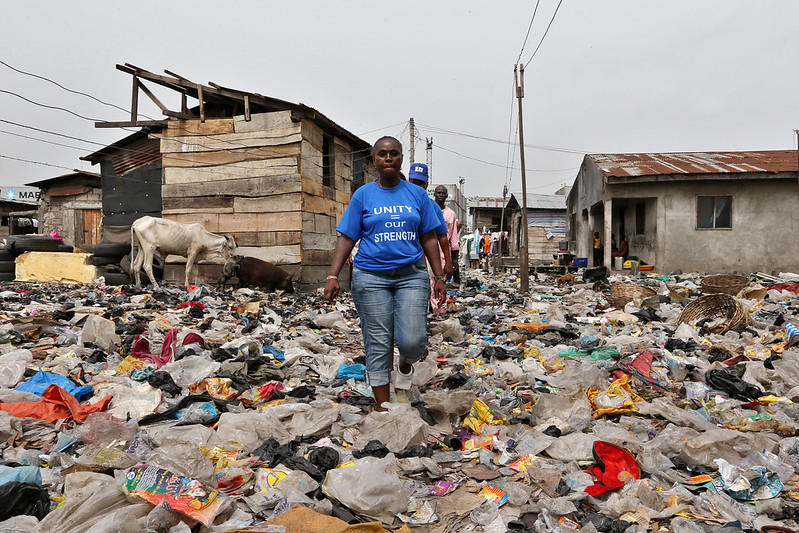
October 12, 2025
https://borgenproject.org/wp-content/uploads/borgen-project-logo.svg 0 0 Hemant Gupta https://borgenproject.org/wp-content/uploads/borgen-project-logo.svg Hemant Gupta2025-10-12 01:30:522025-10-12 00:57:46Rebuilding the Sahel
Agriculture, environment, Global Poverty

Climate-Smart Farming in Bangladesh: A Path Out of Poverty

Climate-Smart FarmingClimate-smart farming is a critical development in the rural economy of Bangladesh, where millions of smallholder farmers face seasonal uncertainty in one of the world’s most climate-vulnerable nations. Bangladesh is heavily reliant on agriculture, with the World Bank estimating in 2016 that 87% of rural households rely on farming for at least part of their income. Extreme natural disasters can jeopardise the population’s ability to farm effectively and expose millions to freak weather events and longer-term threats such as temperature and rainfall changes.

Now at risk of losing one-third of its agricultural GDP due to climate-related events by 2050, Dhaka is working hard to equip rural citizens with the tools to protect themselves from climate hazard’s most damaging, poverty-inducing effects. Adopting a climate-smart agricultural strategy has already paid dividends in the fight against climate-related poverty. It has empowered Bangla farmers to institute change to often centuries-old practices.

Climate Instability and the Farming Poverty Trap

Agriculture has been central to poverty reduction in Bangladesh, responsible for 90% of poverty alleviation between 2005 and 2010, while national grain production has tripled since 1972. Yet climate instability now threatens to reverse this progress. Rising sea levels swallow farmland and leave less space to cultivate crops, while shifting temperatures and rainfall patterns drive yields down.

When production falters, Bangladesh risks greater dependence on imports, cutting jobs for the impoverished rural people who rely on farming for income. Extreme weather events also add to the strain. Cyclone Sidr in 2007 and Cyclone Aila in 2009 devastated harvests and forced families into poverty overnight.

These pressures highlight how fragile Bangladesh’s agricultural gains remain and how climate shocks can derail one of the nation’s most effective escape routes from poverty.

Breaking the Cycle With Feed the Future

The Feed the Future Climate-Smart Agriculture Project offered a blueprint for how farming could once again lift families out of poverty despite worsening climate risks. Backed by USAID funding and administered by the International Fertilizer Development Center, this initiative equipped small producers with the seeds, skills and technologies to adapt to future climate-related risks.

In 2023, Feed the Future delivered more than 150 demonstrations covering topics from climate-smart rice cultivation to better supply chain access. While these primarily targeted the operations of smallholder farmers, Feed the Future also worked to link up larger farming stakeholders in the private sector with climate-efficient technologies and information.

As a result, smallholder farmers purchasing from these actors gained easier access to the latest climate-resilient seeds and farming practices. This support helped them boost yields, reduce costs and earn a more reliable income. Supplemented by domestic political support, the Climate-Smart Agriculture Project put years of agitation for climate-smart agriculture into practice. It operated with both short and intermediate goals in mind.

A Blueprint for Other Developing Nations

Yet sweeping cuts to the USAID budget in 2025 affected the Feed the Future Climate-Smart Agriculture Project. On February 26, 2025, the initiative was subject to a termination notice as part of broader 56% cuts to the U.S.-Bangladesh aid budget. Despite being terminated three years before its planned end date, climate-smart farming in Bangladesh leaves behind a tested example for developing nations looking to incorporate these practices into their agricultural policy.

At just $35 million, the project only represented a small fraction of the total USAID budget for Bangladesh. Yet early results suggest that even modest funding can trigger meaningful changes, including private-sector investment in inputs, demo plots in model villages and adoption of climate-resilient seed varieties. Comparable efforts may benefit other developing nations facing the twin challenges of climate instability and rural poverty.

– George Horberry

George is based in York, UK and focuses on Good News and Politics for The Borgen Project.

Photo: Pexels

October 6, 2025
https://borgenproject.org/wp-content/uploads/borgen-project-logo.svg 0 0 Hemant Gupta https://borgenproject.org/wp-content/uploads/borgen-project-logo.svg Hemant Gupta2025-10-06 07:30:132025-10-06 00:33:47Climate-Smart Farming in Bangladesh: A Path Out of Poverty
Agriculture, environment, Global Poverty

South-East Ladies Agro Collective: Making a Difference

South-East Ladies Agro CollectiveMauritius is still recovering from a 2020 oil spill in the Indian Ocean, an accident that has been disastrous for its environment and economy. However, some of its citizens are finding creative ways to help with recovery. A group of women has banded together to create a community of farmers to help feed their families.

This is how South-East Ladies Agro Collective was formed and how it exemplifies the importance of community action in politics.

The MV Wakashio Oil Spill

In 2020, the MV Wakashi, a ship owned by Nagashiki Shipping in Japan, ran aground near the village of Mahebourg in Mauritius. The BBC estimates that 1,000 metric tonnes of oil leaked from the ship and contaminated the nearby waters. Five years later, cleanup is still ongoing.

The oil spill has had various negative effects on Mauritius, most notably on its environment. Mauritius has an extremely diverse and unique ecosystem. According to the BBC, the ocean around Mauritius is one of the most biodiverse places on the planet. This spill has placed this fragile ecosystem in permanent jeopardy.

As the fate of Mauritius’ environment hangs in the balance, the government is left to determine what other issues have arisen from this disaster.

Farming to the Rescue

While environmental concerns are the highest priority, there are several other effects that Mauritius needs to address in the wake of the spill. The spill has also caused significant damage to the local economy, which relies heavily on fishing. With the ocean near Mauritius still heavily tainted by oil, local fishermen cannot fulfill their livelihood. With so many people out of work, the economy was stagnant and many families could not afford basic needs.

The South-East Ladies Agro Collective was founded in Mahébourg, Mauritius, by resident Sandy Monrose to combat this issue. After initially helping with clean-up efforts in the immediate aftermath of the oil spill, she began considering other ways to help her community recover. She requested a land grant from a local farming company, Ferney Ltd. Then she began speaking with other local women to see if they were interested in farming.

As the name implies, the South-East Ladies Agro Collective is primarily composed of women. Its goal is to help feed their village while income remains limited. Beyond farming, the collective also teaches residents the basics of agriculture. Active for about a year and thanks to the hard work of Monrose and her team, it has been a massive success. The group currently has 10 members who can feed their families and grow enough to sell their products on the side.

What Can We Learn?

Mauritius’ example shows us how essential community organizing is to making a better world and how much of a difference one person can make. Monrose saw a problem and instead of despairing, came up with a unique and innovative solution to her community’s issues and even got her fellow citizens involved.

The rise of South-East Ladies Agro also demonstrates how interconnected political issues can be. Farming and oil spill cleanup may seem unrelated, but Monrose’s example shows how one can directly affect the other. This is why out-of-the-box thinking is essential for political action. Activists can easily miss less obvious issues like this if they cannot conceive of unique angles of political issues.

Mauritius is still struggling with the aftermath of the MV Wakashio oil spill. However, every little bit helps and organizations like South-East Ladies Agro are a positive step toward community political engagement. With more efforts like this and more collaboration between citizens and their government, lasting changes can be made not just in Mauritius, but worldwide.

– Thaddeus Konieczny

Thaddeus is based in Williamston, MI, USA and focuses on Good News and Politics for The Borgen Project.

Photo: Flickr

October 1, 2025
https://borgenproject.org/wp-content/uploads/borgen-project-logo.svg 0 0 Hemant Gupta https://borgenproject.org/wp-content/uploads/borgen-project-logo.svg Hemant Gupta2025-10-01 01:30:092025-10-01 01:01:32South-East Ladies Agro Collective: Making a Difference
environment, Global Poverty, Water

Programs Driving River Cleanups in India

River Cleanups in IndiaHome to approximately 1.5 billion people, India has the highest population of any country in the world. Stretching more than 1.269 million square miles (3.3 million square kilometers), it is the seventh-largest country in the world by area. It is home to several climates, including snowy mountain ranges, deserts, flat plains and tropical rainforests.

India’s Pollution Crisis

Due to its large population and industrialization, India has consistently ranked as one of the most polluted countries in the world. In 2024, India ranked fifth on the Air Quality Index (AQI) and 120 out of 122 on the Water Quality Index. Only one-fifth of India’s industrial waste is processed and disposed of properly, leading its citizens to dump waste into rivers.

Every year, millions of tons of waste, sewage and runoff collect in these rivers, resulting in terrible smells, contamination and health issues from water-borne illnesses like cholera, hepatitis A, dysentery and typhoid.

India’s Water Scarcity Challenge

Despite being home to 18% of the world’s population and 400 rivers, India remains one of the most water-stressed countries globally. About 600 million Indians, nearly half the population, face water-related challenges such as contamination and limited access. Around 70% of rivers are polluted with sewage and industrial waste, while 75% of rural households, totaling 63.4 million people, lack access to safe water. Environmental experts in India warn that by 2030, the country’s water demand could be twice the available supply.

The lack of clean water affects all aspects of life in India, especially agriculture, on which 70% of households depend for their livelihoods. About 52% of the sector still relies on rainfall, as groundwater is rapidly depleting across the country. Given India’s intense monsoon season and high rainfall, rainwater harvesting remains the only reliable method for many farmers to secure clean, usable water for food production.

However, India’s agricultural industry doesn’t just affect the country itself. India is the world’s largest producer and consumer of milk and legumes and the second-largest producer of cattle, rice, fruit, cotton and sugarcane. The lack of clean water impacts every part of the environment, hindering domestic crop production and global food accessibility.

River Cleanups in India

Fortunately, several initiatives in India and beyond are working to clean up the country’s most polluted rivers and expand access to safe water for its citizens. Below are some key programs tackling India’s water crisis:

  • The River Cities Alliance (RCA): Launched in 2021 by the United Nations, the RCA invests in river cleanups across polluted cities worldwide and in India, it works closely with the Namami Ganga Mission, a government-led effort to restore the Ganga River, the country’s third-longest river. The RCA program is scheduled to end by March 2026.
  • Bharat Clean Rivers Foundation: Founded in Mumbai, a city burdened with 13 of the world’s 144 most polluted river systems, the foundation partners with global organizations to achieve two main goals: removing plastic pollution from rivers and oceans and preventing further plastic inflow into Mumbai’s waterways.
  • The Ocean Cleanup: Founded by Dutch innovator Boyan Slat, this initiative deploys fleets of riverboats to collect plastic waste from rivers and oceans. Since 2024, in partnership with the Bharat Clean Rivers Foundation, The Ocean Cleanup has intercepted millions of tons of plastic from Mumbai’s rivers before entering the Indian Ocean.

Conclusion

India’s water crisis stems from rapid growth, industrialization, and agricultural pressures, but progress is possible. Initiatives like those above prove that collective action can restore rivers, protect health, and secure livelihoods.

– Zoe Alatsas

Zoe is based in Brooklyn, NY, USA and focuses on Global Health for The Borgen Project.

Photo: Flickr

September 18, 2025
https://borgenproject.org/wp-content/uploads/borgen-project-logo.svg 0 0 Hemant Gupta https://borgenproject.org/wp-content/uploads/borgen-project-logo.svg Hemant Gupta2025-09-18 07:30:592025-09-18 02:57:47Programs Driving River Cleanups in India
Page 3 of 6‹12345›»

Get Smarter

  • Global Poverty 101
  • Global Poverty… The Good News
  • Global Poverty & U.S. Jobs
  • Global Poverty and National Security
  • Innovative Solutions to Poverty
  • Global Poverty & Aid FAQ’s
Search Search

Take Action

  • Call Congress
  • Email Congress
  • Donate
  • 30 Ways to Help
  • Volunteer Ops
  • Internships
  • Courses & Certificates
  • The Podcast
Borgen Project

“The Borgen Project is an incredible nonprofit organization that is addressing poverty and hunger and working towards ending them.”

-The Huffington Post

Inside The Borgen Project

  • Contact
  • About
  • Financials
  • President
  • Board of Directors
  • Board of Advisors

International Links

  • UK Email Parliament
  • UK Donate
  • Canada Email Parliament

Get Smarter

  • Global Poverty 101
  • Global Poverty… The Good News
  • Global Poverty & U.S. Jobs
  • Global Poverty and National Security
  • Innovative Solutions to Poverty
  • Global Poverty & Aid FAQ’s

Ways to Help

  • Call Congress
  • Email Congress
  • Donate
  • 30 Ways to Help
  • Volunteer Ops
  • Internships
  • Courses & Certificates
  • The Podcast
Scroll to top Scroll to top Scroll to top