• Link to X
  • Link to Facebook
  • Link to Instagram
  • Link to TikTok
  • Link to Youtube
  • About
    • About Us
      • President
      • Board of Directors
      • Board of Advisors
      • Financials
      • Our Methodology
      • Success Tracker
      • Contact
  • Act Now
    • 30 Ways to Help
      • Email Congress
      • Call Congress
      • Volunteer
      • Courses & Certificates
      • Be a Donor
    • Internships
      • In-Office Internships
      • Remote Internships
    • Legislation
      • Politics 101
  • The Blog
  • The Podcast
  • Magazine
  • Donate
  • Click to open the search input field Click to open the search input field Search
  • Menu Menu

Archive for category: environment

environment, Global Poverty, Government

Advances in Monitoring Air Pollution in Laos

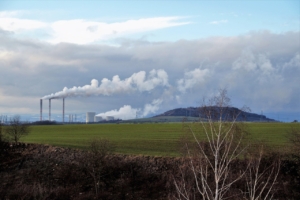
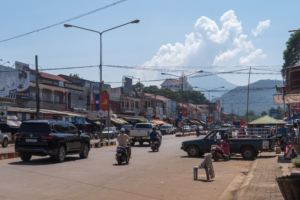
Air Pollution in LaosLaos is one of the most polluted countries in Southeast Asia. However, it has implemented a wide-reaching air monitoring system, improving the data on real-time air quality.

What Causes Air Pollution in Laos

Numerous sources, including waste burning, vehicle emissions, forest fires, heavy industry and the widespread use of slash-and-burn agriculture, cause air pollution in Laos. Slash-and-burn agriculture is where land is cleared for planting by burning the existing forests in the area.

The region has a long history of using slash-and-burn agriculture and people consider it traditional and effective; however, it contributes significantly to air pollution in Laos.

Negative Effects of Air Pollution

Worldwide air pollution leads to about one in nine deaths. Being exposed to high levels of air pollution can lead to lung cancer, heart disease, respiratory infections and stroke. As well as an increased risk of developing dementia and Alzheimer’s. Air pollution also has economic impacts; in 2019, it accounted for the loss of 6.1% of the global gross domestic product (GDP).

Also, because air pollution causes sickness, it places extra burdens on health systems and can increase the national healthcare spending. Further, when kids miss school due to an air pollution-related illness, they miss valuable time in the classroom and their parents often have to take time off work to look after them. This impacts economic growth.

Poverty and Air Pollution

Living on less than $1.90 per day, 716 million people are exposed to unsafe levels of air pollution. Pollution levels are especially high in lower-middle-income countries, where economies often depend on highly polluting industries.

Low-income communities tend to be disproportionately exposed to unsafe air pollution levels, partly because they tend to have jobs that require them outside performing physical labor. When they get an air pollution-related illness, they also tend to have more limited access to good and affordable health care.

New Air Quality Monitors

The government is combating air pollution in Laos by installing new air quality sensors. So far, 148 schools across the country have installed sensors, ensuring coverage in every district. This provides authorities with localized, real-time data on air quality nationwide. Policymakers can use this data to shape long-term clean air strategies and take immediate actions, such as temporarily closing schools in areas with dangerous pollution levels.

Hands-on training for students, teachers and local officials accompanied the installation of the sensors. In the future, an AI-powered program will use the data collected from the sensors to provide real-time local air quality estimations for more than 8,500 villages in Laos. This will include areas that do not have on-site sensors.

Final Remarks

While air pollution in Laos remains a serious concern, the government’s investment in real-time monitoring marks a major step forward. With sensors now installed across every district and plans to expand AI-powered forecasting, Laos is better equipped to track pollution. Furthermore, this will allow the protection of public health and guide long-term environmental policy. Continued innovation and action will be essential to ensure cleaner air and a healthier future for all Laotians.

– Axtin Bullock

Axtin is based in Georgetown, MA, USA and focuses on Technology and Global Health for The Borgen Project.

Photo: Wikimedia Commons
July 31, 2025
https://borgenproject.org/wp-content/uploads/borgen-project-logo.svg 0 0 Lynsey 2 https://borgenproject.org/wp-content/uploads/borgen-project-logo.svg Lynsey 22025-07-31 03:00:292025-07-31 02:08:46Advances in Monitoring Air Pollution in Laos
environment, Global Poverty

Thailand’s Efforts Against Deforestation Aids Communities

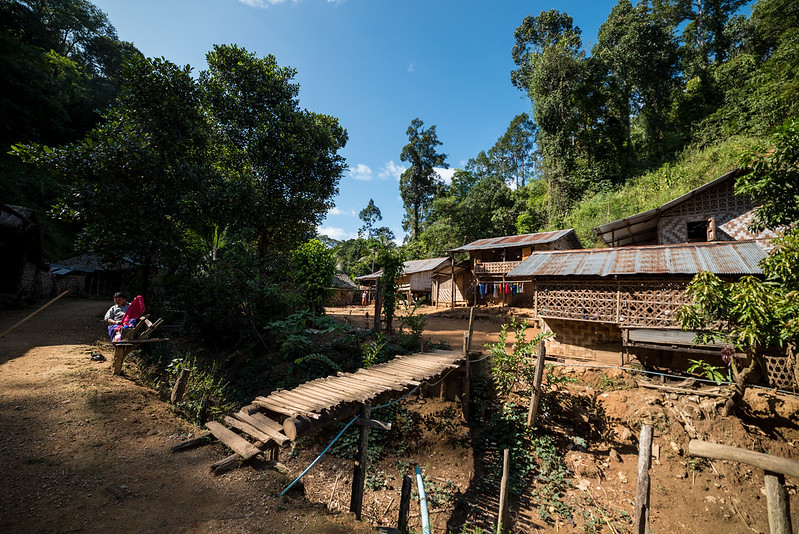
Thailand’s efforts against deforestationHome to a disproportionate amount of the world’s tropical forests, Thailand suffers from an immense amount of deforestation due to poorly policed property rights, extractive industries and climate change. Not only does this directly impoverish people who rely on the forest, but it also exacerbates other negative trends in the country. However, in conjunction with the European Union, Thailand’s efforts against deforestation are not only seeing success but can help lift up impoverished communities.

Background

Southeast Asia contains around 15% of the world’s tropical forest, much of which is in Thailand. These forests are losing 1.2% every year, one of the highest deforestation rates in the world. One of the main causes of this loss rate in Southeast Asian countries like Thailand is extractive industries like palm oil and illegal logging.

Thailand is one of the world’s top producers of palm oil, producing 2.78 million tons in 2018.  In Thailand specifically, palm oil cultivation and production lands have grown by 60% since 2009.

Deforestation

Additionally, illegal logging also contributes significantly to deforestation. Thailand’s efforts against deforestation include increased government restrictions on the logging industry in 1989 and 2006. However, Thai forests continue to be at risk for illegal logging.

According to Forest Trends’ October 2021 report on Thailand, “Illegal logging and trade affect many timber species, but highly valuable – often rare and endangered – species that are protected under harvest and/or trade regulations are a key target and at an elevated risk for illegality.” China remains the key importer of illegally harvested timber.

By 2024, Thailand lost 62,600 hectares of forest. The effect of this deforestation isn’t just devastating to the environment and biodiversity. It also harms the millions of people in Thailand who live near forests.

While Thailand is fighting deforestation, researchers at the World Bank estimate that if it does not stop, the wider environmental devastation of deforestation would decrease the Thai GDP by more than $550 billion. By contrast, the economy would grow by $54 billion if deforestation stops.

The study isolates that flooding is one of the main ways that “…increases the risk and severity of floods, which can have devastating consequences. Case in point, the 2011 flood affected more than 13 million people, destroyed 19,000 homes, displaced 2.5 million people…”

Thailand Fighting Back

However, Thailand and the international community are fighting back. Thailand’s efforts against deforestation include: strengthening property rights, changing domestic budget priorities and international cooperation. Instead of pitting the global poor and the environment against each other, the Thai government has instead empowered local communities. One of the key ways Thailand has helped protect forests is to grant stronger property rights to people living in reserve forests. Researcher Thanyaporn Chankrajang found that forests with these communal property rights experienced increased forest cover and decreased forest fires.

The Thai government has also switched its fiscal policies to help protect forests. Through fiscal grants, the governments receive increased money, funded through a commodity tax, if they can successfully protect their natural resources, like naturally-grown forests. Additionally, the Thai government continues to set aside funds for forest reserves that focus on sustainable forest management.

EUDR

Assisting them with these efforts, the European Union is teaming up with Thailand to help them join the  European Union’s Deforestation Regulation (EUDR). The EUDR will help regulate Thailand’s forestry, rubber and palm oil industries in order to become more sustainable. Not only will the EU help Thailand regulate these industries and their supply chains, but also help monitor for deforestation trends. With this help and through its National Economic and Social Development Plan, Thailand aims to stop deforestation by increasing its forest area to 40% of the country.

Thailand faces a major ecological crisis that will continue to harm both its environment and its poorest communities. However, due to Thailand’s efforts against deforestation and thanks to the assistance of the international community, these negative trends can not only be halted but entirely reversed.

– Joseph Laughon

Joseph is based in Sacramento, CA, USA and focuses on Good News and Technology for The Borgen Project.

Photo: Flickr

June 22, 2025
https://borgenproject.org/wp-content/uploads/borgen-project-logo.svg 0 0 Naida Jahic https://borgenproject.org/wp-content/uploads/borgen-project-logo.svg Naida Jahic2025-06-22 01:30:532025-06-21 13:35:38Thailand’s Efforts Against Deforestation Aids Communities
environment, Global Poverty, Water

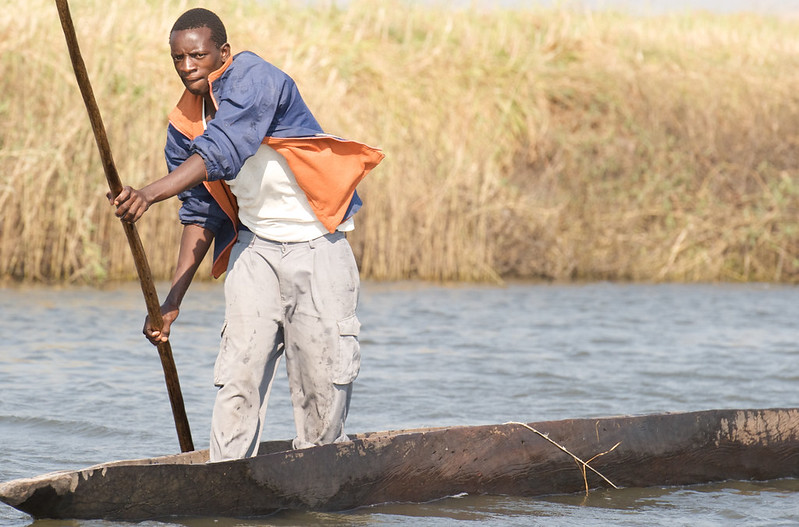
Success in Zambian river restoration

Zambian river restorationRivers are critical to the Zambian economy and way of life, providing food, energy and jobs. However, environmental degradation from failed dam projects, pollution and mismanagement have threatened the sustainability of these crucial waterways, having a devastating impact on local communities. Major rivers like the Zambezi, Kafue and Nsongwe rivers, among others, have all suffered reductions. However, progress is being made in Zambian river restoration. Through private actors like the World Wildlife Fund (WWF) and the International Institute for Sustainable Development, local Zambian communities have begun to help solve poverty by healing their rivers.

Background

Rivers like the lower Kafue are incredibly important to nearly all aspects of life, supporting 900,000 Zambians. Nearly 20% of cattle in the area rely on the wetlands from the Kafue River and 90% of all electricity in Zambia comes from dams on rivers like the Kafue.

According to the 2017 report, “Water resources, and the essential services they provide, are critical to achieving poverty reduction, inclusive growth, public health, food security, human dignity for all.” In fact, the Kafue River is not unique, as the Zambezi River supports an additional 250,000 people along the Barotse floodplains alone.

The WWF in Zambia explained in its 2017 report that pollution and overuse have threatened the ability of large cities to have adequate water. In fact, 47% of Zambians have no access to clean water due to these issues.

Environmental Disasters

Large environmental disasters have exacerbated this systemic issue. On February 18, 2025, a tailings dam holding back toxic waste from a copper mine broke down, allowing more than 50 million liters of acid waste into the Kafue River. Local resident Sean Cornelius told AP News that, “Prior to the February 18, this was a vibrant and alive river. Now everything is dead, it is like a totally dead river. Unbelievable. Overnight, this river died.” Due to Zambia’s heavy reliance on hydropower, it makes potential dam disasters all the more likely.

Stepping into this crisis is a coalition of climate investors, the WWF and local river communities to assist with Zambian river restoration. The Climate Investment Fund (CIF) has begun working with eight counties along the Zambezi River basin to help implement nature-based solutions.

Evans Kaseke, program manager for the Zambezi Strategic Plan, explained that, “The program aims to promote, protect and restore natural environments through landscape approaches by investing in agriculture, food production, forest and land use, and coastal system management.”

Climate Adaptation for Protected Areas (CAPA)

Additionally, the WWF has been helping communities along the Nsongwe River to help build smaller check dams through its Climate Adaptation for Protected Areas (CAPA) Initiative. These dams help end erosion from overuse. Mervis Sibbuku, local resident, thanked WWF, “For years, we watched the river degrade. These check dams have given us hope, allowing us to see water flow evenly and greenery return along the banks.”

In partnership with WWF Zambia, the Nsongwe communities have started to remove silt and replant critical foliage, restoring parts of the river to both wildlife and community residents. Though much work needs to be done, international finance, NGOs and governmental aid can go a long way to empowering local impoverished communities to improve their environmental conditions. Zambian river restoration shows that critical funds and innovative practices can help undo environmental poverty.

– Joseph Laughon

Joseph is based in Sacramento, CA, USA and focuses on Good News and Technology for The Borgen Project.

Photo: Flickr

June 15, 2025
https://borgenproject.org/wp-content/uploads/borgen-project-logo.svg 0 0 Naida Jahic https://borgenproject.org/wp-content/uploads/borgen-project-logo.svg Naida Jahic2025-06-15 07:30:442026-04-16 10:10:37Success in Zambian river restoration
environment, Global Poverty, Technology

How Atmospheric Generators Are Transforming Arid Communities 

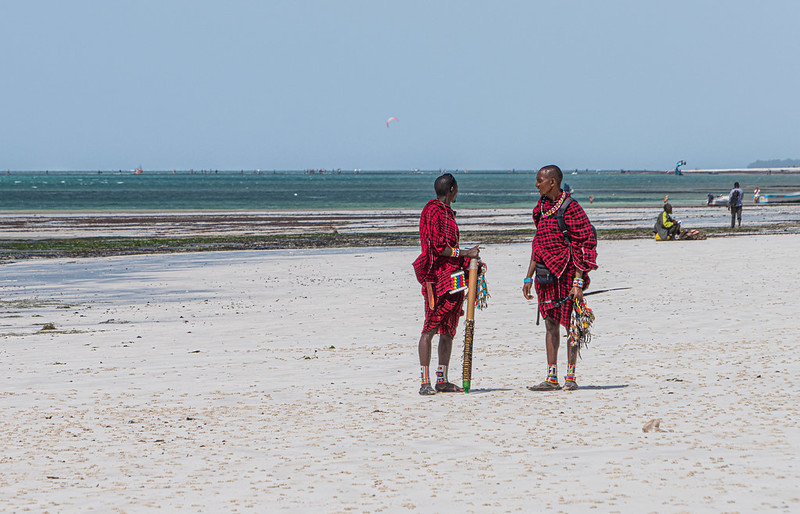
How Atmospheric Generators Are Transforming Arid Communities In drought-stricken regions, access to clean water remains a critical challenge. The lack of water affects health, agriculture and everyday life. A technology is offering a new path forward: atmospheric water generators (AWGs). Companies such as Majik Water in Kenya are using this innovation to extract moisture from the air, creating a reliable water source where traditional systems fail. Here is how AWGs function, highlighting real-world success stories and examining their potential for reshaping water access in vulnerable regions.

Atmospheric Water Generators

AWGs are machines that produce water by extracting humidity from the air. The system draws in air and cools it to trigger condensation. After condensation, the water passes through multiple filters that purify it for safe human consumption. These machines come in different sizes. Some are designed for households or small communities. Others, particularly industrial-scale units, generate several thousand liters of water daily—enough to support entire villages or farming operations.

The Impact on Arid Communities

Atmospheric generators have a profound impact on communities living in arid areas. First, regular access to safe drinking water significantly improves public health by reducing water-related diseases, especially among children. The water produced can also be used to irrigate small local crops, allowing families to grow their fruits and vegetables, thus enhancing food security.

Economically, these generators create new jobs related to their maintenance, supervision and water distribution. This stimulates local economies, often constrained by scarce natural resources. By providing a water source independent of rainfall, the generators are strengthening the resilience of villages to changing weather patterns and prolonged droughts.

For example, in Kenya, Majik Water uses air generators to provide drinking water to drought-affected rural communities. This project has improved the living conditions of many families, proving that this technology can be a real lifeline in even the most hostile environments.

Challenges to Overcome

Despite their potential, AWGs present several challenges. The machines require an initial capital investment that is beyond the reach of many communities. In areas without reliable electricity, powering the machines can become a problem. In addition, their efficiency drops in environments with extremely low humidity, limiting water output in the driest areas. These obstacles highlight the need for supportive infrastructure and financing mechanisms. Solar-powered AWGs could offer one possible solution to the energy constraint. Government subsidies or nonprofit funding may also be necessary to make these systems accessible in low-income regions.

Looking Ahead

Atmospheric generators represent a promising innovation to address water scarcity in arid regions. By providing an independent and reliable source of drinking water, they improve the quality of life, support local agriculture and empower communities in the face of climate change. However, widespread adoption potentially depends on efforts to lower costs, increase energy efficiency and integrate AWGs into broader development policies. With the support of public policies and private initiatives, this technology could play a key role in the future of sustainable water management.

– Eléonore Bonnaterre

Eléonore is based in London, UK and focuses on Technology and Solutions for The Borgen Project.

Photo: Flickr

May 14, 2025
https://borgenproject.org/wp-content/uploads/borgen-project-logo.svg 0 0 Precious Sheidu https://borgenproject.org/wp-content/uploads/borgen-project-logo.svg Precious Sheidu2025-05-14 07:30:582025-05-14 01:05:26How Atmospheric Generators Are Transforming Arid Communities 
environment, Global Poverty, Youth Empowerment

Innovative Waste Management in Rwanda

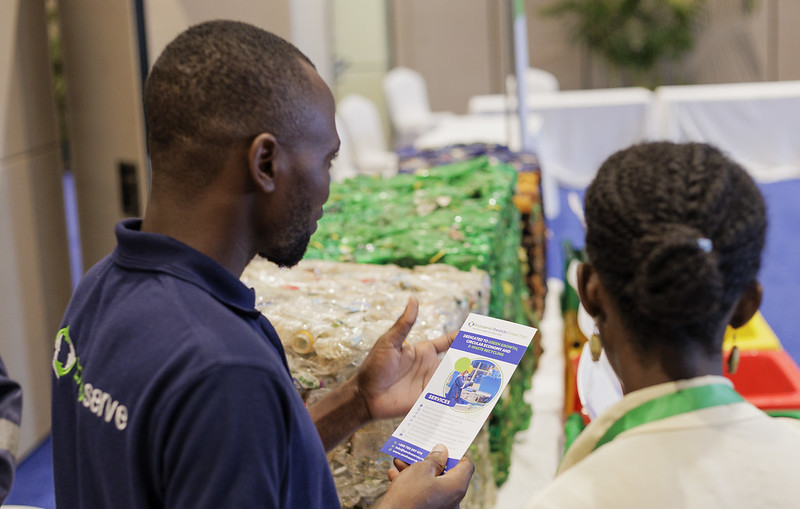
rwanda waste Rwanda, a country in Central Africa with a population of around 14 million, has emerged as a global leader in sustainable development through its revolutionary waste management initiatives. The Plastic Waste Management Program and the Gikondo Recycling Centre, as well as youth-led eco-entrepreneurship initiatives, address certain environmental issues to create many jobs, mainly for young people. Rwanda is generally encouraging cleaner urban spaces, transforming waste into valuable resources. In addition to its promotion of a circular economy, it is setting an inspiring example for other nations to follow in the pursuit of sustainability and economic growth as well.

Transforming Waste into Opportunity

In 2021, Rwanda, in its work alongside the Private Sector Federation, set up a fund for plastic waste management. This initiative has led to the collection of nearly 1,500 tons of plastic waste from around 24 drop-off points. If that waste was not collected, it would have ended up in the landfills. The programme has, furthermore, created some 1,300 green jobs, showing the potential for environmental initiatives to drive economic growth, as well as employment.

Rwanda’s commitment to addressing plastic pollution extends beyond its borders. In 2024, Rwanda and Peru submitted a proposal at the U.N. talks in Ottawa to reduce global plastic production by 40% by 2040. This ambitious target aims to protect human health and the environment by limiting the production of primary plastic polymers.

Gikondo Recycling Centre

The Gikondo wetland in Kigali, once with heavy pollution by plastic waste, is undergoing transformation into a recreational area like the Nyandungu Eco-tourism Park. The government has actively engaged youth in removing some plastic waste from the wetland. That action turns an environmental challenge into an opportunity for community involvement as well as job creation.

Additionally, the Nduba landfill in Kigali features pilot facilities for municipal waste valorisation, a Waste Sorting and Separation Facility and a Bio-Waste Treatment Facility. These facilities can handle about 100 tons of waste per day in addition to converting organic waste into valuable fertilisers, respectively. The project could reduce greenhouse gas emissions by an estimated 15,320 tCO₂ annually, and a further 74 new green jobs should be created.

The Youth-Led Eco-Entrepreneurship

Rwanda’s focus on youth empowerment is obvious in programs like the Youth Ecobrigade, implemented in partnership with UNDP and KOICA, together with other stakeholders. This initiative has provided training for 4,900 young people from rural communities. Furthermore, this initiative created 3,520 new jobs. Youth cooperatives that were formed under the program have managed to save nearly 11 million Rwandan francs, which promotes savings and entrepreneurship.
Launched in 2023, the Aguka program aims to support youth-led businesses further. This four-year initiative aims to impact around 6,600 youth-led businesses via the provision of thorough support. Such support includes access to finance, advanced business development training, mentorship, and market linkages. The program should create more than 100,000 jobs, greatly helping Rwanda’s socioeconomic change.

E-Waste Management in Rwanda

Recognizing the growing challenge of electronic waste, the country has partnered with Enviroserve Rwanda Green Park to establish a state-of-the-art e-waste dismantling and recycling facility. This facility has trained up to 70 young Rwandans in the repair, maintenance, and also recycling of electronic equipment. This training program furnished them with valuable skills for the job market.

Furthermore, the initiative has created green jobs for 413 people, with the number expected to rise as the facility and nationwide collection points become fully operational. This approach not only addresses environmental concerns but also provides sustainable employment opportunities for the youth.

A Blueprint for Sustainable Development

These revolutionary waste management initiatives in Rwanda exemplify how environmental sustainability and economic development can go hand in hand. Rwanda is setting a precedent for other nations to emulate by engaging youth as well as transforming waste into resources. This is in addition to encouraging a circular economy. These programs do address the pressing environmental challenges and also create meaningful employment opportunities, especially for young people, paving the way for a more sustainable and prosperous future.

– Zainab Saad Hassan

Zainab is based in Glasgow, Scotland and focuses on Technology and Global Health for The Borgen Project.

Photo: Flickr

May 9, 2025
https://borgenproject.org/wp-content/uploads/borgen-project-logo.svg 0 0 Naida Jahic https://borgenproject.org/wp-content/uploads/borgen-project-logo.svg Naida Jahic2025-05-09 07:30:172025-05-09 01:25:13Innovative Waste Management in Rwanda
Economy, environment, Global Poverty

Guardianes del Mangle: Mangrove Restoration Benefiting Displaced People

Guardianes del MangleIn 2017, a group of fishermen, community activists and displaced residents founded Guardianes del Mangle, a community action group dedicated to restoring mangrove forests degraded by pollution and population growth in Turbo, Colombia. The group’s mission is to revive native ecosystems while improving the lives of residents and displaced people.

The project was founded in the Turbo neighborhoods of Pescador 1 and 2, where informal houses on stilts have been built on top of mangrove forests.

Background

Due to a lack of modern infrastructure, sewage and garbage have destroyed the mangrove forests and polluted the waterways in these settlements. The majority of Pescador 1 and 2 residents are fishermen and internally displaced people who have fled violence or persecution within Colombia.

UNHCR has been working to integrate displaced people in Turbo since 2018 and began supporting the mangrove project in 2024 through UNHCR’s Innovation Fund for Climate Action and the Environment. The Guardianes del Mangle group aims to demonstrate that generating livelihoods based on conservation can be an effective strategy for the protection and integration of displaced people.

According to UNHCR, the work of the Guardianes del Mangle “complements a broader strategy to develop resilience and self-reliance options for displaced communities.”

Importance of Turbo’s Mangroves

Turbo is a port city located in the tropical region of northwest Colombia, where mangroves provide a natural barrier against soil erosion and high tides, and act as a home for spawning fish, according to UNHCR. Due to its position on the Caribbean coast, Turbo has a large fishing economy, which relies on healthy mangrove forests along the coastline.

Over the years, large portions of this coastal forest, and the vital habitat it provides to young fish, disappeared due to deforestation, pollution and population growth. Due to a lack of modern infrastructure in the neighborhoods, sewage and garbage have destroyed mangrove forests and polluted the waterways in the Pescador 1 and 2 neighborhoods of Turbo.

Secarlos Martinez, a local fisherman and member of the group, says that the loss of the native mangrove population has been devastating.

“The population growth is gradually killing the mangroves,” he said. “Eighty percent have been cleared for residential use. The fish have fled, and that has led to economic hardship for us,” UNCHR reports.

In addition to providing a habitat for spawning fish and other wildlife, mangrove forests also prevent erosion and storm surges. “The mangroves’ most beautiful trait is that they protect us from flooding and storms,” said Diana Colón, chair of Pescador’s Community Action Board.

Most of the people living in this area are fishermen and internally displaced individuals who were forced to leave their homes due to Colombia’s enduring armed conflict. For many, environmental degradation threatens not just biodiversity but also the livelihoods of local residents.

Displaced People in Colombia

Besides restoring the local mangrove population, Guardianes del Mangle has given displaced people in Turbo a renewed sense of opportunity. Maria Valencia Eneida, a member of the community group, had to flee violence and move to Turbo in 1997, according to UNHCR. She says the project has inspired her to improve her new community.

“I am currently helping my community and the mangroves,” she said. “That way, my children will have a brighter future.”

A 2024 UNHCR report estimates that nearly 7 million people in Colombia struggle with internal displacement as a result of armed conflict between paramilitary groups, government security forces and left-wing guerrillas. Colombia also hosts the largest population of Venezuelan migrants and the third-largest population of refugees in the world.

Colombia has experienced a complex and violent conflict between non-state armed groups (NSAGs) for several decades, which has left 220,000 casualties over the last half-century. The primary root of the low-intensity struggle between armed groups and state security forces is Colombia’s outsized role in the global cocaine market.

Peace Deal

In 2016, the Colombian government signed a historic peace deal with FARC, a leftist guerrilla group accused of narco-trafficking and human rights violations, which sought to disarm the organization and reduce violence in the country, Council on Foreign Relations (CFR) reports. Despite most FARC members demobilizing after the 2016 agreement, other NSAGs have expanded and consolidated their economic and territorial presence, especially in rural areas where people cultivate coca.

The International Displacement Monitoring Centre found that the central government’s limited presence has allowed new armed groups to exert control over communities, pushing them to flee or trapping them in forced confinement.

Guardians Spearhead Change in Community

Since the beginning of Guardianes del Mangle in 2017, the community organization has been revitalizing the Pescador 1 and 2 neighborhoods and reviving the local mangrove forests in Turbo. The group’s initiatives include planting new mangrove trees, cleaning existing mangrove forests and raising awareness about environmental conservation.

The project is also improving the lives of displaced people who now call the mangrove forests home. Maria Eneida believes the mangrove restoration project has given her a more hopeful outlook. “This project has given me a purpose,” she said. “I no longer wish to go back to the place I was displaced from.”

“We made a pact to stop cutting down the mangrove, since it is this ecosystem that has provided us with a place to live,” says Secarlos Martinez, the son of displaced people who settled in this area, according to UNHCR.  With support from UNHCR, the Guardians have also partnered with the Turbo Mayor’s office and a local university so community members can participate in research and training programs. The community organization routinely organizes clean-up days, seed planting events and education programs for children. “With this initiative, we raise awareness about mangrove care. We are the generation of the future. How we live next depends on this,” said Valentina, a young member of the organization.

The Future

Aside from restoring the native mangrove forests, the organization’s work has also resulted in cleaner streets, the return of migratory birds and enthusiasm to recycle in the Pescador 1 and 2 neighborhoods.

Martinez feels that the group’s work is paying off. “Lately, we’ve seen ducks, herons and other animals that had vanished,” he said to UNHCR. “People were not used to recycling, but we have started to collect waste door-to-door. Some people now live off recycling.”

Through its initiatives in planting mangrove seed banks and rehabilitating existing mangrove forests, Guardianes del Mangle has improved the social and economic conditions of the local community in Turbo and given displaced residents a renewed sense of hope for the future.

– Willem Quigley

Willem is based in Tacoma, WA, USA and focuses on Good News for The Borgen Project.

Photo: Flickr

May 6, 2025
https://borgenproject.org/wp-content/uploads/borgen-project-logo.svg 0 0 Naida Jahic https://borgenproject.org/wp-content/uploads/borgen-project-logo.svg Naida Jahic2025-05-06 01:30:562025-05-06 00:23:57Guardianes del Mangle: Mangrove Restoration Benefiting Displaced People
environment, Food Security, Global Poverty

Impacts of the Deforestation Crisis in the Congo Basin

Deforestation in the Congo BasinThe Congo Basin, located in western equatorial Africa, is one of Earth’s most important wilderness areas. It spans across six countries: Cameroon, Central African Republic, Democratic Republic of the Congo, Republic of Congo, Equatorial Guinea and Gabon. At 500 million acres, it is the second-largest tropical forest. Although satellite images of Africa’s Congo Basin have shown that since 2000, deforestation has fallen by a third, the rainforest is still losing 2000 square kilometers every single year, which poses some serious concerns.

Impacts on Local Communities and Neighboring Countries

The deforestation of the Congo Basin significantly impacts local populations that rely on the forest for a living. Many of these local communities rely on the forest for food, water, medicine and income. As deforestation continues, the resources that these communities rely on steadily decrease, resulting in increased poverty and misery.

  • Loss of food resources: One of the most immediate repercussions of deforestation is the loss of food resources. The Congo Basin contains diverse food, from plants, fruits and nuts to wild animals, that local communities, containing more than 80 million people, rely on for nourishment. Deforestation disrupts ecosystems’ natural balance, making it more difficult for people to get food, leading to food insecurity and hunger. For many people in the Congo Basin, agriculture alone is insufficient to meet their nutritional needs; therefore, the forest provides an essential additional food supply.
  • Lack of access to natural medicines: In addition to food, the forest provides a significant source of traditional remedies. Many regions’ cultures use plants and herbs from the forest to heal various diseases. With the loss of these forests, their access to natural treatments becomes increasingly limited, making it more difficult for the surrounding residents to stay healthy. This dependence on traditional remedies is especially essential in rural regions with limited contemporary health care options.
  • Decreased access to economic opportunities: Additionally, deforestation directly impacts the availability of economic activities in these communities. The forest produces many resources, such as timber, which is frequently sold in local markets. As forests are removed, these sources of income disappear, pushing people further into poverty. Furthermore, tree loss causes soil erosion, which makes farming harder, which leads to reduced food production, further deepening the cycle of poverty.

Impacts on the Global Community

One of the main worries regarding deforestation in the Congo Basin is its serious environmental effects, impacting both the local ecosystem and the global climate. The Congo Basin, the second largest rainforest, is the largest carbon sink in the world, with the section of jungle in the Republic of the Congo alone absorbing 1.5% of the entire planet’s carbon emissions.

However, as deforestation occurs, the stored carbon escapes into the atmosphere, leading to global warming and climate instability. Furthermore, the loss of trees disrupts local water cycles, which results in altered rainfall patterns and recurrent floods and droughts. This greatly impacts the region’s biodiversity, putting species that rely on the forest at risk and diminishing the ecosystem’s overall resilience. These environmental consequences are far-reaching, affecting local communities and the world.

Final Remarks

Several initiatives and efforts are taking place to combat the deforestation crisis in the Congo Basin. For example, groups like the Congo Basin Forest Partnership are promoting more and more agroforestry, reforestation and ethical logging. Other programs, such as the African Forest Landscape Restoration Initiative, whose main aim is to restore degraded land, make sure to include residents in their initiatives to highlight the critical role that local communities play.

Although the international community, such as the United Nations and European Union, gives financial and technical aid, stronger policies need to be implemented to guarantee long-term forest preservation.

– Zainab Saad Hassan

Zainab is based in Glasgow, Scotland and focuses on Global Health for The Borgen Project.

Photo: Flickr

March 16, 2025
https://borgenproject.org/wp-content/uploads/borgen-project-logo.svg 0 0 Lynsey 2 https://borgenproject.org/wp-content/uploads/borgen-project-logo.svg Lynsey 22025-03-16 07:30:142025-03-29 04:48:25Impacts of the Deforestation Crisis in the Congo Basin
environment, Global Poverty, Pollution

Air Pollution and Poverty in Trinidad and Tobago

Poverty in Trinidad and TobagoTrinidad and Tobago, a dual-island Caribbean nation with about 1.4 million residents, faces persistent challenges with poverty and air pollution. Around 20% of Trinbagonians live below the national poverty line and air pollution disproportionately affects these communities. Over decades, the nation’s industrial growth has contributed to significant environmental and health issues.

High Air Pollution Levels

Trinidad and Tobago’s abundant petroleum and natural gas deposits have driven industrial development since the 1960s. However, environmental considerations were often overlooked, leading to severe air pollution. The nation’s industrial enterprises—many located in densely populated areas—are the primary source of harmful air pollutants. These pollutants contribute to rising rates of respiratory conditions and allergic reactions. Health professionals have also linked air pollution to diseases such as cancer, which spiked in 2019 alongside extreme air pollution levels. According to the World Health Organization (WHO), air pollution in Trinidad and Tobago causes approximately 20 deaths per 100,000 people annually.

Impact of Air Pollution

Globally, people living in poverty are more likely to experience the effects of air pollution because they often live and work near its sources. In countries with economies reliant on polluting industries, air pollution levels tend to be particularly high. This is especially true in Trinidad and Tobago, where industrial sites are the primary source of air pollution and are located in densely populated areas due to the islands’ small size.

These industrial sites not only dominate the job market but also expose workers to harmful levels of air pollutants, posing significant health risks. Long-term exposure can lead to serious illnesses and in Trinidad and Tobago, 19 out of every 100,000 working-age individuals die each year from occupational diseases linked to air pollution.

While Trinidad and Tobago offers free public health care through its national health insurance system, many people living in poverty face barriers such as lack of transportation and long wait times, making access to care challenging. Addressing air pollution at its source through stronger government regulations could alleviate these health care burdens and help protect vulnerable populations from compounding hardships caused by pollution.

Efforts to Combat Air Pollution

Trinidad and Tobago has taken steps to address air pollution:

  • BreatheLife Campaign. In 2020, Trinidad and Tobago became the first Caribbean country to join this global initiative, pledging to reduce fine particulate matter (PM2.5) levels. By 2025, the government aims to align with WHO guidelines, reducing PM2.5 from 65 μg/m³ to 35 μg/m³ for 24-hour concentrations.
  • Paris Agreement. After ratifying the treaty in 2018, the nation committed to reducing greenhouse gas emissions from key sectors—transportation, industry and power generation—by 2030.

The Environmental Management Authority (EMA), led by Managing Director Hayden Romano, acknowledged the challenges ahead: “We are aware of the adverse health effects of both short-term and long-term exposure to particulate matter and that no air quality standard can guarantee complete protection for all citizens against all possible adverse health effects of particulate matter.”

Looking Forward

Trinidad and Tobago has taken concrete steps to address air pollution through international commitments and updated regulations targeting industrial emissions. The government’s goals include reducing particulate matter levels and greenhouse gas emissions within established timelines. Furthermore, efforts to mitigate health risks associated with pollution remain ongoing, with officials emphasizing the importance of aligning national standards with global health guidelines. These initiatives represent a structured approach to reducing environmental hazards and their associated impacts on public health.

– Nivea Walker

Nivea is based in Elon, NC, USA and focuses on Good News and Global Health for The Borgen Project.

Photo: Flickr

December 26, 2024
https://borgenproject.org/wp-content/uploads/borgen-project-logo.svg 0 0 Precious Sheidu https://borgenproject.org/wp-content/uploads/borgen-project-logo.svg Precious Sheidu2024-12-26 01:30:102024-12-23 23:26:45Air Pollution and Poverty in Trinidad and Tobago
Africa, environment, Global Poverty

Namibia’s Female Rangers: Protecting Wildlife

Namibia's Female RangersNamibia is home to diverse wildlife, including iconic species like black rhinos and desert elephants. However, poaching and habitat destruction pose ongoing threats to these animals. In response, Namibia’s female rangers are at the forefront of conservation efforts, tackling wildlife protection and rural poverty.

These women, often from marginalized backgrounds, safeguard endangered species while earning sustainable incomes and building anti-poaching and wildlife monitoring skills. Through community-based conservation programs, they ensure local involvement and channel the benefits of biodiversity protection back into their communities. By fostering gender equality and creating economic communities, Namibia’s female rangers showcase how conservation can be a powerful tool for social and economic development.

Poverty and Poaching

Namibia faces significant poverty challenges, with approximately 17.2% of the population living on less than $2.15 per day. Moreover, Namibia’s Gini coefficient of 59.1% ranks it as one of the world’s most unequal countries, highlighting significant disparities in wealth distribution, particularly between genders. Regarding this, 46% of female-headed households live in multidimensional poverty compared to 41% of male-headed households.

Multidimensional poverty affects 43.3% of the country’s population, with rural areas experiencing much higher rates of 59.3% compared to urban regions of 25.3%. This means that Namibian women in rural areas suffer the most from poverty. This disproportion highlights the intersection of gender and geographic location as key drivers of poverty in Namibia.

Additionally, poaching remains a critical issue in Namibia, significantly threatening the country’s wildlife. In 2015, poachers killed 97 rhinos and 101 elephants in 2016. These mark the deadliest years of poaching in Namibia’s history. Alka Bhatia, the United Nations Development Programme (UNDP) Namibia Resident Representative, identifies increased poaching as one of Namibia’s top three challenges, noting that it “strikes a blow to the tourist industry and the economy.”

As poaching undermines conservation efforts, it also undermines the country’s potential for sustainable economic growth, directly impacting poverty reduction initiatives and the well-being of marginalized communities.

The Role of NGOs and Female Rangers

Several nongovernmental organizations (NGOs) in Namibia are addressing the dual challenges of poverty alleviation and wildlife conservation by empowering women through employment. These female rangers are making significant strides not only in wildlife conservation but also in challenging gender stereotypes and supporting their families. The Save the Rhino Trust (SRT) has been a key player in employing female rangers to monitor and protect Namibia’s black rhinos.

This initiative helps preserve endangered species and provide economic opportunities to women in Namibia’s rural Kunene region. Although initially dominated by men, the program now includes six women employed on a salary. Female rangers employed by SRT are taught to recognize rhino footprints, monitor movement patterns and identify potential poaching threats. The ranger’s role is to contribute to conservation efforts and help alleviate poverty for the individual and their family. For Namibian women who are the primary breadwinners, this position enables them to support their dependents financially.

Ultimate Safaris, a leading Namibian tour operator, also works with Huab Under Canvas, a desert camp, to provide unique ecotourism experiences. Through a partnership with conservation programs like SRT, Ultimate Safaris employs female rangers to lead rhino-tracking tours for tourists. Female rangers in this program are paid to guide tourists on rhino-tracking expeditions, which supports both the conservation of rhinos and the sustainable development of the local economy.

Success Rates

Driven by NGOs’ support and women’s unwavering determination, Namibia witnessed a remarkable transformation in gender roles within communal conservancies. No longer limited to traditional roles, women are now stepping into leadership positions across various sectors. The 2018 State of Community Conservation report highlights this shift. The report reveals that women hold 17% of chairperson roles, 41% of treasurer positions, 33% of management committee memberships and 25% of staff roles within these conservancies.

By employing local women in such roles, wildlife conservancies provide them with stable incomes that can improve their economic status. Rural communities have seen substantial benefits, with more than 43.5% of Namibia’s land now managed by conservation. For instance, conservancies have helped communities increase income through wildlife-related ventures like tourism and sustainable game hunting, directly supporting families, including women.

Moreover, poaching figures in Namibia have seen a significant reduction in recent years, reflecting the effectiveness of strengthened conservation efforts. Between 2020 and 2023, rhino killings dropped by more than 50%. This decline is even more striking in the case of elephants, with only eight elephants poached in 2023, a sharp contrast to 101 killed in 2016. These improvements are a testament to the efforts of the Namibian government and conservation organizations being led by women.

Conclusion

Namibia’s female rangers are a beacon of hope, showcasing how conservation and poverty alleviation can go hand in hand. These women empower themselves by protecting wildlife, earning sustainable incomes and uplifting rural communities.

These initiatives combat systemic poverty, advance gender equity and support the United Nations (U.N.) Sustainable Development Goals (SDGs), particularly those related to life on land (SDG 15) and gender equality (SDG 5). Ultimately, the efforts of Namibia’s female rangers are a powerful reminder that conservation can be a catalyst for global change.

– Nour Mostafa

Nour is based in Gloucester, UK and focuses on Good News and Global Health for The Borgen Project.

Photo: Pexels

December 22, 2024
https://borgenproject.org/wp-content/uploads/borgen-project-logo.svg 0 0 Lynsey 2 https://borgenproject.org/wp-content/uploads/borgen-project-logo.svg Lynsey 22024-12-22 01:30:062024-12-22 01:47:08Namibia’s Female Rangers: Protecting Wildlife
Electricity and Power, environment, Global Poverty

Brazil’s Waste-to-Energy Conversion Systems

Brazil's waste-to-energy conversionBrazil is making significant strides in waste-to-energy technology, which turns waste into energy and addresses both urban waste management and renewable energy demands. Cities like São Paulo, Curitiba and Rio de Janeiro are leading the way, implementing projects that transform organic waste, sewage, and landfill gases into biogas and ultimately electricity. These waste-to-energy systems help keep cities clean and provide renewable power, reinforcing Brazil’s commitment to sustainability and urban development.

Urban Waste as an Energy Source

With rapid urbanization and increased consumption, Brazil faces mounting waste disposal challenges. The nation produces approximately 79 million tons of waste annually and managing this output has long been a complex issue. While traditional landfills have been the mainstay for waste disposal, they come with environmental costs, such as methane emissions, a potent greenhouse gas. Recognizing this, Brazil has started investing in waste-to-energy projects, using organic waste and other municipal refuse to generate clean, renewable energy.

These waste-to-energy projects follow a relatively simple process. Organic waste, which includes everything from food scraps to sewage sludge, undergoes anaerobic digestion—a process where microorganisms break down waste in an oxygen-free environment, according to Global Recycling. This decomposition releases biogas, a combination of methane and carbon dioxide, which can be converted into electricity. By transforming waste into energy, Brazil not only diverts a substantial amount of refuse from landfills but also reduces its carbon footprint.

Landmark Projects Leading the Way

In São Paulo, one of Brazil’s largest and most densely populated cities, a pioneering waste-to-energy plant exemplifies the potential of the Brazil waste-to-energy conversion system. This facility transforms various organic waste types, such as food scraps and biodegradable materials, into biogas, Global Recycling reports. This biogas is then distributed locally, helping reduce waste and reliance on fossil fuels. São Paulo’s waste-to-energy project underscores the city’s commitment to environmental sustainability and urban resilience, offering a model for other cities to follow.

Curitiba, known for its eco-friendly efforts, has launched a large-scale composting project that further enhances Brazil’s waste-to-energy conversion strategies. This project primarily turns organic waste into compost for agriculture and green spaces, yet it also captures methane for modest energy production, showcasing that diverse approaches can strengthen Brazil’s waste-to-energy conversion efforts.

Meanwhile, Rio de Janeiro is making headway with biogas initiatives aimed at capturing landfill gases. The city’s main landfill, the Seropédica Landfill, is one of Latin America’s largest and includes a biogas recovery system that extracts methane emissions and converts them into energy. Rio’s biogas initiatives provide enough electricity to power thousands of households, highlighting waste-to-energy’s potential to meet urban energy needs sustainably.

Economic and Environmental Impact

These projects represent more than just waste disposal solutions—they contribute to economic growth and energy security. By tapping into waste-to-energy technologies, Brazil can reduce its reliance on imported fossil fuels, foster local employment in green technology, and promote innovation in renewable energy. The environmental benefits are equally substantial, as waste-to-energy systems drastically reduce methane emissions from organic waste, a critical factor in the fight against climate change.

Moreover, the success of Brazil’s waste-to-energy conversion initiatives could encourage other Latin American countries to explore similar strategies. Brazil has become a regional leader in green energy solutions, showing that waste-to-energy systems can be both economically viable and environmentally beneficial. This leadership extends beyond borders as Brazil collaborates with international organizations to improve its waste-to-energy capabilities, drawing on global expertise to optimize local projects.

A Sustainable Future for Brazil

Brazil’s commitment to waste-to-energy conversion solutions showcases the country’s forward-thinking approach to sustainability. By converting waste into energy, Brazilian cities are cleaning up their streets, reducing emissions, and powering communities—all while supporting a circular economy. As these projects expand, Brazil is not only addressing today’s waste and energy challenges but also paving the way for a cleaner, more sustainable future.

– Laila Alaya

Laila is based in Abuja, Nigeria and focuses on Technology and Solutions for The Borgen Project.

Photo: Wikimedia Commons
November 18, 2024
https://borgenproject.org/wp-content/uploads/borgen-project-logo.svg 0 0 Naida Jahic https://borgenproject.org/wp-content/uploads/borgen-project-logo.svg Naida Jahic2024-11-18 07:30:442024-11-17 23:27:48Brazil’s Waste-to-Energy Conversion Systems
Page 5 of 6«‹3456›

Get Smarter

  • Global Poverty 101
  • Global Poverty… The Good News
  • Global Poverty & U.S. Jobs
  • Global Poverty and National Security
  • Innovative Solutions to Poverty
  • Global Poverty & Aid FAQ’s
Search Search

Take Action

  • Call Congress
  • Email Congress
  • Donate
  • 30 Ways to Help
  • Volunteer Ops
  • Internships
  • Courses & Certificates
  • The Podcast
Borgen Project

“The Borgen Project is an incredible nonprofit organization that is addressing poverty and hunger and working towards ending them.”

-The Huffington Post

Inside The Borgen Project

  • Contact
  • About
  • Financials
  • President
  • Board of Directors
  • Board of Advisors

International Links

  • UK Email Parliament
  • UK Donate
  • Canada Email Parliament

Get Smarter

  • Global Poverty 101
  • Global Poverty… The Good News
  • Global Poverty & U.S. Jobs
  • Global Poverty and National Security
  • Innovative Solutions to Poverty
  • Global Poverty & Aid FAQ’s

Ways to Help

  • Call Congress
  • Email Congress
  • Donate
  • 30 Ways to Help
  • Volunteer Ops
  • Internships
  • Courses & Certificates
  • The Podcast
Scroll to top Scroll to top Scroll to top