• Link to X
  • Link to Facebook
  • Link to Instagram
  • Link to TikTok
  • Link to Youtube
  • About
    • About Us
      • President
      • Board of Directors
      • Board of Advisors
      • Financials
      • Our Methodology
      • Success Tracker
      • Contact
  • Act Now
    • 30 Ways to Help
      • Email Congress
      • Call Congress
      • Volunteer
      • Courses & Certificates
      • Be a Donor
    • Internships
      • In-Office Internships
      • Remote Internships
    • Legislation
      • Politics 101
  • The Blog
  • The Podcast
  • Magazine
  • Donate
  • Click to open the search input field Click to open the search input field Search
  • Menu Menu

Archive for category: environment

environment, Food Security, Global Poverty

Mauritania’s Fisheries: From Ocean Wealth to Food Security

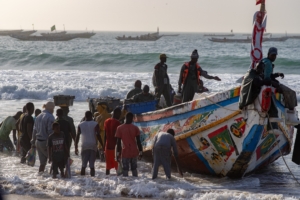
Mauritania’s FisheriesOn the shores of Mauritania lies one of the world’s most abundant fishing zones, created by the convergence of two ocean currents of contrasting temperatures. This unique environment sustains an extraordinary diversity of marine life. The richness of these waters makes them a prime destination for the Mauritania locals and fishing fleets across the globe.

Mauritania’s Fisheries

The high demand of Mauritania’s fishing industry is being threatened by foreign vessels and climate instability, among other things. The fishing industry represents 10% of Mauritania’s GDP, contributes between 35% and 50% of the country’s exports and generates 29% of national budget revenue while supporting as many as 45,000 jobs directly and indirectly.

Safeguarding fishing resources for future generations requires careful monitoring of the country’s 200-mile exclusive economic zone and strict protection of designated conservation areas. Addressing these issues requires a balanced combination of policies, enforcement and community engagement.

Who Is Helping?

A German government-owned development bank, KfW, acting on behalf of the German Federal Government, has played a central role in supporting Mauritania’s efforts. It serves as a leading donor in this vital industry. Funding has been directed toward building a monitoring system integrating satellite technology with radar stations, patrol ships and surveillance vessels, strengthening the fight against illegal fishing.

Nouadhibou is one of two artisanal fishing ports undergoing significant upgrades. Improvements enhancing the oversight of local catches, raising hygiene standards and enabling safer processing all add greater value to the products.

Much of Mauritania’s catch is diverted to fishmeal and fish oil production, often because the quality is too low for direct consumption. However, the government aims to shift this trend by ensuring more of the harvest reaches people’s tables, strengthening food security domestically and across the region. To support this, KfW has introduced a line of credit for Mauritanian banks, enabling them to finance fishing businesses committed to boosting local processing and adding value within the country.

Along with KfW, Mauritania is striving to align economic growth with environmental responsibility through its Sustainable Fishery Partnership Agreement with the European Union (EU). Under this deal, the EU contributes more than $60 million yearly, allowing European fishing vessels to operate in Mauritanian waters, provided they harvest only surplus fish stocks.

Launched in 2022, the agreement features a science-driven management plan that defines catch limits, establishes protected no-fishing areas and enforces seasonal closures to support fish reproduction. Also, regulating fishmeal production and freezing methods. EU funding under the pact strengthens Mauritania’s infrastructure, enhancing ports, coast guard fleets, research facilities, nature reserves and fish markets.

Technical Measures

Over time, several technical measures have been implemented to safeguard marine populations. Starting in 1991, a seasonal pause in fishing was enforced during August and September to allow stock recovery, to which May was added in 2004.

Since 1998, restrictions on demersal fishing (fishing activities that target fish on or near the seabed) have included a cap on overall effort and a requirement that trawl nets use a minimum size. Shallow water trawling, particularly in areas below 20 meters deep, has been prohibited to protect spawning grounds and regulations now mandate minimum sizes for harvested fish.

Fishing activities are regulated through a permit system that considers vessel size, tonnage, number of fishing days, target species, operational zones and the type of gear employed. Most permits are valid for a year, though some are issued for shorter periods. Obtaining a permit requires payment of an access fee, typically determined by the vessel’s gross tonnage and the fishing method.

For pelagic species (fish typically in the midwater/upper layers of the ocean, often in large shoals), a total allowable catch (TAC) framework is in place. The scientific panels convened by the Mauritanian Institute of Oceanographic Research (IMROP) review quotas every five years.

These developments demonstrate a holistic strategy, connecting Mauritania’s fisheries policy with programs such as the Poverty Reduction and Growth Strategy. The approach promotes inclusive growth, economic diversification and social cohesion. It also enhances the coordinated management of the coastlines, ultimately strengthening the sustainability and livelihoods of those communities fishing for a living in Mauritania.

Final Remarks

Mauritania’s fisheries are vital to its economy and food security. With stronger policies, international support and sustainable practices, the country can protect its marine wealth while securing lasting livelihoods and growth.

– Gabriella Luneau

Gabriella is based in Raleigh, NC, USA and focuses on Good News and Global Health for The Borgen Project.

Photo: Wikimedia Commons

September 15, 2025
https://borgenproject.org/wp-content/uploads/borgen-project-logo.svg 0 0 Lynsey 2 https://borgenproject.org/wp-content/uploads/borgen-project-logo.svg Lynsey 22025-09-15 07:30:182025-09-15 02:25:34Mauritania’s Fisheries: From Ocean Wealth to Food Security
Agriculture, environment, Global Poverty

Female Farmers in Bangladesh

Farmers in BangladeshBangladesh is on the frontline of the climate crisis, with rising seas, stronger cyclones and frequent floods threatening lives and livelihoods, especially along its low-lying coast. Rapid urbanization and economic growth add further pressure to vulnerable communities.

Yet, amid these challenges, stories of resilience shine through. Women like Koruna and Asma lead climate-smart farming and sustainable honey production. They prove innovative, eco-friendly livelihoods can protect the environment, support families and strengthen communities against adverse climate.

Bangladesh’s Climate Crisis

The coast of Bangladesh is particularly vulnerable to the impacts of extreme weather events, such as rising sea levels, which pose a significant threat to the nation’s development. These risks are intensified by natural disasters like the recent widespread floods, which continue to disrupt livelihoods and infrastructure. As Bangladesh rapidly urbanizes rural areas and develops hundreds of economic zones, water, energy and transportation demand surge.

The country also aims to capitalize on the “blue economy” by harnessing ocean resources for growth. However, these ambitions place additional environmental and social pressure on coastal communities already facing loss and damage from rising temperatures. Managing these climate risks has become central to Bangladesh’s development strategy, especially as tropical cyclones alone cost the country an estimated $1 billion annually.

By 2050, climate variability could cause the loss of one-third of agricultural gross domestic product (GDP), a serious concern, given that agriculture employs nearly half of the workforce. Additionally, around 13.3 million people may be forced to migrate internally over the next 30 years due to climate-driven impacts, disproportionately affecting women. The country’s GDP could fall by up to 9% in extreme scenarios, such as severe flooding. As environmental degradation and disaster costs continue to rise, Bangladesh faces mounting challenges that require urgent, sustainable solutions.

Honey Farming

Koruna, Bangladesh’s only female honey farmer, has turned her passion into a profitable and honourable livelihood, earning recognition nationwide. After attending a three-day boot camp in Bagerhat, she gained valuable knowledge on green, environmentally friendly business practices. She learned to avoid harmful materials like plastic and to understand sustainable production’s environmental and economic benefits.

The training also equipped her with marketing and pricing skills and strategies for selling products at stalls. Today, honey farming has transformed Koruna’s life: she has built her own home and another for her husband entirely from her business earnings. Her daughter and son-in-law now work alongside her. For Koruna, this venture provides financial stability and meets her family’s needs and brings immense pride in her role as a pioneering, environmentally responsible entrepreneur.

Female Farmers in Bangladesh

In the climate-vulnerable district of Bagerhat in southern Bangladesh, 37-year-old Asma’s life transformed after joining Concern’s Collective Responsibility, Action and Accountability for Improved Nutrition (CRAIIN) project in 2020. Over two days of hands-on training, she gained the skills and resources to start climate-smart farming, along with half a kilogram of earthworms, two compost rings, a compost slab, saplings and four types of seeds.

Using vermicompost she now produces, Asma has grown a thriving garden, improving her family’s diet and income. “My life changed totally after starting with the farming compost. Now I can afford education for my children,” she says. The benefits extend beyond her household.

CRAIIN has boosted community agriculture, strengthened water, sanitation and hygiene practices and enhanced nutrition knowledge. Local households now trade vegetables and other products, fostering resilience and economic opportunity. As a lead farmer connected to 400 households, Asma trains others in vermicompost production and climate-resilient cultivation. She ensures the project’s impact ripples across the community and sees female farmers prosper in Bangladesh.

Final Remarks

Bangladesh’s fight against adverse weather is also a story of resilience and innovation. Through ventures like Koruna’s honey farming and Asma’s climate-smart agriculture, communities adapt, protect the environment and boost local economies as farmers prosper in Bangladesh. Their leadership shows real change comes from policy and empowering people to drive sustainable solutions.

– Phoebe Guildford

Phoebe is based in Cardiff, Wales and focuses on Good News for The Borgen Project.

Photo: Pixabay

September 15, 2025
https://borgenproject.org/wp-content/uploads/borgen-project-logo.svg 0 0 Lynsey 2 https://borgenproject.org/wp-content/uploads/borgen-project-logo.svg Lynsey 22025-09-15 01:30:202025-09-14 23:36:26Female Farmers in Bangladesh
Electricity and Power, environment, Global Poverty

Financing Africa’s Green Transition: Global Climate Investment

Africa’s Green TransitionAfrica is at a critical juncture in its expansion, straddling the line between delivering rapid economic development and addressing adverse climatic conditions. The continent faces some of the highest levels of climate vulnerability, including persistent droughts and desertification, extreme flooding and coastal erosion.

However, Africa has enormous potential to lead in a global green transition, particularly given its abundant renewable energy resources, youth population and expanding clean technology market. Financing Africa’s green transition is imperative for environmental, economic and geopolitical reasons. 

Financing Africa’s Green Transition

Despite its potential, Africa has about 5% of global climate finance. Yet, the continent is home to 17% of the world’s population and is one of the most climate-vulnerable regions. Wealthy countries have pledged $100 billion annually in climate finance to developing countries through the Paris Agreement, but these commitments have consistently fallen short.

This means that for millions of people, a funding gap slows renewable energy deployment, prevents critical infrastructure projects and raises the cost of adaptation. Without urgent and scaled support financing, Africa risks being locked into a fossil-fuel-dependent future just as the world transitions to cleaner energy.

The economic rationale for Africa’s green transition is compelling. Expanding renewable infrastructure, solar, wind and hydro, would drive millions of jobs, increase energy access for more than 600 million people without electricity and stimulate industrial growth using clean energy.

Countries are already leading the way: Kenya, with more than 80% of its electricity from renewables; Morocco, home to one of the world’s largest concentrated solar plants; and South Africa, which is turning to wind and solar to diversify its coal-heavy grid. Together, these examples show the potential to meet domestic energy needs sustainably and position Africa as an exporter of renewable energy and hydrogen.

Why Global Climate Investment Can’t Wait

Financing Africa’s green transition is critical to achieving global climate objectives from an environmental perspective. The continent produces a small share of global emissions, approximately 4%, but its future emissions path will depend on the energy systems it deploys today.

Financing its transition to renewable technologies now has the potential to prevent a new increase in emissions, conserve biodiversity and preserve critical ecosystems, such as the Congo Basin rainforest, which is a global carbon sink.

From a geopolitical viewpoint, a green transition with sufficient finance would increase Africa’s global standing. Renewable sources would lessen overall dependence on imported fossil fuels. Energy security could be improved, too. African countries could also become influencers in the global clean technology sector.

However, for this to happen, strong international cooperation is essential. African governments, development banks, private investors and technology suppliers need to work together to mobilize the billions of dollars required for renewable energy. These funds are critical not only for infrastructure investment but also for climate adaptation and the growth of green industries.

Looking Ahead

The way forward requires innovative financing mechanisms. These include blended finance to de-risk private investments, sovereign green bonds and regional investment platforms to pool resources for cross-border projects. Development finance institutions can assist by guaranteeing loans, offering concessional rates and providing technical assistance in project design and implementation.

Africa’s green transition is already underway, but at a pace that is too slow to meet the Sustainable Development Goals or the Paris climate targets. With international support, the continent can unlock its renewable energy potential, drive economic growth and lead in clean energy innovation. The message is clear: the world cannot afford to leave Africa behind in the fight against the ongoing climate crisis.

– Sophia Scelza

Sophia is based in Lindenhurst, NY, USA and focuses on Good News and Global Health for The Borgen Project.

Photo: Wikimedia Commons

September 13, 2025
https://borgenproject.org/wp-content/uploads/borgen-project-logo.svg 0 0 Lynsey 2 https://borgenproject.org/wp-content/uploads/borgen-project-logo.svg Lynsey 22025-09-13 01:30:562025-09-12 10:47:01Financing Africa’s Green Transition: Global Climate Investment
Electricity and Power, environment, Global Poverty

3 Opportunities Created By Renewable Energy in Seychelles

Renewable Energy in SeychellesWhen flying off the coast of East Africa, one may spot a glimpse of the 115 islands that make up Seychelles. In terms of land area, this is the smallest African nation. Yet, the archipelago is making big waves in the energy industry to combat environmental changes and economic impacts. Contrary to mainland nations, critical problems for this cluster of islands include vulnerability to changing weather and reliance on foreign oil. To combat this, large scale changes are in progress for renewable energy in Seychelles.

Seychelles’ Renewable Energy Goal

According to the World Bank, Seychelles has the highest Gross National Income (GNI) per capita in Africa. The small African nation boasts an impressive renewable energy goal of reaching 15% by 2030 and 50% by 2050. This change impacts far more than Seychelles’ carbon footprint. Without the means to produce their own energy, local communities are at the mercy of fluctuating import costs of energy and fuel, which support important vehicles, like cars and boats. For a country with an economy driven primarily by fishing and tourism, the shift towards renewable energy has the potential to decrease poverty through economic growth and increase job opportunities related to energy initiatives. 

The Dangers of Fossil Fuels

Experts have linked air pollution due to the burning of fossil fuels, such as the use of diesel-fueled vehicles, to respiratory and cardiovascular diseases, lung cancer, diabetes, neurological disorders and adverse pregnancy outcomes. To address the effects of biodiversity loss and pollution, Seychelles entered a more than two-decade long partnership with the United Nations Environment Programme (UNEP). This partnership has helped the country mitigate greenhouse gases and both land and marine pollution. According to Seychelles’ Minister of Agriculture, Climate Change and Environment, Flavien Joubert, “The programmes that UNEP has been operating over the past years have really contributed to the success of Seychelles that we see today.”

The Creation of Solar Farms

Due to Seychelles’ lack of natural oil reservoirs and limited space for development, the government announced the creation of floating solar farms on uninhabited islands. “The Seychelles import three times more oil than they need so that they can support internal activities as well as boats and airplanes that travel to and from the islands,” Forbes reports. In 2024, the country secured a $15 million loan from the World Bank to support key environmental challenges, including its progressive energy initiatives. Naadir Hassan, Minister of Finance, National Planning and Trade of Seychelles, explains, “This support will help Seychelles strengthen financial stability and the business environment, improve fiscal management, and address important environmental and social challenges.” As with other island nations, access to energy sources is crucial for survival, especially due to an increased risk of extreme weather events. 

3 Opportunities That Renewable Energy in Seychelles Created

  1. Poverty Reduction: While extreme poverty is hardly present, youth and single mothers make up a large portion of the 3.5% unemployment rate. In order to reach Seychelles’ renewable energy goals, it invests in the production of solar farms. The use of solar energy will reduce energy costs and create jobs related to the construction and maintenance of the farms. According to the World Bank, the success of social programs has contributed to the decline in poverty. It is reported that “the poverty rate is projected to decline from 6.2 percent in 2024 to 5.9 percent in 2025, based on the $6.85-per-day poverty line.” 
  2. Economic Stimulation: The cost of importing of foreign oil is dependent on global markets. In 2023, the nation imported an estimated $361 million in refined petroleum. Renewable energy is competitive in price to fossil fuels. With an economy dependent on tourism, the decreased reliance on imported fuel lessens the financial burden for local communities, resulting in economic growth.
  3. Health Benefits: The Ministry of Health in Seychelles alerted the public of air quality concerns in early 2025 due to “haze, caused by a combination of atmospheric conditions and potential transboundary pollutants.” Air pollution due to the burning of fossil fuels is a known contributor to respiratory, cardiovascular and other diseases. Vulnerable populations include those with pre-existing respiratory conditions, including asthma. According to the Lancet Countdown, fossil fuel emissions contribute to more than 2 million deaths globally each year, as energy-related CO2 emissions continue to climb to new heights. Switching to renewable energy sources provides cleaner air and improves both public health and environmental stability.

Looking Ahead

The precedent that Seychelles has set is an environmentally conscious feat that serves as an example to the world. Not only is the investment in renewable energy production in Seychelles beneficial to the health of our environment, it increases opportunities to better our communities.

– Jamaya Newton

Jamaya is based in Somerset, NJ, USA and focuses on Good News and Technology for The Borgen Project.

Photo: Unsplash
August 18, 2025
https://borgenproject.org/wp-content/uploads/borgen-project-logo.svg 0 0 Jennifer Philipp https://borgenproject.org/wp-content/uploads/borgen-project-logo.svg Jennifer Philipp2025-08-18 01:30:492025-08-17 12:33:513 Opportunities Created By Renewable Energy in Seychelles
environment, Global Poverty, Refugees

Fighting Climate Impacts on Refugees with CRRF

CRRFMany refugee camps around the world experience significant climate impacts such as flooding and extreme weather, displacing already vulnerable groups. The adverse effects of bad weather often impact displaced people as countries continue to plan refugee settlements based on political decisions, with little research on environmental and geographic vulnerabilities. In order to protect their human rights and reduce climate impacts on refugees, governmental support must be provided from within the host countries.

Climate Impacts in Sudan, Bangladesh and Jordan

Rohingya refugees in Bangladesh, Syrian refugees in Jordan and refugee camps in Sudan specifically have noted recent environmental disasters threatening human lives. In 2021, Cox’s Bazar, Bangladesh and Alganaa camp in Sudan reported the destruction of structures and several deaths due to flooding.

U.N. Secretary-General António Guterres expressed concern about Cox’s Bazar being on the “front lines of the climate crisis,” as it is the world’s largest refugee settlement. The camp faces year-round instability, from fire-prone summers to a dangerous monsoon season. Similarly, South Sudanese refugees had only lived in the Alganaa camp for a month before floods hit Sudan’s White Nile region. Historically, the lack of environmental studies across Africa has led to the suboptimal placement of refugee camps.

In Jordan, the Za’atari refugee camp is the largest shelter for displaced Syrians in the world. The camp faces extreme cold in the winters in addition to its dry, hot summers. Despite Syrian refugees’ economic resilience through creating many successful businesses in the Za’atari market, a fraction of refugees hold work permits for other sectors, causing further economic uncertainty during climatic events.

All three camps face diverse climate impacts on refugees and preemptive mitigation responses from host countries have been minimal due to political circumstances.

Uganda’s Comprehensive Refugee Response Framework

The United Nations Refugee Agency (UNHCR) has recognized Uganda’s Comprehensive Refugee Response Framework (CRRF) as a key model for promoting refugee self-reliance. It addresses economic challenges by providing land for housing and farming, which in turn helps tackle social issues like access to education and skill development. The CRRF is a model that benefits host countries by stimulating the economy and strengthening agricultural networks through refugee settlement. It also supports the economic well-being of vulnerable populations and helps prevent overcrowding in refugee camps.

Despite the benefits of Uganda’s resettlement model, some refugee settlements still face climate-related damage that threatens agricultural livelihoods. To address this, UNHCR has proposed climate-resilience initiatives that promote low-carbon development in refugee-hosting areas. Implementing additional frameworks like Nationally Determined Contributions (NDCs) and National Adaptation Plans (NAPs) is also essential to reduce climate risks for refugees.

Although it would not be possible to provide land in countries with a high population density, like Bangladesh, it is still ideal for such governments to expand their use of NDCs and NAPs in other ways. Bangladesh’s existing climate finance strategies under its NDCs offer a foundation for strengthening protections for vulnerable groups.

UNHCR Pilot Program: Refugee Environmental Protection Fund

First piloted in Uganda, the Refugee Environmental Protection Fund (REPF) directly involved refugees in climate initiatives. It supports reforestation, energy access and clean cooking programs to “link refugees and host communities to the global carbon market.”

As of 2025, the Fund is looking to expand into countries like Bangladesh and Sudan, though the possibility of implementation will take longer to assess. Additionally, the refugee crisis in Jordan is not currently assigned to the initiative. Combining REPF with the CRRF could help refugees gain independence, achieve economic growth and mitigate climate impacts.

– Aliyah Omar

Aliyah is based in Alberta, Canada and focuses on Global Health and Politics for The Borgen Project.

Photo: Unsplash
August 16, 2025
https://borgenproject.org/wp-content/uploads/borgen-project-logo.svg 0 0 Lynsey 2 https://borgenproject.org/wp-content/uploads/borgen-project-logo.svg Lynsey 22025-08-16 03:00:142025-08-15 12:23:07Fighting Climate Impacts on Refugees with CRRF
environment, Global Poverty, Water Crisis

Fighting Climate-Driven Poverty in Mexico

Climate-Driven Poverty in MexicoIn Mexico, 36.3% of the population lives in poverty and is unable to earn the bare minimum income to afford to feed their families. However, this number has fallen drastically over the years. This promising progress has been accomplished through programs, including government welfare and raising the minimum wage.

Nonetheless, significant progress still needs to be made, especially in rural areas, where more than 40% of the population lives in poverty. For many of these communities, the economy is based on agriculture. In recent years, this source of income has been increasingly unstable as climate emergencies disrupt weather patterns.

Shifting Weather Patterns

In Mexico’s Yucatán state, the rainy season once began “roughly the same week every year… like clockwork,” said Dr. Ken Seligson, an anthropology professor at California State University, Dominguez Hills and an archaeologist based in Yucatán, in an interview with The Borgen Project.

With shifting weather patterns, the rainy season is much more unpredictable, affecting the livelihoods of subsistence farmers who need to optimize their schedules for planting crops. When their farms have lower yields, they are forced to pick up extra jobs, not to supplement their incomes, but to be able to put food on the table.

Climate-driven poverty in Mexico uproots routine. According to Seligson, this instability sparks desperation, forcing Mexican farmers with no choice but their last resort: “leaving their homes, going to the larger cities and seeking employment in the service industry.”

Low Water Supply

Seligson excavated an archaeological site in the hilly Puuc region in Yucatan, where groundwater only exists hundreds of feet below ground. Thus, families in Puuc address the destructive effects of the changing climate on their lives by utilizing traditional Mayan methods like harvesting rainwater in cisterns.

Even when long-awaited rain finally arrives, it’s often still not enough. In Mexico City, 2025 has seen one of the rainiest Junes in recent history. Yet the water supply remains low, severely affecting the most underserved communities and forcing the general population to conserve before taps run dry.

The infrastructure, such as pipes, is heavily damaged and leaking, preventing the supply of precious water to those who need it. Plus, the effects of sudden precipitation can be more destructive than beneficial for farmers as land now unaccustomed to rain suddenly experiences a dramatic downpour.

Organizations Staving Off Disaster in Mexico

Global nonprofit CADENA works to fight the effects of climate-driven poverty in Mexico, particularly among people in Chiapas. The organization provides humanitarian aid, but beyond that, it proactively engages with communities to train Mexicans to respond to coming disasters.

Some of CADENA’s key accomplishments:

  • Reconstructed the town of Miguel Hidalgo after multiple earthquakes destroyed hundreds of homes.
  • Supported Mexican communities facing El Niño-related disasters by teaching irrigation and traditional water collection methods like rainwater harvesting. These efforts help reduce the risk of water-related conflict, even if they can’t reverse the effects of the climate crisis.
  • Responded to Hurricane Otis in 2023, assisting with rebuilding thousands of homes after one of the most devastating storms in Mexico’s history.

Founded in 2007, the nonprofit Cantaro Azul ensures access to safe drinking water and sanitation in rural Mexico. In addition to its core mission, the organization has responded to several national crises, including:

  • The 2007 floods in Tabasco
  • The H1N1 epidemic in 2009–2010
  • Earthquakes in 2017
  • The 2019 migrant caravan arrivals
  • The COVID-19 pandemic

During the COVID-19 pandemic, Cantaro Azul launched a public awareness campaign and distributed hand sanitizer to vulnerable communities. The nonprofit also installed dozens of public handwashing stations, known as Safe Water Systems, which used UV Pitcher technology to purify water on-site and promote hygiene in areas with limited infrastructure.

In the wake of Hurricane Otis and Hurricane John, UNESCO supported Mexico’s coastal communities by using its Heritage Emergency Fund to restore cultural and educational institutions. It restaffed the San Diego Fort Historical Museum, a public space for learning and celebrating local culture. By doing so, people affected by disasters can become more resilient despite the struggles they have overcome. UNESCO’s workshops also tackled sexual abuse, migrant inclusion and recovering from grief.

Final Remarks

Besides its detrimental impacts on the planet, changing climatic conditions ultimately drive human problems, especially poverty. Climate-driven poverty in Mexico only exacerbates the instability of employment opportunities while also causing water scarcity and along with that, many other issues. Climate resilience looks a little different for every community. However, each nation unites in the global fight to protect the environment and, most importantly, its people.

– Klara Jones

Klara is based in Los Angeles, CA, USA and focuses on Good News and Technology for The Borgen Project.

Photo: Wikimedia Commons

August 13, 2025
https://borgenproject.org/wp-content/uploads/borgen-project-logo.svg 0 0 Lynsey 2 https://borgenproject.org/wp-content/uploads/borgen-project-logo.svg Lynsey 22025-08-13 01:30:372025-08-13 03:08:12Fighting Climate-Driven Poverty in Mexico
Agriculture, environment, Global Poverty

How Enhanced Rock Weathering in Africa Is Turning Heads

Enhanced Rock Weathering in AfricaIn Africa and the global south, a new process is gaining the attention of agriculture and environmental initiatives. Smallholder farmers are witnessing their maize harvests flourish while simultaneously removing carbon from the atmosphere. This is not the result of a new fertilizer or a genetically modified seed. It comes from a novel climate technology that turns ordinary volcanic rock into a powerful tool for poverty reduction and environmental renewal.

The new technology, Enhanced Rock Weathering (ERW), offers a dual solution to two of Africa’s most pressing challenges: unstable climatic conditions and food insecurity. ERW captures carbon dioxide (CO2) directly from the atmosphere by accelerating a natural geological process. At the same time, minerals from the rock revitalize depleted, acidic soils, leading to dramatic increases in crop yields and farmer incomes.

How It Works

The science behind ERW is surprisingly simple. The natural weathering of rocks regulates Earth’s climate by pulling CO2 from the air. ERW turbocharges this process by increasing the surface area of available rock. Finely crushed silicate rock, typically basalt, is spread across agricultural fields.

When rainwater mixes with CO2 in the atmosphere, it forms a weak acid that inevitably falls to the ground and reacts with the rock dust. This reaction converts the CO2 into stable bicarbonate ions that are eventually washed into rivers and oceans, where the carbon is locked away for a projected 10,000 years.

Initial Outcomes of Enhanced Rock Weathering in Africa

While the climate benefits are global, the local impact is life-changing. Many African farmers have struggled with degraded, acidic soils that reduce crop growth for years. With ERW, the basalt dust acts as a slow-release natural fertilizer, replenishing the soil with essential nutrients like calcium, magnesium and phosphorus. It also raises the soil’s pH, making it less acidic and more fertile.

The results are starting to turn heads. In collaboration with ERW company Mati Carbon, farmers in India are reporting increased rice yields “in excess of 20%” with Mati Carbon’s CEO, Shantanu Agarwal, stating that results will be even more pronounced on the most degraded soils.

A recent pilot study in Kenya conducted by the climate-tech startup Flux in collaboration with the United Nations Convention to Combat Desertification proves Mati Carbon right. The study found that applying basalt dust to maize fields increased grain yields by an average of 47.5%, with some farms noting a yield increase of more than 200%. For the participating farmers, this translated into an economic gain of more than $326 per hectare, per harvest, a transformative sum for families living in subsistence conditions.

The Carbon Credit Connection

Another beautiful aspect of these new programs is their business model. All the profits from increased crop yield go straight to the farmers. Companies like Flux and Mati Carbon sell the carbon credits to climate-conscious corporations, then provide the rock dust to farmers free of charge.

The farmers benefit immediately from healthier soils and bigger harvests and credit purchasers solidify their commitment to the environment. Enhanced rock weathering is gaining traction with a sustainable business model, concrete outcomes and increasing interest from the corporate sector.

Into the Future

Mati Carbon, the company that recently won the $50 million XPRIZE for Carbon Removal, aims to support 30,000 smallholder farmers by the end of 2025. Nairobi-based Flux has also set an ambitious goal of generating $300 million in additional income for African farmers by 2030. Early indicators of enhanced rock weathering in Africa point to a win-win situation. However, there are still concerns about the cost of crushing and spreading.

As the technology scales from pilot projects in Kenya, Zambia and Tanzania to larger initiatives across the continent, it promises to turn millions of hectares of African farmland into catalysts for both environmental restoration and human prosperity.

– Levi Ravnsborg

Levi is based in Summerland, BC, Canada and focuses on Good News and Technology for The Borgen Project.

Photo: Pixabay

August 11, 2025
https://borgenproject.org/wp-content/uploads/borgen-project-logo.svg 0 0 Lynsey 2 https://borgenproject.org/wp-content/uploads/borgen-project-logo.svg Lynsey 22025-08-11 07:30:322025-08-11 02:28:47How Enhanced Rock Weathering in Africa Is Turning Heads
environment, Global Poverty

How Recycling Ghost Nets Fights Poverty Globally

Recycling Ghost NetsAbandoned fishing nets, nicknamed ghost nets, are a significant source of marine waste contributing to environmental problems. All the way from Asia to Africa, innovative people and organizations around the world are recycling ghost nets that would otherwise be destroying the habitats of marine life and the livelihoods of locals. Their efforts serve two worthy goals; besides helping to save the planet, recycling ghost nets fights poverty by creating jobs in underserved nations.

Ghost Net to Soccer Net in the Caribbean

Sandals Foundation, owned by Sandals Resorts (a chain of resorts based in the Caribbean), started a program called Future Goals. It works to pick up environmentally-damaging ghost nets discarded in coral reefs, repurposing them into soccer nets for local kids beginning in the island of Curaçao.

They want to encourage more kids throughout the Caribbean to play soccer (locally known as football). The program hopes to foster life skills in disadvantaged youth, opening opportunities in their futures. Simultaneously, the Future Goals program promotes environmental sustainability in Caribbean communities.

From Under the Sea to (Magic) Carpet in the Philippines

In the Philippines, commercial fishing once sustained the local economy. However, now, most of the fish supply is depleted and only the plastic waste remains, leaving local communities without a living, and thus 60% are below the poverty line.

With the help of organizations like NetWorks, Filipino fishermen clean up the waste and recycle the fishing nets by turning them into carpets. Both retrieving the materials from the ocean and making these carpets out of recycled materials provide these Filipinos with jobs and a source of income. The process has been so successful that it has spread across communities in the Philippines.

One Man’s Trash Is Another’s Treasure in Cameroon

When invasive plant species disrupted the ecosystem in one fishing village in Cameroon, the livelihoods of local communities quickly became unstable, and countless fishermen lost their jobs. NetWorks also established a program in Cameroon, providing them with jobs retrieving fishing nets from the water to be recycled. In return, they receive stamps, which they can exchange to pay for fundamental services like health care and even their education.

Fishing Nets in Seychelles to Patagonia Shorts

Seychelles, an island nation in the Indian Ocean, constantly experiences firsthand the effects of ocean pollution with ghost nets washing up on shore. One startup, Brikole, receives old fishing nets from Spanish and French fishing companies and then employs locals to process the materials and ship them to a company that makes products for big-name clothing companies including Patagonia. Each sustainable step of the way, recycling ghost nets fights poverty.

Plastic is infamous. With a decomposition date hundreds of years in the future, each neglected plastic bag, thrown-away bottle, and discarded fishing net contributes to global environmental concerns. Simultaneously, the news constantly recycles a gloomy narrative that global poverty is a hopeless situation. Yet innovative people around the world have found a solution fighting both problems rather than giving up hope. Surprisingly, their efforts have proven how recycling ghost nets fights poverty in diverse places–the Caribbean, the Philippines, Cameroon, and Seychelles. These repurposed fishing nets have transformed into employment opportunities for locals, acting as a buoy while poverty threatens to capsize low-income communities in developing countries.

– Klara Jones

Klara is based in Los Angeles, CA, USA and focuses on Good News and Technology for The Borgen Project.

Photo: Flickr

August 7, 2025
https://borgenproject.org/wp-content/uploads/borgen-project-logo.svg 0 0 Naida Jahic https://borgenproject.org/wp-content/uploads/borgen-project-logo.svg Naida Jahic2025-08-07 03:00:282025-08-06 16:11:40How Recycling Ghost Nets Fights Poverty Globally
Disease, environment, Global Poverty

Bulgaria’s Air Quality and Disease Prevention

Bulgaria's Air QualityBulgaria’s public health initiatives prioritize air quality and disease prevention. They address critical issues that disproportionately affect low-income communities and exacerbate poverty, promoting a healthier and more equitable society.

Breathe Sofia

In September 2022, the city of Sofia, Bulgaria, launched Breathe Sofia, a project aimed at improving air quality in one of the country’s most polluted cities. It focuses on protecting vulnerable populations by building public support for stronger policies, offering technical guidance for regulations and sharing international best practices.

By reducing air pollution, these efforts can help alleviate poverty by lowering health care costs and improving quality of life, especially for communities most affected by environmental disparities. Beyond health benefits, air pollution reduction also promotes social equity. It supports children’s well-being in impacted areas, increases economic participation and reinforces Bulgaria’s commitment to inclusive development under the European Union’s (EU) sustainability goals.

Bulgaria’s Air Quality

Bulgaria has also launched the New Operational Program on the Environment, allocating $1.77 billion to address water and waste management, biodiversity and air pollution. Since 2021, the program has helped provide cleaner air for 1.3 million people.

Furthermore, as part of its broader sustainability agenda, Bulgaria has prioritized emissions reduction through the National Program for the Improvement of Ambient Air Quality. This strategy drove significant progress between 2018 and 2024, with emissions falling by 66.5%. This reduction directly benefits low-income families by providing cleaner air and supporting healthier, more sustainable living conditions.

Addressing Diseases

To address cancer and chronic diseases, Bulgaria has joined the Joint Action to Prevent Noncommunicable Diseases and Cancer (JA PreventNCD), a three-year EU-funded health initiative. The project aims to reduce the burden of cancer and other noncommunicable diseases (NCDs) across Europe by supporting 22 EU Member States, along with Iceland, Norway and Ukraine. It also focuses on tackling social inequalities linked to NCD risk factors.

With NCDs disproportionately affecting marginalized communities, JA PreventNCD targets the root causes by addressing the link between poverty and poor health. The initiative acknowledges the unequal impact of NCDs on lower socioeconomic groups and promotes equitable access to prevention and care. By focusing on prevention and healthier lifestyles, JA PreventNCD aims to reduce health problems, ease the economic burden of NCDs and contribute to poverty reduction.

Bulgaria’s commitment to rare disease recognition took a major leap in 2005 when it joined the J Project, a Central and Eastern European initiative focused on primary immune deficiencies. Ten years later, this progress led to the establishment of a dedicated expert center at the university hospital. The center provides families in low-resource communities with access to specialized care for rare diseases.

Final Remarks

As Bulgaria works to improve the quality of life for its citizens, it collaborates with national and international programs aimed at disease prevention and air pollution reduction. Supported by initiatives like the Clean Air Fund and the EU partnerships, these efforts create healthier environments and expand access to essential resources in underserved communities through public health and sustainability investments. Indeed, they help pave the way for a more equitable and resilient future.

– Karisma Polly

Karisma is based in Sunrise, FL, USA and focuses on Global Health and Celebs for The Borgen Project.

Photo: Pixabay

August 4, 2025
https://borgenproject.org/wp-content/uploads/borgen-project-logo.svg 0 0 Lynsey 2 https://borgenproject.org/wp-content/uploads/borgen-project-logo.svg Lynsey 22025-08-04 01:30:462025-08-03 17:20:48Bulgaria’s Air Quality and Disease Prevention
Electricity and Power, environment, Global Poverty, Natural Disaster

The Journey To Renewable Energy in Micronesia

Renewable Energy in MicronesiaMicronesia (or the Federated States of Micronesia) is a small country located in the continent of Oceania. A large advocate of environmental policy, renewable energy in Micronesia has a long history behind it. Through many years of struggle and advancements, Micronesia has made its intentions for a clean future clear.

Life in Micronesia

While Micronesia’s environment is beautiful, living there isn’t easy.  In 2013, 41.2% of the population lived below the national poverty line, a statistic that the World Bank Group estimates to be higher post-COVID-19. Due to its isolated geography, poor mineral deposits and lacking economy, opportunities can be slim.

Electricity is a scarce resource in Micronesia; most of the country is reliant on diesel generators that power a central grid. Most communities do not have day-long access to electricity. Individual households are not the only parties affected by a lack of energy; hospitals have to work with a less-than-ideal power supply as well.

For those with more reliable access to electricity, another problem rears its head. Aging infrastructure causes many power grids to be vulnerable to intense weather like typhoons. This leads to frequent power outages as the grids fail to hold under the conditions.

Fossil Fuels in a Changing World

As an island country, Micronesia experiences some of the highest rates of sea-level rise per year on the planet. A reliance on diesel generators, which produce more pollutants than gasoline engines, exacerbates the issue. Its economic reliance on fisheries and farming causes a unique need to halt the unsustainable fossil fuels use as weather patterns rapidly intensify.

Micronesia’s reliance on diesel generators is more than just an environmental issue however, it is also a financial one. Micronesia has a severe lack of local fossil fuel deposits, this includes resources to fuel these generators. Due to this, Micronesia must outsource its entire fuel supply.

The U.S. used to pay for these fuel imports, but that stopped in 2004. As Micronesia locally lacks typical energy sources, the cost for a fossil fuel economy is too great for Micronesia to handle.

A Plan To Help

In 2004, Micronesia implemented a Strategic Development Plan to outline the goals and benchmarks of renewable energy in Micronesia up until 2023.  This plan detailed multiple advancements towards green energy, such as providing sustainable funding for environmental programs and would outline the approach towards green energy for the coming years.

This plan provided an outline that would pave the way for climate and disaster policy, as well as the formation of new climate committees. Through this new focus, renewable energy in Micronesia has grown into a larger force. Solar energy has become prevalent in the country, playing a large role in the hopeful eventual phasing out of the reliance on diesel.

A Green Future

Renewable energy in Micronesia still has a long way to go. The country still has an overwhelming reliance on diesel generators, and most households are still without electricity. However, through actions both past and present, there is undeniable progress ahead.

The World Bank’s recent ARISE Project is set to be a significant boon for the country. The project aims to increase solar construction, creating both mini-grids and home systems. It also aims to strengthen the older grid’s infrastructure to make them more resilient to natural events. This project will help more than 3,000 people gain electrical access.

The FSM recently launched its National Energy Policy through 2050. This policy outlines a future of independent power production as well as public private partnership. It also calls for studies into clean energy sources such as wind, the implementation of hydropower and advancements in architecture for solar. 

Looking Ahead

With weather patterns steadily intensifying over time, renewable energy’s steady traction and momentum and an ambitious goal of net zero emissions by 2050, a green future is not only necessary, but inevitable for Micronesia.

– Cayle Harrison

Cayle is based in West Columbia, SC, US and focuses on Global Health and Politics for The Borgen Project.

Photo: Wikimedia Commons

July 31, 2025
https://borgenproject.org/wp-content/uploads/borgen-project-logo.svg 0 0 Jennifer Philipp https://borgenproject.org/wp-content/uploads/borgen-project-logo.svg Jennifer Philipp2025-07-31 07:30:072025-07-31 02:12:03The Journey To Renewable Energy in Micronesia
Page 4 of 6«‹23456›»

Get Smarter

  • Global Poverty 101
  • Global Poverty… The Good News
  • Global Poverty & U.S. Jobs
  • Global Poverty and National Security
  • Innovative Solutions to Poverty
  • Global Poverty & Aid FAQ’s
Search Search

Take Action

  • Call Congress
  • Email Congress
  • Donate
  • 30 Ways to Help
  • Volunteer Ops
  • Internships
  • Courses & Certificates
  • The Podcast
Borgen Project

“The Borgen Project is an incredible nonprofit organization that is addressing poverty and hunger and working towards ending them.”

-The Huffington Post

Inside The Borgen Project

  • Contact
  • About
  • Financials
  • President
  • Board of Directors
  • Board of Advisors

International Links

  • UK Email Parliament
  • UK Donate
  • Canada Email Parliament

Get Smarter

  • Global Poverty 101
  • Global Poverty… The Good News
  • Global Poverty & U.S. Jobs
  • Global Poverty and National Security
  • Innovative Solutions to Poverty
  • Global Poverty & Aid FAQ’s

Ways to Help

  • Call Congress
  • Email Congress
  • Donate
  • 30 Ways to Help
  • Volunteer Ops
  • Internships
  • Courses & Certificates
  • The Podcast
Scroll to top Scroll to top Scroll to top