Samoa, a small island country in the Pacific, struggles with economic issues like rising unemployment, an imbalance between rural and urban communities and vulnerability to natural disasters. Here are nine facts about poverty in Samoa.
9 Facts About Poverty in Samoa
- Approximately 18% of the population lives in urban areas, with the other 82% living in rural areas. Most Samoans live in the rural and remote areas of the island, resulting in an imbalance of education, opportunities and social benefits. Most of the population finds themselves working in the agricultural business, with tropical agriculture occupying 65% of the labor force. In the urban areas, there are more job opportunities other than agriculture such as technicians, pilots, and doctors.
- Nearly 72% of the Samoa population does not have access to the internet. A lack of internet access can exacerbate educational and health disparities. The internet provides many resources for students to improve their education. It also contains information on the locations of hospitals and clinics. With little access to this information due to the inaccessibility of the internet, the split between low-income and higher-income communities is worsened, creating even more poverty.
- Natural disasters threaten Samoa’s agriculture. In rural areas, the population works mainly in agriculture. However, natural disasters can damage the industry. Samoa is located in a seismic zone called the “Ring of Fire.” It is exposed to deadly earthquakes, such as the 2009 earthquake, which had a magnitude of 8.3. This earthquake was followed by a tsunami that “took 150 lives, left 2.5% of all Samoans homeless, destroyed transport, water and energy infrastructure across large areas.” This significantly impacted the agricultural industry, damaging the economy and increasing poverty in Samoa.
- The unemployment rate in Samoa is only 8.4%. While Samoa’s unemployment rate is less than other countries, it has increased from 5.7 to 8.4%. Age imbalance is one of the main causes. The unemployment rate is 8.7% of all adults 15 and up; however, among youth between the ages of 15 and 29, it is 16.8%. An increasing unemployment rate, particularly for the youth population, can be devastating for a small country.
- There are high rates of domestic violence in Samoa. Domestic violence can lead to more poverty for its victims, often women. According to the Guardian, a report found that nine out of 10 respondents said abuse occurred regularly within their home. The frequent harassment that women face in Samoa can take a toll on them and their families. Oftentimes, these women are shunned by society for exposing these issues. This can be especially disadvantageous to lower-income women, who often do not have the support network or the financial resources to proceed with charges against their abuser.
- Rural households are more likely to have only one room for sleeping. In contrast, urban households are less likely to live in small homes, highlighting the inequality between these two areas. As rural families are more likely to live in overcrowded houses due to having smaller homes, there is a greater risk of infectious diseases spreading. This, on top of the weak healthcare system in place, can create a health crisis within the rural population.
- There is also education inequality between urban and rural areas. While the national literacy rate for the country of Samoa is at a high 97%, there is a disparity in the quality of education between rural areas and urban areas of the island. Village schools only offer four years of primary education, leaving children to attend the district school for further education. District schools, however, tend to take only the most successful students, leaving many others without adequate educational opportunities. This then leads to few economic opportunities for rural students as they become young adults.
- COVID-19 is contributing to the increase in poverty rates. A measles outbreak in September 2019 impacted more than 5,700 people. The death rate stood at 1.46%, similar to the COVID-19 rates. While Samoan health authorities have recent experience dealing with the spread of disease, the island is still suffering from the pandemic. Samoa is facing a shortage of testing capacities, medical equipment and personal protective equipment. International travel and public transport restrictions have led to changes in social dynamics, suspended business operations and caused people to lose their jobs, especially common in tourism and in small businesses.
- A handful of organizations are addressing poverty in Samoa. The International Fund for Agricultural Development (IFAD) is an organization helping rural people in Samoa. It has helped 7,300 households and has three multimillion projects. The organization created the Samoa Agriculture & Fisheries Productivity and Marketing Project in October 2019. This project costs $30 million and will help to increase the incomes of rural families and improve infrastructure.
These nine facts about poverty in Samoa illuminate how poverty has impacted the livelihoods of its citizens. However, through the work of humanitarian organizations in the country, Samoa can address poverty and create a more economically and socially empowered population.
– Philip Tang
Photo: Flickr
 Often when we think of the sub-Saharan region of Africa, we associate it solely with the conflict and tragedy that has burdened it for the majority of recent history. According to research done in 2019, there were
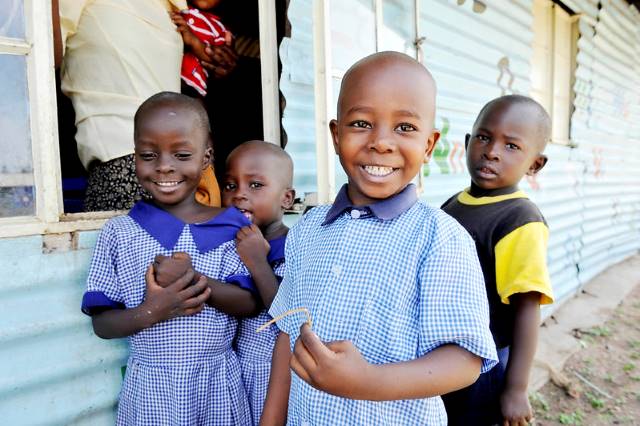 Organizations like UNICEF and ACAKORO have been providing educational resources to Kenyan students despite the immense difficulties in the country due to COVID-19 and 2020’s locust invasion. On March 15, 2020, the Kenyan Government forced schools to shut down due to COVID-19. Due to school closures, millions of students risk losing out on education during the pandemic. Organizations stepped in to provide resources, remote learning services and sanitation facilities to vulnerable children in Kenya.
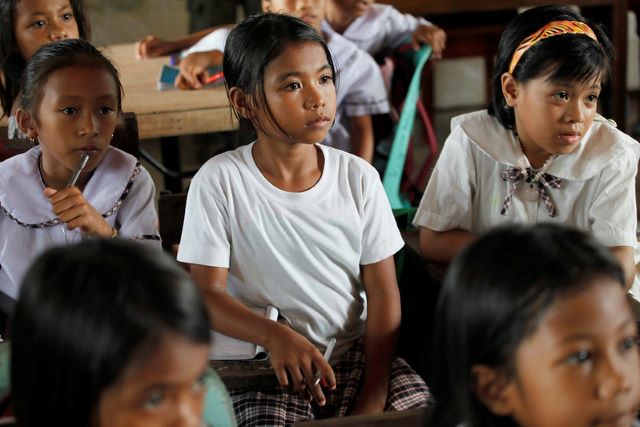 The Philippines has an opportunity for rapid economic growth and the potential to greatly innovate industry across the country. This opportunity comes from the number of young people in the country. Young people account for 50% of the entire population of the nation, leaving it with immense potential for economic growth as these young people begin to enter the workforce. Youth development in the Philippines is crucial for the country’s transformation into a resilient nation.
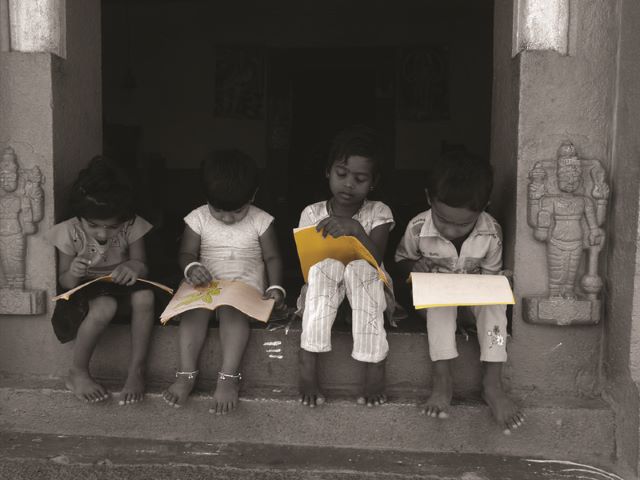 The conflict in Kashmir has disproportionately affected education due to a variety of national as well as domestic threats. Children, in particular, are being significantly affected,
  Cambodia has come a long way in eliminating poverty. From 2007 to 2014, Cambodia’s
  The East African country of Burundi is one of the poorest in the world. Its meager economy relies heavily on rainfed agriculture, which
