• Link to X
  • Link to Facebook
  • Link to Instagram
  • Link to TikTok
  • Link to Youtube
  • About
    • About Us
      • President
      • Board of Directors
      • Board of Advisors
      • Financials
      • Our Methodology
      • Success Tracker
      • Contact
  • Act Now
    • 30 Ways to Help
      • Email Congress
      • Call Congress
      • Volunteer
      • Courses & Certificates
      • Be a Donor
    • Internships
      • In-Office Internships
      • Remote Internships
    • Legislation
      • Politics 101
  • The Blog
  • The Podcast
  • Magazine
  • Donate
  • Click to open the search input field Click to open the search input field Search
  • Menu Menu

Archive for category: Disease

Information and news about disease category

Disease, Global Poverty

Cuba’s Mother-to-Child Transmission Victory

mother_to_child_transmission

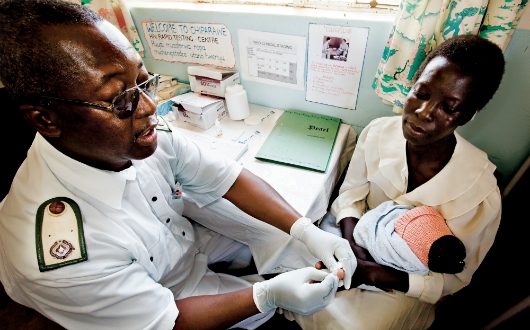
This past week, Cuba has been a hot topic in the media. News about bridged U.S.–Cuba relations has taken over the news circuit. But Cuba has also recently reached a public health milestone in the fight against AIDS. Cuba has virtually eliminated HIV and syphilis mother-to-child transmission.

Health officials in the country credit a combined task force from the World Health Organization and the Pan American Health Organization. These organizations implemented programs aimed at improving prenatal care, sexually transmitted infection and HIV testing for pregnant women and their partners, treatment for mothers and babies, Cesarean section deliveries and substitutes for breastfeeding. These services were provided through a universal healthcare system to increase accessibility and affordability, two huge components of any health-related intervention program.

Worldwide, over 1.4 million women with HIV become pregnant, which if untreated, puts 15 to 45% of their babies at risk of infection at birth. However, by providing antiretroviral medicines to pregnant women and children after birth, the risk of transmission to their children can be reduced to a mere 1%. Reducing transmission rates is largely a case of improving accessibility and affordability. Through Cuba’s integration of maternal and child health programs with HIV and sexually transmitted infection programs, they can combat the problem on all fronts. By providing services through a universal health system, more women from varying income levels and geographical locations were able to take advantage of them.

The success brings hope in a long fight against HIV/AIDS. The case in Cuba is an encouraging step towards eradicating AIDS, despite not having a cure. The success also serves as an example for countries around the world to analyze and model programs after in their individual battles against the AIDS epidemic. The evidence supporting universal healthcare has gained new support from the Cuba’s success and as other countries continue to try to reduce transmission rates, they may be more compelled to imitate Cuba.

– Emma Dowd

Sources: CNN, Global Research, Time, Washington Post
Photo: Time

July 24, 2015
https://borgenproject.org/wp-content/uploads/borgen-project-logo.svg 0 0 Borgen Project https://borgenproject.org/wp-content/uploads/borgen-project-logo.svg Borgen Project2015-07-24 08:58:322024-12-13 17:51:50Cuba’s Mother-to-Child Transmission Victory
Disease, Global Poverty

A New “Leash” on Life: India’s Stray Dogs

India’s_Stray_Dogs

While the nation of India has found its own new lease on life as it begins to become heavily industrialized, the furry members of its society are facing some new challenges.

For decades India has struggled with the issue of stray animals, and while cows and elephants are considered holy and treated with respect, the dogs and cats of India are facing a much harder time in their attempts to stay alive.

According to the World Health Organization, there are around 18,000 reported cases of rabies every year in India. In order to remedy this, India’s government had called for the euthanization of India’s stray dogs; however, after much discussion, the Animal Welfare Board of India (AWBI) has asked many states to hold off on this action and attempted to vaccinate the stray animals against several diseases. Essentially, the AWBI believes that such actions taken against these animals is inhumane, as there is no clear distinguishing factor that determines whether an animal should be put down or vaccinated.

When walking the streets of India, it is very common to see dogs and cats roaming around, but travelers are advised not to pet them or interact with them, as they often find food in waste piles and are thus highly prone to disease and infection. However, many residents have been taking care of these animals for years; these animals are thought to have migrated over along with the original inhabitants of the land, thus creating a very blurry line as to which animals are stray and which have been domesticated. The issue with the current laws is that there is no defining point at which an animal becomes a family member and at which point it is still a stray. Many animal rights groups working alongside citizens have been fighting for this distinction to be made.

For now, the AWBI is advising the government to hold off on any euthanization or vaccination tactics that may be used to reduce the stray animal population. Some experts have proposed the idea of neutering definitively stray dogs and cats, so as to reduce the population. Many experts have made it clear that the key to reducing this issue is to better understand the animals themselves and their behavior. Most healthy animals will not bite or scratch a human unless they feel threatened, so a better understanding of animal behavior will allow citizens to express proper caution when dealing with them.

While the government of India remains at a standstill, citizens and animal rights groups have begun to press for better adoption systems and more definitive lines as to an animals ownership. Euthanization of these animals is effectively going against the Indian Supreme Court ruling against the killing of animals, and harm and cruelty toward animals. Many petitions and protests have been held against this action, but no decision has been reached. There is still a long road ahead for these furry friends, but it looks like there may be a light at the end of this very long tunnel.

– Sumita Tellakat

Sources: CNN, BBC
Photo: CNN

July 23, 2015
https://borgenproject.org/wp-content/uploads/borgen-project-logo.svg 0 0 Borgen Project https://borgenproject.org/wp-content/uploads/borgen-project-logo.svg Borgen Project2015-07-23 09:35:322020-07-07 14:39:23A New “Leash” on Life: India’s Stray Dogs
Disease, Global Health, Global Poverty, Health

The Debilitating Effects of Schistosomiasis

The Debilitating Effects of Schistosomiasis-TBP
Among neglected tropical diseases, few are harder to pronounce than Schistosomiasis, a parasitic infection spread through fresh water. Fewer still are more deadly. According to the Center for Disease Control, “In terms of impact, this disease is second only to malaria as the most devastating parasitic disease.” Currently, Schistosomiasis infects more than 200 million people worldwide.

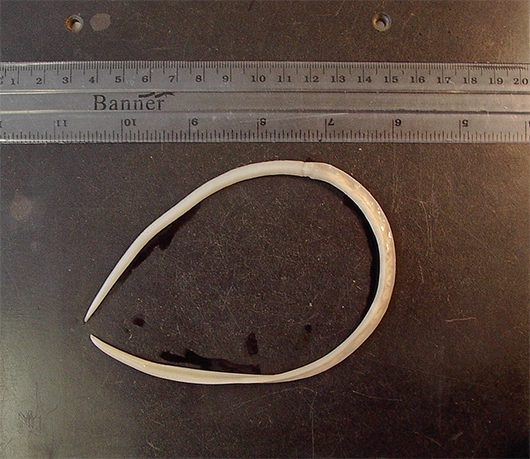
Found mostly in Africa and parts of South America and Asia, Schistosomiasis, or bilharzia, is quite an unpleasant disease. It spreads through parasitic blood flukes, also known as schistosomes, which live in certain types of fresh water snails. These schistosomes are tricky creatures and infect their victims with their larvae simply through skin contact in contaminated fresh water.

Once inside the victim’s body, the larval schistosomes mature over the course of several weeks into adult flatworms. These worms then make their way to the victim’s blood vessels where they reach full maturity and mate, producing eggs. The eggs then exit the body through the victim’s urine and stools. From there, the cycle begins again.

Oddly enough, it is not the worms themselves that cause problems but the body’s reaction to the eggs. On their way out of the body, many of the eggs become stuck in the intestine and bladder, which leads to inflammation and scarring of vital organs.

While the short-term symptoms of bilharzia are similar to that of the flu, its long term effects cause much more damage. Chronic bilharzia can cause bladder cancer, infertility and the enlargement of the liver and abdomen. It remains unknown as to how many die annually from the disease but estimates range between 20,000 and 200,000 people.

However, most victims of this neglected tropical disease continue to live for years with it. For chronic sufferers, life becomes increasingly difficult. In fact, the economic consequences of bilharzia rival its health complications. Sufferers often are too debilitated to support themselves and essentially become disabled. It has the greatest impact on children. Youth that suffer from chronic bilharzia experience stunted growth and learning difficulties, which can lead many to drop out of school. Unsurprisingly, due to its economic burden, researchers have linked instances of Schistosomiasis with poverty.

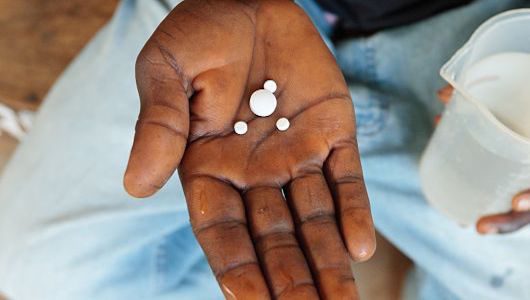
Fortunately, an effective treatment called praziquantel can rid the body of the parasite and cure the disease. Best of all, it is cheap. One treatment of praziquantel costs about 20 to 30 cents and is often available free of charge in some heavily afflicted regions of Sub-Saharan Africa. In 2012, 35 million people were treated for bilharzia with this drug.

With such a cheap and effective drug, the primary strategy of the World Health Organization (WHO) is that of mass treatment without even an individual diagnosis. These mass treatments focus on vulnerable communities like those that live and work near fresh water sources and also school children. In some areas with lower levels of transmission, many officials believe that they can eradicate this disease.

Other methods of prevention involve stopping bilharzia at its source: its freshwater snail hosts. Some efforts have aimed to focus on killing the host snails by using chemical treatments on fresh water sources. However, this has negative effects on surrounding animals and also must be continued to prevent snails from returning. Beyond medicine, the best form of prevention is simply adequate hygiene and sanitation.

While the victims of bilharzia have begun to receive more treatment, a large amount of work still remains. According to a recent WHO epidemiological record, about 40 million people received treatment for Schistosomiasis, which represents only 12.7% of the population requiring preventative treatment measures for Schistosomiasis globally. With medicine so effective, it is tragic that so many should go untreated.

– Andrew Logan

Sources: CDC, The End Fund, NCBI, WHO 1, WHO 2
Photo: Carter Center

July 18, 2015
https://borgenproject.org/wp-content/uploads/borgen-project-logo.svg 0 0 Borgen Project https://borgenproject.org/wp-content/uploads/borgen-project-logo.svg Borgen Project2015-07-18 08:12:362024-05-27 09:25:42The Debilitating Effects of Schistosomiasis
Disease, Global Poverty, Health

What is Being Done for Human African Trypanosomiasis

Sleeping-Disease
Human African Trypanosomiasis (HAT), also known as Sleeping Disease, is prevalent in Sub-Saharan Africa, affecting rural, poverty-stricken populations with close to 10,000 new cases each year. There are 2 strands of the disease: East African Trypanosomiasis and West African Trypanosomiasis. Both strands are only spread in rural Africa via the bite of tsetse flies and cause similar symptoms, but the incubation periods and medications used are slightly different.

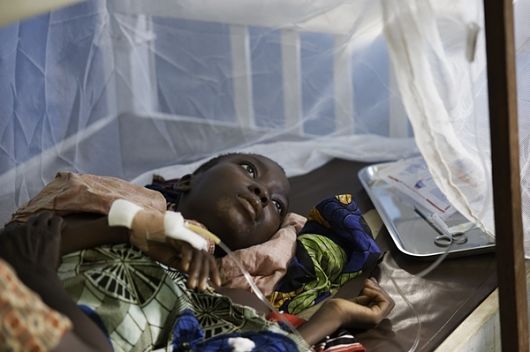
A tsetse bite infects the patient with a parasite, which then lives in the host’s lymphatic system and blood stream. There is also a chance that a pregnant woman can pass the infection on to her child. HAT can cause headaches, fever, weakness, joint pain, stiffness and irregular sleep patterns in its first stages. When the infection advances and crosses over into the host’s nervous system, psychiatric disorders, seizures, coma and death can occur.

The East African strain, named for the region that it is typically found, is the least common of the two with only a few hundred people becoming infected each year. This strain moves particularly fast, though, as patients see symptoms within 1-3 weeks and, if left untreated, death can occur within a few months. This strain is also a bit harder to control, as it is a zoological disease—several animals are able to host the parasitic strain.

The West African strain is the most common with 7,000-10,000 new cases reported each year. This strain can be hard to detect because symptoms can take up to a few months to surface and death can occur after the patient has been infected for several years. This strain, even with its prevalence, can be easier to contain, as humans are the primary hosts of infection. Effective treatment of infected humans will help stop the spread of the disease.

There are medications to help people combat the disease, but different medications are used depending on the stage of infection. Detection can be difficult and the medicine can be expensive, which makes treatment less accessible to those infected, as they reside primarily in rural areas. Spinal taps must be administered to ensure that the disease has not breached the central nervous system, which would cause the treatment plan to change. Even after a patient is considered cured, he or she must undergo routine screening, including a spinal tap, for up to two years. Even with precautions in place, relapse remains possible.

Even with few infected tsetse flies and a relatively small number of cases, the disease saw a resurgence of new cases after several years of latent activity. Nevertheless, the number of new cases are once again reducing every year; reports to the World Health Organization (WHO) have gone from 300,000 in 1995, down to just over 17,000 in 2004, below 10,000 in 2009 and only 7,139 in 2010.

Unfortunately, there is no vaccine available for HAT and recovery from a case does not result in immunity, yet progress is being made.

The WHO has taken great measures to aid African countries that are considered endemic: “technical assistance, access to diagnosis, training [and] access to treatment.” When these areas are focused on, things improve. Access to treatment has been a priority for the WHO because the medicine used for the second stage of the West African strain is an arsenic derivative. New treatments are being worked on to reduce the need for medicines that are accompanied by detrimental side effects.

Not every tsetse fly carries the disease, but the higher number of bites a person gets increases a person’s chance of becoming infected. The Centers for Disease Control (CDC) tells U.S. travelers to wear protective clothing when traveling in rural African areas with lots of brush, wear neutral colors that do not attract the flies, inspect vehicles for flies, avoid bushes, and use insect repellent. Repellent does not guaranteed protection against the tsetse fly, but it will help.

This disease’s resurged because it was ignored for a time. With the CDC’s suggestions and the WHO’s work in the field, the disease could become virtually non-existent in a short time if the decline seen in recent years continues. The medication used will help people gain their lives back and once again become productive members in their society. With all the good work being done to get rid of HAT, this disease could become a thing of the past in rural sub-Saharan communities.

– Megan Ivy

Sources: CDC, WHO, PLOS
Photo: the journal.ie

July 17, 2015
https://borgenproject.org/wp-content/uploads/borgen-project-logo.svg 0 0 Borgen Project https://borgenproject.org/wp-content/uploads/borgen-project-logo.svg Borgen Project2015-07-17 15:07:162024-05-27 09:26:07What is Being Done for Human African Trypanosomiasis
Development, Disease, Education, Global Poverty

Rosenkranz Prize Winners Dedicated to Improving Healthcare in Developing Countries

Rosenkranz Prize
The Rosenkranz Prize aims to fund the work of Stanford University’s rising research stars who have the desire to improve healthcare in developing countries but who lack the necessary resources.

Most grants in the scientific field are awarded to established researchers. But because the Rosenkranz Prize is awarded to rising researchers, it is able to split funds between two young researchers.

Marcella Alsan, MD, PhD, is investigating how the division of labor among men and women begins at a young age in the developing world. Alsan theorizes that this is because young girls are responsible for taking care of younger siblings, missing endless days of school.

Alsan states, “Anecdotally, girls must sacrifice their education to help out with domestic tasks, including taking care of children, a job that becomes more onerous if their youngest siblings are ill.”

More than 100 million girls worldwide do not complete secondary school. Alsan will be analyzing whether medical interventions in children under the age of 5 show an increasing trend in schooling for their older sisters.

By analyzing this data, Alsan will be able to prove or disprove if sick siblings affect their older sister’s school participation. If this thesis proves true, implementing medical interventions in younger children will increase the number of girls in school. By completing school, girls will be able to not only take care of family and their own children but also have a strong background in education.

The second Rosenkranz Prize winner, Jason Andrews, an infectious disease specialist, is focusing his funds on the development of cheap, effective diagnostic tools for infectious diseases.

Andrews recalls working in rural Nepal as an undergraduate student and “founded a nonprofit organization that provides free medical services in one of the most remote and impoverished parts of the country . . . one of the consistent and critical challenges I encountered in this setting was routine diagnosis of infectious disease.”

Andrews realizes that the diagnoses are hindered by lack of electricity, limited laboratory resources and lack of trained personnel. To eliminate these obstacles, Andrews is developing “an electricity-free, culture-based incubation and identification for typhoid; low-cost portable microscopes to detect parasitic worm infections; and most recently an easy-to-use molecular diagnostic tool that does not require electricity.”

Andrews does not want to develop new diagnostic approaches. Rather, Andrews believes he can develop the diagnostic approaches already in place to function in an affordable and accessible manner.

With the Rosenkranz Prize, Andrews is also able to develop a simple, rapid, molecular diagnostic or cholera that is 10 times more sensitive than the tests currently available. Andrews plans to test this new technology in Nepal.

The Rosenkranz Prize has allowed two individuals dedicated to helping healthcare in developing countries by providing the necessary funding. With the help of Alsan, girls may be able to attend school without worrying about ill siblings, and Andrews has shed light on the problems facing many developing countries when providing medical help. But by further developing the diagnostic approaches available, healthcare will change for the better.

– Kerri Szulak

Sources: Scope, Stanford
Photo: PickPik

July 11, 2015
https://borgenproject.org/wp-content/uploads/borgen-project-logo.svg 0 0 Borgen Project https://borgenproject.org/wp-content/uploads/borgen-project-logo.svg Borgen Project2015-07-11 07:59:042024-05-27 09:25:35Rosenkranz Prize Winners Dedicated to Improving Healthcare in Developing Countries
Disease, Global Poverty, Health, Malaria

5 Things You Didn’t Know About Malaria

Five-Things-You-Didn't-Know-About-Malaria
Malaria is a disease caused by Plasmodium parasites, which are carried by Anopheles mosquitos. The mosquitos thrive in high temperatures, making malaria more common in tropical and subtropical regions. According to the Center for Disease Control, common symptoms include fever and flu-like illness, along with other issues, depending on the strain. The disease can also cause anemia and jaundice. Without treatment, malaria can lead to more severe issues and can be fatal. The following are some lesser known facts about the disease.

1. The United States was not considered free of malaria until 1951.

While many picture malaria being concentrated in more tropical areas, malaria was once prevalent across the globe. Malaria has been eliminated from several mild-weathered developed countries. In order to be considered officially free of a disease, a country needs to have no new cases of the disease for three years. The United States did not completely eliminate malaria until 1951, according to the Gates Foundation.

2. There are five species of Plasmodium parasites that cause malaria in humans.

P. falciparum, the deadliest of the species, can be found in tropical and subtropical areas around the world and is especially predominant in sub-Saharan Africa.

Another species, P. vivax, is the most prevalent of the five species and is found mostly throughout Asia, Latin America and some parts of Africa. Meanwhile, P. ovale is found predominantly in West Africa. P. vivax and P. ovale are both dormant for several months or years before they activate within an infected human being.

While these three species have a two-day replication cycle, P. malariae has a three-day cycle. Without treatment, this species can create a chronic infection that can last throughout one’s lifetime.

Finally, P. knowlesi is a species found in Southeast Asia that was recently shown to be a cause of zoonotic malaria. This species has a one-day replication cycle.

3. Malaria can either be categorized as uncomplicated or severe.

Uncomplicated malaria attacks tend to last between 6-10 hours and generally involve a cold stage, a hot stage and a sweating stage. Meanwhile, severe malaria is much more likely to be fatal. It involves infections of organs or the blood and can lead to abnormal neurological behavior, kidney failure, severe anemia, seizures or other effects.

4. The treatment used in the 17th Century is still used widely today.

In the early 17th century, indigenous tribes in Peru taught Jesuit missionaries about the cinchona tree’s medicinal bark and its effectiveness in treating fevers. The medicine from the bark is known as quinine, which has been seen as one of the most effective drugs in treating malaria. It is still one of the major antimalarial drugs used to treat the disease today.

5. There is a positive correlation between malaria and poverty.

While it is argued that both conditions feed into one another, it is clear that poor countries, who are most severely affected, have the least access to effective treatment and services for malaria. Malaria does not only affect both the physical and economic health of individuals, but it also affects the health of nations who need to deal with malaria systematically. According to the World Health Organization, Africa spends roughly $12 million annually addressing problems related to malaria, and economic growth in malarious African nations is therefore slowed by up to 1.3 percent annually.

– Arin Kerstein

Sources: CDC, Earth Institute, Gates Foundation, World Health Organization 1, World Health Organization 2
Photo: Centers for Disease Control and Prevention

July 6, 2015
https://borgenproject.org/wp-content/uploads/borgen-project-logo.svg 0 0 Borgen Project https://borgenproject.org/wp-content/uploads/borgen-project-logo.svg Borgen Project2015-07-06 15:15:112024-12-13 17:51:315 Things You Didn’t Know About Malaria
Children, Disease, Global Poverty, Hunger

Global Hunger: Five Things to Know

global_hunger
While hunger has always been a ubiquitous concern among humanitarian and developmental organizations, it is often misunderstood. Here are five things to keep in mind when considering a problem affecting millions around the world:

1. Hunger is widespread.
The United Nations estimates there are 795 million hungry people today, mainly rural people in developing nations. Although hunger is a global problem, it is concentrated primarily in Asia and sub-Saharan Africa. India has the most hungry people: 194.6 million, which is roughly 24 times the population of New York City.

2. It affects children the most.
Hunger is the leading cause of death for children under five. That is about 3.1 million deaths per year, according to the World Food Programme (WFP). Hunger also causes physical and cognitive stunting; a fourth of children worldwide suffer from this condition. Without proper nutrition, children cannot develop strong bodies and minds. The first 1,000 days of a child’s life are especially important.

3. It’s caused by poverty and waste.
A common misconception is that hunger is caused by global food scarcity or overpopulation. In fact, a third of the food the world produces goes to waste every year. Poverty and the unequal distribution of resources are actually the leading causes of hunger. It is often made worse by disasters, both natural and man-made.

4. It weakens the immune system and helps disease spread.
A proper diet is essential to a functioning immune system. Nutritionally deficient people are more likely to become infected with disease, more likely to suffer worse symptoms and less likely to recover. The World Health Programme estimates that iron deficiency is the most widespread nutritional concern, affecting almost two billion people. Vitamin A deficiency is also a cause for concern, especially among children and pregnant women.

5. It can be solved during our lifetime.
José Graziano da Silva, director-general of the Food and Agriculture Organization, recently called on the world to become the “Zero Hunger generation.” Hunger is a problem that can be solved and organizations around the world have made great progress to date. The WFP calls this effort a “best buy” because it can be very cost-efficient. For example, a child only needs 25 cents per day to receive the essential nutrients and vitamins, according to the WFP. That’s why the United Nations made global hunger a top priority in its Millennium Development Goals. That effort was a success; according to a recent report, 72 of 129 nations monitored by the United Nations met their goal by 2015. But the work continues.

– Kevin McLaughlin

Sources: U.N. Food and Agricultural Organization, UNICEF, World Food Programme, World Health Organization
Photo: Humanosphere

June 27, 2015
https://borgenproject.org/wp-content/uploads/borgen-project-logo.svg 0 0 Borgen Project https://borgenproject.org/wp-content/uploads/borgen-project-logo.svg Borgen Project2015-06-27 09:30:522024-12-13 17:49:34Global Hunger: Five Things to Know
Disease, Food & Hunger, Global Poverty

Ten Poverty Statistics You Should Know

Ten Poverty Statistics You Should KnowThe following are ten poverty statistics that any advocate should know and be able to share with others. They describe the global poverty situation:

1. Globally, there are over 1 billion children living in poverty.

2. 1/4 of all humans live without electricity — approximately 1.6 billion people.

3. The World Food Programme says, “The poor are hungry and their hunger traps them in poverty.” Hunger is the number one cause of death in the world, killing more than HIV/AIDS, malaria, and tuberculosis combined.

4. Gender discrimination is widely recognized as a major contributor to children living in poverty and creating disparities in how resources are earned, valued and distributed based on power relationships between men and women. These poverty-induced relationships lead to tens of millions of children becoming victims of exploitation, violence and abuse.

5. Global poverty leads to global hunger, as people living in poverty cannot afford nutritious food for themselves and their families. This creates a vicious cycle where a lack of food makes people weaker and less able to earn money, preventing them from escaping poverty and hunger.

6. Poverty is closely linked to the inability to access clean water and proper sanitation. More than 750 million people lack adequate access to clean drinking water.

7. The disadvantages of poverty are closely linked to an increased risk of disease. For example, diarrhea, which is caused by inadequate drinking water, sanitation and hand hygiene, kills an estimated 842,000 people every year globally, or approximately 2,300 people per day. With the increased risk of disease, those under the poverty line have little access to basic medical attention, causing preventable diseases like diarrhea and pneumonia to take the lives of 2-3 million people a year.

8. 80 percent of the world’s population lives on less than $10 a day, well below the standard of the Quality of Life Index.

9. A quarter of all people live without electricity — approximately 1.6 billion people.

10. The cost of eradicating world poverty is estimated at 1 percent of global income, whereas other financial endeavors such as military spending in the U.S. alone can reach over $691.22 billion.

– Alysha Biemolt

Sources: 11 Facts About Global Poverty, Global Issues, UNICEF, United Nations World Food Programme
Photo: Flickr

June 19, 2015
https://borgenproject.org/wp-content/uploads/borgen-project-logo.svg 0 0 Borgen Project https://borgenproject.org/wp-content/uploads/borgen-project-logo.svg Borgen Project2015-06-19 01:01:522024-05-27 09:24:11Ten Poverty Statistics You Should Know
Disease

Mine Sniffing Rats, the Future of Detection?

Mine-Sniffing-Rats
An unlikely candidate to saving lives comes to mind when looking at the Gambian pouched rat. Almost blind, but with an extraordinarily strong sense of smell, these rats can detect the most minute odors that can lead to saving human lives.

With this unique sense of smell, these rats in rural Africa are being trained to detect land mines in Africa that are remnants of civil war. Being light enough to not trigger the mines, these rats can sweep over a minefield quicker and more effectively in two hours than the traditional 2-3 days through the human method of metal detectors.

Mine-laying became a common military practice in the late 1970s, and while thousands of mines may have been laid, very few were actually detonated during wars. In countries like Cambodia, mines that have been unaccounted for have have lead to 64,00 casualties since 1979, as well as 25,000 people living with amputations.

As land mines are a hidden threat, they pose a danger to unsuspecting passersby; children on their way to school, and men and women just doing their daily tasks, can all be susceptible to this realistic terror. This is why training the Gambian rats is so useful and important to these rural areas.

With this keen sense of smell, researchers have found that they can not only detect the minute smells of land mines, but can also detect diseases like tuberculosis faster and cheaper than with a laboratory microscope. The rats are able to do this by smelling the bacteria that lives within an infected person.

This amazing realization has saved thousands of dollars for developing countries as the World Health Organization’s current endorsed detection machinery, which costs $17,000 with each individual test requiring $17 for equipment.

Studies have recently suggested that the Gambian pouched rat can do even better. With its keen, sensitive sense of smell and ability to be trained, the future possibilities for the functionality of this amazing animal are astounding.

– Alysha Biemolt

Sources: NYTimes, NYTimes, Child Fund
Photo: Mirror

June 16, 2015
https://borgenproject.org/wp-content/uploads/borgen-project-logo.svg 0 0 Borgen Project https://borgenproject.org/wp-content/uploads/borgen-project-logo.svg Borgen Project2015-06-16 14:55:282020-07-15 23:10:32Mine Sniffing Rats, the Future of Detection?
Disease, Global Health, Health

Can the Measles Vaccine Ward Off ‘Immune Amnesia’?

measles_vaccine
Scientists are speculating that the measles vaccine does more than prevent measles. A new study published in the journal “Science” found that children that were vaccinated did not just avoid the measles, they also eluded infectious illnesses such as pneumonia, influenza and tuberculosis.

Historically, each time the measles vaccine was introduced, childhood mortality dramatically went down by 30 to 50 percent in some countries and by 90 percent in severely destitute nations.

Today the vaccine is hailed as one of the most effective operations in public health in recent history.

The World Health Organization has asserted that the vaccine is linked to a hefty decrease in child mortality no matter what the infectious illness is. Following widespread vaccination, childhood deaths due to infectious disease fall by 50 percent.

Michael Mina is a post-doctorate at Princeton University and a medical student at Emory University. He and his team performed a recent study using computer models to predict the mortality rate for infectious diseases in the next few years.

The team looked at figures collected from the U.S, Denmark, England and Wales. Numbers dated back to the 1940s.

In every location, the presence of measles was linked by some degree to the rate of mortality. The magnitude of the affect was different for each country because, most likely, health care underwent changes during the 70-year stretch.

From the evidence, Mina and his colleagues concluded that being infected with measles leaves children susceptible to other infectious diseases for an average time span of 28.3 months, or about two or three years.

Measles is a severe immunosuppressor, increases a host’s likelihood of contracting other diseases. Most viruses have this effect, but measles takes it even further. It actually obliterates any immunity the host once had.

After going through a measles infection, “the immune system kind of comes back. The only problem is that it has forgotten what it once knew,” Mina explains.

For example, if a child gets sick with pneumonia, they build up antibodies which prevent the child from contracting the disease again. But if that child then catches the measles, their immune system loses that protection and they could contract pneumonia once more.

Persuasive evidence from the new study contributes to the belief that measles affects a person’s immunity and, therefore, their overall mortality. Thus, the measles vaccine could decrease mortality to a much larger degree than originally thought.

Still, scientists still have not been able to supply enough evidence as to why this phenomenon happens. They have only come up with “immune amnesia” as a theory. There is still more testing to be done.

Even so, no one can ignore the overwhelming evidence that eliminating measles lessens the risk of contracting other infectious diseases. It is just another incentive for people, especially children, to be vaccinated.

Reductions in mortality have been observed in the U.S., England and other parts of Europe and are still seen in developing countries each time the vaccine is instituted.

– Lillian Sickler

Sources: NPR, U.S. National Library of Medicine, Research Gate, Online Post, ARS Technical
Photo: Flickr

June 16, 2015
https://borgenproject.org/wp-content/uploads/borgen-project-logo.svg 0 0 Borgen Project https://borgenproject.org/wp-content/uploads/borgen-project-logo.svg Borgen Project2015-06-16 14:38:512024-06-04 01:08:10Can the Measles Vaccine Ward Off ‘Immune Amnesia’?
Page 67 of 74«‹6566676869›»

Get Smarter

  • Global Poverty 101
  • Global Poverty… The Good News
  • Global Poverty & U.S. Jobs
  • Global Poverty and National Security
  • Innovative Solutions to Poverty
  • Global Poverty & Aid FAQ’s
Search Search

Take Action

  • Call Congress
  • Email Congress
  • Donate
  • 30 Ways to Help
  • Volunteer Ops
  • Internships
  • Courses & Certificates
  • The Podcast
Borgen Project

“The Borgen Project is an incredible nonprofit organization that is addressing poverty and hunger and working towards ending them.”

-The Huffington Post

Inside The Borgen Project

  • Contact
  • About
  • Financials
  • President
  • Board of Directors
  • Board of Advisors

International Links

  • UK Email Parliament
  • UK Donate
  • Canada Email Parliament

Get Smarter

  • Global Poverty 101
  • Global Poverty… The Good News
  • Global Poverty & U.S. Jobs
  • Global Poverty and National Security
  • Innovative Solutions to Poverty
  • Global Poverty & Aid FAQ’s

Ways to Help

  • Call Congress
  • Email Congress
  • Donate
  • 30 Ways to Help
  • Volunteer Ops
  • Internships
  • Courses & Certificates
  • The Podcast
Scroll to top Scroll to top Scroll to top