• Link to X
  • Link to Facebook
  • Link to Instagram
  • Link to TikTok
  • Link to Youtube
  • About
    • About Us
      • President
      • Board of Directors
      • Board of Advisors
      • Financials
      • Our Methodology
      • Success Tracker
      • Contact
  • Act Now
    • 30 Ways to Help
      • Email Congress
      • Call Congress
      • Volunteer
      • Courses & Certificates
      • Be a Donor
    • Internships
      • In-Office Internships
      • Remote Internships
    • Legislation
      • Politics 101
  • The Blog
  • The Podcast
  • Magazine
  • Donate
  • Click to open the search input field Click to open the search input field Search
  • Menu Menu

Archive for category: Disease

Information and news about disease category

Disease, Global Health, Global Poverty, Sanitation, Water

Trachoma in Ethiopia: What It Is and What Is Being Done

Trachoma_in_Ethiopia
Trachoma is an endemic disease in Oromia, the largest and most populous state of Ethiopia. The disease has caused an impairment of vision in 2.2 million people in the world as the leading infectious cause of blindness.

The combination of poor sanitation and minimal access to clean water increases the risk of infection and nearly 229 million people in the world live in high-risk areas. Women are more susceptible to infectious trachoma than men because of their higher exposure to young children who are typically the bearers of the disease.

Eighty percent of Ethiopians live in rural areas with poor sanitation and little access to clean water. Seventy-six million people in Ethiopia are at risk of contracting blinding trachoma and another 800,000 people are at risk of irreversible blindness if they do not receive surgery.

Ethiopia only has 120 ophthalmologists and the majority of them work in Addis Ababa. The country is ill-equipped to destroy the disease on its own although the surgical procedures are simple and quick.

The Fred Hollows Foundation is a non-governmental organization focused on eliminating preventable blindness. The organization’s work in Ethiopia is focused mainly on the implementation of the SAFE strategy recommended by the World Health Organization in Oromia’s 225 endemic districts.

SAFE is an acronym for Surgery, Antibiotics, Face-washing, and Environmental improvements. Changing the way people manage personal hygiene has been one of the ways they are trying to reduce the risks of trachoma.

The Fred Hollows Foundation and its partners treated 5,637,226 people with antibiotics and performed more than 7,000 lid surgeries in 2014 alone. They also trained 36 surgeons and 10 clinic support staff as well as supplied $126,747 worth of equipment used to treat trachoma in Ethiopia.

According to the Fred Hollows Foundation website, “What is needed [to eliminate trachoma in Ethiopia] is a significant scale-up of the SAFE strategy, including resources, expertise and commitment from regional and local governments and development organizations in the water, sanitation and hygiene sectors.”

– Iona Brannon

Sources: Al Jazeera, The Fred Hollows Foundation, World Health Organization
Photo: Flickr

October 4, 2015
https://borgenproject.org/wp-content/uploads/borgen-project-logo.svg 0 0 Borgen Project https://borgenproject.org/wp-content/uploads/borgen-project-logo.svg Borgen Project2015-10-04 07:21:502024-05-27 09:27:41Trachoma in Ethiopia: What It Is and What Is Being Done
Disease, Global Health, Global Poverty, Malaria

New Global Fund Grants Assist Ghana

Ghana
The president of Ghana announced at a ceremony earlier this month that the West African nation’s government has signed new grants with Global Fund, an international financing organization that invests around $4 billion a year to support programs fighting AIDS, malaria and tuberculosis (TB).

The seven new grants, totaling $248 million, come from many supporters, including the U.S. President’s Emergency Plan for AIDS Relief, the U.K. Department for International Effort, the European Union, Denmark, Korea, UNICEF, UNAIDS and WHO, among others.

The primary objective of the grants is to increase how many people receive protection and treatment for HIV, malaria and TB. Specifically, the key targets address certain aspects of prevention and treatment and aim to complete the goals by 2017.

Among the goals of the grants are for 140,448 people to be assured antiretroviral treatment to control HIV, as well as increase coverage for an additional 32,246 pregnant women.

The funds will also aim to expand services to protect key affected populations from HIV, including 65 percent of female sex workers, 88 percent of homosexual men, and 80 percent of inmates, in addition to providing annual testing services for 20 percent of the general population.

In terms of malaria, the funds will be used to secure treatment for 80 percent of children under five, as well as have mosquito nets in 70 percent of households.

For TB, the goal is to double case notification rates to 103 per 100,000 and make sure 100 percent of drug-resistant patients on second-line treatment are covered for treatment, up from 42 percent in 2013.

Additionally, Ghanaian officials want to use the funds to better integrate treatment for HIV and TB in community health clinics.

The government of Ghana also plans to use domestic funds to cover the expenses for antiretroviral drugs for 22,000 current patients and 11,000 new patients.

The nation was the first to sign a grant with Global Fund, doing so in 2002, seeing advances in overall health as a result.

Since 2010, there has been a 43 percent decrease in new HIV infections, and between 2009 and 2014, there was a 51 percent drop in new infections in children. The percentage of coverage dealing with preventing mother-to-child transmission is now at 81 percent, up from 32 percent.

Successes have also been seen in preventing and treating malaria and TB, as government officials and other organizations have distributed a combined 19 million mosquito nets, as well as detected and treated 76,000 new TB cases and having 88,000 people currently in antiretroviral therapy.

– Matt Wotus

Sources: AllAfrica, The Global Fund
Photo: Pixabay

September 29, 2015
https://borgenproject.org/wp-content/uploads/borgen-project-logo.svg 0 0 Borgen Project https://borgenproject.org/wp-content/uploads/borgen-project-logo.svg Borgen Project2015-09-29 02:37:112024-12-13 18:04:57New Global Fund Grants Assist Ghana
Developing Countries, Disease, Global Health, Global Poverty

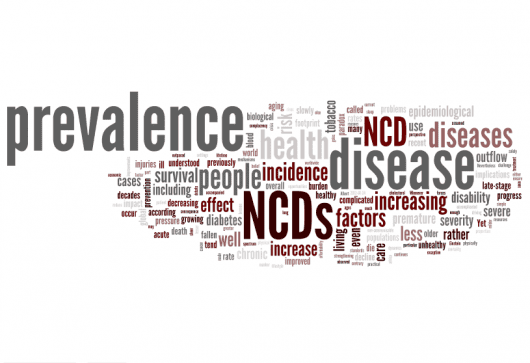
NCDs 101: How Do We Solve This Growing Problem?

ncd
The devastating effects of non-communicable diseases (NCDs) can be seen all around the globe. NCDs are responsible for the majority of deaths in developing countries, and they are not receiving the attention they need in order to be stopped.

NCDs are diseases that cannot be passed from person to person. Also known as chronic diseases, they last a long time and progress slowly. The four main types of NCDs are cardiovascular diseases, cancers, chronic respiratory diseases and diabetes. They can affect anyone of any age, gender, ethnicity, location or income.

However, the distribution of NCDs is not so equally spread. 80 percent of deaths caused by NCDs occur in low and middle-income countries, according to the World Health Organization (WHO).

As well as being concentrated in areas of poverty, NCDs have a large global impact. Sixty-eight percent of global deaths in 2012 were due to NCDs, and 42 percent were premature (before the age of 70) and avoidable, the WHO reports.

The combination of the prevalence of these diseases with the location (countries that are unable to help themselves), means that this problem is quickly growing out of control. Disease-specific solutions are being administered (vaccinations for AIDS, tuberculosis and malaria) in lieu of improving conditions so that NCDs are not even given a chance to affect a population.

Of course, vaccinations for communicable diseases are necessary as well, but they cannot be the sole solution in working toward better health. NCDs are proving to be more of a problem globally than other diseases, and, as such, the health conditions in suffering countries need our attention.

It is a fact that when measures are taken to prevent them, NCDs no longer majorly affect an area. This can be seen by the low numbers of deaths caused by NCDs in the U.S.–only 413 per 100,000 population in 2012 versus 967 per 100,000 in Mongolia, according to the WHO.

The difference between the U.S. and these affected countries is fewer risk factors. Tobacco use, unhealthy diet and physical inactivity are the top offenders, and lower-income countries lack the capacity to prevent and control these risks.

Although the UN has seen progress with its aid efforts, the focus on NCDs is lost. Goal six of the Millennium Development Goals (MDGs) lays out the initiative to combat HIV/AIDS, malaria and other diseases, but NCDs are not mentioned in the statistics.

For such a globally present cause of death, it would seem natural that NCDs would be a priority for 2015. However, that is simply not the case.

So, where do we go from here?

We know that if the major risk factors for NCDs were eliminated, around three-quarters of heart disease, stroke and type 2 diabetes would be prevented, as well as 40 percent of cancers, according to the WHO.

Health Affairs argues that Universal health coverage provides the opportunity for these diseases to be eradicated long-term. As far as combating NCDs, people in areas of extreme poverty need to be supplied with ways to obtain the necessary medicines without having to pay out-of-pocket.

More attention needs to be given to making accessible health care in developing countries a reality and taking care of those who are losing their lives due to preventable diseases.

In doing so, we must remember: we can conquer NCDs.

– Ashley Tressel

Sources: Health Affairs, UN, WHO, WHO 1, WHO 2, WHO 3, WHO 4
Photo: NotEnoughGood.com

September 29, 2015
https://borgenproject.org/wp-content/uploads/borgen-project-logo.svg 0 0 Borgen Project https://borgenproject.org/wp-content/uploads/borgen-project-logo.svg Borgen Project2015-09-29 02:16:102024-12-13 18:05:07NCDs 101: How Do We Solve This Growing Problem?
Developing Countries, Development, Disease, Global Poverty, Health

Experts to Create a Global Health Risk Framework

What is the Commission on Global Health Risk Framework
In response to recent outbreaks of infectious diseases such as Ebola, Middle East respiratory syndrome (MERS), severe acute respiratory syndrome (SARS) and H1N1, the National Academy of Medicine is coordinating a new Commission on Global Health Risk Framework. The framework will address the need for better local and global health infrastructure to stem the spread of diseases on a global scale.

The Commission is a multinational, independent board made up of 18 members from 11 countries. The National Academy of Medicine serves as the secretariat. Those serving on the board are members of their countries’ health ministries and funds while others work in universities and the insurance industry.

To create the framework, the Commission will convene four workshops, each lasting up to three days. Topics include governance for global health, financial responses to pandemic threats, resilient health systems, and research and development of medical products.

A wide range of experts will address the layout of related global initiatives, challenges and lessons learned from past health threats, and the reactions of governments, communities, and the private sector during threats.

The first public meeting was held in Washington D.C. on July 29, 2015. At the conclusion of the four workshops, the commission will publish a consensus report on how to address the issues raised and will provide detailed recommendations for fixing  problem areas. The report is scheduled for release by the end of 2015.

– Katherine Hewitt

Sources: NAM 1, NAM 2, News Medical
Photo: Flickr

September 19, 2015
https://borgenproject.org/wp-content/uploads/borgen-project-logo.svg 0 0 Borgen Project https://borgenproject.org/wp-content/uploads/borgen-project-logo.svg Borgen Project2015-09-19 01:30:452020-06-26 02:08:48Experts to Create a Global Health Risk Framework
Disease, Education, Global Poverty, Water

The Millennium Development Goals Results Show Success

The Millennium Development Goals Deadline Has Arrived
The Millennium Development Goals (MDGs) laid out eight specific targets to reduce extreme poverty and improve the living conditions of billions of people worldwide, from 2000-2015. The anticipated deadline has arrived and the results are positive, with a final report calling this “the most successful anti-poverty movement in history.”

Since 1990, the number of people living in extreme poverty has declined by more than half, falling from 1.9 billion to 836 million. In addition, according to the report the proportion of undernourished people in developing regions fell by almost half, from 23.3 percent in 1990-1992 to 12.9 percent in 2014-2016.

Below are more updated figures of the success of the MDGs:

  • Water: The target was met of halving the proportion of people who lack access to improved sources of water. Since 1990, 2.6 billion people have gained access to better water sources.
  • Mortality Rate: The under-five mortality rate has declined by more than half, from 12.7 million to less than 6 million and maternal mortality is down 45 percent worldwide.
  • Diseases: New HIV infections decreased by about 40 percent, from 2000 to 2013. In the same time period, tuberculosis prevention, treatment, and diagnosis solutions have saved the lives of 37 million. Since 2000, 6.2 million deaths of mostly children under 5 were prevented from malaria.
  • Education: The primary school enrollment rate in the developing regions has reached 91 percent with the number of children out of school dropping from 100 million to an estimated 57 million. There are also many more girls going to school compared to 15 years ago with an estimated two-thirds of developing countries closing the gender gap in education.

Despite significant gains, there are still issues to be addressed. The report indicates that gender equality, maternal health and extreme poverty and hunger remain problems in the effort to improve lives across the world.

Coming up this month, the global community will convene at the United Nations for a summit to establish a new development agenda and to adopt a set of Sustainable Development Goals (SDGs) that will provide a blueprint for policy and funding for the next 15 years.

– Paula Acevedo

Sources:  United Nations Development Programme, United Nations Foundation Blog,
Photo: Flickr

September 17, 2015
https://borgenproject.org/wp-content/uploads/borgen-project-logo.svg 0 0 Borgen Project https://borgenproject.org/wp-content/uploads/borgen-project-logo.svg Borgen Project2015-09-17 01:30:042024-12-13 18:04:36The Millennium Development Goals Results Show Success
Disease, Global Health, Global Poverty

Debates Over Deworming

Deworming
Although multiple studies have found that worm infections in developing countries should be treated with deworming pills, there is some debate within health organizations as to who qualifies for treatment. Currently there are 280 million children that are being treated for worms worldwide, but some experts believe that this is excessive.

When people are infected by worms, they suffer multiple ailments, primarily internal bleeding, which can lead to a loss of iron and anemia. Worms also cause diarrhea and malabsorption of nutrients. Compounding the problem, people also suffer a loss of appetite, which means they ingest less food overall. People most at risk are children and women of childbearing age.

Deworming people, especially children of a young age, has shown to be an effective measure to ensure that they stay in school for longer periods of time. A study conducted in Kenya after a deworming program showed that school absenteeism decreased by 25 percent. Even improved attendance in schools in which no children were treated within a three kilometer radius was remarked.

However, diagnosis is relatively expensive in developing countries because it involves a lab analysis of fecal matter, costing four to ten times the price of treatment. Some experts therefore recommend that mass deworming programs be carried out where a large number have been found to be infected.

This is currently the World Health Organization’s policy. Some scientists have challenged this practice, claiming that the available evidence is not enough to assure the safety or necessity of mass treatments. They believe that a lack of teachers, rather than absent children, are the cause of most problems in education in developing countries.

The deworming medication itself is extremely cheap, at just 30 to 40 cents per child. Many studies have suggested that this is a cost effective way of getting kids to go to school. These children also performed better at academic tests eight year later and at cognitive tests ten years later. In the southern United States, a deworming campaign in the early 1900’s had the same effects.

– Radhika Singh

Sources: The Conversation, Harvard University, Voxeu, WHO
Photo: Answers

September 5, 2015
https://borgenproject.org/wp-content/uploads/borgen-project-logo.svg 0 0 Borgen Project https://borgenproject.org/wp-content/uploads/borgen-project-logo.svg Borgen Project2015-09-05 08:22:322024-05-27 09:27:39Debates Over Deworming
Disease, Global Poverty, Malaria

Mosquirix: New Malaria Vaccine Approved

Mosquirix: New Malaria Vaccine Approved
Thanks to the efforts of GlaxoSmithKline and the generous support of The Bill and Melinda Gates Foundation, the world’s first malaria vaccine has been approved by regulators at the European Medicine Agency. The drug is called Mosquirix, and although it is likely not the end-all solution to the widespread disease, it is a stepping stone in the right direction.

GSK worked with the PATH Malaria Vaccine Initiative to create the immunization, which is meant for use in tropical and subtropical areas where the illness is prevalent and largely uncontrolled. Called RTS,S in its experimental stages, Mosquirix is designed for children 6-17 months old whose immune systems are still developing.

Mosquirix works to prevent malaria by attacking Plasmodium falciparum parasites. These parasites multiply in the livers of people affected by malaria and head into the bloodstream where they cause more severe symptoms. This approach to preventing malaria is different than those of other vaccines, which seek to take down viruses and bacteria.

The Bill and Melinda Gates Foundation contributed over $200 million to the drug’s research and development, and GSK is optimistic that it will be effective in reducing incidences of malaria in Sub-Saharan Africa where cases of malaria caused by the parasite are most common. Of the nearly 600,000 deaths related to malaria in 2013, 90 percent of these occurred in Sub-Saharan Africa; 83 percent in children under the age of five in the same region.

Studies show that Mosquirix reduces malaria cases by only a third and that its protection decreases in the long term. However, experts agree that some results are better than no results. In conjunction with other protective measures like insecticide-treated bed-nets, Mosquirix may become an important part of the malaria fight.

The main road bump for Mosquirix? Distribution. The vaccine may exist, but to the young children in Africa who need it, it may as well be a fantasy.

The question is whether the distribution of the vaccination to areas where it is needed is worth the time and the money. The World Health Organization is skeptical of the feasibility of Mosquirix’s implementation and has not yet issued a recommendation for its use. Officials at the WHO are worried that financing for the vaccine may “draw away from scaling up bed nets, effective drugs and rapid diagnostic tests for malaria.”

There is a reason that most vaccines are not made against parasites – unlike bacteria or a virus, a parasite has a complicated life cycle that transports it around the body. Parasites like those that cause malaria can remain living in the body for years.

However, the news that it is possible for a malaria vaccine to be developed and approved is promising. Whether or not Mosquirix achieves outstanding success, discussion surrounding it is undoubtedly paving the way for future malaria-related drug research.

– Katie Pickle

Sources: NBC News, Tech Times
Photo: Press Herald

August 29, 2015
https://borgenproject.org/wp-content/uploads/borgen-project-logo.svg 0 0 Borgen Project https://borgenproject.org/wp-content/uploads/borgen-project-logo.svg Borgen Project2015-08-29 01:30:272020-04-24 10:56:21Mosquirix: New Malaria Vaccine Approved
Developing Countries, Disease, Global Poverty, Government

No Over-the-Counter Aspirin in Delhi Spotlights Government Action

No Over the Counter Aspirin in Delhi Spotlights Government Action

The Delhi government has banned the sale of nonsteroidal anti-inflammatory drugs (NSAIDs) without a prescription. The restriction is set to last from August 15 until November 30, which is peak dengue fever season. For patients with dengue fever, NSAIDs can increase the risk of hemorrhage or death. Other precautions taken include increasing the number of beds available and keeping extra NS1 Antigen detection kits, blood and supplies in hospitals.

Additionally, all government buildings, including hospitals, have been asked to procure the National Center for Disease designed mosquito-proof air coolers (MPCs). Mosquito nets will also be provided to sentinel surveillance hospitals. The government has also made moves to reward or penalize those areas where breeding is or is not found, respectively. New warnings are expected to be drafted featuring more correct and simplified information so that the public can be better informed of the change and why it is being implemented.

Because dengue fever plagues nearly the entire developing world, it can be considered a developing country disease. The people that are most affected rely on correct information and government action to protect themselves. The cooperation of the Delhi government in response to an impending potential for a health crisis showcases how both health officials and government officials can work together to bring about a more efficient action. The ban will likely be successful in decreasing dengue-related deaths and could perhaps serve as a model for other places where dengue fever claims the lives of many. The emphasis on encouraging correct public knowledge of risks and preventing the spread of misinformation is a huge step towards public transparency and again can serve as a model.

The cross-sectional cooperation and move to enact such a ban before peak dengue season is also noteworthy, as the government was able to act quickly enough that they should see drastic results with the ban in regards to dengue-related deaths. Cooperation and a prevention-based movement are both good indicators of the success of a public health initiative. Results pending, the Delhi restriction can serve as a model prevention program for not only other countries plagued with dengue fever but for other illnesses with known risky associations.

– Emma Dowd

Sources: Financial Express, India Times, Merinews
Photo: One Healthcare Worldwide

August 19, 2015
https://borgenproject.org/wp-content/uploads/borgen-project-logo.svg 0 0 Borgen Project https://borgenproject.org/wp-content/uploads/borgen-project-logo.svg Borgen Project2015-08-19 07:23:132020-04-03 13:49:57No Over-the-Counter Aspirin in Delhi Spotlights Government Action
Disease, Global Poverty, Health, Malaria

Fight Against Malaria in Myanmar

Myanmar
In the global fight against Malaria, the drug, artemisinin, has been a common theme. However, with the ongoing rise of resistance to the drug, new approaches are needed. As the resistance spreads, it threatens to enter Myanmar by India, which then puts the entire African continent at risk.

Myanmar has a longstanding history of rigid ethnic division and an overall lack of cooperation in both domestic and international politics. However, the imminent danger posed by the potential for the spread of artemisinin-resistant Malaria could be bringing about a new era of cooperation. Since Malaria is a problem that everyone in the country is facing, the structure encouraged by conflict and the history of segregation is being weakened by necessity. People are beginning to realize that the risks posed by the resistance are so imminent and dramatic that there is no time to waste in upholding such strict separations.

With an election coming up in November, these discussions held between the opposing political parties are important. As the public sees that the government as a whole is making serious efforts to combat Malaria, there will likely be less distrust and suspicion, which could encourage participation in the elections. It is widely understood by both sides that the fight against malaria should not and cannot be subject to the ups and downs of political turmoil in the country.

Additionally, because most deaths from malaria are occurring in marginalized ethnic communities that have long battled the government, which has affected the access to and quality of medical care in those areas, the new view on and cooperation in the fight against Malaria will have to address the issue in order to reach the goal of eliminating Malaria by 2025. Myanmar has made an effort to prove to the U.S. that they are taking Malaria seriously so as to encourage foreign aid by inviting members of various ethnic groups and central government departments to convene in a meeting in Washington D.C. this past week, the timid first step towards collaboration to eradicate Malaria in Myanmar and to prevent the spread of the artemisinin-resistance to larger, vulnerable populations.

– Emma Dowd

Sources: Bangkok Post 1, Bangkok Post 2
Photo: Bangkok Post

August 15, 2015
https://borgenproject.org/wp-content/uploads/borgen-project-logo.svg 0 0 Borgen Project https://borgenproject.org/wp-content/uploads/borgen-project-logo.svg Borgen Project2015-08-15 01:30:262024-05-27 09:27:23Fight Against Malaria in Myanmar
Disease, Technology

Medical Microchips and Their Life-Saving Potential

medical_microchips
The ongoing Ebola epidemic in Western Africa has shown the dangers of late, or improper, diagnosis of disease. A late diagnosis can lead to a patient further spreading a pathogen and the wrong treatment usually does more harm than good. In developing countries and rural parts of the world, medical care is grossly underdeveloped, and as a consequence, diagnoses of illness are often inadequate. Millions die each year due to the fact that doctors cannot identify their ailment or treat it properly. However, with recent advances in microchip technology, diagnoses are becoming more accurate and timely for a cheaper price than ever before with medical microchips.

There are many different kinds of chips and devices being developed in both the public and private sectors. One such device is the “paper microchip” currently being tested at Florida Atlantic University. The chip is made of a polyester film that can detect pathogens in a blood sample.

An author of the university study, Waseem Asghar, said, “[t]here is a dire need for robust, portable, disposable and inexpensive bio-sensing platforms for clinical care, especially in developing countries with limited resources,” A large problem that doctors face in developing regions is the lack of laboratories and skilled testing personnel. With microchip technology, samples do not need to be sent to a lab, rather results can be generated instantly on the spot.

Microchips prove to be a major innovation in the medical world as they have the potential to take human error out of the equation. Computers do not need to go to medical school or study the exact signs and symptoms of any given disease. Researchers have tested the “paper microchip” for HIV and E. Coli diagnosis, but also state that the device could be used for many other infectious diseases. As the name suggests, microchips are small and thus portable. With increasing App and interconnected technology, they would require less training and knowledge to operate. Microchips have the potential to diagnose millions who were, in the past, untreatable due to their economic or geographical situations.

– Joe Kitaj

Sources: Wired, The New York Times, Wsnewspublishers
Photo: Wired

August 15, 2015
https://borgenproject.org/wp-content/uploads/borgen-project-logo.svg 0 0 Borgen Project https://borgenproject.org/wp-content/uploads/borgen-project-logo.svg Borgen Project2015-08-15 01:30:012020-03-25 16:14:48Medical Microchips and Their Life-Saving Potential
Page 65 of 74«‹6364656667›»

Get Smarter

  • Global Poverty 101
  • Global Poverty… The Good News
  • Global Poverty & U.S. Jobs
  • Global Poverty and National Security
  • Innovative Solutions to Poverty
  • Global Poverty & Aid FAQ’s
Search Search

Take Action

  • Call Congress
  • Email Congress
  • Donate
  • 30 Ways to Help
  • Volunteer Ops
  • Internships
  • Courses & Certificates
  • The Podcast
Borgen Project

“The Borgen Project is an incredible nonprofit organization that is addressing poverty and hunger and working towards ending them.”

-The Huffington Post

Inside The Borgen Project

  • Contact
  • About
  • Financials
  • President
  • Board of Directors
  • Board of Advisors

International Links

  • UK Email Parliament
  • UK Donate
  • Canada Email Parliament

Get Smarter

  • Global Poverty 101
  • Global Poverty… The Good News
  • Global Poverty & U.S. Jobs
  • Global Poverty and National Security
  • Innovative Solutions to Poverty
  • Global Poverty & Aid FAQ’s

Ways to Help

  • Call Congress
  • Email Congress
  • Donate
  • 30 Ways to Help
  • Volunteer Ops
  • Internships
  • Courses & Certificates
  • The Podcast
Scroll to top Scroll to top Scroll to top