Trachoma in Ethiopia: What It Is and What Is Being Done
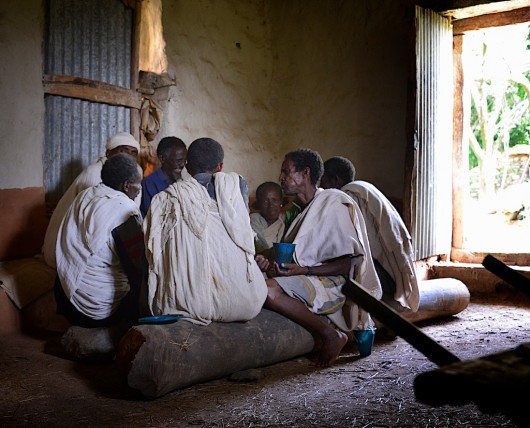
Trachoma is an endemic disease in Oromia, the largest and most populous state of Ethiopia. The disease has caused an impairment of vision in 2.2 million people in the world as the leading infectious cause of blindness.
The combination of poor sanitation and minimal access to clean water increases the risk of infection and nearly 229 million people in the world live in high-risk areas. Women are more susceptible to infectious trachoma than men because of their higher exposure to young children who are typically the bearers of the disease.
Eighty percent of Ethiopians live in rural areas with poor sanitation and little access to clean water. Seventy-six million people in Ethiopia are at risk of contracting blinding trachoma and another 800,000 people are at risk of irreversible blindness if they do not receive surgery.
Ethiopia only has 120 ophthalmologists and the majority of them work in Addis Ababa. The country is ill-equipped to destroy the disease on its own although the surgical procedures are simple and quick.
The Fred Hollows Foundation is a non-governmental organization focused on eliminating preventable blindness. The organization’s work in Ethiopia is focused mainly on the implementation of the SAFE strategy recommended by the World Health Organization in Oromia’s 225 endemic districts.
SAFE is an acronym for Surgery, Antibiotics, Face-washing, and Environmental improvements. Changing the way people manage personal hygiene has been one of the ways they are trying to reduce the risks of trachoma.
The Fred Hollows Foundation and its partners treated 5,637,226 people with antibiotics and performed more than 7,000 lid surgeries in 2014 alone. They also trained 36 surgeons and 10 clinic support staff as well as supplied $126,747 worth of equipment used to treat trachoma in Ethiopia.
According to the Fred Hollows Foundation website, “What is needed [to eliminate trachoma in Ethiopia] is a significant scale-up of the SAFE strategy, including resources, expertise and commitment from regional and local governments and development organizations in the water, sanitation and hygiene sectors.”
– Iona Brannon
Sources: Al Jazeera, The Fred Hollows Foundation, World Health Organization
Photo: Flickr

