ProstheticsAround 4.6% of Kenyans live with some form of disability. The causes of these disabilities vary, ranging from accidents to congenital conditions and illness. Additionally, persons living with disabilities face challenges securing employment, with those living in urban areas like Nairobi being more advantaged in accessing employment opportunities. For individuals living with disabilities, stigma and discrimination often pose a greater challenge than the medical conditions they face. These social barriers contribute to high unemployment, poor living conditions, increased dropout rates and rising poverty levels. In Kenya, traditional prosthetics are prohibitively expensive, with above-knee prosthetics costing about $3,000 and below-knee prosthetics priced at around $700. Hence, only 26% of people with disabilities have access to assistive devices, with the private sector providing 24% and government health facilities offering just 3%.

These systemic barriers and inequalities continue to perpetuate poverty, but David Gathu and Moses Kiuna are breaking them down. They prove that restoring dignity to individuals with disabilities and ensuring affordability can go hand in hand. Their low-cost prosthetics, made from e-waste, are a fraction of the price of commercial alternatives. Through their AI project, they go even further, addressing not only the physical needs of persons with disabilities but also the social isolation they often face.

David Gathu and Moses Kiuna

Gathu and Kiuna, the brilliant minds behind an AI-powered prosthetic designed to empower individuals with disabilities, may seem like seasoned engineers. However, the two Kenyan inventors are self-taught high school dropouts driven by an unwavering passion for innovation. Their journey began in primary school when Gathu, inspired by a friend who was an amputee, sought a way to restore his ability to use his hand. Witnessing his struggles with everyday tasks like eating and writing, Gathu researched harnessing neural signals to create a functional solution. Working from their grandmother’s granary, the duo set out on a mission: to uplift people with disabilities by fostering independence through technology.

What started as childhood curiosity turned into groundbreaking innovation. Using salvaged electronic components, they developed a bionic hand that translates brain signals into movement, allowing users to grasp objects effortlessly. “Just like a microphone; it listens to the brain signals or waves that are coming out of the skull because every time you are thinking or talking there is that activity that happens in the neurons. These neurons release electrical pulses which are electoral magnetic. This gadget listens to these magnetic waves and converts them into electrical and then this electrical is converted into digital signals. These digital signals are transmitted away, so this gadget itself amplifies these digital signals and transmits them into the robotic arm,” David explained to BBC’s Newsday.

After spending countless hours and years, their efforts finally paid off, as their prototype now operates flawlessly. With just a simple thought, the device springs to life effortlessly, requiring no physical input from the user.

The Poverty-Disability Cycle

Gathu and Kiuna’s work is important because their low-cost, e-waste prosthetics provide hope for persons with disabilities in Kenya, who are more likely to experience poverty. This bidirectional relationship is especially prominent in low- and middle-income countries, where poverty often leads to unsafe living conditions and poor quality of life, heightening the risk of disabilities. The exclusions faced by individuals with disabilities often trap families in economic hardship. Women and children with disabilities encounter even greater challenges, as cultural stigma and gender inequality often deny them opportunities for empowerment. The lack of affordable assistive devices further amplifies these barriers, leaving many amputees without the mobility they need to fully engage in daily life.

Therefore, the development of AI-powered prosthetics by Gathu and Kiuna, if fully implemented, can make assistive devices affordable and accessible to low-income individuals with disabilities in Kenya. By providing affordable prosthetics, these innovations can empower individuals to participate in the workforce, engage in daily activities and regain their independence. This increased mobility and autonomy can help break the cycle of poverty, improving economic stability for families and communities and ultimately contributing to greater social inclusion and empowerment for people with disabilities.

Support and Market Access

While their work has gained both local and international media attention, gaining coverage on the BBC and other global media outlets, they have yet to receive significant institutional or financial backing to scale their innovations. Recognition has come, but resources to transition to mass production have hindered their progress.

Nonetheless, their journey exemplifies more than innovation. What originated in their grandmother’s granary could spark a movement transforming every discarded circuit board into a symbol of hope and each prototype into a stride toward a more equitable society. It highlights the remarkable impact of grassroots creativity in changing lives. With increased backing, these two self-taught innovators have the potential to change numerous lives for the better, with affordable prosthetics.

– Grace Ruria

Grace is based in Nairobi, Kenya and focuses on Technology and Solutions for The Borgen Project.

Photo: Flickr

Disability and Poverty in BeninBenin is a country located in West Africa. From 1872 to 1960, Benin was a French Colony that France used for exporting enslaved people. Liberated from French control, Benin ended up with the cultural and economic ramifications of the Transatlantic Slave Trade. In the 1970s, Benin restructured its economy using socialist principles. However, this did not improve the country’s economic or political stability, and by the 1990s, Benin shifted into privatizing its economy. Although Benin is one of the more economically developed countries in West Africa, more than 36% of the population still lives in poverty. There are approximately 92,495 people with disabilities living in Benin. Many of those most affected by poverty have physical and mental disabilities that make their chance of escaping poverty without assistance nearly impossible. Here are seven facts about the links between disability and poverty in Benin.

1. Increased Health Risks

A lack of hygiene and sanitation can lead to neglected tropical diseases, and this coincides with disability and poverty in Benin. About 11% of disabled Beninese attributed neglected tropical diseases as the cause of their disabilities. These include leprosy, with 214 annual cases, and lymphatic filariasis, which 6.6 million are at risk for. The most common forms of disabilities include visual, and hearing impairments, cerebral driving impairments, motor disabilities, intellectual disabilities and psychosocial disabilities.

Even though people with disabilities often require more medical attention, the average Beninese family is only able to financially cover one to two doctor visits a year. With increased access to health care, the rate of preventable disabilities could drop considerably and the care provided to disabled individuals would significantly increase their standard of living. One can see this in the World Health Organization-supported Assurance Pour Le Renforcement Du Capital Humain or ARCH program, which provides health insurance to the poorest Beninese communities. The results of this program have been massive, as more than 800,000 of the poorest people in Benin have enrolled in free health insurance and can now use public health facilities if they live near them.

2. Hazardous Living Conditions

Canes, wheelchairs and prosthetics are often unaffordable to those who experience disability and poverty in Benin, severely limiting mobility and safety in and out of the home. Disabled people who live alone are more likely to be at risk of falling or injury and can go long periods of time without needed assistance. Conversely, those living with family members are more likely to be victims of neglect or abuse than able-bodied individuals. By creating programs that provide canes, wheelchairs and prosthetics as well as care plans to people with disabilities and their families, Benin could prevent these hazardous living conditions.

3. Community Discrimination and Violence

When isolated by their community, impoverished people with disabilities’ access to emergency care, housing and social programs diminishes. Even more alarming in some Beninese communities is the traditional practice of killing babies born with physical abnormalities. In recent years, however, Benin authorities have begun a door-to-door campaign to raise awareness of the scientific causes behind infant deformities. This has resulted in fewer occurrences of disability-motivated infanticide as well as societal stigmatization towards people with disabilities. Educational and community-based programs such as this could put an end to the discrimination and violence against disabled Beninese.

4. Familial Liabilities

Without familial support, a majority of those impacted by disability and poverty in Benin do not have the means to afford basic necessities. Thus, households often consider them to be a financial burden. Additionally, families experience frequent blame for a child’s disability as people in some religions in Benin see disabilities as punishment for the parents’ misdeeds. Because of these misconceptions, the businesses of relatives of those with disabilities often struggle to retain customers.

The good news is that The Global Disability Fund has raised almost $400,000 as well as brought together four UN agencies, UNDP, UNFPA, UNICEF and WHO to meet with government leaders of Benin to advocate for better education on the causes of disabilities and inclusive treatment of people with disabilities in the country. With disability support from the government along with information campaigns about the humanity of those living with disabilities, families taking care of disabled loved ones will have a better chance of enduring poverty.

5. Limited Access to Education

Access to education is already limited for those suffering from poverty in Benin. More than 47% of the population is considered illiterate, and 77.5% of Beninese with disabilities are uneducated. Furthermore, only 2% of disabled children are actively attending school. With an increase in financial support to schools that can offer focused learning programs to those with disabilities, the option for education would become a reality for numerous children in Benin.

6. High Risk of Unemployment

More than 80% of disabled people are unemployed in Benin, causing many to fall below the poverty line. Benin’s labor code does include provisions to protect the employment rights of workers with disabilities. Unfortunately, this code often goes unenforced, as many people with disabilities have reported workplace and hiring discrimination. Fortunately, The World Bank’s Youth Inclusion Project is working to end employment discrimination in Benin. Although it does not currently have a program set up for people with disabilities, by providing vulnerable youth with technical skills, the project has helped employ 5,000 young people with little to no education since its start in 2021. With the support of external employment programs, such as expanding The Youth Inclusion Project to involve people with disabilities, the lives of many disabled people will most certainly be improved.

7. Government Oversight

A majority of public facilities are not accessible for those struggling with disability and poverty in Benin, including schools, transportation and courts. Moreover, there are reports that people with motor disabilities are frequently unable to access polling stations, depriving them of the ability to participate in the democratic process of voting. There is, however, growing government support for the proposed Promotion and Protection of the Rights of Persons with Disabilities Act which would guarantee certain rights such as voting, education and legal support.

Looking Ahead

As a result of the above reasons, poverty in Benin disproportionately affect those with disabilities. Despite economic growth over the past few years, Benin is still one of the poorest countries in the world. Because of this, Benin continues to rely on foreign aid to fund their government’s primary and developmental budgets. Nevertheless, there is still hope for disabled people in Benin suffering from poverty as national and international disability services move to invest in educational, medical and employment opportunities. This kind of financial and social support will allow people with disabilities a chance at life and acceptance in Benin. 

– Amelia Dutch Player

Amelia is based in Savannah, GA, USA and focuses on Global Health and Politics for The Borgen Project.

Photo: Flickr

Disability and Poverty in MicronesiaThe Federal States of Micronesia (FSM) is an island nation in Oceania that gained its independence from the U.S. in 1986 with the signing of The Compact of Free Association. This agreement cemented the FSM as a sovereign nation while ensuring that the U.S. would continue financially assisting their government. Since then, U.S. aid to Micronesia has continued to develop. In 2004, the U.S. signed an Amended Contract with the FSM, which includes “provisions related to governmental relations, immigration, and defense and security matters.” Despite these foreign aid agreements, the net change in Micronesia’s poverty rates have been strikingly negative. Additionally, there is a significant correlation between disability and poverty in Micronesia.

A Quick Look at the Numbers

In 1993, the Household Income and Expenditure Survey showed that 30% of Micronesian households fell below the poverty line, and in 2013, a survey that the World Bank did showed that 41.2% of the population fell under the poverty line. 

This 11.2% increase in poverty rates over the span of only 20 years is not a random phenomenon. In 2003, the Micronesian federal government interviewed citizens from three of the country’s four states, Chuuk, Yap and Pohnpei, in a “Participatory Assessment of Hardship.” This assessment found that “landlessness, increasing drug and alcohol abuse, overcrowded households, and natural disasters” along with “the deterioration of customs and traditions… [and] restrictions brought by traditional beliefs” are the largest factors impacting poverty rates and hardship in the FSM. 

What Does This Have to Do With Disability?

Disability and poverty in Micronesia are intrinsically tied. The largest markets in the FSM’s economy are farming and fishing, but because of the dispersed quality of the country’s geography and population, it is very difficult to make a profit selling produce and goods without commuting. Individuals who are unable to travel are often also unable to make an income. In a testimony taken by the Asian Development Bank, one woman explained: “I decided to start a small farm. The hardest part is finding transportation to bring the produce to sell in the capital. Sometimes I walk from my village to another village just to look for a boat. Sometimes I can’t find one and then my produce gets wasted and rotten.” 

As sustenance farming has become less and less of a reliable way to make a living, those who reside in the rural outer islands have started to move to the country’s few urban hubs, leaving those unable to make the trip behind. Furthermore, Micronesia is in an area that is prone to natural disasters and is extremely vulnerable to the impacts of changing weather patterns and rising sea levels. In the case of a natural disaster, there is not infrastructure to ensure the safety of disabled peoples.

On June 11, 2009, the Micronesian government made the following statement regarding disability and poverty in Micronesia: “The FSM has approximately 10,000 people with some form of disability and the available programs and services for disabled persons are currently very limited. The number of disabled people in the FSM is increasing year after year and the limitation of available services suggests a moral and legal obligation to develop adequate programs to promote and protect their interest and wellbeing.”

Solutions

Although the situation with poverty and disability in Micronesia may seem bleak, there are many organizations and pieces of legislation that are continuing to help provide aid to this vulnerable demographic. One incredible organization to highlight is the Pohnpei Consumer Organization. With branches in all four Micronesian states, they work to support the disabled population and raise awareness about their struggles. One project that they took on was creating a “disaster tool-kit,” in order to provide villages with all of the resources necessary to support the disabled members of their community in the case of natural disaster. With hard work and support from foreign aid, it is more than possible to decrease the impacts of disability and poverty in Micronesia.

– Helena Birbrower

Helena is based in Davis, CA, USA and focuses on Global Health and Politics for The Borgen Project.

Photo: Flickr

Disability and Poverty in Antigua and Barbuda
In Antigua and Barbuda, 18.4% of the population lives below the poverty line, with an even higher rate of 24.3% among children. The World Bank estimates a further 29% of Antiguans are socioeconomically disadvantaged and at risk of poverty. While there is no official data on poverty rates specifically for persons with disabilities, trends across Latin America and the Caribbean show that people with disabilities are more likely to live in poverty, and economic insecurity is amplified for individuals with disabilities as they face twice the unemployment rate of the general population. Approximately 16,000 people – about one in six residents – live with a disability, confronting unique challenges in daily life, including limited access to education and employment opportunities. While the overall unemployment rate in the country stands at 8.7%, persons with disabilities experience higher rates of joblessness, often due to limited access to education and vocational training. 

Many encounter physical barriers in public spaces, a lack of accessible transportation and limited job opportunities, contributing to higher poverty rates. With only 46% completing secondary education, many struggle to secure stable employment, leading to economic insecurity. Social stigma further isolates people with disabilities, impacting their mental health and inclusion. Access to essential services remains limited, deepening the cycle of poverty. Here is more information about disability and poverty in Antigua and Barbuda.

Empowering Through Aquaponics

The National Vocational and Rehabilitation Centre for Persons with Disabilities (NVRCD) provides vocational training programs in areas such as tailoring, handicrafts and digital services, aiming to enhance employability and promote economic independence. One of its most promising initiatives is the Aquaponics Centre, which trains individuals with disabilities in sustainable agriculture. By integrating fish farming with hydroponic vegetable cultivation, participants gain expertise in food production, allowing them to pursue careers in agriculture or start small farming businesses. The Centre, which has already exceeded its initial production goals, is now expanding due to its success, reinforcing its role as a key driver of economic empowerment for persons with disabilities.

Complementing these efforts, the Antigua and Barbuda Association of Persons with Disabilities (ABAPD) plays a crucial role in advocating for disability rights and economic inclusion. Since its establishment in 1995, ABAPD has provided personal care support, home repair assistance and social outreach programs for individuals with disabilities. Notably, from 2020 to 2022, the association delivered food packages to more than 500 members, thanks to support from the Jumby Bay Fund.

The Calvin Ayre Foundation & Barriers to Education

Disability and poverty in Antigua and Barbuda create significant barriers to education, with low-income students and those with disabilities in Antigua and Barbuda often less likely to complete secondary school than their peers. Addressing this challenge, the Calvin Ayre Foundation (CAF), in partnership with educational institutions, has awarded substantial scholarships to support local students. For instance, in March 2023, the Foundation donated US$200,000 to the University of the West Indies (UWI) Five Islands Campus, facilitating over 200 scholarships and bursaries for underprivileged nationals pursuing studies at the campus.

While specific data on the number of scholarships awarded exclusively to students with disabilities is not readily available, CAF’s initiatives have significantly impacted the disabled community. For instance, in 2017, CAF donated $130,000 to fund the pilot year of The Outreach Program by the Friends of the Care Project (FOTCP), aiming to provide therapy and care for disabled children and young adults who otherwise lacked access to necessary services.

Additionally, in January 2024, the Foundation contributed US$200,000 in scholarships to Island Academy International, empowering Antiguan and Barbudan students to access quality education. These investments are not just numbers on a check; they are opening doors for students who might otherwise be forced to abandon their education due to financial hardship. By covering tuition costs and easing the financial strain on families, the Calvin Ayre Foundation is giving students the chance to focus on their studies, graduate and build a future where opportunity is not dictated by economic status.

Healthcare That Reaches the Hardest to Reach

Individuals with disabilities facing poverty in Antigua and Barbuda often must overcome significant barriers in accessing healthcare services. Challenges such as limited availability of specialized medical equipment, insufficient testing reagents and a shortage of trained healthcare professionals can impede the delivery of essential medical care. These systemic issues are further compounded by financial constraints, making it difficult for many to afford necessary treatments, especially when private healthcare services are prohibitively expensive.

Mobile health clinics are solving that problem by bringing services directly to underserved communities. From routine check-ups to physical therapy and assistive device fittings, these clinics are ensuring that healthcare reaches those who need it most.

The Medical Benefits Scheme (MBS) provides free healthcare services to legal residents, covering treatment and medication for chronic illnesses such as diabetes and hypertension, reducing financial barriers to essential care. Additionally, Medz on Wheelz, a private mobile healthcare service, delivers medical care directly to underserved communities through home visits, medication delivery and diagnostic testing, ensuring that individuals who struggle with transportation or mobility can still receive necessary treatment. These initiatives are working to close healthcare gaps and improve access for vulnerable populations.

Looking Ahead

Addressing the intertwined challenges of disability and poverty in Antigua and Barbuda requires comprehensive and targeted efforts. Initiatives focusing on education, employment and healthcare are making significant strides in promoting accessibility and opportunity. By investing in people and implementing inclusive policies, the nation is paving the way for a more equitable future for its most vulnerable populations.

– Leah Ishak

Leah is based in Exeter, UK and focuses on Business and Politics for The Borgen Project.

Photo: Pixabay

Disability and Poverty in SpainThe UN defines a disability as a long-term impairment that can limit a person’s ability to participate in society. It also defines poverty as an individual living off less than $2.15 per person per day. It is no secret that those with disabilities are at higher risk of issues like lack of security, low income, dependence and overall insecurity; those suffering from disability and poverty in Spain are no different. With the two often linked, those who experience one are often susceptible to experiencing the other, meaning those suffering from disabilities may experience multidimensional poverty. Multidimensional poverty refers to the various ways in which poverty itself is measured including health, education, security, infrastructure and more.

The examples shown above are ways in which individuals may experience many limitations, not just health-related ones. This not only makes it difficult for them to find their way out of poverty but also places those with disabilities in more vulnerable situations when it comes to quality of life.

Living With Both Disability and Poverty in Spain

In order to tackle both these issues head-on in Spain, the Spanish National Institute of Statistics conducted a survey to better understand its people in both 2021 and 2022. During this period, findings showed that by 2022, 18.1% of individuals aged 16-64 stated they had some sort of disability and were only able to work part-time. One should note that individuals with disabilities are more likely to face social exclusion at a rate of 92.6% compared to those without. This is without the added factor of poverty and how their disability has affected their economic standing. With the unemployment rate in 2022 standing at 21.4% in the disabled category, women and young women aged 16-65 held the lowest percentage.

Efforts continuously occur in an attempt to lower these numbers, especially after they hit a slight rise following the onset of COVID-19, which led to a rise in poverty and food insecurity once more. With programs like Ingreso Mínimo Vital (IMV), created in 2020 by royal decree-law, the goal is to prevent poverty and other forms of social exclusion from spreading further while also supporting those already affected. By 2024, it was shown in Spain’s social security statistics that Ingreso Mínimo Vital had already benefited 2,050,000 people living in 674,000 households total. With a monthly benefit of 658.81 euros per individual, the efforts made have proven highly effective for the people of Spain, and today, those same plans continue to move forward.

Solutions

The Disability Strategy 2022-2030 originated in 2022. This strategy takes into account those with disabilities, incorporating perspectives on women and children. Spain then started the European Child Guarantee program aimed at ensuring there is no exclusion among children and to support the children of Spain. The National ECG Plan has dedicated itself to ensuring that every child and adolescent has access to essential, inclusive and high-quality services. 

By working closely with public administrations, society and other partners, the plan promotes opportunities for early childhood education and care (ECPI), extracurricular activities, quality health care, nutritious meals and safe comfortable housing in the hopes of helping every child thrive. Right now, communities like Aragon have started early care and disability preventative programs for rural areas, while others like La Rioja have begun to grant financial assistance to children aged 0-6 while they are on a waiting list to receive universal care. Madrid also has a similar program giving grants to those from 0-3 years of age. Spain is doing all of this with the goal of universal access and 100% coverage.

Financial assistance like this through the extension of coverage and scholarships is important because it helps to give children access to vital life-saving treatments for things like communication disorders, motor disorders or learning disorders, just to name a few. This is especially important for those in the early preventative programs as this allows for outpatient or home-level care in rural areas through the assistance of nonprofits. Not only does this help with the children who originally did not have access to treatments, but this also helps to promote positive parenting, allowing parents to build positive family dynamics within their communities.

Looking Ahead

When further addressing the Spanish Disability Strategy 2022-2030, Isabel Rodríguez stated, “The minister also indicated that the initiative is a response to other cross-cutting challenges included in the 2030 Agenda for Sustainable Development, such as the climate emergency and the demographic challenge. The strategy also has an impact on rural areas, small towns, and the countryside, where people with disabilities also live and need to be listened to, accompanied, and cared for.” Providing things like jobs, housing and better educational opportunities for people with disabilities could significantly reduce their vulnerability.

In areas with high poverty rates, the risks go beyond just financial hardships. While these communities may experience higher crime and violence rates, it is important to recognize that despite the challenges Spain overall has faced, it remains one of the safest countries in Europe regarding violent crime. This resilience provides a solid foundation for continued progress in accessibility and inclusion, slowly but surely making headway when it comes to disability and poverty in Spain, paving the way for an exceptionally bright future for all!

– Imani Ambers

Imani is based in Cleveland, Ohio, USA and focuses on Good News and Celebs for The Borgen Project.

Photo: Unsplash

Disabilities in TaiwanTaiwan’s official poverty rate is 2.6%, however, the Taiwan Social Welfare League reports that 9% of Taiwanese people believe they are living in poverty and 7.8% in near poverty, as they are unable to overcome hardships such as unemployment and illness. Government regulations are largely what prevent people from registering as low-income, as stateless people, those with property and those without family, are all unable to register. People with disabilities in Taiwan are frequently among those within this gap.

Health Care Expenses

Taiwan has universal health care, but despite this, health care costs are significantly more expensive for people with disabilities. Expenses commonly include medications, supplements, transportation, mobility aids and prosthetics, but these are just some of the expenses that come with disabilities. While the universal health care and public assistance (for those that qualify) in Taiwan, reduce or cover the cost of medical expenses, the truth is that health care expenses add up over time.

Additionally, there is the ever-present issue that having a disability does not guarantee that Taiwan will officially recognize the disability, nor does having an officially recognized disability guarantee a person financial assistance for their medical expenses.

Limited Employment Opportunities

Most jobs are inaccessible to people with disabilities because the average Taiwanese business lacks the resources to accommodate disabilities. Moreover, there are more than 1 million people (or 5%) registered as having a disability in Taiwan. However, disabled people make up 8% of the unemployed people in Taiwan. The people with disabilities who are able to find work on average make a salary of NT $30,000 or about $917.

Families in Poverty

For families with family members who have a disability the loss of a job often means an indefinite loss of income because of how difficult it is to get a job with a disability in Taiwan. The same loss of income occurs when a family member develops a physical or mental disability and becomes unable to work and the family loses a portion or all of their income. Moreover, a newly developed disability requires additional medical care, increasing the amount of money needed for health care, and creating an additional financial strain. For many families, this can lead to poverty, and for families who are already low-income or living in poverty, this only worsens their circumstances.

Together, these issues correlate and or compound on one another, increasing the number of people with disabilities in Taiwan experiencing poverty.

National Human Rights Commission (NHRC)

The government established the National Human Rights Commission (NHRC) in 2020. NHRC works to monitor and protect the human rights of Taiwanese people. The NHRC pays close attention to upholding the rights of vulnerable groups such as indigenous peoples, homeless people, senior citizens and people with disabilities.

In 2022, the NHRC launched its first action plan, which states its methods to address the inequity that vulnerable groups experience. It specifically states that it will address the inequity people with disabilities in Taiwan face, such as inaccessible work environments, housing injustices, and poor health care accessibility.

The NHRC states that it intends to “provide necessary and appropriate reasonable accommodations” to persons with disabilities based on their individual needs. Simultaneously, Taiwan’s Workforce Development Agency Ministry of Labor updated its “Supportive Employment Services for Persons with Disabilities” plan. This allows a person with a disability who desires to work but cannot compete within the employment market with the ability to have access to resources, such as individualized job training or assistance, along with individualized job placement.

Within its action plan, the NHRC acknowledges that “there is a lot of room for improvement when it comes to housing rights issues in Taiwan” for vulnerable groups in particular. As part of this initial action plan, it will identify the issues at hand so they can be addressed in the Medium-Term Strategic Plan which will be a continuation and more defined action plan to address the concerns originally brought up in the first action plan.

Housing and Health Care

Concurrently, in 2023, the Ministry of the Interior Real Estate Information Platform began addressing the creation of “Barrier-Free Housing” to comply with updated housing laws. This “Barrier-Free Housing” would remove all tangible and intangible barriers within homes so that people with disabilities can have a home and amenities designed to be accessible.

Taiwan also lacks an adequate amount of accessible transportation and medical facilities. However, the NHRC plans to promote the increased implementation of accessible resources within these sectors.

Furthermore, in 2023 the Executive Yuan (the executive branch of the government of Taiwan) announced that the Ministry of Health and Welfare (MOHW) would be investing more than NT$48 billion ($1.5 billion) into more comprehensive health care services for people with disabilities in Taiwan. The funding is intended to increase the accessibility of medical facilities along with creating more effective health care services. The MOHW believes these improvements will not only benefit people with disabilities but also the guardians of people with disabilities.

Disabilities in Taiwan

Currently, people with disabilities in Taiwan disproportionately experience poverty. However, with these new efforts made by the NHRC, Taiwan’s Workforce Development Agency Ministry of Labor, Ministry of the Interior Real Estate Information Platform and MOHW low income rates within people with disabilities in Taiwan are being addressed and over time these measures put in place along with future plans should alleviate disproportionate poverty.

– Nivea Walker

Nivea is based in Elon, NC, USA and focuses on Good News and Global Health for The Borgen Project.

Photo: Flickr
Disability and Poverty in Zambia
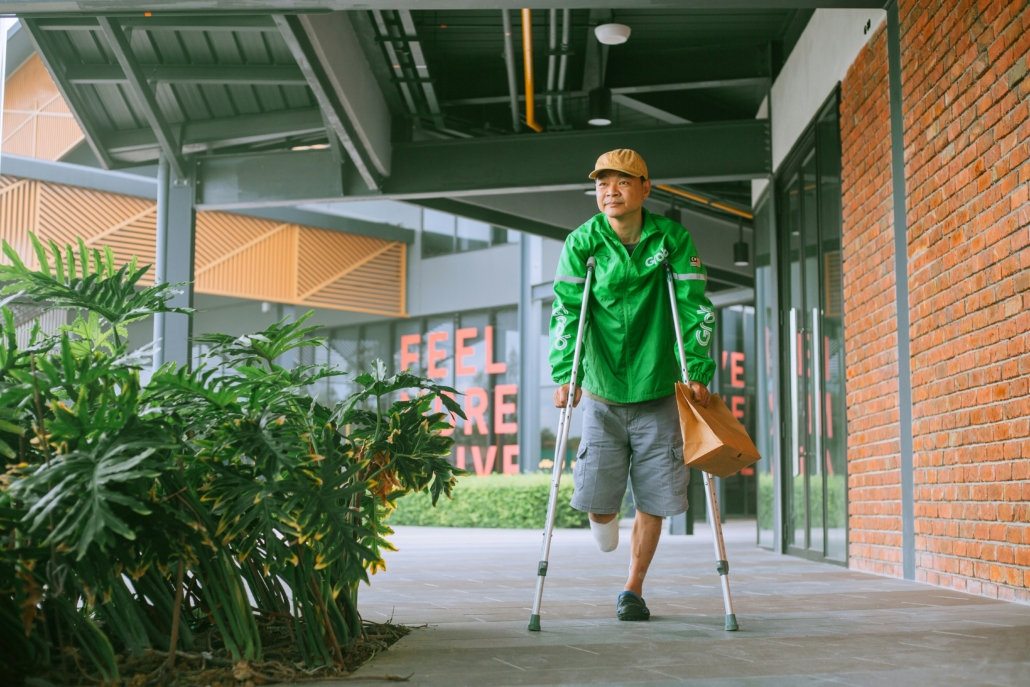
Zambia, a nation that is home to about 20 million people, achieved middle-income status in 2011 after enjoying one of the fastest-growing economies in Africa during the 2000s. However, as the nation developed, people with disabilities, who make up 10.9% of the adult (18+) population and 4.4% of the young persons (2-17) population, have been left behind. Here is information about disability and poverty in Zambia and what is being done to address it.

Ableism and Employment in Zambia

For individuals living in poverty with disabilities in Zambia, life is fraught with obstacles, often marked by ableism which prevents many from accessing employment. About 10% of people with disabilities in the country have reported experiencing abuse, including physical violence (8%, primarily affecting men) and sexual violence (2%, predominantly targeting women), just because of their disabilities. 

The national disability survey is that 8% have faced discrimination from using public services. Those with disabilities in Zambia not only face barriers in life, but also stigma due to their disabilities. Disability is often misunderstood. Many people think that being disabled in Zambia is a consequence of sin, maternal promiscuity, an ancestral curse or demonic possession.

One can see a reflection of these stereotypes in Zambia’s employment statistics. The unemployment rate for people with disabilities was at 16.8% compared to just 12.5% of those without disability according to UNICEF in Zambia. This highlights the likelihood of a correlation between disability and poverty in Zambia.

Challenges to Education and Skills Attainment

One of the most severe challenges to disability and poverty in Zambia is access to education. This remains a significant challenge for disabled Zambians. Only 80.8% of people with disabilities reported attending primary school, compared to 89.9% of those without disabilities. Many schools lack the infrastructure to meet disabled students’ needs, and most teachers are not trained in disability-inclusive teaching methods. Additionally, only 20% of disabled individuals use assistive devices, with an even smaller percentage among school-age children, leaving some unable to participate in education.

Without more than a primary education, many disabled children cannot acquire the skills needed for employment, while further education institutions and workplaces often lack the infrastructure to support them. This limited access to education and job training traps many in poverty. According to the International Labour Organization (ILO), “the majority of Zambians with disabilities live in poverty.

After the release of the national disability survey in 2015, the Zambian government launched the National Policy on Disability in February 2016 aiming to provide equal opportunities for all citizens, with or without disabilities, by 2030.

The Solution

Zambia’s National Policy on Disability addresses a range of areas, but these are the five key aspects of the policy the government has introduced to support people with disabilities to escape poverty:

  1. Preventing Disabilities: The government aims to reduce preventable disabilities by promoting programs that combat diseases like polio and TB, which are major contributors to disability.
  2. Improving Daily Living Skills: The policy promotes community-based initiatives to enhance daily skills for greater independence. It includes increasing the availability of assistive devices and raising awareness about their use, improving disabled individuals’ quality of life and boosting confidence for employment.
  3. Tackling Stigma: To combat discrimination, the government will introduce legislation protecting disabled people from ableism, particularly in the workplace. This aims to promote economic independence and challenge cultural beliefs that disabilities result from curses or supernatural causes. 
  4. Promoting Equality: The policy highlights equal opportunities by recognizing sign language as Zambia’s eighth official language and expanding the use of Braille. It also ensures access to welfare programs and bursaries, empowering disabled people to rely less on external care. 
  5. Expanding Education and Skills Training: The government plans to train educators in disability-inclusive methods and improve accessibility in schools and training centers. This includes teaching Braille and sign language, and providing access to new technologies and the internet, ensuring disabled individuals can fully participate in education and skills development. 

These measures aim to reduce poverty among disabled Zambians and create a more inclusive society by increasing access to education to reduce the attainment gap for disabled children. They also aim to increase opportunities for adults to gain skills so they can enter the workforce and educate the whole nation on the causes of disability so that outdated stereotypes and ableism are things of the past. 

Looking Ahead

The results of Zambia’s National Policy on Disability will remain unclear until the government conducts another national disability survey. However, the policy’s intentions demonstrate a clear commitment to investing in and protecting the nation’s disabled population while striving to ensure they are treated with the same respect and opportunities as everyone else in Zambian society. The economic success of the 2000s cannot benefit only those without disabilities. The International Labour Organization’s observation that “the majority of Zambians with disabilities live in poverty” underscores a persistent inequality the government aims to address.

While it may take time to analyze and scrutinize Zambia’s National Policy on Disability, it represents an ambitious effort to address disability and poverty in Zambia and create a more equitable society.

Oliver Hedges

Oliver is based in Lancaster, Lancashire, UK and focuses on Global Health and Politics for The Borgen Project.

Photo: Flickr
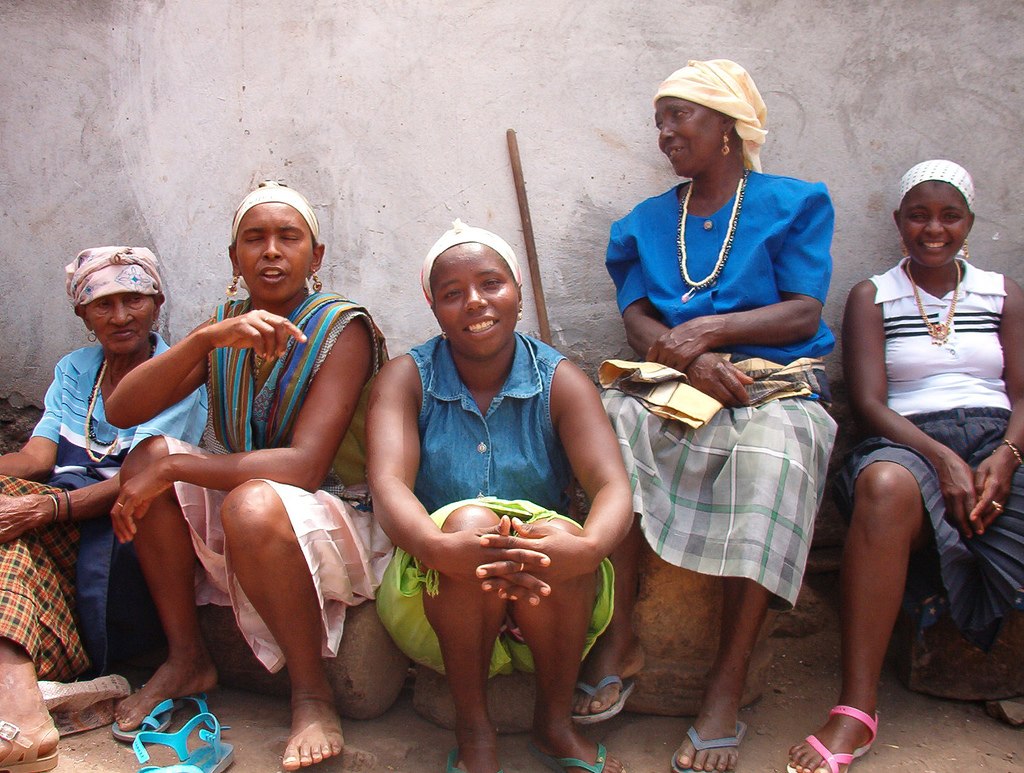
Disability and Poverty in PortugalIn Portugal, the intersection of disability and poverty is a pressing issue. Despite progress in disability rights and social support, many individuals with disabilities continue to face economic hardships. This challenge is not only about physical impairments but also the systemic barriers that contribute to persistent poverty.

The Reality of Disability in Portugal

Portugal has implemented laws like the “Basic Law on the Rights of Persons with Disabilities” (Law 38/2004). This legislation underscores the country’s commitment to protecting the rights of individuals with disabilities and fostering their active participation in society.However, the reality for many individuals with disabilities remains one of exclusion, especially in rural areas where services and infrastructure are limited.

Challenges are exacerbated by geographical isolation and a lack of targeted support, leaving many unable to benefit from these legal advancements fully. According to a report, more than 10% of Portugal’s population lives with a disability. Yet, many still struggle to access education, employment and health care. This persistent inaccessibility not only hinders personal development but also perpetuates a cycle of economic disadvantage, marginalization and social exclusion.

Disability and Economic Struggles

A key factor in the poverty faced by persons with disabilities is the lack of accessible employment opportunities. According to data from EU-SILC, the employment rate for people with disabilities in Portugal is about 58.4% compared to 77.4% for people without disabilities. Discrimination and inadequate workplace accommodations often hinder job prospects. Furthermore, the lack of accessible transport and facilities adds to the difficulty. Moreover, public services, including health care and transportation, can be inaccessible in many parts of the country.

Portugal lacks a national personal assistance scheme, leaving many individuals with disabilities reliant on family members or institutional care. This makes many of them report difficulty in accessing public transportation, especially in rural and less-developed regions. This lack of access further isolates individuals living with disabilities from society, making it even harder to engage in education, employment or social life.

Moving Toward Inclusion

Breaking the cycle of disability and poverty in Portugal requires a comprehensive approach that includes greater investment in inclusive education, better access to public spaces and increased employment opportunities for people with disabilities. The Convention on the Rights of Persons with Disabilities (CRPD) emphasizes that people with disabilities should have the right to choose where and with whom they live, free from mandatory institutionalization.

Integrating individuals with disabilities into the workforce holds immense potential for economic growth. This is a benefit acknowledged by the Portuguese government as part of its commitment to inclusivity under the 2030 Agenda for Sustainable Development. The success of these top-down-oriented strategies is crucial, not only for Portugal but for Europe as a whole, in addressing and reducing poverty effectively via political and administrative change.

– Lambros Andrikopoulos

Lambros is based in Birmingham, UK and focuses on Global Health for The Borgen Project.

Photo: Pexels

Disability and Poverty in Jordan
Jordan is the home to 11.34 million people of which an estimated 2.72 million live in poverty. Additionally, somewhere around 11% of all Jordanians are diagnosed with a disability. The unemployment rate for individuals with disabilities in Jordan is almost double the amount of individuals without disabilities. Unequal access to services caused by poverty leads to an increase in disability rates. The main inequalities surrounding disability and poverty in Jordan are in employment, education and health care.

How Does Poverty Affect People With Disabilities?


Poverty leads to an increase in isolation and vulnerability, because of that people with disabilities can be unable to receive necessary care. Having a disability makes it harder to access employment, education and health care. Often the available services do not have the resources to care for disabled people. Individuals with disabilities require care that is not available to them in areas of poverty, which leads to an increase in mortality rates. Here are three
political actions impacting disability and poverty in Jordan.

Ratification of United Nations Convention

Jordan has ratified and incorporated some important tools to help people with disabilities. One of these tools is the United Nations Convention on the Rights of Persons with Disabilities which has a set of protocols that Jordan has been using since 2007. This agreement essentially states that people with disabilities deserve equal education and employment opportunities. This agreement holds the government responsible for providing necessary medical care for people with disabilities. Jordan has created councils dedicated to creating legislation that upholds the conventions agreements. 

HCAPD

In 2007, Higher Council for the Affairs of Persons with Disabilities (HCAPD) was formed to uphold laws passed to protect individuals with disabilities. The council’s main functions are to create plans for the future, execute current plans and create legislation for people with disabilities. The goal of this council is to implement specific and broad legislation that helps individuals with disabilities. An example of their impact is when HCAPD worked with the Ministry of Higher Education to transition 10 schools into being inclusive spaces for all abilities. This is a small-scale example of the positive impact HCAPD can have.

National Social Protection Strategy

Jordan created the National Social Protection Strategy in 2019 to address social inequalities. Among these inequalities are disability, exclusion and poverty, which Jordan has agreed to prevent. The plan has three parts: opportunity, empowerment, and dignity. Jordan plans to use the combination of those parts to create legislation moving forward that addresses inequalities among disabled people. Creating a protective environment allows for economic growth that benefits people of all abilities. Part of the protection program is aiding poverty that affects people with disabilities. One outcome is Jordanian businesses that employ more than 50 people must have 4% of that be people with disabilities.

Jordan’s Current Situation

The implementation of those political actions has been a great start in aiding people with disabilities in Jordan. The combined effort from multiple organizations within Jordan to create funding and legislation has had positive effects nationally. With that in mind, it’s also important to understand that this problem requires funding to solve. Poverty is one of the main contributors to disability inequalities. Addressing poverty is the first step in addressing the inequalities in education, employment and health care. Poverty requires funding from the national government and foreign aid to decrease. Actions taken by the Jordanian government can serve as a model for other countries looking to improve the quality of life for people with disabilities who are impoverished.

– Kaleb Monteith

Kaleb is based in Greeley, CO, USA and focuses on Good News and Global Health for The Borgen Project.

Photo: Flickr
Disability and Poverty in UzbekistanUzbekistan is a country in Central Asia neighbored by Kazakhstan to the north, Kyrgyzstan to the northeast, Afghanistan to the south, Tajikistan to the southeast and Turkmenistan to the southwest. It is one of only two countries in the world that is doubly landlocked, or surrounded by other countries that are also landlocked. Disability and poverty in Uzbekistan often go together, with people having a tougher time participating in society. In recent years, the nation has made a concerted effort to improve the conditions of disabled people within its borders. Here are five facts you need to know about disability and poverty in Uzbekistan.

5 Facts About Disability and Poverty in Uzbekistan

  1. Disabled people make up about 2.5% of the population. In 2022, it was reported by KUN that 845,000 people were officially recognized by Uzbekistan as being disabled. More than half of people over the age of 60 have some kind of disability. Most disabled people live in rural communities across Uzbekistan, though a few live in cities like Tashkent. The largest region, Navoiy, also has the highest rate of disability in the nation, at 3.6%.
  2. Employment is difficult to come by for those with disabilities in Uzbekistan. In Uzbekistan, people with disabilities are 4.3 times less likely to have a full-time job than people without disabilities. Additionally, people with disabilities make just 74% the monthly wage of people without disabilities. Disability:IN reported that people with disabilities made 612,000 UZS per month ($47.55). In comparison, in 2019, people without disabilities made 827,000 UZS per month ($64.26).
  3. Some welfare is provided to those with disabilities in Uzbekistan. The World Bank reported that almost 700,000 people with disabilities in Uzbekistan were given pensions and other social benefits in 2019. However, many of those people survive only on those pensions because they find it difficult to gain full-time employment.
  4. There are organizations that are helping disabled people. Some organizations, like the Gulbahor Nurli Kelajak LLC, provide much-needed employment in the tailoring industry for disabled people. Gulbahor Nurli Kelajak has employed more than 50 disabled people, mostly women, since its founding in Termez, Uzbekistan in 2021. Additionally, the United Nations Development Programme (UNDP) works in Uzbekistan, with one of its goals being to alleviate disability and poverty concerns in the country.
  5. Laws are in place to protect people with disabilities in Uzbekistan. In 2020, Uzbekistan passed its first comprehensive law, “On the Rights of Persons with Disabilities”. The law aims to provide more opportunities and better conditions for people with disabilities. In 2021, the country ratified the UN Convention on the Rights of Persons with Disabilities, further enshrining protections.

Other Considerations

Alongside these five facts about disability and poverty in Uzbekistan, the country has recently been doing more to protect and give more opportunities for people with disabilities to participate in life. Universities give admission preference to students with disabilities. This is starting to show signs of improving disability and poverty in the country, with students having more opportunities than before.

However, activists across the country are disgruntled with the slow adoption of the law. Many wish more could be done to change the culture of pity toward people with disabilities. The infrastructure for equal facilities for people with disabilities is not yet in place and people still feel stigmatized from participating in events like elections or festivals. Although the International Day of Persons with Disabilities is celebrated like a holiday, activists in the country believe the day should be more about educating people about disabilities. 

Looking Ahead

Together, these five facts about disability and poverty in Uzbekistan paint a picture of a country that is trying to bring reforms that bridge the gap between people with disabilities and people without disabilities. Although the reforms have happened within the last five years, Uzbekistan has shown willingness to improve conditions for its people.

– Julius Millan

Julius is based in New York, NY, USA and focuses on Global Health and Politics for The Borgen Project.

Photo: Flickr