Addressing Disability and Poverty in Zambia
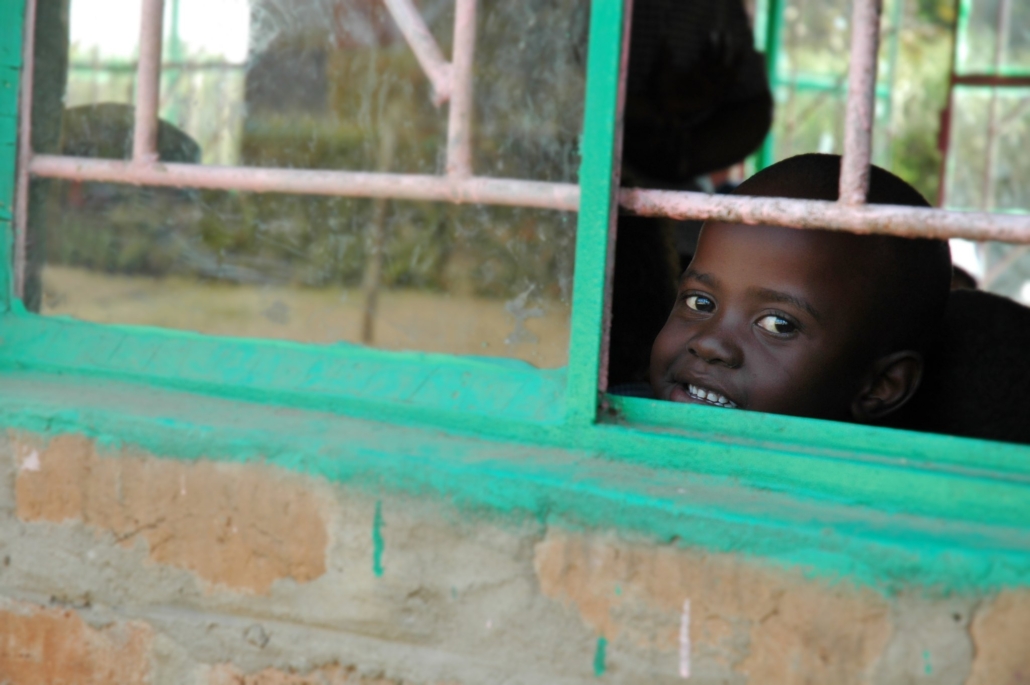
Zambia, a nation that is home to about 20 million people, achieved middle-income status in 2011 after enjoying one of the fastest-growing economies in Africa during the 2000s. However, as the nation developed, people with disabilities, who make up 10.9% of the adult (18+) population and 4.4% of the young persons (2-17) population, have been left behind. Here is information about disability and poverty in Zambia and what is being done to address it.
Ableism and Employment in Zambia
For individuals living in poverty with disabilities in Zambia, life is fraught with obstacles, often marked by ableism which prevents many from accessing employment. About 10% of people with disabilities in the country have reported experiencing abuse, including physical violence (8%, primarily affecting men) and sexual violence (2%, predominantly targeting women), just because of their disabilities.
The national disability survey is that 8% have faced discrimination from using public services. Those with disabilities in Zambia not only face barriers in life, but also stigma due to their disabilities. Disability is often misunderstood. Many people think that being disabled in Zambia is a consequence of sin, maternal promiscuity, an ancestral curse or demonic possession.
One can see a reflection of these stereotypes in Zambia’s employment statistics. The unemployment rate for people with disabilities was at 16.8% compared to just 12.5% of those without disability according to UNICEF in Zambia. This highlights the likelihood of a correlation between disability and poverty in Zambia.
Challenges to Education and Skills Attainment
One of the most severe challenges to disability and poverty in Zambia is access to education. This remains a significant challenge for disabled Zambians. Only 80.8% of people with disabilities reported attending primary school, compared to 89.9% of those without disabilities. Many schools lack the infrastructure to meet disabled students’ needs, and most teachers are not trained in disability-inclusive teaching methods. Additionally, only 20% of disabled individuals use assistive devices, with an even smaller percentage among school-age children, leaving some unable to participate in education.
Without more than a primary education, many disabled children cannot acquire the skills needed for employment, while further education institutions and workplaces often lack the infrastructure to support them. This limited access to education and job training traps many in poverty. According to the International Labour Organization (ILO), “the majority of Zambians with disabilities live in poverty.”
After the release of the national disability survey in 2015, the Zambian government launched the National Policy on Disability in February 2016 aiming to provide equal opportunities for all citizens, with or without disabilities, by 2030.
The Solution
Zambia’s National Policy on Disability addresses a range of areas, but these are the five key aspects of the policy the government has introduced to support people with disabilities to escape poverty:
- Preventing Disabilities: The government aims to reduce preventable disabilities by promoting programs that combat diseases like polio and TB, which are major contributors to disability.
- Improving Daily Living Skills: The policy promotes community-based initiatives to enhance daily skills for greater independence. It includes increasing the availability of assistive devices and raising awareness about their use, improving disabled individuals’ quality of life and boosting confidence for employment.
- Tackling Stigma: To combat discrimination, the government will introduce legislation protecting disabled people from ableism, particularly in the workplace. This aims to promote economic independence and challenge cultural beliefs that disabilities result from curses or supernatural causes.
- Promoting Equality: The policy highlights equal opportunities by recognizing sign language as Zambia’s eighth official language and expanding the use of Braille. It also ensures access to welfare programs and bursaries, empowering disabled people to rely less on external care.
- Expanding Education and Skills Training: The government plans to train educators in disability-inclusive methods and improve accessibility in schools and training centers. This includes teaching Braille and sign language, and providing access to new technologies and the internet, ensuring disabled individuals can fully participate in education and skills development.
These measures aim to reduce poverty among disabled Zambians and create a more inclusive society by increasing access to education to reduce the attainment gap for disabled children. They also aim to increase opportunities for adults to gain skills so they can enter the workforce and educate the whole nation on the causes of disability so that outdated stereotypes and ableism are things of the past.
Looking Ahead
The results of Zambia’s National Policy on Disability will remain unclear until the government conducts another national disability survey. However, the policy’s intentions demonstrate a clear commitment to investing in and protecting the nation’s disabled population while striving to ensure they are treated with the same respect and opportunities as everyone else in Zambian society. The economic success of the 2000s cannot benefit only those without disabilities. The International Labour Organization’s observation that “the majority of Zambians with disabilities live in poverty” underscores a persistent inequality the government aims to address.
While it may take time to analyze and scrutinize Zambia’s National Policy on Disability, it represents an ambitious effort to address disability and poverty in Zambia and create a more equitable society.
– Oliver Hedges
Oliver is based in Lancaster, Lancashire, UK and focuses on Global Health and Politics for The Borgen Project.
Photo: Flickr
