Disability and Poverty in MauritaniaThe Islamic Republic of Mauritania lies in the Sahel region in North West Africa. It is a dry, hot region that has struggled with high poverty rates for decades. However, according to The Last Two Permanent Surveys on Household Living Conditions (EPCV) cited in the June 2024 International Monetary Fund (IMF) report, Mauritania reduced its poverty rate from 30.9% to 28.2%.

However, poverty remains a significant issue, especially in rural areas, where 41.2% of the population experience poverty compared to 14.4% of those in urban areas. Recent data also shows that the majority of those in poverty have disabilities. These numbers have enabled the Mauritanian government to look at disability and poverty in Mauritania with help from social protection projects and international organizations. 

Poverty in Mauritania

The World Bank in 2019 estimated that only 15% of the rural population had access to sanitation services, which leaves 85% of the population vulnerable to diseases. Access to water remains a significant challenge in Mauritania’s desert climate. As of 2020, 78% of the population had access to water, a notable increase from 40% in 2010. However, 22% of the population still lacks access to water. The World Bank also estimates that only 47% of the population has access to electricity. 

Not having the necessary amenities has made day-to-day life difficult in Mauritania for many people, especially for those with disabilities. A strong link exists between disability and poverty in Mauritania. Data collected by the Disability and Data Initiative from 2019 to 2021 shows that 85% of individuals with multiple functional difficulties live in poverty, often in rural areas in the country. In comparison to those with fewer or no functional challenges, 71.2% and 71.3% were found. The lack of public service institutions in rural areas leaves many disabled individuals without the proper care, treatment or education necessary for survival.

The Stigma Associated With Disability

Despite many Mauritanians living with some disability, the stigma and discrimination that affect them are very real. Mauritanian law prohibits discrimination against individuals with physical, sensory, intellectual or mental disabilities. Yet, a 2023 country report on human rights practices in Mauritania conducted by the U.S. Department of State found that this law is not enforced. It found that people with disabilities do not have access to education, health services or any other types of public services. 

Solutions

Mauritania has been trying to help its needy citizens by adopting adaptive social protection. As of September 2024, 200,000 impoverished households are registered in the social registry database, where they can benefit from the Tekavoul National Social Transfer Program. This program provides families with cash transfers from the Mauritanian government every few months. 

The Mauritanian government implemented this program with support from the International Development Association. The program allows families to spend the money on whatever they choose. However, people typically use it to buy hygiene products, school supplies and food. This program is meant to cover struggling families’ basic needs while encouraging them to invest in things like their children’s future. 

To end the stigma surrounding people with disabilities, the World Vision Organization, a nonprofit organization, organized an inclusion project in partnership with the National Federation of People Living with Disabilities earlier this year. More than 120 explored disability issues through activities to break down stereotypes and promote a better understanding of the realities of living with a disability. 

Overall, Mauritania is currently working to end poverty and reduce stigmatization for those who are disabled. It’s just going to take some time.

– Aya Diab

Aya is based in Queens, New York, USA and focuses on Global Health and Politics for The Borgen Project.

Photo: Wikimedia Commons

PWDs in NigeriaDespite various legal frameworks, many persons with disabilities (PWDs) in Nigeria face limited opportunities and widespread neglect, hindering their ability to participate fully in society. This issue is significant, as PWDs represent a large and often invisible population that continues to encounter barriers to inclusion. The problem extends to all sectors of society, affecting not only PWDs but also their families and communities.

Bina Foundation works to bridge these gaps by advocating for inclusive policies, providing skills development and economic empowerment programs, offering healthcare and psychosocial support and fostering greater awareness of the rights of PWDs. Its goal is to create a more inclusive society where every individual, regardless of ability, has the opportunity to lead a life of dignity and purpose. By doing so, it aims to increase the inclusivity of PWDs while making them economically self-reliant.

Addressing the Marginalization of PWDs in Nigeria

Bina Foundation is committed to addressing the marginalization of PWDs in Nigeria through inclusivity, empowerment and community-driven solutions. The organization believes meaningful change begins with understanding the unique challenges PWDs face, which is why it prioritizes direct engagement with individuals and communities.

The Foundation’s approach combines advocacy, capacity building and service delivery, ensuring that PWDs not only access essential resources but also gain the skills and confidence needed to thrive independently. It offers comprehensive training in skills acquisition, from computer literacy to vocational trades, empowering PWDs to become self-reliant. Additionally, the initiative provides grants, equipment and psychosocial support to sustain their progress long after the programs conclude.

Furthermore, the nonprofit incorporates sports and recreational activities into its interventions. Sports can be a powerful tool for promoting physical, emotional and social well-being, especially for PWDs. The organization’s specialized sports programs, including blind football, goalball, judo and blind powerlifting, not only promote fitness but also help PWDs build confidence, reduce anxiety and combat social isolation. Through this inclusive and multifaceted approach, it is gradually breaking down the barriers that prevent PWDs in Nigeria from leading fulfilling lives.

Empowering Vulnerable Populations

Bina Foundation has empowered many to overcome significant challenges, one of the most notable being the case of the first-ever pharmaceutical graduate in a wheelchair at the University of Nigeria, Nsukka. Despite meeting the required cut-off mark to study pharmacy at the institution, he was initially denied admission due to his disability, as authorities questioned his ability to complete the course. Bina Foundation intervened, advocating for his right to pursue his dream. Today, he stands as an inspiring example of how determination and support can break down barriers, showing that physical disability should never limit one’s potential.

Beyond advocating for educational rights, Bina Foundation has significantly impacted the economic empowerment of vulnerable populations. It has helped thousands of widows and PWDs become economically self-reliant through various funding and skills development programs. For many widows, losing a spouse meant losing financial security, but through its initiatives, more than 1,000 widows and people with special needs have been given the opportunity to start and sustain their own businesses. In addition to financial support, the organization provided equipment and resources needed to ensure the long-term success of their ventures.

Impact on Blind Sports in Africa

Bina Foundation’s work extends to sports, where it has actively promoted inclusivity for people with special needs, particularly in blind sports. Its blind football and goalball teams have gained international recognition, participating in numerous championships. Bina Foundation teams have competed in events such as the Goalball Championship in Ghana, the 2019 IBSA competition, which was kicked off at Nnamdi Azikiwe Stadium in Enugu, Nigeria and the 2022 IBSA Blind Football African Championship in Morocco.

In addition, it proudly hosted the International Blind Football Association African Championship in 2021 in Enugu, Nigeria, marking a significant milestone for blind sports in the country. Its team also competed in the blind football competition in France. “We didn’t just train and send these athletes to compete; we ensured they had all the support they needed, from providing housing to covering their food and essential needs throughout the training period,” a foundation representative said. “Our efforts continue to empower people with disabilities, not just through immediate interventions but by providing long-term solutions that enable them to become economically independent and socially included.”

Final Remark

Bina Foundation is not just addressing immediate needs but is dedicated to building a future where PWDs, widows and vulnerable populations can thrive independently. It is passionate about creating an inclusive society where everyone has the opportunity to realize their full potential.

– Staff Reports
Photo: Flickr

Agatha Obiageli AghedoIn Satellite Town, a bustling and diverse community in Lagos State, Nigeria, the absence of a conducive and enabling school environment for children with disabilities and those from impoverished backgrounds has long been a glaring issue. For too many families, access to quality education feels like a distant dream, particularly for children who require special attention and care. The stark reality is that children with disabilities often face multiple layers of exclusion—first from the broader society and then from an educational system ill-equipped to meet their needs.

The Challenge: A Community in Need

Satellite Town is a microcosm of the broader challenges facing many urban areas across Nigeria. The town is home to a significant population of children who come from low-income families, where the struggle to make ends meet often means that education becomes a luxury rather than a necessity. For children with disabilities, the situation is even more dire. The lack of specialized schools or programs that can accommodate their needs often leaves them excluded from the education system entirely.

These children are not just missing out on learning; they are being denied their fundamental right to grow, develop and participate fully in society. Despite the high rate of migration into Satellite Town, driven by its commercial activities, many families continue to struggle for survival. The community is marked by stark economic disparities, where the influx of new residents seeking opportunity overshadows the persistent needs of the most vulnerable.

The Agatha Obiageli Aghedo Memorial Foundation

The Agatha Obiageli Aghedo Memorial Foundation, founded and registered in 2012, was established out of a strong commitment to address these inequities. Led by Dr. Akhere Marian Aghedo-Akran, a Diversity, Equity, Inclusion and Belonging (DEIB) Strategist with a Ph.D. in Educational Management specializing in inclusion strategies, the Foundation passionately advocates for inclusive education and the dignity of all individuals.

Born and raised in Satellite Town, Aghedo-Akran has a deep personal connection to her community and strongly believes in giving back to uplift those in need, especially in the place where her mother lived until her passing. The foundation honors her mother’s legacy, who was a dedicated humanitarian. She treated everyone with love and fairness, never perceiving anyone as less or impaired and the foundation continues this commitment to inclusive support for all.

St. Agatha’s Inclusive Learning Center

The organization launched St. Agatha’s Inclusive Learning Center eight year ago. The center is a free school dedicated to providing equitable and inclusive education for all children, regardless of their physical abilities or socioeconomic status. This initiative has since become a lifeline for more than 200 children and their families in the community. The Foundation’s approach extends beyond traditional education, aiming to create an environment where every child feels valued and included.

One of its most impactful initiatives has been the introduction of sign language in its school, which has inspired some private schools in the community to adopt similar inclusive practices. This initiative has significantly reduced the stigma and isolation that many children with disabilities face, fostering a sense of belonging and community. Additionally, through its #NoChildShouldBeLeftBehind campaign, the Foundation has worked tirelessly to reintegrate out-of-school children into the educational system. These children receive free education, meals, uniforms, shoes and writing materials, ensuring they have the resources needed to succeed.

Transforming Lives and Communities

In 2024, the Foundation expanded its impact through the launch of the Disability Arts, Robotics, Technology and Safety (DARTS) Project. This innovative program provides persons with disabilities in the community with free training in essential life skills. Participants have learned fire safety, basic life support, Cardiopulmonary resuscitation (CPR) and information technology, empowering them to live more independently and safely. The DARTS Project is a critical step in its ongoing mission to equip individuals with disabilities with the tools they need to thrive in a rapidly changing world.

The Agatha Obiageli Aghedo Memorial Foundation’s efforts extend beyond education into the broader community. Since its inception, the Foundation has organized more than 20 quarterly community outreaches, distributing relief items to vulnerable families. These initiatives have impacted more than 500,000 people, providing essential support to those facing daily struggles to make ends meet. Additionally, during the COVID-19 lockdown, the Foundation distributed relief packs to more than 3,000 families consistently for 11 weeks, ensuring they had essential supplies to survive the difficult period.

Conclusion

The Agatha Obiageli Aghedo Memorial Foundation has made a lasting impact through its commitment to inclusive education and community support. The initiative is committed to continuing its work until every child in Satellite Town and beyond has the opportunity to access quality education, regardless of their circumstances.

– Staff Reports
Photo: AOAMF

Disability and Poverty in Georgia According to a 2022 UNDP report, disability and poverty in Georgia are still affecting the country, with improvements to such situations only beginning recently. During the Soviet period, Georgia handled those with disabilities and those suffering from poverty because of their disabilities, with a mindset and a practice of “exclusion and institutionalization.” Reformations to this mindset and the subsequent practices are going through implementation and amendments to help people with disabilities lead to a better quality of life.

Background on Disability and Poverty in Georgia

In 2021, the Social Service Agency registered about 128,285 people with disabilities living in Georgia. This number could be greater due to the lack of statistical data on people with disabilities in the country, according to a 2022 UNDP report. The types of disabilities that one may encounter within the country are those with physical, mental, sensory or intellectual long-term impairments, UNDP reports.

Life for those with disabilities within Georgia is incredibly difficult. They often face discrimination due to their impairments and they live out their days in boarding houses and institutions for an indefinite amount of time, according to UNDP. Those with disabilities are more likely to be a part of the impoverished population of Georgia as the society sees them as not being capable of contributing to the workforce within Georgia’s economy, with the right to employment being one of the biggest issues that people with disabilities face within the country, according to UNDP.

The general poverty rate within Georgia stood at 4.3% as of 2022. In 2023, the total population of Georgia is around 3,760,365 people. Given the Social Service Agency of Georgia’s registered amount of people with disabilities in 2022, of 128,285 people, one can assume that the general poverty rate of people with disabilities could be at around 29.3%.

Georgian Young Lawyers Association

To help aid those suffering from disabilities and poverty in Georgia, several NGOs are helping to fight for people with disabilities to have rights in Georgia. One of which is the Georgian Young Lawyers Association (GYLA).

GYLA has been fighting for human rights since its establishment in 1994. It set out to protect human rights, strengthen the country’s democratic institutions and create fair governance by promoting transparency and governance accountability within the country. So far, GYLA has helped to provide Georgia with a Legal Aid Program that has helped to provide Georgians with 1.3 million consultations in free legal aid assistance. The Legal Aid Program that GYLA has established focuses on offering its assistance to those with disabilities, representatives of minorities, women and children, and those that face discrimination, by providing them with lawyer services both in local and international courts.

Organizations such as GYLA, as well as other companies and their consumers, are also helping to fight poverty in Georgia and have been able to see drastic results early this year. Specifically, companies like the Asian Development Bank (ADB) that develop year-long contracts to help provide the country with a more sustainable economy have helped to decrease Georgia’s unemployment rate by 14% in 2024, alone. With the increase in domestic consumption of goods and services within the economy by consumers, it is projected that the GDP will continue to increase in 2025, by about 7%.

Results

The country is not only working to reduce poverty, it is also working toward providing people with disabilities with personal agency. In 2014, Georgia ratified the UN Convention on the Rights of Persons With Disabilities. This ratification would allow them to make reforms to policies and legislation that would enable people with disabilities to be better represented within the country, as well as within their own families and communities. More recently, the country passed a 2020 Law on the Rights of Persons With Disabilities. This law would further allow for people with disabilities to be on an equal basis with their peers, by encouraging deinstitutionalization and essentially shifting the mindset of the country’s views towards people with disabilities to be that of a more inclusive one. 

Conclusion

Not only is Georgia beautiful to visit, but it has also been steadily and successfully addressing disability and poverty in Georgia. Georgia has been fighting against poverty since the early 2000s and has managed to increase GDP and monetary circulation throughout the economy. Overall, it would seem Georgia is headed for a bright future with the consistent fulfillment of the country’s SDG goals for the elimination of poverty and providing rights to those with disabilities and poverty within the country.

– Sadie Treadwell

Sadie is based in Grovetown, GA, USA and focuses on Business and Good News for The Borgen Project.

Photo: Flickr

Disability and Poverty in CameroonGlobally, 16% of the population experiences significant disability, with the risk of these individuals developing depression, asthma and strokes, doubling. Furthermore, alongside increased risk of contracting health conditions, disabled people are also more vulnerable to poverty; discrimination, stigmas and exclusion from employment are all inequities that disabled people face.

Of the 28.6 million people in Cameroon, 5.4% have a disability. In higher prevalence regions like South and Littoral, this figure can increase to 11%. Discriminatory treatment of disabled people in Cameroon increases the likelihood of these individuals experiencing poverty. For example, disabled adults between the ages of 18-49 in North West Cameroon were almost three times more likely to live in the poor quarter in comparison to non-disabled adults. The United Nations Partnership on the Rights of Persons with Disabilities (UNPRPD) has partnered with U.N. Cameroon to address the experience of disabled people in the Central African country and decrease the chance of individuals becoming impoverished.

UNPRPD’s Work

UNPRD supports nations in implementing a disability-inclusive CRPD, which focuses on the human rights of people with disabilities. The Partnership funds this support with the vision that every person with a disability can fully participate in society and be completely respected, protected, and fulfilled.

With a budget of $700,000, UNPRPD has implemented a program that aims to strengthen disability inclusion within Cameroonian public institutions by monitoring disability-inclusive legislation of key duty bearers, such as CONRHA and CHRC.

UNPRD has identified a Strategic Framework to promote disability inclusion, with five preconditions that must be in place to ensure that the addressing of the rights of disabled persons in Cameroon:

  1. “Equality and non-discrimination”
  2. “Accessibility”
  3. “Inclusive service delivery”
  4. “CRPD-compliant budgeting and financial management”
  5. “Accountability and governance”

These preconditions aim to educate Organizations of Persons with Disabilities so that they can further understand how to improve the experiences of those with disabilities.

Disability and Poverty in Cameroon

UNPRPD’s program could have a significant impact on disability and poverty in Cameroon. Equality and non-discrimination are key to reducing the link between disability and poverty; negative attitudes towards disability increase the likelihood of disabled people experiencing poverty due to lack of understanding, inclusion and respect. According to a 2021 Country Report, a key finding of the program indicated that the development of the non-discriminatory provision of the CRPD to the public, schools and hospitals would combat the stigmatization and exclusion of disabled persons. False perceptions and beliefs about disability are damaging, therefore UNPRD addressing these issues that disabled people face is crucial in destigmatizing disability and reducing poverty. 

Another key precondition that targets poverty in the lives of disabled persons is accessibility. Cameroonian laws that ensure disabled people can access public and private buildings are not always enforced. Moreover, budgets to improve accessibility measures are minimal, excluding disabled persons from having the same opportunities as non-disabled Cameroonians, according to a 2021 Country Report. UNPRPD’s program addresses accessibility issues, minimizing the risk of poverty for disabled people by enabling these individuals the same education and employment opportunities.

Final Thoughts

By 2050, the Cameroonian population could increase by 85%, meaning that an estimated 51,279,577 people will live in the Central African nation. A significant population increase would translate to an increase in poverty also, but UNPRPD is working to prevent this.

The Cameroonian Ministry of Social Affairs (MINAS) met with the UNPRPD program’s steering committee (UNFPA, OHCHR and UNESCO) in May 2024 to discuss its results. Pauline Irène Nguene, Minister of Social Affairs in Cameroon, commended those involved in the project. Nguene directly addressed one of the program’s preconditions – accessibility – and expressed that people with disabilities “will have access to inclusive services without discrimination in Cameroon.”

In a visit to Cameroon in August 2024, the U.N. High Commissioner also noted that more than 40% of Cameroonians are under 15. Indeed, Volker Türk was optimistic that the new generation would “prompt social change […] on equality, on accountability and more”, promising a brighter tomorrow for all Cameroonians.

The UNPRD helps cultivate a more inclusive society for people struggling with disability and poverty in Cameroon, helping individuals in their everyday lives.

– Megan Hall

Megan is based in Suffolk, UK and focuses on Global Health and Celebs for The Borgen Project.

Photo: Unsplash

Lily's LeavesIn 2019, 17.4% of Nepalis were multidimensionally poor. These people lack access to cooking fuel, adequate education, nutritional food and housing materials. Nepal Pipal Tree is a charity that supports vulnerable people in Nepal, attempting to fight poverty by teaching people valuable skills. While Pipal Tree has many projects on environmental restoration, one focuses on aiding Nepal’s children and women. The Lily’s Leaves project of 2024-2027 is a social enterprise that teaches children and deaf women in Nepal basic education, tailoring skills and jewelry-making.

Tailoring and Business

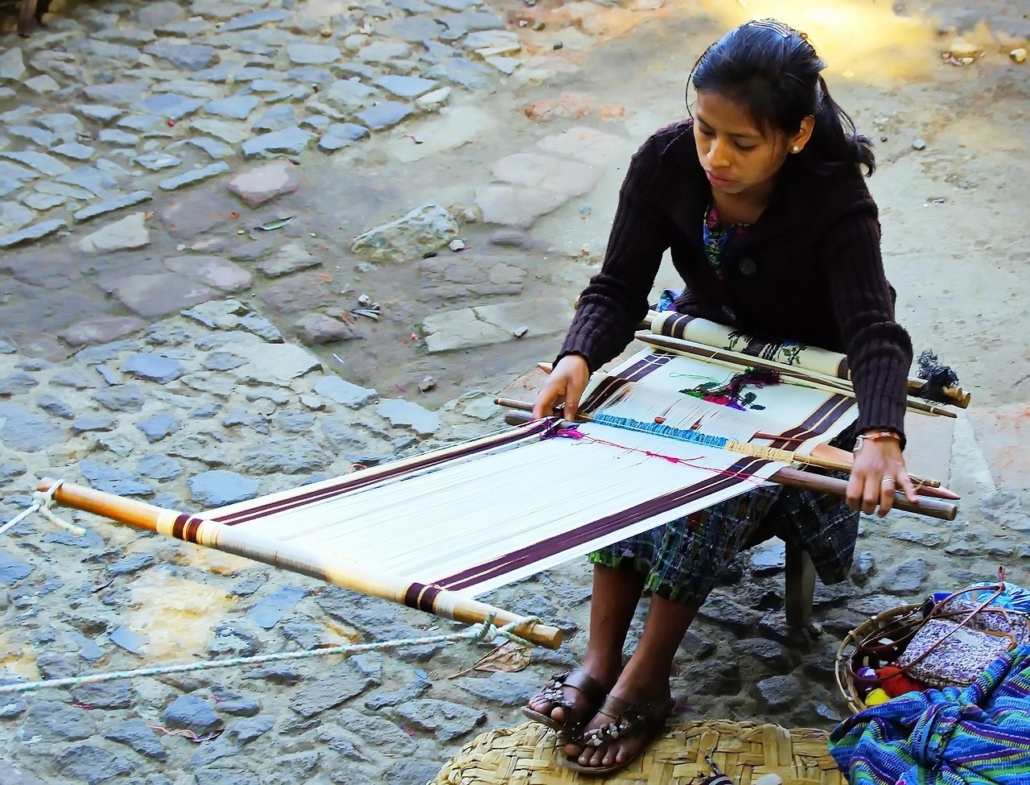
Lily’s Leaves was set up to empower women by educating them on how to set up tailoring businesses and providing them with transferable skills and basic-to-advanced knowledge. Lily’s Leaves offers basic training to women, many of whom are deaf and starting up. However, it also provides more in-depth advanced tailoring and jewelry-making training. When women complete their training, they are aided in setting up and running their businesses. The project has also opened outlets, grants and loans for these women, creating many new opportunities for marginalized communities like deaf women in Nepal, as it offers new employment and business skills that can generate an income and lift their families out of poverty.

Anju Majhi is a woman who has been attending tailor training at Lily’s Leaves for five months. Majhi mentions how her family background is financially weak and has always suffered from poverty as they struggled to make ends meet. Before the training, Majhi was unemployed and had no source of income. She then expresses, “But now, … I am earning a good income that has significantly improved my family’s financial situation. I am proud … to become self-sufficient. This training has … given me the confidence to pursue my dreams.”

Education for Children

Lily’s Leaves offers basic education classes for young girls from impoverished backgrounds, providing them with the resources and skills needed to break barriers and build a future of economic stability and confidence. Pramila Oli, a 21-year-old deaf woman from the Dang District in Nepal, recently joined Lily’s Leaves social enterprise. In a region where opportunities for disabled young women are scarce, Oli’s father struggled to support their family of nine. Thanks to a monthly allowance from Lily’s Leaves, Oli was able to pass her Class 12 school exams, equivalent to A Levels in the U.K. Lily’s Leaves continues to break barriers for young, disabled individuals by supporting their education and offering additional skills, such as tailoring.

Lily’s Leaves has also worked closely with several community schools, offering material support to children from extremely impoverished backgrounds. It distributes free school rucksacks and reusable sanitary pads to students who cannot afford these basic items. By prioritizing children’s health and ensuring access to essential school supplies, Lily’s Leaves helps improve their quality of life while promoting well-being. Lily, the founder, often visits these schools to lead discussions on menstrual hygiene for both girls and boys, breaking down taboos and raising awareness—a vital step toward changing perceptions and fostering inclusion, especially for vulnerable groups.

Jewelry-Making

The Kathmandu Training Center provides care and education for young women, training them to an advanced, professional standard in silver jewelry-making. Lily’s Leaves facilitates international sales through its website, making generating income from overseas customers easy. The center focuses on training many disabled and deaf women in Nepal, offering them employment opportunities while fostering confidence and teamwork with their non-disabled peers.

Shirishti Sharma, a woman who cannot speak or hear, has been working with Lily’s Leaves for 1.5 years as a tailor and jewelry artist. Reflecting on her journey, she says, “Despite the conservative and discriminatory attitudes in our society, I am now able to stand on my own two feet and even provide some financial support for my family.” Through Lily’s Leaves, Sharma has gained the ability to support her family, embrace newfound confidence and reintegrate into society with valuable skills and knowledge that have transformed her life.

Transforming Women’s Lives

Lily’s Leaves is a successful initiative that has transformed the lives of many deaf women in Nepal, including children. By providing materials to schools and teaching vulnerable populations income-generating and interpersonal skills, it fosters economic stability, personal confidence and a healthy, collaborative community. The project benefits not only deaf women through employment opportunities but also positively impacts younger generations, both female and male, across Nepal.

– Chelsey Saya McLeod

Chelsey is based in Southampton, Hampshire, UK and focuses on Good News and Technology for The Borgen Project.

Photo: Flickr
children with disabilities in pakistan
Internal and external conflicts have clouded Pakistan’s current climate. Recorded as of 2023, Pakistan’s political, economic and social crises have taken a toll on the state. Food insecurity and the increase of inflation have led to an outcry of suffering Pakistani people. According to the World Report 2024, the prison system is a breeding ground for the mistreatment of Pakistani people who seek mental health support. Additionally, children with disabilities are facing challenges in Pakistan. Here is what Family Network is doing to help children with disabilities in Pakistan.

Children With Disabilities in Pakistan

The BMC Health Services Research reports that “children with disabilities make up around 150 million of the billion people with disabilities in the world.”  Furthermore, the research articulated a big concern among sub-Saharan Africans who are concerned about their children being treated badly by others in the community, causing them to hide or not seek proper treatment for their children. These stigmas exist everywhere, including the Western world, and they harm children with developmental needs by neglecting their ability to have access to the special care they need. Oftentimes, developmental disabilities affect a child’s cognitive growth, potentially hindering the development of their nervous system, behavior and motor skills. Moreover, certain Mexican, Haitian and Latin American cultures may see a disability (physical or intellectual) as a curse, further ostracizing children with additional needs and developmental disorders.

Oftentimes children with disabilities experience neglect in their formative years due to a lack of resources. This issue is ever present in Pakistan as it is riddled with all sorts of conflict. Children who have additional needs often develop at a slower rate than their peers (talking, walking, sitting later than their peers).

Developmental disorders can cause society to ostracize these children as they are unable to conform to societal norms. This can be a burden to these Pakistani parents in rural lower class areas as the children with disabilities may not be able to take care of themselves, placing the pressure on an extremely codependent relationship between parent and child (including but not limited to; not knowing when danger is prevalent, being unable to function by themselves/without a parent present). According to FaNs “Over 6% of children in Pakistan have developmental disorders” Treatment is oftentimes consolidated in urban areas, leaving the rural Pakistani children with these developmental disorders to suffer.

The Family Network for Kids

 The Family Network for Kids (FaNs) has committed to bettering life for the children of Pakistan, primarily those with disabilities. FaNs is an organization and supportive network that uses technology to aid people in rural Pakistan who have a child with disabilities (developmental disorders) to provide sufficient care. Using mhGAP tech, FaNs is training families through interactive technology to educate and equip society/families to cater and care for children with disabilities.

Roleplay technology that plays scenarios through three animated children who teach the dismantling of stigma, as well as allow parents to practice parental management and problem-solving skills. Once a family passes the training, they become champions who will then further equip their communities with the skills to care for children through a peer-supervised group focused on building community. These champions have monthly check-ins with health specialists, keeping the program in order while pursuing the self-sustenance of the champion families. Implemented in Rawalpindi Pakistan, roughly 70 trained families, 36 of those being trained “family volunteers” who do further diligence to the community as they are training 270 families to properly care for their children.

Looking Ahead

Every child dreams and deserves to be understood regardless of their circumstance. FaNs is working to ensure that every child with a disability in Pakistan has the support system to do so. Cultural stigmas contribute to the exclusion of children with developmental disabilities being shunned from society. By doing the work to abolish cultural stigma, the Family Network for Kids is making rural Pakistan a safe space for kids who are normally ignored and taught to suppress themselves. By giving children the space to be themselves, the world becomes a place filled with authentic adults who can focus on bringing change to the world instead of changing themselves for the world.

– Petralyn Yeboah-Manson

Petralyn is based in New Jersey, USA and focuses on World News for The Borgen Project.

Photo: Flickr

Disability and Poverty in CubaCuba is a developing country in the Caribbean, with a population of 10.9. Cuba’s economy relied heavily on the Soviet Union, which started in 1960. However, during the early ’90s, the Soviet Union fell and Cuba’s economy suffered. Since 2018, the Cuban economy has been severely impacted by international blockade and sanctions. The COVID-19 pandemic has also hindered Cuba’s economic growth. In 2020, Cuban gross domestic product (GDP) decreased by 11% and only increased by 0.4% in 2021 and 1.8% in 2022. Moreover, Cuba’s economy has recently experienced inflation and the population has had limited access to essential resources like food and health products. The nation’s fuel supply has also struggled to meet the needs of citizens, causing periodic energy and transport crises.

In 2023, more than 360,000 people with disabilities lived in Cuba and they were all impacted by these economic challenges. The Data Disability Initiative published that women with physical disabilities experience a higher level of multidimensional poverty than women without physical disabilities. Despite these challenges, the Cuban government has made efforts to develop education policies that better cater to children with disabilities. International organizations like the United Nations Children’s Fund and Humanity and Inclusion (HI) have been helping improve the quality of life for people living with disability and poverty in Cuba.

Challenges

According to Human Rights Watch (HRW), Cuba has not established its domestic laws in agreement with the United Nations (U.N.) Convention on the Rights of Persons With Disabilities, nor has the nation’s government developed effective disability rights policies related to accessibility, legal capacity, education, independent living and employment. As of 2022, Cuban law suggests that public buildings, health services and transportation services should all accommodate people with disabilities. However, the government generally has not enforced this law effectively, resulting in the needed facilities and accommodations being rarely available for people with disabilities.

According to the 2019 Multiple Indicator Survey 6 results, 10% of women ages 18 to 49 with much functional difficulty have less than primary school as their highest level of education received, while only 1% of women with some functional difficulty and 0% of women with no functional difficulty have less than primary school as their highest level of schooling. Significant differences exist in the number of women with adequate housing and asset ownership. Women who have some functional difficulty are less likely to have these resources and women with much difficulty have even lower rates of access to these resources. Women with some functional difficulty and much functional difficulty were also more likely to report being discriminated against or harassed based on any ground, with rates of 3% and 15%, respectively.

Government Support for Education

Cuba’s 2012 Population and Housing Census took note of 41,374 children and adolescents with disabilities and many live in rural areas. About 57% of this total are visually impaired children and children with intellectual disabilities. Cuba has 355 schools for children who have disabilities, with 33,975 children and students enrolled in these schools in the 2017-2018 school year. Also, 1,978 mainstream schools at all levels educate 11,037 students with disabilities.

Education is state policy in Cuba. The government puts much effort into financing education, resulting in residual illiteracy of 0.2%, an average of 10.1 years of schooling and 10% of the GDP being used for school funding since 2004. Cuba has special and inclusive schools that work together to educate children with disabilities. In 2019, out of 10,598 schools, 342 (3%) of the total schools in the country were special schools. Special schools use the same teaching materials and curriculum as mainstream schools. However, they are flexible so that they can adapt to the specific needs of each student.

Special schools were established as resource centers with exit strategies that help students with disabilities smoothly transition into mainstream schools. In 2019, the number of students attending different centers was 102,477 in mainstream schools, 33,639 in special schools, 1,070 in technical and professional education and 180 in higher education. According to data collected from UNICEF Cuba in 2020, 15% of the students who attended trade schools were graduates of special schools.

Nonprofit Aid

HI is an international nonprofit that focuses on helping vulnerable populations, especially people with disabilities. It has been working in 60 countries around the world, including Cuba. This nonprofit helps Cubans with disabilities, especially women and young people, find employment by giving them kits with the necessary tools to become economically self-sufficient. HI’s teams also raise awareness about disability issues for local employers and help develop new adapted activities and jobs. In 2016, HI’s project helped more than 1,400 people with disabilities in Cuba. The organization’s project partnered with 800 health professionals and community officers, further assisting people with a disability and reducing poverty in Cuba.

Similarly, in 2019, UNICEF helped train 548 specialists across all 16 provinces of Cuba to provide the necessary care for students with disabilities who attend mainstream schools. UNICEF has been working on improving the capacities of teachers, principals and families in rural areas to ensure that students with intellectual disabilities attending mainstream schools receive the educational services they need. UNICEF also uses a communication-for-development strategy to encourage social and academic inclusion for children with disabilities.

Summary

While there seems to be further work to do to strengthen the country’s policies on transportation, employment and independent living for people with disabilities, progress has been made in addressing the needs of children and adolescents through institutions like special schools. International organizations like UNICEF and HI have also been helping to fill the gaps in providing the resources citizens living with disability and poverty in Cuba need.

UNICEF is improving education for children with disabilities by training teachers, principals and families in rural areas to understand intellectual disabilities better. HI’s program in Cuba supports people with disabilities by helping them find employment and providing materials for economic self-sufficiency. Overall, progress is being made in supporting people with disabilities in Cuba and continued support will be crucial for sustaining this advancement.

– Elisabeth Nwasokwa

Elisabeth is based in Bellerose, NY, USA and focuses on Good News for The Borgen Project.

Photo: Unsplash

Disability and Poverty in AlgeriaPoverty and disability are issues that significantly affect many Algerians. Despite efforts to address socio-economic development, poverty remains a persistent problem in the country as it increased in 2020 for the first time in more than 20 years. Individuals with disabilities face additional barriers, worsening their economic hardships as “integrating these individuals into Algerian society “remains insufficient.” This article will highlight the ongoing efforts from charities, organizations and the Algerian government to combat the correlation between disability and poverty in Algeria. 

Poverty in Algeria

Recent statistics indicate that almost 75% of the poor in Algeria undertake informal jobs within urban areas. In Algeria, the unemployment rate reached 11.2% in 2015, with no significant changes within the first half of 2016. High unemployment levels persisted, particularly among women, at 16.6% for women and 29.9% of youth. 

The World Bank found that young people experienced a higher overall unemployment rate. For instance, in 2021, Algeria’s unemployment rate was 12.7% for the total labor force, rising to 31.9% among youth aged 15 to 24. This high rate of youth unemployment suggests that young Algerians struggle to enter the job market – possibly due to factors such as a lack of experience, having little to no background in education or a general scarcity of jobs. This poses a problem as they miss out on earning potential income in order to help themselves and their family. This lack of income can make it harder to afford basic needs such as food, clothing and housing, pushing them further into poverty. 

The Pandemic

Approximately, 10% of Algeria’s population is at constant risk of sinking back into poverty. The COVID-19 pandemic worsened this situation in which, “Algeria was ill prepared to respond to the COVID-19 pandemic. Health care workers were challenged by a shortage in hospital intensive care unit beds, ventilators, protective gear, medical oxygen, oximeters, and medications.” This lack of preparedness, coupled with job losses and increased living costs due to the pandemic, severely strains social safety nets and government resources. As a consequence, this further widens the inequality gap and perpetuates a cycle of financial instability that traps individuals in poverty. 

Disability in Algeria

In Algeria, individuals with disabilities face significant challenges despite legal frameworks aimed at protecting their rights. As the charity Disability:IN states, Algerian society has an evolving outlook on people with disabilities. However, those with disabilities are often not included fully into society and often face discrimination, unfairness and exclusion. 

The government has enacted legislation to promote the employment of persons with disabilities in Algeria within public and private sectors, including offering incentives for employers and establishing a 1% employment quota. Between 2005 and 2018, the National Loan Agency financed 1,522 projects to support the professional integration of people with disabilities. According to a 1998 census. there were 1.6 million people in Algeria with disabilities, a number which was now estimated to be 2 million by 2018. 

There remains a significant gap between the laws and their implementation. Experts have raised concerns about outdated definitions in the 2002 Disability Law and the presence of derogatory terms. More than 7,000 children with disabilities still live in institutions rather than in family or inclusive settings, underlining a need for improved integration of disabled children within Algerian society.  

Education is mandatory for all children from age six, and efforts have been made to include children with specific needs in mainstream schools. Currently, 37,000 children with disabilities are integrated into schools, with 32,500 children in mainstream settings. The government supports 232 specialized institutions and initiatives like the use of sign language have been introduced to facilitate a better understanding in classrooms.  Despite these efforts, broader measures are needed to bridge the gap between legislation and the experiences of those living with disabilities in Algeria.

Addressing Disability and Poverty in Algeria

Efforts to support those with disabilities and combat poverty in Algeria also involve international organizations. Oxfam has been active in the Sahrawi refugee camps since 1975 and they work to improve food security by distributing fresh vegetables and gluten-free flour to the disproportionately large celiac population within the camps. Further to this, the World Food Programme (WFP) has supported vulnerable refugees in Algeria since 1986, covering basic food and nutrition needs. The European Union is the largest donor to the World Food Programme (WFP) in Algeria. Since 2003, the EU has contributed nearly €85 million euros to support WFP’s operations for Sahrawi refugees in the country. This year, the EU’s contributions represent almost 20 percent of the total funding required by WFP in Algeria.

Humanity & Inclusion (HI) has been active in Algeria since 1998, working to promote the rights of individuals with disabilities. HI trains teachers in understanding specific methods when working with disabled children, while also raising awareness among parents about the importance of education for children with disabilities. One of their projects focuses on the rights of disabled children without families. In partnership with national and local actors, including the Ministry for National Solidarity, the Ministry of Health, NADA, parent organizations and UNICEF, HI collects and analyzes data to improve care-management practices. The project aims to enhance conditions for children with disabilities in specialized settings. There are 232 specialized institutions providing support to children with disabilities, receiving government funding amounting to 10 billion Algerian dinars. 

The Takeaway

In conclusion, Algeria faces significant challenges in addressing poverty and disability in Algeria, despite various efforts by the government, charities and international organizations. The increase in poverty rates in 2020, for the first time in over two decades, highlights the persistent socio-economic issues that high unemployment, especially among youth and women, has exacerbated. Individuals with disabilities encounter barriers within their integration into society with a gap between legislation being proposed and the actual implementation of said proposals.

However, initiatives by organizations such as Oxfam, the World Food Programme and Humanity & Inclusion, along with government efforts, are continuously providing support and improving the lives of vulnerable populations. These efforts are necessary to bridge the existing gaps and ensure a more inclusive and equal society for all Algerians.

– Fahima Begum

Fahima is based in London, UK and focuses on Good News and Global Health for The Borgen Project.

Photo: Wikimedia Commons

Uplifting Haiti’s Vulnerable: Disability and Poverty in HaitiHaiti struggles with profound social, economic and political instability, making it the poorest country in Latin America and the Caribbean and one of the poorest globally. In 2024, Haiti faces another year of negative economic growth, compounded by environmental hazards and ongoing political crises. These factors contribute to prevalent issues of disability and poverty, placing a significant portion of the population at risk.

Disabled Population in Haiti

In 2010, Haiti saw a significant increase in the number of disabled individuals following an earthquake that injured nearly 10% of households. Disability, affecting about 4% of Haitians aged 5 and over, is defined as experiencing some difficulty in at least two functional domains or serious difficulty or incapacity in one domain. Post-earthquake, 16% of households reported having a family member with a disability, which has drastically impacted individuals’ work capabilities and family financial stability.

Beyond natural disasters, disabilities in Haiti also stem from birth anomalies and noncommunicable diseases. The Disability Data Initiative reports that 24.9% of Haitians aged 15 and older face functional difficulties, with vision issues being the most common. Furthermore, a survey of more than 53,000 people found that 43% suffered from physical mobility disabilities.

How Disabilities Impact Poverty

Disability and poverty in Haiti severely limit the social mobility of a significant portion of the population. Poverty in Haiti often manifests as multidimensional poverty, which encompasses multiple social disadvantages such as unsafe living conditions and low educational attainment.

Approximately 86.2% of Haitians with significant functional difficulties are also multidimensionally poor. Compared to the general population, disabled individuals in Haiti face harsher socioeconomic conditions and have more difficulty entering the workforce. This perpetuates a cycle where impoverished and disabled communities struggle to achieve social mobility, affecting future generations.

According to the 2020 Human Capital Index, children in Haiti are projected to achieve only 45% of their potential productivity if they have access to stable education and health care. Moreover, the literacy rate among the disabled community is under 30%, nearly 30% lower than the national average.

Uplifting the Disabled Community

An initiative tackling disability and poverty in Haiti is the Promoting Inclusion of Persons with Disabilities (PwDs) in Social and Employment Programs. This program strives to enhance the presence of PwDs in the labor force by integrating them into the social registry, offering professional training and conducting awareness campaigns about the status of PwDs in Haiti and how to support them.

The World Bank has funded this initiative with a $2.29 million grant and collaborates with Humanity and Inclusion, a nongovernmental organization that aids people with disabilities. This partnership focuses on providing training and methodologies. So far, 127 PwDs have completed training in various fields, which has enabled them to boost their income and explore opportunities like starting their businesses.

The World Bank funds the Adaptive Social Protection for Increased Resilience (ASPIRE) program, which offers a financial safety net through the Ministry of Social Affairs and Labor. This program ensures that vulnerable households receive regular financial support and health care. ASPIRE aims to give individuals the opportunity to stabilize their lives and seek employment, mitigating the risks of extreme poverty and food scarcity.

PwDs in Haiti often fall victim to violence from natural disasters and gang-related activities. The U.N. Population Fund (UNFPA) supports these individuals by providing crutches, wheelchairs, dignity kits and assistance in organizing work documentation, enhancing their autonomy. These services help PwDs return to work, secure protection from violence and promote economic independence.

Looking Ahead

As Haiti endures another year of economic decline, compounded by environmental hazards and political crises, the disabled community remains particularly vulnerable. Efforts like the Promoting Inclusion of Persons with Disabilities in Social and Employment Programs and the ASPIRE program are crucial in providing professional training and financial support. Additionally, the UNFPA’s initiatives to supply mobility aids and essential services are vital in empowering disabled individuals to achieve economic independence and protection from violence. The ongoing efforts aim to improve the living conditions and prospects for Haiti’s disabled population.

– Astrid Burns

Astrid is based in Roseland, NJ, USA and focuses on Global Health for The Borgen Project.

Photo: Flickr