People with Disabilities in Taiwan
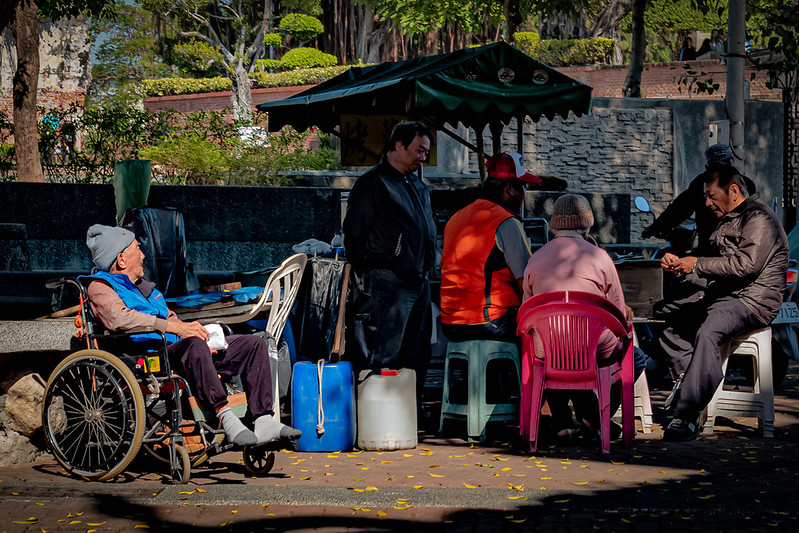 Taiwan’s official poverty rate is 2.6%, however, the Taiwan Social Welfare League reports that 9% of Taiwanese people believe they are living in poverty and 7.8% in near poverty, as they are unable to overcome hardships such as unemployment and illness. Government regulations are largely what prevent people from registering as low-income, as stateless people, those with property and those without family, are all unable to register. People with disabilities in Taiwan are frequently among those within this gap.
Health Care Expenses
Taiwan has universal health care, but despite this, health care costs are significantly more expensive for people with disabilities. Expenses commonly include medications, supplements, transportation, mobility aids and prosthetics, but these are just some of the expenses that come with disabilities. While the universal health care and public assistance (for those that qualify) in Taiwan, reduce or cover the cost of medical expenses, the truth is that health care expenses add up over time.
Additionally, there is the ever-present issue that having a disability does not guarantee that Taiwan will officially recognize the disability, nor does having an officially recognized disability guarantee a person financial assistance for their medical expenses.
Limited Employment Opportunities
Most jobs are inaccessible to people with disabilities because the average Taiwanese business lacks the resources to accommodate disabilities. Moreover, there are more than 1 million people (or 5%) registered as having a disability in Taiwan. However, disabled people make up 8% of the unemployed people in Taiwan. The people with disabilities who are able to find work on average make a salary of NT $30,000 or about $917.
Families in Poverty
For families with family members who have a disability the loss of a job often means an indefinite loss of income because of how difficult it is to get a job with a disability in Taiwan. The same loss of income occurs when a family member develops a physical or mental disability and becomes unable to work and the family loses a portion or all of their income. Moreover, a newly developed disability requires additional medical care, increasing the amount of money needed for health care, and creating an additional financial strain. For many families, this can lead to poverty, and for families who are already low-income or living in poverty, this only worsens their circumstances.
Together, these issues correlate and or compound on one another, increasing the number of people with disabilities in Taiwan experiencing poverty.
National Human Rights Commission (NHRC)
The government established the National Human Rights Commission (NHRC) in 2020. NHRC works to monitor and protect the human rights of Taiwanese people. The NHRC pays close attention to upholding the rights of vulnerable groups such as indigenous peoples, homeless people, senior citizens and people with disabilities.
In 2022, the NHRC launched its first action plan, which states its methods to address the inequity that vulnerable groups experience. It specifically states that it will address the inequity people with disabilities in Taiwan face, such as inaccessible work environments, housing injustices, and poor health care accessibility.
The NHRC states that it intends to “provide necessary and appropriate reasonable accommodations” to persons with disabilities based on their individual needs. Simultaneously, Taiwan’s Workforce Development Agency Ministry of Labor updated its “Supportive Employment Services for Persons with Disabilities” plan. This allows a person with a disability who desires to work but cannot compete within the employment market with the ability to have access to resources, such as individualized job training or assistance, along with individualized job placement.
Within its action plan, the NHRC acknowledges that “there is a lot of room for improvement when it comes to housing rights issues in Taiwan” for vulnerable groups in particular. As part of this initial action plan, it will identify the issues at hand so they can be addressed in the Medium-Term Strategic Plan which will be a continuation and more defined action plan to address the concerns originally brought up in the first action plan.
Housing and Health Care
Concurrently, in 2023, the Ministry of the Interior Real Estate Information Platform began addressing the creation of “Barrier-Free Housing” to comply with updated housing laws. This “Barrier-Free Housing” would remove all tangible and intangible barriers within homes so that people with disabilities can have a home and amenities designed to be accessible.
Taiwan also lacks an adequate amount of accessible transportation and medical facilities. However, the NHRC plans to promote the increased implementation of accessible resources within these sectors.
Furthermore, in 2023 the Executive Yuan (the executive branch of the government of Taiwan) announced that the Ministry of Health and Welfare (MOHW) would be investing more than NT$48 billion ($1.5 billion) into more comprehensive health care services for people with disabilities in Taiwan. The funding is intended to increase the accessibility of medical facilities along with creating more effective health care services. The MOHW believes these improvements will not only benefit people with disabilities but also the guardians of people with disabilities.
Disabilities in Taiwan
Currently, people with disabilities in Taiwan disproportionately experience poverty. However, with these new efforts made by the NHRC, Taiwan’s Workforce Development Agency Ministry of Labor, Ministry of the Interior Real Estate Information Platform and MOHW low income rates within people with disabilities in Taiwan are being addressed and over time these measures put in place along with future plans should alleviate disproportionate poverty.
– Nivea Walker
Nivea is based in Elon, NC, USA and focuses on Good News and Global Health for The Borgen Project.
Photo: Flickr
