• Link to X
  • Link to Facebook
  • Link to Instagram
  • Link to TikTok
  • Link to Youtube
  • About
    • About Us
      • President
      • Board of Directors
      • Board of Advisors
      • Financials
      • Our Methodology
      • Success Tracker
      • Contact
  • Act Now
    • 30 Ways to Help
      • Email Congress
      • Call Congress
      • Volunteer
      • Courses & Certificates
      • Be a Donor
    • Internships
      • In-Office Internships
      • Remote Internships
    • Legislation
      • Politics 101
  • The Blog
  • The Podcast
  • Magazine
  • Donate
  • Click to open the search input field Click to open the search input field Search
  • Menu Menu

Archive for category: Developing Countries

Information and stories about developing countries.

Africa, Developing Countries, Global Poverty

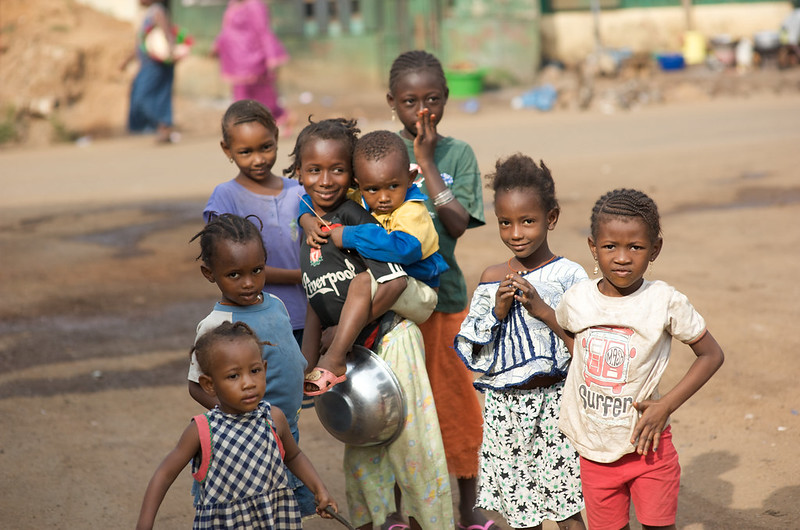
The ABCs for Poverty Reduction in Ghana

Poverty Reduction in GhanaIn Ghana, 38% of the population is between 15 and 35 years old. Young people have the desire and capacity to contribute to national development, which, in turn, supports poverty reduction efforts in Ghana. To get young people involved, they must be given a seat at the table. The government has committed to creating more opportunities to enhance their involvement. Millennials and Gen Zs are skilled at using innovative and creative approaches to improve technologies and systems that benefit growing sectors, such as agriculture and entrepreneurship. 

Agriculture

Agriculture remains one of Ghana’s oldest and most vital professions, employing 33% of the population and encompassing crops, livestock and fisheries. The sector accounts for an impressive 54% of the country’s total gross domestic product (GDP). Currently, only 5% of agricultural jobs are held by youth. Hence, the government is implementing targeted policies and providing sustainable funding to boost youth participation.

The 8th annual Agricultural Innovation for Africa (AIA) Conference was held in Accra in August 2024. It aims to produce a policy paper on attracting and supporting youth in the agriculture sector. The conference focused on the future of agricultural innovation, youth employment and food security in Africa — all crucial factors in reducing poverty in Ghana.

Count on Crops Hub Limited is an African-led, youth-based organization dedicated to improving agricultural production and driving inclusive agrarian transformation in Ghana. In addition, it runs the Agric4Girls initiative, which addresses the urgent need for economic opportunities and contributions that women and girls can make to the agricultural sector.

Business

Post COVID-19, the Ghana government has created the COVID-19 Alleviation and Revitalisation of Enterprises Support (CARES) specifically to engage youth. CARES aims to:

  • Make the Ghana Stock Exchange a leading source of long-term financing for domestic business,
  • Facilitate foreign companies’ investment in the country,
  • Create the Development Bank Ghana (DBG) with more than $180 million loan from the European Investment Bank.
  • Fund the YouStart Initiative that will create over one million jobs for young people by giving them access to capital and mentorship to launch and grow their businesses.

The Enterprise and Youth Support Fund (EYSF) was started in conjunction with Ghana CARES in 2021. It offers an online investment platform and “youth bank” that will specifically target start-ups for young Ghanaians. They are encouraged to use innovation and fresh perspectives to create a sustainable economy that reinvests in its people.

One business that has flourished under these government initiatives is Gold Coast Tokota, a footwear brand founded by Kwaku Kumi. The Ghana-based company prides itself on using eco-friendly materials that minimize environmental impact. Supporting this brand promotes traditional craftsmanship, strengthens the local economy and advances sustainable fashion — all contributing to poverty reduction in Ghana.

Communicate Knowledge

Ghanaian President Akufo-Addo is urging all citizens who study abroad to return and share what they have learned with their communities. Access to correct information is integral in ending the cycle of poverty. Students and recent graduates can bring new knowledge and ideas back to the country. This knowledge can teach people across many sectors how to grow in their endeavors.

The Oxford and Cambridge Society of Ghana is a significant society for the Ghanaian people. Alums from the two universities work toward spreading and explaining how this knowledge contributes to the transformation of Ghana.

Summary

Ghana is modernizing its agricultural sector by applying the skills of young Ghanaians to create food security. Furthermore, the agriculture sector is providing employment opportunities in one of the country’s oldest professions. Supporting young entrepreneurs is another key focus. Investing in the youth today will help grow businesses that strengthen the economy and create jobs for the community. Additionally, making critical information accessible to all Ghanaians fosters growth across various sectors, ensuring that education and knowledge-sharing drive innovation and progress.

– Alysha Miller

Alysha is based in Toronto, Canada and focuses on Technology and Solutions for The Borgen Project.

Photo: Flickr
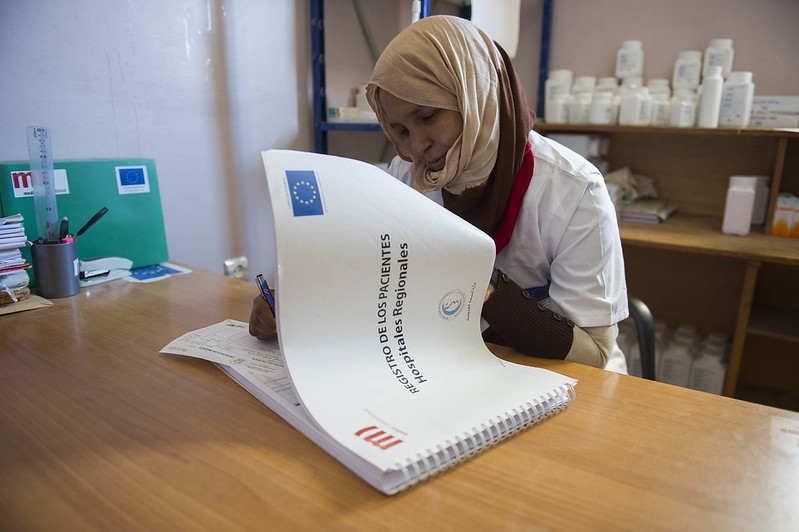
September 23, 2024
https://borgenproject.org/wp-content/uploads/borgen-project-logo.svg 0 0 Lynsey 2 https://borgenproject.org/wp-content/uploads/borgen-project-logo.svg Lynsey 22024-09-23 03:00:482024-09-22 22:55:45The ABCs for Poverty Reduction in Ghana
Developing Countries, Global Poverty, Health

USAID Programs in Botswana Alleviating HIV

USAID Programs in BotswanaClassified as one of the world’s most impoverished countries in 1966, Botswana has undergone significant economic transformation since gaining independence. Today, it is recognized as an upper-middle-income country, largely due to its thriving mining sector. The land-locked nation’s production of diamonds, alongside other minerals, is a key factor in its growing economy. After 58 years of gaining independence from the U.K., Botswana is now aiming to achieve high-income status. 

However, the country still relies on the help of the United States Agency for International Development’s (USAID) programs. Despite Botswana’s economic prosperity, the health of the nation’s people is largely vulnerable due to the prevalence of HIV. The epidemic has become a burden on the economy, as well as Botswana social services. Almost 21% of adults in Botswana have HIV, which is one of the highest HIV infection rates in the world. Improvements to the health care sector have been implemented, such as increased access to clean water. Yet, the nation’s health remains unstable due to the HIV epidemic.

USAID’s Work in Botswana

USAID is a key implementer of the U.S. President’s Emergency Plan for AIDS Relief (PEPFAR), which combats the HIV epidemic. PEPFAR works to address HIV in more than 50 countries globally. “We have the opportunity to see an AIDS-free generation by 2030,” said Congresswoman Barbara Lee, a PEPFAR advocate. PEPFAR’s goal is to eradicate AIDS and, by extension, HIV in the near future and it is working with USAID to achieve this.

In the past two decades, PEPFAR has received about $120 billion in funding, enabling USAID to fight the HIV epidemic and improve global health, with a significant focus on Botswana. Since 2003, PEPFAR has invested $750 million to combat HIV in Botswana. This funding supports USAID programs, enhancing its effectiveness in the Southern African nation.

Reducing Stigma

HIV has been heavily stigmatized in parts of Botswana and USAID is working to reduce negative perceptions of people with the infection. USAID is engaging with traditional, faith and community leaders to help eradicate the epidemic by addressing the social stigma surrounding HIV.

Support and Counseling 

Individuals with HIV aren’t the only ones affected by the virus. In 2022, an estimated 54,000 children in Botswana were orphaned due to HIV/AIDS. USAID supports orphans and other vulnerable groups, including women and children, whom HIV has impacted.

Furthermore, USAID provides counseling services to people living with HIV in Botswana. Infected individuals are supplied with support and guidance, encouraging them to get medical treatment. Counselors can track individuals’ progress as they start or maintain their medical schedules, helping to prevent the transmission of the virus.

Final Thoughts

USAID has been helping Botswana since the ’80s, working to alleviate HIV by improving health services, prevention efforts, public opinion and support for those affected by the disease. The $750 million PEPFAR has provided to Botswana since 2003 has allowed USAID programs to help reduce AIDS-related deaths among adults and children by about 14,100. Additionally, USAID programs have contributed to lowering the estimated number of children living with HIV by 16,900 in the past 20 years. USAID programs continue to combat the HIV epidemic, both in Botswana and globally, working toward eradicating the disease.

– Megan Hall

Megan is based in Suffolk, UK and focuses on Global Health and Celebs for The Borgen Project.

Photo: Flickr
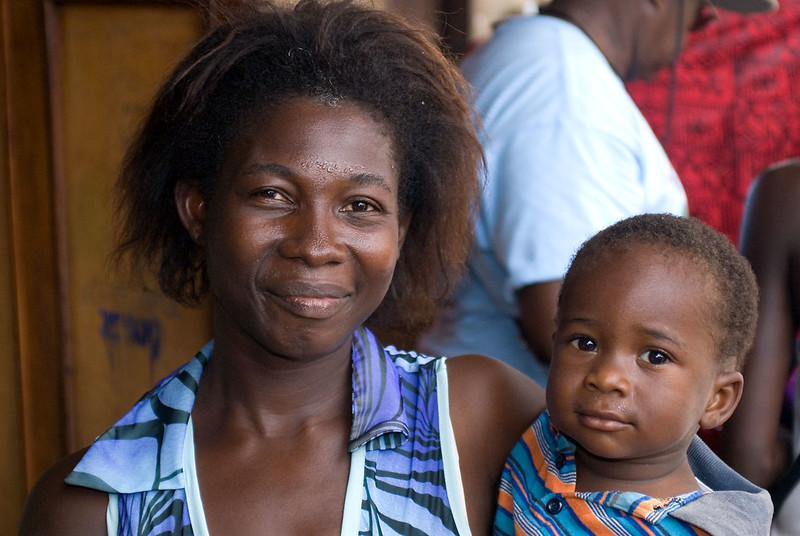
September 23, 2024
https://borgenproject.org/wp-content/uploads/borgen-project-logo.svg 0 0 Lynsey 2 https://borgenproject.org/wp-content/uploads/borgen-project-logo.svg Lynsey 22024-09-23 01:30:582024-09-22 22:40:09USAID Programs in Botswana Alleviating HIV
Developing Countries, Education, Global Poverty

Educate! Alleviating Poverty Through Skill-Based Teaching in Africa

Educate! Alleviating Poverty Through Skill-Based Teaching in AfricaRwanda, Kenya and Uganda are neighboring African nations known for their rich history, abundant natural resources and welcoming people. Despite these advantages, many citizens in these countries still lack a quality lifestyle. As of 2024, 9.2 million Ugandans are illiterate. Rwanda’s literacy rate stands at 83.1%, with goals to increase it to 84.5% by year-end, while Kenya maintains an 83% literacy rate. It is crucial that individuals in each country have equal access to education. The Educate! initiative has played a significant role in improving literacy rates in these nations, offering many citizens a chance to enhance their lives.

Educate!

Educate!, founded in 2009, aims to develop young leaders and entrepreneurs in Africa by designing impactful solutions for youth across the continent each year. The organization enhances vocational training in secondary schools across several countries, responding to research from the International Labour Organisation (ILO), which projects that about 90% of African youth will enter the informal economy as they age. This focus is critical given that 60% of Africa’s population is under 25, underscoring the need to fully develop this young talent to foster continental growth.

Educate! implements a standardized, core learning experience in secondary schools which encompasses the most essential skills youth need to transition to the working world. This involves combining tangible skills, training, expert mentorship and practical experience to teach hard skills, such as budgeting, planning, saving and market research. The program also ensures the inclusion of soft skills, such as communication, collaboration, critical thinking and creativity to ensure these budding secondary students can succeed going forward. In addition, it works outside of schools, by delivering live boot camps for youth who do not have access to an education, to ensure they get the same opportunity for future career expansion. This also has a segment focused particularly on young girls and marginalized communities.

Educate! Successes

Educate! reinforces its commitment to affecting genuine change by subjecting itself and its operations to randomized controlled trials and rigorous periodic performance evaluations. These evaluations have yielded the following results: Four years after participating in the program, participants can expect a 25% increase in university enrollment for women, 21% less likelihood of having a child (thus deriving more opportunities to focus on self-growth) and an 18% decrease in inter-partner violence for women. Toward the end of the four-year Educate! program, graduates can earn up to twice the income of their peers who have not participated in Educate! This is the first program in Africa that causally links soft skills to life improvements related to gender and living standards, making it one of the most effective firms for poverty alleviation.

Looking Ahead

Educate! has significantly impacted youth in Rwanda, Kenya and Uganda by providing essential vocational training and skills development. The program’s participants have experienced measurable improvements, including increased university enrollment rates and higher income levels compared to nonparticipants. Educate! also addresses gender-related issues, contributing to a decrease in inter-partner violence and reduced early pregnancies. These outcomes highlight the program’s role in enhancing educational and economic opportunities for young people in these countries.

– Disheta Anand

Disheta is based in Dubai, United Arab Emirates and focuses on Politics for The Borgen Project.

Photo: Pixabay

September 22, 2024
https://borgenproject.org/wp-content/uploads/borgen-project-logo.svg 0 0 Precious Sheidu https://borgenproject.org/wp-content/uploads/borgen-project-logo.svg Precious Sheidu2024-09-22 01:30:102024-09-21 11:51:31Educate! Alleviating Poverty Through Skill-Based Teaching in Africa
Developing Countries, Global Poverty, Politics

New President Prepares to Combat Poverty in Mexico

Combat Poverty in MexicoOn Sunday, June 2, 2024, Claudia Shinebaum was elected Mexico’s new president. This marks a historical moment as she is the first female president of Mexico. The former mayor of Mexico City was the chosen successor of Andres Manuel Lopez Obrador (AMLO). During AMLO’s term as president, he is credited with lifting more than 5 million Mexican citizens out of poverty. Promises of expanding social services and education reform and her work as Mexico City’s mayor leave many in the poverty-stricken nation hopeful that she will help to further combat poverty in Mexico.

Pending Pension Promises

Many of the initial items Shinebaum plans to address are continuations of projects AMLO has laid out. One of the biggest overhauls is the changes to Mexico’s pension program that started in 2020. A whole sweet of changes have been proposed and are in the process of implementation to make a pension available to more people and expand just how much goes into the fund.

The American Bar Association lays out the points of change, such as a decrease in the number of weekly contributions needed from 1,250 to 1,000 and an increase in the employers’ contribution by 8% with an increase in the government contribution. Additionally, these changes were laid out as gradual changes to be implemented by 2031; thus, it is expected that Shinebaum will oversee a majority of these rollouts during her term.

Investing in Education

Education reform has been an enduring issue in Mexico, with multiple proposed solutions with varying levels of efficacy. ALMO began his term by scraping his predecessors’ reforms, making way for his programs. He opened publicly funded universities to make higher education accessible to low-income students. Furthermore, this came alongside cuts to funding for higher education stemming from the policies of his predecessor.

He also lowered standardized testing requirements in an attempt to increase graduation rates. Reactions to these reforms have been mixed. Indeed, critics say that a strong focus on higher education has meant less focus on primary and secondary education. The Benito Juarez Welfare Scholarship seeks to provide aid to the families of students 15 and younger. The International Monetary Fund credits it as an important step toward addressing the plight of the 43.5% of Mexican citizens living in poverty. With this, citizens can expect Mexico’s new president to continue and expand on these social services throughout her term.

Final Note

According to the United States Agency for International Development (USAID), the U.S. has contributed $495 million to developmental projects in Mexico. However, this is just 0.03% of its gross domestic product (GDP). Given the close cultural, economic and geographic ties between the two nations, the U.S. may see it in its advantage to do more to help combat poverty in Mexico.

– Thane Zerbe

Thane is based in Wichita, KS, USA and focuses on Good News and Politics for The Borgen Project.

Photo: Unsplash

September 21, 2024
https://borgenproject.org/wp-content/uploads/borgen-project-logo.svg 0 0 Lynsey 2 https://borgenproject.org/wp-content/uploads/borgen-project-logo.svg Lynsey 22024-09-21 03:00:332024-09-21 01:36:31New President Prepares to Combat Poverty in Mexico
Developing Countries, Global Poverty, Innovations

Innovations in Poverty Eradication in Cambodia

Cambodia is a rapidly developing country that has seen vast improvements in its economic and social development over the years. While the number of Cambodians living in extreme poverty has dropped from 36.7% in 2014 to 16.6 % in 2022, multidimensional poverty remains at the forefront of life for many, specifically those living in rural areas. Although much of the population of Cambodia is not classified as living in extreme poverty, almost “three-quarters of the population still live on less than $3 a day” and 90% of those hovering just above the poverty line are located in rural areas.

There are many explanations as to why poverty exists in Cambodia, many of which trace back to the country’s troubled history during the Khmer Rouge regime in the ’70s. Pol Pot’s regressive regime exacerbated poverty, condemning developments and modern advancements that would allow individuals to train in skilled, higher-income jobs. Coupled with inadequate funding for education, health and transport and an unfair distribution of wealth, poverty in Cambodia continues to run rife. However, here are some ways governments, foreign aid and nonprofit organizations are working to improve the situation in Cambodia.

National Poverty Reduction Strategy in Cambodia

In 2002, the Cambodian government introduced the National Poverty Reduction Strategy (NPRS), which established a vision with objectives and measures to tackle the issue of extreme poverty. Poverty mapping was the first step in the program, allowing policymakers to identify areas with the highest levels of poverty and coordinate their antipoverty efforts more efficiently. The NPRS also focused on providing social protection and equity to civilians, ensuring equal access to land, basic amenities and economic resources.

Focusing antipoverty efforts on boosting non-farm earnings and developing growing industries like tourism, garment manufacturing and construction has been a critical driver of poverty reduction in Cambodia. Providing workers with training for more skilled, higher-paying jobs has facilitated a shift away from low-wage farming, further promoting trade and investment-led growth in the country. Moreover, by opening its borders to international trade and investment, Cambodia has attracted foreign direct investment (FDI) to support these growing industries and to expand the economy further.

Between 2013 and 2022, “the average annual value of FDI rose to 12.1% of gross domestic domestic (GDP),” with garment and electronics industries dominating the flow of inbound FDI. In 2023 alone, FDI created more than 307,000 jobs through 268 approved investment projects.

Cash Transfers

The COVID-19 pandemic introduced a myriad of problems and setbacks for Cambodia, reversing prior poverty reduction efforts and pushing approximately 460,000 individuals into poverty. The closure of factories and markets led to job losses. Additionally, the shutdown of borders diminished income from tourism and trade. As a result, Cambodia’s GDP contracted by 3.1%. However, its government responded swiftly, introducing cash transfers to deliver emergency aid and support to those most vulnerable.

Building on the success of previous cash transfer programs, these new transfers were influential in the post-pandemic recovery strategy. They helped people experiencing poverty accumulate savings and purchase necessities for their survival. In total, 700,000 impoverished households have gained access to the cash transfer program, benefiting approximately 2.8 million people living in poverty.

Habitat for Humanity

Habitat for Humanity is just one of the nonprofit organizations helping to alleviate poverty in Cambodia, “focused on long-term development, aid and poverty alleviation.” The organization operates in six provinces, where poverty is most abundant, building safe and durable shelters for those living in impoverished and unsanitary conditions. Thus far, it has helped more than 22,000 families to create long-lasting shelters with new standards of hygiene in its water and sanitation interventions.

Habitat for Humanity not only focuses on building housing for low-income families but also provides education and training in financial literacy and livelihoods. The organization collaborates with various partners, including authorities and microfinance institutions worldwide. Through their collective expertise, they offer technical guidance in housing solutions and well and latrine construction. They also provide micro-loans to help communities initiate these projects.

Final Note on Poverty Eradication in Cambodia

While much remains to be done to eradicate extreme poverty in Cambodia permanently, the important steps outlined in government plans and the remarkable efforts of nonprofit organizations, such as Habitat for Humanity, serve as a model for ongoing positive change.

– Sofia Bowes

Sofia is based on the Isle of Skye, UK and focuses on Good News for The Borgen Project.

Photo: Flickr
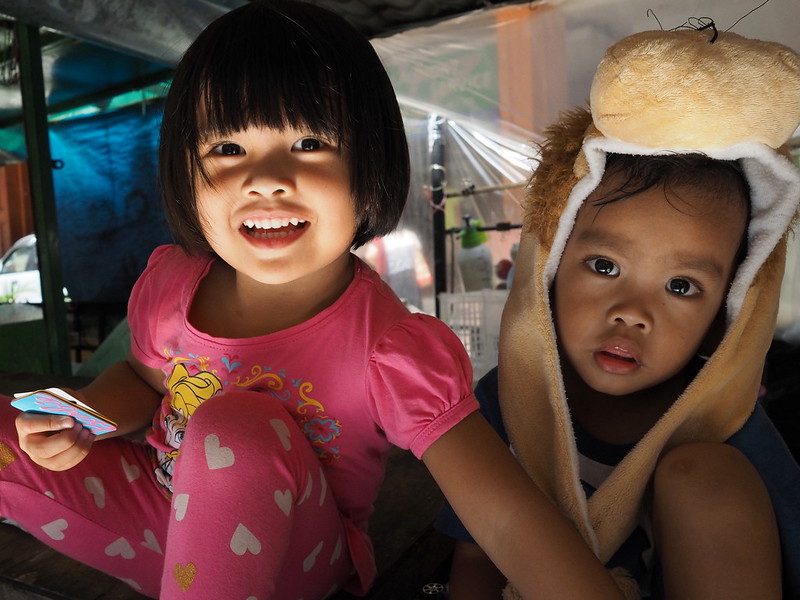
September 20, 2024
https://borgenproject.org/wp-content/uploads/borgen-project-logo.svg 0 0 Lynsey 2 https://borgenproject.org/wp-content/uploads/borgen-project-logo.svg Lynsey 22024-09-20 01:30:522024-09-20 00:20:50Innovations in Poverty Eradication in Cambodia
Developing Countries, Foreign Aid, Global Poverty

The World Food Program and Poverty in Liberia

The World Food Program: 3 Strategies Against Poverty in Liberia Liberia is a nation that leans greatly on foreign aid and investment. With 81% of Liberia’s population being food insecure and 93% unable to afford a healthy diet, malnutrition becomes a great threat. This especially goes for children under 5 years old in Liberia, who have the greatest Global Acute Malnutrition Rate in urban Montserrado. With high agricultural post-harvest losses and limited technology and knowledge, Liberia’s food insecurity is amplified. To help combat poverty and food insecurity in Liberia, the World Food Program (WFP) is aiding Liberia through three main strategies: resilience building, school meals and supply chain.

Resilience Building

Resilience-building activities in Liberia are used to target the most food-insecure people. WFP has a food assistance-for-assets (FFA) activity in which 1.8 million people participated in rehabilitation and asset creation projects. This included more than 62,000 hectares of land and 847 ponds that were rehabilitated and 172 new wells were raised. This inevitably benefited 3.15 million people as monitoring results of 2022 showed it decreased social conflict and instability between people over limited natural resources. Instead, it reinforced a stronger sense of community as the resilience programs promoted teamwork and acted as a foundation of support for many villages.

WFP also targets food insecurity and poverty by introducing savings practices. Village Savings and Loan Associations (VSLA), is a strategy for people to borrow from their savings for needs and requirements. These can be health care, food, school fees and business support. By educating people on how to borrow savings, people in rural Liberia learn how to handle their money utilizing the best practices for saving. Through this strategy, Liberia can fight poverty by educating its people and promoting further household economic security.

School Meals

WFP intends to revise the National School Feeding Policy. By incorporating a school meal program into the schools of Liberia, children can have guaranteed meals every day. This is significant work in combating the food insecurity and malnutrition that young people, particularly children, suffer from. WFP aims to establish a budget of $5 million for this school meal program and by 2025, increase the coverage of the school meal program by 45%.

While also combating food insecurity, WFP has also begun a ‘Breaking Barriers to Girls Education’ initiative that promotes education for girls and young women. This is a significant aspect of fighting poverty in Liberia, as 51% of the population lives on $1 a day. By giving women proper education, they will learn skills that open further opportunities for them in the work industry. This will allow them to earn a wage and curb poverty and food insecurity in Liberia. The Home-Grown School Feeding Programme (HGSF) has also benefited smallholder farmers as the program has increased their production, promoting economic stability for more people in the agricultural industry.

According to WFP, more than 5000 smallholder farmers now have a market to sell their produce and fight food insecurity with increased income levels. The increase in productivity in farmers also contributes to both the economic and food security of Liberia as their produce feeds children for free in schools, but they also get paid for their labor, meaning they can afford more food and fight food insecurity themselves.

Supply Chain

WFP and the Government of Liberia work together to deliver essential medical supplies and equipment to health care facilities. WFP transports health supplies to 13 county depots in Liberia, as well as 36 hospitals and 136 health centers. This is a vital aspect of reducing poverty in Liberia as it focuses on the health and well-being of the population. The necessary delivery of medical supplies and equipment allows the malnourished and injured to recover quickly, ensuring a healthy population. This leads to a greater number of healthy, able-bodied people in the workforce who can earn money to survive and help strengthen the economy.

Also in Liberia, WFP and CERFAM cooperated in a workshop that worked to assess the postharvest losses in the rice value chain. Following this, they led post-harvest management training to help reduce and prevent losses. This was carried out by the construction of post-harvest management facilities which not only allowed a chance for people to educate themselves and practice their skills through hands-on training but also offered new employment opportunities for building these facilities and teaching others in their community. This combats the poverty problem in the rural agricultural lands of Liberia that would be more limited in job opportunities, due to their isolated geography. As 70% of Liberia’s workforce is in the agricultural sector, knowledge and new equipment will help a large majority of the population, decreasing harvest losses and supporting farmers in crop production.

Looking Ahead

The WFP’s multi-faceted approach addresses Liberia’s food insecurity and poverty through resilience building, school meals and improved supply chains. These ongoing efforts provide immediate relief while also fostering long-term economic stability by educating communities and supporting agricultural growth. With nearly three-quarters of the population dependent on agriculture, WFP’s initiatives offer critical tools for enhancing productivity and reducing post-harvest losses, which directly benefits both farmers and their families.

– Chelsey Saya McLeod

Chelsey is based in Southampton, Hampshire, UK and focuses on Good News and Technology for The Borgen Project.

Photo: Flickr
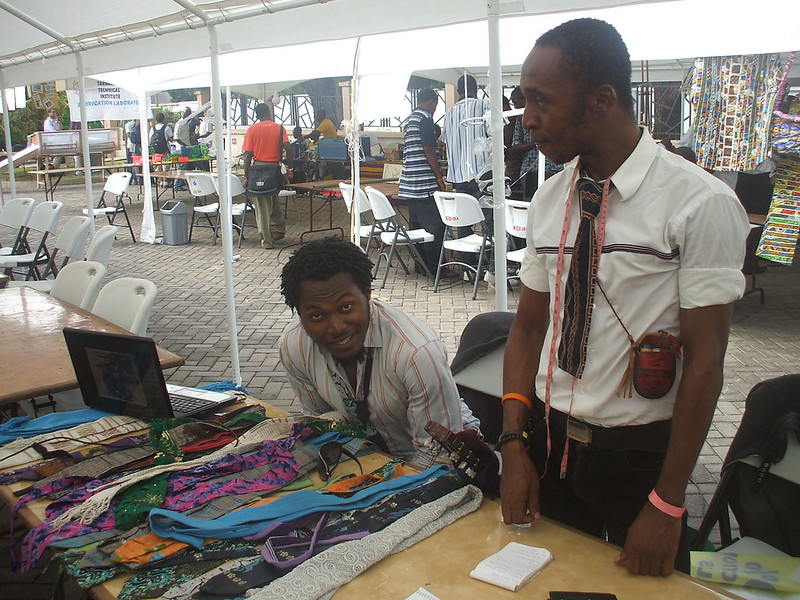
September 18, 2024
https://borgenproject.org/wp-content/uploads/borgen-project-logo.svg 0 0 Precious Sheidu https://borgenproject.org/wp-content/uploads/borgen-project-logo.svg Precious Sheidu2024-09-18 07:30:242024-09-18 00:43:05The World Food Program and Poverty in Liberia
Developing Countries, Global Poverty

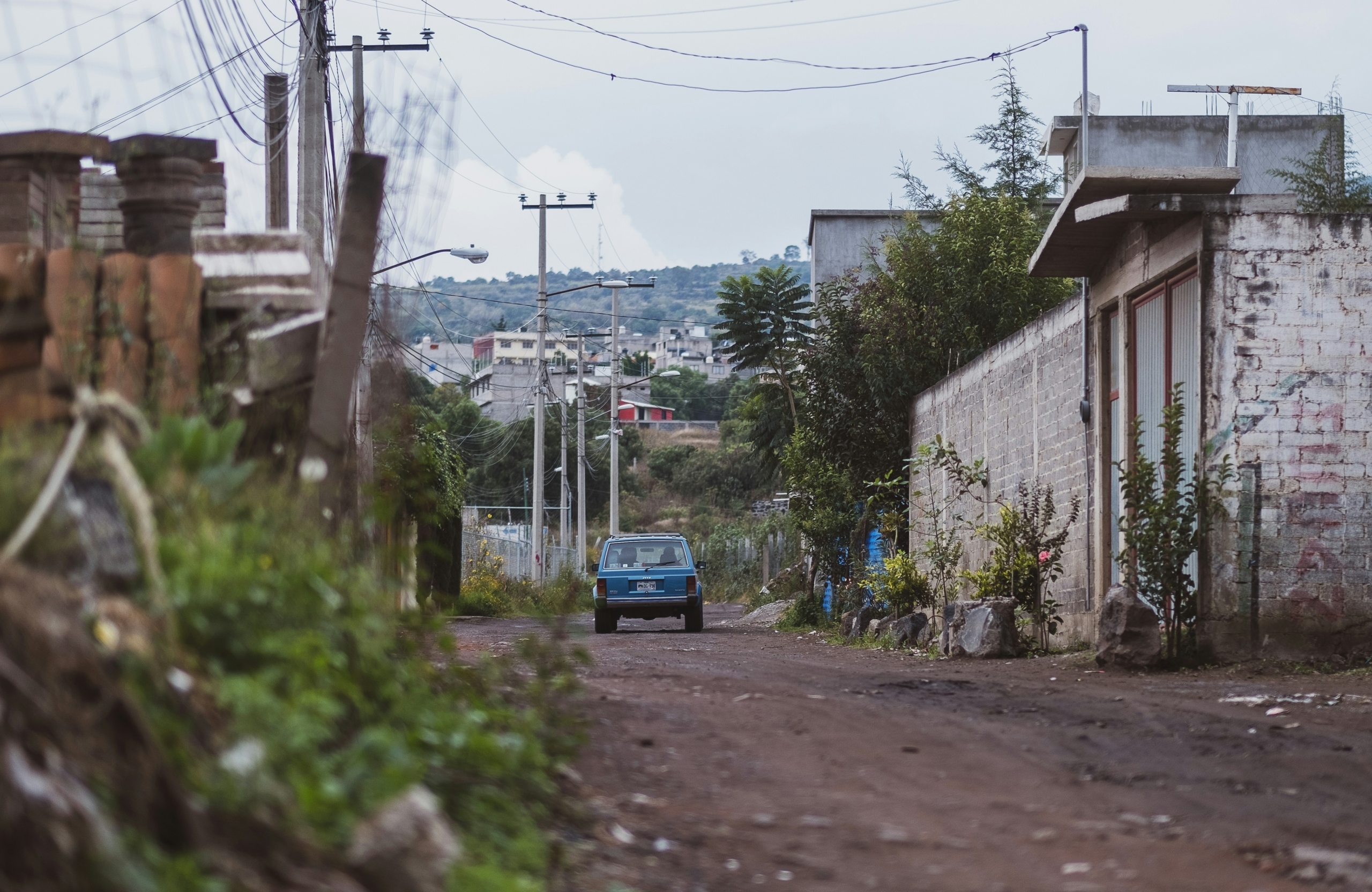
Poverty in Pakistan: Ongoing Reduction Efforts

Poverty in PakistanAffected by political turmoil, Pakistan has faced numerous socioeconomic challenges. By 2018, these issues culminated in record levels of poverty, with more than 39% of Pakistan living below the poverty line. Amid widespread unemployment, the government has also grappled with nutritional poverty, particularly affecting the youth. This has led to significant issues, such as nationwide stunting in growth, which is directly linked to these dietary deficiencies. Here are some of the initiatives that are tackling these problems:

Prime Minister’s Youth Skill Development Program

This initiative, led by Prime Minister Shehbaz Sharif, offers vocational training in various industries, helping young people haul themselves out of poverty and find work. With more than 25,000 youths trained nationwide, the program has played a crucial role in decreasing national poverty. Most notably, the focal point concentrating on an intake of 35% girls has ensured that the marginalized remain a focus. Ultimately, these efforts have contributed to the limitation of poverty and increased job prospects among the youth.

The Sehat Sahulat Program

Initially launched in 2015, the Sehat Sahulat Program is a social health insurance initiative providing free health care services for Pakistan’s underprivileged groups. As a result of the program, the most disadvantaged are supported by free health care. The initiative covers a range of conditions, including cancer and diabetes. Ultimately, the scheme provides financial protection and access to sustainable, quality health care to those most in need.

UNICEF Nutrition Counseling

With more than a third of children suffering from severe food poverty, the country faces an endemic in which its young are at a heightened risk of malnutrition and an unbalanced, scarce diet. The United Nations Children’s Fund’s (UNICEF) initiative develops cooking demonstrations tailored to new and soon-to-be mothers, ensuring their children can be fed and energized correctly.

Alongside nutritional education, the sessions aim to educate women about the importance of hygiene and its strict relationship with food, with a particular emphasis placed on washing hands before and after preparing food. This focus has been adopted worldwide and in 2022, UNICEF counseling reached 79.3 million people globally.

Combat Against Nationwide Stunting

In Pakistan, more than 40% of children younger than 5 are stunted. A product of long-term malnutrition, stunting “impairs cognitive and physical development, which in turn impacts a child’s potential and productivity.’’ With a large proportion of pregnant women living below the poverty line, many children experience stunted growth in the womb due to their mothers’ poor diet, leading to inhibited development.

The government has launched several initiatives to fight malnutrition to address this issue, with the Ehsaas Nashonuma Program being the most prominent. The program provides nutritional education and cash transfers to pregnant or nursing women. The quarterly stipend is about $5 for mothers and boys and $7 for girls. Nongovernmental organizations (NGOs) have also played a crucial role in the fight against stunting. Water, Sanitation and Hygiene Services (WASH) initiatives have thrived with the support of NGOs like HANDS. In 2022-23, HANDS conducted 16 WASH projects in 34 districts and nearly 2,000 villages in Pakistan, benefiting more than 1.8 million people.

Nutritional awareness is fundamental to the resurgence of the health of the next generation in Pakistan, pulling them out of poverty. The government has guaranteed that various schemes are in place to tackle widespread poverty. Additionally, it has ensured that the health and hygiene of the population of Pakistan are also addressed. It’s both transparent and reassuring that while the government recognizes this importance, various NGOs share the same concern.

– Jonny Wilkinson

Jonny is based in London, UK and focuses on Global Health for The Borgen Project.

Photo: Pexels

September 18, 2024
https://borgenproject.org/wp-content/uploads/borgen-project-logo.svg 0 0 Lynsey 2 https://borgenproject.org/wp-content/uploads/borgen-project-logo.svg Lynsey 22024-09-18 01:30:302024-09-18 00:32:46Poverty in Pakistan: Ongoing Reduction Efforts
Aid, Developing Countries, Education, Global Poverty

26 Letters School – A Lesson on Empowerment

26 Letters School
The economic collapse of Lebanon has severely impacted the country’s education system. These unprecedented challenges have affected the Lebanese children and refugee children present in the country. The World Food Programme (WFP) has stated that more than half of the Syrian refugee children in Lebanon are unable to access primary education as a result of economic hardships and other factors. 

A study by the Center for Lebanese Studies has indicated poor academic performance and depletion in psychological well-being due to the Lebanese crisis. Children no longer attend schools and face potential exposure to different forms of abuse and exploitation. Children from low-income households, those living in rural areas, migrants and refugees are the most impacted. Fortunately, 26 Letters School is making a difference by providing education to Lebanese children.

About 26 Letters School

26 Letters School is a nongovernmental organization (NGO) based in Beirut, Lebanon. The purpose of the school is to offer free quality education for all children and teenagers who live in Beirut. It recognizes that its pupils come from different economic, social and religious backgrounds. Keeping this in mind, the school emphasizes the importance of plurality and respect for all individuals. Here are 10 reasons why the 26 Letters School is a phenomenal initiative to change students’ lives beyond education and literacy. 

10 Ways 26 Letters School is Making a Difference

  1. Power of the Alphabet: In 2015, Janira, a 19-year-old Spanish exchange student, met Salah, a 13-year-old boy in Beirut, Lebanon. The harsh realities of war pushed Salah into child labor. Salah planted the seed for the 26 Letters School when he asked Janira for English Classes. These improvised English lessons led to the creation of a safe space for lifelong learning.
  2. A Safe Space: The 26 Letters School is no longer just about improvised English lessons. These English lessons became a safe and inviting space for many more children—a space free of discrimination on one’s background, identity, religion or orientation.
  3. Holistic Development: Lessons in Ethics, History, Geography and Math ensure holistic development by integrating critical thinking and creativity into the students’ educational framework. Most importantly, the 26 Letters School believes in free quality education for all.
  4. Representation and Inclusivity: The school carefully crafts its books to guarantee that students feel representation and inclusivity when learning from these books. Open conversations and workshops about conflict, racism, sexism and other issues help the students grow into well-rounded individuals. These conversations help to break the glass ceiling on these issues.
  5. Humanitarian Aid: It also recognizes the importance of humanitarian aid for the people of Lebanon. In Lebanon, more than 75% of its population lives below the poverty line. The increase in food prices by 400% in the past years and salaries having lost 80% of their value highlights the need for the people of Lebanon to have that additional support. The institute provides baby products, food, hygiene products and medicines to more than 450 families comprising 2,529 people.
  6. Physical and Mental Health: It conducts workshops to encourage physical health hygiene. The school provides financial medical care, medicines and accompaniments for doctor appointments. The school prioritizes mental health with equal importance. The impacts of daily discrimination, economic struggle, migration and war bring about the need to have psychological support. Therefore, the 26 Letters School has a psychologist who helps ensure students’ well-being. These psychological services are available to the parents and relatives.
  7. Women Empowerment: The 26 Letters School recognizes the need to empower both the students and members of its community. The school provides mothers of these students with access to practical and vocational education. Women have access to empowerment, health, hygiene and rights lessons. There are self-organized literacy classes. Mothers who can read teach the others who cannot do so.
  8. Big Sibling System: The 26 Letters School considers its students siblings. The educators undertake the position of being friends, role models and siblings. This creates an atmosphere of friendship, encouraging the students to partake in the lessons. An educator can have a maximum of four students assigned to them. This enables the educator to give systematic attention, care and energy to their team of students. The school inculcates the need for learning about plurality, respect and a supportive atmosphere.
  9. Target Group: This free quality education is accessible to every child or teenager in Beirut, Lebanon. Those who need educational, emotional or vocational support can access the school services. There is no discrimination based on economic, social or religious backgrounds.
  10. Democracy: In 2021, the 26 Letters School became a democratic school. The school’s main team comprises six teenagers. The students and parents are the ultimate decision-makers of the school. This ensures a platform to listen, shape and transform into what it is today.

Looking Ahead

The organization 26 Letters School is a unique educational initiative offering personalized learning experiences and a creative curriculum tailored to every individual student. 26 Letters School’s commitment to inclusive and creative educational practices and community involvement sets it apart as a forward-thinking institution.

– Caren Thomas

Caren Thomas is based in Dubai, United Arab Emirates and focuses on Good News, Technology and Solutions for The Borgen Project.

Photo: Flickr
September 16, 2024
https://borgenproject.org/wp-content/uploads/borgen-project-logo.svg 0 0 Lynsey 2 https://borgenproject.org/wp-content/uploads/borgen-project-logo.svg Lynsey 22024-09-16 20:37:402024-09-17 08:06:5726 Letters School – A Lesson on Empowerment
Developing Countries, Global Poverty, Health

Leading The Way: Cabo Verde’s HIV Fight

cabo verde's HIVCabo Verde, a West African country consisting of islands in the central Atlantic Ocean, has become a leader in the fight against HIV and AIDS in Africa through its health care investments and social initiatives. Currently, Cabo Verde is estimated to have an HIV prevalence of around 0.6%. At the same time, AIDS-related deaths decreased from around 200 in 2004 to less than 100 in 2022. This progress has involved declining poverty, which dropped to 28.1% in 2022 from 56.8% in 2001. Cabo Verde’s HIV fight is now focused on projects directed at vulnerable groups, such as pregnant women, children and disabled people.

Investment in Communities

Combating HIV and AIDS requires involving both the general public and individuals living with HIV in decision-making processes. The Joint United Nations Programme on HIV/AIDS (UNAIDS) has reported that the West Africa region is not on track to meet the goal of eradicating AIDS by 2030, a target set during the Africa Rising Forum in 2014.

The group’s Executive Director expressed the need for “policies and programs that focus on people not diseases.” This involves community-led HIV testing to reach more people. Furthermore, support groups for mothers living with HIV and individual visits by social assistants are also key. One assistant in Cabo Verde expressed how this work allows patients to “have a good quality of life and avoid stigma and social marginalization.”

Regional Asymmetry

A key challenge for Cabo Verde is the disparity in resources between islands, which affects HIV patients’ ability to access care. At independence in 1975, the country had only 13 doctors. However, the health system has since expanded in both size and sophistication, with 80% of the population now living within half an hour of a health facility. The decentralization of smaller health centers has improved access to care, enabling HIV patients to receive antiretroviral therapy to manage the disease. UNAIDS estimates that by 2023, 72% of individuals living with HIV in Cabo Verde were accessing antiretroviral therapy.

Free Health Care

Cabo Verde’s economy has grown significantly since the ’90s, driven by foreign investment and tourism. This growth has led to increased health care spending, rising from $65 per person in 2001 to $165 in 2013. Citizens are entitled to free basic health care, including preventive care and treatment for HIV and AIDS. The country’s social protection efforts are supported by widespread health education, facilitated by high literacy rates and good access to electricity, fostering greater public awareness and engagement.

Advocacy for the Disabled Community

Despite Cabo Verde’s broad progress, vulnerable communities, such as those with disabilities, continue to face challenges. Handicap International, active in Cabo Verde since 2006, has worked to include disabled individuals in the fight against HIV. The organization improved data on the biological vulnerability to HIV infection and promoted inclusive education on HIV and AIDS.

Research found that the HIV prevalence rate among people with disabilities in Cabo Verde is 2.3%. Additionally, about 79% of disabled participants unaware of available HIV care and support. However, the study itself led to 96% of participants gaining an improved understanding of HIV and AIDS.

Preventing Vertical Transmission

Preventing vertical transmission of HIV from mother to fetus is a key priority for Cabo Verde in reducing new infections. Minister of Health Arlindo Nascimento do Rosário emphasized, “Every child has a right to be born healthy and to live a healthy life.” As part of the free health care system, pregnant women are offered HIV testing. If they test positive, they receive antiretroviral drugs and antenatal support to minimize the risk of transmission.

In 2019, the World Health Organization (WHO) shared the story of Leila Rodrigues, a mother who discovered she had HIV just weeks before giving birth. Thanks to the care her son received, transmission was prevented. Rodrigues later joined the National Network of People with HIV of Cabo Verde.

Final Note

Cabo Verde’s progress in HIV health care has not come without challenges. However, the country has become a model for investing in change and empowering communities. The WHO Africa Health Forum has highlighted Cabo Verde as an exemplar, with participants visiting to observe how innovations have built a strong health care system. Emulating Cabo Verde’s commitment to social inclusion, universal health coverage and decentralized HIV testing could enable the West African region to more effectively combat the disease.

– Daisy Outram

Daisy is based in Kent, UK and focuses on Good News and Global Health for The Borgen Project.

Photo: Wikimedia Commons

September 16, 2024
https://borgenproject.org/wp-content/uploads/borgen-project-logo.svg 0 0 Lynsey 2 https://borgenproject.org/wp-content/uploads/borgen-project-logo.svg Lynsey 22024-09-16 07:30:442024-09-16 01:42:28Leading The Way: Cabo Verde’s HIV Fight
Developing Countries, Electricity and Power, Global Poverty

China and the World Bank Address Energy Security in Ethiopia

Energy Security in EthiopiaEnergy security is a constant concern for sub-Saharan African countries: out of the 20 countries with the largest energy deficits in the world, a staggering 18 are found in the region. At the same time, the area is home to about 80% of the global population lacking access to electricity.

Energy Security in Ethiopia

According to the World Bank, Ethiopia has the third largest energy deficit in Africa, with about half of the population unable to access reliable electricity. There is also a stark rural-urban divide: as of 2022, only 40% of rural households had reliable access to electricity, compared to 93% of urban households. Ethiopia has been making strides on this issue and recently expanded the electricity grid to cover almost 60% of towns and villages.

The main challenge, however, is the lack of adequate energy infrastructure rooted in a broader shortage of resources. Fortunately, several international actors have recently stepped up to help address Ethiopia’s energy gaps, including China’s Belt and Road Initiative (BRI) and the World Bank’s International Development Association (IDA).

China

China has been heavily involved in Ethiopia’s development for more than a decade now, reflected by the fact that Ethiopia is China’s second-largest debtor on the continent. Ethiopia was an early signee to China’s BRI, which has resulted in several multi-million dollar infrastructure projects in the country, including a flagship $5 billion railway from Addis Ababa to Djibouti.

Ethiopia doubled down on this partnership by joining BRICS+ in late 2023. This will grant the country access to BRICS’ multilateral financing institutions, thus paving the way for easier access to Chinese funding in the future. One program with particular appeal for Ethiopia is China’s “Africa Solar Belt” program, which aims to provide solar power to 50,000 African households. Ethiopia also plans to import more than 100,000 electric vehicles and 5,000 electric buses from China in the coming years in a bid to upgrade the country’s transportation infrastructure.

The World Bank

While China has often been Ethiopia’s main development partner, the country also cooperates extensively with the World Bank, primarily on financing. In the realm of energy security, the World Bank recently unveiled a program called Power Sector Reform, Investment and Modernization in Ethiopia (PRIME). This program provides Ethiopia with a “financing envelope” of $1.5 billion, disbursed in multiple phases in the next 10 years, to upgrade its energy sector.

The program focuses on investing in critical energy infrastructure and expanding electricity access more broadly. In an attempt to diversify and stabilize Ethiopia’s energy supply, PRIME will only invest in non-hydropower renewable energy sources since 96% of Ethiopia’s electricity is currently derived from hydropower. Almost all of the funding comes from the IDA, the World Bank’s fund for least-developed countries, with the remainder coming from a green energy trust fund, leaving none of the funding burden on Ethiopia.

Final Thoughts on Energy Security in Ethiopia

While energy security in Ethiopia remains an entrenched issue, the situation is improving: for instance, access to electricity has more than quintupled in the last two decades, rising from about 10% in 2001 to 55% in 2022, according to the World Bank. Furthermore, with Ethiopia’s new membership in BRICS+ and its 10-year financing deal with the World Bank, chances are good that energy security in Ethiopia will continue to improve.

– Kipling Newman

Kipling is based in Denver, CO, USA and focuses on Good News and Global Health for The Borgen Project.

Photo: Flickr
September 16, 2024
https://borgenproject.org/wp-content/uploads/borgen-project-logo.svg 0 0 Lynsey 2 https://borgenproject.org/wp-content/uploads/borgen-project-logo.svg Lynsey 22024-09-16 07:30:082024-09-16 01:28:57China and the World Bank Address Energy Security in Ethiopia
Page 10 of 157«‹89101112›»

Get Smarter

  • Global Poverty 101
  • Global Poverty… The Good News
  • Global Poverty & U.S. Jobs
  • Global Poverty and National Security
  • Innovative Solutions to Poverty
  • Global Poverty & Aid FAQ’s
Search Search

Take Action

  • Call Congress
  • Email Congress
  • Donate
  • 30 Ways to Help
  • Volunteer Ops
  • Internships
  • Courses & Certificates
  • The Podcast
Borgen Project

“The Borgen Project is an incredible nonprofit organization that is addressing poverty and hunger and working towards ending them.”

-The Huffington Post

Inside The Borgen Project

  • Contact
  • About
  • Financials
  • President
  • Board of Directors
  • Board of Advisors

International Links

  • UK Email Parliament
  • UK Donate
  • Canada Email Parliament

Get Smarter

  • Global Poverty 101
  • Global Poverty… The Good News
  • Global Poverty & U.S. Jobs
  • Global Poverty and National Security
  • Innovative Solutions to Poverty
  • Global Poverty & Aid FAQ’s

Ways to Help

  • Call Congress
  • Email Congress
  • Donate
  • 30 Ways to Help
  • Volunteer Ops
  • Internships
  • Courses & Certificates
  • The Podcast
Scroll to top Scroll to top Scroll to top