Darkness to Light: The GCEEP and Energy Poverty
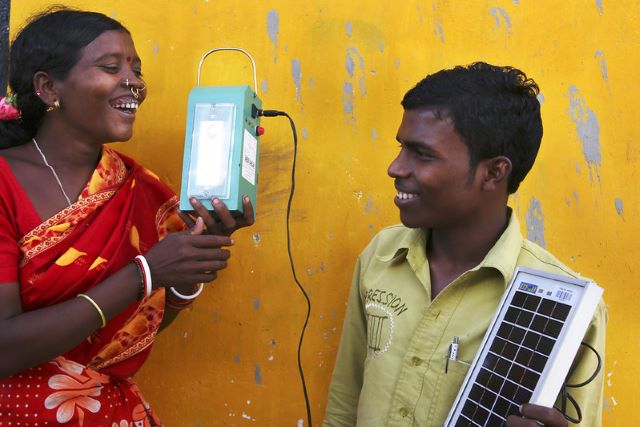 A whole 940 million people, or 13% of the global population, do not have access to electricity. This is the central challenge that The Global Commission to End Energy Poverty (GCEEP) is facing.
The Global Commission to End Energy Poverty (GCEEP)
The GCEEP is a smorgasbord of innovators and leaders composed of utility companies, off-grid companies, multilateral development banks, academics and individuals across many different sectors. Drawing from key decision-makers such as former U.S. Secretary of Energy, Ernest Moniz, and Africa Development Bank president, Dr. Akinwumi Adisina, the GCEEP is in a unique and leveraged position to influence governments around the world to take a better-informed approach at tackling energy poverty.
The Global Impact of COVID-19
Operating under the leadership of the president of the Rockefeller Foundation, Dr. Rajiv J. Shah, the GCEEP issued a report in early December of 2020, stating that COVID-19 has resulted in a new wave of complications in the fight against energy poverty. COVID-19 could result in an additional 100 million people losing access to electricity because of exacerbated financial hardship.
Defining Energy Poverty
Energy poverty is defined as a lack of access to reliable and affordable energy sources. Energy is the foundation through which a place can build a healthy, financially stable community. As the COVID-19 pandemic has proven, energy is at the core of modern health care and treatment. Countries that lack access to electricity, or the financial capabilities to afford electricity, struggle to recover in several aspects. Access to energy is a key indicator and crucial aspect to eradicating global poverty.
The GCEEP’s 2020 report on electricity access calls for governments around the world to consider energy poverty a serious issue that demands an expeditious and large-scale response.
Boasting an MIT-led research team and a practical, on-the-ground approach, the GCEEP’s strategy directly engages government leaders, investors and stakeholders in the power sector.
This approach is the Integrated Distribution Framework (IDF). Focusing on what the report calls the “weak link” in power systems across the world, the IDF aims to address problems in distribution and large-scale electrification through business models that are feasible and actionable.
Key Principles of the IDF:
- A commitment to universal access. This requires the permanence of supply and the existence of a utility-like entity with the responsibility for providing access in a defined territory.
- Efficient and coordinated integration of on- and off-grid solutions like grid extensions and mini-grids.
- A financially viable business model for distribution.
- A focus on development to ensure that electrification produces broad socio-economic benefits such as better delivery of critical public services in health and education.
The GCEEP believes that ending energy poverty is an achievable goal. As the GCEEP co-founders sum it up, “Only by ending energy poverty can we end poverty itself.”
– Andrew Eckas
Photo: Flickr
