Information and stories about developing countries.

Education in VietnamVietnam transformed from one of Southeast Asia’s most underserved, war-torn nations in the early ’90s into a global model for poverty reduction. This transformation did not happen overnight. The country changed over the years of investment in its future: the children of Vietnam and their education.

Extreme poverty previously covered around 45–52% of the population in the early ’90s. By 2022, it had dramatically decreased to about 1%. This change came not from foreign aid or outside enterprises, but from a sustained, state-led initiative to invest in children in rural areas by expanding education and bolstering electrification, infrastructure and health care.

Education as the Foundation

The strongest pillar in Vietnam’s poverty reduction is the expansion of access to education throughout the country, reaching even the most remote regions of Vietnam. The country pushes for universal primary school enrollment and strong secondary school access, stressing the importance of education as a way to combat future poverty. These expansions raised literacy rates and skyrocketed school completion.

They also gave children who once had no chance for a solid educational foundation the opportunity to move through their lives with purpose. In a case study, one family stated, “I had no school education, but I want my children to go to school as long as I can afford it. They know how to read and write, so they know the direction when they visit big towns… I want my children to finish high school and possibly do vocational training. I believe that with higher education, they will have more opportunities than I do.”

Today, adult literacy in Vietnam stands at about 96%, which is very high compared to many countries in similar income brackets. Among youths ages 15–24, literacy is effectively universal and socially normalized. Vietnamese students also consistently outperform expectations.

In 2012 and 2015, Vietnam placed ahead of many wealthier nations in reading, math and science on international PISA assessments. Their strong results stem from their willingness to learn. Even disadvantaged students from more impoverished socioeconomic backgrounds outperform their peers in many OECD countries at the same levels.

Policies such as the Education Law of 2005 set high minimum standards, professionalized teachers and invested in school infrastructure across the nation. They also influenced cultural attitudes that emphasized the role of education in improving the lives of impoverished citizens and contributing to poverty reduction in Vietnam.

Rural Infrastructure & Basic Services

Alongside education, Vietnam invested heavily in rural infrastructure, especially electrification. In the ’70s, only a small minority of communities had electricity. By 2022, 99.7% of households had electricity, with 99.53% in rural areas. Electrification advanced communities in many ways: enabling evening study, powering lights, fans and computers in schools and allowing health clinics to refrigerate vaccines.

Radio and broadcast media informed citizens on a mass scale and internet access became far more feasible. Public health improvements accompanied education and infrastructure, delivering better water, sanitation, nutrition and maternal care. These initiatives reduced disease burden, increased school attendance and lowered mortality.

Economic Growth & Policy Choices

Education, electricity and public health initiatives expanded access to jobs, markets and institutional decisions. The Đổi Mới reforms of 1986 liberalized parts of the economy, encouraged trade and agricultural reforms. These changes enabled growth in manufacturing, services and exports, while raising productivity in smallholder farming.

The government steadily increased budget shares for education and social services. It also rolled out national targeted programs to reach ethnic minorities and remote, rural areas where poverty and deprivation remained high. These programs built roads, water systems, power lines and clinics and they placed teachers in remote schools.

Why Vietnam’s Model Matters

Vietnam’s poverty reduction model shows that all impoverished countries can duplicate. Vietnam demonstrates how much becomes possible when governments commit to inclusive, long-term investment rather than short-term flashy projects.

Key lessons include:

  • Equity-first: Focus on reaching all children, not just those in cities or wealthier areas. Rural, minority and disadvantaged students gained the most.
  • Cross-sector investment: Education, health, infrastructure and electrification amplify each other.
  • State leadership: The government did not abdicate responsibility; it set standards, built capacity, regulated and followed through.
  • Cost-effectiveness: Even with a relatively low per capita income, Vietnam achieved high student performance. Scholars have praised the quality of its educational inputs.

Remaining Challenges & Why Poverty Isn’t Solved

While extreme poverty has fallen to about 1% under the World Bank’s international extreme poverty line, many people remain vulnerable. Using broader poverty lines, sizable fractions of the population remain just above the threshold—or worse, in remote ethnic minority areas where services still need improvement.

Improvements in enrollment and infrastructure do not always mirror perfect equity in learning outcomes. Differences persist between majority and minority groups. Internet access and modern learning technology still lag behind basic school access and electric power. Social protections such as cash transfers and shock-responsive systems remain weaker in many rural and ethnic minority communities.

A Model for Change

Vietnam’s success story is not a miracle. Progress resulted from decades of policies that put children first, extending education into rural valleys, electrifying homes and schools and building systems to sustain it all. When governments deliver universal education, rural infrastructure and public health together, poverty retreats quickly and lives change faster than expected.

– Nicole Fernandez

Nicole is based in Reno, NV, USA and focuses on Good News and Technology for The Borgen Project.

Photo: Wikimedia Commons
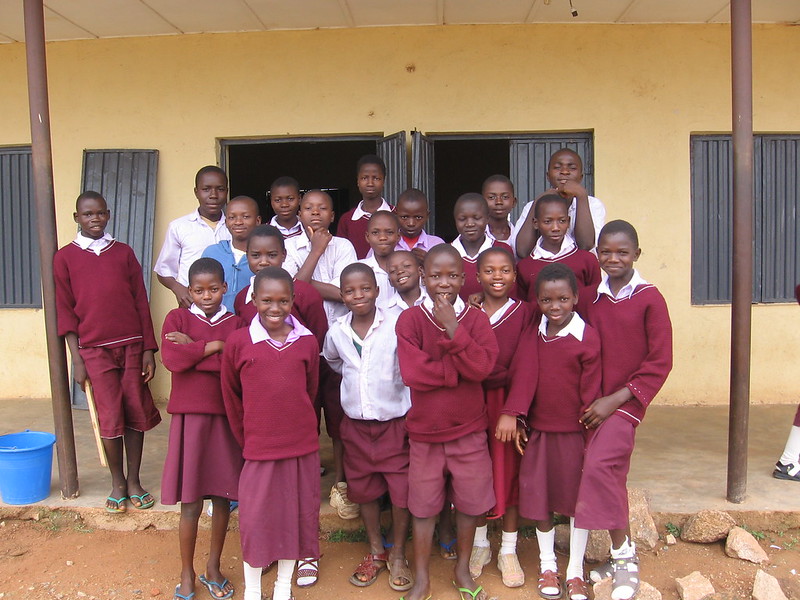
Education Struggles in Nigeria According to the United Nations International Children’s Emergency Fund (UNICEF), more than 10 million Nigerian children are not receiving formal education — the highest number in the world. Poverty, conflict and gender inequality are the biggest barriers keeping kids out of classrooms.

Causes of Educational Struggles in Nigeria

  • Lack of funding. Long-standing corruption within Nigeria, most prominently academic misconduct, defined as any action that gains or attempts to gain within an educational setting to gain an unfair academic advantage, has consistently undermined education funding in Nigeria. This has resulted in poor infrastructure, such as unsafe classrooms, limited access to clean water, untrained teachers, a lack of quality teaching materials and frequent failures to pay teachers’ allowances, all of which hinder children’s ability to secure adequate education.
  • Armed attackers. In northern Nigeria, armed attackers have attacked schools, leaving families afraid to send their children to class. “In 2022 and 2023, attacks on schools in Nigeria persisted in the context of armed conflict in northeastern states due to the presence of nonstate armed groups, as well as armed violence in northwestern and northcentral states due to pastoralist-farmer tensions.” Children ultimately suffer the most from these attacks, leaving them in a state of distress and unsafe when trying to access education. However, organizations including “Save the Children” have been working to resolve this issue and have provided 47 million children with education, medicine and food globally.
  • Girls’ vulnerabilities. Girls are especially at risk, as child marriage and household labor often hinder their educational needs. According to reports, 4 out of 10 girls marry before the age of 18 (44%) in Nigeria, totaling more than 24 million child brides. This prevents them from accessing education as they are forced to take on adult responsibilities, thereby removing their focus from necessary education. This high percentage of child marriage is detrimental to young girls, as it “violates the fundamental rights and freedoms of young girls.” Moreover, organizations supported by the United States (U.S.) foreign aid, such as UNICEF and the Global Partnership for Education, are working to address these challenges. They help rebuild schools, provide learning materials and promote safe, equal access to education for girls.

Ongoing Efforts to Refocus Attention on Education

Recognizing the urgent need to tackle the issue, representatives from multiple sectors came together at the “Child Marriage Stakeholders’ Consultations” to discuss long-term strategies for ending child marriage in Nigeria.

Participants pledged to work toward eliminating child marriage nationwide by 2030 through coordinated efforts and new policies and resources at the federal, state and community levels. A key initiative introduced in Nigeria to expand access to education, the Universal Basic Education (UBE) program, aims to provide free schooling to every child. It has shown success by improving access to basic education and reducing the number of children out of school. According to the United Nations (U.N.), primary school enrollment rates in Nigeria increased from 57% in 1999 to 71% in 2018. Efforts are also underway to increase investments, focusing on digital inclusion and the development of 21st-century skills, including AI integration.

Empowering Nigeria’s Future Through Education

By supporting education in Nigeria, the U.S. not only empowers millions of young people but also invests in a more stable and prosperous partner in Africa. Strong education systems reduce poverty, boost economies and help communities resist extremist groups, with benefits that extend far beyond Nigeria’s borders. In addition, reducing high levels of child marriage allows children to refocus on the education they need for a brighter future.

– Carise Wallbank

Carise is based in the United Kingdom and focuses on Global Health for The Borgen Project.

Photo: Flickr

Landlocked Developing CountriesOf nearly 200 countries, 32 tend to be overlooked in global discussions. Because landlocked developing countries (LLDCs) lack direct access to seaports, they must rely on more complex and costly routes to reach international markets. While they make up more than 7% of the world’s population, in 2024 they accounted for only 1.2% of global trade. Being landlocked slows their economic growth and widens the development gap with other developing countries.

As countries that are directly cut off from access to the sea, they must face many challenges. These include slow delivery times, high transport costs and border procedures directly impacting economic success and progress. Beyond economic and geographical barriers, the climate emergency worsens the problem. It damages roads and disrupts supply chains, threatening the fragile infrastructure with droughts, floods and other forms of extreme weather.

Despite these barriers, LLDCs are progressing toward becoming active global trade players, working to develop as they adopt goals that could successfully lift millions out of poverty.

Turning Point and Success

More recently, a United Nations (U.N.) conference in landlocked Turkmenistan has led to hope regarding LLDCs. The conference brought together Heads of State, development partners, private sector leaders and U.N. officials. Leaders highlighted the Awaza Program of Action for 2024 to 2034. The Program encompasses five priority areas:

  1. Trade and regional integration;
  2. Economic and structural transformation;
  3. A focus on the development of transport and infrastructure;
  4. Adaptation to climate change and the reduction of disasters;
  5. The mobilization of partnerships and financial assistance.

Seeking to accelerate progress, the Awaza Program sets a clear direction. Its focus spans trade facilitation, transport connectivity, climate resilience, the mobilization of international support, structural transformation and technology. It aims to align domestic and global nations within a shared framework for sustainable development.

A U.N. Economic and Social Commission for Asia and the Pacific (UNESCAP) report examined Asian LLDCs. It argued that to accelerate structural transformation, these countries must diversify their economies and reduce dependency on extractive industries. Regarding poverty alleviation and structural transformation, what matters most is a reallocation of production factors that leads to the growth of labor-intensive sectors. Since labor is the primary input of those experiencing poverty in production processes, expanding the labor sector is key to long-term poverty reduction.

What’s Next

Looking forward, LLDCs are working to turn these commitments into real progress. Several initiatives worldwide show that development is truly possible, stressing the need for smarter infrastructure, broader economic diversification and simplified customs procedures. In Africa, electronic cargo tracking and Central Asia’s use of electronic TIR carnets have reduced delays and encouraged private sector participation in cross-border trade.

Upcoming global forums, such as COP30 in Brazil in November 2025, the UNCTAD conference and the 2027 Global Mountain Summit, will give LLDCs opportunities to push their priorities higher on the international agenda. The international community must continue to foster cooperation among LLDCs so they can more easily access global markets. Stronger cooperation will drive regional integration and build an international framework of shared rules, standards and goals.

Conclusion

While the precarious geographical position of LLDCs presents many obstacles, recent developments show that their future does not need to be limited by borders. Through international cooperation, domestic policy development, structural transformation and the adoption of innovative trade systems, LLDCs are steadily moving from “landlocked” to “landlinked.”

This transformation goes beyond economic development, improving the lives of millions. Lower transport costs allow for the development of domestic industries and cheaper goods for families. Infrastructure projects create jobs, economic diversification raises wages and climate-resilient systems protect vulnerable communities. These projects contribute to the reduction of poverty and to narrowing the gap between LLDCs and other developing countries.

– Rafaela Paquet

Rafaela is based in Montreal, Quebec, Canada and focuses on Business and Good News for The Borgen Project.

Photo: Unsplash

Poverty Reduction in El SalvadorEl Salvador, famously known for its beaches and volcanoes, achieved considerable poverty reduction from the years 2000-2019. The percentage of households living below the official poverty line dropped from 38.7% to 22.8%. However, due to the disastrous effects of the pandemic, the country lost much of this progress. Since then, the government and various charities and organizations have acted in strategizing future reduction methods. These focus on improving the business environment, creating quality jobs as well as enhancing social programs and improving access to services like education and health care.

Project ‘Rural Dawn’

Effects of poverty include vulnerability to environmental disasters, such as droughts. This results in people lacking food security due to challenges in obtaining modern farming technology or suitable farmland. Between the months of February and May in 2023, 85,000 people were in a food crisis or worse, this is an important issue to confront in the mission to reduce poverty in El Salvador, as food insecurity has been a serious ongoing issue for many years.

To create opportunities in such a dire situation, the International Fund for Agricultural Development (IFAD) teamed with the Government of El Salvador in 2019 to launch the Rural Adelante project. This project is a wide-reaching scheme endeavoring to improve food security and living conditions among the rural poor, by providing farmers with support to increase their incomes. Through agricultural training, access to micro-financing and the creation of local cooperatives, families who once struggled to meet their basic needs, are now generating steady incomes and gaining financial independence. The project has succeeded in connecting rural farmers to the supply chain of more crops and has benefited more than 40,000 agricultural families. The program also has a specific focus on engaging women, young people and those from indigenous origin, offering training and opportunities to build successful businesses.

Growing Tourism in Surf City

As tourism grows, poverty reduces due to the new jobs and opportunities that become accessible to local people. With the growth of tourism comes openings of hotels, restaurants, new shops, wider transportation as well as demand for tour guides. These jobs do not require advanced degrees, meaning poorer communities are able to gain employment. Surf City, El Salvador’s coastal tourism project, focuses on enhancing connectivity and visitor experience through making significant infrastructural changes, which should positively impact more than 69,000 Salvadorans. These changes include new water treatment facilities to improve water quality, this is particularly important due to the struggles commonly faced in accessing clean water; more than 1.6 million residents of El Salvador need to leave their homes just to find and gather clean water to use.

Along with the improvements El Salvador is making to roads through adding bicycle and pedestrian lanes to improve safety, the project aims to improve quality of life for both tourists and locals, while also providing plenty of construction and engineering jobs. The country has witnessed impressive growth in tourism, in 2023 there were more than 3.4 million international visitors, stimulating the local economy through commerce.

Security and Safety

In recent years, crime rates have dropped significantly, with homicide rates declining 98% from the years 2015 to 2024. This is a result of harsher police enforcement and punishment for crime, which has led to an increase in success for small businesses, street vendors and entrepreneurs. For decades, gangs extorted these groups and even families. With extortion dropping by nearly 50% in 2024, microbusinesses are now able to keep more earnings. This encourages financial security for thousands more businesses and also eliminates costs previously spent on security guards, protection payments and theft losses, meaning that working people are keeping more of their income than previous corrupt social systems allowed.

Reduced crime and homicide rates contribute to psychological and social security; where previous fear of gangs may have kept people absent from school or work. Now, they are able to attend regularly and with less risk. This builds human capital, which is key to long-term poverty reduction in El Salvador.

TechnoServe’s Work

TechnoServe is a nonprofit organization that has been proposing business solutions to poverty for over three decades, through helping small businesses improve and grow. Its Crece Tu Empresa program (CRECE) is a scheme focused on involving young people in business leadership. CRECE supported 1,500 entrepreneurs and more than 500 youth-led businesses have benefitted from the program, 66% of which were female led. Its work has benefited many business and it is particularly important in this country, where high levels of unemployment limit opportunities for many young people and women.

By providing training, mentoring and business tools, entrepreneurs can professionalize and strengthen their businesses, leading to increased revenue and business growth. This results in a chain of positive effects, such as increased income, more job opportunities and stronger connections between local businesses due to reinvestment in local produce and services. This also encourages empowerment for young women due to increased involvement in schemes like these. When marginalized groups earn their own income, household stability improves and intergenerational poverty reduces. TechnoServe’s involvement in El Salvador is long-lasting as they provide important education. This is effective in ways different to one-time aid as it helps to build lasting economic resilience, resulting in more sustainable poverty reduction in El Salvador.

Looking Ahead

The work that is occurring to help relieve poverty in El Salvador, from both the government and charitable organizations, is widespread. From infrastructure and food security, to educating business skills, an abundance of work is being done to help the country’s downfalls. The improvements being made will benefit both the locals and tourists, and create better connectivity to the rest of the world. Although poverty remains a large issue, the work being done currently aims to build strong foundations for the future, with hopes to change public perceptions of El Salvador.

– Abigail Gadsden

Abigail is based in Medway, Kent, UK and focuses on Good News and Celebs for The Borgen Project.

Photo: Wikimedia Commons
Renewable Energy in TuvaluIn 2015, the United Nations established 17 Sustainable Development Goals (SDGs), with goal seven aimed at ensuring “access to affordable, reliable, sustainable, and modern energy for all.” Behind this goal lies the widespread issue of energy poverty, or the lack of access to reliable and clean energy due to poor infrastructure or high costs. Energy poverty disproportionately affects developing nations, where it both reflects and reinforces existing poverty. One promising solution is to implement renewable energy, which lowers energy costs, improves energy reliability and supports sustainable growth. Over the past decade, Tuvalu, one of the world’s most energy-impoverished nations, has emerged as a leader in this movement, with a goal of achieving 100% renewable energy by 2030. Here is more information about renewable energy in Tuvalu.

What Is Tuvalu?

Tuvalu is a small Polynesian island nation in the Pacific Ocean, composed of four reef islands and five atolls and totaling just 16 square miles. With a population of approximately 11,733, Tuvalu is known for its rich Polynesian culture, stunning marine environment and advocacy.

Tuvalu is also the 46th poorest country in the world, according to the 2024 World Economic Report. Despite some ocean economic activity, Tuvalu relies heavily on international aid to meet its basic needs, like water, sanitation, transportation, energy and health care.

Energy Poverty in Tuvalu

One of Tuvalu’s most pressing economic challenges is its dependence on imported fossil fuels. In 2021, 96% of Tuvalu’s energy came from imported fossil fuels, which consumed more than 70% of the nation’s budget. High energy costs and poor infrastructure mean many Tuvaluans spend large portions of their income on unreliable and unhealthy energy sources. This not only reinforces cycles of poverty, but also burdens the country’s health, education and clean water services and its economic development.

During the 2009 Conference of the Parties (COP15), Tuvalu’s President Feleti Teo highlighted this cost: “Oil prices in Tuvalu will keep on rising even above the current levels of 3-400% above world prices…this is simply unrealistic and unsustainable for our poor islands.”

Why Renewable Energy in Tuvalu Matters

Renewable energy provides Tuvalu with a path toward sustainability, economic resilience and energy independence. By implementing 100% solar, wind and other renewables, Tuvalu could eliminate the need for imported fuel, cut energy costs, create jobs and stabilize energy access. Recognizing this, Tuvalu set a national goal to achieve 100% renewable energy by 2030 and has made already made some major progress thanks to international aid from global partners.

Progress Towards 100% Renewable Energy in Tuvalu

In 2023, Tuvalu celebrated the installation of a 184 solar panel Floating Solar Photovoltaic system on Tafua Pond in Funafuti. This system will generate 174.2 megawatts per hour of electricity each year (2% of Funafuti’s energy demand), reduce Tuvalu’s fossil fuel consumption by 41,100 liters per year and save the nation approximately $68,000 USD per year.

In May 2024, Tuvalu completed its first large-scale solar farm and a two-megawatt-hour battery storage system on its main island, Funafuti. Spanning several hectares of land and rooftop and utilizing advanced photovoltaic technology, the project significantly reduces Funafuti’s diesel dependency and improves energy reliability. With this success, the government and its partners are actively developing additional solar and wind projects to diversify energy sources. 

The Tuvalu government, in collaboration with the Tuvalu Climate Action Network, has also launched education and training initiatives to raise awareness about the benefits of renewable energy and prepare locals with the skills needed to maintain and operate the renewable energy systems.

The Role of International Support

Tuvalu relies heavily on international financial aid to fund its renewable energy projects. For example, grants from the World Bank, Asian Development Bank (ADB), Global Environment Facility and International Renewable Energy Agency made the solar projects possible.

Brian Webb, Director of Sustainability at the College of Wooster, visited Tuvalu in 2024  to prepare for a study-abroad program focused on Pacific island sustainability. In an interview with The Borgen Project, he commented on the relatively low cost of helping Tuvalu transition to clean energy: “It would not take very many million dollars to put them 100 percent on clean energy….Elon Musk spends more in a day than it would cost to fully outfit Tuvalu with clean energy. That is the sad part about it.”

Despite years of promises at global summits like COP15, Webb says, “It is a lot of talk and not a lot of action… Most countries that have the political means to make a positive impact are simply not doing that.” 

Teo’s call for a physical UN presence in Tuvalu during COP15 still resonates today:  “The UN cannot continue to be a ‘faceless’ actor on MDGs and sustainable development.”

Why the US Should Act

Investing in renewable energy in Tuvalu poses not only a humanitarian imperative but also offers a geopolitical opportunity for the U.S. in the Pacific. As Webb explained: “Countries like the U.S. talk a lot about the danger of China’s growing influence… For a relatively small investment, the U.S. could support Pacific nations and counter China’s reach in the region.” However, U.S. support would likely improve regional alliances, demonstrate U.S. leadership on poverty issues and foster long-term strategic returns from the Pacific. 

Renewable Energy to Economic Self-Sufficiency

The transition to renewable energy in Tuvalu provides a road map towards resilience and self-sufficiency and serves as a guide for other developing island nations. As Teo stated: “By harnessing the power of the sun, we are taking control of our energy needs and setting an example for other small island nations facing similar challenges.”

– Dylan Kretchmar

Dylan is based in Granville, OH, USA and focuses on Good News and Technology for The Borgen Project.

Photo: Wikimedia Commons

Rule of Law in GeorgiaIn Tbilisi and beyond, citizens protest for freedoms as state fragility and decline in the rule of law in Georgia threaten democratic progress. The Georgian Dream party, in power since 2012, has drawn strong criticism for weakening democratic institutions and centralizing authority. Critics warn that these moves encourage authoritarianism and weaken public trust.

The government changed laws that infringe upon freedom of expression, assembly and media. It increased penalties for peaceful protests and imposed new restraints on media outlets. Analysts assert that these restrictions conflict with Georgia’s European goals and harm the rule of law in Georgia.

Poverty and Rule of Law: A Linked Threat

Georgia’s absolute poverty rate fell from about 15.6% in 2022 to nearly 11.8% in 2023, lifting roughly 140,000 people out of poverty. Rural areas dropped to 15.6% poverty; urban areas fell to 9.4%. These gains, however, remain fragile where legal protections weaken.

The United Nations Development Programme (UNDP) reported that poverty could decline to 11.9% by 2027 if Georgia maintains annual GDP growth of 4.8%. However, the report cautioned that fragility in institutions undermines the sustainability of these gains. Here are five key factors weakening the rule of law in Georgia.

  1. Legislative restriction of expression, assembly and media
  2. Enactment of a foreign agents law targeting NGOs and media with foreign funding
  3. Political control over courts and election bodies
  4. Repression of dissent via fines, arrests and excessive force
  5. Frequent election law changes that diminish oversight

The “Foreign Agents” Law

The Georgian Dream party passed a law requiring media outlets and NGOs with foreign funding to register as organizations serving “foreign interests.” Transparency International Georgia said this law paves “a path to dictatorship” by silencing dissenting voices and transparency advocates.

A Project Linking Rule of Law to Poverty Reduction

UNDP, funded by Germany, implemented the Improving Rule of Law and Access to Justice for All – Phase 1 project in Georgia. The project began in January 2023 and concluded in September 2024. It budgeted about $1.63 million USD and worked with courts, civil society and local governments to improve justice access for rural populations, women and persons with disabilities.

As part of the initiative, UNDP supported the Legal Aid Service in establishing mobile legal clinics, trained 250 legal professionals and helped more than 1,500 vulnerable individuals access legal services. The project also organized outreach campaigns that increased awareness of legal rights among marginalized groups.

Electoral System Instability and Human Rights at Risk

Frequent amendments to election laws weaken oversight and favor the ruling party, according to a European Parliament briefing. Critics also report that law enforcement sometimes applies harsh punishments even in peaceful protests. These practices deepen mistrust among citizens.

Looking Ahead

Georgia faces a critical crossroad: if the rule of law in Georgia continues to decay, poverty reduction may stall and democratic institutions may further weaken. Initiatives like UNDP’s legal aid project show that combining justice reforms with poverty interventions can protect vulnerable people. Georgia’s future depends on strengthening rights, reinforcing institutions and ensuring that laws work for all citizens.

– Salome Jincharadze

Salome is based in Tbilisi, Georgia and focuses on Good News and Politics for The Borgen Project.

Photo: Pexels

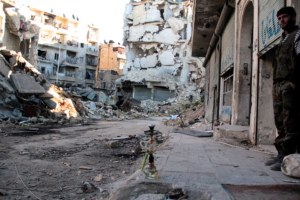
Syria's infrastructure crisisSyria slumped into a period of turmoil far before the fall of Assad. However, it continues to struggle despite the inception of the interim regime. Health care infrastructure, education, general employment and the energy sector have been downtrodden for years. The long-term effects of such a catastrophe have begun to compound. While significant efforts have been made to revive Syria’s infrastructure crisis, the consequence of their existence remains a consistent conflict.

Health Care

According to UNICEF, “Half of the primary health care system in Syria remains offline. Two out of five sub-districts do not have functional primary health care facilities.” As of February 2025, more than 40% of Syria’s hospitals and more than 60% of primary health care facilities are offline. According to the U.N., as of December 2024, two million people live in Aleppo, yet fewer than eight hospitals remain operable.

On top of that, only around 20,000 medical staff are left in Syria. This leaves the ratio of health care workers to patients at 2.4 per 1,000, as opposed to the international standard of 4.5 per 1,000. Moreover, Al Jazeera has reported that there are currently more than five million people in Syria living with cancer. However, there are only three oncologists throughout the entire nation.

The hospitals remaining in operation are consistently full and hundreds of names are withering on waitlists waiting to receive prosthetics. Most health care facilities in northern Syria do not possess the equipment necessary to perform intensive surgeries, let alone have access to cancer and heart disease medication.

As of April, the Aid Fund for Syria reported distributing more than $18 million to support health care projects in northern Syria. The funding has assisted more than 65 medical facilities serving 1.9 million people, trained about 2,000 health care workers and contributed to more than 863,000 consultations.

Education and Employment

UNICEF stated that one in three schools in Syria has either been damaged, decimated, converted to military installations or repurposed into civilian shelters. Thousands of educators have fled the country and nearly half of all children ages 5-17 do not attend school. Despite these figures, UNICEF reported in June that 365,000 children had received educational support and 27,000 teachers were trained across all 14 governorates.

Regardless, many of these children may still join the ranks of their compatriots, 37% of whom were unemployed as of June 2024, with 85% facing disguised unemployment, according to the BBC. However, that number may rise as the new regime announced the public sector will require only 550,000–600,000 employees, less than half its previous size. While mass layoffs have not yet occurred, many workers have already been placed on leave.

According to the Tahir Institute, the remaining employees will receive a 200% salary rise, bringing the average monthly wage to $68, just above the poverty line. In March, it was estimated that a family of five living in Damascus would require monthly earnings totaling $666. Of course, this also relates to the depreciation of the Syrian pound. From 2019 to 2024, the currency fell by more than 3,680% against the U.S. dollar, coupled with a rise in inflation. However, it also rose when Assad’s regime collapsed. However, it’s feared that this boost will be temporary.

While progress is made in small amounts, it is still made. In May, the International Labor Organization (ILO) reported implementing the Employment-Intensive Investment Program, which has created short-term jobs in infrastructure rehabilitation; in Aleppo, 140 jobs were generated through this system.

Energy

According to the Tahir Institute, overall infrastructure repair for Syria is estimated to cost between $250 billion and $400 billion. However, Reuters reports that the electrical grid will only cost the nation around $11 billion. Since the start of the civil war, energy production has reduced by 80%, partly because 70% of power plants and electrical lines are damaged. As of October 2024, more than 50% of Syria’s electrical grid is offline.

Power has long been rationed to less than four hours per day for those still connected. Setting aside structural damage, the main factor in this equation is a lack of oil and gas. Syrian Minister of Electricity Ghassan al-Zamel reported that while the ministry requires 23 million cubic meters of gas daily, it receives only 6.5 million. Similarly, only 4,500 of the 10,000 tons of fuel required per day are available.

Moreover, under Assad, the regime had developed plans to install 2,500 megawatts of solar energy, 1,500 megawatts of wind power and 1.2 million solar water heaters. However, it’s uncertain whether or not these projects will ever come to fruition under the new interim government. Regardless, as of June 30, President Trump has lifted sanctions on Syria. While oil and gas may still be inexplicably expensive, it’s a step in the direction of being able to rebuild and reduce Syria’s infrastructure crisis.

In addition, Syria has committed to a deal with Qatar for $7 billion to construct four gas-fueled power plants and a single solar plant. According to Reuters, the energy generated from these facilities is expected to produce 50% of Syria’s electricity and create 50,000-250,000 jobs. However, the deal states that Qatar will own and operate these facilities once completed.

Final Remarks

Perhaps once elections occur, Syria’s infrastructure crisis can be improved and the country can focus on areas that increase its GDP, creating more opportunities for its overwhelmingly impoverished. However, the future remains unclear.

– Owen Armentrout

Owen is based in Detroit, MI, USA and focuses on Global Health and Politics for The Borgen Project.

Photo: Flickr

British Development Aid in Sierra LeoneThe British government plans to cut its Official Development Aid (ODA) budget from 0.5% of the country’s GDP to 0.3% by 2027. This follows cuts in 2021, when the government reduced ODA spending from 0.7% of GDP, a figure once considered the standard for G7 countries. British development aid has had a significant impact in many parts of the world, including sub-Saharan Africa, South Asia and Eastern Europe.

Currently, the only regions the British government has confirmed will continue to receive aid are those affected by current humanitarian crises: Ukraine, Gaza and Sudan. This means it is unclear whether countries like Sierra Leone, whose health care, water provision and education access have benefited enormously from British development aid, will continue to receive sufficient support. The following explores some of the most notable successes of British development aid in Sierra Leone.

Sierra Leone in Context

Sierra Leone is a small country in West Africa. It is one of the least developed countries in the world, ranking 185th out of 193 nations on the Human Development Index. About 25% of its 8.8 million people live in extreme poverty and its GDP per capita is $874.

A British colony until 1961, Sierra Leone’s recent history has been defined by crises. A civil war gripped the country between 1991 and 2002, killing between 50,000 and 200,000 people and precipitating long-term consequences such as dysfunctional infrastructure and generational trauma. The country was at the centre of the 2014 Ebola outbreak and in 2017, mudslides killed hundreds. 

Despite the shocking statistics, many outcomes in Sierra Leone have been improving significantly. In the last decade, life expectancy has increased by 7 years, while the death rate of children under 5 has fallen by roughly a quarter.

British Development Aid in Sierra Leone

  • The Freetown WASH Consortium. Established in 2009, the Water, Sanitation and Hygiene programme channelled British aid into constructing water storage facilities and public latrines, improving drainage systems and training health care workers in Sierra Leone’s capital, Freetown. By 2013, more than 144,000 people had gained access to improved water supplies and at least 33,000 had access to better sanitation facilities. The program also helped reduce the spread of cholera and malaria.
  • Secondary Education Improvement Program. Known in the local Krio language as “Leh Wi Lan”, the Secondary Education Improvement Programme took off in May 2016 with an investment of £62.5 million to improve the learning conditions and attendance of secondary schools. By the programme’s closure in 2023, the number of girls and boys attending secondary school had more than doubled.
  • Rehabilitation of Freetown’s Water Supply System. 2016 was an important year for British development aid in Sierra Leone, coming two years after the initial West African Ebola outbreak had brought the country to a standstill. June saw the investment of £38 million into rehabilitating Freetown’s water supply system, creating new pipe networks and reducing leakage to support 120,000 people’s access to clean water.
  • Saving Lives in Sierra Leone. Perhaps the most wide-reaching and well-documented example of British development aid in Sierra Leone, the £170 million Saving Lives in Sierra Leone programme improved the accessibility, availability and quality of child and maternal health services across the country. Administered in conjunction with Sierra Leone’s Ministry of Health, United Nations Children’s Fund (UNICEF) and the World Health Organisation (WHO), Saving Lives provided family planning for more than 670,000 women, as well as widespread access to free contraceptives and health care drugs. Health care facilities improved, staff received training and essential medicines became more readily available. Between 2016 and 2019, these measures helped save the lives of almost 25,000 children and more than 3,000 mothers. The Saving Lives program also contributed to the substantial decline in Sierra Leone’s maternal mortality rate, which decreased by 74% between 2000 and 2020.

Emergency Aid for Mudslide Victims 

Following the devastating mudslides of 2017, the British government delivered a £5 million humanitarian response package that enabled UNICEF to provide essential medicines and clean water for 5,000 people and an Oxfam-led group of nongovernmental organizations (NGOs) to provide clean water and sanitation for 3,000 people. The U.K.-based charity Street Child provided bedding and clothing for an additional 3,000 children. The package also included supplies for Sierra Leone’s government, such as generators and tents.

Looking Ahead

The benefits of British development aid in Sierra Leone have been widespread, felt in the country’s education, health care and water services. As Sierra Leone continues to recover from past crises and build toward long-term development, sustained international support could help ensure that the country does not lose this progress and that future generations can thrive.

– Joseph Webb

Joseph is based in Norwich, UK and focuses on Politics for The Borgen Project.

Photo: Flickr

Violence Against Children in MyanmarAfter a violent military takeover in 2021, the already suffering country of Myanmar faced a catastrophic earthquake that further affected the country’s weakened infrastructure. The citizens of Myanmar are facing a violent violation of human rights that calls for a much-needed act of humanitarian aid.

Violence Against Children in Myanmar

From 2020 to 2023, there was a reported 400% increase in violence against children in Myanmar. In 2022, more than 500 children were killed or maimed, compared to the staggering 861 in 2023. The armed forces are not only attacking citizens, but also the country’s development systems.

Myanmar’s Armed Forces have directly targeted hospitals and schools. More than 200 attacks were carried out on schools and hospitals. These indirect attacks violently affect and harm the children in Myanmar and their future. Attacks on education and healthcare harm a child’s stability, as these two systems are vital to their survival.

The armed forces are also contributors to the abduction of children. These abductions take place for reasons such as:

  • Recruitment
  • Financial extortion
  • Information gathering

The aggressive jump in child violence statistics from 2020 to the present day is a call to action. To provide a future for the children of Myanmar, immediate humanitarian aid is critically needed.

What’s Being Done?

After the devastating events in Myanmar, children continue to face severe hardships every day. Organizations and groups have come together to provide aid and support.

  • Justice For Myanmar: This organization focuses on applying pressure to halt military funding that is directly killing the children of Myanmar. Applying public pressure through media exposure brings awareness of current grave violations. Pressures from global organizations and governments can help cause an instantaneous effect. This activist-based group reports on ongoing violations to dismantle the current leadership.
  • Save the Children: The group focuses on the development of children in various countries. This organization guarantees that children’s needs are met through first-hand encounters and visits. By holding leaders accountable, Save the Children prioritizes aspects like education, health and resiliency. The nonprofit can apply funds and pressure to hold leadership to their promises.
  • CARE: By providing funds to underdeveloped programs, CARE applies itself to building relief efforts for the children of Myanmar. Besides offering support for necessities, CARE supports other vital programs, such as helping people access basic financial services.
  • World Vision: Sanitation and Hygiene (WASH) is a central focus of World Vision’s work in Myanmar. The organization ensures children have access to clean water, safe sanitation and proper hygiene practices. Protecting children’s health and well-being is a critical mission, alongside building resilience and long-term sustainability in vulnerable communities.

Final Remarks

These groups share the mission of rebuilding Myanmar and creating future rehabilitation programs. Their focus extends beyond immediate crisis response to long-term developmental growth. By offering programs that build adaptability and support socioeconomic development, citizens gain more than just food and WASH assistance. Strengthening Myanmar’s economic foundation can help ensure greater resilience and stability in the face of future disasters.

– Emma Rowan

Emma is based in Boston, MA, USA and focuses on Global Health for The Borgen Project.

Photo: Wikimedia Commons
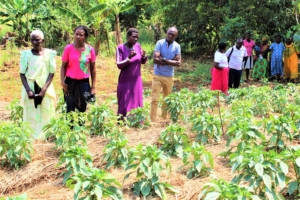
Crop Farming in UgandaUganda is located in East-Central Africa. It is a landlocked country, with the Democratic Republic of Congo to its west, South Sudan to its north, Tanzania to its south and Kenya to its east. Uganda is resource-rich, but relatively underserved. Its GDP per capita was $1,072 in 2024, which places the country at 196 in the world for this measurement.

Farming in Uganda

Crop farming in Uganda is a major sector. About 80% of Uganda’s land is arable, but only 35% is cultivated. Agriculture remains vital, accounting for nearly 25% of the country’s GDP.” Environmental factors are intrinsic to crop farming and in recent years, these factors have become unpredictable and extreme.

Since smallholder farmers are some of the most impoverished members of Ugandan society and often rely on every harvest for their sustenance and livelihoods, the increasing environmental challenges can become a real problem.

Maize and beans are two essential crops in Uganda. While they do not rank in the top five for exports, they are significant domestic foods and cash crops. Both crops are facing new environmental challenges and the solutions demonstrate the resilience and dynamism of the Ugandan agricultural community.

Better Beans for Ugandans

Beans are vital to Uganda, providing nourishment for its people. However, rising droughts and unpredictable rainfall threaten harvests, putting the country’s most vulnerable smallholder farmers at risk.

Dr. Clare Mukankusi is a Ugandan plant researcher at the International Center for Tropical Agriculture (CIAT). She is a firm believer in the importance of beans as a foundation of Ugandan life, having grown up on them herself. Through selective crossbreeding, Mukankusi has been developing a new type of bean that matures in two months, rather than the three to four months taken by traditional beans.

This will make them much more likely to survive an unpredictable and shorter growing season. As this new breed of bean is further developed and eventually distributed across Uganda, it will help secure the future of crop farming in the country. It offers vulnerable smallholders a crucial advantage in facing an increasingly challenging environment.

Fighting the Armyworm Threat

Pests have always been an issue in Uganda, but pesticidal chemicals were a clear solution. The armyworm, in particular, threatens maize, an important food, cash crop and export crop on which many smallholder farmers depend. However, the armyworm is becoming increasingly pesticide-resistant, forcing farmers to adapt and find new ways to keep the pest at bay:

  • Parasites: Introducing certain parasites that feed on armyworm larvae can help control their population. If managed carefully, this could become an effective mitigation method.
  • Planting techniques: Deep ploughing and strict management of crop residue after harvest can reduce pest survival.
  • Crop rotation: Regularly rotating maize with other crops can disrupt pest life cycles and lower infestation risks.

These techniques have the potential to counter pest threat without increasing chemical potency, which many farmers have had to do in the interim. While effective, this is not sustainable. Scientists from multiple institutions warn that overuse damages soil health in the long term and accelerates pest resistance.

The Need for Government Action

Many Ugandan environmental scientists agree that their government must become more involved in crop farming in Uganda. As mentioned, increased potency of pesticides has risks to human and environmental health and risks of further pest-resistance.

Dr. Kalyebi, the lead author of armyworm research in Uganda, stated that the government needs to educate farmers on the dangers of chemical mitigation and fund different solutions, such as those aforementioned. It is widely agreed upon that the Ugandan government should recognize the importance of maize farming, particularly farming and invest in research and subsidies.

Conclusion

Crop farming in Uganda is vital to the country’s economy and people. The underserved depend on good harvests to survive and environmental factors such as droughts and pests directly threaten them. However, the determination of the Ugandan people to find ways around these problems is remarkable and one can hope that the government will match these efforts.

– Oliver Evans

Oliver is based in Winkleigh, Devon, UK and focuses on Good News and Technology for The Borgen Project.

Photo: Flickr