Assisting Zambia’s Agricultural Communities
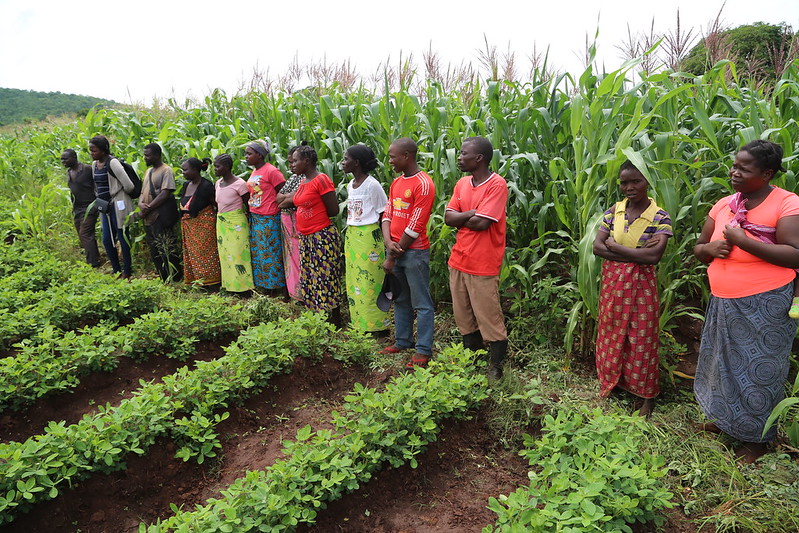 Located in Southern Africa, Zambia is home to more than 20 million people. While the country had a poverty rate of 60% in 2022, it faces wide economic disparities. Its rural areas are home to approximately 82% of the country’s most impoverished population. However, poverty rates have steadily decreased in most urban areas.
Despite a slight rise in urban poverty since 2015 due to factors such as the impact of COVID-19, the urban poverty rate remains around 31.9%, which is about half the national average. This difference is usually attributed to the nature of industry, which differs between these regions. While rural areas primarily derive their income from the agricultural industry, urban areas have benefitted from the growth of construction and financial sectors.
Challenges Facing Zambia’s Agricultural Sector
Multiple factors have contributed to Zambia’s agricultural industry’s deterioration. A report by the International Growth Center (IGC) found that while the sector employs 59% of the workforce, it makes up only 3.4% of the country’s national gross domestic product (GDP). The IGC lists a number of factors that contribute to this underperformance, many of which converge around issues of low levels of funding and limited access to sophisticated technology, hindering farmers’ ability to harvest and deliver crops cost-effectively and efficiently.
The report outlines a specific issue: many farmers’ limited access to suitable finance and insurance. Where 85% of the credit is dedicated to larger-scale commercial producers, many small-scale farmers lack access to the same financial services. This limits their growth potential and makes it difficult for them to compete. Many of the factors contributing to agricultural decline are out of farmers’ control, such as increasing levels of drought. However, improving the accessibility of financial resources among Zambia’s agricultural communities would empower small-scale farmers. Additional finances would allow them to invest in efficient technology, make bigger agricultural investments and track their supply and demand.
Supporting Zambia’s Agricultural Communities
Various schemes have been introduced to support Zambia’s agricultural communities. The International Development Enterprises (iDE), a global organization that works to empower entrepreneurs in the fight against global poverty, has run a number of schemes across the country. Recognizing the impact technology can have, iDE has set up demonstration plots to showcase various labor-saving technologies, such as water-saving irrigation systems. These plots have become important centers of community for farmers to meet, sell products and learn about productive farming practices and technologies. iDE has also helped lift a number of rural farmers out of poverty through the provision of microloans, supplying them with the necessary capital to cover the costs of crops and propel their small businesses.
E-Commerce Empowering Zambia’s Agricultural Sector
The move toward introducing forms of e-commerce into Zambia’s agricultural communities has and will have, a profound impact. The introduction of e-commerce will empower and assist small-scale farmers to gain control and autonomy over their finances. Assisted with funding from the Citi Foundation, the World Food Programme (WFP) has recently introduced an initiative that seeks to boost financial inclusion and resilience among Zambia’s agricultural communities.
In addition to helping farmers further develop their financial literacy skills and increasing their access to affordable credit, the scheme aims to scale up the financial app “Maano.” This is an e-commerce platform that allows farmers to advertise their products and track levels of supply and demand. Schemes like this empower small-scale entrepreneurs, recognizing the benefits that financial autonomy and management can have for rural farmers.
Final Remark
The decline of Zambia’s agricultural productivity can be partially explained by large-scale factors such as increasing levels of drought and low government funding. However, declining levels of productivity and efficiency could be reduced through empowering farmers on an individual economic scale. By teaching farmers financial literacy skills, they will be able to manage their sales more efficiently. Furthermore, it will ensure that they are maximizing the economic potential of their crops. This financial control will also assist farmers in achieving long-term economic resilience in the face of possible market fluctuations.
– Aimee Masters
Aimee is based in London, UK and focuses on Business and New Markets for The Borgen Project.
Photo: Flickr
