Reducing the Gender Wage Gap in Zambia
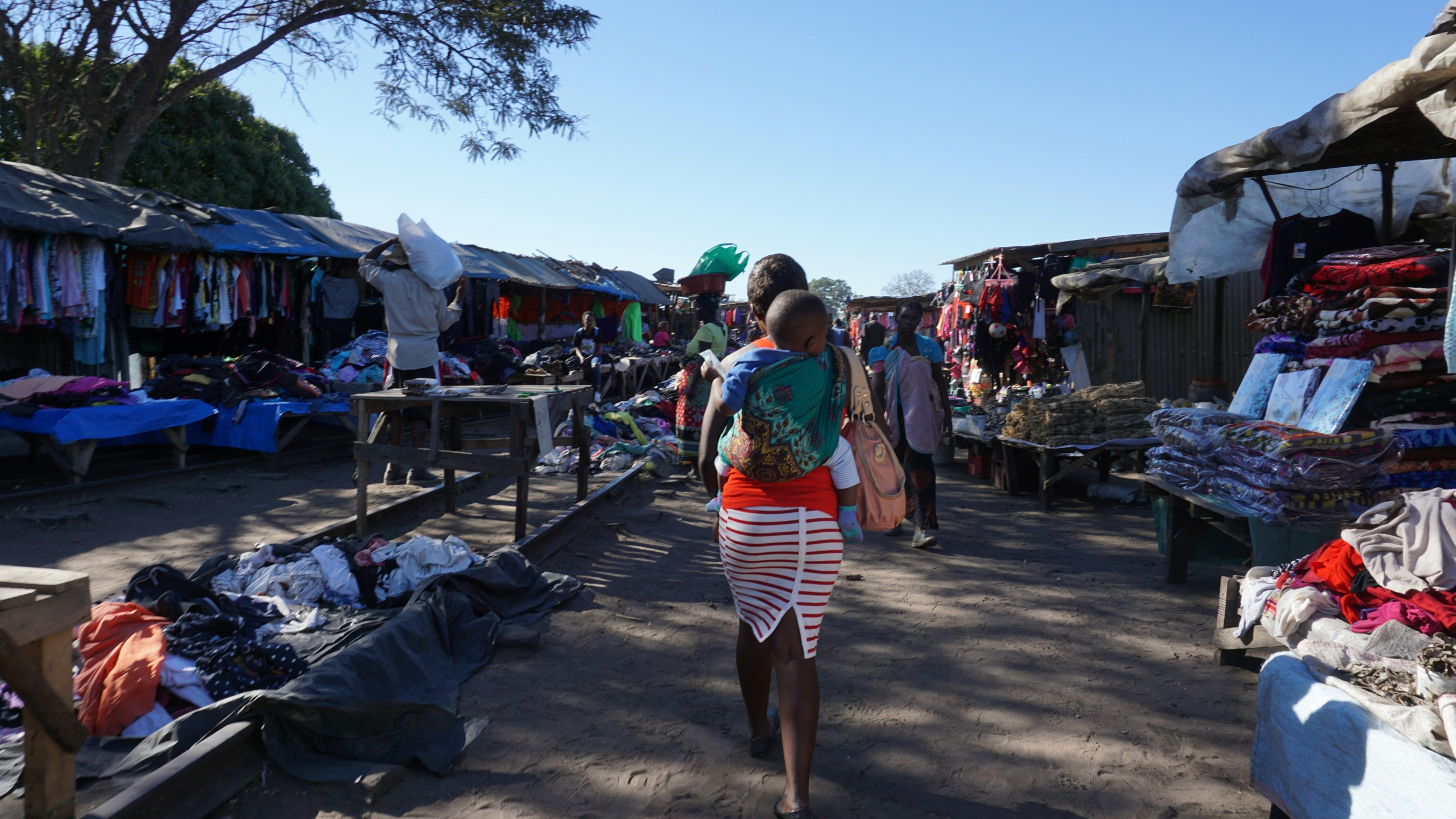 The variation in pay between men and women, also known as the gender wage gap, is a prominent focus of the fight against poverty. According to the U.N. Women’s 2023 report, for every dollar men are paid, women in East and Southern Africa earn 81 cents. The International Labour Organisation’s (ILO) Committee of Experts on the Application of Conventions and Recommendations (CEACR) recognized the large gender wage gap in Zambia and advised the government to “step up its efforts to take more proactive measures, including with employers’ and workers’ organizations, to raise awareness, make assessments, and promote and enforce the application of the principle of equal remuneration for men and women for work of equal value.”
Understanding the Gender Wage Gap
In the 2023 Global Gender Gap Index rankings, Zambia ranked 85th out of 146 countries, with a score of 0.699. The Global Gender Gap Index considers education, health, politics and economic involvement. On the scale of the score, zero equals imparity whilst parity equals one. Zambia’s Index decreased from 0.723 in 2022 to 0.699 in 2023.
In terms of the economy, account ownership of either a bank account or a mobile money service was lower for women (45%) than men (52.5%). This difference helps to understand the gender wage gap. Although the rate of women working in vulnerable employment remains at 80.1% in Zambia, the number of female workers in vulnerable employment has decreased since 1991.
Education is a huge part of tackling the gender wage gap in Zambia and on a global scale. In 2024, the U.N. Women launched its economic empowerment strategy to champion clearer accountability for plans to achieve gender equality. These goals include U.N. Women working together with organizations such as UNICEF and the World Bank to advocate for gender equality.
Improving Education
UNICEF and the London Stock Exchange Group Foundation created Zambian Girls 2030. This scheme emerged because of the Zambian government’s “Vision 2030” aiming for the country to become a middle-income nation by 2030. The number of girls dropping out of education after completing primary school is almost double that of boys of the same age. Zambian Girls 2030 involved internships focusing on science, technology, engineering and mathematics (STEM) subjects and the girls who participated in the program met women working in these industries, including accountants and business owners. Between 2016 and 2018, almost 10,000 girls participated in the initiative’s school clubs, whilst 233 girls had the opportunity to complete the internship. Zambian Girls 2030 provided education opportunities to girls in Zambia which could further help reduce the gender wage gap.
One reason why girls drop out at a higher rate than boys after leaving primary school is the lack of transport. Between 2012 and 2022, World Bicycle Relief and the Ministry of Education in Zambia provided 36,977 girls living in rural areas with Buffalo Bicycles so they could attend school. This removal of one barrier to their education meant that these girls were 19% less likely to drop out of school than those without access to bicycles and the amount of lessons missed fell by 28%.
Financial Literacy
Mother’s Union is a women-led organization that addresses trafficking, unemployment and the financial empowerment of women. Across Zambia, more than 12,000 Mother’s Union members campaign against violence against women and advocate health awareness schemes.
Mother’s Union has been running the Literary and Financial Education Programme (LFEP) since 2000. The program educates both men and women. Therefore, the environment is one where both men and women realize the importance of furthering women’s education and how they can contribute to the household income.
The Girls’ Education and Women’s Empowerment and Livelihoods (GEWEL) project has helped 96,000 women in Zambia to access support and opportunities. Projects such as these could challenge the gender wage gap by giving women the opportunity to have a more active role within the economy. The project links with the Zambia Agribusiness and Trade Project, which aims to stop the challenges farmers face. Therefore, these two projects combine to allow women the opportunity to succeed through accessing opportunities within agribusiness.
Numerous initiatives are working to fight gender inequality in Zambia. By understanding the extent of gender equality, these schemes are addressing the causes of the gender wage gap.
– Amy Fox
Amy is based in Birmingham, UK and focuses on Good News for The Borgen Project.
Photo: Unsplash
