• Link to X
  • Link to Facebook
  • Link to Instagram
  • Link to TikTok
  • Link to Youtube
  • About
    • About Us
      • President
      • Board of Directors
      • Board of Advisors
      • Financials
      • Our Methodology
      • Success Tracker
      • Contact
  • Act Now
    • 30 Ways to Help
      • Email Congress
      • Call Congress
      • Volunteer
      • Courses & Certificates
      • Be a Donor
    • Internships
      • In-Office Internships
      • Remote Internships
    • Legislation
      • Politics 101
  • The Blog
  • The Podcast
  • Magazine
  • Donate
  • Click to open the search input field Click to open the search input field Search
  • Menu Menu

Archive for category: Children

Information and stories addressing children.

Children, Developing Countries, Global Poverty, Health

9 Facts About Healthcare in Sierra Leone 

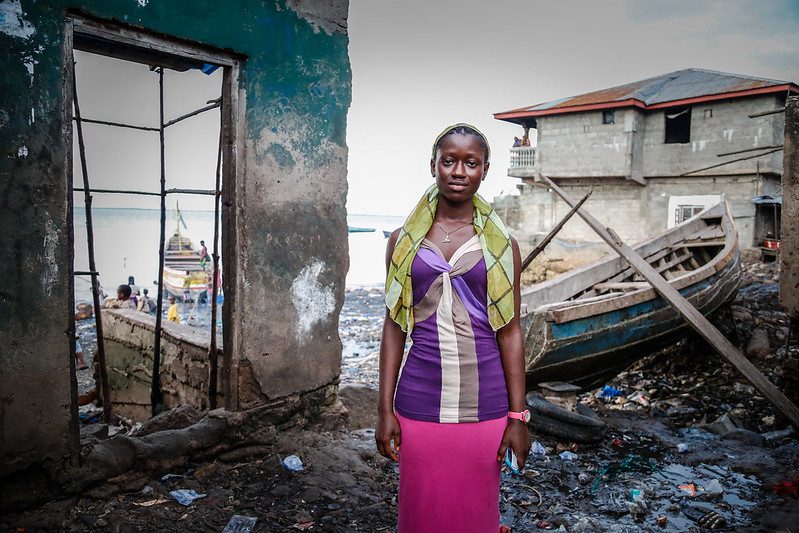
Healthcare in Sierra LeoneSierra Leone is a small nation located on the coast of West Africa. While the country boasts an abundance of natural resources, it is also a poor nation, with a healthcare system in dire need of improvement. Here are 9 facts about healthcare in Sierra Leone.
9 Facts About Healthcare in Sierra Leone

  1. Sierra Leone has one of the lowest life expectancies on the globe. In 2018, the average life expectancy in Sierra Leone was 54.3 years. This places the nation among the bottom five in the entire world. In comparison, the average global life expectancy is 72.6 years.

  2. Sierra Leone faces high rates of infant and maternal mortality. Similar to life expectancy, infant and maternal fatality rates help gauge the quality of a nation’s health care system. In 2015, 87.1 infants died per 1,000 births in Sierra Leone, while 1,360 mothers died per 100,000 births. In the U.S., just 5.4 infants died per 1,000 births, and only 14 mothers died for every 100,000 births. Birth-related deaths generally occur when there are delays in women seeking, reaching and receiving care.

  3. All people living in Sierra Leone are at risk of malaria. Malaria is endemic to the nation, and poses a great health risk. In fact, four out of every ten hospital visits in Sierra Leone are due to malaria. Children are at particular risk, and the disease contributes to the nation’s high number of child fatalities. However, rates of the illness are falling across the country due to preventative practices such as sleeping under insecticide treated nets. Earlier diagnoses and treatments also contribute to the lowered rates of illness. By the end of 2020, the Ministry of Health and Sanitation in Sierra Leone hopes to have decreased cases by 40 percent.

  4. The Ebola outbreak of 2014 hit Sierra Leone particularly hard. Despite its relatively small population, there were more cases of Ebola in Sierra Leone than any other country. To be exact, there were a total of 14,124 cases in the country, including nearly 4,000 deaths. The first case was reported in May 2014, and Sierra Leone was not declared Ebola-free until February 2016. According to the World Health Organization, the virus was able to spread so widely due to the weaknesses of the healthcare in Sierra Leone. These weaknesses included too few healthcare workers, not enough oversight and a lack of resources.

  5. Disabled residents face tough conditions. Approximately 450,000 disabled people live in Sierra Leone, including those who were maimed in the decade-long civil war that ended in 2002. The government does not currently provide any assistance to the disabled. Those with disabilities resort to begging on the streets of Freetown, the nation’s capital. Disabled youth turned away from their families (due to the family’s inability to support the youth) often form their own communities on the streets. Employment can also be hard to achieve due to discrimination. Julius Cuffie, a member of Parliament who suffers from polio, brings awareness to the disabled’s struggles. Hoping to bring the disabled’s issues to the forefront, Cuffie pushes for the Persons with Disabilities Act.

  6. Corruption exists in Sierra Leone’s healthcare system. According to a 2015 survey, 84 percent of Sierra Leoneans have paid a bribe just to use government services. Additionally, about a third of the funds given to fight the Ebola crisis are not accounted for. This translates to roughly 11 million pounds, or almost 14 million dollars. Sierra Leone has a literacy rate of about 40 percent. As a result, many health care services overcharge unknowing residents for basic services. A new initiative, put together by the nation’s Anti-Corruption Commission, advises residents to report cases of bribery.

  7. In 2010, Sierra Leone began offering free health care. The Free Healthcare Initiative (FHCI) aims to decrease the nation’s high maternal, infant and child mortality rate. The government also hopes the initiative improves general health across the country. The ordinance provides a package of free services for pregnant women, lactating mothers and children under the age of five. The program has not been without its challenges, however, due to the aforementioned weaknesses of previous systems of health care in Sierra Leone. That said, the initiative has resulted in a number of positive changes. For example, there has been an increase in the number of healthcare staff, a larger willingness for parents to seek care for their children and a reduction in mortality for those under five.

  8. There has been an increase in efforts to strengthen emergency medical response in Sierra Leone. Road accidents kill thousands each year in the country. In response to this, the First Responder Coalition of Sierra Leone (FRCSL) was created in 2019 to improve the state of urgent medical care. Five national and international groups in Makeni, a city in northern Sierra Leone, founded the coalition. The group aims to provide emergency care, treat the high numbers of injuries and resolve the low amount of pre-hospital treatment in Sierra Leone. In its first two months, the FRSCL trained 1,000 Makeni residents, equipping each one with a first aid kit. The coalition hopes to train 3,500 more in the next six months. It also plans on expanding out of the northern province in the next five years. Hopefully, the FRCSL’s efforts will save thousands of lives from vehicle accidents in the coming years.

  9. CARE is working to improve sexual and reproductive health for women and girls in Sierra Leone. The humanitarian agency began working in the country in 1961. Goals of the organization include providing medical supplies and contraceptives, giving training to healthcare workers and working with the community to eliminate attitudes that prevent women from discovering their rights to sexual and reproductive health. CARE is currently present in approximately 30 percent of the country’s communities, particularly in areas that have high rates of HIV infection and teenage pregnancy. One Sierra Leonean mother, named Fanta, credits CARE with educating her about proper breastfeeding and health practices, leading to the survival and continued health of her daughter.

Healthcare in Sierra Leone is an issue that is complicated by the nation’s high rates of poverty, many endemic diseases and tumultuous political history. While shocking statistics, such as the country’s low life expectancy and high maternal and infant mortality rates paint a grim picture, there are signs of progress being made, and there is potential for much more change on the horizon.

– Joshua Roberts

Photo: Flickr

May 25, 2020
https://borgenproject.org/wp-content/uploads/borgen-project-logo.svg 0 0 Jennifer Philipp https://borgenproject.org/wp-content/uploads/borgen-project-logo.svg Jennifer Philipp2020-05-25 01:31:342024-05-29 22:53:319 Facts About Healthcare in Sierra Leone 
Children, Global Poverty, Health, Poverty Reduction

10 Facts About Poverty in Madagascar

poverty in Madagascar

Madagascar is the fourth-largest island in the world and boasts an array of natural resources. Despite this, poverty in Madagascar ranks among the highest in the world. Due to an upturn in the economy, things may be looking up. However, much work is necessary before conditions truly improve. Here are 10 facts about poverty in Madagascar.

  1. The majority of people in Madagascar live in extreme poverty. Currently, 80.7% of the population lives on less than $2.15 per day. This means that more than three-fourths of the 30.3 million inhabitants live beneath the international poverty line, as defined by the World Bank.
  2. Poverty in Madagascar hits children the hardest. In fact, more than 80% of those aged less than 18 in Madagascar live in extreme poverty. Additionally, the United Nations Children’s Fund (UNICEF) declares that chronic malnutrition affects almost half of children less than 5 years old, with stunted growth being a major concern.
  3. Extreme poverty pushes children in Madagascar into child labor. Approximately 43% of children in Madagascar, about half of the population younger than 15, participate in labor of some kind. Many of these children work instead of attending school.
  4. The island nation’s unique and isolated geography is also a contributing factor to poverty. Environmental challenges have been particularly detrimental to the country’s rural poor, who largely subsist on farming and fishing. Water levels continue to rise and Madagascar’s location makes it very susceptible to cyclones. These factors lead to drought and food insecurity in the already vulnerable nation.
  5. Though 60.4% of Madagascar’s residents live in rural areas, the country is not currently able to sustain itself. Madagascar has to import 15% of essentials like rice and milk. Furthermore, Slash-and-burn farming techniques and over-farming have led to deforestation on a large scale. As a result, only 10% of Madagascar’s original rainforest is still intact.
  6. Madagascar’s poor infrastructure also negatively affects its economy. Of the more than 30,000 miles of roads in the country, only about 19% are paved. Many of these roads become impossible to pass during the nation’s rainy season. Furthermore, railroads are not in much better shape; there are two unconnected lines in poor condition.
  7. Despite the woes above, Madagascar has seen rapid economic growth in the past few years. The year 2018 saw a growth of 5.1%, bringing with it a 2% increase in per capita income. Sectors such as exports, transportation and finance drive this economic growth. However, poverty continues to decrease at a slow rate: only about 3% since 2012. This slow rate most likely results from the majority of the population working in agriculture.
  8. Water scarcity and sanitation are significant problems in Madagascar. Only about half of the population has access to clean water. In places with limited access to water, women and girls often bear the brunt of the work of collecting it. This time-consuming and physically difficult work hinders their ability to attend school and earn income. In Southern Madagascar, 90% of houses lack basic sanitation needs. Open defecation is common, leading to the prevalence of waterborne diseases such as diarrhea.
  9. WaterAid is an organization that seeks to give everyone across the globe access to clean water, toilets and proper hygiene, including those in Madagascar. The organization launched its water, sanitation and hygiene (WASH) plan in Madagascar and coordinated with local authorities to improve conditions across the nation. Similarly, the National Action Plan, launched in 2017, hopes to reduce growth stunting in children less than 5 by nearly 10%. It also aims to increase access to drinking water and proper sanitation to 65% and 30% of households, respectively.
  10. SEED Madagascar is a nongovernmental organization (NGO) that works specifically in the Anosy region of Southeast Madagascar. The organization creates projects related to education, community health, environmental conservation and sustainable livelihoods. In one such project, a 20,000-liter rainwater harvesting system placed on the roof of a primary school in Ambandrika provided clean water for 144 schoolchildren and 750 members of the wider community. Additional benefits of SEED’s work include allowing more time to create marketable goods as well as more time to care for children.

Looking Ahead

Poverty in Madagascar is widespread and the situation will not improve if it is ignored. Economic growth and organizations like SEED Madagascar and WaterAid are taking important steps. However, the issue must continue to be addressed.

– Joshua Roberts
Photo: Flickr

Updated: June 11, 2024

May 21, 2020
https://borgenproject.org/wp-content/uploads/borgen-project-logo.svg 0 0 Kim Thelwell https://borgenproject.org/wp-content/uploads/borgen-project-logo.svg Kim Thelwell2020-05-21 06:30:382024-06-11 01:52:5510 Facts About Poverty in Madagascar
Children, Education, Global Poverty

Reducing Child Poverty in Belize

Child Poverty in Belize
Belize, a Central American country with a poverty rate of about 41.3%, struggles with the effects that poverty has on children. Of the Belizeans in poverty, approximately 49% of them are children. Income inequality and rapid population growth contribute to the high poverty rate. Child labor rates, poor health care and child prostitution are the primary factors playing into the rate of child poverty in Belize. Nongovernmental organizations (NGOs), UNICEF and the government are compounding efforts to reduce child poverty in Belize.

Nongovernmental Organization Efforts

Humanium is an NGO that enables donors to sponsor children in Belize and many other countries. Humanium emerged in Geneva in 2008 to improve the well-being of children worldwide. The child’s family can afford numerous basics, including better health care and education. Since 40% of families are in poverty, some children must work to aid in providing for the family. About 6% of children between the ages of 5 and 17 work to provide for the family. Also, 36% of Belize’s population is 0-14 years of age; the high child poverty rate is a fair representation of the country’s overall poverty rate.

Minister of Foreign Affairs

A UN report, Wilfred Elrington, stated that child poverty in Belize was nearly 40%. Elrington further commented on how “[poverty] affects [the] capacity to learn. It affects [children’s] capacity to maintain good health.” While there are many NGOs in Belize that assist Belizean adults and children in poverty, Elrington and other officials stated that people should do more to solve the high poverty rate in the country.

UNICEF in Belize

UNICEF representative Susan Kasedde mentioned that education initiatives are a possible solution to poverty and violence. Both education improvements and higher enrollment could reduce poverty in Belize while simultaneously solving violence that affects local and major tourist industries. Based on the homicide rate in 2018, Belize remains one of the most violent countries in the world. UNICEF’s Children’s Agenda 2017-2030 aims to support children on the path to living a safe, healthy and successful life in Belize. The program also focuses on disadvantaged groups that are people often forget, such as those in remote regions with high poverty.

Investments in Education

As of 2017, the Government of Belize spent about 7% of its GDP on education, which places Belize in the top 10 in the world for education expenditure. This indicates that the country is utilizing education as a path to reducing adult and child poverty in Belize. Universal education for all children has the potential to help reduce poverty in children and future generations as a study showed in the Asian Economic and Financial Review. The case study in Nigeria found that higher education led to a decline in youth poverty in Nigeria. Poverty in Nigeria was significantly higher at 70%; the research shows the possible benefit of investment in education to reduce poverty. 

In January 2020, the Inter-American Development Bank (IDB) provided a $10 million loan to reduce child poverty in Belize. It will go towards the creation of a STEAM Lab School in Belize City. One of the goals of this school is to improve the quality of primary and secondary classrooms. Another goal is to improve gender equity from a young age, specifically in science, technology, engineering, arts and maths courses. With child poverty in Belize at an estimated 40%, investments in education could be a long-term solution to improve the country’s high child poverty.

– Lucas Schmidt
Photo: Flickr

April 14, 2020
https://borgenproject.org/wp-content/uploads/borgen-project-logo.svg 0 0 Lynsey Alexander https://borgenproject.org/wp-content/uploads/borgen-project-logo.svg Lynsey Alexander2020-04-14 07:30:292024-05-29 23:15:35Reducing Child Poverty in Belize
Advocacy, Children, Development, Education, Global Poverty

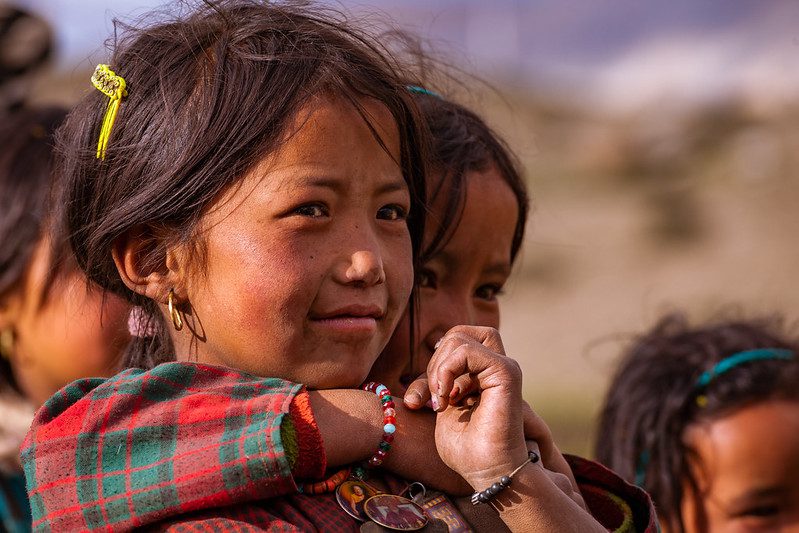
7 Facts about Illiteracy in Nepal

Illiteracy in Nepal
Nepal is a country of Asia that lies along the southern side of the Himalayas. It is a landlocked nation with a territory of just 500 miles east to west. Nepal has long experienced isolation under a series of rulers who favored isolationist policies and remained closed off to the rest of the world up until the year 1905. Today, Nepal is a country between two superpowers, India and China. As a result of this extreme isolation, it has become one of the least developed nations in the world. This underdevelopment has also led to a heavily illiterate population. Here are seven interesting facts about illiteracy in Nepal.

7 Facts About Illiteracy in Nepal

  1. Illiteracy in Nepal: As recently as 2015, Nepal had an illiterate population of 6,784,566 people. Luckily this statistic has been on a steady decline of about 2 percent every year since 1991.
  2. Literacy in Nepal: Nepal’s literate population in 2015 was at 55 percent. Although this means that just under half the population is illiterate, it is still an extremely large increase from the 1950s, during which only 5 percent of the population was literate.
  3. Women: Only 49 percent of women in Nepal are literate. The average literacy rate for women in Nepal is 20 percent lower than men. This may be a result of fewer women completing a full education than men, a statistic that is slowly becoming more equal and challenging illiteracy in Nepal.
  4. World Vision: Thankfully, literacy rates in Nepal are rising. An organization called World Vision has been working to eliminate illiteracy in Nepal. World Vision has been training teachers in Nepal to use more engaging methods to get their students more interested in reading.
  5. Reading Camps: World Vision has also created reading camps outside of school, in addition to encouraging parents to nurture a reading friendly environment in their homes so students are more willing to read. In just two years, the children involved in the program were one and a half times better at reading than children who did not attend the program.
  6. Room to Read: Another organization, Room to Read, has created a Girls’ Education Program that has helped nearly 5,000 girls in Nepal since 2001 to read and write. Children in Nepali schools with Room to Read libraries have checked out, on average, more than 16 books per student. Room to Read has been a catalyst in helping many children to appreciate reading.
  7. Five-Year Initiative: In 2016, Room to Read launched a five year initiative with the government of Nepal, USAID and the research group RTI International to improve the country’s primary grade literacy programs greatly. This initiative has the goal of changing the lives of 1 million students in grades one to three in order to combat illiteracy in Nepal.

Illiteracy in Nepal is an issue that has significantly decreased due to the actions of these, and many other programs and initiatives, all with the goal of improving literacy rates in Nepal. If it were not for groups like Room to Read and World Vision, the people, and especially the children, would still be stuck in the darkness of illiteracy.

– William Mendez
Photo: Flickr

April 11, 2020
https://borgenproject.org/wp-content/uploads/borgen-project-logo.svg 0 0 Lynsey Alexander https://borgenproject.org/wp-content/uploads/borgen-project-logo.svg Lynsey Alexander2020-04-11 01:30:442024-05-29 23:15:297 Facts about Illiteracy in Nepal
Children, Education, Global Poverty

10 Facts about Education in North Korea

Education in North Korea
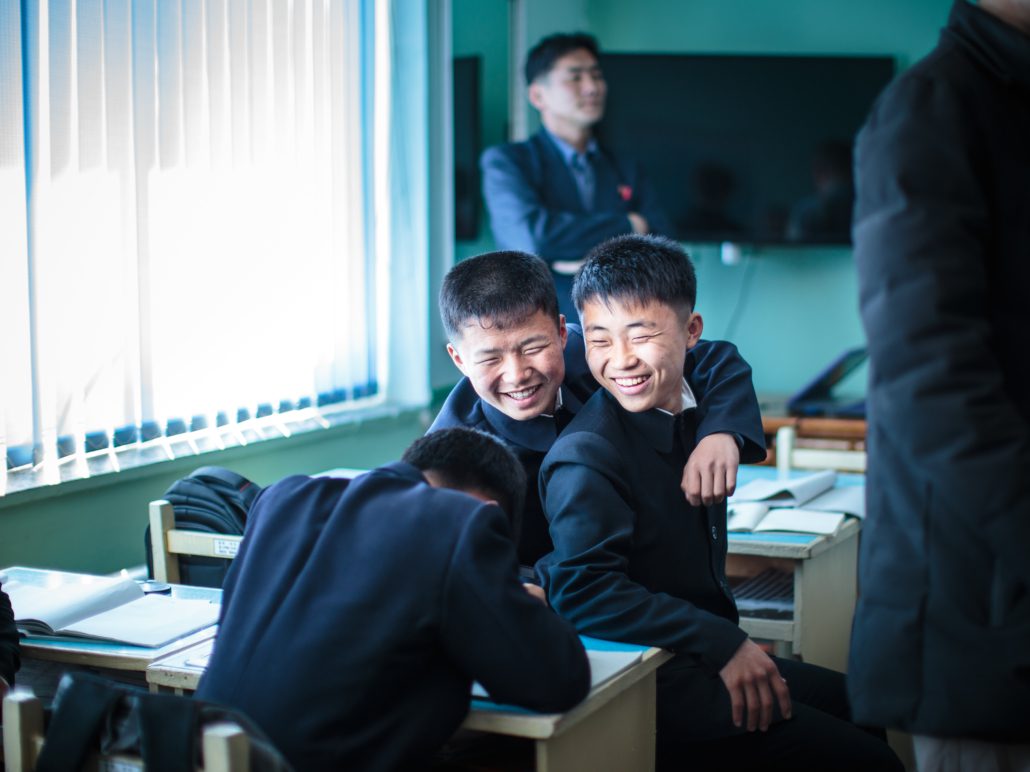
North Korea is a prime example of a hermit kingdom and one of the last remaining communist states. The centralized ideology and oppressive domestic policy closed the society off from the rest of the world, shrouding itself with mystery. How is it possible for the Kim dynasty to maintain its ruling power for so long despite international skepticism? The answer may lie in the careful censorship and indoctrination of the education that shapes the minds of its citizens. Here are the top 10 facts about education in North Korea.

10 Facts About Education in North Korea

  1. Education in North Korea is free and mandatory until the secondary level. North Korea requires students to attend one year of preschool before enrolling in four years of primary school, known as “people’s school.” Depending on their specialties, the students will proceed to either a regular secondary school or a special secondary school from the ages of 10 to 16.
  2. The North Korean education curricula consist of subjects in both academic and political matters. Subjects such as the Korean language, physical education, mathematics and arts make up the majority of instruction in people’s school. North Korea devotes over 8 percent of instruction to the teaching of the “Great Kim Il Sung” and “Communist Morality.” The teaching of these political subjects comprises 5.8 percent of instruction when students get to senior middle schools.
  3. Education in North Korea has claimed the highest literacy rates in the world. There are statistics that claim that all North Koreans over 15 years of age have a 100 percent literacy rate. However, actual statistics might be lower.
  4. Children learn to love and believe in the godlike virtues of the ruling Kim family as early as kindergarten. By the age of 5, North Korean children devote two hours each week to learning about their leaders. By the time they get to secondary school, students spend six classes per week on the subject. The schools and textbooks often tell outlandish stories about the Kim family to deify them. For example, one story tells of how Kim Il-Sung made grenades with pinecones, bullets and sand. Another story tells of how Kim Il-Sung used teleportation when he annihilated the Japanese.
  5. A lot of education in North Korea is propaganda. The system indoctrinates citizens into the system and teaches them to idolize the Kim family as revolutionaries. Distortion of history is another means that the government uses to legitimize the dictatorial regime and accentuate the claims of North Korean greatness. With the careful censorship of outside information, it is not difficult for the regime to change contemporary Korean history or to glorify the Kim family.
  6. Admission to universities is selective and competitive in North Korea. Only students who receive recommendations from their instructors are able to continue their studies at the university level. To receive recommendations, the students must have good senior middle school grades, be from a desirable social class and show high loyalty to the party. Those without recommendations instead go to work in the farms or mines or join the military.
  7. Students start learning foreign languages in secondary school. The most common language is English and then Russian. As the government deems the textbooks from the United Kingdom and Russia as containing too much “dangerous” information, North Korea uses its own textbooks. However, the quality of education is poor as the textbooks have poor writing and include mistakes. Students learn phrases such as “Long live Great Leader Generalissimo Kim Il-sung” before “Hello, how are you?”
  8. Education in North Korea continues even for adults. In rural areas, North Korea organizes people into five-family teams. Schoolteachers or other intellectuals supervise the people for surveillance and educational purposes. Office and factory workers also have to attend study sessions after work each day for two hours. They have to study both technical and political subjects.
  9. North Korea has a special purpose school for children from the elite class and gifted children. Depending on their specialties, children enter one of the four types of schools for special purposes. These include the revolutionary school (also known as the elite school), schools for arts and sports, schools for foreign language and schools for science.
  10. Private tutors or other forms of paying for education in North Korea is technically illegal. The state only trusts itself to properly indoctrinate the young minds into the communist regime. However, since the famine in the 1990s, families have had to provide some type of payment for teachers in order for them to show up to work. This can involve paying money, providing firewood or helping teachers harvest crops. Tutoring has evolved within the grey economy of North Korea as a means for state-school teachers to make ends meet. The regime is willing to turn a blind eye as long as the teachers are not too ostentatious about it.

These top 10 facts about education in North Korea shows the important role of education in indoctrinating citizens and instilling in them unconditional loyalty to the regime. As long as education in North Korea continues to be this way, it is likely that the nation will continue to suffer from the tyranny and suppression from its great leaders.

– Minh-Ha La
Photo: Flickr

April 4, 2020
https://borgenproject.org/wp-content/uploads/borgen-project-logo.svg 0 0 Lynsey Alexander https://borgenproject.org/wp-content/uploads/borgen-project-logo.svg Lynsey Alexander2020-04-04 07:30:372024-05-27 23:53:5710 Facts about Education in North Korea
Children, Global Poverty

Thailand Debates Muay Thai for Children

Muay Thai for Children
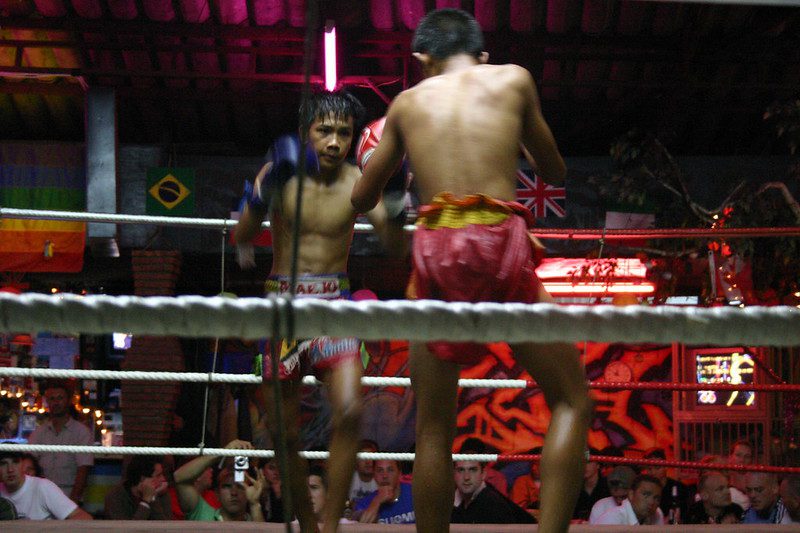
In Thailand, children as young as 13 years old have died competing in kickboxing matches known as Muay Thai. Many children take part in this demanding sport because this is often the only way their families can climb out of poverty. Kickboxing matches in Thailand occur in rural areas and competitors usually do not wear protective gear. However, the deaths and life-long injuries that the sport has inflicted on competing children have inspired a debate on the dangers of kickboxing for children in Thailand. Here is some information that contextualizes Thailand’s debate on Muay Thai for children.

The Current Situation

Currently, the debate over Muay Thai for children has led legislators in Thailand to consider proposals that may raise the age or facilitate using more protective gear for fighters. A major risk for competitors is brain damage or death. On the other hand, families in rural areas oppose this proposal because it could jeopardize their ability to put food on the table. Child kickboxers in Thailand can win up to $150 SDG in one match, the equivalent of about $111 USD if they are professional fighters or are competing in a prestigious competition. For small bouts, in which most Thai children compete, the pay is far less, with the maximum being the equivalent of $60.

Although $60 may seem like a trivial amount, for some families, this sum makes a significant difference in their lives. These winnings are equivalent to almost half of one month’s salary in rural and impoverished areas. Hence, many of the child fighters in Thailand find themselves in matches to ensure they make enough money. Another avenue is to start competing at a very young age so that by the time they are teenagers, they may be able to generate enough income as a professional fighter in Muay Thai.

The Price They Pay

Alongside the newly earned money from Muay Thai competitions, there are still prices the families and children of Thailand have to pay. The competitors and their families must face the constant reality of death and brain damage. According to a study by Thailand’s Mahidol University, permitting children under 15 to box could result in various types of brain damage, such as brain hemorrhages, which could lead to stroke-like symptoms or death if the fighters succumb to the injuries. No matter their age, the lack of protective gear for the fighters prevails as the major cause of injuries during competitions.

The Government’s Response

In response to the recent deaths and the brain damage that has taken place among the youth of Thailand, legislators have found themselves drafting bills that will bar children from participating in Muay Thai kickboxing matches if they are 12 or under.

Currently, the only measure in place to offer safety towards children who kickbox is that boxers must be 15 or older to compete. However, younger fighters are still able to engage as long as there is parental permission, which is why many young children are losing their lives to the sport as there are no enforced restrictions.

What Must Change

A solution to ensure that child fighters remain safe while making a steady income for their families may be for fighters aged 15 or younger to use headgear. Through the debate regarding Muay Thai for children in Thailand, it may be valuable for kickboxing enthusiasts to understand that while including headgear may not provide the same entertaining result, it is vital so that children may win the money necessary from their competitions while also being protected from trauma to their still-developing brains.

– Gowri Abhinanda
Photo: Flickr

March 13, 2020
https://borgenproject.org/wp-content/uploads/borgen-project-logo.svg 0 0 Lynsey Alexander https://borgenproject.org/wp-content/uploads/borgen-project-logo.svg Lynsey Alexander2020-03-13 05:30:282024-05-29 23:15:08Thailand Debates Muay Thai for Children
Children, Disease, Global Poverty, Technology

The Kershaw’s Challenge’s Impact on the DR

Kershaw’s Challenge's Impact
In 2011, LA Dodgers pitcher Clayton Kershaw and wife Ellen Kershaw started Kershaw’s Challenge, a faith-based, nonprofit organization. They founded the organization with the goal of encouraging people to use their talents to give back to people in need. Nine years later with the same goal at heart, Kershaw’s Challenge’s impact on the Dominican Republic continues to grow through Both Ends Believing and International Justice Mission.

While Kershaw’s Challenge focused solely on Zambia at its start, it expanded to focus on Dallas and Los Angeles in 2012 and in 2015, widened its reach to the Dominican Republic. In 2019, the organization announced its partnerships with Both Ends Believing and International Justice Mission, focusing on the Dominican Republic. Both Clayton and Ellen felt led to serve the Dominican Republic because they knew many fellow baseball players and teammates from the country.

Both Ends Believing (BEB)

In May 2019, Kershaw’s Challenge announced Both Ends Believing (BEB) as its new beneficiary. BEB’s mission is to “see every child grown up in a family” and has implemented Child First software to accomplish this.

According to SOS Children’s Villages, nearly 578,000 children under the age of 15 in the Dominican Republic are without parental care. Child pregnancy, chronic disease and mental or physical disabilities are among the factors that lead children to be at risk of being without care.

Through BEB’s software, it is able to identify children living in situations where they are vulnerable or at risk of neglect. BEB is then able to form a plan to get children out of these situations and into a loving home.

Kershaw’s Challenge’s impact on the Dominican Republic has continued through its support of Both Ends Believing. Its partnership with BEB also has a focus on Zambia, its other international beneficiary.

International Justice Mission (IJM)

In August 2019, Kershaw’s Challenge announced International Justice Mission (IJM) as its new beneficiary, focusing on efforts combatting human trafficking in the Dominican Republic. Several months earlier, Clayton and Ellen Kershaw traveled to the Dominican Republic alongside IJM. While there, they had the opportunity to meet with the Dominican Republic’s President, Danilo Medina, and they discussed the exploitation of children in the area. They were also able to visit Santo Domingo’s red-light district where they spent an afternoon playing baseball with survivors of sex trafficking. They even spent a night undercover in Boca Chica, where they saw trafficking first-hand.

According to the International Justice Mission, human trafficking in the Dominican Republic is mainly street-based, where customers can purchase young girls very easily. IJM has rescued more than 120 children and young women and has restrained more than 30 criminals since it opened its field office in the Dominican Republic back in 2013.

Through its partnership with IJM, Kershaw’s Challenge hopes to focus on the rescue and restoration of survivors, the restraint of suspects and the conviction of traffickers in the Dominican Republic. The organization also wants to help improve aftercare and investigation programs.

7th Annual PingPong4Purpose

In August 2019, Kershaw’s Challenge hosted its seventh Annual PingPong4Purpose, where it had a Giving Wall that raised funds for a rescue mission through IJM. A portion of the proceeds also went to Both Ends Believing, as well as its other national beneficiaries.

Kershaw’s Challenge’s impact on the Dominican Republic has been great through both International Justice Mission and Both Ends Believing, as both organizations remain a special cause for both Clayton and Ellen. Kershaw’s Challenge plans to announce its 2020 beneficiaries on Opening Day, March 26, 2020. People can donate to Kershaw’s Challenge directly through its website, and can also support the organization through buying merchandise or attending events.

 – Megan McKeough
Photo: Flickr

March 9, 2020
https://borgenproject.org/wp-content/uploads/borgen-project-logo.svg 0 0 Lynsey Alexander https://borgenproject.org/wp-content/uploads/borgen-project-logo.svg Lynsey Alexander2020-03-09 01:30:492024-06-04 01:08:39The Kershaw’s Challenge’s Impact on the DR
Child Poverty, Global Poverty

Addressing the Issues Surrounding Ireland’s Impoverished Children

Addressing the Issues Surrounding Ireland’s Impoverished ChildrenEconomic hardship is an all too real and frequent issue across the world. It has been known to create harmful factors such as corrupt governments, homelessness, hunger, limited to non-existent access to healthcare and an overall lower standard of living. However, as negative as these factors can be for those affected by poverty in general, it is especially detrimental toward children. The plight of Ireland’s impoverished children serves as one such case in which rampant economic penury has served as a severe detriment to their overall quality of life.

Ireland and the 2008 Recession

Irish children are one of the most vulnerable and disadvantaged groups within the region. Granted, Ireland suffered and continues to be burdened from persistent economic difficulties since the 2008 recession. Since then, more than 689,000 Irish people are reported to be in the poverty range, according to the 2019 Survey on Income and Living Conditions (SILC). Additionally, of these people living in poverty, 202,000 are shown to be children.

The gradual process of economic recovery since the 2008 recession has shown to be beneficial to the more general population, rather than vulnerable groups such as children. In fact, one report from the 2011 annual census found that 9.3% of children were living in perpetual poverty, with an additional 22% listed as going to school hungry. Conditions have unfortunately worsened since this census.

Moreover, whereas infrastructure has been invested in other important aspects of economic stability, such as industrial and technological growth, the same cannot be said for all aspects of economic stability. Specifically, the areas of health, housing and education were cut substantially in the aftermath of the 2008 recession, and there have not been suitable efforts to restore them to their previous levels.

These government cutbacks, unfortunately, do not even refer to some of the most disadvantaged subsections of children. For instance, the Council of Europe’s commissioner for human rights Nils Muiznieks reports that the Travelers experienced disproportionate drawbacks in housing (up to 85%) and in education (up to 86%). These drawbacks are especially harmful to the children in this group.

These unfortunate circumstances may not be in place forever. New initiatives and actions have been taken to mitigate and heal the issues affecting Ireland’s impoverished children.

No Child 2020: Addressing Child Poverty in Ireland

One of the more prominent examples of this includes the initiative, No Child 2020. This initiative’s goal was to bring public attention and government action to child poverty in Ireland. Headed by The Irish Times, the following five issues were addressed through the initiative: child hunger, homelessness, accessible healthcare, education and access to culture and sport.

No Child 2020 made substantial success in terms of garnering attention toward the issues of child poverty in Ireland. A key example of this can be seen in the passing of the journal Social Justice Ireland, which published its very own list of issues that require government involvement to rectify the issues of child poverty. It should be further noted that of the 12 issues the journal listed, the need to “provide adequate payments for children to end child poverty” was highlighted.

As a result of these endeavors, the Irish government added an extra one million euros toward creating a pilot system providing free books to more than 50 primary schools. There has also been the provision of free dental care for Irish children below 6 years of old and free general practitioner coverage for Irish children below 8 years of age.

Looking Ahead

There is still far more to be accomplished to assist Ireland’s impoverished children. The Irish government still has not bestowed more medical coverage to low-income families altogether, nor The Irish Times’ request 20 million pounds per year for free school books to all of Ireland’s primary schools. Moreover, no official government action has been taken to better address the aforementioned dilemmas concerning child hunger, homelessness and sporting/cultural involvement.

If progress is to be truly advanced to address these issues, more financial investment and government action are required. According to Muiznieks’s 2016 report, significant “budgetary and economic redress” is critical to aid vulnerable groups such as Ireland’s impoverished children.

Still, the presence of the No Child 2020 and the Social Justice Ireland have shown development in the country. These initiatives have already contributed economically, educationally and politically toward resolving the obstacles of Ireland’s impoverished children. Who knows how many more initiatives or reformative actions these imperatives could inspire? Progress takes time but now that the issues of Ireland’s impoverished children are being acknowledged, there is hope that the reality of such progress continues.

– Jacob Hurwitz
Photo: Flickr

March 2, 2020
https://borgenproject.org/wp-content/uploads/borgen-project-logo.svg 0 0 Lynsey Alexander https://borgenproject.org/wp-content/uploads/borgen-project-logo.svg Lynsey Alexander2020-03-02 08:30:232021-04-02 16:56:03Addressing the Issues Surrounding Ireland’s Impoverished Children
Children, Global Poverty, Malaria

Because International is Aiding Children

Because International is Aiding Children
There is an invention that is changing the lives of millions living in poverty around the world. A leather sandal, called The Shoe That Grows, has been making a big difference for children living without shoes that properly fit them. Kenton Lee, a pastor and founder of the nonprofit organization Because International, designed the shoe. He came up with the idea during a six-month stay in Kenya. He originated this new brand of footwear that has benefited those who have outgrown their previous pairs of shoes. Because International is aiding children in developing countries that live without proper-sized shoes and are vulnerable to serious injuries and parasites.

More than 300 children from poor families are in need of a pair of properly fitting and long-lasting shoes. Using materials around his house, Lee used the plastic part of a baseball cap to have a makeshift expanding shoe. He also used tacks and soft foam to create pegs, allowing the shoe to expand.

“The design process was interesting because I am not a designer, and I knew nothing about shoes,” Lee told Bored Panda. “I was just a normal guy with an idea.”

Helminth Infections

More than 225,000 pairs of adjustable sandals are distributed to more than 100 countries around the world. The previous lack of this resource has prevented kids from attending school daily and staying healthy. More than 1.5 billion people worldwide have suffered from soil-transmitted helminth infections, in which parasitic worms transmitted by eggs pass through the feces of those infected by the disease. The adult worms live in the intestines where they produce eggs every day. Helminth infections also weaken an individual’s nutritional status by feeding on host tissues including blood which leads to a loss of protein and iron. In addition to helminth infections, hookworms, which are also parasitic, cause intestinal blood loss that results in anemia.

As for the organization’s long-term goals, it plans on continuing distribution to poor countries. This provides an economic improvement, in which job creation appears, low shipping for merchants, decreased carbon footprinting and overall innovation of footwear that will increase economic growth while fighting poverty.

The Bednet Buddy

Because International is also aiding children through its invention to protect kids vulnerable to mosquitoes. The Bednet Buddy is also available on its official website; a pop-up net lined with long-lasting insecticides, which are synthetic substances for killing insects. The Bednet Buddy has the guarentee to protect children aged 5 and under from mosquito bites while sleeping. Lee, who also invented this protective kit, came up with the idea during the same visit to Kenya. He visited an orphanage where children were sleeping without bedding or a roof over their heads during the night, leaving them more vulnerable for mosquito bites, increasing the chance of catching malaria.

The organization has made about 1,000 nets and sent 700 to the west-central region of Africa for testing, so the organization has already manufactured the product and some have already used it. Because International is still working toward making improvements to the product that it has yet to reveal.

GroFive

Because International also has a sister company for commercial use called GroFive. Because International primarily owns GroFive and is a small-time player in the American footwear industry. Where parents typically run out to buy their children more pairs of shoes, costing them hundreds of dollars, the company decided to use the idea of The Shoe That Grows for American consumers. The key is to sell the product domestically where parents can purchase this type of shoe for a low price instead of buying multiple pairs for higher prices. GroFive sells its expanded sandals, or “expandals,” for both kids and adults at $39.95 a pair.

Pursuit Incubator

In addition, Because International has also developed a program for struggling entrepreneurs to take their new ideas to the next level. Known as the Pursuit Incubator, Because International offers training to get new businesses off the ground and to mobilize them to their target audience. It even gives guidance and funding that help support these new entrepreneurs as they embark on growing their businesses.

Overall, Because International is aiding children through its consistency in making products and services that can help serve those in need. In addition to The Shoe That Grows, it is capable of making more products. It can market these for use in underprivileged and developed nations alike. Finally, it provides services to help others with their own products.

– Tom Cintula
Photo: Flickr

March 2, 2020
https://borgenproject.org/wp-content/uploads/borgen-project-logo.svg 0 0 Lynsey Alexander https://borgenproject.org/wp-content/uploads/borgen-project-logo.svg Lynsey Alexander2020-03-02 01:30:552024-05-29 23:14:53Because International is Aiding Children
Children, Development, Global Poverty

Abandoned Babies In South Africa

Abandoned Baby Rate in South Africa
The abandoned baby rate in South Africa is often a touchy subject. Rather than speak about it, most people simply tend to donate their money to those children in need while others support the charities that provide for them. In some cases, a select few people will engage in hands-on volunteering, whether it is volunteering their time or their services to assist these abandoned babies in South Africa.

However, how often do people come across a clothing boutique that does all of the above? Fab’rik is an Atlanta-based franchised boutique that has more than 40 locations nationwide. The boutique has an in-store line, Asher, that strives to give back to abandoned babies in South Africa with the proceeds it makes from each garment sold.

Abandoned Baby Rate in South Africa

South Africa has approximately 18.5 million children and 4.5 million of those children do not live with their parents. Over the past decade, approximately 5.2 million children in the country were orphaned, showing a 30 percent increase in orphans. About 3,500 children survive abandonment each year according to a study that the Medical Research Council conducted in 2018. The study found that for every child that was alive, at least two were dead. The same research concluded that 65 percent of abandoned children were newborns and 90 percent were under the age of 1.

The abandoned baby rate in South Africa is increasing at an alarming rate. Even more alarming are the places that people are leaving these babies behind. The research found that others have previously underestimated the rate of abandonment because of where the culprits are dumping babies. They are disposing of babies in toilets, landfills, bins, gutters and other places where the probability of others finding them is unlikely. People seldom find the baby bodies that some flush down drains or animals eat.

Why Are Some Abandoning Babies in South Africa?

The rise of the abandoned baby rate in South Africa is in part due to the legalization of abortions. Though abortions are legal in South Africa, there remain many African communities that chastise women who resort to having late abortions or abortions period. In turn, African women who have unwanted pregnancies must undergo unsafe and illegal abortions. Other reasons some abandon these babies are because of poverty, high levels of HIV and social conditions.

What is the African Government Doing to Help?

The South African government has not done much to reduce the abandoned baby rate in South Africa. Abandonment is, unfortunately, not on the government’s radar and it is a problem that has plagued the country for years with no apparent decline. Due to the lack of government-based research, there is no research that the African government has conducted to date to track abandonment rates, just as there are no measures in place to counter it. The government currently does not consider baby abandonment in South Africa a violent crime, nor does it include it in the country’s crime statistics or list it as a cause of death in South African mortuaries. As a result, there is no sure way to tell the accurate number of babies who die from abandonment each year, making it difficult to depict the impact and length that the abandoned baby rate in South Africa extends.

Fab’rik CEO Has the Vision to do Good in Africa

The CEO and founder of Atlanta-based boutique, Fab’rik, seeks to help decrease the abandoned baby rate in South Africa. In 2002, Dana Spinola left her corporate America job to open up her first boutique. Not only is Mrs. Spinola the CEO and founder of clothing boutique Fab’rik, but she is also a philanthropist. In 2011, Spinola launched the Asher collection, a clothing line in her stores. The clothing line has the name of her daughter who Spinola adopted in 2004 at just 6 months old and is from Ethiopia. The boutique owner found the baby abandoned by the roadside which inspired the clothing line. The proceeds from the Asher collection go towards the adoption process of orphaned children in Africa, and for Spinola, it is an affirmation of her belief that clothing does change lives.

Asher’s Proceeds Create Opportunity for Abandoned Babies in Africa

On average, mothers abandon a total of hundreds of babies each month. They leave these babies in African hospitals, police stations and even outdoors. The prevalence of abandoned babies in Africa has spiked. However, the Asher clothing line has sought out to be of assistance to them. Asher is a collection of women’s clothing that allows its buyers to look good and do good. The Asher collection fights to face the reality of baby abandonment.

With the Asher Babies Program, the clothing line’s proceeds allow space for a safe, loving home, health care, development therapy and educational opportunities to abandoned and orphaned children in Africa. Every store that sells Asher merchandise has the opportunity to pair with an Asher Baby. That store is then able to write, video message and eventually meet its Asher baby. Each garment that the Asher collection sells goes toward a specific baby to fund their specialized needs and to assist in finding them a forever family and a forever home through adoption.

The Asher Babies program continues to provide for the babies through childhood and into their adolescence. There is a dire need for people like Dana Spinola and the Asher collection, whose primary focus is to help decrease the abandoned baby rate in South Africa and to provide forever homes to the babies that others too often discard and forget.

– Na’Keevia Brown
Photo: Flickr

February 29, 2020
https://borgenproject.org/wp-content/uploads/borgen-project-logo.svg 0 0 Lynsey Alexander https://borgenproject.org/wp-content/uploads/borgen-project-logo.svg Lynsey Alexander2020-02-29 05:30:322024-05-29 23:15:13Abandoned Babies In South Africa
Page 71 of 137«‹6970717273›»

Get Smarter

  • Global Poverty 101
  • Global Poverty… The Good News
  • Global Poverty & U.S. Jobs
  • Global Poverty and National Security
  • Innovative Solutions to Poverty
  • Global Poverty & Aid FAQ’s
Search Search

Take Action

  • Call Congress
  • Email Congress
  • Donate
  • 30 Ways to Help
  • Volunteer Ops
  • Internships
  • Courses & Certificates
  • The Podcast
Borgen Project

“The Borgen Project is an incredible nonprofit organization that is addressing poverty and hunger and working towards ending them.”

-The Huffington Post

Inside The Borgen Project

  • Contact
  • About
  • Financials
  • President
  • Board of Directors
  • Board of Advisors

International Links

  • UK Email Parliament
  • UK Donate
  • Canada Email Parliament

Get Smarter

  • Global Poverty 101
  • Global Poverty… The Good News
  • Global Poverty & U.S. Jobs
  • Global Poverty and National Security
  • Innovative Solutions to Poverty
  • Global Poverty & Aid FAQ’s

Ways to Help

  • Call Congress
  • Email Congress
  • Donate
  • 30 Ways to Help
  • Volunteer Ops
  • Internships
  • Courses & Certificates
  • The Podcast
Scroll to top Scroll to top Scroll to top