• Link to X
  • Link to Facebook
  • Link to Instagram
  • Link to TikTok
  • Link to Youtube
  • About
    • About Us
      • President
      • Board of Directors
      • Board of Advisors
      • Financials
      • Our Methodology
      • Success Tracker
      • Contact
  • Act Now
    • 30 Ways to Help
      • Email Congress
      • Call Congress
      • Volunteer
      • Courses & Certificates
      • Be a Donor
    • Internships
      • In-Office Internships
      • Remote Internships
    • Legislation
      • Politics 101
  • The Blog
  • The Podcast
  • Magazine
  • Donate
  • Click to open the search input field Click to open the search input field Search
  • Menu Menu

Archive for category: Children

Information and stories addressing children.

Child Soldiers, Global Poverty

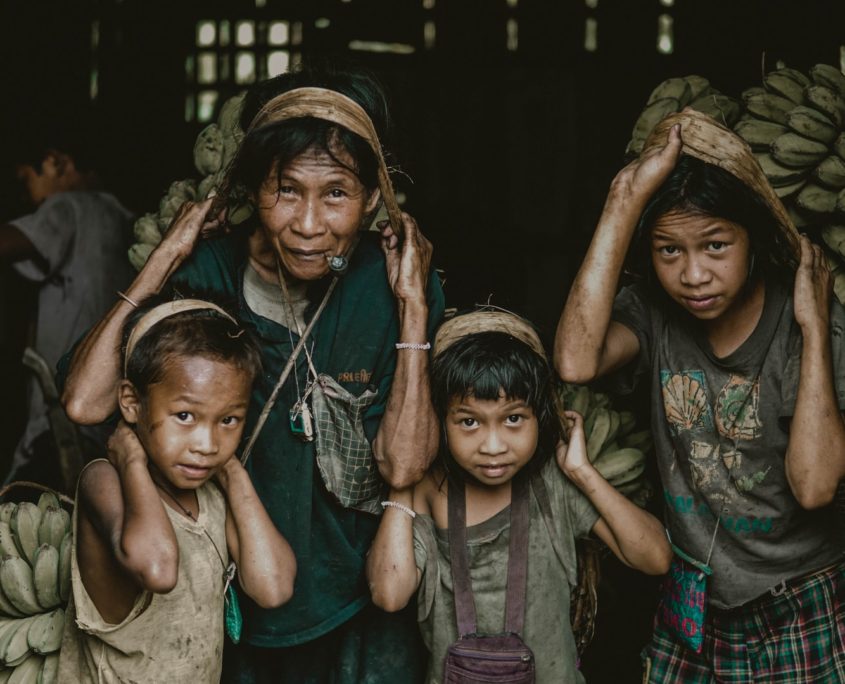
Ending Child Labor: 3 UN Solutions

Ending Child LaborDespite a 38% global reduction of child labor between 2000 and 2016, hundreds of millions of children remain in exploitative labor conditions. Work deprives children of their formative childhoods and educational experiences, while potentially harming them physically and psychologically. So, how are people and organizations working to end child labor around the world?

Living in poverty is the main reason children work, whether by circumstance or force. However, child labor creates a cycle of poverty. Some children have to work to survive and help support their families. These children, therefore, do not have the time to receive an education. Education is considered a key to escape poverty; without it, children do not have many options other than continuing to work.

Most child labor is in agriculture; more than 75% of child laborers work the fields, but others work in factories or the service industry. Out of the 170 million child laborers, 6 million children are forced into labor. These children often become child soldiers or are sold into prostitution or slavery. The United Nations calls for an end to child labor in all forms by 2025, a mere five years away. Here are three U.N. solutions to achieve their goal to end child labor:

3 UN Solutions to End Child Labor

  1. 2021 is the International Year for Ending Child Labour. The United Nations General Assembly wants to draw attention to the millions of children working in fields, mines and factories during 2021. Member states of the International Labor Organization (ILO), a specialized agency of the U.N., will raise awareness of the importance of ending child labor and share successful projects. These projects include initiatives to reduce poverty, educate children, offer support services and enforce minimum age requirements, among other solutions. As the steady decrease in child labor tapered off in 2016, the hope is that this effort will renew the global community’s interest in eradicating child labor.
  2. The Clear Cotton Project plans to have sustainable cotton industries without child labor. With the rise of fast fashion, cotton is one of the most valuable supply chain commodities. Because of its high demand, the cotton industry is notorious for its use of child labor, now embedded into the supply chain. Children work long, often excruciating, hours picking cotton, weeding and transferring pollen in the fields. In factories and workshops, child workers spin the cotton and have various tasks, from sewing buttons to embroidering fabric. All of this work is often underpaid if compensated at all. The Clear Cotton Project wants its partner countries of Burkina Faso, Mali, Pakistan and Peru to create sustainable cotton industries without child labor. The program, which started in 2018 and will end in 2022, has two strategies aimed at ending child labor. The first includes editing, strengthening and enforcing policy, legal and regulatory framework against child labor in accordance with ILO standards. The second strategy works to support local governments and public service providers. This strategy aims to increase access to education, create youth and women employment schemes and strengthen worker unions so workers can both recognize their rights and monitor their working conditions
  3. Ending child labor in African supply chains is receiving special attention. While the rest of the world saw a decrease in child labor between 2012 and 2016, Sub-Saharan Africa observed an increase. Child labor is most prevalent in supply chains, especially in cacao, cotton, gold and tea. In the tea industry alone, around 14% of children are working as laborers in Uganda. Even more children work in Malawi—38% of all children from ages 5-17. Producing tea is labor-intensive, from preparing the land for planting to harvesting to preparing the leaves for export. Children are involved at every level. To combat this, ACCEL Africa, a four-year program, began in 2018 to “accelerate action for the elimination of child labor in supply chains.” Partnered with the Netherlands, Côte d’Ivoire, Egypt, Mali, Malawi, Nigeria and Uganda, the program aims to address the problems that cause institutionalized child labor in supply chains. These countries will also improve their child labor policies and legal framework and enforce the revisions to stop child labor.

While the U.N. has set a challenging goal, with increased awareness, commitment and cooperation, the global community can succeed in its programs, ending child labor by 2025. With a real childhood, education and a brighter future, these children will have a chance to step out of the vicious cycle of poverty.

– Zoe Padelopoulos
Photo: Unsplash
July 16, 2020
https://borgenproject.org/wp-content/uploads/borgen-project-logo.svg 0 0 Kim Thelwell https://borgenproject.org/wp-content/uploads/borgen-project-logo.svg Kim Thelwell2020-07-16 01:31:282024-05-29 23:18:24Ending Child Labor: 3 UN Solutions
Child Marriage, Children, Global Poverty

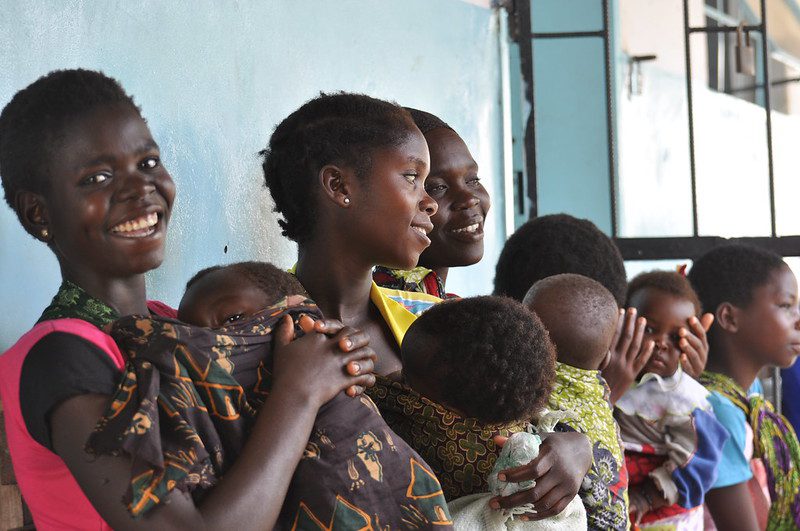
7 Facts About Child Marriage in Africa

facts about child marriage in Africa
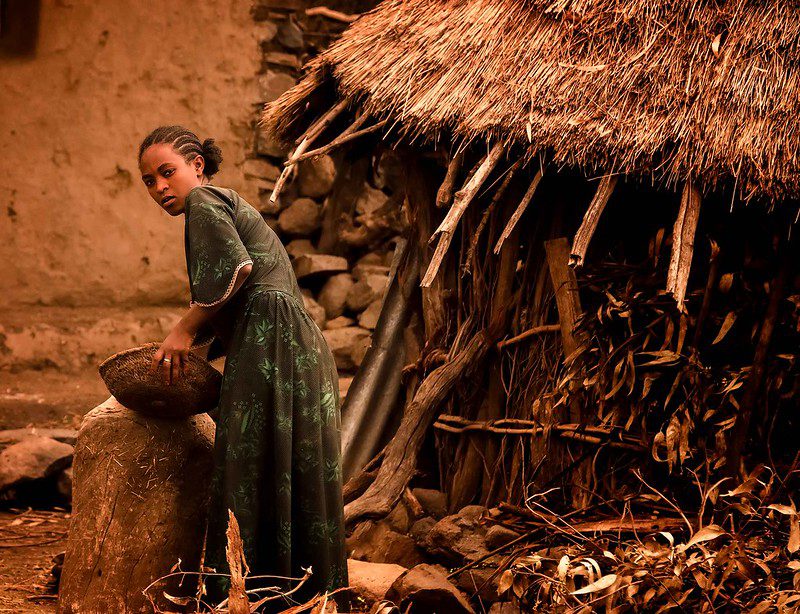
Child marriages have been occurring for thousands of years. While child marriage is more commonly seen between female children and much older men, child marriage is defined as marriages where either one or both partners are younger than the age of 18. According to UNICEF, Africa has the highest rate of child marriages in the world. Specifically, sub-Saharan Africa has the highest rates where every four in 10 girls are married before the age of 18. Within this region, the country of Niger has the highest child marriage rates, with 77% of girls married before the age of 18. Here are seven facts about child marriage in Africa.

7 Facts About Child Marriage in Africa

  1. Children marry as young as 7 and 8 years old. The U.N. estimates that every day around 37,000 girls under the age of 18 are married. Of the girls forced into marriage, one in three girls experience child marriage before the age of 18 and one in nine experience it before the age of 15. UNICEF estimates that if no change occurs, the rate of child marriages in Africa alone may double by 2050.
  2. Girls often experience suppressed education. Most girls who are in a child marriage do not get an education higher than the mandated primary education of grades one through nine. This is due to social stereotypes that categorize girls as domestic wives who stay in the home to cook, clean and bear children. Another reason is that most child marriages take place in poverty-stricken areas and they cannot afford to pay for an education or do not have access to education near them.
  3. Children involved in child marriages are at greater risk of domestic violence. A high percentage of girls in a child marriage experience domestic and sometimes sexual violence. According to the International Center for Research on Women (ICRW), girls who marry before the age of 18 are twice as likely to experience domestic violence when compared to girls who marry after the age of 18. Many girls cannot escape this violence because of poverty and the lack of education.
  4. Having a daughter is seen as a burden in Africa. Most child marriages take place in poverty-stricken areas where families consider daughters to be economic and financial burdens. Many families, wanting to make up for the money they put into raising a daughter, require a dowry for their daughter’s marriage. The high cost of a dowry means that most men will work for years to save up for a wife. As a result, most child marriages are between a young girl and a much older man.
  5. Child brides have a greater risk of contracting HIV and other STDs. Since men are typically much older when they marry a child bride, they tend to have had multiple partners before they are married. As a result, girls involved in child marriages are more susceptible to contracting HIV and other sexually transmitted diseases. Additionally, research found that many young people lack the proper knowledge of HIV and other STDs and safe sexual education. Sex education is a mandatory curriculum in Africa, but religious and cultural taboos prevent schools from properly teaching this curriculum. In 2015, the Department of Basic Education began developing lesson plans for grades seven through nine that properly educate children about safe sex and STDs.
  6. Many child brides face high-risk pregnancies. Since girls marry at such young ages, many girls have high-risk pregnancies due to their underdeveloped bodies. As a result, they often have a difficult childbirth. Additionally, pregnancy lessens the body’s immune system, leaving young girls easily susceptible to illnesses such as malaria. Malaria is harder to treat when one is HIV positive and can lead to death in young pregnant girls.
  7. Ultimately, child marriage violates human rights. Child marriages involving boys is significantly more rare than those involving girls. The primary difference in a marriage involving young boys is they do not pose the same health risks as girls. However, child marriages between both sexes take away a child’s basic human rights. In 1948, in an attempt to discourage child marriages, the U.N. declared child marriage an act against human rights, as stated in Article 16 of the Universal Declaration of Human Rights.

These seven facts about child marriage in Africa explain the difficulties young girls face every day. While child marriages around the world have been in a steady decline, Africa has been the slowest progressing area. According to the U.N., child marriages in Africa could actually continue to grow rather than decline. A continued growing awareness around the world helps to end child marriages. A group of girls in Africa started a petition to change the laws and raise the age of consent. So far, the petition has received over 245,000 signatures. Efforts like these continue to help bring an end to child marriages in Africa.

– Chelsea Wolfe 
Photo: Flickr

July 1, 2020
https://borgenproject.org/wp-content/uploads/borgen-project-logo.svg 0 0 Lynsey Alexander https://borgenproject.org/wp-content/uploads/borgen-project-logo.svg Lynsey Alexander2020-07-01 06:57:122024-05-29 23:17:387 Facts About Child Marriage in Africa
Children, Education, Global Poverty

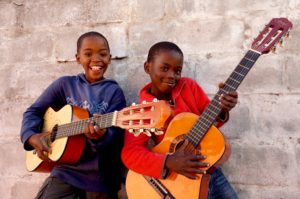
Music Programs In Developing Countries Unify Communities

Music Programs in Developing CountriesPlaying For Change is an organization that works to connect people through music by bringing together musicians from around the world to promote peace and unity. In 2007 its founders Mark Johnson and Whitney Kroenke created the Playing for Change Foundation to increase music programs in developing countries and unite communities through music. Playing For Change empowers children around the world by giving them the opportunity to learn the universal language of music.
The Foundation offers classes for children at 15 schools located in 11 countries: Bangladesh, Brazil, Ghana, Mali, Nepal, Rwanda, South Africa, Morocco, Mexico, Argentina and Thailand. More than 2,000 children attend these classes each week. Through the Foundation’s outlet for creativity, they learn how to express themselves and build confidence and resilience.

Supporting Local Communities

When constructing a new school, the Foundation emphasizes using local materials and employing local labor. This empowers the community’s economy. It focuses on opening schools in developing areas, so this support can make a big difference for the local economy. Playing For Change unifies communities by providing aid to these developing areas including food, water, medicine, clothing, and computers. This community development has improved the lives of thousands of people while providing vital economic stimulus and spreading the Foundation’s message of unity.


The Foundation’s educational programs are led by community members, with teachers and administrative staff being hired locally. This ensures that each program has strong ties to its community and can more effectively teach and impact the students. These local ties are an important way that Playing For Change establishes music programs in developing countries. Working together towards the common goal of building a school and teaching children is something that a community can take pride in.

Stand By Me

In order to guarantee that music and dance classes are available to all children, the Playing For Change Foundation created the Stand By Me Scholarship Program in 2013. These scholarships are funded by donations and provide children with the opportunity to attend classes free of charge for a year. The classes enhance the self-esteem and collaborative abilities of their students, while also giving them strong connections to their local community. Also, enrolled students can connect with other youth and staff in schools around the world. The scholarship is essential because it ensures that children who come from underprivileged backgrounds have access to the classes’ benefits and the community that music creates.

Community Unification and Strengthening

Thousands of children around the world have gained valuable skills while learning to express themselves through the Foundation’s programs. Notably, many of these children are vulnerable to poverty and violence. Thus, these classes teach them how to address these issues while giving them creative skills they would otherwise not have the opportunity to develop. At its core, Playing For Change uses music programs in developing countries to uplift people with the power of music.


– Gabriel Guerin
Photo: Flickr

June 30, 2020
https://borgenproject.org/wp-content/uploads/borgen-project-logo.svg 0 0 Jennifer Philipp https://borgenproject.org/wp-content/uploads/borgen-project-logo.svg Jennifer Philipp2020-06-30 10:17:252020-06-30 10:17:25Music Programs In Developing Countries Unify Communities
Children, Education, Global Poverty

Enhancing Education in Haiti Through Language

Education in Haiti
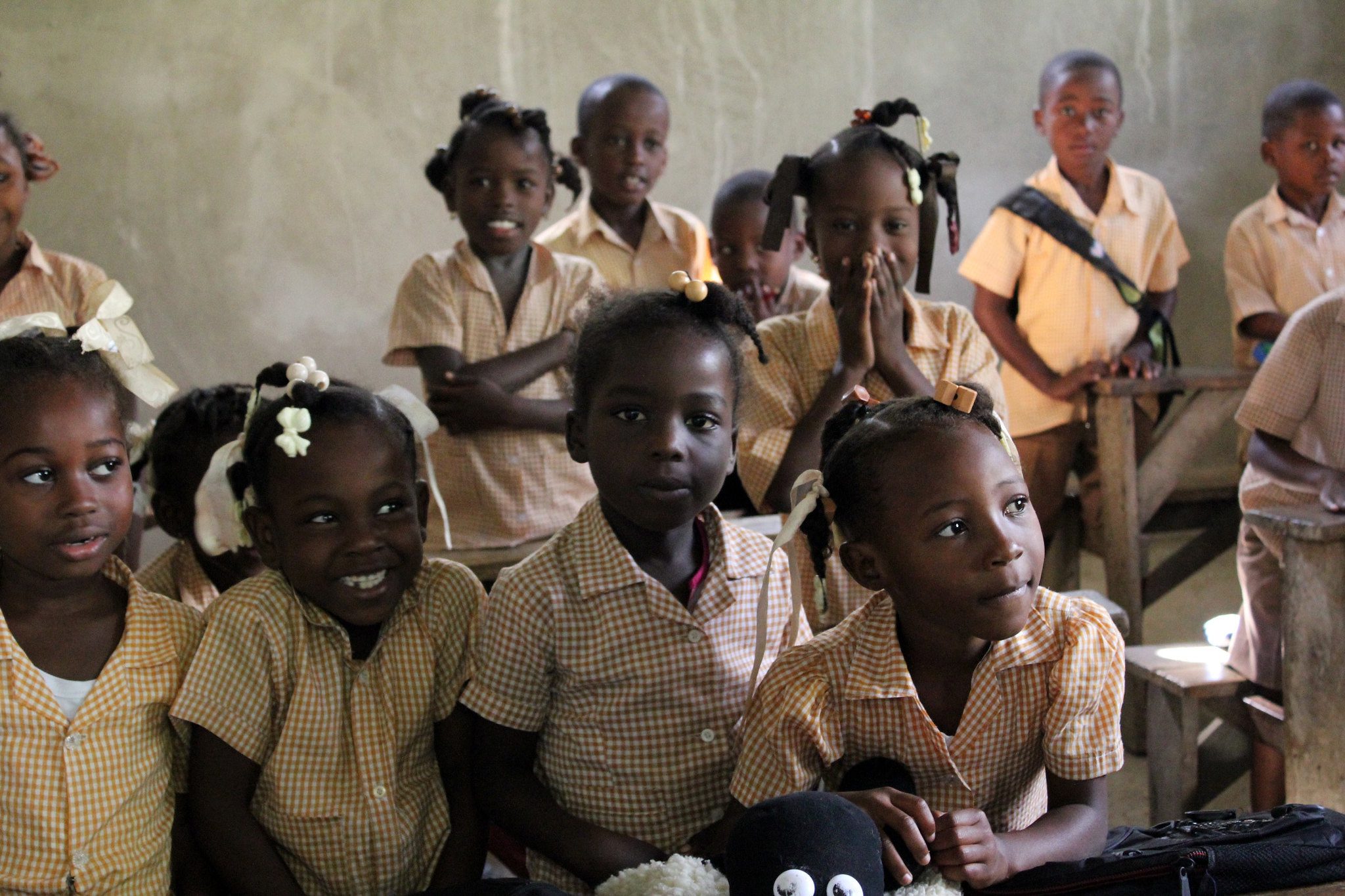
Due to the history of French colonization in Haiti, the French language and its influence have permeated many aspects of life in the country. The French language is very present in education in Haiti as a language of prestige and affluence. As a result, French was the language of instruction in schools, despite only 5% of the population speaking it. The most widely spoken language in Haiti, however, is Haitian Creole.

Called Kreyòl by its speakers, the language formed in the late 17th and early 18th century. Enslaved people from different linguistic backgrounds that came from Africa to Haiti used the language to communicate with each other. The language is a mix of French and various languages from the Niger-Congo language family, and it uses features from each of these tongues. Since then, the majority of Haitians have spoken the language, currently 95% of the population. However, despite the Haitian population speaking Haitian Creole as opposed to French, schools in Haiti have historically taught in French. More recently, though, efforts at enhancing education in Haiti have led to the use of Haitian Creole in schools.

French in Classrooms

The use of French in education is a remnant from Haiti’s time as a French colony. Since the people in power, the French colonizers, spoke the French language, it became the language of prestige and civilization. Many people believed that Haitian Creole was inferior because it was the language of slaves.

Seeing as French colonizers historically viewed the language as broken French, the attitude around Haitian Creole became that it is the language of those with the least education. This stigma is not only false but damaging.

Haitian Creole is a legitimate language with its own phonological and grammatical characteristics and has an orthography system that emerged in 1979. However, due to the stigma, schools have used French as the language of instruction.

Educating in Haitian Creole

Haitian students often feel lost and discouraged when they have to learn school subjects in a language they barely know. This is why Haiti’s government announced a policy in 2015 to educate its students in Haitian Creole due to an agreement between Haiti’s Ministry of National Education and the Haitian Creole Academy. The Haitian government made this effort to help its children establish strong foundations in their native language through education, while also respecting their cultural identity. Once the children have these foundations, they may be able to more easily learn second languages, such as French.

Schools Teaching in Haitian Creole

While many schools still teach in French, the number of schools that are enhancing education in Haiti by teaching in Haitian Creole is on the rise. Liv Ouvè school in Port-au-Prince, Haiti is one school that has implemented this change for the better. In the past, children at this school have struggled with learning in French, which caused their educational performance to decline. Now at Liv Ouvè, teachers instruct in Haitian Creole, but still teach the basics of French in the context of their native language. This allows students to learn and practice both Haitian Creole and French without risking their educational success.

Another school in Haiti that conducts lessons in Haitian Creole is the Matenwa Community School. This school uses Haitian Creole for all instruction up until the third grade where the curriculum introduces French as a second language once the students have a set foundation. Unfortunately, not all books are in both French and Haitian Creole, but the school raises money to buy books specifically in Haitian Creole. A Haitian linguist, Michel DeGraff, found that the Matenwa student’s reading skills are nearly three times greater than the average score of 84 mainland schools.

Another school that has implemented this change in Haiti is the Louverture Cleary School in Croix-des-Bouquets. This Catholic boarding school in Haiti caters to students from poor neighborhoods by offering a tuition-free education. This school’s approach seeks to counteract illiteracy among Haitian youth by instructing students in Haitian Creole. By incorporating Haitian Creole into difficult subjects such as science and math, the school counteracts the idea that the language is not sophisticated enough for such subjects. This school has achieved a 98% rate of students passing national high school exams as opposed to the countrywide average of 30%.

Enhancing education in Haiti through the use of Haitian Creole both validates the linguistic identity of Haitians while ensuring that language is not a barrier in youth education. By using this language in schools, students have a better chance of succeeding academically, instead of struggling due to this linguistic barrier. Haitian Creole shows Haitian youth that their language is intelligent and important, and it gives them the opportunity to pursue the education they desire.

– Natascha Holenstein
Photo: Flickr

June 27, 2020
https://borgenproject.org/wp-content/uploads/borgen-project-logo.svg 0 0 Jennifer Philipp https://borgenproject.org/wp-content/uploads/borgen-project-logo.svg Jennifer Philipp2020-06-27 01:30:402024-05-29 23:17:40Enhancing Education in Haiti Through Language
Children, Global Poverty, Homelessness

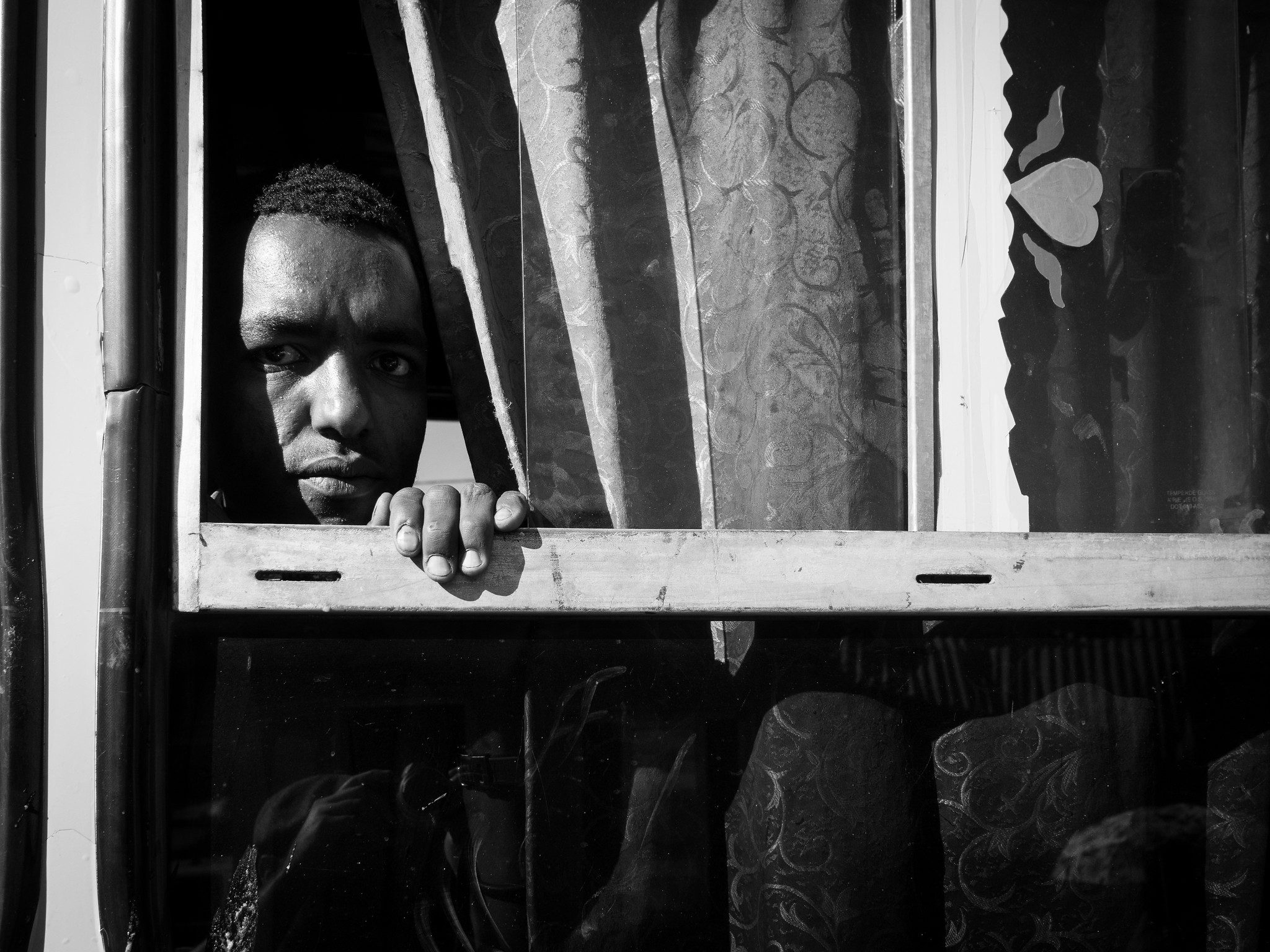
7 Facts about Homeless Children in Ethiopia

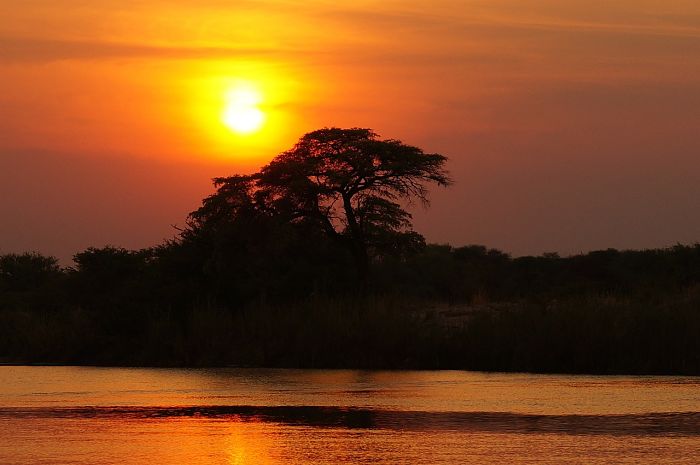
Homeless Children in Ethiopia Ethiopia, especially in its capital city of Addis Ababa, is experiencing a growing homelessness crisis. Young adults and children leave the countryside to try and find work and education in the country’s urban areas, but the cost of living and housing is often unaffordable. Here are seven facts about homeless children in Ethiopia.
7 Facts about Homeless Children in Ethiopia

  1. Forty-two percent of Addis Ababa’s homeless population is under the age of 18. An official survey in 2010 counted 12,000 homeless children in Addis Ababa alone but some NGOs have estimated that the number is much higher.
  2. Family problems are cited as one of the main reasons that children leave their homes and end up living on the streets. Approximately 46% of street children in Ethiopia live with people other than their birth parents because of death, divorce, or separation.
  3. Residential shelters exist for homeless children in Ethiopia, but they must pay their way into them and continue to make money in order to stay there. Shelters are small and fit fewer than 20 children at once. For about 20 birr (57 cents in USD) children can pay to have meals and a bed for a night. One particular shelter, Hold My Hand, has been serving at-risk homeless boys by providing them food at Addis’s largest school, Bole, or by reuniting them with lost family members. Though the shelter’s capacity is small, they have been able to reunite five families with their lost sons and continue to feed children through the Bole Project.
  4. Homeless children in Ethiopia are often exploited. Human trafficking networks have a large presence in the country’s crime rings, and often young girls that are experiencing homelessness in Ethiopia fall victim to these syndicates. Once in Addis Ababa, these girls are forced into slavery-like working conditions in domestic service. Close to 400,000 humans were trapped in slavery in 2016. Retrak Ethiopia helps businesses learn more about the people they employ and then tries to rescue homeless children in Ethiopia from human trafficking.
  5. Many homeless children experience addiction or substance abuse. Glue-sniffing is a popular form of drug abuse among homeless children in Ethiopia because the substance is inexpensive and easy to obtain on the street. Street children sniff glue in order to try and ease the pain of hunger and exposure to the elements.
  6. Ethiopia’s government does not offer any type of public funding for homeless children and has instead relied on a heavy police presence to try and contain the growing crisis in cities. One method used by the police is apprehending children and forcing them back to their hometowns, but this effort has been largely unsuccessful.
  7. Ethiopia’s newest prime minister, Abiy Ahmed, has charted a new path for the way the country addresses its growing homeless youth population. His new stance is the “Children on the streets have a right to live” which is a far cry from mottos of the past like the one in 2017 that emphasized “Cleaning Addis Ababa’s streets of children.” Now, Ethiopia’s government involves more conversations with on-the-ground NGOs. Habitat for Humanity has opened an Ethiopian chapter to try and rebuild old housing units and provide new ones for the country’s homeless population. Sanitation services in Ethiopia are unavailable in 80% of urban areas, so Habitat focuses on creating communal points of access for water distribution and hygienic purposes in cities like Addis Ababa.

-Grace May
Photo: Flickr

June 23, 2020
https://borgenproject.org/wp-content/uploads/borgen-project-logo.svg 0 0 Kim Thelwell https://borgenproject.org/wp-content/uploads/borgen-project-logo.svg Kim Thelwell2020-06-23 06:34:552020-06-24 12:17:467 Facts about Homeless Children in Ethiopia
Children, Global Poverty

10 Facts about Homelessness in Chile

Homelessness In Chile
Homelessness in Chile persists as a problem. The wealth distribution continues to place a great number of people on the streets. Below are 10 facts about homelessness in Chile.

10 Facts about Homelessness in Chile

  1. Around 6,000 homeless live in Santiago, Chile. This number accounts for half of Chile’s homeless population.
  2. A significant cause of the high number of homeless individuals is because the minimum wage often does not cover housing costs. According to reporter Misha Wilmers, the average cost of an apartment per month is the equivalent of $200 over what the minimum wage offers. 
  3. A Ministry for Social Development study found that 77% of the homeless population in Chile had jobs. A leading academic voice in Chile, Ignacio Eissmann, is skeptical of the report. Eissmann claims that it is misleading due to the inconsistent nature of many homeless citizens’ employment.
  4. Around 785 of the homeless are children. These “street children” live without access to proper food or education.
  5. A major contributor to child homelessness in Chile is familial violence. While some don’t have a home to return to, others won’t due to the adverse family situations. If there is an abusive parent, a child might choose the dangers of the street instead of facing a dangerous parent.
  6. The president, Sebastián Piñera, urges the Chilean citizens to help with the crisis. In 2012, he said, “please make the effort to get them to the shelters we have provided.” He went on to say that the shelters are helping reduce winter season fatalities. 
  7. Housing inequality is a major contributor to Chilean homelessness. According to the Santiago Times, “[homeless Chilean citizens] are offered few to no government services and certainly no housing options but for periodic shelter and charitable services.” Without housing options, the homeless have little chance of changing their situation.
  8. A priest founded housing shelters that form a network through Santiago. The network is called “Christ’s Home,” and offers “trade schools, rehabilitation centers, and other facilities to serve the poor” according to the Catholic News Agency. According to Harvard’s Review of Latin America, Christ’s home “ministers to the sick and dying, tends to the homeless… Volunteers visit the elderly… They work with street children and orphans.”
  9. The government has attempted to implement housing shelters, but it has not had a noteworthy impact. Some citizens claim that the previous president was more effective in confronting homelessness. Others have noticed that the president seems unfamiliar with the reality of homelessness.
  10. While the plight seems grim and meagerly addressed, shelters continue to offer hope and futures to the Chilean homeless. For example, one lovely shelter—set up by the Salvation Army— specializes in helping older men. The existence of this shelter is significant since males make up more than 10,000 of the 12,000 homeless in Chile.

As people begin to take notice and set up organizations, the issue of homelessness in Chile may be brought to the forefront of government discussion. Meanwhile, 12,000 Chileans still struggle to find a place to sleep at night.


– Abigail Lawrence
Photo: Flickr

June 23, 2020
https://borgenproject.org/wp-content/uploads/borgen-project-logo.svg 0 0 Jennifer Philipp https://borgenproject.org/wp-content/uploads/borgen-project-logo.svg Jennifer Philipp2020-06-23 04:55:532020-06-23 04:56:4010 Facts about Homelessness in Chile
Children, Developing Countries, Global Poverty, Health

Childhood Obesity in Poverty-Stricken Africa

childhood obesity in poverty-stricken AfricaChildhood obesity is a major issue in middle-income countries. However, this issue is growing in low-income countries as well now. In Africa, micronutrient deficiency and wasting are among the biggest challenges associated with children’s health. However, with sugary foods and snacks becoming cheaper and more accessible, childhood obesity is becoming more of an issue in Africa. A 2000 survey revealed that 10% of low-income countries had a 10% rate of teenagers who were overweight. Just between 2014 to 2016, that number jumped from 40% to 75%. It is quite clear that this issue is quickly increasing.

The Problem of Childhood Obesity

According to the World Health Organization (WHO), childhood obesity in poverty-stricken Africa is one of the most pressing issues of this century. Without intervention, this issue will only continue to spread.  Along with it, long-term health problems associated with obesity, such as diabetes, will also increase. Furthermore, not only are obese people at risk of contracting preventable health conditions but they are also at risk of early death. According to WHO, obesity takes more than two million lives every year worldwide.

Despite the growing economy in Africa, millions still suffer from poverty. This poverty, coupled with the growth of obesity, has Africa simultaneously facing two major challenges. These two challenges have led to a significant increase in diseases throughout Africa. Since the 1980s, diabetes has grown by 129% in Africa. To combat the spread of diabetes and the consumption of high sugar beverages, South Africa has passed a bill that taxes such beverages.

Combating Childhood Obesity

A few organizations are taking steps to combat childhood obesity in poverty-stricken Africa. The World Health Organization places its focus on what types of foods to consume, the number of physical activities that are being completed and overall health. The organization believes that in order to avoid the increasing amount of childhood obesity that Africa is experiencing, there must be corrections to all three factors mentioned above.

WHO created the “Global Strategy on Diet, Physical Activity and Health” to reduce obesity and improve overall health. The strategy focuses on four major goals that will ultimately help combat childhood obesity, diseases and death. The four main goals are to reduce risk, increase awareness, develop policies and action plans and monitor science. Though created 16 years ago, this strategy will only begin to make an impact after several decades. In order for the strategy to succeed, all levels of life and business must assist in the effort.

Childhood obesity in poverty-stricken Africa continues to be an issue. Although a relatively new issue in developing countries, obesity is quickly increasing. Africa is now combatting both ends of the nutritional spectrum, with malnutrition and childhood obesity now prevalent throughout the continent. Despite increases in these issues, organizations such as WHO are working diligently to reduce childhood obesity in Africa.

– Jamal Patterson 
Photo: Pixabay

June 14, 2020
https://borgenproject.org/wp-content/uploads/borgen-project-logo.svg 0 0 Lynsey Alexander https://borgenproject.org/wp-content/uploads/borgen-project-logo.svg Lynsey Alexander2020-06-14 01:30:272024-05-29 23:16:00Childhood Obesity in Poverty-Stricken Africa
Children, Developing Countries, Global Poverty, Health

How Surfing Helps Relieve Global Poverty

surfing helps relieve global poverty Surfing is one of the oldest but most under-appreciated sports in the world. In California and Hawaii, it is more widespread than in the rest of the U.S. combined. Australia is the only other country that hails surfing as one of its national pastimes. The birth of the sport came about in Polynesia where natives would draw cave paintings of people riding on waves as far back as the 12th century. At some point, the Polynesians traveled to the Hawaiian Islands. There, the Polynesians transferred the sport of surfing where it transcended to religious-like status for Pacific Islanders everywhere. Surfing has become an altruistic tool for the less fortunate around the world. Despite surfing’s lesser-known status in America, the sport has made an impact in underprivileged countries, particularly regions in Southeast Asia. Here is how surfing helps relieve global poverty.
SurfAid

SurfAid, a nonprofit organization founded in 2000, comes from a grassroots background. It has grown in the U.S., Australia and New Zealand. Over the years, it has become one of the top charities in surfing, assisting local governments and communities to prevent mother and child deaths. In Indonesia, a mother dies every three hours and 20 babies die every other hour. SurfAid offers support by providing materials to observe the health of mothers and children.

For example, a simple, yet important material like a weighing scale allows doctors to ensure that patients’ body weight is on par with their age. Other materials include measuring tapes, record books and materials for teaching. Most importantly, SurfAid helps improve water and sanitation issues through building water tanks, water taps and toilets. Having clean water and sanitation prevents diarrhea for children under the age of five, giving them a better chance to survive.

SurfAid staffers also provide equipment and seeds for gardens as well as malaria nets. With this increase in practical support, basic hygiene has decreased diarrhea by more than 45%. Antenatal care also has been implemented into programs to educate mothers about healthy pregnancies. This care and education help prevent complications from occurring during pregnancy and childbirth. Additionally, through birth spacing, the process of mothers giving birth every two to three years, women can potentially “reduce infant mortality by 20%.”

SurfAid’s Work in Indonesia

SurfAid has also aided the island of Sumba. Located in Eastern Indonesia, the island is plagued by poverty, food insecurities and famine, making daily lives difficult. This has resulted in more than 60% of its children under five suffering from malnutrition.

SurfAid developed a project called the HAWUNA program, meaning ‘unity’ in Indonesian. The program works with more than 7,500 people in 16 different communities in the sub-district of Lamboya Barat to improve food insecurity. Additionally, the program educates parents on childcare in order to combat malnutrition. With access to clean water, sanitation and healthcare, there have been massive improvements in healthcare and healthy weight gain across the community.

SurfAid’s project development also includes the availability of support services. The organization’s collaborations with the communities are developed through detail-oriented results. Collaborations take into account the health, livelihoods, beliefs and social structure the people of each community have.

The Story of Dharani Kumar and Moorthy Meghavan

Another way to see how surfing helps relieve global poverty is through the story of Dharani Kumar. A 23-year old native Indian fisherman, Kumar started surfing in his teens in Kovalam Village using polystyrene foam as surfboards. After surfing for nine years under his mentor, Moorthy Meghavan, Kumar became a surfing champion in his homeland in 2015. The hobby he picked up as a teen did more than just provide an outlet for Kumar’s talent. Surfing also allowed Kumar to improve his networking opportunities around the world, as well as learn the English language.

In 2012, Kumar’s mentor, “Moorthy Meghavan founded the Covelong Point Social Surf School.” As a result of this school, Kumar and his group of friends pledged to stay away from drugs and alcohol. As a rule, if students started using or drinking, they were kicked out. Through this school, Meghavan was able to turn his dream of guiding poor, disadvantaged children away from addiction into a reality.

When Meghavan dropped out of school in sixth grade, he started fishing for a living to provide for his family. Though passionate about surfing, Meghavan was virtually unknown in the international surfing community. However, he still forged a plan to help children fight their way out of poverty through surfing.

Meghavan’s slogan, “No Smoke, No Drink, Only Surf”, has become instilled in the program. The program has paid dividends for locals looking for direction in their lives. Though substance abuse is somewhat prevalent in Kovalan Village, his guidance through his own experiences mixed with his passion for the sport has reflected on others. Though not a household name in surfing, Moorthy Meghavan has become a local legend by not only helping Dharani Kumar rise as a surfing star but also in guiding children to a better life.

The Impact of Surfing

What started out as an ancient art form by native Polynesians has now become an international phenomenon. Whether it’s providing assistance to those living in impoverished conditions or guiding children to a better lifestyle, there is no doubt that surfing helps relieve global poverty.

– Tom Cintula 
Photo: Flickr

June 13, 2020
https://borgenproject.org/wp-content/uploads/borgen-project-logo.svg 0 0 Jennifer Philipp https://borgenproject.org/wp-content/uploads/borgen-project-logo.svg Jennifer Philipp2020-06-13 01:30:062020-06-12 18:55:51How Surfing Helps Relieve Global Poverty
Children, Education, Global Poverty

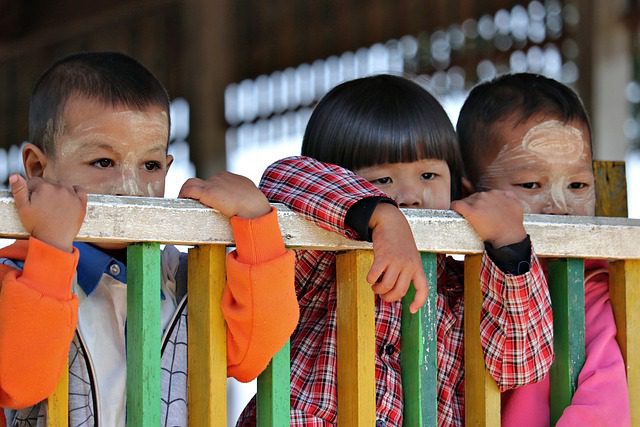
Education Programs in Myanmar

education programs in Myanmar
Children are one of the most assailable groups in developing nations. Others repeatedly violate and ignore their most fundamental rights. Around 428 million children live in extreme poverty, and nearly half of this number are children working in subjugated environments. Here is some information about the education crisis and education programs in Myanmar.

Education Crisis in Myanmar

Life for children in Myanmar, a country in Southeast Asia, involves child labor and early exposure to gang activity. Outside of violence and natural disasters, the youth of the country cannot progress due to an education crisis. The decline of school attendance stems from military rule in 1962. However, this was not always the case. When Myanmar was under British colonialism, hundreds of English schools opened. Myanmar became independent in 1948, and Burmese schools played a pivotal role in keeping the deprived sections of the country at a high literacy rate. The additional impact of monasteries on education gave Myanmar the reputation of one of the best education reforms in Asia. Following military dictatorship, which lasted for 26 years, are years of neglect towards school systems. Due to student protests, the dictatorship shut down large universities until the late 1990s.

Myanmar has worked to improve all areas of basic necessities for its citizens, such as power infrastructure and sanitation. Newborns and children have high mortality rates in the country, so the country has placed focus on the welfare of its youth in various ways. Education programs in Myanmar prioritize marginalized adolescents in rural areas and open doors for their future.

Education Programs in Various Forms

The Myanmar Children’s Foundation is a nonprofit organization providing aid to parents. By assisting parents with work to finance their families, rural kids will stay in monastic schools longer. Getting children past primary school gives them the confidence to pursue higher education. In addition to creating education programs in Myanmar, the organization helps build and repair schools. The Stay in School Program uses annual sponsorships to gives books and school supplies and even supports teachers.

The Myanmar Local Charitable Organization enhances access to libraries. Several projects within the organization involve improving literacy throughout the country. For example, a digital literacy program collaborated with Facebook and the Beyond Access Myanmar project to provide internet access in the libraries. Meanwhile, Tech Age Girls Myanmar encourages girls to develop ICT skills, and Scratch Programming for Kids implements coding into children’s lessons in the classroom.

Forced to work to support their families, many children drop out of school. World Education keeps Burmese kids in school through the Youth and Technology Project. The program provides essential life skills and computer-based training for children who do not have access to formal education.

Utilizing fundraising towards education, enhancing the schools and feeding students brings awareness to the Burma Humanitarian Mission’s efforts. Its Minmawhaw School established several programs ranging from additional secondary schooling to teacher training. Students are not only learning global recognition but they are also gaining a greater sense of pride for their country. Migrant children in the neighboring country of Thailand also benefit from the Burma Humanitarian Mission through the Minmahaw Higher Education Program.

It is not uncommon for children in Myanmar to grow up without parents. Global Care opened Grace Children’s Home to house disadvantaged children and provide them with proper education. Education programs in the Kayah State run through limited high schools specifically for Karenni children. A focus on maintaining Karenni culture throughout the schools and better transportation to and from school is fundamental.

Education programs in Myanmar are thriving through United World Schools, one of the prime organizations paving ways for children in the country. This program built schools for those who cannot attend government schools. Certified teaching staff also supports children speaking ethnic languages.

Prioritizing sexual and reproductive health in education programs in Myanmar also helps the lives of all children. The 360ed company is teaching children through Augmented Reality (AR), also known as virtual reality, and technological advancements. Opening up the conversation of sexual and reproductive health will counter rape cases among children in addition to decreasing HIV/AIDs cases.

Impact of Education Programs

The impact of keeping kids in school is evident through the progress that the National Education Strategic Plan evaluated. A quality education that effective nurturing of students’ dreams supports is what improves the socio-economic status of the entire nation. Proper financing of education programs in Myanmar expands goals and enriches the lives of children throughout the country.

– Sydney Stokes 
Photo: Pixabay

June 11, 2020
https://borgenproject.org/wp-content/uploads/borgen-project-logo.svg 0 0 Lynsey Alexander https://borgenproject.org/wp-content/uploads/borgen-project-logo.svg Lynsey Alexander2020-06-11 01:30:202024-05-29 23:16:00Education Programs in Myanmar
Child Marriage, Children, Global Poverty, Health

Ending Child Marriage in Zambia

child marriage in ZambiaIn Zambia, about two in every five girls are forced into marriage. Currently, the country is renewing its efforts to eradicate child marriage. In 2017, the President of Zambia along with presidents from Uganda and Malawi held an event where they declared they would prioritize ending child marriages by 2030. The President of Zambia stated, “Girls who marry young are often denied their rights. Ending child marriage by 2030 will require a range of actions, including making sure girls have access to quality education, legal reforms and changing traditional harmful practices.”

Already, rates of child marriage in Zambia have drastically decreased. Zambia’s Demographic and Health Surveys in 2002 found that the child marriage rate was 42%. In 2014, however, the child marriage rate had dropped down to 31%. Despite these numbers, Zambia still has a lot of work to do to save these young girls.

Common Reasons for Child Marriage

There are many factors contributing to child marriage. Here are three of the more common reasons for child marriage in Zambia.

  1. Poverty: Some families see child marriage as a way to reduce the financial burden of having young girls. Often, families in poverty will marry off their young daughter(s) to receive a payment of dowry. This dowry gives them great financial relief. In addition, they are saving money because they no longer have to provide for their daughter(s).
  2. Vulnerability: While all children are susceptible to being vulnerable to child marriage, orphans and stepchildren are even more vulnerable, specifically once they hit puberty. Some families feel that their job of taking care of them is done at that time, so they marry them off young. Stepchildren and orphans are also more widely mistreated than biological children. They may feel getting married is an escape from an otherwise unbearable situation.
  3. Protecting a Girl’s Sexuality: Parents may believe that if they marry their girls off young, they can protect them from engaging in “inappropriate behaviors,” like having multiple sexual partners. This way the girl only has sexual intercourse with her husband, and her family’s honor remains preserved. Some also consider child marriage as a protection for the girl against HIV or unwanted pregnancy.

The After-Effects

  • Increases Poverty: Child brides tend to drop out of school. As a result, any opportunities they may have had at getting a good job and helping their families out of poverty disappear.
  • Health Risks: Child brides are more likely to suffer from depression or PTSD due to abuse from their spouses or the fast-paced way they are forced to grow up. Also, child marriage in Zambia is often correlated with pregnancy, which can lead to higher death rates for the mother or child because the mother is not developmentally mature enough to carry a baby.
  • Risk of Violence: Child brides are more likely to deal with domestic violence including physical, sexual and emotional abuse.

The Good News

Despite these practices still occurring, the citizens and government of Zambia have begun taking steps to eradicate child marriages by 2030. Plan International is a humanitarian organization that works to advance children’s equality and rights. The organization’s Regional Director for both Eastern and Southern Africa, Roland Angerer, says change begins with education. He states, “It is essential that we promote education and encourage dialogue if we want to change social norms . . . Governments must ensure schools are accessible, inclusive and safe […] to enable more girls to attend and stay on in school.” This education helps not only young girls but also their families.

Senior Headman, Davison Shafuluma, in the Mumbwa district, holds meetings where he teaches parents and other family members that child marriage hurts more than it helps. He shares with them the effects a young girl can suffer through by marrying and carrying a child at too young an age. He also explains that they, as a family, can say ‘no’ to anyone who propositions marriage.

Beyond education, the UNFPA-UNICEF Global Programme on Ending Child Marriage helped establish 550 Safe Spaces in Zambia. In these Safe Spaces, young girls learn that they are equal to their male counterparts. The young girls learn that school, homework and their futures should be their focus and priority.

International Work to Eradicate Child Marriage

Aside from better education, “Zambia also co-sponsored, along with Canada, the first U.N. General Assembly (UNGA) resolution on child, early and forced marriage in 2013.” In 2014, eight Ministers from Zambia also committed to addressing child marriage and continuing the conversation. The country has also legislated a minimum age requirement for marriage beginning at the age of 18.

Although many more improvements are still necessary, Zambia is making much progress to diminish child marriage. The conversations in Zambia and across the world are finally giving these young, vulnerable girls a voice.

– Stacey Krzych 
Photo: Flickr

June 8, 2020
https://borgenproject.org/wp-content/uploads/borgen-project-logo.svg 0 0 Lynsey Alexander https://borgenproject.org/wp-content/uploads/borgen-project-logo.svg Lynsey Alexander2020-06-08 07:30:282024-12-13 18:02:04Ending Child Marriage in Zambia
Page 70 of 138«‹6869707172›»

Get Smarter

  • Global Poverty 101
  • Global Poverty… The Good News
  • Global Poverty & U.S. Jobs
  • Global Poverty and National Security
  • Innovative Solutions to Poverty
  • Global Poverty & Aid FAQ’s
Search Search

Take Action

  • Call Congress
  • Email Congress
  • Donate
  • 30 Ways to Help
  • Volunteer Ops
  • Internships
  • Courses & Certificates
  • The Podcast
Borgen Project

“The Borgen Project is an incredible nonprofit organization that is addressing poverty and hunger and working towards ending them.”

-The Huffington Post

Inside The Borgen Project

  • Contact
  • About
  • Financials
  • President
  • Board of Directors
  • Board of Advisors

International Links

  • UK Email Parliament
  • UK Donate
  • Canada Email Parliament

Get Smarter

  • Global Poverty 101
  • Global Poverty… The Good News
  • Global Poverty & U.S. Jobs
  • Global Poverty and National Security
  • Innovative Solutions to Poverty
  • Global Poverty & Aid FAQ’s

Ways to Help

  • Call Congress
  • Email Congress
  • Donate
  • 30 Ways to Help
  • Volunteer Ops
  • Internships
  • Courses & Certificates
  • The Podcast
Scroll to top Scroll to top Scroll to top