• Link to X
  • Link to Facebook
  • Link to Instagram
  • Link to TikTok
  • Link to Youtube
  • About
    • About Us
      • President
      • Board of Directors
      • Board of Advisors
      • Financials
      • Our Methodology
      • Success Tracker
      • Contact
  • Act Now
    • 30 Ways to Help
      • Email Congress
      • Call Congress
      • Volunteer
      • Courses & Certificates
      • Be a Donor
    • Internships
      • In-Office Internships
      • Remote Internships
    • Legislation
      • Politics 101
  • The Blog
  • The Podcast
  • Magazine
  • Donate
  • Click to open the search input field Click to open the search input field Search
  • Menu Menu

Archive for category: Children

Information and stories addressing children.

Children, Global Poverty, Politics

Three Podcasts about Global Poverty

Listen Up to Fight Poverty! Three Podcasts about Poverty
Podcasting is growing more than ever around the globe. In 2019, 51 percent of the U.S. population listened to a podcast. Latinx communities are the fastest growing communities of podcast growth. Experts have cited countries such as Peru, Mexico, Chile and Argentina as having the highest podcast listener growth. Meanwhile, more than half of South Korea listens to podcasts.

All around the world, there are people, companies and organizations venturing into the waters of podcasting. Podcasts can be an interesting, new and engaging way to learn about how the world is fighting global poverty. This media can be a very convenient way to learn about poverty as consumers can listen to it while doing other tasks such as chores, driving and even brushing their teeth. Here are three top podcasts about global poverty.

3 Top Podcasts About Global Poverty

  1. World Bank Development Podcast – The World Bank is one of the world’s largest sources of development assistance and knowledge. The World Bank emerged in 1944 to reconstruct WWII war-torn Europe and works in over 100 countries today. It seeks to fight global poverty by partnering with developing countries and providing these countries with the financial boost needed to reduce poverty. The World Bank aims to help people help themselves and their environment by sharing knowledge and providing financial and technical assistance. The World Bank has 189 member countries, staff in over 170 countries and offices in over 130 locations. Some of its successes include expanding access in Haiti to primary education to 240,000 children, 50 percent of which were girls. The Development Podcast, a new podcast from The World Bank, just launched at the end of January 2020. The podcast discusses some of the biggest challenges facing the global community and some of the solutions that people are developing. The podcast seeks to get the on-the-ground perspective alongside a larger umbrella holistic view. Issues it has discussed so far include obesity and the best and worst places to start a business around the globe. Each podcast is around 25 minutes. One can listen to this podcast while getting ready in the morning or on the daily commute to work or school.
  2. From Poverty to Power – Anthropologist and activist-researcher Maria Faciolince and Duncan Green, Strategic Adviser at Oxfam GB and professor at the London School of Economics, run this controversial podcast about poverty. The podcast explores the latest thinking around development and discusses issues of poverty, politics, hope and justice. The podcast has discussed topics such as decolonizing academia and democracy.
  3. Build Relationships Break Poverty – Children’s HopeChest owns this podcast. This organization aims to create a more sustainable approach to child sponsorship. It does this by building upon existing resources in communities, creating community-to-community relationships and giving children a choice on who will be their child sponsor. The podcast challenges the Western perception of international poverty by elevating the voices of local leaders and processing how people can help to alleviate poverty without harming those living in vulnerable communities. The podcast believes that building two-way relationships will break the cycle of poverty. The podcast discusses a variety of topics related to poverty such as how music can unlock the potential of children living in poverty and human profile pieces.

Start listening to these three podcasts about global poverty and see how integrating podcasts into a daily routine can be easy and informative. These three podcasts about global poverty are uncovering and disseminating information about poverty to listeners all over the world.

– Emily Joy Oomen
Photo: Pixabay


February 27, 2020
https://borgenproject.org/wp-content/uploads/borgen-project-logo.svg 0 0 Lynsey Alexander https://borgenproject.org/wp-content/uploads/borgen-project-logo.svg Lynsey Alexander2020-02-27 12:30:172024-06-06 00:32:52Three Podcasts about Global Poverty
Children, Global Poverty, Health

The Pratt Pouch: Reducing HIV Transmission to Babies

The Pratt PouchThose living in poverty often have limited access to basic necessities such as food, water and shelter. Beyond these basic necessities lies the need for free or affordable healthcare, yet so many countries are still lacking in that regard. Insufficient health centers and medical treatments do little to stop the spread of life-threatening diseases such as HIV. Mothers with HIV have up to a 45 percent chance of transmitting the disease to their babies during childbirth and breastfeeding. The invention of the Pratt Pouch has helped in the reduction of that risk to just 5 percent.
How It Works

Every year, 400,000 children are diagnosed with HIV as a result of their mothers being HIV positive. Robert Malkin of Duke University hopes that the Pratt Pouch will reduce that number to fewer than 100,000 cases a year. Malkin and his team created the Pratt Pouch at the Pratt School of Engineering. The “foilized, polyethylene pouch” is filled with pediatric doses of antiretrovirals. The pouch gives the medication to have a shelf- life of up to twelve months. Other containers such as cups, spoons or syringes have a much shorter shelf-life because the containers absorb the water inside the medication, causing it to solidify.

The medication is provided to mothers during prenatal visits, but it is usually administered to the baby at home. The Pratt Pouch has a perforation, so it easily tears open. Since it contains a pre-measured dose, there is no need for a syringe, and it is taken orally. To be effective, the medication should be administered within seventy-two hours of birth; however, the ideal window of time is in the first twenty-four hours. The child takes the medication for six weeks.

The makers of the Pratt Pouch have partnered with IntraHealth International, which is providing training for pharmacists and community health workers. These trained individuals then go out and educate mothers about the proper methods to use to treat their children.

Who Is Using It?

So far, Uganda and Ecuador use the pouches. Malkin partnered with Fundación VIHDA in 2012. Since then, they have distributed the pouches to four hospitals in Guayaquil and Quito. Humberto Mata, the co-founder of Fundación VIHDA, estimates that more than 1,000 babies have received antiretroviral medication through the use of the pouches.

In Ecuador, a pharmacist manually fills and seals the pouches. However, a high-tech facility constructed at Hospice Uganda in Kampala is equipped with special machines that fill and seal the pouches in four seconds. That is a fraction of the time it takes a pharmacist to fill by hand.

Future Goals

It is one of Malkin’s goals to help medicate 40,000 infants in Uganda over the course of the next three years. In addition, Malkin hopes to use the pouches to deliver treatments for diseases besides HIV. “For example, HIV and pneumonia often occur together, so I could imagine giving mothers two sets of color-coded pouches, one set for HIV and one for pneumonia,” said Malkin.

The Pratt Pouch has been effective in decreasing the chance of an HIV positive mother transmitting the disease to her baby during birth. By making the antiretroviral medication easily accessible and easy-to-use, the creators of the Pratt Pouch have helped put the minds of worried mothers at ease. A mother can be at peace knowing she has done everything she can to keep her child healthy.

– Sareen Mekhitarian
Photo: Pixabay

February 3, 2020
https://borgenproject.org/wp-content/uploads/borgen-project-logo.svg 0 0 Kim Thelwell https://borgenproject.org/wp-content/uploads/borgen-project-logo.svg Kim Thelwell2020-02-03 07:30:172020-02-06 08:07:50The Pratt Pouch: Reducing HIV Transmission to Babies
Children, Developing Countries, Education, Global Poverty, Health, Poverty Eradication, Poverty Reduction

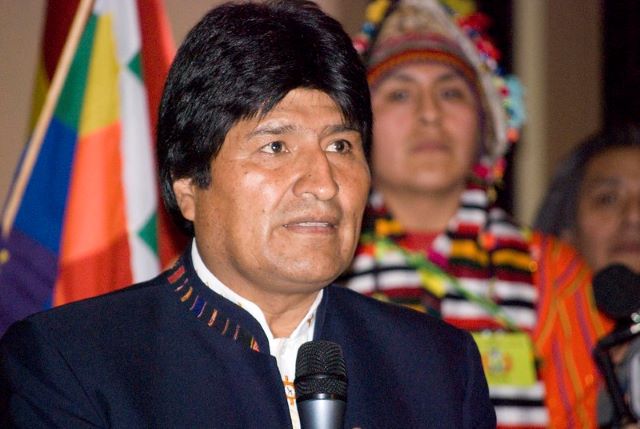
How Former President Morales Transformed Bolivia 

Morales Transformed Bolivia The year 2006 marked the beginning of a new era for Bolivia. For decades before, Bolivia had been run by presidents that continuously marginalized the indigenous population and favored wealthy foreign corporations, making Bolivia one of the poorest countries in South America. By 2002, the percentage of Bolivians that were living in extreme poverty spiked to 38% and remained stagnant until 2006. When Evo Morales became president, through programs and initiatives, Morales transformed Bolivia in several ways.
The Reign of Evo Morales in Bolivia

Evo Morales’ election sparked what his government referred to as the “Process of Change”, a presidency that would bring the spotlight to the marginalized workers and away from Bolivia’s elites that have ruled the country for years. The campaign specifically focused on restoring the rights of the indigenous population. And after just one year of the election, Bolivia began to see huge improvements. Since 2006, the Bolivian economy has grown, on average, 5% yearly compared to the 2.8% before. Most notable, Morales was able to cut the extreme poverty rate in half, bringing it down to 17%. He also obliterated the illiteracy rate to zero. So, how was Morales able to push real progress?

Bolivia’s Natural Resources

Morales set a path that focused on putting government investments in social spending. He began this project by regaining national sovereignty over Bolivia’s natural resources: Lithium. For years prior, foreign corporations had been profiting from Bolivia’s natural resources, raking in 85% of the profits generated by its natural gas production. After being sworn into office, Morales was able to regain nearly 80-90% of its shares. Now, the state is in full control of the sales and distribution of its raw resources. Since 2006, Bolivia has amassed $31.5 billion, which Morales allocated toward schools, hospitals and infrastructure, building about 4,500 educational facilities.

Anti-Poverty Initiatives in Bolivia

When it came to combating poverty, Morales had made many positive changes to improve Bolivia’s crisis during his 14 years in office and worked to raise the standard of living for the most desperate people in the country. Under Morales’ rule, the monthly minimum wage rose from 440 Bolivars to nearly 2,000, and unemployment rates dropped to under 4% from their original height of 8.5% back in 2005. There was also a sharp decline in those living in extreme poverty, shifting from 38% to just 16.8%. Overall, poverty dropped to 38.6% from the original 60.6% in 2005. Further, Morales worked to build nearly 127,000 new homes for financially insecure Bolivians without housing.

Focusing on Children and Education

Morales transformed Bolivia further by putting forth specific programs that would benefit and prevent poverty in vulnerable groups: children, mothers and the elderly. To combat low school attendance and restrict child labor, Morales put forth the Juancito Pinto program, which aimed at reaching nearly two million children. This program awards children $28 for every year of schooling they complete, encouraging them to remain engaged in their education. Before Morales taking office, the country had an illiteracy rate of 13%. However, through the use of the Juancito Pinto and the YES I CAN program, 850 thousand children became educated and Bolivia became illiteracy free in 2008.

Addressing Maternal and Infant Health

For Bolivian mothers, Morales put forth the Juana Azurduy program to end maternal and infant mortality and to reduce food shortages for children. Under the program, Bolivian mothers would receive up to $266 to go toward food, care and shelter while they raise their families, an effort that UNICEF has praised. When the program began in 2009, child malnourishment was at nearly 27% and has declined to just 16%. Child mortality has also decreased by nearly half. This program also helped to encourage women to visit medical facilities while they are pregnant and for a period after they give birth by offering cash grants to those who follow the program.

Focusing on the Elderly and Disabled

For senior citizens, Morales introduced the Renta De La Dignidad program, which focused on Bolivian citizens over the age of 60 who were not previously receiving any social assistance. This bill also gave $36 a month to disabled Bolivians as well as pregnant women and assisted them in finding jobs in the government and private sectors. The goal of this bill was ultimately to grow the income of those who were less capable of finding work and it has resulted in many Bolivian citizens who were victims of poverty increasing their yearly income to nearly $342.

The Future of Bolivia

It is evident that Morales transformed Bolivia in several positive ways. While Morales’ successful 14 years have come to end, Bolivia has rebirthed Morales’ principles with the recent election of Luis Arce.  Similar to Morales, Arce promises to bring justice to groups that continue to be marginalized.

– Maya Falach
Photo: Flickr

February 1, 2020
https://borgenproject.org/wp-content/uploads/borgen-project-logo.svg 0 0 Jennifer Philipp https://borgenproject.org/wp-content/uploads/borgen-project-logo.svg Jennifer Philipp2020-02-01 01:30:492021-02-01 03:29:43How Former President Morales Transformed Bolivia 
Children, Development, Global Poverty

3 Nonprofits Fighting Poverty in Haiti

Poverty in Haiti
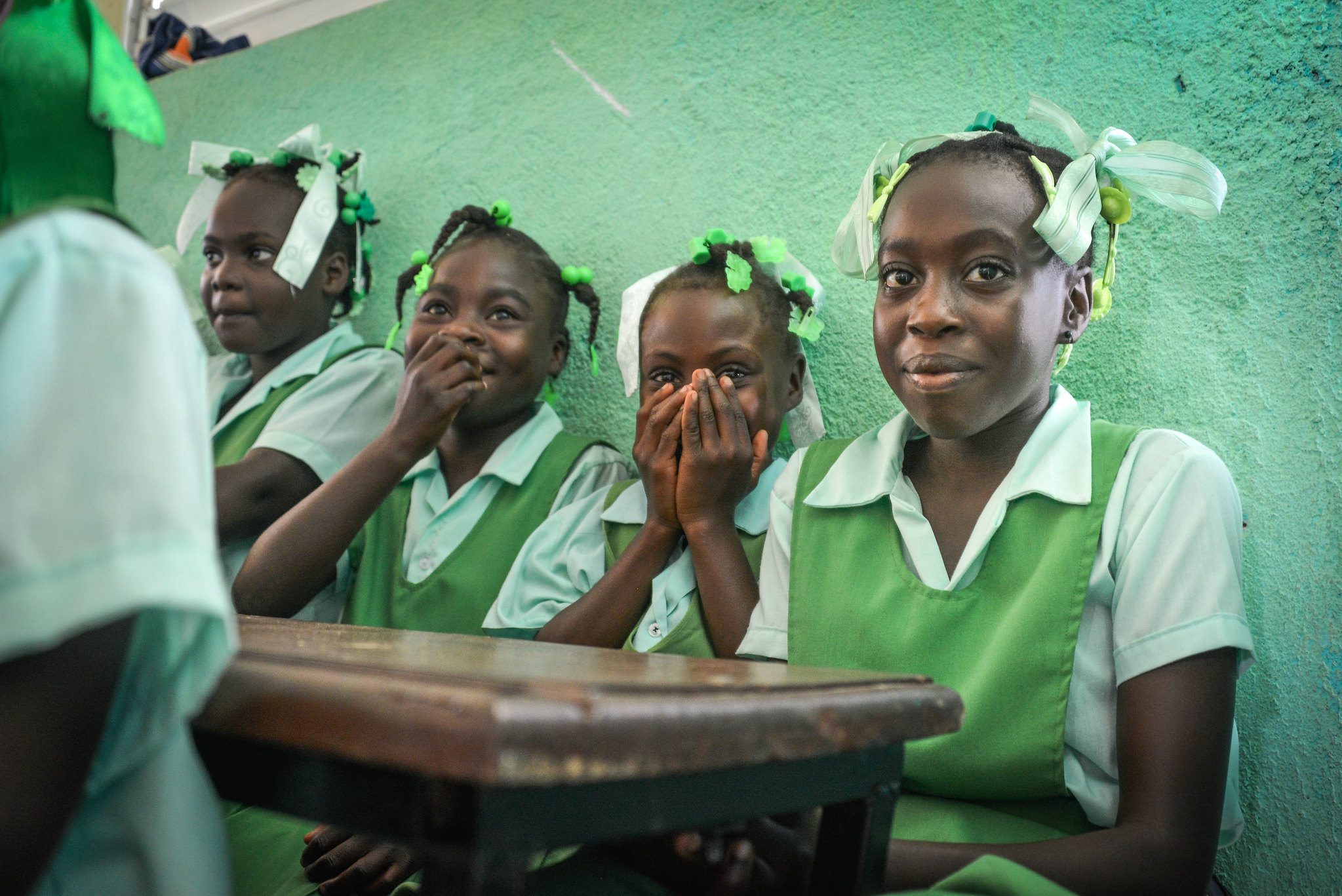
With a population of more than 10 million, Haiti faces high levels of poverty. It is the poorest country in the western hemisphere. More than half of all Haitians live on less than $2 a day and about one fourth live on less than $1.25 a day. However, things are looking up thanks to these nonprofits fighting poverty in Haiti.

Haiti Foundation Against Poverty (HFAP)

Founded in 2007, HFAP originally focused on child sponsorships and providing food for the elderly. However, it expanded and opened an elementary school in Port-au-Prince in 2008. This school brought infections and illnesses to the attention of the organization. As a result, HFAP opened its first medical program in 2009. It trained local nurses and provided the children with needed medications. In 2010, HFAP opened both an orphanage and a women’s job creation program called “Gift of Hope” to fight poverty in Haiti.

HRAP’s founder, Mallery Neptune, runs HOPE House with her husband Frentz. Hope House is an orphanage that looks after and cares for abandoned Haitian children. It provides food, education, medical care, love and attention. HOPE House originally began as a toddler and infant care center, helping malnourished, wounded or orphaned children recover and return home. HRAP also reaches out to the mothers of these children when possible. They can enroll in Gift of Hope so that these children can return to stronger and healthier families.

Gift of Hope is a program to give mothers in poverty reliable skills and income to help them provide for their children. It currently employs 70 Haitian women, providing them with an income that is “at least three times the minimum wage” in Haiti. It is helping prevent the cycle of poverty by creating jobs that keep the women out of poverty and their kids out of orphanages and off the streets. Gift of Hope also works with local artisans; all purchases on the online shop go toward helping empower women and strengthen families in Haiti.

REBUILD globally

Julie Colombino founded REBUILD globally when she visited Haiti after the 2010 earthquake to help with disaster relief. The organization has evolved drastically over the years. What started as disaster relief led to education and eventually job training. “The transition came out of necessity as I was learning the truths behind the poverty in Haiti,” Colombino told The Borgen Project. “I learned that education wasn’t just enough to be sustainable in a country like Haiti where the unemployment and under-employment rates were nearly 80 percent.”

Education is necessary, but it does not have as large of an impact on a country if there are no jobs available to provide Haitians with a much-needed income. So, REBUILD globally works to provide both an education and a job to those in need.

The Elèv Education Program provides students with full scholarships to attend school, covering the costs of books, uniforms and tuition. Students not only receive full funding for their education through Elèv but have access to mentoring programs and personalized tutoring. It is still a small program since it sees children all the way through their schooling (most of whom attend university afterward) and gives them a guaranteed job at their for-profit counterpart Deux mains. However, Colombino expressed her desire to reach out to more regions and counties in Haiti. The Elèv program has educated more than 300 students and provided 15,080 hours of tutoring.

The Lavi Job Training Program prepares Haitians for the workplace. With the lack of businesses and available positions, REBUILD globally decided to focus on what it could control and curate. Colombino stated that this allowed the organization to give those in the program “a 100% guarantee…[that] there would be a dignified, living wage job waiting for them.” Since every Haitian enrolled in their job training program has the promise of a job at Deux mains and the training is very specific to the craftsman’s work within the factory. The program has helped those enrolled see a 92% increase in food security and a 53% average decrease in debt.

Haiti Partners

John Engle and Kent Annan founded Haiti Partners in 2009. It helps provide education to Haitians so they can help their country grow and thrive. Engle had moved to Haiti in 1991 and started developing programs then along with their other Haitian and American staff members. The education programs being put to use had been in the works for more than a dozen years prior. Haiti Partners’ goal is to provide a new approach to education as their way of fighting poverty in Haiti.

Haiti Partners opened the Children’s Academy and Learning Center in 2012. It provides both a quality education and a “working model of education-centered community development.” It educates both the children and their parents, who attend adult education classes, community savings and loan groups or contribute to service hours. Haiti Partners seeks to become a model for Haiti’s Ministry of Education and other schools in the country, in hopes of reshaping how Haitians are being educated for the better.

USAID believes that education is necessary “for sustained social and economic development,” which is why it is often a focus of nonprofits. More than 85% of the schools in Haiti are run by NGOs and communities. It is no wonder that these nonprofits are fighting poverty in Haiti by improving education.

– Jordan Miller
Photo: Flickr

January 22, 2020
https://borgenproject.org/wp-content/uploads/borgen-project-logo.svg 0 0 Kim Thelwell https://borgenproject.org/wp-content/uploads/borgen-project-logo.svg Kim Thelwell2020-01-22 01:30:042024-05-29 23:14:263 Nonprofits Fighting Poverty in Haiti
Child Labor, Children, Global Poverty, Poverty

Examining Countries with Child Labor

Countries With Child Labor 
There are an estimated 218 million children as young as 5-years-old employed and exploited around the world. Countries with child labor often force and coerce children to work for free and many cases go undocumented due to child homelessness in impoverished areas. The International Labor Organization defines child labor as work that deprives children of their childhood, potential and dignity, and harms them physically and mentally.

Where Child Labor is Most Prevalent

Some of the worst cases of widespread child labor are Africa and Southern and Western Asia. A huge factor in child labor is poverty. These areas often poorly develop their educational systems and many children who work do not enroll in school at all.

In Nigeria, over 15 million children under the age of 14 are child laborers. Girls often start earlier than boys in domestic help positions, but both work in agriculture, fishing, mining and construction. Often, child labor is essential to the income of the households these children live in. Children work in similar positions in India where 33 million children ages 5 and older work manufacturing jobs.

This is not the worst form of child labor, however. In Somalia, people often force children into the armed forces. In 2018, military forces —both state and non-state—recruited 1,800 children. People also force many girls into sexual servitude and multiple clan militias in other countries use child soldiers. Afghanistan has been using children in war since the 1980s and with the continuing violence, there have been reports of 3,179 cases of children suffering killing or maiming because of conflict violence.

The Harm it Causes

Child labor, forced or voluntarily, exponentially stunts a child’s growth. Childhood is an important part of development, and putting children in dangerous and mentally-straining environments causes emotional damage and even kills some children. Countries with child labor put children to work in places where they are in danger of suffocation, drowning, amputation or even heavy equipment crushing them. Child labor is responsible for 2.78 million deaths and 374 million illnesses. Children who work at young ages often do not have the resources or opportunities as an adult to work; this leads to generational poverty.

Who is Helping

Action Against Child Exploitation (ACE) is an NGO that focuses on ending child labor. Founded in 1987, its project areas are Japan, India and Ghana. It has saved over 1,000 children from child labor, as well as supported education for 13,000 children. It works to stop child labor in cotton and cocoa production since 70 percent of child workers are in agriculture.

The Global March Against Child Labor is an organization of trade unions, teachers and civil societies that work to eliminate all forms of child labor and slavery and provide and ensure education. The movement started out as an 80,000 KM cross-country march against child labor in 1998. Today, the organization works toward the development of countries, education children, elimination of sex-trafficking and research on laws and policies in countries with child labor.

What People Can Do

Despite years of work against child labor, it is still a problem in many countries. Due to the lack of educational facilities, economic failure and extreme poverty, there is not a simple fix to the problem. What people can do is conduct research, raise awareness and reach out to their Congress members. There have been laws to protect children from others forcing them into work or military, but people are still doing little to enforce those laws. It will take many more years of effort, economic growth and child labor reformation to eradicate the continuing issue of child labor.

– Taylor Pittman
Photo: Flickr

January 18, 2020
https://borgenproject.org/wp-content/uploads/borgen-project-logo.svg 0 0 Lynsey Alexander https://borgenproject.org/wp-content/uploads/borgen-project-logo.svg Lynsey Alexander2020-01-18 10:30:042020-02-04 12:27:28Examining Countries with Child Labor
Children, Global Poverty

Child Abandonment in South Africa

Child Abandonment in South Africa
Someone finds a crying child in the desert, alone. Immediately, the blame goes to the mother because of the perception that she might be mad and stupid, too lazy to use birth control or too uncaring to put the child up for adoption. The reality, however, is that these women are merely scapegoats for the underlying problem. The number one cause of child abandonment in South Africa is poverty.

People desert over 3,500 unwanted babies every year. Child abandonment is an epidemic in South Africa with very little help from the government to create awareness about the growing crisis. Fortunately, there are relief organizations working to help save these innocent children.

3 Relief Organizations Tackling Child Abandonment in South Africa

  1. SOS Children’s Village: SOS Children’s Village is a global organization that works in accordance with the UN Convention on the Rights of the Child to create a protective environment for every child. SOS has four key action areas that it emphasizes including awareness, prevention, reporting and responding. Through its efforts in South Africa, SOS Children’s Village has managed to open 11 facilities, support 5,356 children and youth and ensure that over 52 percent of the youth leave the program as self-reliant individuals. With continued donations, SOS Children’s Village can expand its already fruitful impact in South Africa.
  2. Door of Hope: As the foremost home in Johannesburg for abandoned babies, Door of Hope cares for children who do not have a place at home. The Door of Hope has a hole in the wall of its church property where people can place abandoned babies at any time during the day. In the past two decades, Door of Hope has received over 1,500 infants, and it found at least 12 percent of those in the wall hatch.
  3. Courage: Launched by the National Adoption Coalition of South Africa (NACSA), Courage is a child protection toolkit that helps child protection organizations develop strategies by guiding them through the various factors they must consider. Additionally, the program offers support for women experiencing a crisis pregnancy through open counseling, in the hopes that they will not flee without their child. Past work has found that the Courage program helped in the practical implementation of the South African Children’s Act. The success of Courage goes beyond the borders of South Africa, and as the organization enters its global stage, it is looking to empower teenagers and young adults to make wise choices so that they can avoid unwanted pregnancies.

Abandoned babies that people never find usually end up buried, flushed down drains or eaten by animals or rodents. These babies do not have a life the minute they enter the world. The organizations above are doing justice by attempting to save these babies, but they require more manpower to solve the issue of child abandonment in South Africa. To make a difference, consider contributing to one of the organizations above.

– Shvetali Thatte
Photo: Flickr

January 15, 2020
https://borgenproject.org/wp-content/uploads/borgen-project-logo.svg 0 0 Kim Thelwell https://borgenproject.org/wp-content/uploads/borgen-project-logo.svg Kim Thelwell2020-01-15 07:00:132024-05-29 23:14:33Child Abandonment in South Africa
Children, Global Health, Global Poverty

8 Facts About Childhood Cancer in Kenya

childhood cancer in Kenya

The World Health Organization (WHO) has ranked cancer as a leading case of death in children. Globally, the leading types of childhood cancers are cancer of the white blood cells and brain tumors. In Sub-Saharan Africa, the most common types are non-Hodgkins lymphoma, kidney cancer and bone marrow cancer. This article explains eight facts about childhood cancer in Kenya.

8 Facts About Childhood Cancer in Kenya

  1. Child Cancer Causes: According to the American Cancer Society, while known lifestyle-related factors can increase the risk of developing cancer in adults, the same is not true for children. Dr. William Macharia, a pediatrician based in Nairobi, Kenya, explained that the peak age of childhood cancer is between 3 and 7 years old which is not enough time for environmental factors to cause cancer. Instead, many believe that wrong cell division and multiplication after conception is the cause.
  2. Childhood Cancer Survival Rate: Only 20 percent of children with cancer in Kenya survive. This is in contrast to the developed countries where up to 80 percent of children with cancer survive. Once again, one can attribute this to the late diagnosis as well as the lack of specialized training and other challenges children face in getting treatment.
  3. Hospice Care Kenya: Hospice Care Kenya reports that only 1 percent of children in Kenya have access to appropriate palliative care. A large majority of children with cancer, therefore, die in pain and isolation. Hospice Care Kenya is working to improve palliative care in Kenya so that children could receive appropriate care which could enhance their quality of life and death.
  4. Radiation and Chemotherapy: One of the biggest challenges in treating childhood cancer is that radiation and chemotherapy have a lasting, damaging effect on children’s bodies. A study in the Journal of Clinical Oncology shows that by the age of 50, more than half of those who survived childhood cancer experience a severe, disabling or life-threatening event and this could include death. This shows that more research is necessary to develop better treatment and care models for children diagnosed with cancer.
  5. Financial Challenges: One of the reasons why childhood cancer in Kenya does not receive diagnosis or treatment is because families experience financial difficulties in dealing with it. To begin with, most of the medical facilities where treatment is available are in urban centers so those from rural areas have to travel long distances to access them. Additionally, the cost of treatment, medicine and health insurance is too high for families to afford. When faced with the difficult choice of paying for the sick child and clothing, feeding and educating the rest of the family, families often choose the latter. World Child Cancer reports that almost 30 percent of children who begin treatment do not complete it.
  6. Limited Medical Training: There is a lack of specialized training of medical practitioners which leads to late diagnosis of childhood cancer in Kenya. By the time most children have a cancer diagnosis, the illness is already in its advanced stages. This is unfortunate because when people know they have cancer early enough, they can obtain treatment or at least manage the disease.
  7. The Global Initiative for Childhood Cancer and Shoe4Africa: The WHO announced the Global Initiative for Childhood Cancer in September 2018. The initiative aims to reach a survival rate of at least 60 percent for children with cancer by 2030. Shoe4Africa plans to start Africa’s first children’s cancer hospital in Eldoret, Kenya. The organization opened Sub-Saharan Africa’s second public children’s hospital in Eldoret and currently, 400 patients receive treatment at the hospital every day.
  8. Funding for Cancer Treatment: The government of Kenya provides funding to the Moi Teaching and Referral Hospital, which diagnoses over 100 children with cancer in a year. While this helps to ease the burden for families, it is not enough to cover all the costs. The majority of patients, therefore, have to pay out-of-pocket for their medical expenses. In Kenyatta National Hospital, the largest hospital in Kenya, the Israeli embassy renovated and equipped the children’s cancer wards to ensure that the children are comfortable while seeking treatment.

There is an urgent need for different sectors to come together and set up effective ways of dealing with childhood cancer in Kenya. These methods must also be affordable to all citizens. Kenyans can look to the successes of developed countries as an example. Beyond that, the public needs to receive more education on childhood cancers. This can happen through public health awareness campaigns such as those Kenya used to successfully inform and educate the public on diseases such as HIV/AIDS and tuberculosis.

– Sophia Wanyonyi
Photo: Flickr

January 6, 2020
https://borgenproject.org/wp-content/uploads/borgen-project-logo.svg 0 0 Jennifer Philipp https://borgenproject.org/wp-content/uploads/borgen-project-logo.svg Jennifer Philipp2020-01-06 07:30:052024-06-07 05:08:018 Facts About Childhood Cancer in Kenya
Children, Global Poverty, Poverty, Poverty Reduction

All As One is Fighting Child Poverty in Sierra Leone

All As One is Fighting Child Poverty
All As One is an orphanage fighting child poverty in Freetown, Sierra Leone. Sierra Leone is one of the poorest countries in the world – 56.8% of the population was living below the poverty line as of 2018. The 340,000 orphaned children feel the disparities of this country in particular. They have a one in five chance of dying before they reach the age of 5 and a 57% chance of never learning to read.

Recently, The Borgen Project had the opportunity to speak to the Executive Director of All As One, Deanna Wallace. During the interview, Wallace noted that All As One has been working in Sierra Leone over the past 20 years and that the orphanage has impacted “the lives of over 35,000 children and young adults, helping to bring change to a generation of children.”

How All As One Fights Child Poverty

Four main factors cause poverty in Sierra Leone including corruption within the government, insufficient infrastructure, lack of education and inadequate civil rights. Children often die at birth due to low-quality health care or starvation. The problem of child poverty worsened after the 2014 Ebola outbreak, which left thousands more children orphaned and impoverished.

All As One is fighting child poverty in Sierra Leone by taking care of its most vulnerable children and young adults. The orphanage provides them with a home, education, medical care and other amenities as needed. While All As One does not offer adoption services, the amenities it does provide help these children establish a healthier lifestyle.

Wallace stated that “All As One helps fight poverty on the ground level, mainly through education, so that their children can find jobs and support themselves as adults.” The organization also gives micro-loans to entrepreneurial young women with dreams of starting a business. In addition, All As One provides nourishing meals to 100 children every day, with hopes that these children escape the grips of poverty.

The organization currently has about 45 children in care and about 55 daily patrons from the surrounding community, who visit for schooling and food.

Life At the Center

Life for a child at All As One involves going to school, doing homework, completing small chores, having playtime in the afternoons, attending church on Sundays and occasionally going on outings. Reflecting upon these offerings, Wallace said that “the children we care for have it better than so many [children in Sierra Leone] like those who are forced into the workforce as a child.” A staggering 51.3% of children in Sierra Leone are subject to child labor.

Recent Strides in Fighting Global Poverty

Recently, five All As One students received the opportunity to take a university entrance exam. Although the test typically has a 95% failure rate, all five AAO students passed the exam and were able to continue on to attend university. Victories such as this encourage All As One to continue its fight against poverty in Sierra Leone.

– Emily Joy Oomen
Photo: Flickr

December 31, 2019
https://borgenproject.org/wp-content/uploads/borgen-project-logo.svg 0 0 Kim Thelwell https://borgenproject.org/wp-content/uploads/borgen-project-logo.svg Kim Thelwell2019-12-31 01:30:522022-03-31 11:14:42All As One is Fighting Child Poverty in Sierra Leone
Children

7 Facts About Child Labor in Kenya

Facts About Child Labor in Kenya
According to UNICEF, a child laborer is a child who is too young to work or one who is involved in hazardous activities that could compromise their physical, mental, social and educational development. In Kenya, the Employment Act 2007 and the Children Act define a child as any person below the age of 18 years. Section 56 of the Employment Act makes it illegal to employ children under the age of 13. Children between the ages of 13 to 16 can be employed in “light work” while those between 16 and 18 are considered employable. Keep reading to learn the top seven facts about child labor in Kenya.

7 Facts About Child Labor in Kenya

  1. Farming, sand harvesting, drug peddling, street hawking, domestic work and sex work are the most common industries where child labor is present in Kenya. The commercial sexual exploitation of children tends to be more prevalent in tourism-heavy areas which include the capital city — Nairobi — and the coast.

  2. According to the U.S. Department of Labor, most child laborers in Kenya (including those who are victims of commercial sexual exploitation) are girls. However, boys are also involved. Overall, 35.6 percent of children between the ages of 5 and 14 engage are considered child laborers.

  3. Lack of education is one of the causes of child labor in Kenya. Primary education is free and mandatory but some parents are often unable to afford books, uniforms and other learning materials. Furthermore, 40 percent of those who complete primary school do not transition to secondary school, leaving many children at risk of exploitation. In 2018, the government began rolling out free secondary education for all Kenyans which will hopefully help curb this obstacle.

  4. Several laws protect children from child labor in Kenya including the Employment Act 2007. The Children’s Act says that children should be protected from economic exploitation, any work that interferes with their education, and work that is harmful to a child’s health or social, mental, physical and spiritual development. Additionally, the law mandates that no child shall be recruited in armed conflicts.

  5. Kenya has ratified several international conventions that are aimed at protecting children from exploitation. These include Minimum Age, Worst Forms of Child Labour, Optional Protocol on Armed Conflict, and the Palermo Protocol on Trafficking in Persons. However, Kenya is yet to ratify the United Nations Convention on the Rights of the Child Optional Protocol on the Sale of Children, Child Prostitution and Child Pornography which leaves children vulnerable to sex work.

  6. While some people may argue that child labor is beneficial to the economy because it raises a family’s income, this is hardly true. It harms the country’s economy in the long run as children are denied the opportunity to an education which could give them skills useful for getting a better job in the future.

  7. The government is doing its part in trying to end child labor in Kenya. In 2018, they increased the number of labor inspectors as well as the number of inspections conducted. The government also operates an emergency, toll-free child hotline to report instances of child abuse, including child labor. Organizations such as Save the Children and the African Network for the Prevention and Protection Against Child Abuse and Neglect are also helping out.

The government can help speed up the eradication of child labor in Kenya by subsidizing the cost of books, uniforms and other fees to ensure that all children can attend school. Additionally, there is a need to ensure that laws explicitly define and set parameters for what children can and cannot do. Finally, the government can ensure that the Ministry of Labour, Social Security and Services have sufficient financial and human resources to address child labor violations.

– Sophia Wanyonyi
Photo: Flickr

December 26, 2019
https://borgenproject.org/wp-content/uploads/borgen-project-logo.svg 0 0 Kim Thelwell https://borgenproject.org/wp-content/uploads/borgen-project-logo.svg Kim Thelwell2019-12-26 05:39:102024-05-29 23:14:237 Facts About Child Labor in Kenya
Children, Developing Countries, Global Poverty, Health

The Future of Typhoid Fever in Asia

Typhoid Fever in Asia
Typhoid fever is a menace to developing nations, especially those that lack access to proper sanitation facilities. Nowhere is this more problematic than in Asia, where most typhoid fever fatalities occur. However, plenty of groups are doing their part to end the scourge of typhoid fever in Asia through the spread of clean water and proper sanitation.

What is Typhoid Fever?

Food and water contaminated with excrement that contains the bacteria Salmonella enterica causes the transmission of typhoid fever. Due to this, typhoid fever was once incredibly prevalent in urban areas throughout Europe and the United States during the 19th century as these countries frequently lacked sound sewage systems to deal with human waste. In the modern era, people only commonly see typhoid fever in the developing world, specifically in areas with poor sanitary conditions.

Common symptoms of typhoid fever are a sustained fever that can peak at around 103-104˚F, fatigue, bowel issues, wheezing and stomach pains. Typhoid fever risk factors in endemic areas include contaminated water, housing with subpar hygiene facilities and contact with a recently infected individual. Those affected can become chronic infectors, people who have on and off symptoms for extended periods and can transmit the disease to others regardless of if they are having an episode or not.

Typhoid fever has been treatable with vaccines since 1948, and mass immunization has proven successful in the past. However, typhoid that is resistant to the most common type of treatment (chloramphenicol) is now emerging. With approximately 16 million cases of typhoid fever reported each year, a treatment-resistant strain is a horrifying prospect. Thankfully, full resistance to treatment is exceedingly rare.

Why Asia and Who is Helping?

Most typhoid fever deaths happen in Asia, where 90 percent of all typhoid related deaths occur. Countries, where typhoid fever in Asia is endemic, include India, China, Vietnam, Pakistan and Indonesia. A significant factor contributing towards the spread of typhoid fever is a lack of sanitary water facilities, and thankfully, NGOs like Charity: Water have made it their mission to bring clean water to all developing nations.

Charity: Water does this by promoting and financing projects aimed at the creation and distribution of sanitary water facilities like latrines, hand-dug and drilled wells and piped water systems.  One of the countries that Charity: Water has had a significant impact on is India. The organization has been working there since 2008 and has funded 4,479 projects with a total of $10,738,062 spread across all these projects.

The Future of Typhoid Fever

Typhoid fever was once a prominent issue in the United States and Europe, but with proper water and waste management systems, they have thoroughly eradicated it. Typhoid fever in Asia is a problem that countries can handle through the creation of clean water facilities. With the help of NGOs like Charity: Water, the world can finally eliminate typhoid fever once and for all, not just from the United States and Europe, but all across the globe.

– Ryan Holman
Photo: Flickr

December 16, 2019
https://borgenproject.org/wp-content/uploads/borgen-project-logo.svg 0 0 Lynsey Alexander https://borgenproject.org/wp-content/uploads/borgen-project-logo.svg Lynsey Alexander2019-12-16 07:30:372024-05-29 23:13:24The Future of Typhoid Fever in Asia
Page 72 of 137«‹7071727374›»

Get Smarter

  • Global Poverty 101
  • Global Poverty… The Good News
  • Global Poverty & U.S. Jobs
  • Global Poverty and National Security
  • Innovative Solutions to Poverty
  • Global Poverty & Aid FAQ’s
Search Search

Take Action

  • Call Congress
  • Email Congress
  • Donate
  • 30 Ways to Help
  • Volunteer Ops
  • Internships
  • Courses & Certificates
  • The Podcast
Borgen Project

“The Borgen Project is an incredible nonprofit organization that is addressing poverty and hunger and working towards ending them.”

-The Huffington Post

Inside The Borgen Project

  • Contact
  • About
  • Financials
  • President
  • Board of Directors
  • Board of Advisors

International Links

  • UK Email Parliament
  • UK Donate
  • Canada Email Parliament

Get Smarter

  • Global Poverty 101
  • Global Poverty… The Good News
  • Global Poverty & U.S. Jobs
  • Global Poverty and National Security
  • Innovative Solutions to Poverty
  • Global Poverty & Aid FAQ’s

Ways to Help

  • Call Congress
  • Email Congress
  • Donate
  • 30 Ways to Help
  • Volunteer Ops
  • Internships
  • Courses & Certificates
  • The Podcast
Scroll to top Scroll to top Scroll to top