• Link to X
  • Link to Facebook
  • Link to Instagram
  • Link to TikTok
  • Link to Youtube
  • About
    • About Us
      • President
      • Board of Directors
      • Board of Advisors
      • Financials
      • Our Methodology
      • Success Tracker
      • Contact
  • Act Now
    • 30 Ways to Help
      • Email Congress
      • Call Congress
      • Volunteer
      • Courses & Certificates
      • Be a Donor
    • Internships
      • In-Office Internships
      • Remote Internships
    • Legislation
      • Politics 101
  • The Blog
  • The Podcast
  • Magazine
  • Donate
  • Click to open the search input field Click to open the search input field Search
  • Menu Menu

Archive for category: Children

Information and stories addressing children.

Children, Global Poverty, Homelessness

Homelessness in the Virgin Islands: 5 Things to Know

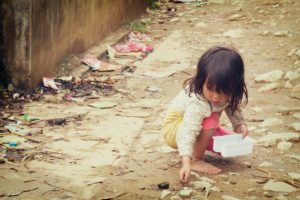
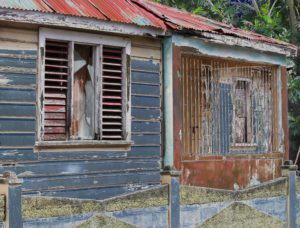
homelessness in the virgin islandsIn many vacation hotspots, it’s easy to overlook the undeniable poverty, and this includes locations such as the U.S. Virgin Islands. In 2018, approximately 500 individuals were homeless. This may seem like a small number, but the population of the Virgin Islands is minimal, only 100,000 people. It’s time to shed some light on the struggles of the people who are easily overlooked by the beautiful beaches of the Virgin Islands. Here are five facts about homelessness in the Virgin Islands.
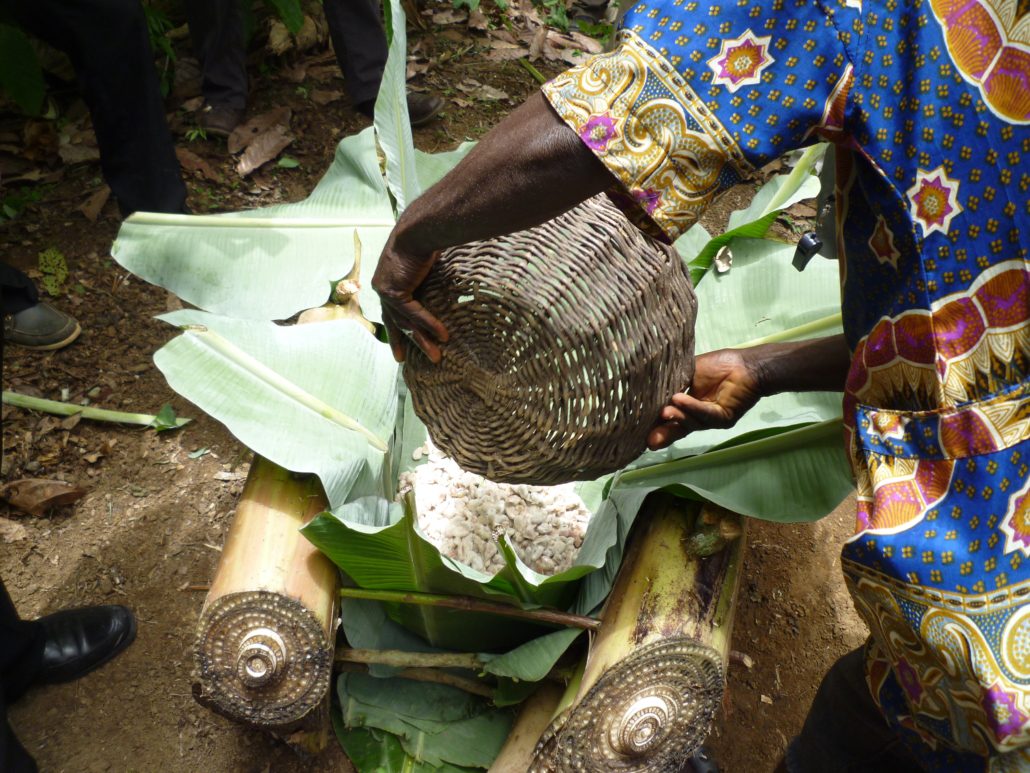
5 Facts About Homelessness in the Virgin Islands

  1. Homelessness in Families: Homelessness in the Virgin Islands is seen in families, which directly affects children and their growth. To help low-income families, the Housing Choice Voucher Program, or Section 8, was created. However, it has faced a $3 million reduction causing 26 families to lose housing and government help. Moreover, “for every $1 million dollars cut from the program … 111 families could lose housing.”
  2. Homelessness in Children: Those who are 0-17 years old are in the age range leading homelessness in the Virgin Islands. These children are considered “youths without parents or unaccompanied youths” and these numbers are growing.
  3. Demographics: There are certain groups that are being directly affected by this homelessness, as shown above by the large number of homeless children. Other groups include Black citizens and men. Black citizens made up 90% of the homeless population in 2017. The majority of the homeless population, 96%, is comprised of men. Another group being directly targeted is those who struggle with mental illness or drug dependence.
  4. Economics: The Virgin Islands heavily rely on tourism to boost the economy and to help the average person’s income. Therefore, during off-seasons for travel, most have to pick up other jobs to stay afloat to prevent money from becoming tight. Due to the ongoing COVID-19 situation, travel has been limited, creating more financially unstable families and individuals. The off-season for travel and COVID-19 greatly affects homelessness and the financial standing of persons in the Virgin Islands.
  5. Lack of Action: Most records of homelessness in the Virgin Islands were taken in 2017 or 2018. The most recent record of homelessness was taken in early 2020, showing that the issue has not gone away. In 2020, Governor Albert Bryan Jr. proposed major reforms to the mental health treatment systems in the Virgin Islands. However, the bill has yet to be passed due to a lack of attention in Congress.

Governor Bryan has submitted legislation in order to put an end to the chronic homelessness faced by the citizens of these islands, however, is has been greatly overlooked by Congress. To help the issue of homelessness in the Virgin Islands, constituents should email or call their representatives and senators.

A non-governmental organization that has worked to help the issue of homelessness among youth is the Jermain Defoe Foundation created by English football player Jermain Defoe. It strives to help youth who are poor or are suffering from illness or abuse. This organization was founded because of the lack of attention that was brought to the issues of homelessness and poverty faced by children. It has provided funding and support for the Holy Family Children’s Home, raised funds to build the Rainbow Children’s Home and opened a football academy — all in the Virgin Islands.

– Samira Akbary
Photo: Flickr

August 3, 2020
https://borgenproject.org/wp-content/uploads/borgen-project-logo.svg 0 0 Kim Thelwell https://borgenproject.org/wp-content/uploads/borgen-project-logo.svg Kim Thelwell2020-08-03 01:30:542020-07-30 12:31:57Homelessness in the Virgin Islands: 5 Things to Know
Children, Global Poverty, Health, Hunger

7 Facts About Hunger in Côte d’Ivoire

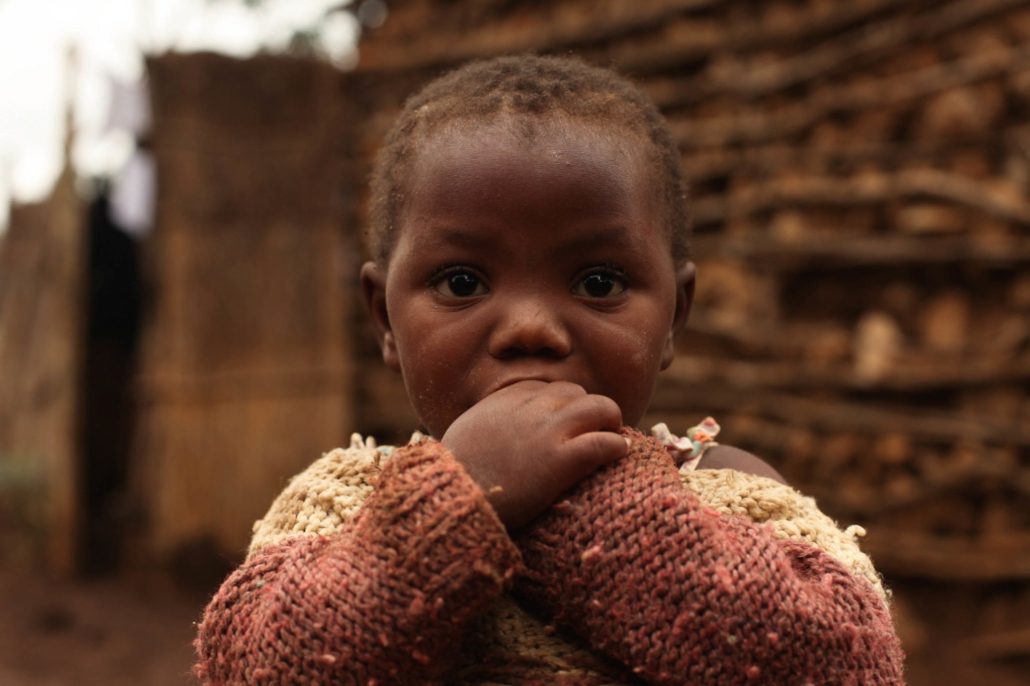
Hunger in Côte d'IvoireThe West African nation of Côte d’Ivoire, also known as the Ivory Coast, is located on the Gulf of Guinea and the Atlantic Ocean, bordered by five other countries: Liberia, Guinea, Mali, Burkina Faso and Ghana. It is a country of almost 30 million people. Following the conclusion of a civil war in 2011, Côte d’Ivoire experienced economic growth rates averaging almost 7% per year—6.5% in 2023. Despite this growth, however, the country still struggles with endemic poverty and hunger. It ranks 166 out of 193 countries in the U.N.’s Human Development Index which ranks achievement of a long and healthy life, access to knowledge and a decent standard of living. This HDI rank of 166 is “Low,” but Côte d’Ivoire has been steadily, if slowly, improving over the past three decades. 

Under President Alassane Ouattara, Côte d’Ivoire has focused on the economy and the middle class, launching its ambitious first National Development Plan (2016-2020) in December 2015 in order to transform the country into a middle-income economy by 2020. The 2021-2025 plan aims to achieve upper middle-income status, with attention to the U.N.’s Sustainable Development Goals, regional and international development priorities and the African Union’s 2063 vision. As with other countries, Russia’s invasion of Ukraine and COVID-19 slowed progress.

7 Facts About Hunger in Côte d’Ivoire

  1. Côte d’Ivoire’s Global Hunger Index is “Serious.” Côte d’Ivoire ranks 86 out of the 125 countries with sufficient data for the GHI’s peer-reviewed assessment, based on population undernourishment, child (under age 5) stunting, child wasting and child mortality. This is a 42.8% improvement in its ranking over the past 15 years, moving it out of the “Alarming” classification to “Serious.” The most serious indicator is child stunting at over 20%, but that has declined from almost 40% during the same time period. All the other indicators are currently under 10%. 
  2. GRFC sees acute food insecurity. For the first time in its history, the 2024 Global Report on Food Crises classified Côte d’Ivoire as a major food crisis because of food access being hindered by the high cost of living. While a high level of food insecurity was not projected, it was estimated that more than a million people would be so classified, although good harvests were expected to improve the situation. 
  3. Hunger in Côte d’Ivoire is significantly impacted by the fact that 37.5% of people in Côte d’Ivoire live below the National Poverty Line; almost 10% are below the International Poverty Line of $2.15/day (2021). Extreme poverty, reflected by the International Poverty Line was expected to have risen to 11% in 2023 but to stabilize in 2024 at 10.2%, continuing to fall to 9.6% by 2026. Economic growth and increased employment are countered by inflation in affecting the extent of poverty.
  4. The Sahel region crises have impacted Côte d’Ivoire. Armed violence, human rights violations, and climate change have led to significant displacements in the region that includes Burkina Faso, Mali and Niger. The crisis escalated in early 2023, with over 61,000 asylum seekers estimated to have migrated to northern Côte d’Ivoire. Over half are children and over half are women. Needless to say, this has had a significant impact on communities that were already vulnerable. 
  5. The World Food Programme (WFP) has worked with the Ivoirian government and partners since 1968. WFP has concentrated its support in Côte d’Ivoire’s north, west and northeast rural areas identified as having more food insecure and vulnerable people. WFP activities include attention to malnutrition, school feeding and food system improvements. 
  6. Action Against Hunger has worked in Côte d’Ivoire since 2002. Action Against Hunger estimates that there are over three million people facing hunger in Côte d’Ivoire and that they helped 325,778 last year. Food scarcity, especially during the “lean season,” is impacted by conflict disruptions, trade embargoes, crop deficits and widespread poverty. Action Against Hunger’s approach is to prevent, detect and treat hunger, which they have done by partnering with local community members to provide and strengthen health services and the health system. The organization’s work with young people includes a mobile application to facilitate access to information and care in sexual and reproductive health, as well as mental health support. 
  7. Climate resilience can lead to agricultural improvements. Côte d’Ivoire is the largest producer of cocoa in the world, and a successful harvest is vital for Ivoirians to feed their families. Since 2022, the U.N.’s Food and Agricultural Organization, financed by the Green Climate Fund, has worked with Côte d’Ivoire to implement project PROMIRE, Promoting Deforestation-Free Cocoa Production to Reduce Emissions. PROMIRE has restored forest areas and converted conventional cocoa plots to agroecosystems or agroforestry. The European Union, which imports half of the country’s cocoa, will put deforestation regulations in place at the end of the year, so these improvements are critical to the country’s economy. 

– Staff Reports
Photo: Flickr
Updated: September 23, 2024

July 30, 2020
https://borgenproject.org/wp-content/uploads/borgen-project-logo.svg 0 0 Kim Thelwell https://borgenproject.org/wp-content/uploads/borgen-project-logo.svg Kim Thelwell2020-07-30 01:31:122024-09-23 07:01:367 Facts About Hunger in Côte d’Ivoire
Children, Global Poverty, Hunger

Reducing Hunger in Sri Lanka


Hunger in Sri Lanka
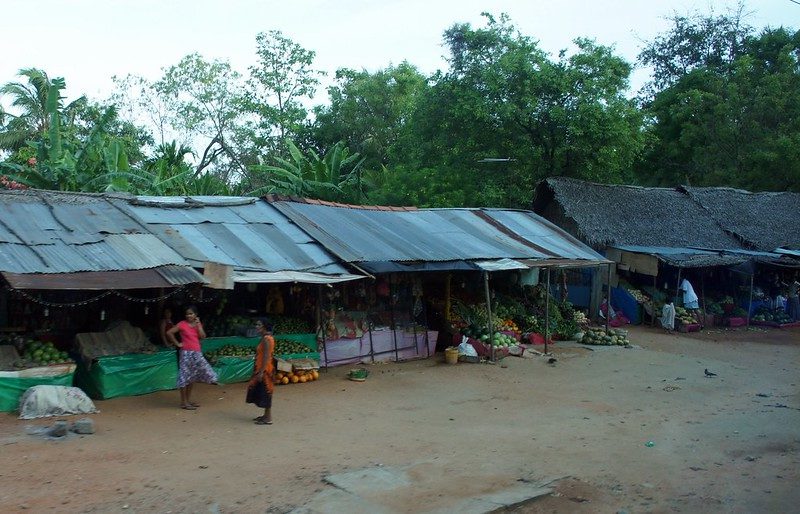
Sri Lanka has experienced notable progress in several developmental areas. The country has achieved improvements to primary education, a reduction in childbirth rate and decreasing poverty levels. However, food insecurity remains a consistent problem. Hunger in Sri Lanka is a major obstacle to the nation’s socio-economic development. According to the
2019 Global Hunger Index, Sri Lanka scores 17.1, ranking 66 among 117 qualifying countries.

The Numbers

According to a UN report, more than 800 million people worldwide were estimated to be chronically undernourished as of 2017. Over 90 million children under five are underweight. Sri Lanka ranked poorly on the Global Hunger Index (GHI) and global food security index, two major indicators of food security in any country. A Food and Agriculture Organization report from 2014 to 2016 found an average calorie deficit in Sri Lanka of 192 kcal per capita per day. In South Asia, only Afghanistan (36.6%) and Pakistan (30.5%) had higher rates of food inadequacy.

A study by the Asian Human Rights Commission (AHRC) revealed that more than 13% of minors in Sri Lanka were malnourished between the period of 2006-2010. The survey found that 23% of children between six and 59 months of age were stunted, 18% wasted and 29% underweight.

AHRC also found that remote and underdeveloped areas suffer more from hunger than larger cities. Although Sri Lanka has moderate percentages of food accessibility (54.5%), availability (52.8%), quality and safety (49.5 %), it is still struggling to achieve the United Nation’s goal for zero hunger by 2030.

Causes of Persistent Hunger

A food-insecure family lacks access to an optimum quantity of affordable and nutritious food. The immediate and obvious impact of food insecurity can be observed in physical health. Children struggle to concentrate in school and adults find it hard to perform well in their job. The household hunger scale (HHS) measures food insecurity in Sri Lanka on the basis of three factors: lacking access to food, sleeping hungry because of not having enough to eat and household members spending the whole day and night without eating anything.

There are several drivers behind hunger in Sri Lanka. Stagnant growth in crops in recent years has created a shortage of essential food. As the population continues to grow, this problem worsens. Furthermore, 35% of crops end up being wasted, never reaching hungry people. Rising food prices are also a concern in Sri Lanka. Changes in import duties and non-tariff barriers have caused increases in food prices as well.

Unemployment is also a major factor behind food insecurity and hunger in Sri Lanka. Many families have one or more members unemployed. One report shows that around 30% of the households depend on casual wage labor for their livelihood and food security. Around 90% percent of households in the city of Jaffna and 75% in the Vavuniya District were unemployed around 2012.

Initiatives to Address Hunger

Agriculture is one of the key ways to combat hunger and malnutrition. Different policies are intended to help fulfill Sri Lanka’s food requirement, including the National Climate Change Policy and the National Adaptation Plan for Climate Change Impact. A climate-smart agriculture system is working on increasing climate-resilient crops, rainwater harvesting, crop diversification and use of technology.

Under the National Nutrition Policy, every Sri Lankan citizen has the right to access adequate and appropriate food — irrespective of geographical location or socio-economic status. In addition to these efforts, global agencies like the World Food Program are working to combat hunger in Sri Lanka. UNICEF is also working to improve child and maternal nutrition.

Additional Ways to Combat Hunger

Socially vulnerable groups — like the elderly or female-headed families — are more prone to food insecurity. Sri Lanka’s government and other organizations should supply food vouchers to these vulnerable groups.

Because livestock production in Sri Lanka offers vast opportunity, the government should also encourage training and veterinary services to promote livestock production. In addition to this, privatizing the fish industry could help generate employment.


Moving forward, the government and other humanitarian organizations need to make reducing hunger in Sri Lanka a priority. Policies like the ones listed above are crucial for reaching the U.N.’s goal of zero hunger.

– Anuja Kumari
Photo: Flickr

July 29, 2020
https://borgenproject.org/wp-content/uploads/borgen-project-logo.svg 0 0 Lynsey Alexander https://borgenproject.org/wp-content/uploads/borgen-project-logo.svg Lynsey Alexander2020-07-29 13:30:402020-07-29 13:20:58Reducing Hunger in Sri Lanka
Children, Education, Global Poverty, Hunger

The Remedy for Hunger Pain

Remedy for Hunger Pain
Today, people wear masks. These masks hide people’s faces and protect them from a disease they cannot see, but not all masks are visible. Some masks are invisible. One of these masks is glue and some use it to silence the stomach’s growl. In many developing countries, teenagers use glue as an inhalant drug to quell the cries of their stomach, a remedy for hunger pain. Unfortunately, there is little statistical data readily available on this topic, making any hope of reform nearly impossible. However, research from the National Institute of Health (NIH) has made the effects of sniffing glue evident.

According to NIH, inhalants can cause the following damage to the brain: distorted speech, poor bodily coordination, euphoria and dizziness. The brain is not the only part of the body that sniffing glue negatively affects. Long-term use can result in damage to the liver, kidney and bone marrow. Loss of physical coordination and delayed behavioral development can also occur.

A Prevalent Issue

Kimberly Solórzano, who works at a Honduran orphan care center, spoke with The Borgen Project about how sniffing glue impacts the long-term health of children and adolescents. Solórzano said, “They are just sniffing glue, and that is very common among teens coming out of these kinds of shack communities. They are sniffing glue to stay warm and to feel full when they’re hungry…just kind of becoming oblivious to the world around them due to their addiction.” Solórzano made The Borgen Project aware that many children who find themselves addicted to inhalants are uneducated about the long-term effects.

Unfortunately, this is an issue that touches all four corners of the world. In Kenya, estimates determine that 250,000 children sniff glue. In Nepal, a research study found that 88.46% of street children sniff glue and 89.13% were unaware of the effects of the inhalant. These alarmingly high statistics seem to hide the good news. However, there is hope for reform.

Educational Reform

Hope is spelled “education.” Through proper education on the effects of inhalant use and methods for combating food shortages and world hunger, there is hope for drastic change. One organization that fights for educational reform in the area of global hunger is Bread for the World. Bread for the World focuses on sustainable progress, which it defines as “progress that is intended to be, and is capable of being, enduring- depends on addressing all of the issues in an interconnected manner.” Education on various food storage methods echoes sustainable progress. Specifically, Bread takes time to teach farmers in India how to properly contain vegetables, like corn.

Another goal of Bread is to witness the Sustainable Development Goals come to life. Bread states that “Universal secondary education, which is included in the Sustainable Development Goals, would no doubt lead to swifter progress in ending hunger and malnutrition.” Through secondary education for all, the remedy for hunger pain would no longer be inhalants but nutritious food. Education is key and Bread is fully aware of this fact.

Thankfully, Bread is one of many United States nonprofits working to end global hunger. Together, these organizations make a lasting impact by bringing educational and congressional reform on the topic of global hunger, provide nutritious food as a remedy for hunger pain and create a lasting impact from generation to generation.

– Chatham Kennedy
Photo: Flickr

July 28, 2020
https://borgenproject.org/wp-content/uploads/borgen-project-logo.svg 0 0 Kim Thelwell https://borgenproject.org/wp-content/uploads/borgen-project-logo.svg Kim Thelwell2020-07-28 07:14:482024-06-06 00:38:15The Remedy for Hunger Pain
Child Marriage, Children, Global Poverty

Combating Child Marriage in the Democratic Republic of the Congo

Child Marriage in the Democratic Republic of the CongoThe Democratic Republic of the Congo (DRC) is ranked 19th globally for the percentage of girls who are married before they reach their 18th birthday (37%). A 2017 UNICEF study with this data also showed the DRC ranking ninth highest for the absolute number of child brides, at 1.3 million. These figures tell a story beyond girls marrying young — a narrative of recursive poverty and lack of education. But child marriage in the Democratic Republic of the Congo can be beaten. In fact, new programs for female education and community engagement are emerging every day to address this issue.
Identifying the Roots of Child Marriage

There are four main drivers of child marriage in the Democratic Republic of the Congo: poverty, armed conflict, adolescent pregnancy and cultural traditions.

  • Poverty: As of 2018, 72% of the population of the DRC lived in extreme poverty. The practice of child marriage is a key indicator of poverty in a community. When a family gives a daughter away in marriage, they lower their own expenses. They no longer have to feed, clothe or educate the daughter. In addition, the promise of bride price is a motivating factor behind child marriage in the DRC. Bride price is an old tradition practiced in different areas across Africa. Unlike dowry, bride price entails exchanging money or valuable items from the groom’s family to the bride’s family as a record of their marriage. Historically, bride price helped tie two families together and strengthen the community as a whole. Today, it acts more as legal proof of marriage, used to determine the lineage of children or to secure inheritance. Families perceive the promise of wealth as an incentive for early marriage. For girls, however, the chance of receiving an education after early marriage is slim. As a result, girls who marry before the age of 18 in the DRC are less able to earn an income and to lift themselves, and their families, out of poverty.

  • Armed conflict: According to a study done by the U.N., around 200,000 girls and women have experienced sexual violence in the DRC since 1998. Ongoing military conflicts in the eastern DRC, Rwanda and Uganda are part of the cause of this high number. The continued prevalence of armed conflict has led to some young girls being forced to marry perpetrators of sexual violence.

  • Adolescent Pregnancy: Sexual health and education are not widely practiced in DRC, which leads to a lack of contraception and family planning. Early pregnancies can sometimes result in child marriage, as families hope to secure stability for later life. The cultural expectation that women will marry and become mothers leads to low contraception use, which can also contribute to adolescent pregnancies.

  • Cultural Traditions: Underlying all these drivers of child marriage in the DRC, is the cultural belief that girls are inferior to boys. As a result of internalized gender inequality, the global prevalence of child marriage among boys is one-sixth of that among girls. Accordingly, programs designed to oppose child marriage typically emphasize female empowerment and education. One such organization, Debout Fille, was established in 2005 to “defend and protect the rights of girls in the Democratic Republic of Congo.”

Empowering Girls

Debout Fille operates across DRC in many rural and urban communities. The organization is working toward “eliminating violence and harmful practices and achieving universal access to education and sexual and reproductive health.” In South Kivu, a region heavily affected by the conflict between Ugandan and Rwandan rebels, Debout Fille is partnering with Women’s WorldWide Web (W4) to fight the cycle of child marriage. Through new “Digital Learning Clubs and Spaces,” girls and young women are learning about reproductive and sexual health. These clubs help girls establish “Girls’ Parliaments,” through which they can engage in community decision-making and political advocacy to oppose child marriage. “Parents’ Schools” are also working to engage and educate parents. Debout Fille is currently training 1,200 girls and local community members. 

About 37% of girls in the DRC marry before reaching their 18th birthday. Poverty, armed conflict, adolescent pregnancy and cultural traditions can all be causes of child marriage. Organizations like Debout Fille are working to decrease child marriage through things like sexual and reproductive health education. While this is just one solution, it is an important step toward using education to end child marriage in the Democratic Republic of the Congo.

– Elizabeth Price
Photo: Pixabay

July 25, 2020
https://borgenproject.org/wp-content/uploads/borgen-project-logo.svg 0 0 Jennifer Philipp https://borgenproject.org/wp-content/uploads/borgen-project-logo.svg Jennifer Philipp2020-07-25 13:30:022024-05-29 23:17:49Combating Child Marriage in the Democratic Republic of the Congo
Children, Global Poverty

The Fight Against Child Poverty in New Zealand

Child Poverty in New Zealand
New Zealand is an island country located southeast of Australia. The population of the nation is estimated to be 4.8 million with 1.2 million of its people under the age of 18. The issues of income inequality and poverty impact children heavily. The children living in this unfortunate situation lack quality meals to eat, sanitation products and adequate opportunities in education. COVID-19 threatens to increase the number of children these hardships affect. The child poverty rate in New Zealand stands at 27% which is higher than the 13% world average. However, government officials have a plan for the next 10 years to lower poverty in New Zealand among children.

4 Ways New Zealand’s Government Fights Child Poverty

  1. Free Sanitary Products: Government officials have agreed to help girls in school between the ages of 9 and 18 years by providing them with free sanitary products. Prime Minister Jacinda Ardern has said that this addresses the concern that young women potentially stay home from school because of the lack of access to these products, which may hamper their educational development. Ardern said she hopes this will ease some of the stress girls experience while in school and thinks it will improve attendance rates.
  2. Exercise: The country’s Ministry of Health implemented guidelines to promote physical wellness for its adult and child population. Children living in the poorest areas are expected to live almost nine years less than those who reside in the wealthiest areas. Exercise can help increase the lifespan of children in poverty, especially as child obesity is a growing concern. The guidelines for children under the age of 18 recommend one hour a day of participation in recreational activities such as sports and no more than two hours a day of engaging in other interests like watching television.
  3. Housing Initiatives: The nation’s government is working on fighting poverty in New Zealand by providing better affordable housing options. The initiative has created an opportunity to assist those living in impoverished areas and provide other resources besides housing. Access to doctors for little to no cost, as a part of the initiative, has benefited families experiencing “material hardship” by helping them receive medical treatment for their children and themselves.
  4. Addressing Child Abuse: New Zealand has had a high number of child abuse reports over the years. With COVID-19 forcing schools to shut down across the globe, some officials have worried about a sudden spike in child abuse. The country’s Chief Executive of the Ministry for Vulnerable Children, Gráinne Moss, said that social workers have received tools to help combat this issue and be there for children at risk. Poverty in New Zealand remains one of the biggest factors for the occurrence of child abuse. Effective methods such as sending meal kits, arts and crafts and virtual chatting between children and social workers have helped to lower the number of abuse cases during the pandemic.

The government of New Zealand believes these steps will reduce child poverty in New Zealand. Over the next 10 years, officials plan to add more items to the list of solutions to help children suffering from a lack of needed resources. The added items will focus on the purposes of improving child health and wellness.

– Donovan Baxter
Photo: Flickr

July 23, 2020
https://borgenproject.org/wp-content/uploads/borgen-project-logo.svg 0 0 Jennifer Philipp https://borgenproject.org/wp-content/uploads/borgen-project-logo.svg Jennifer Philipp2020-07-23 15:10:432024-05-29 23:18:11The Fight Against Child Poverty in New Zealand
Children, Global Poverty

3 Organizations Fighting Child Poverty

fight child povertyToday, about 385 million children worldwide live in extreme poverty according to UNICEF. These three organizations fight child poverty through child sponsorship programs. By pairing a child in poverty with a monthly financial donor, these programs work to ensure children receive necessary medical and educational resources to end the poverty cycle.

3 Organizations Fighting Child Poverty

  1. Restore Haiti: Restore Haiti is a non-profit that works to fight child poverty in Haiti. This organization was started in 2005 by Philip Peters and Gerald Lafleur after Peters visited Lafleur’s homeland of Haiti. Peters saw “the need and knew that the little [he] had and the resources [he] had were something that could be used, and a long-term commitment was born.” The organization focuses efforts on three main communities: Morne Oge, Matador and Carrefore.

    Morne Oge, the community where Restore Haiti began, partners with Restoration Ministries. Today, they serve over 700 elementary, secondary and university/trade school students and their families. Children in the sponsorship program receive meals, education and basic health needs through the help of a monthly donor.

    In Matador, Restore Haiti provides tuition assistance and one daily hot meal to students. They also plan to fund new, sanitary bathroom facilities and a satellite kitchen for the 240 children attending the elementary school.

    Carrefour began as a satellite program in 2014. Today, Restore Haiti assists with educational expenses and two meals a week to children. On their website, they note that “In the Carrefour community, many youths end up joining gangs and living troubled lives, so the food, education, and life skills being imparted to them are key to seeing change come to this community.” In addition to the school costs and meals, Restore Haiti’s community-based staff provides mentorship, training in life skills and character building to the children in Carrefour. 

  2. Compassion International, Inc.: This organization advocates for children and is the world’s leading authority in holistic child development through sponsorship. They were founded in 1952 when Reverend Everett Swanson flew to South Korea. He was there to minister to American troops but felt compelled to help the orphans there reach their full potential. Together, Compassion and local churches provide whole life care – holistic, comprehensive care to help children “fully develop and become responsible, fulfilled adults.”

    Children enrolled in Compassion programs are 27-40% more likely to complete a secondary education, and 20% more likely to have a higher income as an adult. Compassion aims to fight child poverty through a direct partnership between a child and the sponsor. This is done by cultivating a meaningful relationship between the sponsored child and the sponsor through letter writing and emails. In 2019, more than 2.1 million children were sponsored. Today, in addition to child sponsorships, Compassion provides mother and baby care and health resources. They also work to meet critical needs such as providing clean/sanitized water, treatment for HIV infection, access to medical treatment and disaster relief in their efforts to fight child poverty.

  3. World Vision: Started in 1950 when Bob Pierce helped one little girl, this organization now helps more than 3.5 million children in nearly 100 countries. They fight against child poverty through sponsorship programs, health and economic empowerment, child protection, disaster relief, education and food security. World Vision uses a child sponsorship program where a sponsor’s commitment helps the sponsored child and community overcome poverty. According to World Vision’s reports, “over a five-year period, 89% of the children who were severely malnourished in severe relief areas were treated and made a full recovery.” Typically, sponsorship lasts 10-15 years.

    World Vision’s work extends to the next generation of children. The organization’s influence in Bangladesh improved reading comprehension. Students who used the literacy programs measured at 68% reading comprehension compared to those not using the literacy program, who measured at 4% reading comprehension. In Zambia, moms located where this organization runs health and nutrition programs were six times more likely to receive healthcare designed to boost newborn survival compared to mothers in areas where these resources are not available.

    In addition to funding education and health needs for the sponsored child, funds go to make necessary changes in the community. World Vision meets with local community leaders and, after developing a plan, addresses things like “improving water, sanitation, health and nutrition, education and child protection.” The organization’s effects are lasting. Eight out of ten World Vision wells are still functioning at high levels in Ghana after being drilled nearly twenty years ago. The improvements made through World Vision’s child and community sponsorship programs provide the necessary health and educational experiences to fight child poverty.

– Danielle Beatty
Photo: Flickr

July 22, 2020
https://borgenproject.org/wp-content/uploads/borgen-project-logo.svg 0 0 Lynsey Alexander https://borgenproject.org/wp-content/uploads/borgen-project-logo.svg Lynsey Alexander2020-07-22 14:00:462020-07-22 13:54:163 Organizations Fighting Child Poverty
Children, Global Poverty

5 Most Influential Photographs: Children in Poverty

5 Most Influential Photographs: Children in PovertySome of history’s most prominent and influential moments have been documented by a camera. Whether born into a low-income household or displaced by war, millions of children have lived in poverty. Over the years, thousands of photographs regarding child poverty have surfaced, engraving sympathy in millions of hearts and impacting the world. Currently, every 1 in 3 children lives in poverty. Here are 5 of the most influential photographs of children in poverty.

5 Most Influential Photographs of Children in Poverty

  1. Migrant Mother by Dorothea Lange: Dorothea Lange took Migrant Mother in 1936, the photograph epitomizes the effects of the Great Depression. It depicts the disparity and destitute the United States was in. The Congressional Budget Office reported that from 1930 to 1939, the United States debt increased by 150%. In addition, around half of Americans fell into poverty. Florence Owens Thompson, the subject of the photograph, was a mother of seven children working in agriculture. Her family inhabited a leaning tent in Nipomo, California whilst living off of frozen vegetables found on surrounding fields and birds killed by her children. Moreover, around 20,000 schools closed down nationwide. As a result, this put 750,000 children on the National Youth Administration (NYA) program. Due to the separation of families, there are more than 200,000 deserted children wandered around the United States.
  2. Albino Boy, Biafra by Don McCullin: In 1969, Don McCullin, a British photographer captured an enthralling image of a young. It is a photograph of a severely malnourished orphan in present Nigeria. Additionally, the image depicts a juxtaposition through the solitary state of the boy due to his albinism and the “normality” of his peers. This picture alone shone a light onto an unknown war and spread the inhumanity of war. As a result, it incited thousands of households throughout the United States and Europe to donate to the cause. At the time, Biafra, a state composed of the ethnic minority, constantly fought with Nigeria over resources. Consequently, this affected over one million civilian casualties due to starvation and another million from war. Moreover, Biafra denied foreign aid in the beginning. Thus, it put most of its population under extreme poverty.
  3. The Terror of War by Nick Ut: After being shot in 1976, “The Terror of War” has become an icon of the Vietnam War. In the photograph, crying children flee from a war-torn battlefield while a group of soldiers surrounds them. Through the image, people felt the pain and suffering of the children, impassiveness of the soldiers and sorrow for the fallen soldiers. According to UNHCR, over 3 million people were displaced in the Vietnam War, leaving 800,000 children orphaned by the conflict. Luckily, 3,000 of the orphans were airlifted to the United States in Operation Babylift.
  4. The Vulture and the Little Girl by Kevin Carter: In the image, an emaciated child huddles on a field of debris while a vulture watches her as if waiting for her death. Ravaged by war and drought, South Sudan affirmed that the nation was in a state of famine. More than 90% of the population lives under the poverty line, affecting the children of the state. About 1 in 5 children attend school while 75% of the population lacks access to healthcare. These aspects are crucial in lifting people out of poverty. However, looking at the land and resources, South Sudan has the potential to become a wealthy country, improving the general economy of the entire nation.
  5. A Starving Boy and A Missionary by Mike Wells: In 1980, Mike Wells caught a seemingly “beautiful” moment between a catholic missionary and a starving Ugandan boy. The boy developed malnutrition because of the famine from attle raiding and droughts in Karamoja, Uganda. Half of the infants and 20% of the population of Karamoja died during the crisis. UNFPA states that 61% of the people in the region live in poverty. In addition, only 0.9% of students aged 6-12 enrolled in school. Unable to break the poverty cycle, the UN is focusing on rehabilitating this area.

Photographs of suffering often ignite passion throughout people, inflicting change amongst society. At present, there are multiple organizations and countries aiding people in need in order for the world not to take any more photographs of agony.

– Zoe Chao

Photo: Flickr

July 21, 2020
https://borgenproject.org/wp-content/uploads/borgen-project-logo.svg 0 0 Lynsey Alexander https://borgenproject.org/wp-content/uploads/borgen-project-logo.svg Lynsey Alexander2020-07-21 19:16:542024-06-06 00:38:135 Most Influential Photographs: Children in Poverty
Child Soldiers, Global Poverty

Ending Child Labor: 3 UN Solutions

Ending Child LaborDespite a 38% global reduction of child labor between 2000 and 2016, hundreds of millions of children remain in exploitative labor conditions. Work deprives children of their formative childhoods and educational experiences, while potentially harming them physically and psychologically. So, how are people and organizations working to end child labor around the world?

Living in poverty is the main reason children work, whether by circumstance or force. However, child labor creates a cycle of poverty. Some children have to work to survive and help support their families. These children, therefore, do not have the time to receive an education. Education is considered a key to escape poverty; without it, children do not have many options other than continuing to work.

Most child labor is in agriculture; more than 75% of child laborers work the fields, but others work in factories or the service industry. Out of the 170 million child laborers, 6 million children are forced into labor. These children often become child soldiers or are sold into prostitution or slavery. The United Nations calls for an end to child labor in all forms by 2025, a mere five years away. Here are three U.N. solutions to achieve their goal to end child labor:

3 UN Solutions to End Child Labor

  1. 2021 is the International Year for Ending Child Labour. The United Nations General Assembly wants to draw attention to the millions of children working in fields, mines and factories during 2021. Member states of the International Labor Organization (ILO), a specialized agency of the U.N., will raise awareness of the importance of ending child labor and share successful projects. These projects include initiatives to reduce poverty, educate children, offer support services and enforce minimum age requirements, among other solutions. As the steady decrease in child labor tapered off in 2016, the hope is that this effort will renew the global community’s interest in eradicating child labor.
  2. The Clear Cotton Project plans to have sustainable cotton industries without child labor. With the rise of fast fashion, cotton is one of the most valuable supply chain commodities. Because of its high demand, the cotton industry is notorious for its use of child labor, now embedded into the supply chain. Children work long, often excruciating, hours picking cotton, weeding and transferring pollen in the fields. In factories and workshops, child workers spin the cotton and have various tasks, from sewing buttons to embroidering fabric. All of this work is often underpaid if compensated at all. The Clear Cotton Project wants its partner countries of Burkina Faso, Mali, Pakistan and Peru to create sustainable cotton industries without child labor. The program, which started in 2018 and will end in 2022, has two strategies aimed at ending child labor. The first includes editing, strengthening and enforcing policy, legal and regulatory framework against child labor in accordance with ILO standards. The second strategy works to support local governments and public service providers. This strategy aims to increase access to education, create youth and women employment schemes and strengthen worker unions so workers can both recognize their rights and monitor their working conditions
  3. Ending child labor in African supply chains is receiving special attention. While the rest of the world saw a decrease in child labor between 2012 and 2016, Sub-Saharan Africa observed an increase. Child labor is most prevalent in supply chains, especially in cacao, cotton, gold and tea. In the tea industry alone, around 14% of children are working as laborers in Uganda. Even more children work in Malawi—38% of all children from ages 5-17. Producing tea is labor-intensive, from preparing the land for planting to harvesting to preparing the leaves for export. Children are involved at every level. To combat this, ACCEL Africa, a four-year program, began in 2018 to “accelerate action for the elimination of child labor in supply chains.” Partnered with the Netherlands, Côte d’Ivoire, Egypt, Mali, Malawi, Nigeria and Uganda, the program aims to address the problems that cause institutionalized child labor in supply chains. These countries will also improve their child labor policies and legal framework and enforce the revisions to stop child labor.

While the U.N. has set a challenging goal, with increased awareness, commitment and cooperation, the global community can succeed in its programs, ending child labor by 2025. With a real childhood, education and a brighter future, these children will have a chance to step out of the vicious cycle of poverty.

– Zoe Padelopoulos
Photo: Unsplash

July 16, 2020
https://borgenproject.org/wp-content/uploads/borgen-project-logo.svg 0 0 Kim Thelwell https://borgenproject.org/wp-content/uploads/borgen-project-logo.svg Kim Thelwell2020-07-16 01:31:282024-05-29 23:18:24Ending Child Labor: 3 UN Solutions
Child Marriage, Children, Global Poverty

7 Facts About Child Marriage in Africa

facts about child marriage in Africa
Child marriages have been occurring for thousands of years. While child marriage is more commonly seen between female children and much older men, child marriage is defined as marriages where either one or both partners are younger than the age of 18. According to UNICEF, Africa has the highest rate of child marriages in the world. Specifically, sub-Saharan Africa has the highest rates where every four in 10 girls are married before the age of 18. Within this region, the country of Niger has the highest child marriage rates, with 77% of girls married before the age of 18. Here are seven facts about child marriage in Africa.

7 Facts About Child Marriage in Africa

  1. Children marry as young as 7 and 8 years old. The U.N. estimates that every day around 37,000 girls under the age of 18 are married. Of the girls forced into marriage, one in three girls experience child marriage before the age of 18 and one in nine experience it before the age of 15. UNICEF estimates that if no change occurs, the rate of child marriages in Africa alone may double by 2050.
  2. Girls often experience suppressed education. Most girls who are in a child marriage do not get an education higher than the mandated primary education of grades one through nine. This is due to social stereotypes that categorize girls as domestic wives who stay in the home to cook, clean and bear children. Another reason is that most child marriages take place in poverty-stricken areas and they cannot afford to pay for an education or do not have access to education near them.
  3. Children involved in child marriages are at greater risk of domestic violence. A high percentage of girls in a child marriage experience domestic and sometimes sexual violence. According to the International Center for Research on Women (ICRW), girls who marry before the age of 18 are twice as likely to experience domestic violence when compared to girls who marry after the age of 18. Many girls cannot escape this violence because of poverty and the lack of education.
  4. Having a daughter is seen as a burden in Africa. Most child marriages take place in poverty-stricken areas where families consider daughters to be economic and financial burdens. Many families, wanting to make up for the money they put into raising a daughter, require a dowry for their daughter’s marriage. The high cost of a dowry means that most men will work for years to save up for a wife. As a result, most child marriages are between a young girl and a much older man.
  5. Child brides have a greater risk of contracting HIV and other STDs. Since men are typically much older when they marry a child bride, they tend to have had multiple partners before they are married. As a result, girls involved in child marriages are more susceptible to contracting HIV and other sexually transmitted diseases. Additionally, research found that many young people lack the proper knowledge of HIV and other STDs and safe sexual education. Sex education is a mandatory curriculum in Africa, but religious and cultural taboos prevent schools from properly teaching this curriculum. In 2015, the Department of Basic Education began developing lesson plans for grades seven through nine that properly educate children about safe sex and STDs.
  6. Many child brides face high-risk pregnancies. Since girls marry at such young ages, many girls have high-risk pregnancies due to their underdeveloped bodies. As a result, they often have a difficult childbirth. Additionally, pregnancy lessens the body’s immune system, leaving young girls easily susceptible to illnesses such as malaria. Malaria is harder to treat when one is HIV positive and can lead to death in young pregnant girls.
  7. Ultimately, child marriage violates human rights. Child marriages involving boys is significantly more rare than those involving girls. The primary difference in a marriage involving young boys is they do not pose the same health risks as girls. However, child marriages between both sexes take away a child’s basic human rights. In 1948, in an attempt to discourage child marriages, the U.N. declared child marriage an act against human rights, as stated in Article 16 of the Universal Declaration of Human Rights.

These seven facts about child marriage in Africa explain the difficulties young girls face every day. While child marriages around the world have been in a steady decline, Africa has been the slowest progressing area. According to the U.N., child marriages in Africa could actually continue to grow rather than decline. A continued growing awareness around the world helps to end child marriages. A group of girls in Africa started a petition to change the laws and raise the age of consent. So far, the petition has received over 245,000 signatures. Efforts like these continue to help bring an end to child marriages in Africa.

– Chelsea Wolfe 
Photo: Flickr

July 1, 2020
https://borgenproject.org/wp-content/uploads/borgen-project-logo.svg 0 0 Lynsey Alexander https://borgenproject.org/wp-content/uploads/borgen-project-logo.svg Lynsey Alexander2020-07-01 06:57:122024-05-29 23:17:387 Facts About Child Marriage in Africa
Page 69 of 137«‹6768697071›»

Get Smarter

  • Global Poverty 101
  • Global Poverty… The Good News
  • Global Poverty & U.S. Jobs
  • Global Poverty and National Security
  • Innovative Solutions to Poverty
  • Global Poverty & Aid FAQ’s
Search Search

Take Action

  • Call Congress
  • Email Congress
  • Donate
  • 30 Ways to Help
  • Volunteer Ops
  • Internships
  • Courses & Certificates
  • The Podcast
Borgen Project

“The Borgen Project is an incredible nonprofit organization that is addressing poverty and hunger and working towards ending them.”

-The Huffington Post

Inside The Borgen Project

  • Contact
  • About
  • Financials
  • President
  • Board of Directors
  • Board of Advisors

International Links

  • UK Email Parliament
  • UK Donate
  • Canada Email Parliament

Get Smarter

  • Global Poverty 101
  • Global Poverty… The Good News
  • Global Poverty & U.S. Jobs
  • Global Poverty and National Security
  • Innovative Solutions to Poverty
  • Global Poverty & Aid FAQ’s

Ways to Help

  • Call Congress
  • Email Congress
  • Donate
  • 30 Ways to Help
  • Volunteer Ops
  • Internships
  • Courses & Certificates
  • The Podcast
Scroll to top Scroll to top Scroll to top