Combating Child Labor in Djibouti
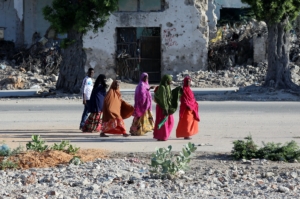 Located on the Horn of Africa along the Bab el-Mandeb, an important maritime chokepoint is the small African nation of Djibouti. With a population of one million but high levels of poverty and limited funding for social welfare programs, child labor in Djibouti has been widespread historically. However, efforts from the government and international actors over recent years have started to reverse this phenomenon.
The Nation of Djibouti
According to Humanium, an NGO focused on protecting children’s rights across the globe, 42% of Djibouti’s population lives in extreme poverty. Child labor is primarily caused by extreme poverty, as parents force their children to work so that they can survive. Therefore, Djibouti’s children are some of the most vulnerable to child labor due to poverty throughout the nation.
As a result of their families’ financial situation, over 12% of children ages 5-14 work. Working can isolate children socially or prevent them from having the time to pursue their academic interests. Only 60-65% of children complete primary education in Djibouti. With many children unable to obtain an education due to work or other circumstances, child labor in Djibouti perpetuates the cycle of poverty generation after generation.
Government Efforts Toward Child Labor
Djibouti’s government has taken an active role over the past decade in reducing child labor. The active role is shown through establishing workgroups and various programs focused on identifying the contributing factors of child labor. One of the main projects is the Anti-Trafficking Working Group, which has improved cross-agency government collaboration to counteract human trafficking. The Prime Minister leads the National Council for Children in its efforts to secure birth certificates for immigrants, ensure education for refugees and reunify separated migrant families. Furthermore, the Council successfully established a temporary shelter for children living on the street in 2018. Therefore, it made these at-risk kids less likely to be coerced into child labor. The government established the National Family Solidarity program to decrease child labor. They supported Djiboutian households in extreme poverty via cash transfers. These programs represent a start to ending child labor in Djibouti, something that future leaders of Djibouti can continue to prioritize.
Despite the government’s efforts, various legal loopholes remain that benefit those who exploit child labor. Many of the statutes only apply to children working in the formal business sector. Therefore, Djibouti’s laws are less comprehensive than international standards. This is especially problematic because most child labor cases occur in the informal business sector. Some examples are working in small shops, selling items on the street and working in family-owned businesses in rural communities. Without true legislative changes, Djibouti’s laws will continue to fail in identifying and eliminating most child labor cases.
Additionally, there were only five labor law inspectors in Djibouti as of 2018. This means that Djibouti’s labor force of almost 300,000 has approximately one labor law inspector for every 60,000 workers. Without the resources or personnel necessary to expose and eradicate child labor, child labor will continue. This brings harm to Djibouti’s long-run humanitarian situation, living conditions and economic growth.
International Support
Yet, despite the shortcomings so far to end child labor in Djibouti, UN-sponsored efforts and aid from various countries/NGOs, present an optimistic future. UNICEF currently works with the government of Djibouti, the United States and the Humanitarian Action for Children Project to increase access to education for the most vulnerable Djiboutian children (orphans and those in poorer areas). This program has helped over 4,500 children obtain pre-primary, primary or secondary education in Djibouti. The U.S. government has also funded a $500,000 program to train law enforcement and expand communication capabilities between the private and public sectors, regarding ending forced labor/human trafficking. Finally, the World Bank oversees numerous programs that deal with the root causes of poverty and child labor in Djibouti by promoting human capital development and education.
Cooperation and a Promising Future
Going forward, it will be pivotal for the government to continue focusing on lowering the extreme poverty rate. Reforming legislation to meet international standards, then enforcing it as well as protecting children of all ages and backgrounds, is the next step in Djibouti’s fight against child labor. Improving human rights means better access to education. This will likely help the economic situation of Djibouti by breaking the cycle of poverty. However, the international community plays a crucial role in helping Djibouti. Some of the most successful initiatives have come from international partnerships and UN-sponsored programs. Cooperation is critical in Djibouti, whereas complacency will be catastrophic.
– Alex Berman
Photo: Flickr
