• Link to X
  • Link to Facebook
  • Link to Instagram
  • Link to TikTok
  • Link to Youtube
  • About
    • About Us
      • President
      • Board of Directors
      • Board of Advisors
      • Financials
      • Our Methodology
      • Success Tracker
      • Contact
  • Act Now
    • 30 Ways to Help
      • Email Congress
      • Call Congress
      • Volunteer
      • Courses & Certificates
      • Be a Donor
    • Internships
      • In-Office Internships
      • Remote Internships
    • Legislation
      • Politics 101
  • The Blog
  • The Podcast
  • Magazine
  • Donate
  • Click to open the search input field Click to open the search input field Search
  • Menu Menu

Archive for category: Children

Information and stories addressing children.

Child Poverty, Global Poverty

5 Facts About Child Poverty in the DRC

Child Poverty in the Democratic Republic of the Congo
More than 89 million people live in the Democratic Republic of the Congo (DRC), making it the 16th most populated nation. Located in southern Africa, the DRC is one of the world’s poorest nations with around 72% of the population living in poverty. Sadly, infants and children are the main victims of this poverty making the need for help vital. Significant efforts from many different organizations have helped to save thousands of lives. Here are five important facts about child poverty in the DRC.

5 Facts About Child Poverty in the DRC

  1. Mortality Rate: The DRC has an 84.8 under-5 mortality rate out of every 1,000 births. This means that for every 100 children born, eight of them will not reach the age of 6. However, this number has dropped exponentially in the past 20 years due to the work of agencies such as USAID which has invested $34 million in the cause. In 2014, USAID began the Acting on the Call Report which uses data analysis to pinpoint where it needs to allocate its funding. Helping mothers both before and after birth with medical supplies has saved thousands of children because of this data analysis. In the six years since, the under-5 mortality rate has dropped by more than 15.
  2. Education: Providing quality learning opportunities in school is a crucial aspect of breaking the poverty cycle. More than 7 million children in the DRC cannot receive an education because of poorly funded schools and a lack of supplies. Improvement is coming as the government in the DRC has stated that it will allocate 20% of its spending budget to education in 2018 and maintain it at that level until 2025. This increased funding has led to more children reading and writing as now the DRC posts an 85% literacy rate for all children ages 15-24. Still, young girls experience discrimination as only 79% between 15 and 24-years-old are literate, proving that more work is necessary.
  3. Clean Water: Access to clean water is important to anyone, regardless of age. In the DRC, only 45% of people have access to basic drinking water services. This lack of water has contributed to the high infant mortality rates and will impact the Congolese for their entire lives. Projects to bring clean water to all citizens are occurring but the government is unable to expedite the process. Reports have determined that donors provide nearly 99% of water sector financing in the DRC, making every contribution meaningful. From 2008 to 2017, 2.3 million DRC citizens gained access to clean water as a result of Global Waters and other water relief efforts.
  4. Malnutrition: Right from birth, children in the DRC are in a food shortage. UNICEF has created a system to detect potential malnourishment by collecting data on child nutrition and household food security through a network of 110 sites. This has helped make identify children and their families who may need assistance and provide them with food. Additionally, Actions Against Hunger helped nearly 200,000 Congolese in 2019 alone gain food security and nutrition.
  5. Play Time: War and violence have become a common occurrence in the DRC. This has created a dangerous environment for young children to play with friends. Hearing these stories motivated Bethany Frank to create a toy, PlayGarden, to help DRC’s youth deal with trauma. PlayGarden is a small sanctuary that can include spatial awareness games that can reduce the likelihood of relieving symptoms associated with post-traumatic stress disorder. Many times, the focus on poverty eradication efforts goes towards resources and neglects the fact that children need to play.

Concluding Thoughts

Child poverty in the DRC is challenging to combat. But advancements in clean water, food and education will help pave the road to better conditions. The work that some are doing in the Democratic Republic of the Congo has not reached completion, but many children have benefitted from what they have accomplished so far.

– Zachary Hardenstine
Photo: Flickr

November 7, 2020
https://borgenproject.org/wp-content/uploads/borgen-project-logo.svg 0 0 Jennifer Philipp https://borgenproject.org/wp-content/uploads/borgen-project-logo.svg Jennifer Philipp2020-11-07 01:30:432024-05-30 07:53:295 Facts About Child Poverty in the DRC
Charity, Children, Global Poverty

Operation Christmas Child Visits Madagascar 

Operation Christmas ChildFor most of the world, Christmas comes once a year. A day full of red bows and snow glistening in the December sun. Not so for Samaritan’s Purse, a nonprofit headquartered in North Carolina. For them, Christmas is not merely a holiday, but a lifestyle. Operation Christmas Child began as a mom and pop project in the United Kingdom. It quickly grew into a worldwide phenomenon under the umbrella of Samaritan’s Purse. Over 150 countries annually take part in the program. Every year volunteers fill shoeboxes with toys, basic care items and a message of hope for the eager hands of boys and girls living in underdeveloped countries.
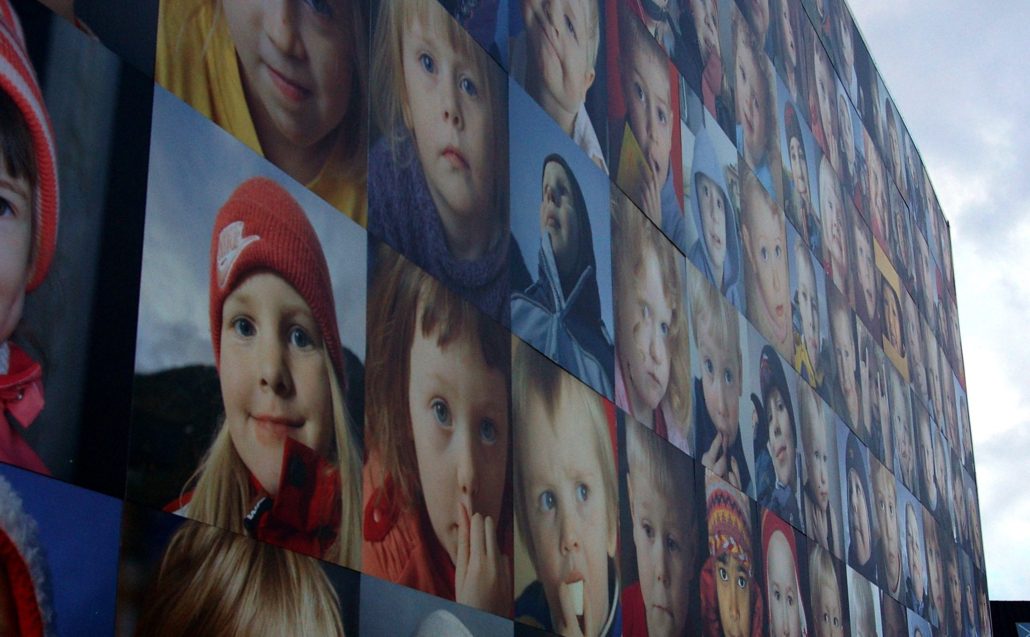
Volunteers from around the world spend the months leading up to Christmas filling boxes to the brim. Schools, churches, community organizations and individuals all work to bring a glimmer of light to poverty-stricken countries. Last year, Samaritan’s Purse was able to collect 10.5 million shoeboxes to give to the world’s poor.

Operation Christmas Child in Madagascar

One country in particular that reaps from Operation Christmas Child’s generosity is Madagascar. Madagascar is an African island nearly 800 miles from the shoreline of Mozambique. It is home to exotic species, the deciduous baobab trees and unfortunately, overwhelming statistical poverty. According to The World Bank, 70.7% of the population lived below the poverty line in 2012. Three factors that play a role in the rise of poverty in Madagascar are political crises, climate shocks and a sharp increase in global food prices.

With all the compounding factors that exacerbate poverty, Madagascar is a perfect destination for Operation Christmas Child to focus its energy.

Students in Madagascar

It was the summer of 2017. Mary Patton Murphy, a rising high school junior, packed her bags for her first trip across the world. Murphy is one of around thirty students that was able to be a part of the competitive week-long student vision trip with Samaritan’s Purse in 2017.

For years, Murphy had packed shoeboxes in the months leading to Christmas and dropped them off during National Collection Week. One year, a child that received one of her boxes sent Murphy a letter thanking her. This personal experience made her fall deeply in love with the organization. Murphy’s trip to Madagascar allowed her to see the ins and outs of the organization.

“It is such a well-run process,” says Murphy, “[the organization] truly maximize[s] their resources.” Murphy witnessed this first-hand during her time spent in Madagascar. Volunteers visited two distribution centers a day where each shoebox is diligently cared for and searched to ensure the safety of the delivery.

Murphy illustrated the process, noting that it “is a long one.” She expounded adding that “the shoeboxes travel to a local collection center. Then they are consolidated into carton boxes and sent to a processing center to make sure there isn’t anything harmful in any of the shoeboxes like toothpaste because the kids will try to eat it. They might add to a box if it is low on supplies or toys. Then the shoeboxes are shipped across the world. Some of these kids have never received a present before.”

Wrapping Up

Volunteers of all ages are the driving forcing behind this operation from beginning to end. They all advocate to make a difference in the lives of impoverished children across the globe. For individuals who would like to advocate on behalf of these children, they should visit this website.

The leaves fade from various shades of red and yellow and the morning air turns crisp and cool. The collection of shoeboxes for Operation Christmas Child will soon be underway. Make an early start to the season of giving with a mere shoebox, a few toys and a heart for the world’s poor.

– Chatham Kennedy
Photo: Flickr

November 7, 2020
https://borgenproject.org/wp-content/uploads/borgen-project-logo.svg 0 0 Lynsey Alexander https://borgenproject.org/wp-content/uploads/borgen-project-logo.svg Lynsey Alexander2020-11-07 01:30:362020-11-06 11:10:45Operation Christmas Child Visits Madagascar 
Child Poverty, Economy, Global Poverty

Combating Child Poverty in Iceland

Child Poverty in Iceland
Popular for its beautiful landmarks and picturesque views, Iceland is now facing an issue that highlights a much darker reality taking place on the nordic island. Iceland has been able to keep poverty at a relatively low percentage for much of its history. However, in the past decade, the country has experienced a drastic rise in poverty and child poverty in Iceland in particular. One can largely attribute this to the economic collapse that the country experienced a little over a decade ago.

The Situation

In 2008, Iceland’s banks defaulted as a result of loans that the country had taken out with many foreign banks. At the time, Icelandic banks were some of the most lucrative banks globally. The country accumulated a massive amount of debt following large loans and grand foreign investments. The intention was to further boost the economy and to take advantage of the financial prosperity taking place in the country at the time. The value of the Icelandic currency, the Krona, was at an all-time high with a 900% increase in value.

The country experienced an economic boom, and citizens received encouragement to take part in the flourishing economy. As a result, many purchased expensive homes, took on multiple mortgages and invested in foreign companies. The country was, unfortunately, unable to pay these large sums back. The result was catastrophic. Banks defaulted on foreign loans leading to a massive national financial crisis. Iceland’s credit was tarnished and almost every business in the country had gone bankrupt. Citizens ended up with large bills with little or no way to pay them. What followed was an extreme rise in poverty.

The Consequences of the Crash

Health care expenses experienced a peak, and with mortgages nearly doubling in cost, the price of living increased exponentially. Many households were unable to afford the basic and vital services required for daily living. According to a report discussing the consequences of the crisis, unemployment rates rose to 7.6%. This was 5% higher than the annual unemployment rates prior to the economic downturn. Inflation was another result of the crash. Mortgage prices increased nearly doubling.

With the national currency, the krona, experiencing a decrease in value, the price of many goods and services suffered an impact as well. Iceland saw a substantial rise in housing insecurity and homelessness. Citizens took to the streets to protest many of the issues taking place at the time, and to express their frustrations with the government’s reactions to the crisis. This resulted in a new left-leaning government that promised to offer support for its struggling citizens.

Child Poverty in Iceland and Government Aid

Child poverty saw a drastic rise during this time of economic downturn. In fact, child poverty increased from 11.2% to 31.6% between 2008 and 2012. Unemployment was on the rise, and families faced immense financial strife that greatly affected the home. Iceland’s government was able to provide its residents with support for regular access to vital resources such as food, housing and health care. Health care programs that Iceland put in place prior to the crash offered much-needed support to Icelandic citizens with health care services during the crash.

The Icelandic government also provided support in many areas. This included welfare services for low-income households, along with a tax decrease for low-income earners and a tax increase for high-income earners. This ensured financial support for the most vulnerable during the crash. Low and mid-income-earning citizens received social benefits and debt relief. Wealth redistribution played a large role in the economic support provided for citizens during this time.

The Case of Child Poverty

The ways in which poverty can present itself differs from nation to nation. One can find many of the challenges most common amongst Icelandic children living in poverty in many nations across the globe. According to a report by Humanium.org, some of the key issues that impoverished Icelandic children face are varying health issues, emotional strife, sexual exploitation and labor exploitation.

Confronting Child Poverty

Throughout Iceland’s history, the country has managed poverty rates well in comparison to other less developed islands. Prior to the financial crisis, Iceland held a relatively low poverty rate. According to a Statistics Iceland report, a total of 9% of the population was at risk of living in poverty in comparison to 16% in other nordic islands and the estimated 23% in the United Kingdom. While poverty existed in the country, it was certainly not as high as during or after the crisis.

Iceland has done tremendous work to repair its economy. The programs that Iceland’s government implemented provided support for many low-income families while also helping to boost its then damaged economy. Unfortunately, citizens who plummeted into poverty as a result of the economic downturn have struggled to find a way out. To combat this, the Icelandic government has implemented many methods of support for citizens facing these challenges. This includes lower-cost health care services, debt relief for mortgage holders and social services for low-income earning citizens. These policies have proven to provide much promise for a reduction in poverty overall in the country. The goal is that with a decrease in general poverty, the child poverty rates will also reduce in Iceland.

– Imani A. Smikle
Photo: Flickr

November 5, 2020
https://borgenproject.org/wp-content/uploads/borgen-project-logo.svg 0 0 Jennifer Philipp https://borgenproject.org/wp-content/uploads/borgen-project-logo.svg Jennifer Philipp2020-11-05 10:24:082022-03-09 10:30:52Combating Child Poverty in Iceland
Child Labor, Child Poverty, Global Poverty

The Fight Against Child Poverty in Chile

Child Poverty in Chile
Chile is the most prosperous country in Latin America. However, large wage gaps and wealth distribution continue to be at the forefront of the nation’s problems. As a result, high rates of poverty prevail; approximately 14% of the population live below the poverty line. Moreover, there is a high prevalence of child poverty in Chile

Children, one of the country’s most vulnerable populations, are especially susceptible to the consequences that poverty causes. Those who come from poorer families are more likely to face spillover effects with regard to their education and overall health and well-being. Additionally, indigenous and migrant children face an added level of discrimination. Because of these issues, child poverty in Chile is a growing concern.

Education

In Chile, school is mandatory for all children between the ages of 7 and 16, but there are an estimated 75,000 children who do not attend school. Oftentimes, children may abandon school in order to work and provide for their families.

The inequality with regard to access to education is even more evident in the higher education system, where enrollment costs are among the highest in the world. According to a survey released in 2017, 58% of Chileans believe that a lack of education leads to a lack of opportunities. This further exacerbates overall poverty in Chile.

The good news is that UNICEF is working with the government in order to reduce child poverty in Chile by establishing laws and programs that provide additional protection for children’s right to education. For example, UNICEF helped develop the d the Inclusive Education Act and the New Public Education Act. UNICEF has also supported the Ministry of Education in developing strategies to train teachers. This emerged through a partnership with UNICEF and Fútbol Más, an organization that works to ensure the well-being of Chilean children.

Labor

Related to the lack of access to education, 6.6% of children between the ages of 5-17 are participants in child labor. Additionally, there are gender discrepancies within child labor; 9.5% of boys and 3.9% of girls engage in the workforce. Child labor is often a result of high unemployment rates; families expect and depend on their children to accrue revenue. The most common industries of work are commerce, hotel, restaurants, social services, agriculture and construction.

Moreover, the conditions of the workplace can have a negative impact on children’s overall health; approximately 70.6% of working children work at jobs that are dangerous. Those who work in agriculture are especially susceptible to performing unsafe tasks. The lack of public data available, including how much money goes toward inspection and the number of labor inspectors, further worsens how the country manages child labor.

Still, progress has occurred. In 2017, Chile developed a National Action Plan on Business and Human Rights, updating its list of hazardous occupations prohibited for children, as well as its inspector laws. The government also revised the Anti-Trafficking National Action Plan in 2019. It continues to support programs that address child labor and sexual exploitation.

Abuse

Not only does violence occur within the workplace, but also within the confines of the home. Children who become victims of physical, sexual and psychological domestic violence will frequently turn to the streets in order to escape their alarming home environments. Many end up in cities, surviving day to day and not knowing their next source of water or food. These “street children” lack proper education, as well as many other resources necessary for a developing child.

About 547 adolescents and children lived on the streets during 2018. Fundación Don Bosco is an organization that gives opportunities to both children and adults who live in the street. The organization offers food, housing, psychological and psychiatric assistance to children and their parents, with the hope of rebuilding familial ties and reintegration. Fundación Don Bosco followed and offered professional support to 191 street children and their families in 2019.

Native and Migrant Children

In addition to street children, native and migrant children are two additional marginalized groups that are especially susceptible to child poverty in Chile. Indigenous people comprise 5% of Chile’s population, primarily the Aymara and the Mapuche. These children do not have the same access to education and healthy lifestyles as other children, due to their family’s lower economic status and discrimination. Many Chileans view them as inferior due to their indigenous status.

As a result, indigenous children are likely to engage in labor work, from the fields to the factories, in order to help support their families. Migrant children also face discrimination, especially with regard to their education. As a result, in 2017, the Ministry of Education evaluated migrant children in the education system in order to better assess and understand their role within the system, as well as to help identify barriers related to overall school inclusion.

Looking Ahead

Despite the evident fact that there is child poverty in Chile, economic and social progress has occurred. In 2019, the National Prosecutor’s Office signed an agreement to help improve coordination in providing services to children in need, as well as ensure that both Chile’s standards and reality with regard to children’s rights and development align with those of international expectations and treaties.

– Marielle Marlys
Photo: Flickr


November 5, 2020
https://borgenproject.org/wp-content/uploads/borgen-project-logo.svg 0 0 Jennifer Philipp https://borgenproject.org/wp-content/uploads/borgen-project-logo.svg Jennifer Philipp2020-11-05 07:42:312024-05-30 07:55:22The Fight Against Child Poverty in Chile
Child Poverty, Education, Global Poverty

An Assessment of Child Poverty in Tanzania

Child Poverty in Tanzania
In the Sub-Saharan region of Africa, Tanzania is one of the leading nations in development and reform. Since 2010, Tanzania’s economic indicators have held steadily above the average numbers of the rest of the region, boasting a positive GDP growth between 5% and 7% in the last 10 years. According to the World Bank’s 2019 Tanzania Mainland Poverty Assessment, poverty decreased by 8% in 10 years. Still, the World Bank Country Director for Tanzania, Bella Bird, urged the nation “to accelerate the pace of poverty reduction as the number of poor people remains high.” This article will assess child poverty in Tanzania and the efforts to eradicate it.

Better Planning, Better Counting

 In 2011, Tanzania committed itself to a series of national Five Year Development Plans (FYDP) to reach economic and human development goals by 2025. The Second Five Development Plan (FYDP II), 2016/17 – 2020/21, includes “poverty reduction” as a main focus. Tanzania’s overall positive economic performance results from a commitment to accurate assessment and careful planning that has welcomed newer and better ways to assess certain indicators, such as child poverty.

With the help of UNICEF, the National Bureau of Statistics (NBS) published the Child Poverty in Tanzania report in 2019. This report assesses child poverty in Tanzania through the recently developed framework known as Multiple Overlapping Deprivation Analysis (MODA), which “complements the traditional method of measuring poverty through the lens of a household’s aggregate income and consumption.” The report notes that MODA brings to focus the “importance in the wellbeing of a child during childhood” without losing sight of the monetary implications of poverty.

Multidimensional Child Poverty in Tanzania

The report defines “multidimensional child poverty” as a child who “suffers deprivation in three or more key dimensions of poverty: nutrition, health, protection, education, information, sanitation, water and housing.” The report further divides each dimension into indicators, thresholds and applicable ages. Using data from the 2014/15 National Panel Survey, this 2019 report provides an update on a previous report from 2016, and a clearer look at the issue of child poverty in Tanzania.

Below is a breakdown of each dimension, its indicators and the percentage of children (0-17 years old) deprived of each respective dimension.

  • Nutrition: The prevalence of stunting or wasting, body mass index (BMI) and dietary diversity – 30.1% of children deprived.
  • Health: Mother’s assisted delivery, antenatal care, support to a child with severe disability, malaria and diarrhea – 54.7% of children deprived.
  • Protection: Victim of crime, birth registration, early marriage and child labor – 86.4% of children deprived.
  • Water: Unimproved water and time to fetch water – 72.3% of children deprived.
  • Sanitation: Unsafe waste disposal, unsafe stool disposal and unimproved/shared sanitation – 91.1% of children deprived.
  • Housing: Inadequate floor/roof, overcrowding and solid cooking fuel – 88.8% of children deprived.
  • Education: Literacy, school enrolment, completed primary, pre-school enrolment and grade for age – 36.1% of children deprived.
  • Information: Communication device and access to information – 39.4% of children deprived.

The report concludes that a total of 88% of children in Tanzania are multidimensionally poor, meaning that they suffer from at least three deprivations above.

Higher Figures, Good or Bad?

According to the report, 19.5% of children live in monetary poverty, a much lower figure. Why, then, should Tanzania pay attention to the higher figure from the more complicated model? Working through the MODA methodology provides a more accurate look at the barriers that block Tanzanian children from participating in the semi-industrial future of their government’s goals.

Furthermore, this approach to understanding poverty highlights the importance of investing in programs that go beyond monetary solutions. While Tanzania has been successful in its cash-transfer programs, there may be a need to improve programs that tend to the non-monetary wellbeing of children should the country heed to Bird’s suggestions of speeding up the pace of progress.

USAID and Tanzania

Fortunately, Tanzania is not alone in the development and investment of such programs. USAID has recognized the need to empower the youth by increasing access to health care, water, nutrition and education, among other resources. Since the updated report in June 2019, USAID has developed two new programs that affect children directly: one in nutrition (30.1% of children deprived) and one in education (36.1% of children deprived).

Advancing Nutrition

Through the Advancing Nutrition activity, USAID works with Tanzanian authorities to support the implementation and further development of the National Multi-sectoral Nutrition Action Plan (NMNAP), initially set up in 2016 and due for a second iteration after June 2021. According to the midterm NMNAP report, Tanzania is on track to meet most of its goals from 2016.

Between 2014 and 2018:

  • Acute malnutrition in children 5-years-old and under has dropped from 3.8% to 3.5%.
  • The prevalence of overweight children under 5-years-old has dropped from 3.5% to 2.8%.
  • The proportion of children aged 0-5 months who are exclusively breastfed rose from 41% to 58%.
  • The proportion of children aged 6-23 months who received a minimum acceptable diet increased from 20% to 30%.

Hesabu Na Elimu Jumuishi (“Arithmetic and Inclusive Education”)

The second program developed after June 2019 for children revolves around education. The Arithmetic and Inclusive Education activity expands math instruction for young children and “addresses the need for inclusive education for children with disabilities.” According to the UNICEF report, around 48% of children 5-13 years old experience deprivation in the education dimension. This USAID activity will work directly to improve this indicator of multidimensional in child poverty in Tanzania.

Looking Ahead

Tanzanian leaders and international groups understand the need to develop more aggressive plans to tackle poverty. As the USAID Tanzania Activity Briefer notes in the “Better Policies” activity description: “a reduction in poverty slower than the economic growth rate implies that growth has not sufficiently reached those who are the most vulnerable.”

In the next two years, Tanzania’s development (FYDP) and nutrition (NMNAP) plans will be re-discussed and re-planned. Many of USAID’s programs in Tanzania will also soon reach a conclusion, such as the “Water Resources Integration Development Initiative” (WARIDI), which improves sanitation and water management while creating jobs (72.3% of children experience deprivation in the water dimension).

Through this new look at indicators of poverty, namely multidimensional child poverty, such programs along with the government now have a better understanding of how to allocate resources purposefully to address more directly the issue of child poverty in Tanzania.

– Luis Gonzalez Kompalic
Photo: Flickr

November 3, 2020
https://borgenproject.org/wp-content/uploads/borgen-project-logo.svg 0 0 Jennifer Philipp https://borgenproject.org/wp-content/uploads/borgen-project-logo.svg Jennifer Philipp2020-11-03 11:05:542024-05-30 07:53:27An Assessment of Child Poverty in Tanzania
Children, Global Poverty

How Child Care Initiatives Reduce Poverty in Canada

How Child Care Initiatives Improve Poverty in Canada
Although poverty in Canada has significantly improved in the last decade, the problem as a whole still exists. For many, this way of living begins when a person is still a child in the early stages of their development and growth. Parents of these children often do not make enough money, which is a cause of generational poverty. Because of this, many families struggle to complete both money-making and child care tasks properly. Thus, extreme poverty may reach eradication without accessible and affordable childcare. Here are several child care initiatives in Canada working to assist impoverished parents and children.

Canada Child Benefit

The Canada Child Benefit (CCB) is a program that the Canadian government created to help relieve parents of some child care stress. By paying a tax-free fee every month, parents who need some extra support raising their children can benefit from this program. The CCB provides basic assistance such as supervision and proper medical care for children while their parents are away at work. It also accommodates for child care situations in which supervision is required for longer periods of time.

The amount of monetary assistance a parent may receive depends on a number of things such as how many children are present in a household or how much money a family makes. Just from the past two years, nearly $24 billion has served more than 3.5 million Canadian families. CCB has led to a continuous decline in the number of children living in poverty in Canada, meaning families are able to strive towards a better future.

Child Care Now

Child Care Now is a nonprofit organization aiming for quality child care throughout Canada. More than 700 delegates help advocate for Child Care Now. In addition, the nonprofit has relieved the strain put on families to find adequate and affordable child care. From the start of Child Care Now, many areas in Canada have expanded their childcare locations. In Ontario, around 100 spaces have opened with regulated care and in Manitoba, another 700 licensed spaces have opened. With its many locations, Child Care Now hopes to provide families with the affordable and quality child care they deserve.

Early Education and Child Care

Early Education and Child Care (ECEC) is a Canadian program that aims to benefit child development while children are in school. Education for young children is crucial for development because children absorb the most information at very young ages. Low-income families are provided with subsidies or sometimes even given free education for their children. According to the Conference Board of Canada, spending a dollar on education for children below 5-years-old will help children gain six dollars in the future. This shows just how important it is for children to receive quality care and education.

How Child Care Initiatives Help Poverty in Canada

These initiatives are just a few that provide child care and resources to Canadian children and families in need. Investing in a low-income child’s future while they are young will only benefit their future. Without proper education for parents and children, it makes it extremely difficult for one to gain upward mobility without a resume or experience. Through child care initiatives, financially struggling families can improve their chances of economic mobility and lower rates of poverty in Canada simultaneously.

– Karina Wong
Photo: Flickr

November 3, 2020
https://borgenproject.org/wp-content/uploads/borgen-project-logo.svg 0 0 Kim Thelwell https://borgenproject.org/wp-content/uploads/borgen-project-logo.svg Kim Thelwell2020-11-03 01:30:292024-05-30 07:52:35How Child Care Initiatives Reduce Poverty in Canada
Child Poverty, Global Poverty

Latet Helps Reduce Child Poverty in Israel

Child Poverty in Israel
Poverty in Israel impacts 469,400 families with around 1.8 million Israeli citizens living below the poverty line. Children make up 841,000 of the Israeli citizens in poverty, ranking second-most severe, next to Turkey. Poverty in Israel rose from 19.4% in 2017 to 20.4% in 2018 while child poverty rose 2% in those years from 27.1% to 29.1%. Luckily, there are groups looking to reduce child poverty by providing aid to those experiencing hunger. Several non-governmental agencies are working to collect, preserve and distribute food in the country.

Nutrition Among Impoverished Children in Israel

Child poverty in Israel results in children not receiving proper nutrition and reaching their full potential. Welfare services are in place for children who live in extreme poverty in Israel. In 2018, there were 2,934,000 children in Israel. Of these children, poverty affected 14% or 400,000. Families with more children are more likely to experience poverty. In fact, families with an average of five children or more account for two-thirds of child poverty in Israel. Meanwhile, poverty affects 25% of single-family households in Israel. Families who have immigrated from other countries since 1990 account for 16% of all children who are on the welfare support system and about 57.8% of Arab children live in poverty.

State support for child poverty in Israel lacks the nutritional diversity necessary to sustain proper growth and development. About 76.3% of children receiving nutritional support receive only bread and condiments. Meanwhile, reports have determined that 54.5% of children in poverty in Israel have smaller meals than required for proper nutrition or have skipped meals altogether.

The Work of Latet

Latet, meaning “To Give,” works to eliminate child poverty in Israel. Latet has been working to restore dignity and feed families in Israel for more than 20 years. Latet supervises 180 local organizations in Israel aimed at helping Israeli citizens sustain food supply via means of a food bank and other aid programs that attempt to reduce child poverty in Israel. Latet provides assistance to more than 60,000 families monthly by salvaging food that may have otherwise gone to waste. It collects food from grocery stores, food manufacturers and food distributors before sending it to its distribution center. There, the organization sorts, packages and distributes the food to families in need. Latet owns a fleet of trucks for distribution, which occurs to preserve the dignity of families who are able to benefit from the organization’s services.

Latet maintains economic efficiency by maximizing benefits to families. For every one shekel that it attributes to costs of gathering and transporting food, it obtains and distributes nine shekels worth of food. About 19,100 volunteers have provided 452,000 hours of aid that assist child poverty in Israel. Latet has successfully salvaged $25,000,000 in food annually that would have otherwise gone to waste, and distributed it to families in need. Because of the strategic partnership that Latet has with food supply chains in Israel, it has been able to successfully supply much-needed food to help fight child poverty in Israel.

Non-governmental agencies such as Latet are continuing the fight against child poverty in Israel. It is striving to gain support and momentum both in Israel and abroad. The Alternative Poverty Report, which Latet distributes, keeps track of progress and provides different statistics to bring to light the severity of issues of poverty in Israel. The organization has thousands of volunteers and has large public displays to help raise awareness to provide aid to the issue of Israel’s child poverty.

– Carolyn Lyrenmann
Photo: Flickr

November 2, 2020
https://borgenproject.org/wp-content/uploads/borgen-project-logo.svg 0 0 Kim Thelwell https://borgenproject.org/wp-content/uploads/borgen-project-logo.svg Kim Thelwell2020-11-02 17:32:102022-04-27 07:18:49Latet Helps Reduce Child Poverty in Israel
Child Poverty, Education, Global Poverty

3 Ways to Eradicate Child Poverty in South Africa

Child Poverty in South Africa
Situated in the southernmost region of the African continent, poverty plagues South Africa and afflicts around 7 million of its children, accounting for more than 60% of the population. This growing problem owes itself to an increase in low-income families, the urban-rural area divide and decreased access to medical care and necessities of life. But work is slowly being done to turn the tide of this dire situation. In recent years, multidimensional child poverty in South Africa has decreased significantly (by almost 10 percentage points). However, it is possible to do more. Here are three ways to eradicate child poverty in South Africa.

3 Ways to Eradicate Child Poverty in South Africa

  1. Increasing Access to Education: A recent UNICEF study shows that only around one-fifth of children in highly educated households end up in poverty. Consequently, poverty rates would drop significantly if educational support for children increases from a young age. This is especially true of rural areas, where access to education is a very rare commodity. In fact, a lack of proper schooling facilities heavily contributes to 63% of children aged 5-12 living in poverty in rural areas of South Africa. Encouraging children to attend school deters them from joining gangs and buying into other violence which is prevalent in South African cities like Cape Town and Johannesburg. To that end, South Africa scored 77.49 on the crime index, ranking as one of the highest in the world. However, as apartheid has left the picture, more than 20% of the South African budget has gone towards the education system, a very high figure among international standards dedicated to ending discriminatory practices in the child learning process.
  2. Spending on Child Service Programs: The latest General Household Survey reflects that only around 17 in 100 South Africans have access to reliable medical insurance. That means that more than 45 million people have little to no connection to basic health care or medical needs, let alone the demographic of children. Expanding spending for universal healthcare for all residents in South Africa would greatly benefit the country’s poor. For example, a 2018 UNICEF study found that an estimated 43,000 children under 5 years of age died in South Africa, of which more than 12,000 were newborns. The majority of these fatalities would be preventable if the government were to enact greater spending on pertinent social issues affecting its youth through special programs, such as the social welfare system that the South African Department of Social Development manages.
  3. Creating New Jobs for Adults: Although this last strategy may sound counterintuitive to assessing the child poverty situation in South Africa, statistics point to the fact that in households where adults remain unemployed, four-fifths of children grow up in substandard living conditions. Moreover, families with one designated breadwinner are more inclined to invest their income into education for their children – an investment that will likely break the cycle of poverty. As of 2020, the 30% unemployment rate in South Africa is contributing significantly to the country’s child poverty situation. Already, the government has worked to increase labor market incomes and expand the need for skill-based jobs to combat this reality through its Youth Employment Service. Since the implementation of this program, poverty in South Africa has been steadily declining.

The data supports that current government intervention in South Africa’s socio-economic situation has shown positive results. Amplifying the effects of these existing constructs to reduce the disparity between rural and urban populations will gradually shape the country into a society that provides equity for all of its youth. These solutions will help ensure that more children in South Africa will live healthy, sustainable lives in years to come.

– Mihir Gokhale
Photo: Flickr

November 1, 2020
https://borgenproject.org/wp-content/uploads/borgen-project-logo.svg 0 0 Jennifer Philipp https://borgenproject.org/wp-content/uploads/borgen-project-logo.svg Jennifer Philipp2020-11-01 13:08:362020-11-01 13:08:363 Ways to Eradicate Child Poverty in South Africa
Child Poverty, Global Poverty

Alleviating Child Poverty in Cambodia

Child Poverty in Cambodia
A shocking 30% of the Cambodian population lives under the poverty line, affecting children most of all. The under-5 mortality rate in Cambodia sits at 25% due to the extreme poverty they live in. Here is some information about child poverty in Cambodia.

Malnutrition and Education

Children in Cambodia face malnutrition from conception due to many women experiencing malnourishment while pregnant. Malnutrition occurs when women do not have the right care during their pregnancy. Limited resources in Cambodia contribute to the issue of women not being able to obtain the necessary care to stay healthy during pregnancy. This absence of nutrition does not end once children are born either. If a baby does not receive post-natal care or proper nutrition in the first couple of months, it can lead to stunting in growth or even death.

On top of that, more than 10% of Cambodian children currently do not go to school. Instead of getting a substantial education, around 45% of children aged 5 to 14 partake in labor instead. Though the situation appears dismal for the children of Cambodia, people across the globe are working on solving common problems circling child poverty in Cambodia.

Human Trafficking

Human trafficking has intimate ties to poverty in Cambodia. The four main factors that lead to human trafficking today include mass displacement, conflict, extreme poverty and lack of access to education and jobs. It is extremely common for parents to sell their children to human traffickers or for traffickers to lure children with the prospect of a legitimate job, only for them to enter prostitution. When short on money to provide for their families, parents may sell their daughters’ virginity, as it can give them up to 20 times their household average income a week.

The Rapha House is an organization dedicated to rehabilitating young girls after rescuing them from human trafficking. It started in 2003 after the founder spoke to Cambodian leaders about the threat of human trafficking to Cambodian girls. The organization opened two houses in Cambodia: Battambang and Siem Rep. Each aftercare campus gives child survivors of slavery and sexual exploitation the chance to reclaim their lost childhood. Survivors are treated with love and value instead of abuse and neglect. Volunteers at the houses teach morals and self-love to these girls daily, in hopes of healing them from their trauma.

Educating Children

Though the initial percentages of student enrollment in Cambodia were low, presence in the classroom is rising significantly. The number of children enrolling in primary education increased to more than 97% during the 2017-2018 school year. Enrollment had limitations prior due to the need for manual labor in family businesses. Children worked with, or for, their parents to help earn a livable income.

ChildFund has been working on improving education in Cambodia through fundraising since 2007 and has no plans to stop any time soon. Its official website says that helping children living in poverty fulfill their potential through education is one of its top priorities in the country of Cambodia. The funds raised go directly to helping eliminate child poverty in Cambodia allowing donors to sponsor a child and help pay for their education. Education is key in ending the cycle of poverty. Once people learn essential skills, they can go on to get better jobs and make more money.

Helping the Hungry

The national prevalence of under-5 stunting is 32.4%, which is greater than the developing country average of 25% according to the Global Nutrition Report. Cambodia also struggles with an under-5 wasting prevalence of 9.8%, which surpasses the normal developing country average significantly. Malnutrition in children and their mothers during pregnancy causes this stunting. Child poverty in Cambodia often occurs when children lack the proper amount of food per day to remain healthy. If their bodies have no nutrition, they will not have the energy to grow, causing growth stunts.

Action Against Hunger, an activist group aiming to improve all-around nutrition on a global level, has been taking strides to lower Cambodia’s under-5 statistics. Over the course of 2019, the organization created 5,310 community groups focused on increasing food security through rice banks, farming and home gardens. It also helped 7,139 people reach nutrition and health programs and 6,278 people gain access to food security programs. Action Against Hunger says that it has helped 15,744 people total in Cambodia during 2019.

Alleviating child poverty in Cambodia requires more work, but these organizations show that it is possible to improve the situation. Rapha House, ChildFund and Action Against Hunger are all taking huge steps to help eliminate child poverty in Cambodia whether it be through donations, fieldwork or volunteering.

– Kendall Little
Photo: Flickr

November 1, 2020
https://borgenproject.org/wp-content/uploads/borgen-project-logo.svg 0 0 Jennifer Philipp https://borgenproject.org/wp-content/uploads/borgen-project-logo.svg Jennifer Philipp2020-11-01 12:35:122022-04-13 14:47:12Alleviating Child Poverty in Cambodia
Children, Developing Countries, Global Poverty, Health

Eradicating Malnutrition in India during COVID-19

Malnutrition in India during COVID-19
Amid the COVID-19 pandemic, India’s struggle with malnutrition has been playing out behind the scenes. Despite consistent economic growth, nutritional deficiencies have plagued India’s adults and children for years. Nearly 50% of children do not receive adequate nourishment and more than 50% suffer from anemia and other vitamin deficiencies. Efforts by the state have improved the situation over time, but malnutrition in India remains high compared to other developing countries. Recently, the coronavirus pandemic has made matters worse as India’s cancellation of its school lunch program leaves children, who usually rely on these supplementary meals, at-risk. In addition to damaging the economy and people’s ability to buy food, the COVID-19 lockdown has halted state-run services that previously helped people in need access nutritious meals. Recognizing the severity of malnutrition in India during COVID-19, efforts are starting to ensure Indians, especially women and children, fulfill their nutrient requirements.

History of Malnutrition in India

Malnutrition is not a new issue in India. It has been consistently prevalent despite the country’s economic development. In 2019, India ranked 102 of 117 countries in the global hunger index and its hunger situation was labeled as “severe.” Furthermore, India’s childhood malnutrition rate is twice that of sub-Saharan Africa. In this same vein, 45% of children suffer from stunted growth due to their lack of sufficient nutrients necessary for development.

Though adults also suffer from malnutrition, the issue largely affects children. This is because of the lasting implications of malnutrition occurring during development.

Malnutrition in India’s children is attributable to many factors. These include lack of access to nutritious foods, inadequate care practices and pregnant women’s inability to gain sufficient weight. These circumstances can lead to a multitude of consequences. For example, decreased chances of survival for children younger than 5 years old, increased susceptibility to illness, impaired learning abilities and decreased productivity in children and adults, to name a few.

These effects not only affect individuals but can also become detrimental to the growth and prosperity of a society or country. When childhood development suffers impairment, their education and potential to contribute to India’s productivity decreases. Ultimately, this affects long-term, economic growth. India acknowledges that it is in the state’s interest to solve this issue. Therefore, the Indian government has attempted to address malnutrition by creating several aid services.

Initiatives to Combat Malnutrition

Since malnutrition has been recognized as an issue crucial to India’s development, India has led developing countries in the fight against malnutrition.

India’s Integrated Child Development Scheme (ICDS), a program funded by the central government and UNICEF, formed in 1975. The initiative aims to tackle malnutrition by providing primary healthcare and supplementary food to children between the ages of 3 and 6. Also, their mothers would receive the same care. In 2010, the ICDS expanded with the addition of the Pradhan Mantri Matritva Vandana Yojana (PMMVY) program. This expansion strives to improve health and nutrition for pregnant women.

Another government-led effort to combat malnutrition in children is the National Programme of Nutritional Support to Primary Education. This is also known as the Mid-Day Meal scheme. This program provides children in school with meals. Ultimately, this improves both their food security and nutritional status.

Additionally, the Food Safety and Standards Authority of India issued regulations in 2018 for fortifying common foods like rice, wheat and milk to enhance their nutritional quality.

These programs convey the state’s recognition of the severity of malnutrition in India. Also, the necessity of improving conditions for thousands of residents. Between 1990 and 2019, child mortality decreased from 3.4 million to less than 1 million. However, despite this significant progress, malnutrition persists.

The Impact of COVID-19

The COVID-19 pandemic has impacted access to nutritious meals for all Indians. Yet, this is especially true for children relying on supplementary meals. Under normal circumstances, children were guaranteed at least one nutritious meal under India’s government-funded school lunch program. After the imposed lockdown (to prevent the spread of the virus), about 115 million children, dependent on school lunches to fulfill their daily nutrient requirements, no longer had access to this service. Supplementing its current food program, India planned to use a phased approach to reopen schools in September 2020. The nation has announced it will expand its school food program to include breakfast and midday meals. These initiatives aim to reduce malnutrition in India during COVID-19.

While India’s government has been attempting to combat its persistently high childhood and adult malnutrition rates for years. Unfortunately, the pandemic has made the situation even more urgent. As India loosens COVID-19 restrictions, it is imperative that children and women once again gain access to crucial services. Ensuring their nutrient requirements are met is paramount. Furthermore, recognizing the enormity of malnutrition in India during COVID-19 and beyond, India must push more efforts to protect the health of its people.

 – Angelica Smyrnios
Photo: Flickr

November 1, 2020
https://borgenproject.org/wp-content/uploads/borgen-project-logo.svg 0 0 Kim Thelwell https://borgenproject.org/wp-content/uploads/borgen-project-logo.svg Kim Thelwell2020-11-01 01:30:162024-12-13 18:02:14Eradicating Malnutrition in India during COVID-19
Page 60 of 137«‹5859606162›»

Get Smarter

  • Global Poverty 101
  • Global Poverty… The Good News
  • Global Poverty & U.S. Jobs
  • Global Poverty and National Security
  • Innovative Solutions to Poverty
  • Global Poverty & Aid FAQ’s
Search Search

Take Action

  • Call Congress
  • Email Congress
  • Donate
  • 30 Ways to Help
  • Volunteer Ops
  • Internships
  • Courses & Certificates
  • The Podcast
Borgen Project

“The Borgen Project is an incredible nonprofit organization that is addressing poverty and hunger and working towards ending them.”

-The Huffington Post

Inside The Borgen Project

  • Contact
  • About
  • Financials
  • President
  • Board of Directors
  • Board of Advisors

International Links

  • UK Email Parliament
  • UK Donate
  • Canada Email Parliament

Get Smarter

  • Global Poverty 101
  • Global Poverty… The Good News
  • Global Poverty & U.S. Jobs
  • Global Poverty and National Security
  • Innovative Solutions to Poverty
  • Global Poverty & Aid FAQ’s

Ways to Help

  • Call Congress
  • Email Congress
  • Donate
  • 30 Ways to Help
  • Volunteer Ops
  • Internships
  • Courses & Certificates
  • The Podcast
Scroll to top Scroll to top Scroll to top