• Link to X
  • Link to Facebook
  • Link to Instagram
  • Link to TikTok
  • Link to Youtube
  • About
    • About Us
      • President
      • Board of Directors
      • Board of Advisors
      • Financials
      • Our Methodology
      • Success Tracker
      • Contact
  • Act Now
    • 30 Ways to Help
      • Email Congress
      • Call Congress
      • Volunteer
      • Courses & Certificates
      • Be a Donor
    • Internships
      • In-Office Internships
      • Remote Internships
    • Legislation
      • Politics 101
  • The Blog
  • The Podcast
  • Magazine
  • Donate
  • Click to open the search input field Click to open the search input field Search
  • Menu Menu

Archive for category: Children

Information and stories addressing children.

Child Poverty, Food Security, Global Poverty

3 Ways to Help Alleviate Child Poverty in Mexico

Child Poverty in Mexico
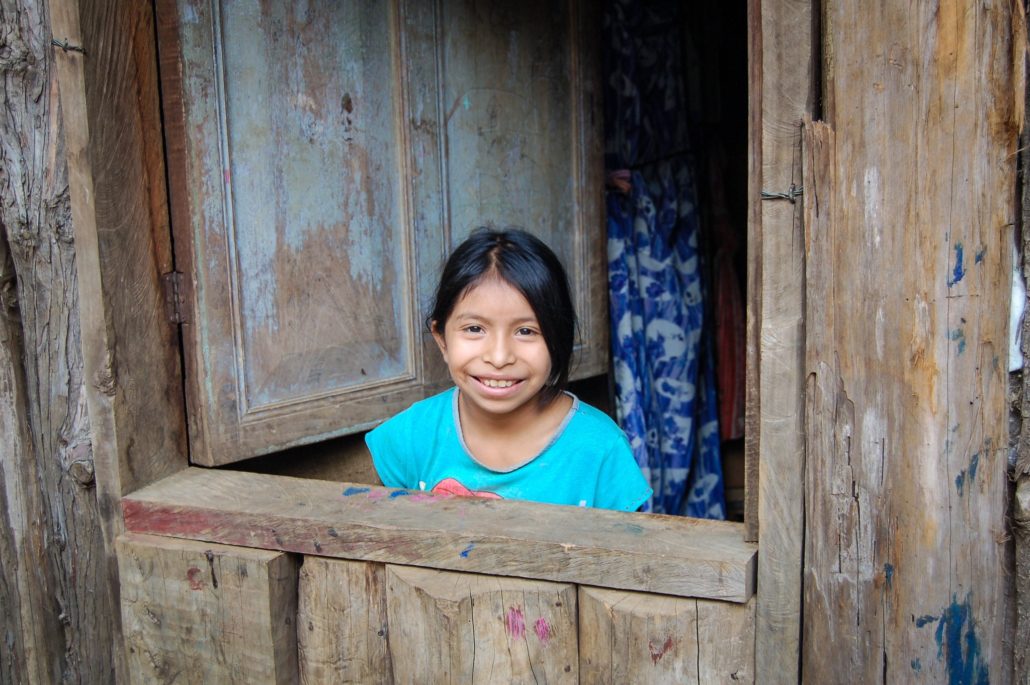
Right now, more than a quarter of Mexican children live in poverty. Many of these children lack the basic necessities for success, such as education, food and housing. As a result, the cycle of poverty continues. Mexico possesses a two-sided economy in which one side thrives with a growing GDP, while the other is overwhelmingly impoverished. This socioeconomic disparity results in devastating consequences for Mexico’s most vulnerable demographic- its children. Here are three important ways to help alleviate child poverty in Mexico.

3 Ways to Help Alleviate Child Poverty in Mexico

  1. Improve Education Quality: The dedication to education in Mexico is staggeringly low. As of right now, only 0.8% of Mexico’s GDP goes toward early childhood social investments. This percentage is lower than every other Organization for Economic Cooperation and Development (OECD) country other than Turkey. With nearly 5,000 Mexican children dropping out of school every day, the need for education reform is growing increasingly stronger. Only 62% of Mexican children reach high school and a mere 38% of Mexican adults between 25 and 64 have completed an upper secondary education. This is a startling statistic in comparison to the OECD average of 74% of adults between 25 and 64 having completed secondary education. Education directly links to poverty reduction; organizations such as Enseña Por México recognize the serious disadvantages that children in Mexico face as a result of their lack of effective schooling. Enseña Por México, a counterpart of the U.S. organization Teach for America, aims to expand educational opportunities in Mexico. Its methodology includes one-on-one teaching from education professionals in the hopes of bolstering academic, professional and social development. While the organization has been running for the past six years, it has served more than 60,000 students.
  2. Ensure Food Security: While rates of malnutrition in Mexico have dropped in recent years, the prime issue of food insecurity still prevails. Nationally, 13% of children under the age of 5 suffer from malnutrition. This percentage primarily comes from rural southern Mexico, where food insecurity is a prevalent issue. Food insecurity results from problems with availability, accessibility and consumption. The number of malnourished children in Mexico is not a result of the country’s lack of national food production; rather, it is a product of Mexico’s poor families lacking basic access to food. However, some are making efforts to help these underprivileged children and their families. Organizations such as the Southern Baja Food Security Alliance (SBFSA) are working to provide healthy food programs in rural areas of Mexico. The organization works in collaboration with community stakeholders to help institute education programs that teach citizens how to grow and harvest healthy foods. These programs reach into the particularly rural areas of Southern Mexico that suffer from food insecurity the most severely. These communities desperately need sustainable solutions to alleviate hunger in their communities and ensure proper nutrition for their children.
  3. Remove Children from Dangerous Situations: Homelessness is a frequent consequence of child poverty in Mexico. Mexico City has more than 14,000 underprivileged and street children. Housing instability results in a heightened number of at-risk youths. Stunted development physically, psychologically and behaviorally all inextricably linked to homelessness. These inhibited developments lead to children falling victim to issues like substance abuse, depression and mental health problems. The reasons why many children are homeless in Mexico are that they have learning disabilities, come from situations of domestic violence or have familial estrangements. Tragically, it is not uncommon to see homeless children as young as 5 years old attempting to sell trinkets on the streets of larger cities such as Mexico City or Puebla. Certain organizations have been working to take these homeless children out of their dangerous living situations. Mexico Child Link Trust, for example, works toward helping abandoned children with learning disabilities in Mexico. The organization provides housing for abandoned and orphaned children with learning disabilities, many of whom are prior street children. With more than 20 years of success, the Mexico Child Link Trust has helped numerous children gain sustainable housing. Meanwhile, Street Soccer Mexico A.C. uses soccer as a tool to help homeless and disadvantaged children transform their perspectives and attitudes. The organization receives aid from national and civic institutions to organize soccer training and tournaments for its members. Since its opening 6 years ago, Street Soccer Mexico A.C. has expanded its program to reach every state of Mexico.

Looking Ahead

Child poverty in Mexico is flourishing as a substantial portion of the Mexican population lives below the poverty line. A lack of education, food insecurity and homelessness plague many of their lives. While organizations work toward aiding these vulnerable individuals, an abundance of work still needs to occur to help the impoverished children of Mexico.

– Hope Shourd
Photo: Flickr

October 31, 2020
https://borgenproject.org/wp-content/uploads/borgen-project-logo.svg 0 0 Jennifer Philipp https://borgenproject.org/wp-content/uploads/borgen-project-logo.svg Jennifer Philipp2020-10-31 11:30:452024-06-11 23:17:203 Ways to Help Alleviate Child Poverty in Mexico
Children, Clean Water Access, Developing Countries, Global Poverty, Health

Teaching Sanitation Practices in Tanzania with Project SHINE

Sanitation Practices in Tanzania
Tanzania has made considerable strides in decreasing extreme poverty. For example, from 2007–2018, the country’s poverty rate declined from 34% to 26% (of the total population). However, this progress in poverty reduction has not translated as successfully when addressing sanitation. Improving sanitation practices in Tanzania directly relates to decreasing infant mortality and malnutrition. Currently, 23 million of Tanzania’s 57 million residents obtain drinking water from potentially hazardous sources. Acknowledging these disparities and the value of potable water in eradicating poverty, the initiative Project SHINE works in rural communities where low access to clean water and poor hygiene practices are common. The organization is on a mission to improve sanitation by inventing cost-effective, simple solutions that enhance hygiene in Tanzania.

Poor Sanitation and Resulting Diseases

Poor sanitation practices in Tanzania contribute to a host of preventable infections in the country. Tanzania suffers frequent cholera outbreaks, which cause extreme diarrhea and dehydration. Diarrheal disease is one of the largest contributors to child mortality in countries facing extreme poverty. Moreover, those who do survive, suffer developmental obstacles. Cholera, as well as the related disease typhoid, can transmit through drinking water polluted with human feces. Open excretion, a widely spread issue in Tanzania, is easily preventable by developing water sanitation infrastructure.

In terms of parasitic infections, malaria commonly transmits through mosquitoes. This illness and schistosomiasis easily spread due to a lack of proper drainage systems in Tanzania. Finally, skin, eye and oral infections are a common result of the lack of knowledge among Tanzanians regarding proper hygiene practices.

Rural communities in Tanzania learn and influence hygiene practices based on previously established knowledge and cultural practices. Therefore, many children are predisposed to the same habits — and therefore, the same risks as their families. To help combat these norms that often pose significant health risks, Project SHINE is introducing innovations in sanitation and hygiene for Tanzanians.

Sanitation and Hygiene Innovation in Education (SHINE)

Project SHINE uses science to educate children and motivate changes in their hygienic behaviors by cooperating with schools. The program also reaches out to parents and other community members to develop a better understanding of attitudes toward health within this field. Through its educational initiatives, Project SHINE engages pastoralists who, even though many children come from these families, often lack access to resources and are actively involved with livestock. In particular, SHINE highlights the importance of both animal and human health for these audiences.

Education Strategy: Science Fairs

Project SHINE promotes science fairs in its target schools to encourage greater conversation and education about sanitation. These events focus on three subjects: water, sanitation and hygiene. This project’s aim is to help motivate youth, health care workers and community members to adopt improved health care practices. The long-term goal of motivating future generations to permanently incorporate these habits into their daily routines is paramount.

During this process, teachers receive private training in separate workshops where they gain strategies for presenting hygiene and sanitation to students in engaging ways.

Students engage in these science fairs by conducting research and forming hypotheses. One project students can complete, for example, is to create sustainable hand-washing stations using local, low-cost materials. Project SHINE also incorporates a One Health Paradigm that emphasizes the connection between livestock, humans and the environment. Notably, this is a relevant framework for children from pastoral families. Overall, fitting sanitation practices in Tanzania into the school curriculum has become a priority for SHINE.

The Journey Ahead

Progress for hygiene and sanitation practices in Tanzania has been a long, difficult journey for many families who still struggle to obtain clean water. Nevertheless, interventions from Project SHINE have already made significant differences. The initiative is planning to expand to other parts of the community, including out-of-school youth and the disabled. Overall, the work of Project SHINE offers promise for the health and prosperity of thousands across Tanzania.

– Zoe Schlagel
Photo: Wikimedia Commons

October 27, 2020
https://borgenproject.org/wp-content/uploads/borgen-project-logo.svg 0 0 Kim Thelwell https://borgenproject.org/wp-content/uploads/borgen-project-logo.svg Kim Thelwell2020-10-27 01:30:302020-10-23 22:03:06Teaching Sanitation Practices in Tanzania with Project SHINE
Child Poverty, Global Poverty, Migration

‘Ice Boy’ Brings Hope amid Child Poverty in China

Child Poverty in China
‘Ice boy’ brought pity and awe when he first appeared in a viral photo back in January 2018 with his hair completely frozen and his cheeks intensely red, having walked an hour to school in freezing temperatures. The viral photo was just a glimpse into child poverty in China, a major ongoing issue. Wang Fuman, then 8, lived in extreme poverty with his sister, father, uncle and grandmother in the Yunnan province for his entire life. One can see an inside look at their dilapidated hut in an interview with the South China Morning Post, showing barely any furniture, a leaking roof during precipitation and limited supplies of food.

Where Fuman is Today

Fuman, now 10, is currently living in a new home thanks to the efforts of foreigners sending cash donations, heating items and much-needed supplies to the struggling family. One particular family involved in this effort is his new American friends from California. Carolyn Miller and her family took action to help the family after hearing about the news. They have since frequently connected with Fuman and his family through phone calls and belated birthday presents, promoting cross-cultural relations and understanding in the process.

However, the inevitable truth still remains: there are 96 million more ‘Ice Boys,’ girls and adults living in poverty in China according to the UNICEF PPP $3.20 data, and most of them lie in the western half.

Child Poverty in Eastern Versus Western China

The eastern half is where the vast majority of people reside as it bears more habitable conditions. The western half juxtaposes this as its population is scattered throughout the many inhospitable mountains and desert areas. This results in the majority of child poverty in China being located in the western half while the eastern half is home to financial hubs like Shanghai, Shenzhen and Guangzhou.

Mass Migration

For people like Fuman who live in the Yunnan Province and for the other people who live in remote areas in the provinces of the western half, a lack of opportunity causes mass migration from small villages where former rural villagers come into cities in droves. Many of these remote, small villages end up losing millions of people, leaving the villages as shells of their former selves. According to CNBC, in 2000, China had 3.7 million villages based on research by Tianjin University. That number dropped to 2.6 million, a loss of about 300 villages a day, by 2010. Usually, only one to three families remain in these small villages. In some cases, the villages become completely deserted. This leaves the villages with immense labor deficits, which impacts those without the means to migrate, just like in Fuman’s case. These villages that once comprised numerous jobs like teachers, construction workers, retail workers and others are all gone, leaving those who stayed behind to resort to subsistence farming as their only means of survival. This is why children like Fuman have to travel long distances and often in harsh, icy cold conditions just to go to school, which was what sparked Fuman’s ‘Ice Boy’ viral photo in the first place.

Despite these facts, Fuman and others remain optimistic about the steady progress that is occurring. People like Miller and her family do a great service to make life easier for families like Fuman’s. Raising awareness is integral to extending help to more people like Fuman, as it brings an increase in attention to child poverty in China. People are noticing more and more children in extreme poverty through similar viral posts and videos, attracting an increase in donations and aid for children in those circumstances. Fuman’s story shows that simply donating cash relief aid and basic supplies can indeed make a difference for child poverty in China.

– Justin Chan
Photo: Flickr

October 26, 2020
https://borgenproject.org/wp-content/uploads/borgen-project-logo.svg 0 0 Jennifer Philipp https://borgenproject.org/wp-content/uploads/borgen-project-logo.svg Jennifer Philipp2020-10-26 06:56:312024-12-13 18:02:16‘Ice Boy’ Brings Hope amid Child Poverty in China
Child Poverty, Global Poverty

5 Facts About Child Poverty in Palestine

Child Poverty in Palestine
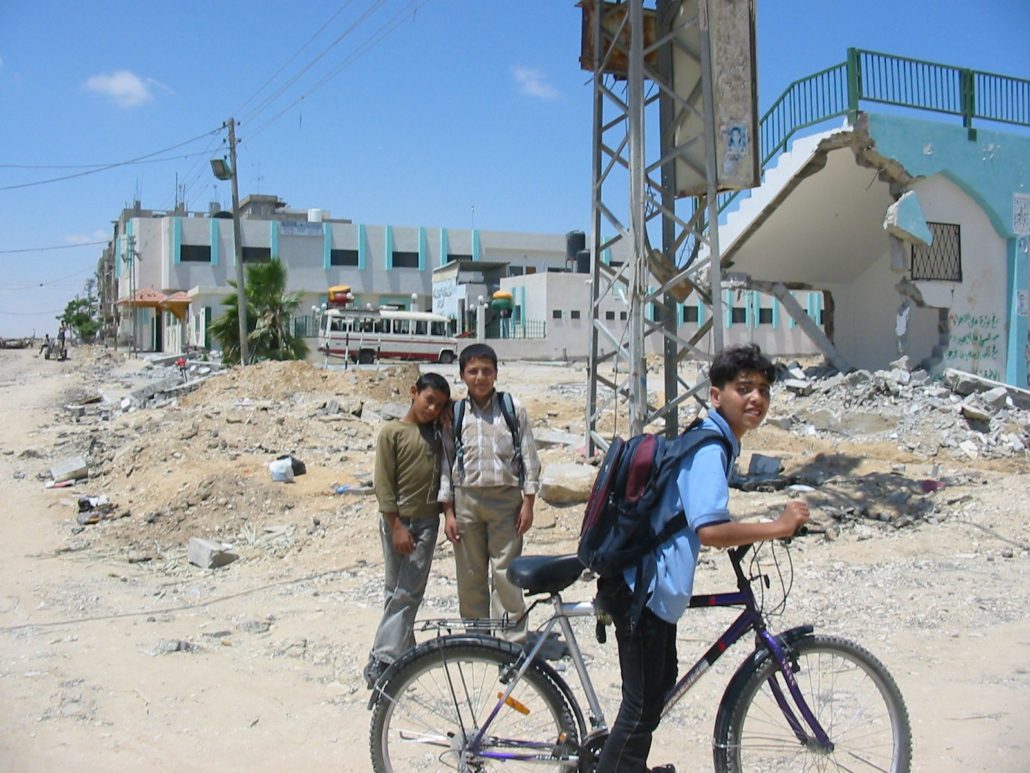
Palestine is an occupied state in West Asia with scattered claims over territories now under Israeli occupation, including Gaza, which borders the Mediterranean Sea and West Bank bordering Jordan. The territories of the West Bank and Gaza alone are home to 5 million Palestinian people. Decades of conflict with Israel over territorial disputes have left the country ravaged. Poverty, malnutrition and the worsening humanitarian situation in the region have deeply affected the living conditions in Palestine. This has caused increased child poverty in Palestine.

A UNICEF report in 2018 predicted that around 1 million children in Palestine were in dire need of humanitarian assistance. Additionally, it stated that one-third of the population was living below the poverty line with unemployment rates in Gaza peaking at 53.7%. The current COVID-19 pandemic has made the situation worse for Palestinian children. The Ministry of Social Development of Palestine suggested in April 2020 that nearly 53,000 families in Palestine were at risk of poverty in the very first few months of the pandemic. Here are some facts about COVID-19 and how it has impacted child poverty in Palestine.

5 Facts About Child Poverty in Palestine During the COVID-19 Pandemic

  1. Crisis in Gaza: The territory of Gaza, which is one of the most populated areas in the world, has been under a blockade that Israel imposed since 2003. This has further severed access to humanitarian assistance in the region. In September 2020, the Special Rapporteur on the situation of Human Rights in the Palestinian Territory commented that Gaza was on a brink of being unliveable. The prolonged blockade also led to a weak health care system in Gaza with hospitals lacking funding, medications, equipment and supplies. With closely packed settlements devoid of any prospect of physical distancing, frail health care systems and lack of basic humanitarian access, the COVID-19 virus has been ravaging the area and is massively affecting Palestine’s children. As of April 2020, more than 17% of the population with COVID-19 in Gaza and the West Bank were children.
  2. Education: According to a UNICEF report, as of 2018, nearly 25% of boys and 7% of girls in Palestine had to drop out of school by the age of 15. With an inflating economy, numerous job losses and an increasing number of parents unable to afford expenses related to education and transportation, these numbers may be higher by the end of 2020. The closing down of schools and transition to remote learning has had a deep impact on the education of children in Palestine. Data by the World Health Organization (WHO) suggested that around 1.43 million children in Palestine had to learn remotely, while 360,000 children lacked access to the internet.
  3. The Detainment of Children: Israel has detained a large number of Palestinian children. According to the U.N. Human Rights Office in the occupied Palestinian territory, 194 children were facing detention as of March 2020. Children in detention not only face a higher risk of contracting COVID-19, but they also experience torture and violence. A large number of children have also received convictions without committing any offense. The U.N. has called for the immediate release of Palestinian children in Israel, expressing valid concerns over the status and condition of detained children at a time when Israel has put a hold on legal proceedings and has suspended visits to prisons. With no foreseeable help, several Palestinian children are still in detention centers.
  4. Electricity and Water: Living conditions have degraded further due to the recent decision of the Government of Israel to block the fuel necessary for the operation of the only power plant in Gaza. Electricity supply, water treatment and sewage facilities in Gaza were heavily dependent on the power plant in Gaza. However, the lack of fuel has severely impacted health facilities, electricity supply and access to clean water for children in Gaza. Families in Gaza are struggling to thrive on reminiscent fuel resources, and are able to access electricity for only three hours in a day. This has also had a major impact on hospitals and health care systems as a lack of electricity is challenging their effectiveness. The region may soon run out of clean water, leaving children devoid of water to drink or wash hands with.
  5. Solutions: Amidst this double crisis lingering upon the children of Palestine, agencies of the United Nations including UNICEF, the United Nations Relief Works Agency and the World Health Organization (WHO) have been working intensively to provide relief to children and eradicate child poverty in Palestine. UNICEF and the Government of Palestine have issued recommendation-based solutions in order to ensure the rights of children during the pandemic while the UNRWA continues to provide aid to displaced Palestinian children. WHO has also come up with a response strategy through coordination of the various U.N. agencies and NGOs in order to combat violence and poverty among children, food insecurity, fragile health care systems and more. However, these organizations lack the funds to operate at their full capacity.

Looking Ahead

In the face of the current pandemic, child poverty in Palestine may spike at a rapid rate, which could result in a setback for a whole generation. Children in Palestine need the immediate and urgent attention of the world community so that another generation does not have to live with poverty, malnutrition and underdevelopment with immensely poor living conditions.

– Prathit Singh
Photo: Flickr

October 23, 2020
https://borgenproject.org/wp-content/uploads/borgen-project-logo.svg 0 0 Jennifer Philipp https://borgenproject.org/wp-content/uploads/borgen-project-logo.svg Jennifer Philipp2020-10-23 20:44:462022-05-12 12:20:535 Facts About Child Poverty in Palestine
Children, Global Poverty

Combating Disability and Poverty in El Salvador

Disability and Poverty in El Salvador
In El Salvador, poverty is the main impediment to child education. With a population of 6.4 million, the poverty rate decreased from 39% to 29% in 2017. However, the COVID-19 pandemic will likely negatively affect poverty reduction and economic growth in 2020, according to The World Bank. Disability and poverty in El Salvador are an obstacle for many children living in rural areas.

The fight against poverty and the current economic crisis accentuated the already existing lack of education for the deaf population. For this reason, Fatima Project swims against the current with the hope of instructing disabled children one by one. The project intends to create an educational system that teaches deaf children primary and secondary education so that they can access university and participate in it in the same way as their classmates.

The Situation

In El Salvador, there are four public schools for deaf people, but only one of them offers education from kindergarten to high school. On the other hand, few private schools provide the option for a deaf person to attend classes with an interpreter, who translates Spanish into a gestural language. In this case, the student’s parents fund the interpreter’s work. Moreover, only the University of El Salvador can offer education for the deaf and fully pay for the interpreter’s expenses. Still, the statistics are discouraging: Between 2010 and 2018, only eight deaf people graduated from college. In a deaf population of 88,000 people, what is the main obstacle and –most important- the ultimate solution?

From a Garage to NGO

In May 2017, Fátima Abarca -a deaf-mute teacher- established a small kindergarten education school for deaf children with help of the Forja Foundation, an NGO that provided the facilities. She received one classroom in Forja’s facilities in San Salvador, but that was enough to help 10 children from 3 to 7 years old. Abarca told The Borgen Project that “Becoming a teacher was a moral imperative that nourished from a deep conviction about the need to educate and guide children who like me, face hearing impairment.” The project began a few years before Fátima received a classroom when a group of parents approached her to ask for her help and she agreed to teach them in the only space available to her: the garage.

In rural areas of El Salvador, low-income families, who cannot afford education or transportation to public schools, often withdraw their children from school. In addition, some of those families have deaf children and do not speak sign language. Therefore, their children live in isolation. The latter triggered Fátima and her collaborators into action, knowing that those parents could not pay for the teacher’s services. Fundraising has kept the project going.

The project obtains funding from sponsors. For example, a donor will take on the responsibility of paying for one child’s tuition. Fátima uses the money that she has received to finance the project and pay for the teachers. Moreover, the Forja Foundation takes care of utility expenses. In addition, the NGO Gloria de Kriete awarded the project $5,000 for the category of community development in 2018. However, Fatima needs more funding to expand the project.

The Children

“The first years of age are crucial for a human being’s education. That is where we lay the foundations of knowledge for intellectual and moral development,” said Fátima. Fátima dreams of establishing a school that provides the education necessary for children to access a public high school and understand –just as she did- that the disability should not be a limitation.

Fabricio Hernández, 12, is one of her students. He has a cleft lip and congenital disorders that affect his hearing. He lives with his mother and his maternal grandparents. His mother works at a bakery to support their living. “Fabricio is an intelligent, outgoing child with an extraordinary thirst to learn,” argued his teacher.

Like Fabricio, 5-year-old Angélica Martínez struggles to learn due to the added difficulty of Asperger’s syndrome. For this reason, Fátima provides her with specialized lessons. Angelica’s parents are deaf too, so she is under the care of her mother and grandmother.

Meanwhile, Alison Diaz, 12, struggles with deafness and autism. Her parents’ divorce affected her. “Despite the difficulties that surround my star student, she has made progress in her behavior and has learned a lot,” Fátima reaffirmed.

The Effects of the COVID-19 Crisis on the Project

The school closed during the pandemic. In addition, the funds decreased because no parents were able to pay for the education the school provided. Thus, the pandemic has significantly affected children experiencing disability and poverty in El Salvador. Many of them, confined at home, do not have access to the internet. However, Fatima has found other proactive strategies to reach them: she sends schedules to parents through their mobile devices and uploads the lessons to her YouTube channel, proving that she has not given up on her fight against disability and poverty in El Salvador.

The project is a young dream. Freshly settled three years ago, Fatima has made progress in educating children who are struggling with disability in the face of poverty. Fatima has given them the opportunity to educate themselves and expand their threshold of opportunities.

– Paola Arriaza Avilés
Photo: Flickr

October 23, 2020
https://borgenproject.org/wp-content/uploads/borgen-project-logo.svg 0 0 Jennifer Philipp https://borgenproject.org/wp-content/uploads/borgen-project-logo.svg Jennifer Philipp2020-10-23 11:34:462024-06-04 01:08:48Combating Disability and Poverty in El Salvador
Child Poverty, Children, Global Poverty

Child Poverty in the Central African Republic

Child Poverty in the Central African Republic
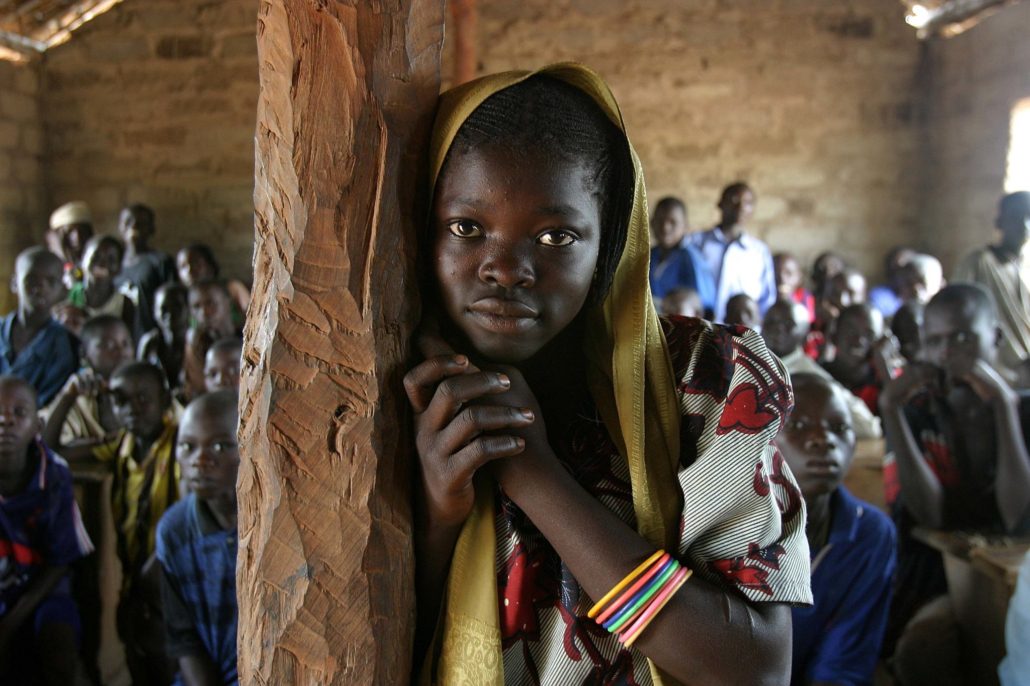
Poverty is an issue the Central African Republic continues to face. In fact, around 71% of the Central African Republic’s population lives below the estimated international poverty line. In particular, child poverty in the Central African Republic is prevalent with an estimated half of the country’s population being under the age of 14. Many of these children are born into poverty, a situation they did not choose.

The Central African Republic is also one of the most impoverished nations in Africa; about 60% of the population lives in poverty. Some of the largest issues that children in the Central African Republic face are low enrollment in primary school, various armed conflicts and malnutrition. While these are significant burdens, there are several solutions that should drastically improve the situation of child poverty in the Central African Republic.

Low Enrollment for School

In countries experiencing poverty, schools can be a safe haven for many children. Not only do they offer a stable and caring environment, but they can also offer a lifeline to many children with hopes and dreams of leaving their situation. There are schools in the Central African Republic, such as the Youth Education Pack, that specifically teach trades and other professions to help young people obtain skills during the COVID-19 pandemic. Youth Education Pack receives funding from Education Cannot Wait, a fund that is working towards providing education during crises.

The Central African Republic enrollment is incredibly low, with only 62% of boys and around 41% of girls enrolled in primary school. This creates a significant gap, with many children already deep into poverty not going to school to progress. One cause of this problem is the various armed groups in the country. One of these is the People’s Army for the Restoration of Democracy, which frequently kidnaps children and forces them to fight.

While some attend school, the problems continue. Around 6% of high schoolers in the Central African Republic complete school. One solution would be to dedicate more resources to education. Through schooling, many children in poverty in the Central African Republic would be able to both learn and grow, while progressing in their education and moving from their current living conditions. After-school programs could be of great use and benefit as well, allowing children to have a safe space away from their home lives. Baha’i communities are an incredible example, where they have found multiple ways to prioritize and bring education to children who need it. There is a definitive aspiration by many to boost education in the Central African Republic and more success stories such as the one in Baha’i are inevitable.

Armed Conflict

Unfortunately, warring groups often recruit or kidnap many children of the Central African Republic to fight as soldiers. While many generally consider the use of children in warfare abhorrent, children are often incredibly susceptible to this. They are much easier to manipulate through coercion and threats of violence to themselves and their families. These children often become physically and mentally scarred by what they have seen and done.

An effective solution is to create more programs to help reintegrate former child soldiers. As stated before, many of these children need psychological help. By being able to discuss their trauma with professionals, they are able to process what happened to them and recover from the lasting effects. Other programs must emerge to make sure children do not even join said groups in the first place, educating them on what happens when they become child soldiers.

There are efforts already on the ground to help reduce child poverty in the Central African Republic. For example, War Child has been successful in helping former child soldiers of the Central African Republic, aiding around 7,947 children in 2018 alone. Another such organization is UNICEF, which has been reintegrating child soldiers for nearly 13 years after signing an agreement with the government as well as a rebel group known as the Assembly of the Union of Democratic Forces. While there is a great deal that needs to happen, there is hope for the children of the Central African Republic who the armed conflicts of the region personally affect.

Malnutrition

A significant problem amongst impoverished children in the Central African Republic is malnutrition. It is almost a residual effect of poverty itself and of the other problems that children face in the Central African Republic, mentioned above.

Around 38% of children in the Central African Republic are chronically malnourished and in need of serious care. This is parallel to the armed conflicts as well as the considerable rise in both food prices as well as shortages. In fact, around 45% of people in the country suffer from some level of food insecurity. These problems create a cycle where a lack of food resources for farming creates poverty and poverty itself creates more food shortages.

Luckily, many organizations, like the World Food Programme (WFP), are helping combat child malnutrition in the Central African Republic. WFP began the Central African Republic Interim Country Strategic Plan in 2018, a plan which aspires to help many children and at-risk families receive food daily. This can and will tremendously help combat the issue at hand and ensure that many children do not go hungry.

WFP’s efforts extend towards schools with its school feeding programs as well. These programs have both had positive effects on school attendance as well as the nutrition of many children. Malnutrition might be a definitive problem facing the Central African Republic, but much effort is going into making sure children receive the proper nutrients daily.

While the impoverished children in the Central African Republic seem to be in an incredibly tough spot physically, mentally and emotionally, there is a future for them. Many organizations have dedicated themselves to helping them. Moreover, the granting of awareness about child poverty in the Central African Republic should help prompt others into swift action.

– Remy Desai-Patel
Photo: Flickr

October 22, 2020
https://borgenproject.org/wp-content/uploads/borgen-project-logo.svg 0 0 Jennifer Philipp https://borgenproject.org/wp-content/uploads/borgen-project-logo.svg Jennifer Philipp2020-10-22 15:20:072024-05-30 07:53:16Child Poverty in the Central African Republic
Child Poverty, Global Poverty

Tackling Child Poverty in Poland

Child Poverty in Poland
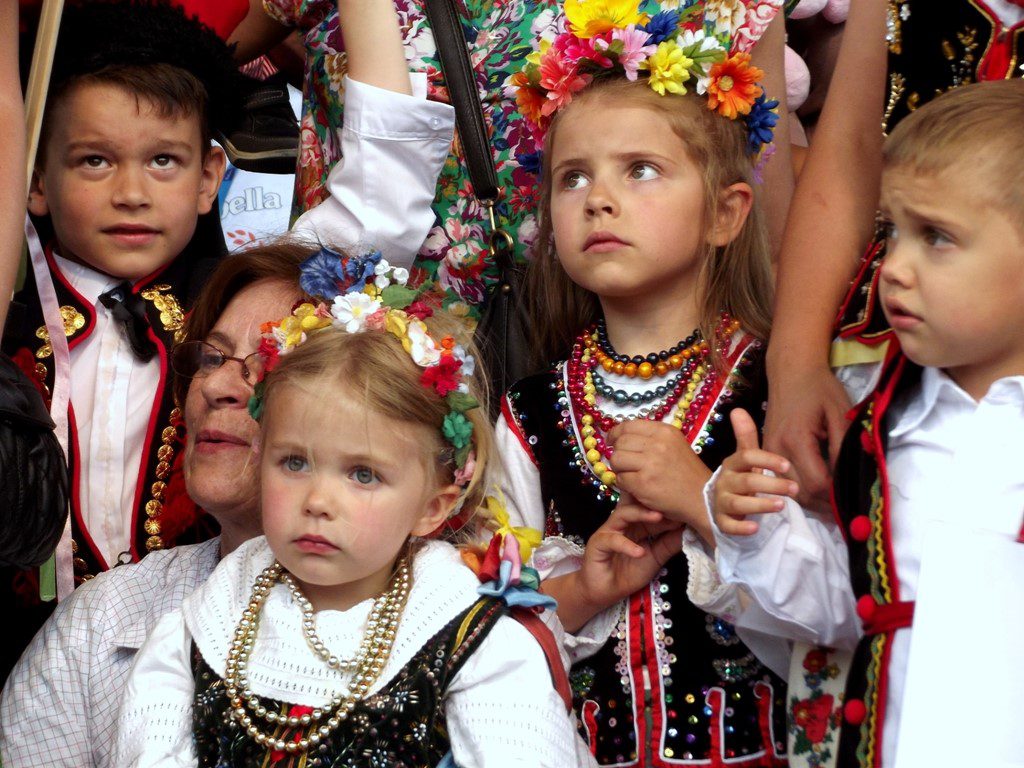
In 2016, child poverty in Poland was at a rate of 24.2%. The next year, the percentage of child poverty in Poland dropped to 17.9.

The Family 500+ Program

Although child poverty in Poland is declining, the country ranks in the middle among other E.U. countries. In large part, the country can thank the social policies that the Polish government has adopted, especially the Family 500+ program. This program benefits children where families with two or more children under the age of 18 receive PLN 500 per child monthly, regardless of income. Families with lower incomes receive the benefit for their first child as well. The program boosted additional financial support to about 12% of the average gross wage in 2016. The program shows a great increase in transfers to households living in poverty, as by design, it emerged to be supplementary to other social assistance programs and family benefits.

How the Program Helps

Although the World Bank has argued that the Family 500+ program could create undesirable outcomes, like female labor force participation, which would inhibit fertility rates within the country, the Family 500+ program is a tremendous aid to children in poverty in Poland. For instance, the Family 500+ program covers an estimated 55% of all children in Poland who fulfill the age requirement of being under the age of 18. Meanwhile, by the end of February 2017, the Family 500+ program covered more than 3.82 million children under the age of 18, totaling PLN 21 billion. This shows the Polish government’s commitment to alleviating child poverty in Poland, as the program has contributed to a dramatic increase in the government’s spending on children.

In addition to Poland’s new family benefits program that it launched in order to alleviate child poverty in Poland, the country has also increased efforts to boost birth rates through the program. According to a Eurostat report in 2015, Poland had one of the lowest fertility rates in Europe at a rate of 1.32 children per woman, placing Poland at the second-lowest, right after Portugal.

Success at Reducing Child Poverty in Poland

In a recent Oxfam report, which is an international charity based in Oxford, Poland placed 26th in the world for fighting inequality. In spite of this, Oxfam ranked Poland the best at utilizing social spending to fight poverty and alleviating child poverty in Poland. In fact, estimates have determined that Poland’s child poverty rate will reduce by 76%, because of the program’s cash transfers. Statistics Office shows a 13% to 15% increase in childbirth, as recorded in December 2016 and January 2017. Not only that, after the program’s introduction, rates of consumption and saving have increased and debt levels have decreased. This shows an increase in income which could, in effect, help to alleviate poverty in Poland as a whole.

The Family 500+ program proves to be a significant tool in eliminating child poverty in Poland.

– Danielle Lindenbaum
Photo: Flickr

October 21, 2020
https://borgenproject.org/wp-content/uploads/borgen-project-logo.svg 0 0 Jennifer Philipp https://borgenproject.org/wp-content/uploads/borgen-project-logo.svg Jennifer Philipp2020-10-21 08:02:432024-05-30 07:53:15Tackling Child Poverty in Poland
Children, Education, Global Poverty

Educating Children To Become World Citizens

Educating Children to Become World CitizensThere has been generally positive growth in the awareness of global issues for a long time now. Global poverty is one such issue. Cases of successful poverty reduction can be used as inspiration for encouraging global engagement from a young age. Educating children to become world citizens may very well inspire them to become future leaders for positive changes worldwide.

However, the subject of poverty can be a difficult concept for students to grasp. It is especially challenging for those who have no exposure to a world beyond their own. Teachers who feel passionate about exposing children to global poverty must consider the age of their students. Depending on the class’s age, teachers can determine the best methods and approaches for introducing such an important topic.

Potential Curriculums

  • Ages 6-10: For children at such a young age, the concept must be sensitively introduced. One such way to do this is by framing poverty through a story. A storybook allows children to make comparisons between someone their own age living in poverty and their own lives. Afterward, the lesson encourages them to ask questions and relate their own experiences to what they are learning about.
  • Ages 11-13: Children at this age are already more aware of the small differences between themselves and others. This awareness makes 11-13 the perfect age range to introduce children to cultures apart from their own. For the lesson, instructors may assign children a specific country that is facing extreme poverty and ask them to research schools in that country. Students may then compare the resources, teacher’s education and accessibility of the school they are researching to their own school. Documenting these differences in a notebook allows the children to then use the notebook as a reflection of what they have learned.
  • Ages 14-18: As young adults explore their lives and their futures, they are excited to explore different and new concepts. They are also developing their own opinions about their passions and beliefs. Exposing them to different artistic observations of poverty through documentaries and photography helps young adults see impoverished countries as unique and vibrant rather than poor and helpless. Additionally, young adults become more aware of their own finances at this age. Students making their own money for the first time are able to sympathize with lessons on the economy of poor countries, such as microfinancing and budgeting less than $1 a day.

Organizations Educating Children to Become Global Citizens

Exposure is critical when educating children to become world citizens. Introducing pertinent organizations and speakers who have been affected by global poverty or work closely in fighting it makes lessons come to life.

  • Edutopia, founded by George Lucas, this foundation is on a mission to transform education. One of its goals is to provide children with the knowledge that will help them in the real world when they grow up. The website provides teaching strategies including how to diversify what students are taught. The 5 Minute Film Festival is a resource through Edutopia that gives teachers access to various documentaries. The festival also includes the Change Series, published by the creators of the documentary Living on One Dollar. This includes episodes on the challenges developing countries face. Some such challenges include access to clean water, resources for natural disasters, and the prevalence of malnutrition.
  • CARE is an organization that works to make a difference in countries facing extreme poverty. They recognize education as a primary resource in poverty eradication and provide a toolkit for teachers addressing some of the major challenges in making poverty a thing of the past. CARE uses the United Nation’s Millenium Development Goals as guidelines for lessons and activities such as women empowerment, disabilities and diseases. 
  • TV Programs: Journalist David Brancaccio hosts PBS NOW, a program that addresses domestic issues but also goes beyond by looking at the world as a whole. The show addresses foreign affairs, the environment and health. Teachers can use the show’s various topics, such as child brides and climate change, to assist in educating children to become world citizens.

Hope for the Future

Children’s rising interest in international issues from an early age allows them to see the world from a different perspective. There has already been a lot of success in reducing global poverty. Yet, understanding challenges across the globe is often overlooked – even by people in wealthier countries that are given the luxury of education. By exposing children and allowing them to explore the world, teachers are educating children to become world citizens.

– Zoe Schlagel
Photo: Flickr

October 21, 2020
https://borgenproject.org/wp-content/uploads/borgen-project-logo.svg 0 0 Kim Thelwell https://borgenproject.org/wp-content/uploads/borgen-project-logo.svg Kim Thelwell2020-10-21 01:30:052024-06-04 01:08:47Educating Children To Become World Citizens
Children, Developing Countries, Education, Global Poverty, Health, Poverty

Addressing Childhood Blindness

Childhood BlindnessFounded by West Virginian Doctor VK Raju, the Eye Foundation of America responds to the ubiquity of childhood blindness. Though less common in industrialized nations, blindness affects many societies throughout the world. Globally, 2.2 billion people cope with cases of vision impairment or blindness, 12 million of which are preventable. According to the foundation, combating childhood blindness may be the most cost-effective health intervention.

Eye Foundation of America

Most instances of vision impairment result from eye conditions. When eye conditions obstruct the visual system and one or more of its functions, if not treated quickly and effectively, vision impairment leads to permanent blindness.

Dr. Raju, the creator of Eye Foundation of America (EFA), grew up in Rajahmundry, Andhra Pradesh, India. His medical career in ophthalmology brought him to his current residence of Morgantown, West Virginia. Following his journey from east to west, Dr. Raju strengthened his ties to India and other developing countries through EFA.

Childhood vision impairments have an impact on education as learning is done 80% through vision. Therefore, EFA revolves around a singular mission: eradicating childhood blindness. The principles of service, teaching and research, underscore operations of the foundation. EFA sets up medical clinics across the world focused on training staff on ophthalmological procedures, screening local populations for eye conditions and maintaining a functional vision for the youth.

In four decades, EFA made notable strides in combating childhood blindness and overall blindness. In 30 countries across the world, EFA trained and educated more than 700 doctors and medical staff, conducted three million vision screenings and saved the vision of more than 350,000 people through essential procedures.

Early Intervention Prevents Blindness

In an interview with The Borgen Project, Dr. Raju affirms the importance of proper sight for children, without which “the child becomes a problem to themselves, a problem to the family and a problem to society.”

Reducing childhood blindness requires early intervention. If health care personnel identify eye conditions in a child’s first two years of life, the visual cortex still has time to develop and function properly. Conversely, if doctors neglect vision problems during this critical period of growth, the brain cells may never learn to see.

Disparities Between Access and Affordability

Dr. Raju traces the pervasiveness of childhood blindness to accessibility and affordability rather than incidence. He offers his home state of West Virginia as an example. In 2018, the U.S. Census Bureau documented the West Virginia poverty rate at 17.8%, which is 6% above the national rate of 11.8%. Despite relative poverty, Dr. Raju asserts that West Virginia residents enjoy excellent health care and ophthalmological treatment, regardless of whether they have insurance.

Two-thirds of the 1.4 million cases of childhood blindness occur in developing countries where Dr. Raju sets up the majority of EFA’s clinics. Accordingly, The World Health Organization (WHO) reports, “The burden of visual impairments and eye conditions tends to be greater in low and middle-income countries and underserved populations, such as women, migrants, indigenous peoples, persons with certain kinds of disability and rural communities.”

Vision Impacts Global Poverty

Mahatma Gandhi once famously declared, “Be the change you wish to see in the world.” For Dr. Raju, the change is to see. Though often taken for granted, vision enables children to read, write and learn through seeing. Vision impacts education and education impacts poverty. Dr. Raju’s foundation addresses overall global poverty by addressing childhood blindness.

– Maya Gonzales
Photo: Flickr

October 20, 2020
https://borgenproject.org/wp-content/uploads/borgen-project-logo.svg 0 0 Kim Thelwell https://borgenproject.org/wp-content/uploads/borgen-project-logo.svg Kim Thelwell2020-10-20 03:15:082020-10-20 03:15:08Addressing Childhood Blindness
Children, COVID-19, Global Poverty

5 Facts About The International Day of Peace

International Day of Peace
The International Day of Peace has been occurring every year in September since 1981 and celebrates the building of a peaceful and sustainable world. Countries across the globe gather within communities to both reflect on past achievements and come up with what further progress they can accomplish. Here are five important facts about this International Day.

 5 Facts About The International Day of Peace

  1. A Celebration of Peace. According to The UN General Assembly, International Peace Day is “a day devoted to strengthening the ideals of peace, through observing 24-hours of non-violence and cease-fire.” Established in 1981, The International Day of Peace celebrated its 29th anniversary on September 21, 2020. Peace-related issues were on the agenda to discuss and practice throughout the day, with education and public-awareness being top priorities. The United Nations designates International Days to educate, mobilize and celebrate humanity’s achievements throughout the years. Chosen by the General Assembly, International Days are to align with the main goals of the United Nations that focus on peace, sustainability and humanitarianism.
  2. The Effects of COVID-19. Alpena Peace Coalitions 30 Days of Peace, also known as International Peace Day, usually occurs in September and October of each year but did not happen in 2020 due to health and safety concerns regarding COVID-19. These implications make it just as, if not much more, important to strive towards and celebrate peace during challenging times. Global communities observe this day differently. Whether it is organizing peace workshops, engaging in food festivities, putting up ‘peace poles’ or engaging in peace activities, the overall goal is to bring people together despite the differences they may have.
  3. The Symbolism of the Dove. The First International Peace Conference occurred in Paris in 1949, and it used Pablo Picasso’s ‘Dove of Peace’ as its emblem. Since then, people have known the dove as the most recognizable symbol of peace. Greek mythology and Biblical renderings also use the symbol of the dove, usually with an olive branch, to signify renewal and tranquility.
  4. New Communities’ Interaction this Year. Save the Children Philippines joined 2020’s International Day of Peace with the goal to end discrimination against children. Armed conflicts, natural disasters and the continued COVID-19 pandemic have placed children in vulnerable conditions that people often overlook. Save the Children Philippines is launching the Restoring Lives and Learning in Marawi project, which “aims to provide livelihood and emergency employment to displaced families during the Marawi Siege in 2017 and ensure continued learning of their children.” It will also establish new community projects and provide short-term employment for working-age men and women.
  5. The Significance of 2020’s Theme. The year 2020’s theme of “Shaping Peace Together,” is especially significant in the face of a global pandemic. In a time of division and outbreak, it is so important to come together as a community to advocate for change and peace. The poorest parts of the world have experienced the worst outcomes of this pandemic, increasing violence and forced migration. A statement that the Prime Minister of Canada, Justin Trudeau, released highlighted the progress that the world has made as well as what still requires accomplishing. He also pointed out the need for the world to work together as a “global community” towards fighting extremities that this pandemic continues to cause. Tackling not one, but multiple inequalities that that world faces as a global community requires the help of all citizens.

It is important to keep in mind that the main components that led the world to establish the International Day of Peace are ones to hold on to. Especially during a global pandemic, the power of coming together is so much greater than simply just standing back and waiting for the good to arrive. People have the means to help out the underdogs and this day is a reminder to do just that.

– Natalie Whitmeyer
Photo: Flickr

October 19, 2020
https://borgenproject.org/wp-content/uploads/borgen-project-logo.svg 0 0 Kim Thelwell https://borgenproject.org/wp-content/uploads/borgen-project-logo.svg Kim Thelwell2020-10-19 05:59:282024-05-30 07:53:045 Facts About The International Day of Peace
Page 61 of 137«‹5960616263›»

Get Smarter

  • Global Poverty 101
  • Global Poverty… The Good News
  • Global Poverty & U.S. Jobs
  • Global Poverty and National Security
  • Innovative Solutions to Poverty
  • Global Poverty & Aid FAQ’s
Search Search

Take Action

  • Call Congress
  • Email Congress
  • Donate
  • 30 Ways to Help
  • Volunteer Ops
  • Internships
  • Courses & Certificates
  • The Podcast
Borgen Project

“The Borgen Project is an incredible nonprofit organization that is addressing poverty and hunger and working towards ending them.”

-The Huffington Post

Inside The Borgen Project

  • Contact
  • About
  • Financials
  • President
  • Board of Directors
  • Board of Advisors

International Links

  • UK Email Parliament
  • UK Donate
  • Canada Email Parliament

Get Smarter

  • Global Poverty 101
  • Global Poverty… The Good News
  • Global Poverty & U.S. Jobs
  • Global Poverty and National Security
  • Innovative Solutions to Poverty
  • Global Poverty & Aid FAQ’s

Ways to Help

  • Call Congress
  • Email Congress
  • Donate
  • 30 Ways to Help
  • Volunteer Ops
  • Internships
  • Courses & Certificates
  • The Podcast
Scroll to top Scroll to top Scroll to top