• Link to X
  • Link to Facebook
  • Link to Instagram
  • Link to TikTok
  • Link to Youtube
  • About
    • About Us
      • President
      • Board of Directors
      • Board of Advisors
      • Financials
      • Our Methodology
      • Success Tracker
      • Contact
  • Act Now
    • 30 Ways to Help
      • Email Congress
      • Call Congress
      • Volunteer
      • Courses & Certificates
      • Be a Donor
    • Internships
      • In-Office Internships
      • Remote Internships
    • Legislation
      • Politics 101
  • The Blog
  • The Podcast
  • Magazine
  • Donate
  • Click to open the search input field Click to open the search input field Search
  • Menu Menu

Archive for category: Children

Information and stories addressing children.

Child Poverty, Education, Global Poverty

Tackling Child Poverty in Germany

Child Poverty in Germany
Germany is located in west-central Europe and has a population of more than 83 million people and rising. Despite being a wealthy country, child poverty in Germany persists and impacts millions of children all across the nation. Here are some facts about the issue and examples of how the German government and nonprofit organizations are trying to fix it.

Single-Parent Households and Immigrants Suffer the Most

A total of 2.8 million children in Germany live in poverty. This means that approximately 21.3% of those under 18 grow up without the resources and living standards their peers enjoy. The families that poverty most impacts are those that only have one parent to provide for the children. In fact, 44% of single-parent households are struggling with poverty. This percentage is even higher for immigrant families and large families.

Poverty in Germany Equals Severe Life Restrictions

While child poverty in Germany does not necessarily mean that all children affected are starving, it often presents noticeable consequences for their lives. Growing up poor often results in children lacking access to basic things such as cars or electronics that are increasingly necessary for education. It further impacts the children’s social lives, since they often cannot afford to participate in clubs and activities or do not live in places big enough to have friends over. Child poverty also links to an increased risk of health problems due to families not being able to afford nutritious foods and having less balanced lifestyles.

The Strong Families Act

The German government introduced and passed the Strong Families Act in 2019. The act intends to help families with financial struggles by reforming the child benefit supplement system. A total of one billion euros ($1.2 billion) that the German government spent between 2019 and 2021 is supporting the reform. The reform includes making it easier for families to access aid that the government provides and to have the maximum supplement increased to 185 euros ($224) a month. The Strong Families Act further encourages parents of low-income families to make more money, as the child benefit supplement no longer instantly reduces due to the extra amount they earn.

Child poverty in Germany has a significant impact on education and future perspectives for those it affects. A study from 2019 showed that 36% of 25-year-olds who had experienced poverty as children were still living in poverty due to a lack of resources. For reference, only 20% of 25-year-olds who did not grow up poor were having the same financial struggles. The German government is attempting to change that by investing 220 million euros ($265 million) yearly through the Strong Families Act. The money will pay for school meals and transport for families in need and further raises the aid for school materials from 100 euros ($121) to 150 euros ($182) each year.

SOS Children’s Villages Help Children in Poverty

Outside of the government, there are several nonprofit organizations that are trying to help children who grow up in poverty. A very well-known organization is SOS Children’s Villages, an Austrian organization with more than 40 locations in Germany. It provides a wide variety of services to families in need, including daycare, counseling and aid to help prepare poor children for their future. SOS Children’s Villages was especially supportive of unattended youth in need who came into the country as a result of the refugee crisis in 2015. The organization offered language courses, integration support and cared for the children’s emotional needs.

– Bianca Adelman
Photo: Flickr

January 22, 2021
https://borgenproject.org/wp-content/uploads/borgen-project-logo.svg 0 0 Jennifer Philipp https://borgenproject.org/wp-content/uploads/borgen-project-logo.svg Jennifer Philipp2021-01-22 07:30:482024-05-30 07:56:21Tackling Child Poverty in Germany
Child Poverty, Global Poverty, Slavery

Combating Child Poverty in Mauritania

Child Poverty in Mauritania
Mauritania in coastal west Africa is among the most impoverished countries in the world, with 31% of its 4 million people, or around 1.2 million people, living beneath the poverty line as of 2014. Consequently, child poverty in Mauritania is likely to be one of the gravest situations in the world, even though reliable data regarding child poverty is scarce due to the fact that 56% of births in Mauritania do not have legal documentation.

The Background

Despite the abundance of natural resources present in the lands and waters of Mauritania, decades of political and social instability coupled with corruption, oppression and a centuries-long history of ethnicity-based enslavement have created conditions that continually exacerbate child poverty and poverty in general. Other factors such as frequent droughts in and around the Sahara Desert in Northeastern Mauritania also deprive people of food and income to feed themselves or their children. Accordingly, one reliable indicator of the severity of child poverty in Mauritania is the fact that an estimated 19.2% of children under the age of 5 were underweight in 2018.

Child Poverty and Slavery in Mauritania

Poverty and slavery in Mauritania interconnect. Though Mauritania abolished slavery in 1981 and criminalized it in 2007, the persistence of the oppressive ethnic caste system continues to deprive the Haratine population, an ethnic minority in Mauritania, of receiving the social and economic freedoms that the rest of the country receives. As a result, 20% of Mauritania’s total population––and half of all Haratines–– remain enslaved, either explicitly through the threat of punishment or de facto due to socioeconomic discrimination and indentured servitude in 2018.

People inherited and often still inherit slave status in Mauritanian society. As a result, many children are born into slavery to serve the slave masters of their parents or the masters sell them to other families where they often suffer neglect and injury. This continuing cultural practice of hereditary slavery perpetuates a self-sustaining cycle of poverty in the Haratine population of Mauritania. This is one of the ways by which child poverty in Mauritania manifests itself––and by which the practice of slavery continues to maintain itself.

Education

As slaves, children do not receive an education that could provide them with valuable knowledge and skills to improve their living situation. As a result, the threat of living in near-certain poverty if they were to leave their master’s household traps children with their masters. With few viable alternatives to make enough money to live, “former [child] slaves (commonly descendants of slaves) continue to endure slave-like practices, including working for their former masters in exchange for food, money, and lodging” according to the U.S. Department of Labor’s Bureau of International Labor Affairs.

In 2014, estimates determined that 18.2% of children in Mauritania, ages 5 to 14 years old, were working and not receiving an education. An additional 10.8% of children in the same age group were reportedly splitting their time between work and school. Furthermore, UNICEF estimates that the primary school completion rate in Mauritania is 63% indicating that more than one-third of children in Mauritania do not receive a sufficient education.

Solutions

One promising solution that focuses on reinvesting in childhood development in order to break the poverty cycle is providing direct transfer payments to people––primarily mothers–– in impoverished villages on the condition that they attend classes on hygiene, nutrition and early childhood development. This program is jointly funded by the Mauritanian government, the World Bank, the U.K. Department for International Development and the French Agency for Development. Households receiving the payments have seen their families’ and their village’s living conditions improve as they take more care to prevent disease and malnutrition. One of the main objectives of the program is “to invest in the next generation and break the poverty cycle by tackling intergenerational poverty.”

Though Mauritania is currently one of the most impoverished nations in the world, its young population and abundance of natural resources should help the country achieve long-term prosperity.

– Willy Carlsen
Photo: Flickr

January 21, 2021
https://borgenproject.org/wp-content/uploads/borgen-project-logo.svg 0 0 Kim Thelwell https://borgenproject.org/wp-content/uploads/borgen-project-logo.svg Kim Thelwell2021-01-21 07:30:092021-01-27 08:19:26Combating Child Poverty in Mauritania
Child Poverty, Global Poverty

The Fight Against Child Poverty in Madagascar

Child poverty in Madagascar
Madagascar is among the developing countries experiencing high rates of poverty. Child poverty in Madagascar remains a pressing issue as the living conditions continue to push children into taking on work. Below are a few facts about how child poverty leads to child labor and what initiatives some have taken to eliminate both child labor and child poverty in Madagascar.

Child Poverty Overview

According to the Global Multidimensional Poverty Index 2020 (MPI), estimates have determined that 70.7% of the Malagasy population is living under the national poverty line. Malagasy children under the age of 18 suffer the most from multidimensional poverty.

Also concluded in the MPI 2020 report, of the 75 countries measured, 60 experienced a reduction in multidimensional poverty which includes Madagascar. However, child poverty in Madagascar showed the slowest reduction compared to other age groups in Sub-Saharan Africa.

Child Poverty Normalizes Child Labor

As a consequence of widespread poverty, Malagasy children must work to support their families. With limited access to education and other social services, the families and children have little choice other than work.

As the Bureau of International Labor Affairs reported, 32% of children between the ages of 5 and 17 work in hazardous conditions. The data also indicates that 68.8% of children aged 5 to 14 attend school and 38.8% of children attending school are also working. The three main sectors in which Malagasy children work are agriculture, mining industry and services such as domestic work and market vending.

According to recent studies, many end up working in agriculture or in mining and brick-making. In the U.S. Department of Labor’s 2020 List of Goods Produced by Child Labor, Madagascar goods appear four times including vanilla, sapphire, stone and mica. Mica first emerged on this list in 2020. The U.S. Department of Labor (USDOL) estimates that 10,800 children work in mica mining and sorting.

Solutions

In terms of policy and regulation, Madagascar has met all international standards on child labor since 2018. Extensive policies such as the National Action Plan to Eliminate the Worst Forms of Child Labor noted the government efforts. Although this is the case, enforcement of such laws and regulations remains weak. The Madagascar Ministry of Mines expressed that it was aware of the problem but lacked the resources for better regulation.

How the International Community Helps Reduce Child Labor

To counteract the lack of resources and weak enforcement, international organization and governments have implemented social programs addressing child labor in Madagascar and other effects of multidimensional poverty throughout the country.

Some notable programs include the Social Support and Reintegration Centers and the UNICEF Country Program. International organizations like the ILO, UNICEF and the World Bank support these projects.

SAVABE

Powerful countries like the U.S. also hold important roles in some of these projects. For example, USDOL funds a $4 million ILO project called Supporting Sustainable and Child Labor Free Vanilla-Growing Communities in the Sava region (SAVABE). SAVABE aims to reduce child labor in the production of vanilla.

To achieve its objectives, the project works with vanilla exporters to implement anti-child labor policies. In addition, the project trains local authorities to enforce child labor laws and develop a child labor database. The community outreach part of the project creates child protection committees to provide educational services. To improve child poverty in Madagascar, the project also provides vocational training programs targeting 15,000 impoverished households.

According to the 2019 SAVABE Project Interim Evaluation, the vocational programs extended to 9,893 households. The programs had 140 children aged 14 to 17 enrolled. Along with collaboration with local authorities on formulating and enforcing child labor policies, SAVABE also implemented local enforcement training, which had 48 participants in 2018.

The evaluation report concluded that the project had insufficient evidence to indicate improvement in living conditions due to incomplete implementation. However, there are enough indications to show that continued effort and complete implementation can lead to a reduction of child labor in Madagascar.

Looking Ahead

Continued support at the international front is evidently critical to the successful implementation of policy and social projects. For example, the operation and continuation of the SAVABE project depend on U.S. foreign aid which demonstrates the importance of funding to global poverty initiatives. International efforts like SAVABE contribute to protection from child exploitation and ultimately toward total eradication of child poverty in Madagascar.

To ensure the continuation of these projects, email Congress now in support of protection of the International Affairs Budget.

– Malala Raharisoa Lin
Photo: Flickr

January 20, 2021
https://borgenproject.org/wp-content/uploads/borgen-project-logo.svg 0 0 Jennifer Philipp https://borgenproject.org/wp-content/uploads/borgen-project-logo.svg Jennifer Philipp2021-01-20 07:30:492024-05-30 07:56:27The Fight Against Child Poverty in Madagascar
Child Poverty, Global Poverty

MamaOpe: Child Pneumonia in sub-Saharan Africa 

Child Pneumonia in sub-Saharan Africa 
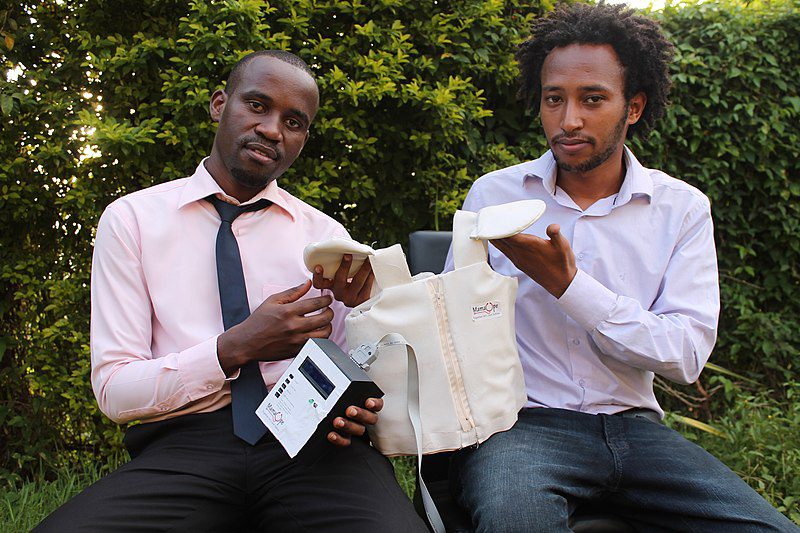
Pneumonia is the greatest cause of death for children globally. About 16% of deaths among children under 5 relate to this deadly condition. Every year, 500,000 cases of child pneumonia in sub-Saharan Africa occur within this age group. Many of these fatalities occur due to incorrect or delayed diagnoses. Brian Turyabagye, a Ugandan inventor, has created a solution for these inconsistencies; enter  “MamaOpe,” a biomedical smart jacket.

What is Pneumonia?

Pneumonia is a type of respiratory disease that primarily affects the lungs. Within the lungs are small sacks called alveoli, which fill with air when one is healthy. However, when a person is sick with pneumonia, pus and fluid convolute the alveoli, making it very difficult to breathe. Minor side effects include chest pain, incessant coughing and fever.

Child Pneumonia in Sub-Saharan Africa

Despite the tragic death rates due to pneumonia, medical professionals often misdiagnose it as malaria. Particularly in remote areas, malaria is also common and has similar symptoms to pneumonia. Many times, medical professionals do not discover the pneumonia prognosis until after a child has died. Furthermore, many communities in sub-Saharan Africa lack the proper equipment and medicine to adequately provide treatment. Although pneumonia is the most dangerous disease among children, it receives very low funding. According to UNICEF, “for every global health dollar spent in 2011, only [two] cents went to pneumonia.”

Solution: MamaOpe

Ugandan inventor Turyabagye created a biomedical smart jacket that increases the speed and accuracy of detecting pneumonia. “MamaOpe” means ‘mother’s hope’; the device received the name to honor the 27,000 Ugandan children who die of pneumonia each year. Through the utilization of this jacket, treatment can begin before the patient is too far gone. While Turyabagye invented this jacket, MamaOpe Medicals, of which Turyabagye is a co-founder, represents it. This organization continues to research and create digital solutions for respiratory diseases.

How Does it Work?

The child wears the jacket and a health care worker operates the corresponding controller unit. All it takes is the simple push of a button, and within three minutes, the results display. The device can detect signs unique to pneumonia, such as rate of breath, the sound of lungs and temperature. This technology avoids human error and provides an accurate diagnosis three to four times faster than a medical professional. Eventually, the goal is to program the jacket to work long distance. With this added feature, the patient does not need to travel to a doctor’s office and doctors can monitor the results from a distance.

The Effects

Currently, most major hospitals in Uganda have implemented this jacket. Moreover, expectations determine that the jacket will help at least 50,000 pneumonia patients each year. This invention eventually won first prize at Pitch@Palace Africa in 2017. Moreover, CNN ranked it as one of the top 12 African innovations that could change the world. Ultimately, while pneumonia is a complex disease, MamaOpe is an effective start for lowering rates of child pneumonia in sub-Saharan Africa.

 – Ella Kaplun
Photo: Wikipedia Commons

January 19, 2021
https://borgenproject.org/wp-content/uploads/borgen-project-logo.svg 0 0 Jennifer Philipp https://borgenproject.org/wp-content/uploads/borgen-project-logo.svg Jennifer Philipp2021-01-19 01:30:242024-05-30 07:56:26MamaOpe: Child Pneumonia in sub-Saharan Africa 
Child Poverty, Global Poverty, Poverty Eradication

Fighting Child Poverty in Indonesia

Child Poverty in Indonesia
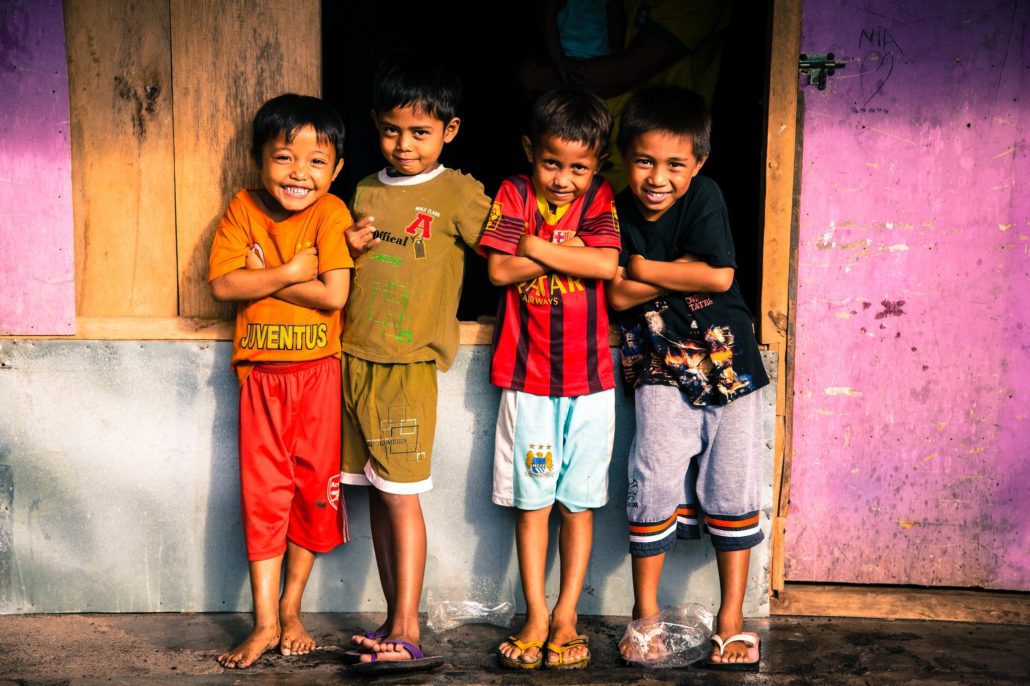
As a burgeoning upper-middle-income country that has dedicated decades to development, Indonesia has made remarkable strides in poverty reduction. However, the tragedies of poverty still plague Indonesia and, in particular, are affecting children across the archipelago. Even so, Save the Children in Indonesia is doing life-changing work to mitigate child poverty in Indonesia through a holistic approach that includes immediate relief and programs that help develop young people to subsist in a 21st-century economy.

Indonesian Development: 1960 to 1997

Today, Indonesia is the 10th-largest economy and a member of the coveted G20 organization, making it one of the world’s largest and most influential economies. Yet, to get to this economic level, Indonesia has had to marshal many economic ups and downs over the last six decades.

Between 1960 and 1967, Indonesia’s GDP per capita was a measly -.05%. This was largely due to the economy having a heavy focus on agricultural production. Nonetheless, the economy’s structure substantially changed over the next couple of decades, moving toward a process of urbanization, industrialization and a general opening up of the economy to the outside world. The reformation of the economy resulted in the GDP per capita jumping to 5.3% between 1983 and 1996.

Still, the 1997 Asian financial crisis substantially reversed decades of progress. Although the crisis began in Thailand when the government turned the local currency, the baht, into a floating currency; it had destructive effects on the rest of the Asian economies, particularly on Indonesia’s economy. By 1998, the rupiah, Indonesia’s national currency, lost 30% of its value, its private-sector debt exploded, inflation reached 65% and GDP growth was at a staggering -13.6%.

Naturally, the financial shock increased the rate of poverty in the country. The poverty rate jumped to 24.2% in 1998 from 17.7% in 1996, and in 1998, the GDP per capita contracted by 13%.

Indonesia’s Successful Fight Against Poverty: 2005 to 2025

After years of a slow and fragile post-crisis recovery, in 2005, the Indonesian government stepped up its fight against economic contraction and poverty with the National Long-Term Development Plan 2005-2025 (RPJPN). The plan set up three general development goals for Indonesia that the country codified in the preamble of the Indonesian constitution of 1948. These goals include an Indonesia developed and self-reliant, just and democratic and peaceful and united. The plan comprises four stages with each stage correlating with a newly elected administration that will tailor the project to its agenda.

The plan’s implementation over 15 years has included investment in infrastructure, human capital, health and wellness, science and technology, improving exports and developing Indonesia’s competitive advantages.

The plan’s success is borne out in the numbers: between 2014 and 2018, the GDP grew by 5% annually and, as one might expect, the unemployment rate decreased significantly with more than 9 million jobs created in the process. As a result, the poverty rate has been cut by nearly half since 1999 to 9.78%.

What About the Children?

Although Indonesia’s development strategy has paid dividends in reducing poverty, it has not been sufficient to keep many from falling through the cracks. Nowhere is the need to do more, more tragically clear than with the plight of children. For instance, 57% of Indonesian children “grow up in families living on less than twice the national poverty line.”

Moreover, although Indonesia has reached a near-universal education status, 14% of school-age children are out of school while 7% work in child labor.

Regarding health, one in 21 girls between ages 15 and 19 gives birth and 36% of children suffer from stunted growth due to malnutrition. Most sobering, however, is that one child in 40 dies before their 5th birthday, a rate that is four times that of the United States of America.

Save the Children and Child Poverty in Indonesia

Save the Children in Indonesia has been working in Indonesia for more than three decades to assist the government in providing relief for children across the country. The organization provides immediate relief in disasters, such as in 2019 after a deadly earthquake and tsunami. Just six months following the disaster, it set up shelters, clinics and temporary schools to provide necessary health care, water and hygiene supplies.

The organization has also managed a more holistic approach that meets immediate survival needs and cultivates young people to thrive in a modern economy. For example, the organization provides sponsorship programs that support “knowledge, behavior and physical growth” while also training teachers and principals on classroom management and academic skills. To this end, it also contributes to healthy learning environments by providing educational materials and hygienic supplies.

Perhaps Save the Children’s most ambitious and vital program for reducing poverty is its Youth Employment Program. Targeted toward the youth between the ages of 15 and 24, this program teaches skills to foster employability to create economic opportunities. The program has seen 5,000 young people graduate from employability skills training and has enrolled 3,600 in vocational training.

Indonesia has made significant strides in reducing poverty since the Asian financial crisis of 1997. However, the benefits of development often leave children out. As the government strives to fill in the cracks of those left behind, Save the Children in Indonesia is actively working toward eliminating child poverty in Indonesia by giving children a chance.

– Vincenzo Caporale
Photo: Flickr

January 15, 2021
https://borgenproject.org/wp-content/uploads/borgen-project-logo.svg 0 0 Kim Thelwell https://borgenproject.org/wp-content/uploads/borgen-project-logo.svg Kim Thelwell2021-01-15 18:32:242024-05-30 07:56:00Fighting Child Poverty in Indonesia
Children, Developing Countries, Education, Global Poverty

What to Know About Literacy in Ethiopia

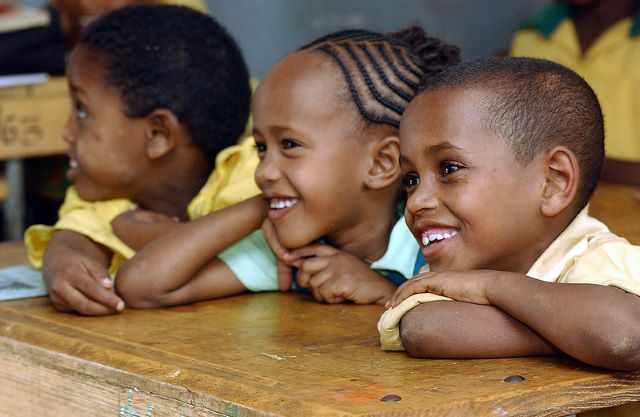
literacy in EthiopiaThere are 781 million adults in the world who are considered illiterate. This statistic reflects more than just the ability of people to read, it inherently ties to the poverty rate. In fact, 43% of adults with low literacy rates live in poverty. There are multiple issues that contribute to this, however, the most influential factor is education. Several programs address literacy in Ethiopia.

The Relationship Between Literacy and Poverty

In the fight against global poverty, education is a sought-after resource. With increased education comes increased opportunities for those within the community to contribute to the economy and increase their prospects. In order to bolster educational efforts, children must be able to read. Literacy is the foundation of learning and is directly responsible for the success of children in education as a whole.

Without this vital skill, children are unlikely to move on to higher education or secure high-paying jobs. This stagnant economic standing is perpetuated through families because parents with low literacy rates are 72% likely to pass that low literacy rate down. The resulting generational illiteracy is a detriment to the growth of communities because it cements them into a lower economic standing.

The World Bank underscores the importance of literacy in the fight against poverty. It has coined the term “Learning Poverty,” which refers to the inability of a child to read and comprehend by age 10. The severity of learning poverty aids in the prediction of future literacy and economic success. Additionally, the World Bank believes that this statistic is a useful indicator of whether or not countries are meeting global educational goals.

In relation to poverty, these goals are paramount to the rate of sustainable development in impoverished countries. Moreover, poverty would reduce by 12% if all students in low-income countries could read. As nations meet educational goals and literacy rates increase, impoverished communities have the opportunity to create sustainable change in terms of their economic standing and overall quality of life.

Illiteracy and Poverty in Ethiopia

Ethiopia has the second largest population in Africa, with 109.2 million people. Unfortunately, the country also suffers from rampant poverty — in 2016, 24% of Ethiopia’s population endured conditions of poverty. Poverty is a multifaceted and complicated issue, however, one can generally find a low literacy rate in countries with corresponding high poverty rates. In Ethiopia, this holds true because slightly less than half of the population is illiterate. Given the extreme disadvantage that low literacy rates puts on communities, there have been multiple efforts to improve the Ethiopian education system and increase literacy in Ethiopia.

The READ II Project

READ II is a project that focuses on the education of children considered at risk of school failure or drop out due to the cognitive, emotional and physical effects of hunger, violence and displacement. READ II spans 3,000 schools across 50 districts, ultimately wishing to expand the basic model to reach 15 million learners. Specifically, within the Addis Adaba, Tigray and Amhara regions, the project is working to improve the preparedness of teachers, increase support for women’s education and push for the widespread education of English.

The Unlock Literacy Project

Unlock Literacy is a project founded by World Vision in 2012 that has reached a total of 1.7 million children in the endeavor to increase the literacy rate in impoverished countries. Unlock Literacy commits to the implementation of teacher training programs, better educational resources and appropriate reading materials. The program acknowledges the fact that oftentimes rural areas are unable to attain reading material applicable to the children receiving an education. As a result, Unlock Literacy has aided in the creation of more than 1 million new books in the common languages of the students. Unlock Literacy has also seen success as children who could read with comprehension rose from 3% to 25% after the program.

READ TA

READ TA was founded in 2012 by USAID in partnership with the Ethiopian Ministry of Education in order to advance writing and reading among 15 million early education students. With READ TA’s methods, more than $17 million goes toward training 113,385 teachers in safe and practical learning initiatives. In recognition of low literacy’s association with poverty, the program also seeks to improve the student’s overall understanding of class materials. READ TA has accomplished this by giving schools the necessary educational resources designed to appeal to the student reading it. Additionally, READ TA has adapted 320 educational materials to address the local context of communities living outside of administrative regions.

With organizations and programs committed to improving literacy in Ethiopia, the prospect of reduced poverty in the region is hopeful, as is reaching the goal of alleviating global poverty overall.

– Stella Vallon
Photo: Flickr

January 14, 2021
https://borgenproject.org/wp-content/uploads/borgen-project-logo.svg 0 0 Jennifer Philipp https://borgenproject.org/wp-content/uploads/borgen-project-logo.svg Jennifer Philipp2021-01-14 05:46:202022-04-26 06:51:50What to Know About Literacy in Ethiopia
Child Poverty, Education, Global Poverty

Child Poverty in Tonga

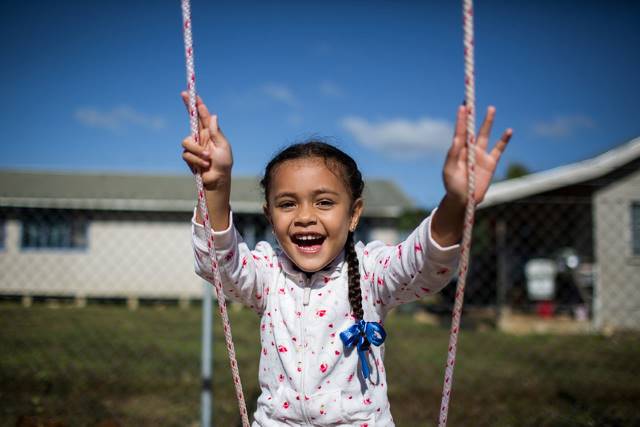
Child poverty in TongaTonga is a lower-middle-income Polynesian kingdom known for its 172 islands, 36 of which are permanently inhabited. Although child poverty in Tonga has greatly reduced, it remains a significant issue. Poverty continues to affect the children of Tonga in particular.
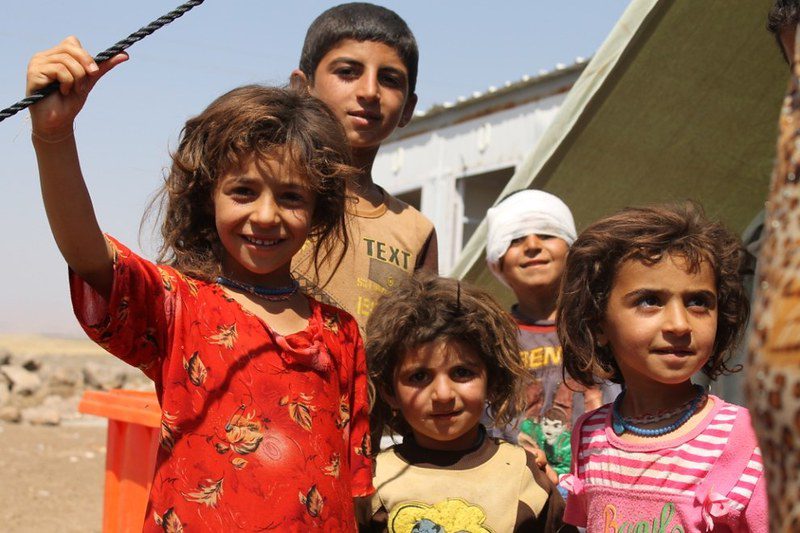
In 2015, 22.1% of the Tongan population lived below the poverty line. To put this into perspective, 4% of the Tongan population live on less than $1 daily and 6.7% of households fall below the dietary poverty line. Therefore, many families are unable to financially cover the cost of their daily food needs. Alarmingly, in most countries, there is a larger percentage of children in poverty than adults. This holds true with child poverty in Tonga, where 36% of children (~12,000 children) live in poverty compared to around 22% of adults (~63,000 adults). Poverty can impact multiple aspects of a child’s life, including their education and health. Consequently, many children in Tonga face disadvantages on account of poverty.

Education

First, children are dropping out of school to support their families as a result of child poverty in Tonga. Around 8% of children live in a household that cannot afford to provide three meals a day for all their children, while 13% cannot afford daily fruit and vegetables.

When the most vulnerable families cannot afford food, they simply live off their own produce. As a result, children must drop out of school to work in fields and plantations. Regardless of Tonga’s excellent education record, students from impoverished backgrounds often remain in their parent’s positions to survive.

By missing the opportunity to receive an education, children feel the effects of poverty for a lifetime. Thankfully, Tonga’s government implemented the Tonga Education Support Program, which seeks “equitable access” and “universal basic education” for its children.

Nutrition and Obesity

Second, the cases of obesity and other non-communicable diseases in children are increasing. According to 2016 estimates, 17% of Tongan children are overweight. While data on childhood obesity is more limited, a 2010 school-based survey found that one in five surveyed students were obese.

Nutritious food and regular time intervals for children’s meals are necessary components of developmental health, which impacts children’s ability to live up to their potential as adults. Even with groups such as the Ma’alahi Youth Project, which aims to decrease rates of child obesity, a study found that community-based intervention is not sufficient in preventing the increase of unhealthy weights. Longer and more intense changes are necessary on a sociocultural level.

Illness

Third, children are at risk of communicable diseases. WHO Global Health Observatory data show gaps in immunization coverage for all 12 universally recommended vaccines in Tonga. Data reveals a downward trend in immunization rates for some vaccines. This could reflect either a reduction in uptake or access issues. From 2000 to the present day, WHO recorded a 10% decrease in rates for several vaccinations. Prescribed medication also provides a monetary barrier.

Additionally, a lack of basic sanitation, hygiene and safe drinking water is an issue of mortality in the Pacific region. This tends to contribute to the spread of water-related diseases like diarrhea and impedes child development. There is growing evidence that clean water and sanitation facilities at home and in schools can improve school attendance and even learning outcomes for boys and girls.

Key deficiencies have been filled with funding from the Australian Aid-funded Tonga Health Systems Support Program (THSSP), which helps address critical staff deficiencies and stipulates that the Ministry of Health focuses on preventative measures. Thankfully, data shows that improvements are visible. In 2012, nearly one in four children lived in a household that could not afford their prescribed medication. Today, 15% of children live in such a household, a decrease of 10%.

The decrease in child poverty in Tonga can, in part, be attributed to the community-level organizations fighting poverty in Tonga. The largest is the Tonga Family Health Association, followed by ‘Aloua Ma’a Tonga, Vaiola Hospital Board of Visitors and Tonga Red Cross. They aim to provide health services directly to households through financing, training and education. Despite moderate success, child poverty in Tonga persists. It seems additional work is needed to successfully eradicate poverty in what is known as “The Friendly Islands.”

– Elizabeth Qiao
Photo: Flickr

January 14, 2021
https://borgenproject.org/wp-content/uploads/borgen-project-logo.svg 0 0 Jennifer Philipp https://borgenproject.org/wp-content/uploads/borgen-project-logo.svg Jennifer Philipp2021-01-14 01:30:172024-05-29 23:18:40Child Poverty in Tonga
Child Poverty, COVID-19, Global Poverty, Poverty Eradication

Innovations to Reduce Poverty in Iraq

Poverty Reduction in Iraq
The Middle East has been one of the world’s hardest-hit regions to date when it comes to COVID-19. Unfortunately, Iraq, and other low-income countries, bear the brunt of the damage resulting from economic recession and humanitarian woes. Since the summer of 2019, 4.5 million Iraqis have fallen into extreme poverty, increasing the total number of people in poverty to more than 11 million. The majority of those falling into poverty are children, with reports claiming two out of every five children in Iraq live in desolate conditions. Nevertheless, despite new challenges, the international community and regional actors are preparing to jump-start new innovations to reduce poverty in Iraq.

Previous Progress

Over the past 10 years, Iraq has undergone a series of changes. In 2015, the Committee on World Food Security (CFS) outlined a series of initiatives designed to reduce Iraq’s poverty and hunger. From creating job opportunities to building a more robust social safety net, the CFS set the groundwork for crucial innovations to reduce poverty in Iraq.

Additionally, in 2018, Iraq worked with regional and international partners such as the World Bank to introduce a $300 million social fund designed to reduce poverty and inspire sustainable development.

While previous efforts are laudable, in the wake of COVID-19 and the recent economic recession, global and local actors need to do more to reduce Iraqi poverty. This is especially true when considering how, in 2020 alone, Iraqi poverty was expected to double to 40% of the population.

Poverty Reduction Innovations for Refugees

In an effort to reduce poverty in Iraq, many international and regional actors have banded together to create innovative approaches. For instance, the U.N. High Commissioner for Refugees (UNHCR) recently launched a water, sanitation and hygiene (WASH) program. The WASH program sets up water sanitation systems in vulnerable refugee camps, Iraq hosting many of them. According to the UNHCR, “The system uses a series of networked, ultra-sonic water-level sensors that are installed in the tanks of water delivery trucks as well as static water tanks in refugee settlements to provide real-time data on water deliveries and consumption. It is based on the ‘Internet of Things.’ Physical objects are fitted with sensors in order to connect and exchange data over the Internet.”

The system maximizes inter-regional coordination and saves Iraq money, all while minimizing the effect of Iraqi poverty. Although these programs are now widespread across other countries, Iraq is one of the ‘pilot phase’ countries. The UNHCR is thus allowing Iraq to harness the findings and help one of its largest groups of victims of poverty, refugees.

While crumbling infrastructure and lack of access to food are primary causes of poverty, the inability to care for Iraqi refugees has hindered any development progress. In essence, in order to reduce poverty in Iraq, one must also consider poverty among Iraqi refugees.

Innovating Through Technology

Another innovation in poverty reduction is a medical app designed to connect Iraqis to affordable medication. The military conflict in Iraq has destroyed numerous hospitals, so medical care in the country is exceedingly scarce. This led Ameen Hadeed and developer Ammar Alwazzan to create the Pharx Pharmacy app. The app connects patients to more than 200 Iraqi pharmacies. This eliminates the private medical middleman that makes drugs so expensive. Moreover, the Iraq Response Innovation Lab recently decided to sponsor the future development of the Pharx app. This will allow it to expand all across the country, far beyond urbanized areas such as Mosul.

As technological innovations become more frequent in Iraq, the fight against poverty is a primary focus for tech innovators. Take, for example, Miswag, the Middle East’s oldest online market platform. Miswag has recently taken a new direction in Iraq. The market members made the market more affordable to buy food, groceries, clothing, books and many other daily necessities. While Miswag was not explicitly designed for poverty alleviation, its growing market of 700,000 customers makes goods more affordable while allowing locals to sell their products more efficiently, which helps innovate the fight against poverty.

Looking Forward

Building more robust markets that encourage investment and innovation is crucial to continue poverty reduction in Iraq. It will also ensure sustainable growth in the long term. Poverty is not a simple problem and Iraq has weathered many conflicts in the past couple of years. However, if the international community works together, the world can make a difference in reducing global poverty.

– Juliette Reyes
Photo: Flickr

January 13, 2021
https://borgenproject.org/wp-content/uploads/borgen-project-logo.svg 0 0 Jennifer Philipp https://borgenproject.org/wp-content/uploads/borgen-project-logo.svg Jennifer Philipp2021-01-13 12:38:532022-04-22 08:29:09Innovations to Reduce Poverty in Iraq
Child Poverty, Children, Developing Countries, Education, Global Poverty, Health, Poverty

Things to Know About Child Poverty in Costa Rica

child poverty in costa ricaDespite being one of the most progressive countries in Latin America in terms of free education, no military and access to health care, there are still many people living in poverty in Costa Rica and the youngest people are oftentimes hit the hardest. More than 65% of impoverished Costa Ricans are younger than 35 years old and children younger than age 18 make up the largest group of the impoverished. Additionally, many of the children facing child poverty in Costa Rica are Indigenous. When it comes to children, issues include child labor, child mortality and disparities in education.

4 Things to Know About Child Poverty in Costa Rica

  1. Primary school in Costa Rica is free and mandatory. Free primary level education gives many children access to the education system. However, many children who come from impoverished families or rural areas miss out on education because they need to work to provide for their families. In 2020, 316 primary-aged children were not attending school and about 4% of lower secondary school-aged children were out of school. As a country that is a major producer of coffee, agricultural work and harvesting is a priority in Costa Rica. In fact, during the coffee bean harvest, the teachers and students in impoverished regions in Costa Rica go to the farms to work in order to afford school supplies.
  2. Costa Rica has a large number of child trafficking victims. In 2011, Costa Rica noted 36,000 orphans. Due to lacking family structures or dysfunctional families, many vulnerable children are at risk of exploitation, drug abuse and gang violence.
  3. Low child mortality rates. Costa Rica has the longest life expectancy in Latin America and an effective health care system and has also made strides in child mortality. In 2020, the mortality rate of children younger than 5 stood at 7.9 per 1,000 lives births, according to World Bank data, down from 96 in 1960. Child mortality rates are higher among children who are born into families living below the poverty line, Indigenous families or rural families.
  4. Violence against children in Costa Rica is a concern. In fact, Costa Rica noted about 700 sexual violence cases in 2009, according to Humanium, though organizations believe many more cases go unreported. The physical and psychological abuse and violence that children endure have serious consequences for their development and health.

SOS Children’s Villages

SOS Children’s Villages initially started with a commitment to caring for orphaned or abandoned children throughout the world. There are SOS Children’s Villages in three cities in Costa Rica: San José, Limón and Cartago. SOS Children’s Villages aim to address child poverty in Costa Rica.

The organization provides Costa Rican children with daycare, education, medical services and vocational training, sports facilities and playgrounds. SOS Children’s Villages takes in children whose parents cannot take care of them. The organization has a comprehensive approach: preventing child abandonment, offering long-term care for children in need and empowering young people with the resources to reach their full potential.

The organization’s YouthCan! program trains adolescents to enhance their skills and competencies in order to achieve employment. In Costa Rica, where almost 100,000 young people faced unemployment in 2016, the youth development program lasts for three to 12 months. The program consists of life skills training, employability training and helping the youth find jobs and further training opportunities.

Through organizations like the SOS Children’s Villages, child poverty in Costa Rica can reduce.

– Naomi Schmeck
Photo: Flickr

January 12, 2021
https://borgenproject.org/wp-content/uploads/borgen-project-logo.svg 0 0 Yuki https://borgenproject.org/wp-content/uploads/borgen-project-logo.svg Yuki2021-01-12 07:30:112022-03-23 03:41:36Things to Know About Child Poverty in Costa Rica
Aid, Child Poverty, Children, COVID-19, Education, Global Poverty, Homelessness

Child Poverty in Argentina: A Crisis that Needs Action

Child poverty in ArgentinaPrior to the COVID-19 pandemic, many children in Argentina had been living in poverty. The pandemic has caused poverty numbers to soar due to COVID-19’s many negative effects. When considering the long-term presence and future impacts of poverty, it is all the more critical to help the children in this country and around the world. This article highlights facts about child poverty in Argentina and the work of some organizations on the ground helping such children.

The Current Situation

There has never been a more critical time for action than now. UNICEF estimates that 63% of Argentinian children will be living in poverty by the end of 2020 due to COVID-19. In August 2019, child poverty reached more than 50%, with 13% of children in a state of hunger. As compared to the year prior, this is an 11% increase. UNICEF estimates that, at the end of 2020, there will be an increase of 18.7% in extreme poverty among children and teenagers.

Child Poverty Statistics

The above figures depict that one in every two Argentinian children lives in poverty, which amounts to 5 million children. One million of these children are homeless. Those who do have homes often deal with difficult household circumstances. Many children are subject to child labor, which includes work as domestics or “house slaves.” These children end up working in illegal textile workshops, mining, construction or agriculture. The exploitation of child labor is commonly related to sexual exploitation. In response, Argentina has passed laws and social programs to end child labor and sexual exploitation. However, the fight to end these practices must continue.

As of 2017, nearly 20% of Argentinian children do not attend school. After the collapse of the economy nearly 20 years ago, funding for education was heavily reduced. Children living in poverty were the first to be affected as they had to work in order to provide for their families. There are also issues with violence occurring in schools. Corporal punishment still takes place when young school children misbehave, which can cause further behavioral problems while instilling the belief that violence is the norm.

As compared to the rest of the population, native children are at high risk for poverty, illiteracy and unemployment. For example, in the province of Tucumán, the Indigenous children and families live well below the poverty line and also endure illegal evictions from their ancestral lands. Additionally, these children are exposed to violence, malnutrition, disease and a lack of proper education.

Child Poverty Aid

Child poverty in Argentina seems rather defeating considering these statistics. However, there are multiple organizations that are on the ground fighting for the human rights, safety, health and happiness of Argentinian children.

One is Mensajeros de la Paz, a temporary home for vulnerable girls. Another is the Sumando Manos Foundation, which extends pediatric visits out to more than 7,000 at-risk children and their communities. The foundation also supplies food, provides critical medical and dental attention and teaches fundamental health care. There is also Fundacion Oportunidad. This organization increases opportunities for economic and social integration of young Argentinian women in situations of social vulnerability. Involvement in these organizations, as well as donation opportunities, are endless.

There are five dimensions of well-being that are vital to the success of childhood development: adequate nutrition, education, safe areas to live and play, access to health services and financial stability. The fight cannot stop until there is an end to child poverty in Argentina and until each child has access to the resources necessary for a healthy and prosperous life.

– Naomi Schmeck
Photo: Flickr

January 12, 2021
https://borgenproject.org/wp-content/uploads/borgen-project-logo.svg 0 0 Yuki https://borgenproject.org/wp-content/uploads/borgen-project-logo.svg Yuki2021-01-12 01:31:332022-04-22 05:58:20Child Poverty in Argentina: A Crisis that Needs Action
Page 54 of 137«‹5253545556›»

Get Smarter

  • Global Poverty 101
  • Global Poverty… The Good News
  • Global Poverty & U.S. Jobs
  • Global Poverty and National Security
  • Innovative Solutions to Poverty
  • Global Poverty & Aid FAQ’s
Search Search

Take Action

  • Call Congress
  • Email Congress
  • Donate
  • 30 Ways to Help
  • Volunteer Ops
  • Internships
  • Courses & Certificates
  • The Podcast
Borgen Project

“The Borgen Project is an incredible nonprofit organization that is addressing poverty and hunger and working towards ending them.”

-The Huffington Post

Inside The Borgen Project

  • Contact
  • About
  • Financials
  • President
  • Board of Directors
  • Board of Advisors

International Links

  • UK Email Parliament
  • UK Donate
  • Canada Email Parliament

Get Smarter

  • Global Poverty 101
  • Global Poverty… The Good News
  • Global Poverty & U.S. Jobs
  • Global Poverty and National Security
  • Innovative Solutions to Poverty
  • Global Poverty & Aid FAQ’s

Ways to Help

  • Call Congress
  • Email Congress
  • Donate
  • 30 Ways to Help
  • Volunteer Ops
  • Internships
  • Courses & Certificates
  • The Podcast
Scroll to top Scroll to top Scroll to top