• Link to X
  • Link to Facebook
  • Link to Instagram
  • Link to TikTok
  • Link to Youtube
  • About
    • About Us
      • President
      • Board of Directors
      • Board of Advisors
      • Financials
      • Our Methodology
      • Success Tracker
      • Contact
  • Act Now
    • 30 Ways to Help
      • Email Congress
      • Call Congress
      • Volunteer
      • Courses & Certificates
      • Be a Donor
    • Internships
      • In-Office Internships
      • Remote Internships
    • Legislation
      • Politics 101
  • The Blog
  • The Podcast
  • Magazine
  • Donate
  • Click to open the search input field Click to open the search input field Search
  • Menu Menu

Archive for category: Children

Information and stories addressing children.

Children, Global Poverty, Health

Greater Chernobyl Cause Helps Children in Ukraine

Greater Chernobyl CauseOn April 26, 1986, the Chernobyl Nuclear Plant in Ukraine exploded. The disaster occurred because of insufficiently trained operators and a problematic reactor design, leading to the reactor becoming unstable. The resulting fires and explosions destroyed the plant and triggered a 10-day long release of radioactive material that would devastate the land for centuries to follow. The Chernobyl disaster exacerbated poverty and caused long-term health and environmental impacts. The Greater Chernobyl Cause is an organization working to alleviate this issue of poverty in Ukraine, with a special focus on children.
Chernobyl’s Path of Destruction

When the power plant exploded, everything within about an 18-mile radius of it was immediately contaminated. This contamination included crops, which resulted in a large food shortage, impacting the agricultural sector. The livestock that consumed crops were also affected. Moreover, nearby bodies of water were contaminated, rendering them undrinkable and contaminating fish and soil.

The destruction of agriculture heavily contributed to the ensuing poverty from the nuclear accident. In the agricultural industry, farmers who relied on crops lost their livelihoods and their source of food security. Ukraine, the “breadbasket of Europe,” was unable to produce and harvest crops due to largely contaminated land. The impact on agriculture affected the entire economy.

The Effects on Citizens

The disaster also severely affected the health of residents near Chernobyl. The people exposed to the radiation from the explosion are at high risk of cancers and radiation-induced conditions. It is predicted that 4,000 people who were exposed 20 years ago may die from cancer or acute radiation. The catastrophe also significantly impacted people’s mental health as many evacuees believed they only had a short time to live because of radiation exposure.

The combined effects of poverty, disease and mental health issues hit children the hardest. Homelessness among children skyrocketed due to high rates of parent mortality and the impact of poverty. The Greater Chernobyl Cause estimates that 120,000 children live or beg on the streets in Ukraine. Many of these children are victims of radiation and have developed health issues, requiring shelter and medical assistance.

The Greater Chernobyl Cause

The Greater Chernobyl Cause is an Ireland-based charity working to help homeless children in Ukraine, particularly those affected by the disaster of Chernobyl. Its founder, Fiona Corcoran, horrified by the effects of the Chernobyl explosion, made it her mission to help the victims of the nuclear disaster. Now, she works full-time to fight the poverty caused by the Chernobyl disaster, especially focusing on affected children. The Greater Chernobyl Cause provides shelter, food and medical treatments for the children. The charity uses the donations it receives to build dormitories and develop education programs, among other endeavors.

The Chernobyl nuclear disaster had devastating effects on Ukraine and its people. Vulnerable children were harshly impacted by the calamity. With the support of organizations like the Greater Chernobyl Cause, some of these impacts can be addressed.

– Alison Ding
Photo: Flickr

May 8, 2021
https://borgenproject.org/wp-content/uploads/borgen-project-logo.svg 0 0 Kim Thelwell https://borgenproject.org/wp-content/uploads/borgen-project-logo.svg Kim Thelwell2021-05-08 07:30:072021-07-08 08:45:53Greater Chernobyl Cause Helps Children in Ukraine
Children

Playgrounds of Recycled Materials in India

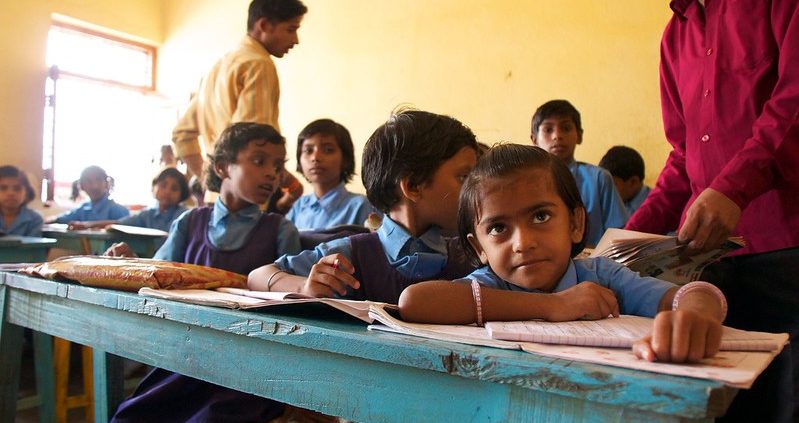
Playgrounds Made of Recycled Materials in IndiaOne of the lesser-known consequences of India’s rapid urbanization has been the lack of available playgrounds and recreational spaces for India’s youth. A recent study found that 90% of India’s youth never get to use a playground. This disproportionately affects children living in poverty. To improve the mental, physical and social health of India’s most impoverished urban youth, playgrounds, recreational spaces and sports need to be more accessible, especially in India’s urban slums. One method of providing such an outlet to Indian children is through the construction of playgrounds of recycled materials.
Indian Youth Face Disadvantages

With so few spaces to play, children resort to playing in dangerous places like on the side of the road, in construction areas or near railways. In addition to having exposure to more dangerous situations while playing, the lack of recreation space for India’s urban youth has other disadvantages as well. Daily physical activity has been proven beneficial to the mental and physical health of children by decreasing depression, reducing anxiety and strengthening the immune system.

Practicing sports and engaging in recreation have positive social effects for girls in particular. Girls who play sports and keep up with physical activity are less likely to experience an unwanted pregnancy, smoke cigarettes or consume drugs.

Anthill Creations

Anthill Creations is a nonprofit organization (NGO) in Bangalore, India, working to help solve the problem of the absence of recreation spaces for India’s youth through designing and constructing playgrounds out of recycled materials.

India’s landfills have an abundance of industrial materials such as tires, concrete pipes and scrap wood. While watching children play with scrap materials that litter the streets, the founder of Anthill Creations, Pooja Rai, came up with the idea to build playgrounds out of the same recycled materials and litter that one can find in and around India’s slums and landfills.

Anthill Creations relies on the input, trust and energy of the communities where the NGO works in order to design each playground specifically for that community. When undertaking a construction project, the team at Anthill Creations spends time with the local children for days prior to beginning construction; the goal is to both gain the trust of the local children and to understand what they would desire in their new playground.

The organization’s volunteers construct the playgrounds, oftentimes even attracting volunteer labor from the very communities in which the organization is working. Rai says this helps foster a sense of “ownership and responsibility” of and for the playgrounds among the local volunteers.

The Positive Impact

Anthill Creations coordinates with other NGOs, private corporations and local governments in order to maximize its positive impact on India’s urban youth. As a result of Anthill Creations and its projects for government schools, the nonprofit has been able to help reduce absenteeism; children are more excited to come to school when they have a new playground to play on. Anthill Creations also worked with the United Nations in order to construct playgrounds for Rohingya refugees from nearby Myanmar.

Anthill Creations projects are a sustainable way to provide low-cost recreational spaces and playgrounds to India’s children, while also repurposing India’s abundant scrap in a way that can benefit the country’s most impoverished communities.

– Willy Carlsen
Photo: Flickr

May 6, 2021
https://borgenproject.org/wp-content/uploads/borgen-project-logo.svg 0 0 Kim Thelwell https://borgenproject.org/wp-content/uploads/borgen-project-logo.svg Kim Thelwell2021-05-06 01:30:332021-05-04 14:13:22Playgrounds of Recycled Materials in India
Child Poverty, Global Poverty

Projects and Initiatives Addressing Child Poverty In Liberia

Child poverty in Liberia
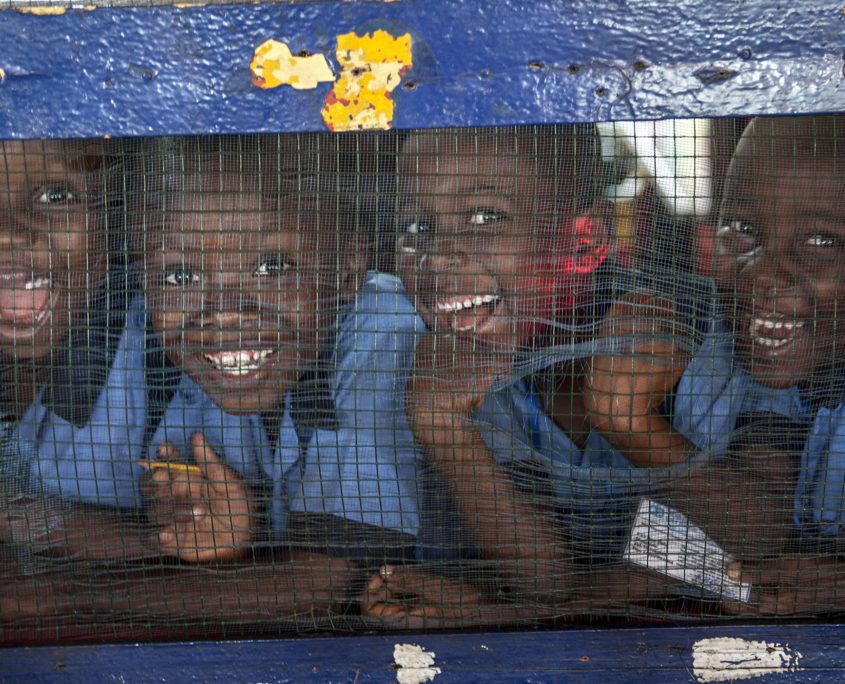
Faced with two civil wars, Liberia has experienced years of poverty. With more than 80% of Liberians living in poverty, the country has been trying to revitalize its economy. Child poverty in Liberia is significant as well. Moreover, the mortality rate for children is high. In addition to this, Liberia ranks in the bottom 10 countries on the Human Development Index. The Human Development Index considers life expectancy, education and income.

Child Poverty in Liberia

According to Action Against Hunger, a stable environment for those living in Liberia has yet to emerge. Funding for healthcare facilities has significantly decreased. Liberian children often do not have proper access to education and healthcare and frequently face abuse or trafficking. As a result of this, many children live on the streets. Furthermore, 40% of children suffer from malnutrition and one in five do not receive proper nourishment. Meanwhile, about 84% of Liberians live below the international poverty line and make around $1.25 a day.

Uncertain Employment Positions

The Liberia Institute for Statistics and Geo-Information Services (LISGIS) collected the following data. The overall information reveals that over 50% live in extreme poverty. In addition to this, 51.2% of families experience food shortages. This survey also shows that unemployment stands at 3.9%, meaning that Liberia has a low unemployment rate. However, the survey characterized around 79.5% of people as having uncertain employment positions whereas 79.9% of people had an informal form of employment.

While Liberia may have a low unemployment rate, many Liberians find it difficult to provide a stable life for their children and family as women average around 5.2 children. Due to small daily wages, women cannot meet children’s financial needs, reiterating the high mortality rate and low life expectancy that Liberian children experience. Due to a parent’s inability to care for a large family, children end up working at young ages.

Organizations Helping Liberian Children

For the past two decades, Save the Children has been addressing Liberian children that the civil war affected. This organization provides aid in areas such as healthcare and protection. It also assists children by providing them tools such as education and spearheading advocacy for child rights. The United States Agency for International Development (USAID) is one of many donors that helps Save the Children.

Action Aid is another organization that is assisting impoverished children in Liberia. Action Aid strives to attain social justice and equality and mitigate poverty. This group focuses on women and the younger generations to improve the quality of healthcare, education and children’s rights.

Many efforts have emerged to address the conditions in Liberia, including child poverty. The World Bank has provided $54 million International Development Association (IDA) credit to improve Liberia’s health services for women and children. The IFISH (Institutional Foundations to Improve Services for Health) project has spearheaded the expansion and operations of hospitals. An example is the Redemption Hospital located in Montserrado County. The multiple projects and initiatives should hopefully aid in the elimination of child poverty in Liberia.

– Nicole Sung
Photo: Flickr

May 1, 2021
https://borgenproject.org/wp-content/uploads/borgen-project-logo.svg 0 0 Jennifer Philipp https://borgenproject.org/wp-content/uploads/borgen-project-logo.svg Jennifer Philipp2021-05-01 11:50:292024-06-04 05:25:36Projects and Initiatives Addressing Child Poverty In Liberia
Children, Global Poverty, Health

5 Reasons Why Child Mortality in Egypt Decreased

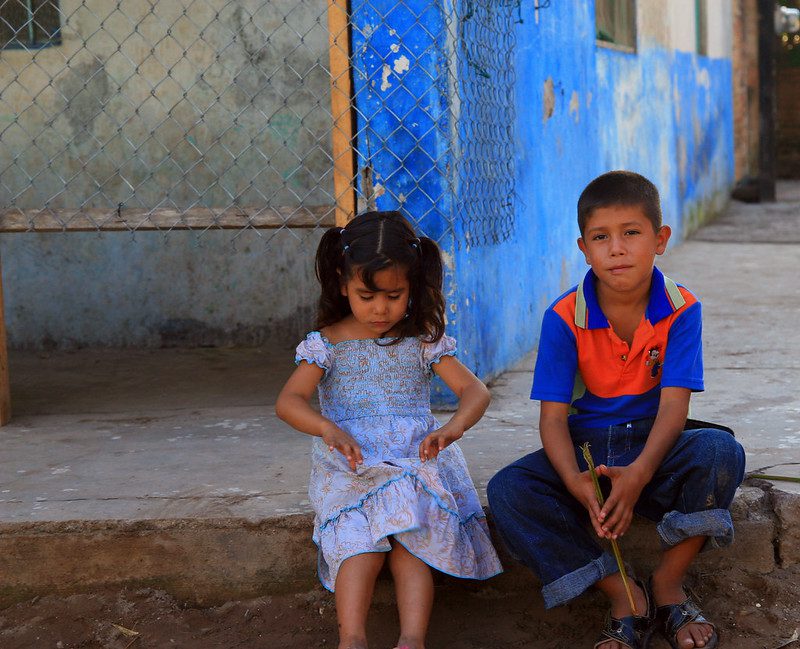
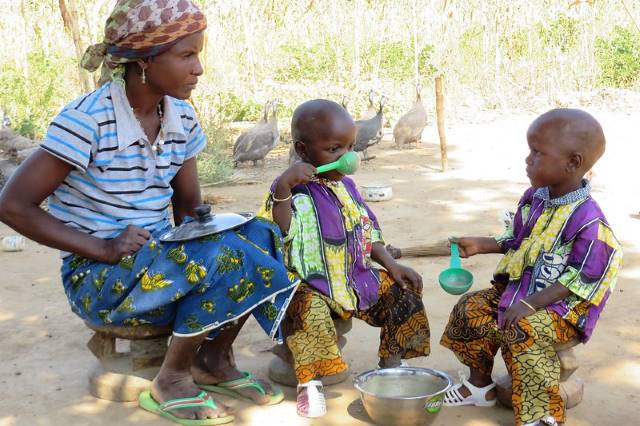
Child mortality in EgyptIn 2020, the rate of child mortality in Egypt was about five times lower than the rate in 1990, a crucial improvement that displays the effectiveness of programs addressing the issue. Since 1994, the government and partnering NGOs have made significant efforts to reduce child mortality in Egypt. As a result, the country has surpassed its objectives for Millenium Development Goal 4. There are several reasons for Egypt’s considerable success in improving children’s health.
5 Reasons for Decreased Child Mortality in Egypt

  1. Public health programs. Arguably one of the most significant projects in the fight against child mortality in Egypt is the government’s immunization campaign. With the introduction of the Expanded Program of Immunization (EPI), infants received greater protection against diseases such as polio, tuberculosis and tetanus. More than 90% of children aged 18-29 months were fully immunized in 2014. Additionally, the government established initiatives centering on mothers’ health. The Healthy Mother/Healthy Child Programme from 1993 to 2009 was significant in reducing socioeconomic and regional disparities in child and maternal health facilities and services. The program played a part in the increase of medically assisted deliveries from 38% in 1988 to 80% in 2008.
  2. Government partnerships with NGOs. The resources and support provided by NGOs boosted the success of government programs. The Ministry of Health and Population worked closely with UNICEF as part of the Young Child Survival and Development program to launch initiatives to improve maternal and child mortality by ensuring services in disadvantaged areas to promote health, nutrition and hygiene awareness. The World Bank also financed the Health Quality Improvement Programme, which focused on improving the quality of care in Egypt’s medical facilities located in the most impoverished areas.
  3. Improvements in health sector infrastructure and access. As of 2014, there were 5,000 public primary care facilities and 1,100 public hospitals across Egypt. This, in addition to well-developed roads, means most rural and urban citizens reside within five kilometers of a healthcare center. All these factors mean healthcare is widely accessible. Furthermore, the number of trained medical professionals has increased. Between 1990 and 2012 the number of doctors per 1,000 individuals increased by a factor of 8, according to the World Health Organization. Although regional discrepancies still exist, the Egyptian government continues to establish legislation and programs to improve health.
  4. Health information monitoring and sharing. The collection of data on child mortality rates and general health has allowed the government to monitor progress and implement more informed healthcare strategies. Data has informed previous child and maternal health programs and has contributed greatly to the successes of initiatives. The government has prioritized broadcasting messages through the media to educate people on steps to take to improve maternal and child health.
  5. Government actions and priorities. The government’s commitment to women’s and children’s health has contributed to the decrease in child mortality in Egypt. During the years 1989-1999 and 2000-2010, the health of mothers and children became a principal concern for the Egyptian government. Furthermore, the 1988 creation of the parastatal National Council for Children and Mothers prioritizes the needs of mothers and children and ensures that legislation prioritizes children and women too.

A Better Future

Though socioeconomic inequalities remain, Egypt has made many improvements in children’s health. Through cooperation with NGOs, government health programs and a revitalization of the health sector, child mortality in Egypt has decreased exponentially. With continued efforts to promote maternal and child health, Egypt has laid a strong foundation for continued success.

– Sarah Stolar
Photo: Flickr

May 1, 2021
https://borgenproject.org/wp-content/uploads/borgen-project-logo.svg 0 0 Lynsey Alexander https://borgenproject.org/wp-content/uploads/borgen-project-logo.svg Lynsey Alexander2021-05-01 05:18:532024-05-30 22:23:385 Reasons Why Child Mortality in Egypt Decreased
Children, Global Poverty, Migration

EU Program Protects Children in Migration

children in migration
In February 2021, the European Union announced the new EU Global Promotion of Best Practices for Children in Migration Programme in collaboration with UNICEF and the U.N. Refugee Agency. This initiative aims to ensure protective services for migrant children. The year 2020 marked the highest migrant population ever recorded with 280.6 million people. Nearly 15% of this population are children younger than 19. Extra care is necessary to ensure this vulnerable group can receive proper protection.

Creating the Programme

Children in migration are often at risk of gender violence, physical harm and exploitation as they travel to their destinations. This is due to a lack of resources, inadequate government protection and spending long periods in immigration detention facilities. The EU created its Global Promotion of Best Practices for Children in Migration Programme to address these risks of abuse in order to better protect minors in these situations. These protections are especially crucial because of the rising number of unaccompanied children in migration.

The plans include training for government officials who work with migrating children, increasing awareness of gendered violence and alternative care plans for migrant children to replace traditional immigration detention. Efforts will go toward providing education for officials to recognize child abuse and learn proper intervention techniques for the child’s safety. The program will focus on the countries El Salvador, Mexico, South Africa and Zambia.

The program expects to use approximately €7.5 million in funding and already received €7 million from the European Union by its launch date. Hopes are high that the program will protect many children within its 30-month duration; in Mexico alone in 2019, an estimated 52,000 children had to migrate.

The Risk of Gender Violence for Children in Migration

Children in migration are incredibly vulnerable to gender violence. This consists most commonly of sexual violence and exploitation. Perpetrators can easily take advantage of children without families, safe housing options or defenses. Migrating children are often subject to rape, sexual assault or even human trafficking while traveling to their final destination.

Small case studies from around the world report high rates of migrant children experiencing gender-based and sexual violence. However, the exact rates are difficult to find because so many cases go unreported. Since most children in migration do not have legal protection or support, they do not report assaults in their destination country. Girls are more likely to face gender violence, but migrant boys also report high rates of sexual violence. While migrant boys and girls face different challenges, both need special protection.

Research has found that officials are under-trained to properly care for abused children’s needs once they reach safety. Increasing psychosocial training to assist children with sexual abuse or trauma could better prepare officials in locating resources to aid the child’s mental or physical needs.

Options for Alternatives to Migrant Children in Detention

UNICEF is educating partners on alternatives to putting migrating children in immigration detention, especially when the children do not have accompaniment. Some children in detention have even reported sexual abuse and neglect by center workers. These children need special protection even in an environment catered toward caring for migrating children.

Instead, UNICEF’s recommendations include new foster care programs or homestays with families who are trained and willing to house unaccompanied minors or children whose parents are detained in immigration detention. Additionally, referral networks must inform migrants of their rights and point children in migration toward protective environments.

Hope for Migrating Children

While the EU Global Promotion of Best Practices for Children in Migration Programme is focusing on only four countries in the world, the findings from this project can be instrumental in pioneering solutions for government officials and social workers across the world working to support children in migration. With increased intervention and assistance, children in migration can safely seek refuge without fear of abuse.

– June Noyes
Photo: Flickr

April 30, 2021
https://borgenproject.org/wp-content/uploads/borgen-project-logo.svg 0 0 Kim Thelwell https://borgenproject.org/wp-content/uploads/borgen-project-logo.svg Kim Thelwell2021-04-30 11:34:492024-05-30 22:23:02EU Program Protects Children in Migration
Children, Developing Countries, Global Poverty, Health, Hunger

Addressing Malnutrition in Burkina Faso

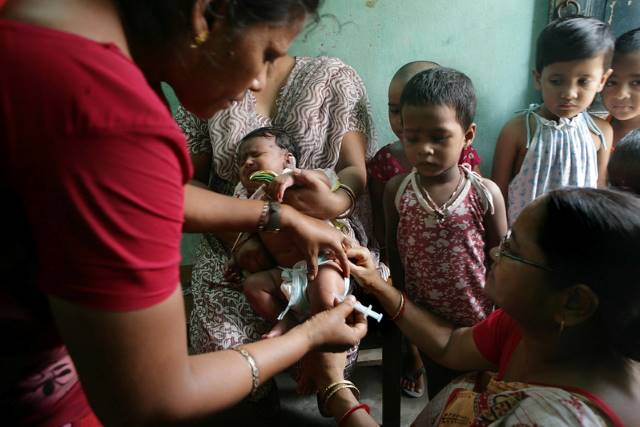
Malnutrition in Burkina FasoBurkina Faso is a country in West Africa that is home to more than 20.9 million people. The Burkinabe people have dealt with ongoing instability, displacement and food insecurity as the result of the dissolution of a government regime in 2014. With 40% of the country’s population living in poverty, there is a clear need for humanitarian assistance. Humanitarian organizations like the World Food Programme have been working to help combat food insecurity and malnutrition in Burkina Faso.
Current Situation in Burkina Faso

The World Food Programme (WFP) released its 2020 Annual Country Report for Burkina Faso, which contains various statistics and the humanitarian goals for the country until 2023. Burkina Faso has experienced an 80% increase in the number of internally displaced people (IDPs) since 2019, with more than one million IDPs. The WFP estimates that 15% of the country’s population, or 3.3 million people, face food insecurity.

Save the Children, a humanitarian aid organization, states that more than 1.5 million children under 5 are affected by the nutrition crisis in Burkina Faso. COVID-19 has worsened the situation in Burkina Faso as it becomes more difficult to get humanitarian aid to those in need. Other factors contributing to the current food insecurity crisis in Burkina Faso include the armed conflict, droughts and poverty.

Humanitarian Response

The WFP states that the number of people it reached in 2020 doubled compared to 2019, with the WFP reaching more than two million people. The WFP has worked in Burkina Faso to provide people with cash transfers and emergency school feeding initiatives. It also provided more than 305,000 children as well as pregnant and lactating women with treatment for acute malnutrition. The organization’s ability to help the Burkinabe people weakened as COVID-19, access and security restraints as well as regional instability made it more difficult for assistance to reach vulnerable populations.

Save the Children has been working in Burkina Faso since 1982, reaching more than 85,000 children in 2020. The nonprofit is focusing its efforts on providing children with a healthy start to their lives, providing children with opportunities to learn and protecting them from any potential harm. The organization has been working with the Burkina Faso Ministry of Health to strengthen healthcare systems in the country. The organization has programs that provide food assistance, clean water, sanitation and hygiene products to children, pregnant women and mothers.

Save the Children works with schools and teachers to create literacy centers to improve the quality of education for children. An alternative education program called Youth in Action focuses on providing an education to IDPs and children without access to school. The education program focuses on literacy, basic finance knowledge and developing life skills. The organization is also working to protect children from dangerous jobs, educating people on ways to protect their children and promoting parenting methods that support children. Other efforts also promote local organizations that are actively working to provide children with more opportunities and end child marriage in Burkina Faso.

Looking Forward

With 40% of the population living in poverty, increasing insecurity from conflict and more than a million IDPs, Burkina Faso is facing a growing humanitarian crisis that requires continued humanitarian attention to combat. COVID-19 has caused the conditions in Burkina Faso to deteriorate as humanitarian assistance becomes more difficult to deliver. The WFP and Save the Children intend to increase efforts to combat malnutrition in Burkina Faso by providing nutritious food, building resilience and empowering the Burkinabe people.

– Gerardo Valladares
Photo: Flickr

April 30, 2021
https://borgenproject.org/wp-content/uploads/borgen-project-logo.svg 0 0 Kim Thelwell https://borgenproject.org/wp-content/uploads/borgen-project-logo.svg Kim Thelwell2021-04-30 06:25:552021-05-26 06:26:15Addressing Malnutrition in Burkina Faso
Children, Global Poverty, Health

Hepatitis B in Children Under 5 Falls Below 1%

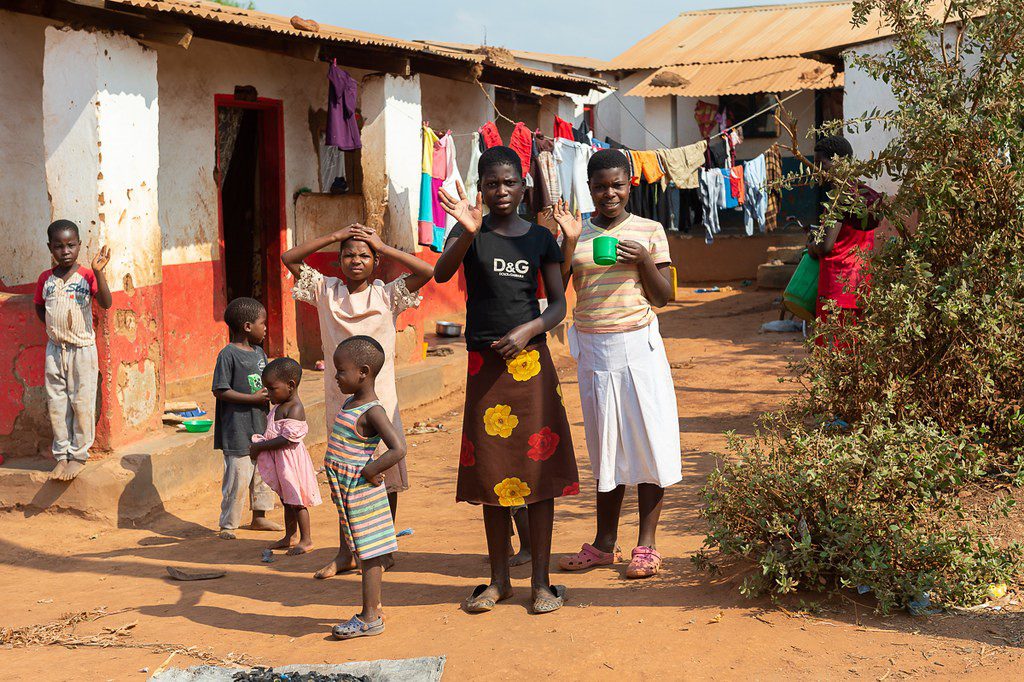
Hepatitis BIn a difficult year, 2020 carried some bits of great news for global health and children around the world. The incidence of hepatitis B in children under 5 dropped below 1% in 2019, a huge milestone and a cause for celebration for the public health community around the world. WHO Director-General Tedros Adhanom Ghebreyesus spoke positively about reaching the milestone by looking to the future: “Today’s milestone means that we have dramatically reduced the number of cases of liver damage and liver cancer in future generations.” The milestone marks the attainment of one of the Sustainable Development Goals to reduce viral hepatitis to less than 1% prevalence for children under 5 by 2020.
Hepatitis B

Hepatitis B is a viral infection of the liver which can lead to many health problems, the most serious of which being liver cancer. More than 250 million people worldwide are carrying a chronic hepatitis B infection, with 900,000 deaths from the disease occurring annually.

Mother-to-child infection is the most common, making the disease especially damaging to children. Infants are the most vulnerable to the disease — an overwhelming 90% of infected infants under the age of 1 become chronic carriers of the disease. This makes controlling hepatitis B in children very important to global health.

Methods of Control

The best method of prevention is through the hepatitis B vaccine. The vaccine became available in 1982 and prevents millions of hepatitis B cases a year. The timing of the doses is extremely important and three are required to complete the recommended vaccination course. The first “birth dose” is most effective when administered in the delivery room or less than 24 hours after birth. The second dose should follow 28 days thereafter. The third and final dose follows at least four months after the first dose.

The WHO aims to achieve universal childhood vaccination as the vaccine offers lifetime protection for children who receive it at the recommended times. The vaccine is most effective for infants but the vaccine series is still recommended for children up to 18 years old. In 2017, the FDA approved a two-dose vaccine for adults.

Hepatitis B Vaccinations in Numbers

About 85% of children received the recommended three doses in 2019, a remarkable improvement compared to 30% who received it in 2000. The birth dose must be timely as it the most crucial part of the vaccination. This is why timely access to these vaccines is an urgent concern.

Unfortunately, despite rapid improvement, timely access to the birth dose remains unequal. Currently, 43% of children globally receive a timely birth dose. However, this falls to 34% in the eastern Mediterranean region and even further down to a lowly 6% in Africa. This serves as a reminder that, despite significant progress, efforts must continue to completely eradicate hepatitis B in children.

The Road Ahead

While the vaccine is the predominant form of prevention, recent efforts have focused on expanding ways to prevent mother-to-child transmission. The WHO called on countries to test pregnant women for hepatitis B and provide antiviral therapy before the birth of the child, if necessary. This significantly reduces the likelihood of mother-to-child transmission and is one of the key areas of improvement the WHO stresses, along with greater birth dose coverage. While hepatitis B prevention is not yet complete, reaching the 1% landmark is incredibly important and is the result of decades of hard work and effective policy.

– Clay Hallee
Photo: Flickr

April 28, 2021
https://borgenproject.org/wp-content/uploads/borgen-project-logo.svg 0 0 Kim Thelwell https://borgenproject.org/wp-content/uploads/borgen-project-logo.svg Kim Thelwell2021-04-28 07:05:282024-05-30 22:23:28Hepatitis B in Children Under 5 Falls Below 1%
Child Marriage, Children, Developing Countries, Development, Education, Global Poverty

Theresa Kachindamoto’s Activism for Malawi Children

Theresa Kachindamoto’s Activism
Malawi operates under a democratic chiefdom system, which has been in existence for hundreds of years. Theresa Kachindamoto is the youngest of 12 siblings and the mother of five children. She works as a tribal Malawian chief in the district of Dedza. This district consists of nearly 900,000 people and 551 headmen. Theresa Kachindamoto’s activism for Malawi children stems from the cultural practice of child marriages.

Kachindamoto has been working to annul child marriages and ensure that the female victims of it can receive an education. In Malawi, one in two girls will marry before 18, preventing them from completing their education. Kachindamoto uses her voice to explain the practicality of arranged marriages with healthy boundaries. She also advocates for safe environments for the betterment of all parties involved. Here is some information about Theresa Kachindamoto’s activism for Malawi children.

Empowerment of Children

Some call Theresa Kachindamoto the terminator of child marriages. In fact, she has annulled over 1,000 marriages and immediately aided in getting individuals back to school afterward. Kachindamoto has said she will be chief until she dies, giving the children of Malawi a solid and long-term advocate. She is accomplishing change through the creation of a reliable support network to alter traditions.

U.N. Women has been a big supporter of Theresa Kachindamoto’s activism for Malawi children and how she brings attention to the issue of child marriages.

Many young women end up having to enter child marriages since their families are in poverty and cannot provide for their basic needs. Benedeta Matinson talked about marriage and finishing school in a U.N. Women video before she received employment. She conveyed information about experiencing marriage and pregnancy at the age of 15. Benedeta stated that marriage not a suitable solution for the lack of basic necessities.

The Problem

Malawi is the sixth most impoverished country in the world. Girls who marry before the age of 18 make up 18% of the country. Kachindamoto has expressed that motherhood and wifehood often take precedence over girls’ education. Thus, the chief is working towards altering traditions. Theresa Kachindamoto’s activism for Malawi children empowers young women. It grants the girls understanding of their value and what they deserve. This includes quality education before marriage arrangements.

Child marriages lead the way to more significant problems. An example of a problem is sexual initiation camps. These are places where young women learn how to sexually please men and understand their “duties” as wives. The tradition translates as “kukasa fumbi,” which basically means sexual cleansing. Girls either graduate the program by having relations with their instructor or go home virgins. Meanwhile, if they return home as virgins, their parents force them to lose their virginities to local men. This cultural practice makes girls more susceptible to unwanted pregnancies and the spread of HIV. In fact, statistically, every one in 10 Malawians becomes ill with HIV/AIDS.

With the teen pregnancy rate rising during the COVID-19 pandemic, 57.2% of girls ages 15 to 19 are mothers. In addition, 63.5% of girls are mothers-to-be.

The Importance of Education

As part of Theresa Kachindamoto’s activism for Malawi children, she created and signed an agreement for her district to end child marriage along with sexual initiation camps. This was the result of conversing with 50 sub-chiefs who gave Kachindamoto significant pushback. In response, she firmly said, “these girls will go back to school” and the other tribal members slowly worked towards sticking to the new law. In her reign, Kachindamoto raised the age of consent for marriage from 15 years old to 18 years old.

The Mpapa mothers’ group is an organization that seeks out victims of child marriages. Members go door to door in search of those who have dropped out of school due to early marriage, and they attempt to return the girls to school. Mpapa Primary School is a school that the girls then attend, where drop-out rates were at 6% in 2020 and attendance was at 87%. Nationally, only 51% of girls finish primary school.

The Joint Programme on Girls Education (JPGE) trains the Mpapa mothers’ group. The United Nations sexual and reproductive health agency supports the group as well. The group encourages to complete education by mentoring teens on pregnancy issues, marriage and their rights as women.

A 15-year-old girl and Mpapa Primary School attendee, Aisha Kayima, benefited from mentoring sessions two times a month. The mothers’ group has taught Kayima to be better informed about her choices so that she can have a quality future.

Looking Ahead

Putting a stop to child marriages can change the economic status of young girls while ensuring entire communities’ safety by inhibiting the spread of HIV/AIDS. Theresa Kachindamoto’s activism for Malawi children also helps reconnect girls with their warranted educational paths. In Kachindamoto’s words, “If you educate your girl, you will have everything in the future.”

– Libby Keefe
Photo: Flickr

April 26, 2021
https://borgenproject.org/wp-content/uploads/borgen-project-logo.svg 0 0 Kim Thelwell https://borgenproject.org/wp-content/uploads/borgen-project-logo.svg Kim Thelwell2021-04-26 07:53:582024-12-13 18:02:27Theresa Kachindamoto’s Activism for Malawi Children
Children, Developing Countries, Education, Global Poverty

Progress Toward Better Education in India

better Education in IndiaEducation is vitally important to every country, especially impoverished ones. Education itself can help families break cycles of poverty and it allows people an opportunity to use their knowledge and skills in a way that helps their nation. Education can allow people to learn better farming techniques so that they can produce more food for themselves. Literate and educated people often have a better opportunity to have a healthier lifestyle because they can understand medical information. India is one nation that is trying to improve its education system. Better education in India can help people rise out of poverty.

Advantages of India’s Education System

Despite its learning system needing improvements, India’s learning system does already have some substantial positive aspects to it. One benefit of India’s education system is that it correlates to a decrease in unemployment. School also helps people become self-employed. India’s schools also helped to greatly reduce the amount of child labor taking place in the nation.

India’s educational system also provides a degree of support for people who are especially disadvantaged and impoverished. There are programs in India called reservation systems that help these groups. Reservation systems mean a set percentage of seats will be reserved in all universities and colleges for students who belong to socially and educationally backward categories or castes. Certain scheduled tribes have 7.5% reserved seats, scheduled castes have 15% and “other backward classes” have 27%. However, each state within India can have varying percentages.

The Draft National Education Policy

In 2019, India released its Draft National Education Policy (DNEP). The DNEP is India’s first attempt to reform its education system since the 1986 National Policy on Education. The DNEP outlines some important improvements that India wants to make.

For example, the document suggests an increase in spending for public education in India. The current percentage of India’s GDP that goes to education is 3%. Under the DNEP, that percentage would go up to 6%. Under this policy, Indian school children would start learning at the age of three, which allows more time for children to grow and learn.

Another improvement that India’s education system requires is better training for its teachers. The DNEP will address this challenge by having teachers complete their training at universities. Currently, teachers train at specialist colleges that provide less beneficial teacher training.

Lastly, the DNEP wants to develop around 10,000 to 15,000 multidisciplinary universities. The reason for this is that currently 20% of 40,000 colleges in India only offer one field of study and another 20% of those colleges have less than 100 students on their rosters. Multidisciplinary universities will allow Indians to have more opportunities and educational routes.

A Concerned Citizenry

While the government of India is taking steps to better-learning systems in India, Indian citizens are more than aware that their educational system could use some much-needed change. This has led news outlets such as India Today to publicize their desires for the future of India’s education system. One suggestion that the outlet posed is the removal of lengthy tests that evaluate the knowledge and skills of students. Due to their length and importance, these tests can cause students to become stressed, resulting in underperformance.

India Today suggests that evaluation indicators should include class participation, projects and other key indicators of learning. The equal treatment of all learning subjects is also imperative. Teachers should encourage their students to pursue not just the subjects they need to learn but also the ones that they have a great interest in.

India’s education system still needs improvement but the country has taken significant first steps toward quality education in India. Since education is a key to poverty alleviation, reform is vitally important.

– Jacob E. Lee
Photo: Flickr

April 25, 2021
https://borgenproject.org/wp-content/uploads/borgen-project-logo.svg 0 0 Yuki https://borgenproject.org/wp-content/uploads/borgen-project-logo.svg Yuki2021-04-25 01:31:532021-04-22 20:21:56Progress Toward Better Education in India
Children, Developing Countries, Global Poverty, Health

The Success of the Global Polio Eradication Initiative

Global Polio Eradication InitiativeMost think of polio as a disease of the past, eliminated from the world through scientific advancement. However, the disease remains present in some countries and runs the risk of spreading again if it is not contained. In the words of Ban Ki-moon in 2012, former Secretary-General of the United Nations, “Wild viruses and wildfires have two things in common. If neglected, they can spread out of control. If handled properly, they can be stamped out for good. Today, the flame of polio is near extinction — but sparks in three countries threaten to ignite a global blaze.” The Global Polio Eradication Initiative (GPEI) seeks to finally eradicate polio throughout the world.

The Global Polio Eradication Initiative

It is a truly global project, led by a partnership between the World Health Organization (WHO), the U.S. Centers for Disease Control and Prevention, UNICEF, Rotary International, the Bill & Melinda Gates Foundation and Gavi, the Vaccine Alliance. Furthermore, the Initiative involves 200 countries around the world. The Initiative started “in 1988 after the World Health Assembly passed a resolution to eliminate polio.” Over 33 years, the Initiative has secured more than $17 million worth of contributions from donors and financing.

The Global Polio Eradication Initiative has a well-developed and comprehensive plan which has produced numerous successes and lays out a roadmap to completely eradicate polio. One goal is integration. The GPEI seeks to integrate national governments’ vaccination plans with the polio vaccine, allowing children to get the polio vaccine as part of national immunization schedules. Enhanced integration also includes joint delivery of the polio vaccine with other vaccines, integration of polio surveillance with surveillance of other diseases and harmonizing data systems.

Routine vaccination of children is the crucial part of the plan, along with supplementary vaccination when needed. Areas that are most susceptible to an outbreak often receive supplementary vaccinations in targeted campaigns or through National Immunization Days.

Polio Success Stories

The success of the Global Polio Eradication Initiative since its founding is undeniable. The GPEI estimates that the global incidence of polio has decreased 99.9% since its inception. Polio efforts saved more than 1.5 million lives and prevented 16 million people from polio-induced paralysis. In addition to this, the GPEI administered more than 2.5 billion polio vaccines to children across the world.

Africa is a shining example of the GPEI’s success in eradicating polio. Even after the development of the polio vaccine in 1954, the disease remained endemic for decades and the continent struggled to track cases and vaccinate children. Around 1996, wild polio paralyzed 75,000 African children a year. The GPEI helped to coordinate cooperation between African national leaders and multinational NGOs, leading to greater tracking and quick responses to outbreaks.

As part of the Kick Polio Out of Africa campaign, the GPEI and other contributors provided nine billion doses of the oral polio vaccine and vaccinated 220 million children every year. Thanks to this work, Nigeria became the only country where polio was still endemic by 2016. In 2020, after four years without a polio case, the GPEI declared Africa polio-free. The elimination of a highly contagious and dangerous disease is a remarkable success story.

Remaining Countries and At-Risk Countries

While it is near eradication, polio remains endemic in Afghanistan and Pakistan. While concerning, there were less than 30 reported cases of the disease in these countries in 2018. Children miss out on coverage for polio in Afghanistan and Pakistan for various reasons, including a lack of infrastructure and an unstable political situation. Still, the Global Polio Eradication Initiative continues to vaccinate children, provide surveillance of the disease and work to develop new vaccines, diagnostic tools and antiviral drugs.

The failure to eliminate or contain polio completely could lead to a resurgence. If not contained, this could lead to 200,000 or more global cases a year within 10 years. The GPEI, in support of the governments of Afghanistan and Pakistan, works extensively with leaders in the countries to vaccinate children and provide teams of volunteers.

Children need multiple doses of the vaccine for effective prevention and vaccinations must be widespread in order to prevent any community transmission. For this reason, the GPEI has identified five main at-risk countries that are vulnerable to outbreaks and require greater surveillance:

  1. China
  2. Indonesia
  3. Mozambique
  4. Myanmar
  5. Papua New Guinea

Approaching the Finish Line

The Global Polio Eradication Initiative has had major successes so far and is nearly at the finish line of eradicating polio from all nations of the world. Unprecedented global cooperation and collaboration have been the driving forces behind its achievements. Global collaboration is integral for addressing all aspects of global poverty.

– Clay Hallee
Photo: Flickr

April 23, 2021
https://borgenproject.org/wp-content/uploads/borgen-project-logo.svg 0 0 Kim Thelwell https://borgenproject.org/wp-content/uploads/borgen-project-logo.svg Kim Thelwell2021-04-23 07:31:292021-04-22 18:16:51The Success of the Global Polio Eradication Initiative
Page 48 of 137«‹4647484950›»

Get Smarter

  • Global Poverty 101
  • Global Poverty… The Good News
  • Global Poverty & U.S. Jobs
  • Global Poverty and National Security
  • Innovative Solutions to Poverty
  • Global Poverty & Aid FAQ’s
Search Search

Take Action

  • Call Congress
  • Email Congress
  • Donate
  • 30 Ways to Help
  • Volunteer Ops
  • Internships
  • Courses & Certificates
  • The Podcast
Borgen Project

“The Borgen Project is an incredible nonprofit organization that is addressing poverty and hunger and working towards ending them.”

-The Huffington Post

Inside The Borgen Project

  • Contact
  • About
  • Financials
  • President
  • Board of Directors
  • Board of Advisors

International Links

  • UK Email Parliament
  • UK Donate
  • Canada Email Parliament

Get Smarter

  • Global Poverty 101
  • Global Poverty… The Good News
  • Global Poverty & U.S. Jobs
  • Global Poverty and National Security
  • Innovative Solutions to Poverty
  • Global Poverty & Aid FAQ’s

Ways to Help

  • Call Congress
  • Email Congress
  • Donate
  • 30 Ways to Help
  • Volunteer Ops
  • Internships
  • Courses & Certificates
  • The Podcast
Scroll to top Scroll to top Scroll to top