Geography’s Influence on Child Poverty in Fiji
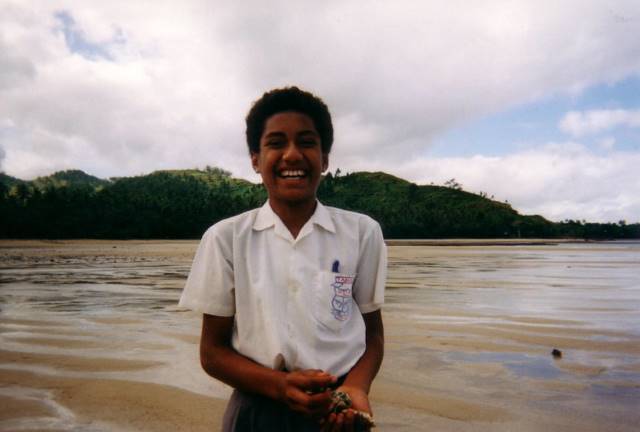 Fiji is an archipelago or chain of islands. Many tourists worldwide know its remote beaches as a tropical paradise. While Fiji’s geography makes it a popular vacation spot for celebrities like Oprah Winfrey and Tony Hawk, its geography has adverse effects on the children living there. However, organizations are taking steps to combat child poverty in Fiji.
Child Poverty in Fiji
Child poverty in Fiji is widespread throughout its rural areas. The United Nations released a report that displays rural child poverty rates at 40.92%, almost double urban rates of 22.22%. The extent of the discrepancy between those living in rural and urban areas is clear. There is a similar difference in the ages of those experiencing poverty in Fiji. The United Nations report highlights that 32.1% of children younger than the age of 14 experience poverty.
Poverty in Fiji has an unparalleled effect on young children in rural areas. This has led to a stunting rate tallied at 7.5% among infants and young children in 2004. Infants and young children are not the only ones affected by malnourishment as 22% of adolescents in Fiji were underweight as of 2005.
The Effects of Geography on Child Poverty in Fiji
In Fiji, there is a clear connection between poverty, geography and education. Fiji’s remote location impacts the price of uniforms, books and transportation. Although education is free up to the second level, the secondary costs of education present additional barriers for children living in poverty.
Even if rural Fijian families scrape together money for their children’s education, underdeveloped road and sea transportation prevent easy accessibility. Children often have to travel through three or more towns on foot to reach the nearest school.
Furthermore, children do not receive consistent protection against violations and abuse. Many children work as domestic servants and face domestic or sexual violence. Authorities underreport these conditions, and oftentimes, local authorities dismiss the crimes with little supervision from the country’s federal policing system.
Solutions to Child Poverty in Fiji
Many efforts are in place to help combat child poverty in Fiji. Several Fijian children in poverty reside in rural areas where the lack of access to quality education perpetuates the cycle of poverty. Understanding this issue, the Australian High Commissioner administered the Australian Direct Aid Program. The program seeks to help improve educational opportunities for these children. This project gifts items like new furniture, library books, water tanks and dormitory renovations that provide better education resources to students in rural Fiji.
Similarly, help from volunteer groups such as the Peace Corps, Habitat for Humanity, the Red Cross and student initiatives, such as Rustic Pathways, greatly impacts these Fijian communities. For example, the Peace Corps states that close to 90% of the communities improved in livelihood security and sanitation.
Another significant step in combating child poverty in Fiji occurred when Fiji joined the Sanitation and Water for All Partnership. The partnership made access to clean water a constitutional right. This led to 70.1% of Fijian households having access to clean water. Increased access to clean water means children can go to school and receive an education instead of spending time collecting water for the home.
Moreover, the World Bank has approved the Fiji Transport Infrastructure Investment Project. It awarded the Fijian government $50 million to make improvements to land and sea infrastructure. The expected outcome is easier and safer travel, which in turn, allows children facing poverty in rural areas of Fiji better access to education.
The Future of Poverty in Fiji
Fiji’s geography negatively influences impoverished children within its borders. Through improvements to the education system, increased sanitation, access to clean water and better infrastructure, children facing poverty in Fiji have a greater opportunity to attend and complete school. Through education, children are able to break cycles of poverty.
– Lily Vassalo
Photo: Flickr
