• Link to X
  • Link to Facebook
  • Link to Instagram
  • Link to TikTok
  • Link to Youtube
  • About
    • About Us
      • President
      • Board of Directors
      • Board of Advisors
      • Financials
      • Our Methodology
      • Success Tracker
      • Contact
  • Act Now
    • 30 Ways to Help
      • Email Congress
      • Call Congress
      • Volunteer
      • Courses & Certificates
      • Be a Donor
    • Internships
      • In-Office Internships
      • Remote Internships
    • Legislation
      • Politics 101
  • The Blog
  • The Podcast
  • Magazine
  • Donate
  • Click to open the search input field Click to open the search input field Search
  • Menu Menu

Archive for category: Children

Information and stories addressing children.

Child Soldiers, Global Poverty

The Much Needed Release of Child Soldiers

Since 2013, various countries have taken steps to end child soldiering in order to meet international human rights standards.

In accordance with these standards, the Tatmadaw, the Myanmar Armed Forces, has released 176 child soldiers since signing a joint action plan to end the recruiting of children for military service.

Earlier this year, Yemen signed an action plan with the United Nations to end recruitment of child soldiers and by doing so, “formalized its commitment to protect its future generations,” says Leila Zerrougui, the Special Representative of the Secretary-General for Children and Armed Conflict.

Similarly, UNICEF and partners arranged for the release of over 1,000 children from military service in the Central African Republic after the country made headlines earlier this year for having over 6,000 children involved in armed conflict.

It is estimated that there are 300,000 child soldiers in the world today, and 40 percent of armed forces around the world use children to fight in their battles. Although the thought of a child soldier is foreign to Americans and citizens of developed countries, it is all too familiar to those of undeveloped nations. Child Soldiers International has reported that since January 2011, the use of child soldiers has been found in 19 different countries.

Children are taken by militias to fight because children are far more malleable than adults. They are also less costly due to the fact that they are given fewer resources and smaller weapons – although they are more likely to be seen on the front lines. Because of this, children are more likely to die in battle than adult soldiers.

Children who survive have lasting psychological effects, which include PTSD and stunted mental development. When there is failure to integrate back into society, there’s a likely chance these once child soldiers will return to battle because it’s all they’ve known.

If the children are released from duty with the help of UNICEF, like in the Central African Republic, they meet with social workers, are taken to a transition center where they can receive an education or learn a vocational skill and are given help in locating their families.

Upon the release of the child soldiers, UNICEF Representative in the Central African Republic Souleymane Diabaté said, “Every single child we spoke to said they wanted to leave the armed group and return to school. We cannot fail them.”

– Kori Withers

Sources: Child Soldiers International, Child Soldiers International: FAQ, Forbes, United States Institute of Peace, UN News Centre, UNICEF Press Centre 1, UNICEF Press Centre 2, UNICEF Connect
Photo: UN

August 29, 2014
https://borgenproject.org/wp-content/uploads/borgen-project-logo.svg 0 0 Borgen Project https://borgenproject.org/wp-content/uploads/borgen-project-logo.svg Borgen Project2014-08-29 03:00:272024-06-05 01:58:08The Much Needed Release of Child Soldiers
Activism, Children, Food & Hunger, Food Security, Global Poverty, Health

INMED Partnerships for Children

Institute for International Medicine Partnerships for Children is an organization dedicated to preventing and combating the harm that comes to children through violence, disease, hunger and neglect.

INMED Partnerships for Children values taking a holistic approach to improve children’s health worldwide through addressing the causes of disease and hunger and attempting to remedy them from the source. INMED is dedicated in implementing long-term solutions to enhance both the quality and longevity of children’s lives.

Founded 27 years ago, INMED has stuck by its original goal of helping to improve the health and safety of children all over the globe.  Led by President and CEO Linda Pfeiffer, INMED has been targeting programs and delivering care to help children in both urban and rural areas of the world.  INMED also has offices worldwide, in places such as Virginia, Peru, Brazil, South Africa and the Caribbean.

INMED has partnered with a diverse group of companies in order to make sure they best spread their mission. They have partnered with companies such as Macy’s, the Ronald McDonald House Charities, the International Foundation, United States Agency for International Development, Kids in Distressed Situations, Johnson and Johnson and many more.

INMED maps out large areas they want to improve and then tailors specific projects to fall into those categories. These broader categories include health and nutrition, youth development, education and skill building, and adaptive agriculture and aquaponics.

One of INMEDs upcoming events will be the 2015 Harvest the Future International Conference, which is set to take place June 14-17, 2015 in Montego Bay, Jamaica.  Experts from across the globe will gather at this conference in order to discuss possible solutions to problems such as water scarcity, income generation sustainable livelihoods, nutrition and health, food security and climate change adaptation.

Conference speakers include Christopher Somerville, an Urban Agriculture Consultant at Food and Agriculture Organization of the United States, Denise A. Herbol, Mission Director at US Agency for International Development, and Thad M. Jackson, Executive Vice President of INMED Partnership.

– Jordyn Horowitz

Sources: INMED, INMED 2, INMED 3, Middleburg Women
Photo: Zimbio

August 22, 2014
https://borgenproject.org/wp-content/uploads/borgen-project-logo.svg 0 0 Borgen Project https://borgenproject.org/wp-content/uploads/borgen-project-logo.svg Borgen Project2014-08-22 12:00:532024-06-05 01:58:02INMED Partnerships for Children
Children, United Nations

International Youth Day 2014

On Aug. 12,  the U.N. hosted an International Youth Day event at its headquarters in New York City. The event focused on the importance of addressing the mental health concerns of youth around the world, thus making them less susceptible to homelessness, crime and conflict situations.

The theme of this year’s International Youth Day was “Mental Health Matters.” The half-day event in New York City brought together young people, youth organizations, U.N. Member State representatives, civil society and U.N. entities for a series of presentations including panelists and young artist performances.

This event marked the official launch of the U.N. Department of Economic and Social Affairs publication, Social Inclusion of Youth with Mental Health Conditions.

The report reveals “one-fifth of the young people around the world experience a mental health condition, with risks especially great during the transition from childhood to adulthood.”

The U.N. seeks to banish the stigma that plagues those suffering from mental illness. U.N. Secretary-General Ban Ki-moon warned in his opening remarks that failing to address access to mental health services makes affected youth “more vulnerable to poverty, violence, and social exclusion, and negatively impacting society as a whole.”

International Youth Day was marked overseas at a U.N. peacekeeping mission in Somalia, where the mental health of the young is of particular concern. Somali youth face violence and crime on a daily basis, and many are forced to join military groups or survive on the streets.

A traumatic childhood, like that experienced by youth in Somalia, breeds mental illness. According to Philippe Lazzarini, the U.N. Resident and Humanitarian Coordinator in Somalia, “We must be clear that what we need is nothing less than a paradigm shift in policies and attitudes towards the role of youth in order to empower and place them at the core of the development agenda.”

The population of those 25 years of age or younger is growing in countries like the Democratic Republic of Congo, where young people are 70 percent of the civilian body. It is especially important for countries like the DRC to focus on mental health because the youth “are not only the Congo of tomorrow, but also the Congo of today,” said a U.N. representative from the country.

The World Health Organization recommends a range of specific actions that should be integrated into national development plans in order to break the cycle of debilitating mental illness. These strategies include supporting access to school for children with mental disabilities, integrating mental health issues into broader health policies and creating employment for those suffering from mental illness.

Assembly President John Ashe summed up the objective of this year’s International Youth Day, urging, “We should be especially focused on addressing the needs of youth with mental health conditions, many of whom experience discrimination on a daily basis. We must work together to ensure that young people with mental health conditions can lead full and healthy lives.”

– Grace Flaherty

Sources: World Health Organization, United Nations, UN DESA
Photo: Idealist Careers

August 22, 2014
https://borgenproject.org/wp-content/uploads/borgen-project-logo.svg 0 0 Borgen Project https://borgenproject.org/wp-content/uploads/borgen-project-logo.svg Borgen Project2014-08-22 11:50:002024-06-05 01:58:06International Youth Day 2014
Children, Education, Global Poverty, Women, Women & Children, Women and Female Empowerment

Free High School in Nicaragua

High School in Nicaragua
In order to eliminate poverty, the impoverished must be educated. This is the philosophy practiced by Margaret Gullette, co-founder of the Free High School for Adults in Nicaragua. 12 years ago, Margaret, who resides in Newton, Massachusetts and is a resident scholar at Brandeis University, was volunteering in Nicaragua through the Newton-San Juan del Sur Sister City Project when she and another woman, Rosa Elena Bello, decided they wanted to start a literacy program.

“It’s a great story,” Margaret said as she recalled the details. “Rosa was working in a clinic for women and children, and infant mortality rate was not improving.” The two women believed that it would never improve without literacy. It is not enough just to donate money; the people must be educated.

In Nicaragua, one out of 10 people are illiterate, and this figure is even higher among women. The average Nicaraguan has less than five years of schooling and only 29 percent of children complete primary school. Much of this can be attributed to the poverty cycle. Until 1979 a dictator ruled Nicaragua, and dictators rely on ignorance to control the masses.  “Poverty and ignorance should always be put together,” Margaret explained. Because many adults who lived under that dictator’s rule and did not receive an education themselves, not only do they not have enough money to pay for school supplies and uniforms, but they often do not value education.

In order to begin the literacy program, Margaret applied for funding to 25 different grants. She received 24 rejections, but the one acceptance was all the two women needed. At first it was difficult to get Nicaraguan women involved in the program because their lives revolved around housework and children, but in the first three years nearly 300 women received certificates for the completion of sixth grade.

High school in Nicaragua runs from grade 7 to 11, so after the success with the sixth grade program, the next logical step was to continue the women’s education into high school. Once again Margaret found funding in America, and the following year (2002) a free high school for adults opened. 12 people graduated that year and the number has been growing ever since. The high school currently has 800 students and 616 graduates.

Eventually the Nicaraguan government took over the building of the schools, and the 12 communities that have these high schools have better overall health and fewer unwanted pregnancies. What makes the Free High School Program unique is the teaching model adopted by Margaret and Rosa. The schools use feminist textbooks and a modified version of twentieth century educator Paolo Freire’s teaching method.

Freire believed that education was vital to the liberation of the oppressed and did not support the method of teaching in which students are simply empty vessels to be filled with knowledge. For basic literacy, Freire believed in teaching language that is meaningful to people’s lives. He did not have a program for women, so Margaret and Rosa adapted his method to teach the women in Nicaragua. The first word the women learn is “fetus,” which Margaret says is a word every woman should know.

The Free High School program has continued to grow with a technical high school that opened in 2006 in which students can specialize in one of three fields: Management of Tourist and Hotel Enterprises, Accounting and Civil Construction. A number of graduates from both the Free High School and the Technical School have gone on to receive university degrees and other accomplishments.

Margaret believes that “there is always something to do in Nicaragua,” pointing to her husband David’s bio-sand filter project for contaminated water as an example. The next steps in the Free High School project are to buy new textbooks and construct an office building for the organization in Nicaragua. Go here (https://sanjuandelsursistercityproject.wordpress.com/) to learn more about the various Newton-San Juan del Sur Sister City projects, including the Free High School.

– Taylor Lovett

Sources: San Juan del Sur Sister City Project, Bless the Children, Interview with Margaret Gullette
Photo: The Random Act

August 22, 2014
https://borgenproject.org/wp-content/uploads/borgen-project-logo.svg 0 0 Borgen Project https://borgenproject.org/wp-content/uploads/borgen-project-logo.svg Borgen Project2014-08-22 04:00:032024-05-27 09:21:19Free High School in Nicaragua
Children, Education, Global Poverty, Volunteer

Volunteer for Bangladesh

In recent years, education in Bangladesh has greatly improved. Poverty rates have decreased, and with it, hunger. But the nation faces many challenges.

Ready to meet these challenges are the members of Volunteer for Bangladesh (VBD). It is a branch of the JAAGO Foundation, a larger organization which works to provide all children in Bangladesh with access to a quality education. Both have strong ties to and receive financial support from the U.S. Embassy in Dhaka.

There is much work to be done, so the VBD mission is broad; to end poverty and hunger and to protect children’s rights, including their right to an education. The organization promotes gender equality, works to improve nutrition, educates on sustainability and aids in local development projects. Its projects are as varied as its mission tenets.

VBD awareness campaigns fall on holidays like Universal Children’s Day, when they “spread consciousness among mass people about children’s education.” On World Water Day, they raise awareness of freshwater resources, and on Income Tax Day, they speak on the importance of paying taxes.

Last year in Dhaka, Gazipur, Chittagong, Narayanganj, Khulna and Rajshahi, Universal Children’s Day VBD workers, four corporate partners and five local media groups built carnivals for underprivileged children. There were sporting events, visits to the zoo, merry-go-round rides and introductions to Mickey Mouse. For several hundred destitute children, it was a day on which they could enjoy being a child.

The theme for World Environment Day of this year was “more care for the environment, lessen the rise of the sea level.” It is a poignant message for Bangladeshi citizens, 15 million of who stand to lose their homes to rising ocean waters.

On June 5, 1,150 volunteers in bright yellow VBD t-shirts rode bicycles to 12 districts. They planted over 400 saplings to further their goal of “reversing the greenhouse effect.”

All VBD efforts are truly community endeavors. More than 12,000 people are now working in VBD projects. Volunteer for Bangladesh hopes to establish Action Groups in all of Bangladesh’s 64 districts by 2016.

– Olivia Kostreva

Sources: Volunteer for Bangladesh 1, Volunteer for Bangladesh 2, Volunteer for Bangladesh 3, JAAGO
Photo: The Daily Star

August 21, 2014
https://borgenproject.org/wp-content/uploads/borgen-project-logo.svg 0 0 Borgen Project https://borgenproject.org/wp-content/uploads/borgen-project-logo.svg Borgen Project2014-08-21 19:56:402024-05-27 09:21:30Volunteer for Bangladesh
Children, Disease, Global Poverty, Health

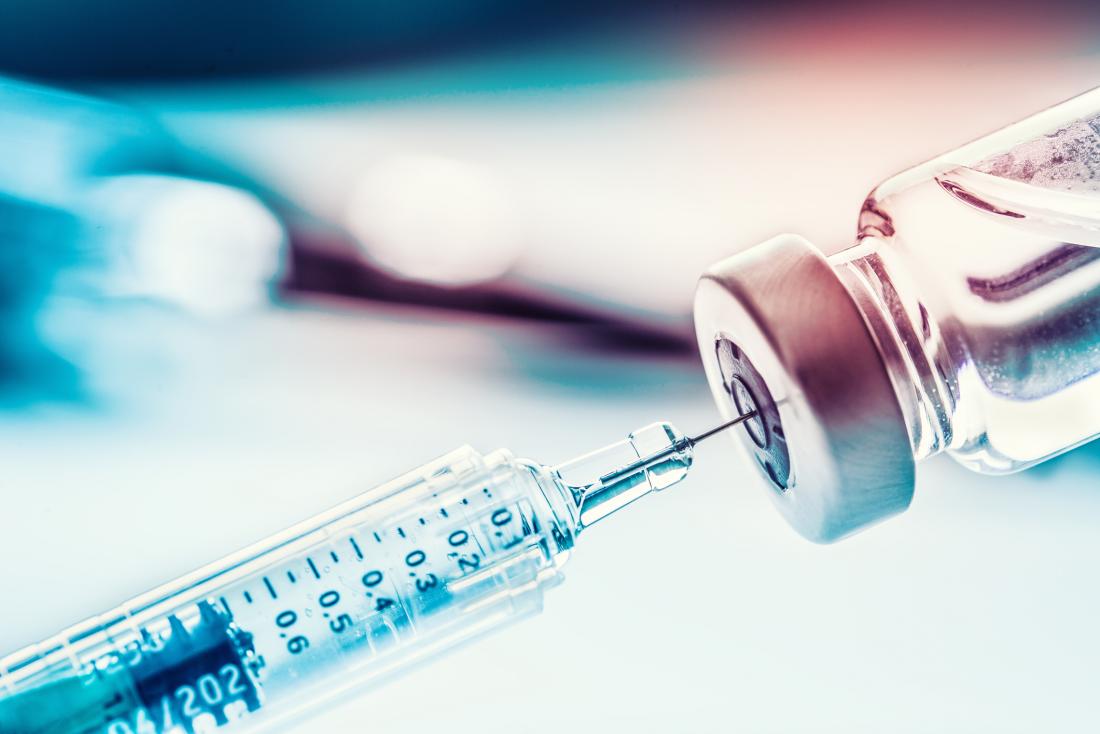
What is the MMR Vaccine?

mmr vaccine
Measles, mumps and rubella are all viral diseases that can interrupt the development of children and adolescents. Accessing reliable information about the MMR vaccine is the most cost-effective method to increasing its uptake.

The MMR vaccine is recommended in childhood. The three-in-one vaccine is necessary for most children to enter school and can be given as early as 11-15 months, and children should get two doses. In addition, adults born after 1956 or 18 years or older should also receive one dose of the vaccination unless they have already had all three diseases.

The MMR vaccine can be given at the same time as other vaccines. Young children (under 12 years) can get a combination of vaccines known as the MMRV (measles, mumps, rubella and chicken pox).

Upon receiving the vaccination, there are some risks involved, but most people who receive the vaccine do not develop any problems.

Mild issues can occur 6-14 days after receiving the vaccine and can include any of the following: fevers, mild rashes, and swelling of cheek/neck glands. Moderate issues can range from: seizures, stiffness/ pain in joints, temporary low platelet count that leads to a bleeding disorder (1 in every 30,000 doses). Some severe and very rare problems are: serious allergic reaction (1 in every million doses), deafness, permanent brain damage, and long-term seizures/comas. There is no evidence that the vaccine causes childhood autism.

All of these listed risks are small however, in comparison with the risks of contracting measles: severe illness, hospitalization and death. The vaccine itself has brought huge leaps in early childhood disease prevention, providing vaccination to over 500 million people worldwide in over 100 countries. Before the vaccine, mumps was the most common cause of viral meningitis in children and rubella caused terrible damage to unborn babies.

Now, both mumps and rubella are virtually non-existent in children.

The Measles Outbreak

With concern to the current measles outbreak of 2014, two doses are recommended because 2-5 percent of vaccinated people do not respond to their first dose. More than 99 percent of people develop immunity after
the second dose.

Out of the 593 confirmed cases of measles, very few were from people who had been vaccinated twice.

The virus itself can stay in the air for two hours after a person with measles symptoms have left the area and is spread by respiratory droplets. The people infected are contagious four days before and after receiving the rash.

International Outbreak

In the third world countries of the world, measles outbreaks have been spreading more freely, with thousands of cases. In the Philippines, there were 50,000 registered cases and 77 deaths. In Vietnam, there are at least
8,700 cases with 112 deaths in children. In Pakistan, over 30,000 people have caught measles and 290 people have died, with the number increasing daily for children alone. The effect of measles has been spreading due to a lack of proper vaccination, more vulnerable immune systems and misinformation (MMR vaccine may produce autism).

In Africa, the number of measles-related deaths have decreased by 91 percent due to a surge in immunization. However, cases have still been growing, a number well into the thousands.

The potential benefits of the vaccine outweigh the risks. Parents should understand that the MMR vaccine is the best way to protect their children from these diseases, especially if traveling to an affected area, or the family resides in an affected area.

– Ashley Riley

Sources: About, About 2, CDC, CDC 2
Photo: Medimoon

August 18, 2014
https://borgenproject.org/wp-content/uploads/borgen-project-logo.svg 0 0 Borgen Project https://borgenproject.org/wp-content/uploads/borgen-project-logo.svg Borgen Project2014-08-18 10:54:372024-05-27 09:21:09What is the MMR Vaccine?
Children, Global Poverty, Migration

U.S. to Close Emergency Shelters for Migrant Children

The U.S. government announced on August 4 that it would be closing three separate emergency shelters designed to house the rapid influx of unaccompanied migrant children arriving from Central America. The shelters, run by Health and Human Services (HHS) and located on military bases, are planning on closing due to waning numbers of children crossing the border and an increasing capacity at other, more permanent shelters.

One shelter at Fort Still in Oklahoma closed on August 8, with the other two shelters located at Joint Base San Antonio-Lackland, Texas and Naval Base Ventura County-Port Hueneme, California set to close in the next two to eight weeks.

The migrant children were being held at the bases thanks to a 2008 law dictating that any unaccompanied children from countries not bordering the U.S. must be handed over to HHS within 72 hours of being apprehended. It has been estimated that around 7,700 children had been housed at the three bases, with the average stay lasting 35 days.

Most of the children are originally from El Salvador, Guatemala and Honduras, but have come from other Central American countries. The majority of those living at the shelters have found themselves fleeing their home countries due to an increased instability in the region. This lack of safety is largely due to a combination of increased gang violence and deeply entrenched levels of extreme poverty. However, it is impossible to attribute one particular cause to the massive increase in children attempting to enter the U.S.

Unaccompanied migrant children crossing the U.S. border hit a peak during June when it was estimated that as many as 2,000 children were crossing per week, but the amount has since tapered off. The last estimate was around 500 per week in Mid-July. An estimate from the Obama administration say that a total amount of child immigrants could hit 90,000 by September.

– Andre Gobbo

Sources: New York Times, PBS, BBC
Photo: Raw Story

August 17, 2014
https://borgenproject.org/wp-content/uploads/borgen-project-logo.svg 0 0 Borgen Project https://borgenproject.org/wp-content/uploads/borgen-project-logo.svg Borgen Project2014-08-17 16:00:382024-05-27 09:20:57U.S. to Close Emergency Shelters for Migrant Children
Children, Economy, Global Poverty, Government

The Problem with Poverty in Tokyo

Despite having the third-largest economy in the world, there is a growing issue with poverty in Japan. Of the total population, 15.7 percent of Japanese people live in poverty, a percentage greater than countries with less economic resources.

The country’s overall child poverty rate has also hit a record high of 16.3 percent, prompting questions as to whether the country is trying to fix these issues.

When people think of Tokyo, “poor” is a thought that seldom ever comes to mind. Walking in the streets of the capital, you do not see people begging for money; the homeless are all hiding amongst the shadows.

Yet when the story of the emaciated and hypothermia-struck bodies of an elderly man, his wife and 39-year-old son were found in their home after weeks of no one noticing, one cannot help but question the state of the one in six Japanese citizens living under the poverty line.

Living in a Single-Parent Household

In 2012, The Organization of Economic Cooperation and Development (OECD) reported that “significant poverty among single parents is a factor boosting the child poverty rate to 14 percent.” According to a Library of Congress article, there has been an increase in the number of welfare recipients, especially from single-parent households. In addition, the article states, “It is hard for single mothers to find jobs that pay enough to support a household in Japan.”

Child poverty in working, single-parent households stood at 50 percent, according to a 2014 TokyoWeekender article. The Abe administration is working on poverty alleviation methods, but not enough attention is paid to child poverty.

Due to the stagnant economy, the number of “freeters” is on a rise. “Freeters” refer to young people, who, after deciding to avoid Japanese corporate culture, live a freer lifestyle. But jumping from job to job in modern Japan is too difficult to properly survive on.

More than 1.23 million single mother households exist that earn only 40 percent of the average household income. One out of three unmarried women are considered poor, and many of these women fall into poverty due to divorce, single parenting, debts, domestic violence and family background.

The Elephant in the Room

After the Fukushima nuclear disaster of March 2011, there have been many job losses for middle-aged workers.

At the national level, Japan has gone through three prime ministers since the Fukushima disaster, who ranged from anti-nuclear to cautiously pro-nuclear. Calls for removing nuclear plants completely swarmed the country due to the fact that 20 percent of the world’s earthquakes occur in Japan; danger of a repeat is high.

Only one or two of the 54 nuclear reactors in Japan are now active; the rest are substituted by imported coal and gas, which have caused other detrimental effects on the economy.

When it comes to the question of poverty in Tokyo, many people prefer to hide the truth. On a neighborhood level, people hide that they need two jobs to afford tuition. On the political level, the government hides the true poverty statistics from its international community.

According to an article describing the effects of the Fukushima disaster, the “government was afraid to face reality and did not set the poverty line at an appropriate value.” All of this was done in the effort to endure the misfortune in private.

Poverty is a topic that is emerging from the shadows, and the Japanese government is beginning to acknowledge and address its presence.

– Ashley Riley

Sources: Behind the Grids, Japan Sociology, Tokyo Weekender, Library of Congress, The Economist
Photo: Travel CNN

August 16, 2014
https://borgenproject.org/wp-content/uploads/borgen-project-logo.svg 0 0 Borgen Project https://borgenproject.org/wp-content/uploads/borgen-project-logo.svg Borgen Project2014-08-16 04:00:122024-06-05 01:57:59The Problem with Poverty in Tokyo
Children, Global Poverty, Women, Women and Female Empowerment

Basketball Brings Hope to Mexico’s Triqui Tribe

The consequences of poverty are many: some impoverished people go hungry, others become ill and others are forced to take on informal jobs that rob them of dignity or safety. Yet, a widespread effect of poverty is the loss of hope due to a lack of resources, social status and opportunities. Poverty can be difficult to escape; accordingly, those who experience it often feel it will define the rest of their lives.

Basketball programs for children of the Mexican Triqui tribe have made the news in the last year – the chance to play the sport that’s become wildly popular throughout the Oaxaca region of Mexico is giving boys and girls alike hope that they may avoid the poverty and violence that plagues much of their tribe.

Despite the fact that many families are too poor to purchase shoes for their young basketball stars, these children remain committed to honing their skills on the court and many aspire to become local coaches or international athletes. In fact, some of their dreams are already coming true; last fall, a team of Triqui boys traveled to Argentina to compete in an international basketball festival and beat more than 50 other teams (while playing barefoot) to become festival champions.

Basketball isn’t just giving these children hope, it’s giving them opportunities. Triqui basketball players have the chance to travel outside of Oaxaca and learn about options for their futures. League rules require that players maintain certain grades, so the love of the game keeps kids in school as well.

Furthermore, girls participating in basketball programs are changing the ways that women are treated in their traditional communities. Though Triqui girls are often discouraged from pursuing education and are encouraged to marry young, the opportunities that basketball provides them pave the way for gender equality. When girls can hold their own against boys on the court, people – including the girls – see them as equals.

Basketball may not be the most customary method of eliminating poverty, but it’s one that may work in the long run for the Triqui people of Mexico. In the meantime, it’s giving the community hope for the future.

-Elise L. Riley

Sources: The Guardian, CNN
Photo: The Guardian

August 15, 2014
https://borgenproject.org/wp-content/uploads/borgen-project-logo.svg 0 0 Borgen Project https://borgenproject.org/wp-content/uploads/borgen-project-logo.svg Borgen Project2014-08-15 12:31:572024-05-27 09:21:07Basketball Brings Hope to Mexico’s Triqui Tribe
Children, Development, Global Poverty, Health

Get Out and Play: Sports and Child Development

Playing is fun! The importance of play goes beyond simply passing time or seeking health benefits. A study completed by scientist Jaak Panksepp supports the pre-existing hypothesis that play is critical to child development.

Panksepp, along with others in the scientific community, theorizes that humans, as social animals, need play to learn social rules and cues. Through sports, people form communication skills, learn cooperation and leadership and come to better understand others.

To test this idea, Panksepp experimented with rats. He isolated one group so they could not play, while allowing another group to play. When both groups were placed in the same cage, the rats that received more stimulation were better able to interact and mate than the rats that were not allowed to play.

A comparable study done on kittens by a different group of scientists observed similar results. The young cats that were unable to play failed to acquire certain social skills. And although the kittens that were deprived of play could still hunt well, they were more aggressive and had trouble fitting in socially with other cats.

Lack of play, especially at a young age, proves to be a serious problem. Panksepp concluded that, with play, both humans and animals learn to live in social groups, build relationships, express emotions and master skills that do not come instinctively.

The importance of play for child development cannot be understated, according to Panksepp and many others concerned with the health and well being of young people.

The U.N. and UNICEF hold play as a fundamental right for every child, and protect that right under Article 31 of the Convention of Right of the Child. Sport and recreation are essential components of a child’s education, allowing children to gain confidence and lead healthier, more balanced lives.

Unfortunately, children living in poverty and areas of conflict are the most deprived of play.

Children are denied their rights when they are forced to work at a young age. In an effort to support their families, poor children drop out of school and work long and hard jobs. Across the world, there are over 168 million child laborers. Laboring like adults prevents them from playing and gaining the important life skills that come with play.

War and violence also keep children from play. Those in conflict zones live in constant fear and cannot run and have fun outside. With current conflicts raging in Gaza, Iraq and Syria, to name a few, the impact of war on children’s lives today is extensive and pervasive.

Without play, children living in poverty and conflict are denied essential interactions. Childhood is a critical period to set the foundations for healthy development, and play acts as an important component to this growth. The study completed by Panksepp suggests that the conditions experienced by children in poverty and conflict can have long-term negative consequences on their development.

– Kathleen Egan

Sources: NPR, UNICEF, International Labor Organization
Photo: UNICEF

August 15, 2014
https://borgenproject.org/wp-content/uploads/borgen-project-logo.svg 0 0 Borgen Project https://borgenproject.org/wp-content/uploads/borgen-project-logo.svg Borgen Project2014-08-15 12:29:452024-12-13 17:51:06Get Out and Play: Sports and Child Development
Page 119 of 137«‹117118119120121›»

Get Smarter

  • Global Poverty 101
  • Global Poverty… The Good News
  • Global Poverty & U.S. Jobs
  • Global Poverty and National Security
  • Innovative Solutions to Poverty
  • Global Poverty & Aid FAQ’s
Search Search

Take Action

  • Call Congress
  • Email Congress
  • Donate
  • 30 Ways to Help
  • Volunteer Ops
  • Internships
  • Courses & Certificates
  • The Podcast
Borgen Project

“The Borgen Project is an incredible nonprofit organization that is addressing poverty and hunger and working towards ending them.”

-The Huffington Post

Inside The Borgen Project

  • Contact
  • About
  • Financials
  • President
  • Board of Directors
  • Board of Advisors

International Links

  • UK Email Parliament
  • UK Donate
  • Canada Email Parliament

Get Smarter

  • Global Poverty 101
  • Global Poverty… The Good News
  • Global Poverty & U.S. Jobs
  • Global Poverty and National Security
  • Innovative Solutions to Poverty
  • Global Poverty & Aid FAQ’s

Ways to Help

  • Call Congress
  • Email Congress
  • Donate
  • 30 Ways to Help
  • Volunteer Ops
  • Internships
  • Courses & Certificates
  • The Podcast
Scroll to top Scroll to top Scroll to top
