• Link to X
  • Link to Facebook
  • Link to Instagram
  • Link to TikTok
  • Link to Youtube
  • About
    • About Us
      • President
      • Board of Directors
      • Board of Advisors
      • Financials
      • Our Methodology
      • Success Tracker
      • Contact
  • Act Now
    • 30 Ways to Help
      • Email Congress
      • Call Congress
      • Volunteer
      • Courses & Certificates
      • Be a Donor
    • Internships
      • In-Office Internships
      • Remote Internships
    • Legislation
      • Politics 101
  • The Blog
  • The Podcast
  • Magazine
  • Donate
  • Click to open the search input field Click to open the search input field Search
  • Menu Menu

Archive for category: Aid

Aid, Health, Technology

Prosthetic Innovation Aids African Amputees

Prosthetic Innovation Gives a Hand to African Amputees
A McKinsey report states that prosthetic innovation will improve global health by 2040. Innovative 3D-printed, robotic prosthetic limbs provide African amputees with an affordable and high-quality alternative in comparison to conventional prostheses.

The most common prostheses are artificial limbs. Only a small fraction of amputees living in low and middle-income countries have access to suitable prosthetic services. Thus, prosthetic innovation is particularly important in impoverished areas.

In 2017, there were 16 million amputees in Africa, making up 24.6% of global amputees. Expectations have determined that these numbers will increase due to a rise in illnesses and diseases.  Furthermore, deteriorating roads and increased urbanization will lead to more traffic accidents.

Devastating Effects of Losing a Limb

It is difficult for amputees to work and prosper without proper medical assistance. Additionally, amputees are more vulnerable to accidents, infections, diabetes, poor medical care and injury due to war or natural disasters. Furthermore, prostheses and rehabilitation services typically cost thousands of dollars. In many lower-income communities, prostheses are simply unaffordable.

Amputees are unable to use poorly fitted prostheses due to pain. Specially trained prosthetists need to assess patients before fitting them. Also, patients need to visit a clinic several times for physical therapy before effectively using prosthetic limbs.

Providing Prosthetic Services

Governments in lower-income nations do not invest in prosthetics due to the lack of data and economic benefit. International and local NGOs provide most prosthetic services in impoverished countries. Without government and donor support in prosthetic innovation, access to these services will remain low.

The 3D Revolution in Prosthetics

Within the last decade, 3D printing has entered the prostheses market in Africa. Now, 3D designs are free, editable and available online for beginners to maneuver. Furthermore, a 3D-printed hand costs around $50. In recent years, the World Health Organization (WHO), governments and other organizations have spurred prosthetic innovation throughout Africa.

Nigerian Tech Lovers Launch 3D Lab for Victims of Violence

Muhammed Jafar is a 25-year-old member of a vigilante group in northeastern Nigeria. He lost his left hand while helping rescue a teenager who a gang had kidnapped. Now he is working as a tailor with a 3D-printed prosthetic arm he received from the Northeastern Humanitarian and Innovation Lab. The Nigerian government helped a group of tech enthusiasts launch a tech hub in 2018. Furthermore, the Northeastern Humanitarian and Innovation Lab print limbs and add robotics to improve functionality. Also, the cost of the 3D limbs is significantly less than conventionally manufactured prostheses. The Northeastern Humanitarian and Innovation Lab is a great example of how government investment in local volunteer groups can change the lives of those in need.

South African Post-Grads Launch Robotic Prosthetics Company

In 2017, Drew Van der Riet created the world’s most advanced low-cost “Touch Hand” prosthetic hand with his engineering team. This new prosthetic hand provides unique sensory feedback so that users can pick up delicate and irregular objects. Van Der Riet was shocked to discover that most hand amputees had to use basic “claws.” Furthermore, robotic hands similar to the “Touch Hand” are 10 times more expensive.

Van der Riet launched Touch Prosthetics in Durban in an attempt to keep prosthetic innovation on top. Additionally, the organization aims to develop simple, affordable upgrades for amputees. Fortunately, Touch Prosthetics was able to secure government and business support and has already developed Touch Hand II. However, Van der Riet notes that often strong university projects do not make it to market due to a lack of capital and marketing savvy.

As the Northeast Humanitarian and Innovation Lab in Nigeria and Touch Prosthetics in South Africa exemplified, the 3D revolution has inspired African prosthetic innovation to improve the lives of amputees. By amplifying aid for these efforts, more African amputees will be able to support themselves with ease.

– Shelly Saltzman
Photo: Flickr

March 19, 2021
https://borgenproject.org/wp-content/uploads/borgen-project-logo.svg 0 0 Kim Thelwell https://borgenproject.org/wp-content/uploads/borgen-project-logo.svg Kim Thelwell2021-03-19 07:30:052024-05-30 07:56:46Prosthetic Innovation Aids African Amputees
Aid, Global Poverty, Human Trafficking

The Fight Against Human Trafficking in Algeria

Human Trafficking in Algeria
Algeria is the largest country in Africa and about 5.5% of its population lived in poverty as of 2011. Surprisingly, about 75% of those in poverty live in urban areas. They typically make a living from informal jobs such as selling services, foods and goods outside of government regulation. Additionally, many Sahrawi refugees live in camps in Algeria’s Tindouf province. Poverty and Sub-Saharan migration create vulnerability to human trafficking in Algeria.

According to the U.S. State Department’s 2020 report, Algeria is in tier three for combating human trafficking. The Trafficking in Persons Report places countries in one of four tiers depending on their progress in preventing human trafficking. This report measures a country’s efforts in creating laws and penalties against human trafficking. Furthermore, it analyzes measures a country takes to identify and protect victims of human trafficking. This overview of human trafficking in Algeria shows the problems the nation faces and the progress it has made to prevent it.

Progress in Algeria

Algeria has not made significant progress to eliminate human trafficking within its borders. It only dismantled 100 smuggling groups and identified and helped 34 victims in 2019. Furthermore, the Algerian government prosecuted fewer human traffickers in 2020. As a result, the government is protecting fewer victims of human trafficking.

Vulnerability to Human Trafficking

Refugees, asylum seekers and sex workers from sub-Saharan Africa are most vulnerable to human trafficking in Algeria. According to Human Rights Watch, Algeria deported thousands of African migrants and asylum seekers. However, the U.S. State Department said that these deportation efforts may deter reports of human trafficking for fear of experiencing deportation.

Prosecuting Traffickers

A demonstration of force must be present in order to charge people with child sex trafficking in Algeria. This law makes it difficult to prosecute many human traffickers. As a result, Algeria has prosecuted fewer traffickers in 2020 than in previous years. Additionally, human traffickers may face up to 20 years in prison or have to pay fines up to $8,420.

The General Directorate of National Security has maintained 10 police brigades for combatting human trafficking in Algeria. As a result, Algeria only prosecuted 13 traffickers in 2019. Unfortunately, the Algerian government did not report how many alleged trafficking cases it investigated in 2020.

Protecting Trafficking Victims

Up until 2019, Algeria lacked effective ways to identify and protect victims of human trafficking. Unidentified victims underwent deportation or punishment for their illegal actions rather than receiving assistance. Algeria provides free services to trafficking victims to increase identification. However, people often underutilize these free services. Moreover, the government does not report how many resources are provided for victims.

Hope for Algeria

Algeria is working with the United Nations on Drugs and Crime to train and educate magistrates to better prosecute human traffickers. These workshops train them in identifying and assisting victims of trafficking. For example, these workshops hold mock trials for Algerian magistrates to practice human trafficking and smuggling cases.

Furthermore, the Danish Refugee Council is a nonprofit that helps Sahrawi refugees in Algeria. Its training programs on self-reliance have assisted over 200,000 refugees. The organization provides refugees with skill and job training, legal services and shelter. Its services have successfully prevented many human trafficking incidences.

Support from these organizations and aid from the Algerian government has made substantial improvements aiding victims of human trafficking. Although Algeria has much to do, it will hopefully return to tier two on the Trafficking in Person Report in 2021.

– Gerardo Valladares
Photo: Flickr

March 18, 2021
https://borgenproject.org/wp-content/uploads/borgen-project-logo.svg 0 0 Jennifer Philipp https://borgenproject.org/wp-content/uploads/borgen-project-logo.svg Jennifer Philipp2021-03-18 07:31:112021-03-15 10:39:03The Fight Against Human Trafficking in Algeria
Aid

Healthcare Inequity and the COVID-19 Crisis in Palestine

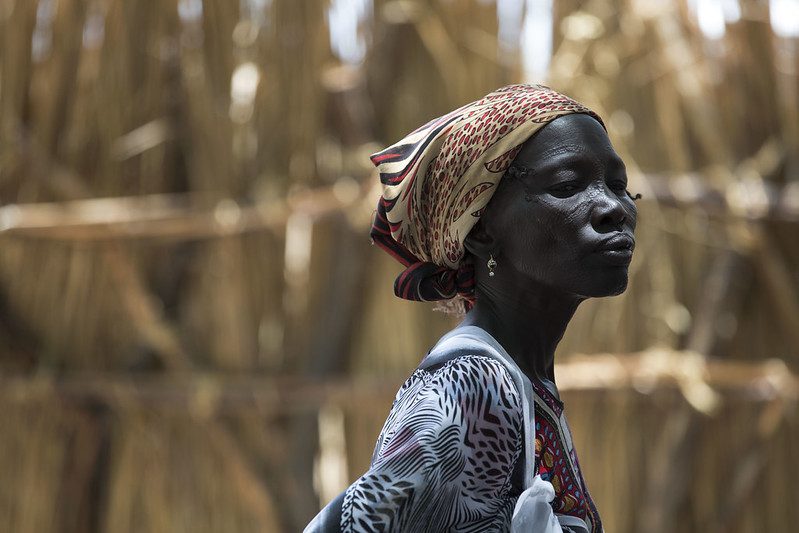
Healthcare Inequity and the COVID-19 Crisis in PalestineThe COVID-19 crisis in Palestine is worsening due to conflict in the region. Palestine is comprised of two territories that are separated by Israel. This includes Gaza and the West Bank. With Israelis preventing Gazans from leaving the area, Israeli soldiers are destroying agricultural lands that are vital for the Palestinian economy.
Palestinians, specifically those living in Gaza, have lived their entire lives relatively isolated from much of the outside world. A wall that was erected along Gaza’s borders prevents Palestinians from leaving the territory and subjects them to Israeli discretion. Help from NGOs and humanitarian aid can reduce the COVID-19 crisis in Palestine.

Pre-Pandemic Healthcare in Palestine

One consequence of the Israeli occupation is the scarcity of healthcare providers and resources in Palestine. In order to access Israeli health facilities, Palestinians must obtain travel permits, but these permits are frequently denied. There are 300,000 Palestinians living without access to adequate healthcare in the West Bank. The few healthcare facilities that do exist in the occupied territories face equipment and medicine shortages. The effort to increase the number of health facilities in Gaza has been hindered by Israeli refusing to grant construction permits and restrictions on medical imports and exports.

Impacts of COVID-19 on Palestinian Healthcare

The COVID-19 crisis in Palestine devastated its already inadequate Palestinian healthcare system. Gaza and the West Bank have a total of 375 ICU beds and 295 ventilators between them, for a population of over three million. The lack of available resources has severely hindered pandemic response in the territories, with health officials halting COVID testing in June due to a shortage of test kits in Gaza.

The sole laboratory in Palestine capable of processing COVID tests was forced to close as it lacked sufficient equipment. Household resources such as hand sanitizer, antibacterial wipes and even soap are scarce in Gaza and the West Bank. This is due to the lack of financial means. In addition, Palestinians don’t have the luxury to use social distancing to prevent the spread of the pandemic as the territories are severely overcrowded.

The ongoing Palestinian-Israeli conflict has exacerbated the severity of the COVID-19 crisis in Palestine. In July 2020, Israeli forces destroyed a quarantine facility in the West Bank, thus further decreasing the amount of pandemic-response resources available to Palestinians. Moreover, hospital space that could be used by COVID patients is largely occupied by the high volume of people seeking treatment for injuries acquired from conflict with Israelis.

Israel has also imposed restrictions on medical supplies, subsequently reducing treatment capacity in Gaza. In April 2020, Israeli authorities destroyed a Palestinian COVID testing center. It has been reported that water, sanitation and hygiene facilities are also casualties of Israeli attacks.

Aiding Pandemic Response in Palestine

The World Health Organization published an updated COVID-19 Response Plan for Palestine in April 2020. This plan involves increasing testing capacity, providing additional hospital beds and educating the Palestinian public about virus prevention. It also aims to increase the amount of personal protective equipment available to health professionals.

Palestinian healthcare providers rely heavily on humanitarian aid and NGOs such as Anera. Anera works towards increasing healthcare access in Palestine by distributing medication, wheelchairs and funding to healthcare providers in Gaza and the West Bank. In addition, Doctors without Borders or, Medecins Sans Frontieres, provides medical care such as trauma support, mental health services, surgeries and treatment for burn patients in the occupied territories.

The COVID-19 pandemic and other preceding disease-outbreaks have often been referred to as “great equalizers,” as they are able to affect all people. Yet, as noted by Dr. Stephen Mein, low-income populations and racial and ethnic minority groups are more likely to contract these diseases. Socioeconomic disparities and political situations such as the Palestinian-Israeli conflict prevent pandemics from becoming equalizers. This is because disadvantaged groups are disproportionately being impacted.

In the case of Palestine, tensions between Palestinians and Israelis have had devastating effects on the pandemic-response. The isolation of Gaza and the West Bank should have prevented the COVID-19 situation in Palestine from escalating so rapidly. Yet, the lack of funding and medical resources as well as political tensions and overcrowding in the territories, have resulted in many potentially preventable fatalities.

Although the COVID-19 crisis in Palestine remains a critical issue, the number of daily COVID cases has been continuously declining. Support from organizations such as Anera has alleviated pressure from the Palestinian leadership.

– Maariyah Kharal
Photo: Flickr

March 2, 2021
https://borgenproject.org/wp-content/uploads/borgen-project-logo.svg 0 0 Jennifer Philipp https://borgenproject.org/wp-content/uploads/borgen-project-logo.svg Jennifer Philipp2021-03-02 07:30:332024-05-30 07:56:46Healthcare Inequity and the COVID-19 Crisis in Palestine
Aid, Child Poverty, Children, COVID-19, Education, Global Poverty, Homelessness

Child Poverty in Argentina: A Crisis that Needs Action

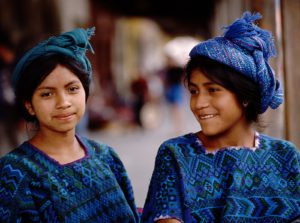
Child poverty in ArgentinaPrior to the COVID-19 pandemic, many children in Argentina had been living in poverty. The pandemic has caused poverty numbers to soar due to COVID-19’s many negative effects. When considering the long-term presence and future impacts of poverty, it is all the more critical to help the children in this country and around the world. This article highlights facts about child poverty in Argentina and the work of some organizations on the ground helping such children.
The Current Situation

There has never been a more critical time for action than now. UNICEF estimates that 63% of Argentinian children will be living in poverty by the end of 2020 due to COVID-19. In August 2019, child poverty reached more than 50%, with 13% of children in a state of hunger. As compared to the year prior, this is an 11% increase. UNICEF estimates that, at the end of 2020, there will be an increase of 18.7% in extreme poverty among children and teenagers.

Child Poverty Statistics

The above figures depict that one in every two Argentinian children lives in poverty, which amounts to 5 million children. One million of these children are homeless. Those who do have homes often deal with difficult household circumstances. Many children are subject to child labor, which includes work as domestics or “house slaves.” These children end up working in illegal textile workshops, mining, construction or agriculture. The exploitation of child labor is commonly related to sexual exploitation. In response, Argentina has passed laws and social programs to end child labor and sexual exploitation. However, the fight to end these practices must continue.

As of 2017, nearly 20% of Argentinian children do not attend school. After the collapse of the economy nearly 20 years ago, funding for education was heavily reduced. Children living in poverty were the first to be affected as they had to work in order to provide for their families. There are also issues with violence occurring in schools. Corporal punishment still takes place when young school children misbehave, which can cause further behavioral problems while instilling the belief that violence is the norm.

As compared to the rest of the population, native children are at high risk for poverty, illiteracy and unemployment. For example, in the province of Tucumán, the Indigenous children and families live well below the poverty line and also endure illegal evictions from their ancestral lands. Additionally, these children are exposed to violence, malnutrition, disease and a lack of proper education.

Child Poverty Aid

Child poverty in Argentina seems rather defeating considering these statistics. However, there are multiple organizations that are on the ground fighting for the human rights, safety, health and happiness of Argentinian children.

One is Mensajeros de la Paz, a temporary home for vulnerable girls. Another is the Sumando Manos Foundation, which extends pediatric visits out to more than 7,000 at-risk children and their communities. The foundation also supplies food, provides critical medical and dental attention and teaches fundamental health care. There is also Fundacion Oportunidad. This organization increases opportunities for economic and social integration of young Argentinian women in situations of social vulnerability. Involvement in these organizations, as well as donation opportunities, are endless.

There are five dimensions of well-being that are vital to the success of childhood development: adequate nutrition, education, safe areas to live and play, access to health services and financial stability. The fight cannot stop until there is an end to child poverty in Argentina and until each child has access to the resources necessary for a healthy and prosperous life.

– Naomi Schmeck
Photo: Flickr

January 12, 2021
https://borgenproject.org/wp-content/uploads/borgen-project-logo.svg 0 0 Yuki https://borgenproject.org/wp-content/uploads/borgen-project-logo.svg Yuki2021-01-12 01:31:332022-04-22 05:58:20Child Poverty in Argentina: A Crisis that Needs Action
Aid, Aid Effectiveness & Reform

Aid Transparency Index Improves Development Data

Aid Transparency Index Improves Development Data
Publish What You Fund: The Global Campaign for Assistance and Development Transparency, an NGO watchdog, created the Aid Transparency Index in 2010 to compare the levels of transparency among aid agencies. Today, it is the only independent measurement for transparency among major development agencies. It aims to improve the efficacy of development assistance by refining the quality of data that donors make public.

How Does it Work?

Donors that are part of the Aid Transparency Index have to meet at least three of four requirements, which are:

  1. The organization has to be in majority public ownership, with one or more governments as shareholders.
  2. Its main purpose must be either to provide development finance and/or aid across the world or to oversee the administration of these resources.
  3. It must play a leading role in setting finance and/or aid policy in its home country, sector or region.
  4. Its budget or resources must be at least $1 billion per year.

The donor’s commitment to transparency is measured by the existence of legislation or disclosure policies, intentions for International Aid Transparency Initiative (IATI) publication and the promotion of information access, use and re-use.

The Aid Transparency Index takes into account 35 indicators to monitor aid transparency, which have been selected based on the IATI Standard. The Index collects most of its information from organization websites, the IATI Registry or from national data platforms. Two of the 35 indicators collect information from other data sources for assessment purposes.

The 2020 Index

The latest index revealed that there has been a great improvement in the donors’ overall transparency since 2018. More than half of the donors on the list now rank as “good” or “very good.” This results from an increase in data quantity and quality in the IATI Standard, which has made data more centralized and accessible.

Eleven donors are now in the “really good” (meaning in between the “good” and “very good”) category, which constitutes an increase of four from 2018. Also, 15 donors are now in the category of “good,” two more than two years ago. These are the organizations with the highest ranks in the 2020 Aid Transparency Index:

  1. Asian Development Bank (ADB) — Sovereign Portfolio with a ranking of 98.0/100.
  2. World Bank, International Development Association (IDA) with a ranking of 97.1/100.
  3. UNDP with a ranking of 96.6/100.
  4. African Development Bank (AfDB) – Sovereign Portfolio with a ranking of 95.5/100.
  5. Inter-American Development Bank (IDB) with a ranking of 95.4/100.
  6. UNICEF with a ranking of 92.9/100.
  7. The United States, Millennium Challenge Corporation (MCC) with a ranking of 92.1/100.
  8. Global Fund with a ranking of 86.5/100.
  9. The United Kingdom, Department for International Development (DFID) with a ranking of 85.4/100.
  10. Canada, Global Affairs with a ranking of 80.9/100.

Addressing Shortfalls

Despite these improvements, gaps still exist between donor publications and their projected outcomes. Many organizations publish their objectives, but only a minority also publish information on the projects’ performances and evaluations. As a result, there are limitations to measuring the effectiveness and value of financial spending in development assistance.

So, to further improve development aid data, Publish What You Fund provides a series of recommendations to donor countries. This includes sharing more information on project results, publishing project budget documents and increasing the participation of stakeholders in partner countries. Altogether, this will contribute to building trust and increasing available information.

Why is it Important?

Today, billions of dollars of aid and assistance are going toward addressing the COVID-19 crisis, which highlights the crucial role that aid transparency plays and how it can contribute to better results when it is formalized.

“Aid transparency is a key way to improve the efficiency of resource allocation, coordination of the response, and for donors to learn from one another’s interventions,” says Gary Forster, the CEO of Publish What You Fund. “The Index provides an illustration of what’s possible when transparency is valued and institutionalized.”

– Helen Souki
Photo: Flickr

January 5, 2021
https://borgenproject.org/wp-content/uploads/borgen-project-logo.svg 0 0 Yuki https://borgenproject.org/wp-content/uploads/borgen-project-logo.svg Yuki2021-01-05 15:32:052021-04-20 15:32:20Aid Transparency Index Improves Development Data
Aid, COVID-19, Global Poverty

The World Bank Group Announces a $12 Billion Initiative

The World BankThe World Bank Group has announced a $12 billion initiative that would allow COVID-19 vaccines, testing and treatments to be readily available for low-income countries. This plan will positively affect up to a billion people and signals the World Bank’s initiative to ensure that developing countries are equipped to distribute vaccines and testing to citizens. The plan is a part of the overall $160 billion package by the World Bank Group, which aims to support developing countries in the fight against the pandemic.

A Multitude of Goals

Since early March 2020, the World Bank Group has provided grants to low-income countries to help with the distribution of health care equipment. Recognizing that the pandemic disproportionately impacts the impoverished and has the potential to push up to 115 million more people into poverty, the World Bank Group has been active in financing an early, timely response to the COVID-19 pandemic in low-income areas. As of November 2020, the World Bank Group has assisted more than 100 developing countries in the allocation of medical supplies and technologies.

With the spread worsening all across the globe, the next step is to administer vaccinations. This new initiative hopes to strengthen health care operatives while also providing economic opportunities within those communities. Other expectations are increasing awareness of public health, training health care workers and focusing on community engagement. As a result, the four primary goals of the World Bank Group’s Crisis Response are to save lives that are endangered by the COVID-19 virus, protect the impoverished and vulnerable, retain economic stability and facilitate a resilient recovery to the pandemic.

Moreover, the World Bank Group has extensive experience with dispersing vaccines, specifically for combating infectious diseases like tuberculosis and malaria. Through these experiences, the World Bank Group understands the importance of quick, tailored distribution based on individual country needs. As a result, countries will have flexibility in how to receive and administer vaccines — for example, through the improvement of health care infrastructure, procurement with the support from varying, multilateral mechanisms or reshaping policy and regulatory frameworks.

Partnerships and Funding

Funding for this project will consist of “$2.7 billion new financing from IBRD; $1.3 billion from IDA, complemented by reprioritization of $2 billion of the Bank’s existing portfolio; and $6 billion from IFC, including $2 billion from existing trade facilities.”

The IDA will provide grants to low-income countries while the IBRD will be supplying grants to middle-income countries. The World Bank’s private sector arm, the IFC, will be the main donor for continued economic stability within its clientele. The IFC’s support will specifically aid in the continuation of operating and sustaining jobs. The total funding will cover a broad scope to strengthen the health care sector. These solutions hope to reduce the harmful economic and social impacts of COVID-19.

World Bank Group president, David Malpass, has been working extensively with these institutions on this project. Malpass pointed out that the need for economic backing is significantly important when it comes to receiving this vaccine. Manufacturers might not deem these low-income communities as important as those in more advanced economies. Hence, it is extremely important to provide this funding to ensure global vaccine equity.

Moving Forward

Many countries have been able to discover viable vaccine treatments. It is important to distribute future doses globally and equitably as COVID-19 pushes more and more people into extreme poverty. Malpass wrote, “The pandemic is hitting developing countries hard and the inequality of that impact is clear … The negative impact on health and education may last decades — 80 million children are missing out on essential vaccinations and [more than] a billion are out of school.”

As the number of global cases increases each day, it is becoming even more important to provide relief to all countries. Low-income countries and communities are the most vulnerable. For this reason, the World Bank Group makes it transparent that its main mission is to provide extended relief to these countries during the pandemic.

– Natalie Whitmeyer
Photo: Flickr

January 1, 2021
https://borgenproject.org/wp-content/uploads/borgen-project-logo.svg 0 0 Jennifer Philipp https://borgenproject.org/wp-content/uploads/borgen-project-logo.svg Jennifer Philipp2021-01-01 07:30:522022-04-12 06:48:37The World Bank Group Announces a $12 Billion Initiative
Aid, Food & Hunger, Food Aid, Food Insecurity, Global Poverty

Alimenta La Solidaridad Fights Food Insecurity

Alimenta la SolidaridadVenezuela has a convoluted political, economic and social situation. The present humanitarian crisis in Venezuela has placed the country fourth for the largest food crisis in the world. The nonprofit organization Alimenta La Solidaridad (Feed Solidarity) chooses to tackle this issue head-on.
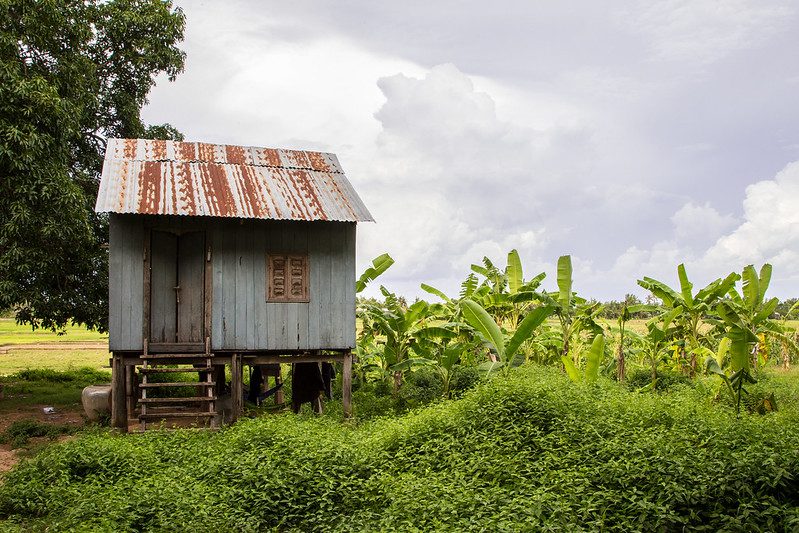
The Situation in Venezuela

According to the World Food Programme, one in every three Venezuelans requires food assistance. Venezuela’s deteriorating situation has decreased household access to food as well as the purchasing power of the people. In 2019, an estimated 2.3 million Venezuelans suffered from food insecurity and approximately 9.3 million required immediate food assistance.

The current food dilemma is expected to worsen due to the current economic crisis. Already, the plight has increased childhood malnutrition and starvation. Children in Venezuela rarely obtain vital nutrients for proper growth and adequate cognitive development.

A Nonprofit to the Rescue

Alimenta La Solidaridad was determined to combat the rampant food insecurity in Venezuela. Since 2016, it has provided more than 7 million meals to Venezuelan children in need. The program started mainly in Distrito Capital, the capital’s state, but it has gradually expanded nationwide. It now operates in 14 additional states, has a total of 188 dining rooms across the national territory and gives food assistance to more than 14,000 children.

The nonprofit recognizes the necessity to contribute its part to society. Alimenta La Solidaridad aims to find sustainable solutions to the food-related challenges that plague many low-income Venezuelan families. This organization works exhaustively to soften the effect of the nutritional deficiencies that many children in this program endure.

How Alimenta La Solidaridad Works

Alimenta La Solidaridad operates through donors with the help of mothers and fathers from the communities. The nonprofit gathers people willing to share their homes to provide the space for community kitchens. Volunteers cook, organize the children, clean and manage the daily operations of this effort. The organization is “more than a plate of food.” When people with Alimenta La Solidaridad get together, they create a place of transformation. Sometimes, they create activities that turn into opportunities for the development and empowerment of children. Mothers in the program also receive growth opportunities.

Alimenta La Solidaridad provides training courses that will empower mothers. The new skills are then put right back into the organization. These mothers often end up taking on one of the most important roles within the organization. They do not only make the initiative possible but they also teach the children to grow in the values of co-responsibility, involvement and service.

Alimenta La Solidaridad aids the outside communities as well. The initiative contributes to the reduction of criminal indexes within the surrounding areas. Further, the organization promotes community organizations and volunteer work. The organization utilizes these avenues of aid as a way to fulfill its mission of providing daily meals to children suffering from food insecurity in Venezuela.

Hope for the Fight

Despite the dire reality in Venezuela, many organizations across the nation are trying to find ways to help. Alimenta La Solidaridad is the perfect example of an organization that managed to provide aid despite bleak circumstances. The nonprofit’s dedication and goodwill have led to a model based on responsibility and empowerment. This method boosts the sense of involvement and level of voluntary service within Venezuelan communities in need. Food insecurity has met its match with the hopeful spirit of the resilient Venezuelan people.

– Isabella León Graticola
Photo: Flickr

December 23, 2020
https://borgenproject.org/wp-content/uploads/borgen-project-logo.svg 0 0 Kim Thelwell https://borgenproject.org/wp-content/uploads/borgen-project-logo.svg Kim Thelwell2020-12-23 13:34:302024-05-30 07:53:25Alimenta La Solidaridad Fights Food Insecurity
Aid, Global Health, Global Poverty

A Model Healthcare Alliance in Rural Guatemala


Agribusinesses in Trifinio, Guatemala renovated cattle and pasture lands into crops for exports which dramatically changed the area. The transformation drove approximately 25,000 people into this remote area in the southwest rural region of Guatemala and employed thousands of people who sought an opportunity in this growing business. The University of Colorado created a healthcare alliance to provide quality medical treatments in the now booming community.

Trifinio, Guatemala

Few people know about Trifinio, Guatemala even though it is a major producer for AgroAmerica’s Chiquita bananas. The town is made up of small concrete houses and only a few paved roads. Most homes are single-room units. When it comes to cultural development, the town’s only form of entertainment is a local bar.

This small and highly impoverished community suffers from the reality of poor health care access. With its nearest hospital one hour away in the town of Coatepeque Guatemala, the residents of this area face the challenges of malnutrition, high infant mortality rates, and a range of infectious diseases. More than 46% of children have intestinal parasites, 38.7% of children have anemia and one-third of women are affected by pregnancy complications. The numbers could not say it clearly enough; this community needed help. Fortunately, AgroAmerica teamed up with the University of Colorado to find a solution.

University of Colorado partners with AgroAmerica

In 2011 Fernando and Gustavo Bolaños, brothers and CEOs and COOs of AgroAmerica, became frustrated by the lack of health care access in their community. With Guatemala’s history of little investment in healthcare, they found themselves unable to ask the public sector for help. Gustavo Bolaños himself addressed this issue in an interview where he claimed, “In Guatemala, we have a lot of inequality and poverty, the government hasn’t been able to really cover the basic needs of the population. We as a private company, see all the needs of our people, and the biggest problem we are facing is education and health”. Therefore, rather than going to the government, they turned to the University of Colorado’s Global Health Center.

With an investment of 1 million U.S. dollars, the Bolaños made a healthcare alliance with the Colorado School of Public Health. Their goal was to build a medical center on their banana plantation. Three years later, the Bolaños proudly stood before the new medical facility. It houses a clinic, laboratory and conference space. The Trifinio Center for Human Development serves around 4,500 plantation workers, along with the 24,000 residents of the neighboring villages, and is “staffed by CU doctors, nurses, midwives, students and other health professionals rotating through Guatemala”.

The Last Six Years

Before Trifinio’s Center for Human Development (CHD) a visit to a health professional cost people in this community at least $25 USD. This did not include transportation fees and the loss of a day’s wages. With the medical facility, that cost has dropped to less than $5 USD. Families now have access to health resources without a geographical and economic barrier. The clinic is committed to decreasing neonatal morbidity, childhood mortality and increasing safe delivery practices and childhood growth and development. Along with these medical goals, the center hopes to impact the health education and social realities of its community.

In 2017, the CHD began a youth leadership program run by participating high-school students from the area. This initiative provided an opportunity for future leaders to learn about community organizing and advocacy that could improve human development. The program not just helps the community, but “students selected for this program receive a scholarship to cover their school fees,” promoting access for educational attainment.

Along with the youth program, the center provides sexual health education to neighboring schools in the area. For mothers, it has a maternal and child health program. This provides quality prenatal care and gives families a direct line for medical professionals to track both the mother’s and child’s health.

The center also conducts research to serve the needs of the community and bring new knowledge to the rest of the world. Their Student Health Survey, taken in late June and early July of 2019 “enrolled 1,414 participants from 15 Trifinio middle and high schools” to better understand the health and social realities of these children, and hopefully address the needs that are found.

The Future

In 2013 Stephen Berman, the director of the Center for Global Health at the University of Colorado said, “The solutions we develop through this program may someday be replicated in communities all over the world”. The program has had measurable benefits for its community, which is a good reason for its replication in other regions. Health care accessibility is not an easy system. But we saw major success through the healthcare alliance of a privately run company and a public institution. There are possibilities for new solutions to address the needs of those most vulnerable.

Ana Paola Asturias
Photo: Flickr

December 22, 2020
https://borgenproject.org/wp-content/uploads/borgen-project-logo.svg 0 0 Kim Thelwell https://borgenproject.org/wp-content/uploads/borgen-project-logo.svg Kim Thelwell2020-12-22 13:39:282024-12-13 18:02:16A Model Healthcare Alliance in Rural Guatemala
Activism, Aid, Child Poverty, Child Poverty, Children, COVID-19, Global Poverty

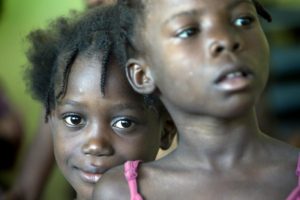
The Reality of Child Poverty in Haiti

Child poverty in Haiti
Haiti, a small country that borders the Dominican Republic on the Hispaniola island, suffers greatly from poverty. Natural disasters, systemic inequality and diminishing economic opportunities create a dire state of extreme poverty. Specifically, child poverty in Haiti is the major poverty crisis.

More than half of Haiti’s 11.2 million population live on less than $3 a day, and malnutrition affects 65,000 children under 5 years old. Many children under 14 — more than a third of Haiti’s population — do not have ready access to health care, clean water, food security or the right to fair and decent work. The question stands: What does child poverty in Haiti look like today, and what obstacles persist in ending it?

It is easy to forget that statistics reflect the experience of real, living people. Please keep this in mind. Considering this, here are five facts about child poverty in Haiti.

The Statistical Perspective

  1.  Malnutrition: Caloric and nutritive malnutrition affect nearly a third of children in Haiti. Out of every five children, one child is malnourished and one out of 10 is acutely malnourished. Before the age of five, one child out of 14 will die. Those who live deal with the effects of inadequate food supplies. Poor access to vital nutrients means that children are subject to poor health, growth and development.
  2. Education: Despite Haiti’s free publication education, only half of the elementary-aged children are enrolled in school. Millions of disadvantaged parents have very few with little resources to secure education for their children. This is a result of Haiti privatizing 92% of schools.
  3.  Labor and Human Trafficking: Nearly half a million children are orphans in Haiti. A significant proportion of these “lost” children experience exploitation for labor in dangerous conditions. “Host households” take in children whose families cannot provide for them. Many of these children — known colloquially as “restaveks” — end up as victims of human trafficking.
  4.  Health Care: Adequate health care is hard to come by in Haiti. Child immunization has stagnated at 41%. The proportion of children who die before their first birthday has risen by 2% in the last year – from 57% to 59%. HIV, tuberculosis and a variety of other chronic, crippling diseases ail an estimated 20,000 children in Haiti, and treatment is increasingly difficult to obtain.

COVID-19

Haiti is particularly prone to natural disasters, in large part due to its geographical situation in Bermuda. A magnitude 7.0 earthquake ravaged the island of Hispaniola in 2010. A slew of tropical storms, hurricanes and additional earthquakes further compromised Haiti. Nearly 10 years later, Haiti still struggles with recovering from its 2010 earthquake and hurricane Matthew alongside dealing with recent social unrest and COVID-19.

Humanitarian aid efforts are nearing an all-time high for the country, but the efficacy of these programs and endeavors has been questioned. The threats of COVID-19 are not the only ones Haiti must face. The future is increasingly uncertain for millions of Haitians and their children, due to equipment shortages, lack of qualified health care professionals and a worsening economic climate.

Solutions

UNICEF has been implementing relief efforts to provide aid in the aftermath of earthquakes. Additionally, it has helped improve sanitation, nutrition and health care for children. However, if one would like to aid Haiti themselves, for free, they can create momentum on social media to raise awareness about the dire situation in Haiti. A number of ways exist to combat child poverty in Haiti; it just takes action.

– Henry Comes-Pritchett
Photo: Flickr

December 22, 2020
https://borgenproject.org/wp-content/uploads/borgen-project-logo.svg 0 0 Kim Thelwell https://borgenproject.org/wp-content/uploads/borgen-project-logo.svg Kim Thelwell2020-12-22 01:30:352024-05-29 22:53:34The Reality of Child Poverty in Haiti
Aid, Aid Effectiveness & Reform, Charity, Education, Global Poverty, Nonprofit Organizations and NGOs

5 Canadian Organizations for Indigenous Prosperity

Indigenous communities in Canada

The Canadian Constitution recognizes three Indigenous communities — First Nations, Métis, and Inuit. Here are five of the many Indigenous-led organizations in Canada, collectively working to create success and prosperity for Indigenous communities.

5 Canadian Organizations for Indigenous Prosperity

  1. First Nations Information Governance Centre – The First Nations Information Governance Centre (FNIGC) is working to achieve data sovereignty. With support from regional partners and a special mandate from the Assembly of First Nations’ Chiefs in Assembly (Resolution #48, December 2009), the FNIGC collects and uses data to “build culturally relevant portraits of the lives of First Nations people and the communities they live in.” Their motto, “our data, our stories, our future” reflects their vision of Indigenous stories being told by Indigenous people, for Indigenous people.
  2. Indspire – Indspire is using the gift of learning to help provide academic success and long-term prosperity with support through financial aid, scholarships/bursaries, awards, mentoring and physical resources.
  3. Aboriginal Financial Officers Association of Canada – Aboriginal Financial Officers Association of Canada (AFOA) is creating a community of Indigenous professionals by supporting successful self-determination through “improving the management skills of those responsible for the stewardship of Indigenous resources.” This includes aid in management, finance and governance.
  4. Reconciliation Canada – Reconciliation Canada facilitates the engagement of Indigenous and non-Indigenous people with meaningful conversations on reconciliation and the lived experiences of Indigenous people. They aim to inspire positive change and understanding. At present, the programs and initiatives offered by the charity are Reconciliation in Action: A National Engagement Strategy, Reconciliation Dialogue Workshops, interactive community outreach activities and Reconciliation Canada.
  5. First Nations Child and Family Caring Society – The Caring Society supports First Nations children, youth and families. The organization has been able to provide 250,000 services and products to Indigenous children by putting Indigenous children and families first.

These five organizations are just some of many who are working to support success and prosperity for Indigenous communities in Canada. Their work helps blaze a path for a brighter future for Indigenous people and the country alike.

– Jasmeen Bassi
Photo: Flickr

December 21, 2020
https://borgenproject.org/wp-content/uploads/borgen-project-logo.svg 0 0 Kim Thelwell https://borgenproject.org/wp-content/uploads/borgen-project-logo.svg Kim Thelwell2020-12-21 09:21:522024-05-30 07:53:105 Canadian Organizations for Indigenous Prosperity
Page 25 of 65«‹2324252627›»

Get Smarter

  • Global Poverty 101
  • Global Poverty… The Good News
  • Global Poverty & U.S. Jobs
  • Global Poverty and National Security
  • Innovative Solutions to Poverty
  • Global Poverty & Aid FAQ’s
Search Search

Take Action

  • Call Congress
  • Email Congress
  • Donate
  • 30 Ways to Help
  • Volunteer Ops
  • Internships
  • Courses & Certificates
  • The Podcast
Borgen Project

“The Borgen Project is an incredible nonprofit organization that is addressing poverty and hunger and working towards ending them.”

-The Huffington Post

Inside The Borgen Project

  • Contact
  • About
  • Financials
  • President
  • Board of Directors
  • Board of Advisors

International Links

  • UK Email Parliament
  • UK Donate
  • Canada Email Parliament

Get Smarter

  • Global Poverty 101
  • Global Poverty… The Good News
  • Global Poverty & U.S. Jobs
  • Global Poverty and National Security
  • Innovative Solutions to Poverty
  • Global Poverty & Aid FAQ’s

Ways to Help

  • Call Congress
  • Email Congress
  • Donate
  • 30 Ways to Help
  • Volunteer Ops
  • Internships
  • Courses & Certificates
  • The Podcast
Scroll to top Scroll to top Scroll to top