• Link to X
  • Link to Facebook
  • Link to Instagram
  • Link to TikTok
  • Link to Youtube
  • About
    • About Us
      • President
      • Board of Directors
      • Board of Advisors
      • Financials
      • Our Methodology
      • Success Tracker
      • Contact
  • Act Now
    • 30 Ways to Help
      • Email Congress
      • Call Congress
      • Volunteer
      • Courses & Certificates
      • Be a Donor
    • Internships
      • In-Office Internships
      • Remote Internships
    • Legislation
      • Politics 101
  • The Blog
  • The Podcast
  • Magazine
  • Donate
  • Click to open the search input field Click to open the search input field Search
  • Menu Menu

Archive for category: Africa

Africa, Electricity and Power, Global Poverty

Plan to Expand Electricity Access in Africa

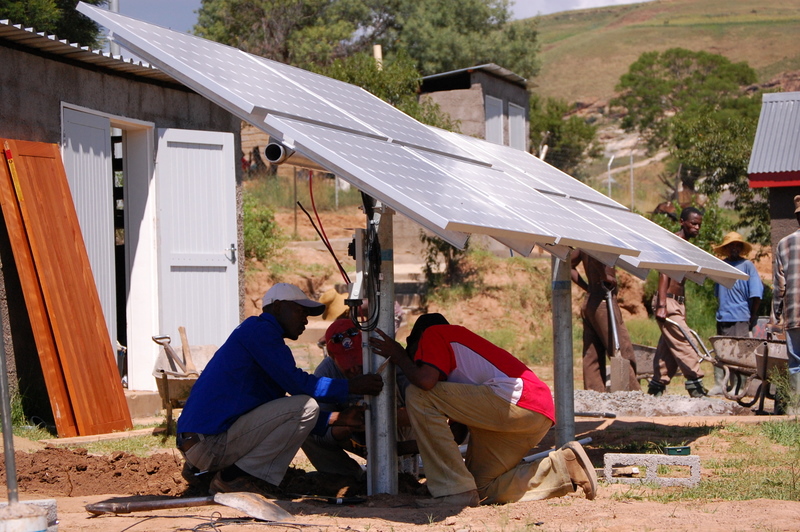
Electricity Access in AfricaAccess to electricity is incredibly important in today’s world. It is fundamental for economic growth and improvements in public health, education, and poverty reduction. Despite this fact, 600 million people throughout Africa, nearly half the continent’s population, have no access to electricity. This lack of electricity keeps people impoverished throughout Africa. It limits health care and educational opportunities while hindering economic development. This energy crisis has only grown in recent years as the rate of electrification has been unable to keep pace with Africa’s rapidly growing population. “The number of people without access to electricity on the continent grew by 100 million from 2000 to 2022,” according to The New York Times.

Historic Energy Investment

Recognizing the urgent need for electrification, the World Bank Group, African Development Bank (AfDB) and others have committed $50 billion to expand electricity access in Africa. This funding commitment was announced at a summit in Dar es Salaam, Tanzania, which was attended by 30 African heads of state, business leaders and global financiers. This level of funding is historic, making it the largest-ever investment in electric power in Africa, according to The New York Times.

The goal of these funders is to connect 300 million Africans to electricity by 2030, according to The New York Times. This ambitious goal would cut in half the amount of people without access to electricity on the continent. Beyond connecting people to electricity, another aim of the program is to spur economic growth through the creation of jobs and the fostering of business and trade growth. Electricity access is also a key aspect of poverty reduction. Access to electricity is essential in today’s world, and through this project, millions of people will be able to pursue new opportunities and gain access to the global economy.

Approach

Renewable energy sources are a central focus of the project. The plan evenly splits funding between two areas: the development of solar mini-grids, which serve individual rural communities, and the expansion of existing power grids, of which many are fueled by hydropower, according to The New York Times.  Leaders of the project have emphasized the need for collaboration among local governments, businesses, banks, and philanthropists. Many African countries today highly struggle with high levels of debt and economic challenges and do not have the necessary funds to invest in energy infrastructure, making foreign investment and support crucial.

Several African leaders have begun or aim to initiate reforms to become more investor-friendly, to spur private energy investment. Country-specific plans are essential to making sure that the program is rolled out effectively across Africa’s diverse range of countries. Multiple countries have already begun to develop these country-specific plans to expand electricity access.

Looking Ahead: Electricity Access in Africa

Access to electricity is a major roadblock to economic growth and poverty reduction throughout Africa. If successful, this plan will not only provide electricity access to hundreds of millions of people, it will spur economic growth, lift communities out of poverty, and expand educational, employment, and health opportunities for millions of people. This massive burst of investment comes at just the right time as energy demand increases due to rapid population growth. With collaboration between governments, the international community and private partners, this project can revolutionize electricity access in Africa.

– Matthew Wornom

Matthew is based in Yorktown, VA, USA and focuses on Good News and Global Health for The Borgen Project.

Photo: Flickr

February 23, 2025
https://borgenproject.org/wp-content/uploads/borgen-project-logo.svg 0 0 Naida Jahic https://borgenproject.org/wp-content/uploads/borgen-project-logo.svg Naida Jahic2025-02-23 07:30:242025-02-23 00:03:44Plan to Expand Electricity Access in Africa
Africa, Employment, Global Poverty

Training Centers and Vocational Education in Kenya

Vocational Education in KenyaVocational education and training centers in Kenya play a vital role in alleviating poverty. They are the backbone the country relies on to move towards becoming a middle-income country. The importance of technical and vocational education and training centers (TVET) is development and economic growth by producing a highly skilled workforce capable of implementing the goals outlined in Vision 2030. Vision 2030 is a strategic plan meant to transform Kenya from a developing country to a middle-income economy by improving the quality of life for everyone.

The Importance of TVET’s in Kenya

For a country like Kenya, economic development is dependent on the growth of the manufacturing industry through production of goods and services that can be imported to generate income. However, for this goal to be realized, technological innovation is important. Therefore, TVET’s come in to address the skills gap by producing a human resource fit for the job market or self employment.

According to The Technical and Vocational Education and Training Authority (TVETA, 2025), Kenya has 12 accredited national polytechnics, 1,232 accredited technical and vocational colleges and 1,086 accredited vocational training centers. Furthermore, vocational education training centers have evolved from providing semi-skilled labor for white settlers to equipping students with skills that meet the needs of the local industries.

Curricula Transformation

Kenya passed the Technical and Vocational Education and Training Act to modernize the TVET sector. The key focus was incorporating information and communication technology to increase access, enhance training capacity, improve delivery methods and support the long-term employability of graduates. Additionally, the act established the Curriculum Development, Assessment and Certification Council (CDACC) tasked with developing the curriculum and assessment standards.

The Outcome

The digitalization of vocational education and training centers in Kenya has benefitted from partnerships with institutions like the World Bank, the German government and organizations like Colleges and Institutes Canada.

With support from the German government, schools like St. Kizito, carried out an assessment of the automotive industry to update their curriculum for automotive courses to ensure the training is aligned with the requirements of the labor market. This partnership led to a revamped curriculum and on job training opportunities for students allowing them to gain practical experience.

Colleges and Institutions Canada conducted research to explore how innovation hubs could address community problems. This initiative has led to various innovations, such as energy-saving stoves and the development of flour using underutilized crops to address food insecurity and nutritional deficiency among vulnerable groups.

Commercialization of innovations has also been a key focus. The TVET curriculum is designed to equip students with skills relevant to the current labor market demands that technological advancement characterizes. To ensure the students are contributing to the manufacturing industries, vocational education and training centers are maximizing their potential for economic growth by commercializing their innovations.

Effect on Economy and Poverty Reduction

Sub-Saharan Africa ranks as one of the regions with the highest school drop out rates of children between the ages of 15 to 17. However, many often see education as a powerful tool in breaking the poverty cycle through empowerment, reducing child labor and providing people with the skills necessary to seek employment. One of the ways to increase access to education is making it affordable and accessible to everyone by promoting non-formal education pathways like vocational training and education.

According to the Kenya National Bureau of Statistics (KNBS) employment in the informal sector grew by 4.5% compared to a 4.2% growth in the formal sector.  

These statistics highlight the impact of TVET in alleviating poverty. Often overlooked as a viable academic option, their ability to transform lives at the community level by providing people with skills that help them to improve their lives is indisputable. Indeed, by focusing on skills such as electrical engineering, agriculture, building and construction they offer local industries with ready skills while meeting the needs of local communities. This also creates a pathway to economic independence through self employment.  Vocational education training centers are a powerful long term investment in the journey of transforming Kenya’s economy.

– Grace Ruria

Grace is based in Nairobi, Kenya and focuses on Technology and Politics for The Borgen Project.

Photo: Flickr
February 17, 2025
https://borgenproject.org/wp-content/uploads/borgen-project-logo.svg 0 0 Jennifer Philipp https://borgenproject.org/wp-content/uploads/borgen-project-logo.svg Jennifer Philipp2025-02-17 07:30:152025-02-16 22:52:08Training Centers and Vocational Education in Kenya
Africa, Electricity and Power, Global Poverty

How South Africa’s Energy System Limited Progress

South Africa’s EnergySouth Africa has long grappled with energy challenges rooted in its Apartheid-Era policies. The electricity grid was historically designed to serve a small, privileged minority, leaving vast portions of the population without access to reliable power. This outdated infrastructure failed to meet the demands of a growing population after apartheid ended, leading to frequent blackouts and widespread dissatisfaction. These challenges underscore the need to shift toward clean energy in South Africa.

In 2011, the government launched the Renewable Energy Independent Power Producer Procurement Program (REIPPPP) in response to the energy crisis. This initiative aimed to bring private investors into the renewable energy sector and address systemic inequalities by improving access to affordable electricity. Over the years, the program has made significant strides, reshaping South Africa’s energy landscape.

REIPPPP: A Game-Changer for Clean Energy

The REIPPPP is often lauded as a transformative project that promotes economic growth and sustainable development. By encouraging private companies, known as Independent Power Producers (IPPs), to invest in clean energy in South Africa, the program has delivered tangible results. It has added more than 6,000 megawatts (MW) of electricity to the national grid through wind, solar, and hydro projects

A key feature of REIPPPP is its focus on socio-economic benefits. Participating companies have to allocate a percentage of their revenue to local community development. Since its development, the program has provided 55,000 job years for South African citizens and could create even more, helping reduce poverty and improve living conditions for underserved communities.

Affordable Clean Energy

In rural areas, REIPPP projects have provided reliable and sustainable electricity. The Touwsrivier Concentrated Solar Plant in the Western Cape has significantly contributed to rural electrification by installing a 44 kW solar Photovoltaic (PV) system.

Additionally, the CPV1 solar power project, in partnership with local authorities, has expanded its impact by installing solar PV systems at schools. These systems have drastically reduced electricity costs, saving R5,000 (300$) per month per school. The savings were redirected toward purchasing educational resources, thereby improving the quality of education in underserved areas.

Increased Investment in the Country

The REIPPPP has attracted around R193 billion (US$16 billion) in investments, driving nearly 6 GW of renewable energy procurement since 2011. Notably, around R135.6 billion of the total investment stems from international financiers, with 25.8% contributed by foreign sources, according to the International Trade Administration (IDA). The United States remains the largest source of foreign direct investment (FDI) in South Africa’s renewable energy sector, with several U.S. companies actively participating in tenders issued by the South African Department of Energy.

Beyond providing affordable and clean electricity, the program has allocated R19.1 billion to socio-economic development initiatives, benefiting local communities and creating employment opportunities, Blue Horizon reports. This alignment between private and public sectors highlights the potential of partnerships to drive sustainable development.

By bridging gaps in energy access and fostering economic investment, the REIPPPP continues to serve as a global model for renewable energy initiatives.

The Role of Eskom in the Energy Transition

While REIPPPP has made considerable progress, its success is closely tied to Eskom, South Africa’s primary electricity supplier. Eskom generates approximately 95% of the country’s electricity, largely from coal, which poses environmental and operational challenges, according to IDA. The utility’s aging infrastructure and financial woes have prompted the government to explore partnerships with IPPs to diversify energy sources. However, through REIPPPP, Eskom has incorporated clean energy into South Africa’s national grid, providing cleaner and more reliable power, IDA reports.

This collaboration highlights the importance of combining public and private efforts to overcome energy challenges in South Africa.

Challenges and Future Outlook

Despite its successes, the shift to clean energy in South Africa is not without challenges. The current grid infrastructure is insufficient to support the increased demand for clean energy in South Africa. Minister Kgosientsho Ramokgopa emphasized that while there is significant interest from the private sector to engage in the REIPPPP, the lack of grid capacity hinders progress in deploying new projects.

The slow and complex licensing process for IPPs has been a significant barrier to the progress of renewable energy projects. These delays have deterred investment and slowed the deployment of energy solutions. Minister Ramokgopa acknowledged this issue and outlined plans to simplify and potentially eliminate licensing requirements to facilitate faster integration of renewable energy into the grid and support the country’s decarbonization efforts.

South Africa’s workforce is primarily skilled in coal and nuclear energy. As the country transitions to renewable energy, there is a risk of job losses unless the workforce is up-skilled. The lack of proper training and capacity-building programs could lead to unemployment among coal workers and a shortage of skilled professionals in the clean energy sector. It is essential to prioritize training and skills transfer to ensure a smooth transition.

Solutions for a Sustainable Future

South Africa faces significant hurdles in its transition to clean energy, but there are viable solutions. Indeed, by modernizing the grid infrastructure, simplifying regulatory processes and providing reskilling programs for coal workers, the country can accelerate its energy shift. Strengthening public-private partnerships will also attract vital investment and foster socio-economic development. These steps could ensure a just transition to a cleaner, more reliable energy future.

The REIPPPP offers a clear path forward for South Africa, demonstrating how renewable energy can foster economic growth, create jobs and tackle inequality. Furthermore, if fully embraced, South Africa has the potential to lead the global transition toward clean energy, setting a powerful example for other nations to follow.

– Mmanoko Faith Molobetsi

Mmanoko is based in Pretoria, South Africa and focuses on Good News and Politics for The Borgen Project.

Photo: Flickr

February 9, 2025
https://borgenproject.org/wp-content/uploads/borgen-project-logo.svg 0 0 Naida Jahic https://borgenproject.org/wp-content/uploads/borgen-project-logo.svg Naida Jahic2025-02-09 07:30:242025-02-08 23:31:11How South Africa’s Energy System Limited Progress
Africa, Global Poverty, Health

AI Innovations Improve Health care in Kenya

Health care in Kenya Kenya is currently experiencing a boom in medical AI innovations. From the minds of hardworking scientists and medical groups, sprouts one solution to a modern health care crisis. Efficient and effective health care in Kenya is limited. The industry is in need of additional medical professionals and general resources.
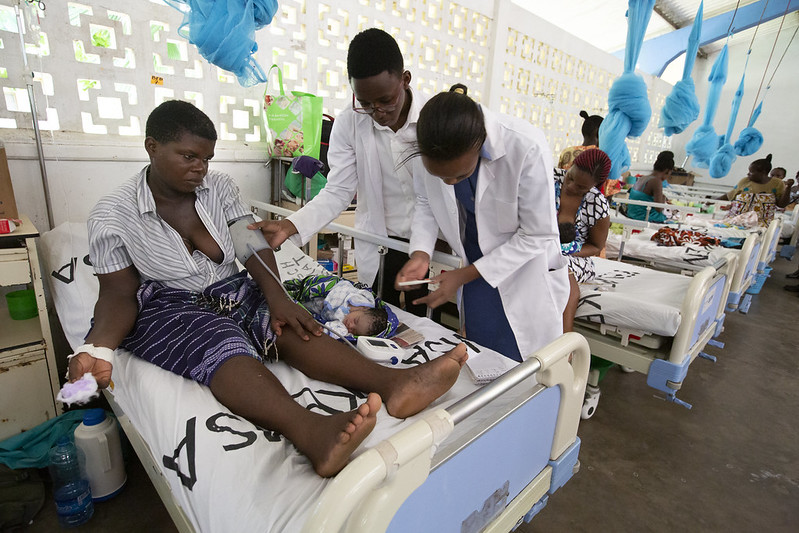
Additionally, the amount of health care providers in Kenya is extremely disproportionate to its population. According to the World Health Organization (WHO), Kenya employs approximately 2.9 medical doctors per 10,000 residents (compared to 30 or more in most developed countries).

This leads to an especially prominent gap in health care in rural areas of Kenya, where resources are most scarce. In recent years, health providers have utilized AI to analyze output from imaging machines and prescribe possible treatments.

Innovation in Medical Imaging: NeuralSight

Neural Labs Africa, based in Kenya, has developed NeuralSight to aid in medical diagnosis. The team aims to provide earlier diagnoses with their AI program. This technology could decrease the high rate of deaths from preventable diseases in Africa, such as pneumonia and tuberculosis.

These diseases particularly impact populations in rural and low-income areas that experience a lack of access to medical testing and treatment. AI technologies like NeuralSight additionally supplement health workers who are overwhelmed by their number of patients.

More efficient X-rays and MRI analysis will also improve the detection of developmental disorders and medical conditions in children, leading to overall better quality of life in African populations.

NeuralSight has already found success in its clinical trials with shorter wait times for medical results. The organization shared their experience conducting clinical testing in a remote Kenyan village. “This moment solidified the importance and impact of our work. The key lesson was the realization of the vast potential of our tool in regions with limited medical resources,” Neural Labs told UNICEF.

Dr. Fredrick Mutisya’s Solution to Antimicrobial Resistance

In conjunction with medical testing, there is a need for accurate and effective prescriptions. Dr. Fredrick Mutisya is innovating antibiotic prescriptions through AI, which has the potential to reduce increasing antimicrobial resistance.

Dr. Mutisya studied antibiotic resistance by looking at Pfizer’s antibacterial surveillance data (2004-2021). He then developed Antimicro.ai with Dr Rachael Kanguha to assist healthcare providers in Kenya. The program detects possible antibiotic resistance and produces a preliminary prescription to be confirmed by a medical professional.

Antimicro.ai has determined that antibiotic resistance stretches as high as 50% based on data from over 850,000 samples from 83 countries, according to Gavi. Considering its projection that resistance could reach 80% by 2030, careful prescriptions are of paramount importance.

The AI program is open-access and doesn’t store user data. This sets the example for emerging AI technologies to remain ethical and equitable.

The Future of AI Programs for Health Care in Kenya

Still, additional data collection is on the horizon. Pfizer’s medical data is limited. According to Gavi, it is currently biased toward European and Central Asian populations, with sub-Saharan Africa and South Asia making up only 2% of observed populations.

More data is necessary to produce AI programs modeled on health care in Kenya and other African countries. Relying on European data models could lead to diagnostic errors.

The Bureau of Standards recently published a code of practice for AI Applications. The report likewise notes a concern with bias in data procurement.

AI programs for health care in Kenya are in the early stages of development. Yet, innovation is moving quickly. The Gates Foundation committed more than $1 million to Science for Africa (based in Nairobi, Kenya) to launch an RFP in 2023. The RFP encouraged African innovators to develop AI tools for health care. Among its many initiatives, Science for Africa (SFA) focuses on supporting AI developers in the medical field sector.

Kenya is an epicenter for developments in AI. Medical AI has already increased access to health services in remote and poverty-stricken areas of Kenya. With the right support and persistence, this will lead to greater well-being in the country and further innovation globally.

– Sarah Lang

Sarah is based in Pittsburgh, PA, USA and focuses on Technology and Politics for The Borgen Project.

Photo: Flickr

February 8, 2025
https://borgenproject.org/wp-content/uploads/borgen-project-logo.svg 0 0 Naida Jahic https://borgenproject.org/wp-content/uploads/borgen-project-logo.svg Naida Jahic2025-02-08 07:30:322025-02-08 01:53:11AI Innovations Improve Health care in Kenya
Africa, Global Poverty, HIV/AIDS

Fighting HIV in Lesotho

hiv in lesothoLesotho, a small country in southern Africa, is making notable progress in tackling HIV and addressing the poverty it creates. With an HIV prevalence rate of approximately 24.6% among adults aged 15-49, Lesotho faces one of the highest infection rates globally. This epidemic continues to impact the country’s economic and social development. Through innovative programs and global partnerships, Lesotho shows that progress is achievable and impactful.

Universal HIV Treatment: Lesotho’s Test and Start Policy

In April 2016, Lesotho became the first country in sub-Saharan Africa to implement the “Test and Start” policy, which offers antiretroviral therapy (ART) to all HIV-positive individuals regardless of their CD4 count. This approach ensures early intervention, preventing the virus from progressing and reducing transmission rates. As of 2020, approximately 273,000 adults living with HIV in Lesotho were receiving antiretroviral therapy (ART), representing about 84% of the total HIV-positive adult population. Community-based testing initiatives have also played a key role. These programs bring services to rural areas through mobile clinics and health workers, enabling more individuals to know their HIV status and connect with treatment. Such efforts are vital in addressing HIV in Lesotho.

Advancing HIV Care Through Global Partnerships

International partnerships and government initiatives have significantly contributed to Lesotho’s HIV response. For the fiscal year 2024/2025, the Government of Lesotho allocated 233 million Maloti (approximately $15 million) for antiretroviral therapy (ART) procurement, demonstrating its commitment to a sustainable HIV response.

In 2022, PEPFAR contributed $75 million to support Lesotho’s HIV/AIDS response. This funding has been crucial in providing resources for HIV testing, prevention, and treatment, helping the country make significant progress toward achieving its UNAIDS 95-95-95 targets

These combined efforts, along with support from organizations like the Global Fund, have helped Lesotho progress toward the UNAIDS 95-95-95 targets. By 2020, 94% of people living with HIV in Lesotho knew their status. Additionally, 91% were receiving treatment, and 98% of those on treatment achieved viral suppression.

Using Technology to Improve HIV Care

Lesotho’s use of technology is revolutionizing HIV care and improving treatment outcomes. Electronic medical records (EMRs), implemented across healthcare facilities, improve patient tracking and continuity of care. For instance, HIV-positive pregnant women benefit from care recorded in EMRs linked to national health systems, ensuring more efficient service delivery.

Mobile health (mHealth) interventions, such as text message reminders, have also improved treatment adherence. A study in Lesotho found that patients receiving SMS reminders for medications and appointments demonstrated a 20% increase in adherence rates.

Digital tools have further enhanced public education campaigns, raising awareness about HIV prevention and reducing stigma. Mobile platforms ensure critical information reaches even the most remote communities.

Empowering Lives Through Comprehensive Care

Lesotho’s HIV programs are not limited to medical care—they also address the economic and social impacts of the epidemic. Many ART clinics now provide additional services, including food assistance and vocational training. These initiatives ensure patients remain healthy and economically active, reducing the cycle of poverty linked to HIV in Lesotho.

By addressing broader community needs, these programs empower individuals to lead productive lives and strengthen local economies. In rural areas, access to healthcare and economic support has helped families remain stable despite the challenges of living with HIV.

A Model for Global Progress

Lesotho’s progress provides a powerful example of how innovation and partnerships can transform a nation. By prioritizing health and integrating it with poverty reduction efforts, Lesotho demonstrates what can be achieved through collective action and sustained investment.

With continued collaboration and funding, Lesotho’s success story can serve as a model for other developing nations facing similar challenges. Indeed, as the global fight against HIV continues, HIV in Lesotho stands as a testament to the power of progress in overcoming an epidemic and its broader impacts on poverty.

– Fiza Meeraj

Fiza is based in London, UK and focuses on Good News for The Borgen Project.

Photo: Unsplash

January 14, 2025
https://borgenproject.org/wp-content/uploads/borgen-project-logo.svg 0 0 Naida Jahic https://borgenproject.org/wp-content/uploads/borgen-project-logo.svg Naida Jahic2025-01-14 07:30:522025-01-14 00:17:29Fighting HIV in Lesotho
Africa, elderly poverty, Global Poverty

Aging in Need: The Struggles of Elderly Poverty in Liberia

elderly poverty in liberiaLiberia is a country on the west coast of Africa with a population of around 5.5 million and ranks as “the ninth poorest country in Africa and the world.” Still recovering from years of civil conflict and the Ebola crisis over the past decade, Liberia has achieved significant development progress, focusing on reducing poverty and enhancing basic service delivery for its population, while successfully transitioning between democratically elected governments This essay will discuss the state of the elderly poverty in Liberia, the work that the government has been doing to address this growing crisis.

Elderly Poverty in Liberia

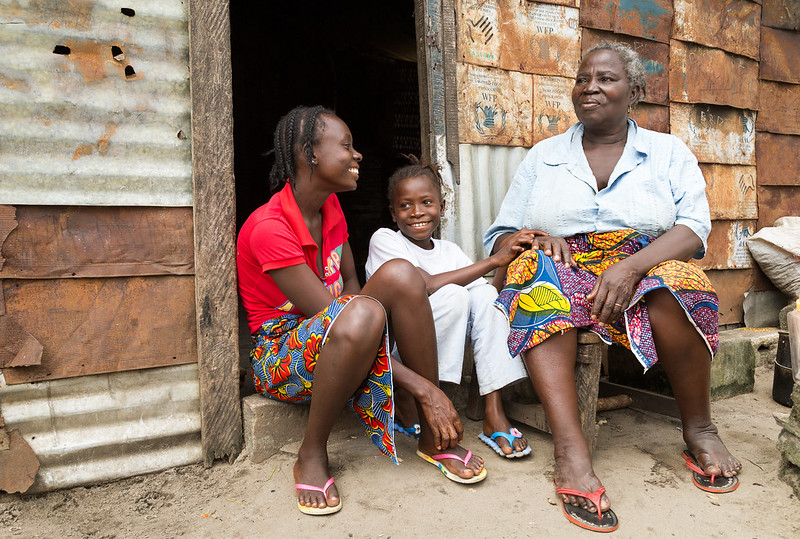
The elderly living in poverty in Liberia face significant challenges, as it lacks a “universal statutory social security system for its older population.”  The highest level of poverty is among individuals aged 60, with more than 60% living in absolute poverty, 48% facing food poverty and 22.2% in extreme poverty.

As most elderly citizens have not participated in the formal labor market, they are not eligible for pension schemes that could provide income security. At present, the only available option is a contributory national pension scheme. Unlike high-income countries that provide comprehensive pension systems, few African nations including Liberia, offer similar protections.

For those who do have pensions, coverage remains inadequate, lacking the support systems for surviving spouses and children that are typical in wealthier nations. According to the International Monetary Fund (IMF) study, there is only a small fraction—approximately 300,000 people—qualifying for the national pension scheme.

NASSCORP

The Liberian government operates the National Social Security and Welfare Corporation (NASSCORP), a statutory public trust established in 1975. NASSCORP administers the country’s social insurance program, providing benefits for individuals who contributed premium fees while employed. The program addresses “income loss due to injury, invalidity, old age, or the death of a breadwinner.”

Despite this framework, Liberia faces significant unemployment challenges, with many citizens unable to secure formal-sector jobs and, consequently, not contributing to NASSCORP. As they age, a majority rely on family support rather than a pension. NASSCORP aims to pay a monthly pension equal to at least 25% of a retiree’s average monthly earnings, funded by contributions from employers (3%) and employees (4.75%)—a total of 7.75% of monthly wages. To qualify for this pension, individuals must be at least 60 years old and have made contributions for a minimum of 100 months, with additional contributions increasing the pension.

However, many eligible citizens struggle to prove their entitlement due to the loss of records during 15 years of civil war, and a significant number lack any history of formal employment, particularly in rural areas. Consequently, elderly individuals often depend on family care, which is more sustainable in rural communities than in urban areas, where higher living costs and weaker traditional bonds complicate support systems.

PAPD

The Pro-Poor Agenda for Prosperity and Development (PAPD) 2018-2023 aims to address elderly poverty as part of Liberia’s broader national development strategy, according to the IMF report. This agenda builds on previous strategies and lessons learned from past poverty reduction efforts and focuses on enhancing the welfare of vulnerable populations, including the elderly poverty,

The four major pillars of the PAPD are:

  • “Power to the people:” Empowering citizens, including the elderly, with necessary skills and tools for better life control.
  • “The economy and jobs:” Fostering private sector-led growth and job creation, with an emphasis on economic inclusion,
  • “Sustaining the peace:” Promoting social cohesion to support sustainable development
  • “Governance and transparency:” Strengthening state capabilities for inclusive governance.

As for the way forward on empowerment, stakeholders consistently cited access to good quality education and health as the top priorities for the PAPD. Demand for more and better health and education facilities and, for good quality instruction, was high. Water and sanitation facilities were also high in demand. Moreover, special programs targeting youth, empowerment of women and people with disability and support for the elderly were high on the order of priorities, the IMF reports.

Conclusion

Liberia’s elderly population faces a significant crisis of poverty. The absence of a universal pension system, coupled with high unemployment rates and the historical impact of civil conflict, has left many older citizens without the means to support themselves. While the National Social Security and Welfare Corporation (NASSCORP) offers some relief through a contributory pension scheme, its coverage is limited and many eligible individuals struggle to access these benefits due to lost documentation and a lack of formal employment history.

– Hoi Ieng Chao

Hoi is based in Macau and focuses on Politics for The Borgen Project.

Photo: Flickr

January 12, 2025
https://borgenproject.org/wp-content/uploads/borgen-project-logo.svg 0 0 Naida Jahic https://borgenproject.org/wp-content/uploads/borgen-project-logo.svg Naida Jahic2025-01-12 01:30:562025-01-10 05:44:40Aging in Need: The Struggles of Elderly Poverty in Liberia
Africa, Development, Global Poverty

How Historical Resource Extraction in Africa Fuels Modern Poverty

historical resource extractionThe history of colonial exploitation has deeply shaped economic and social structures in sub-Saharan Africa, particularly through large-scale resource extraction. European powers profited extensively from Africa’s natural wealth while providing limited support to local economies and communities. The impact of colonial-era practices remains evident in the economic challenges facing many African countries today, such as dependency on raw exports and foreign corporations. This article explores how the colonial exploitation legacy influences modern poverty, focusing on Nigeria and the Democratic Republic of the Congo (DRC). It also examines current efforts to reduce dependence on foreign entities through sustainable development and resource sovereignty initiatives.

Historical Resource Extraction and Economic Dependency

During colonial rule, European powers extracted valuable resources from African nations without regard for long-term economic development. In the DRC, Belgium controlled vast resources, including rubber, copper and ivory, while failing to invest in essential infrastructure like roads, schools or health care. The Belgian administration’s primary attraction to the DRC was its natural resources that could be exploited for profit. This exploitation by Belgium ​​set the stage for decades of future conflict and violence leaving behind an unstable country unable to grow economically. Evident in how the majority of Congolese people have not benefited from the natural resources. The DRC is one of the poorest countries in the world with an estimated 73.5% of Congolese people living on less than $2.15 a day in 2024.

Similarly, Nigeria’s British colonial rulers focused on extracting oil, positioning Nigeria as one of Africa’s major oil producers. However, with approximately 40% of Nigerians living below the national poverty line, wealth distribution remains a significant issue.

Nigeria’s economy, heavily reliant on oil exports, faces the consequences of price fluctuations in global markets, which can destabilize the local economy and deepen poverty. The United Nations Development Programme (UNDP) has documented the economic instability that accompanies raw material dependency, noting that countries lacking the infrastructure to process their resources into higher-value products struggle with poverty and limited economic diversification.

Long-Term Impacts

Historical resource extraction systems left African countries reliant on raw exports, which today are often controlled by foreign corporations. In Nigeria, international oil companies hold a significant stake in oil production. Their influence limits Nigeria’s ability to fully capitalize on its oil wealth for national growth, as foreign profits outstrip contributions to the local economy and infrastructure.

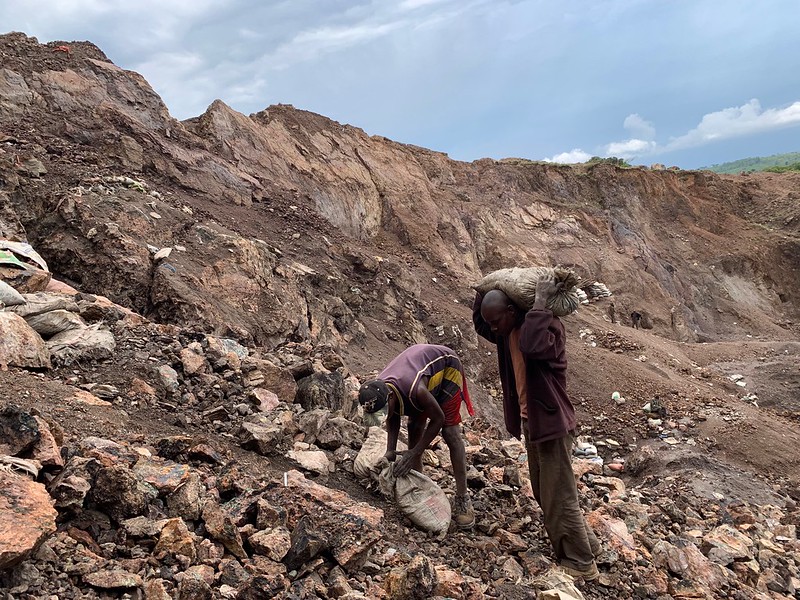
In the DRC, foreign corporations dominate cobalt mining, a resource crucial to technology production worldwide. Local communities receive minimal benefits from the cobalt industry, often facing poor working conditions, environmental damage, and limited economic opportunity. Artisanal miners, who produce over 20% of the DRC’s cobalt, frequently earn less than $2 per day despite grueling and dangerous conditions.

Furthermore, child labor remains a significant concern, with an estimated 40,000 children working in cobalt mines across the country, Wilson Center reports. According to the UNDP, economies heavily reliant on raw exports without diversified industry struggle with job scarcity and vulnerability to market fluctuations, hindering efforts to reduce poverty. The presence of foreign corporations in critical industries leaves these countries at the mercy of global market dynamics, which often prioritize profit over local development.

Sustainable Development and Economic Empowerment

Several African nations have launched initiatives to reduce reliance on raw exports and foreign corporations in response to colonial legacies. Nigeria, for instance, has started developing oil refineries to process crude oil locally, hoping to reduce its need for imports and increase job opportunities. By adding value within Nigeria, these efforts aim to boost economic resilience and retain a larger share of resource-generated wealth within the country.

The U.S. government-supported Public-Private Alliance for Responsible Minerals Trade (PPA) focuses on creating a sustainable and responsible minerals trade in the Democratic Republic of Congo (DRC) by promoting local ownership and ethical mineral sourcing. By creating conflict-free supply chains for resources like gold and cobalt, the PPA helps communities gain more control over their resources.

It also emphasizes empowering women in mining communities and improving working conditions. These efforts aim to create sustainable economic opportunities, reduce exploitation by foreign corporations, and build resilience in the DRC’s mining regions. Transparent supply chains and community-focused projects are critical steps toward self-sufficiency and long-term poverty alleviation.

Addressing Colonial Impacts to Alleviate Poverty

Historical resource extraction continues to affect African economies, leaving many reliant on raw exports and vulnerable to global market shifts. European powers took significant wealth from African nations without fostering sustainable local industries, creating economic structures that persist today. Sustainable development and resource sovereignty initiatives are helping African countries reclaim control over their resources and invest in local economic growth. Addressing these historical injustices remains crucial for building economies that empower African communities and reduce poverty by ensuring African wealth benefits the continent itself.

– Harriet Conway

Harriet is based in London, UK and focuses on Politics for The Borgen Project.

Photo: Flickr

December 31, 2024
https://borgenproject.org/wp-content/uploads/borgen-project-logo.svg 0 0 Naida Jahic https://borgenproject.org/wp-content/uploads/borgen-project-logo.svg Naida Jahic2024-12-31 01:30:532024-12-30 02:29:50How Historical Resource Extraction in Africa Fuels Modern Poverty
Africa, Development, Global Poverty

Lobito Trading Corridor: Growing Africa’s Economy

Lobito Trading CorridorLobito is a municipality in Angola with a population of 484,000. It is known for its shipping port, constructed in 1903 to transport goods worldwide. Also at this time, building began on the Benguela Railway connecting the Port of Lobito to the resource-rich Democratic Republic of Congo (DRC). During Angola’s civil war from 1975-2002, many of its transport systems were damaged, and goods could no longer reach the port for export. This heavily impacted the African economy. The Lobito Corridor initiative is the flagship project of the Partnership for Global Infrastructure and Investment (PGI). In 2022, the G7 formed the PGI, intending to invest $600 billion by 2027 to improve the infrastructure globally. Re-establishing its Lobito Trading Corridor could increase the efficiency of resource mobilization from the DRC to Angola’s port for trade with developed countries globally.

The Impact of The Lobito Trading Corridor on Africa

The Lobito Corridor is likely to improve international relationships. In August 2024, the first Lobito Corridor train carrying copper reached Lobito’s export port after its refurbishment. It took just six days to reach the port from the DRC, a journey that by road would usually take over 30 days, according to CNN. Before this, most of Africa’s resources went to Asia. Positive relationships between the U.S. and Africa hope to see increased trading efforts and economic growth for the developing country. Economic growth would allow continued building of Africa’s infrastructures and investment in humanitarian services.

Currently, 30% of Angola’s population lives below the poverty line. The country suffers from high and widespread unemployment, according to CNN. The Lobito Trading Corridor Initiative could bring many jobs to Angola and areas feeding the Lobito Corridor to keep the railway functioning. With more of its citizens in employment, poverty levels could decrease.

The Lobito Corridor could also provide transport assistance to support local businesses, such as agriculture. Businesses along the Lobito Corridor could use the railway to transport their crops and other services to regional communities or further afield. On a larger scale, the Angolan food production company, Carrinho Industry, also has the potential to benefit from this initiative. With initially poor road and communication infrastructure, transportation of food to supply Africa was difficult and expensive. However, with the more efficient Lobito Corridor, essential food supplies can reach those in need much faster, CNN reports.

The Future

Feasibility studies are currently taking place to assess the viability of extending the railway 800 kilometers to service Zambia, another mineral-rich African country. With more than 60% of its population living in poverty, the success of this phase could lead to economic growth and job security. Similarly, another future phase of the initiative is extending the railway to the Indian Ocean through Tanzania. This would allow an even more expansive trading opportunity for Africa.

– Millie Trussler

Millie is based in London, UK and focuses on Technology and Politics for The Borgen Project.

Photo: Flickr

December 23, 2024
https://borgenproject.org/wp-content/uploads/borgen-project-logo.svg 0 0 Naida Jahic https://borgenproject.org/wp-content/uploads/borgen-project-logo.svg Naida Jahic2024-12-23 01:30:552024-12-22 02:06:02Lobito Trading Corridor: Growing Africa’s Economy
Africa, environment, Global Poverty

Namibia’s Female Rangers: Protecting Wildlife

Namibia's Female RangersNamibia is home to diverse wildlife, including iconic species like black rhinos and desert elephants. However, poaching and habitat destruction pose ongoing threats to these animals. In response, Namibia’s female rangers are at the forefront of conservation efforts, tackling wildlife protection and rural poverty.

These women, often from marginalized backgrounds, safeguard endangered species while earning sustainable incomes and building anti-poaching and wildlife monitoring skills. Through community-based conservation programs, they ensure local involvement and channel the benefits of biodiversity protection back into their communities. By fostering gender equality and creating economic communities, Namibia’s female rangers showcase how conservation can be a powerful tool for social and economic development.

Poverty and Poaching

Namibia faces significant poverty challenges, with approximately 17.2% of the population living on less than $2.15 per day. Moreover, Namibia’s Gini coefficient of 59.1% ranks it as one of the world’s most unequal countries, highlighting significant disparities in wealth distribution, particularly between genders. Regarding this, 46% of female-headed households live in multidimensional poverty compared to 41% of male-headed households.

Multidimensional poverty affects 43.3% of the country’s population, with rural areas experiencing much higher rates of 59.3% compared to urban regions of 25.3%. This means that Namibian women in rural areas suffer the most from poverty. This disproportion highlights the intersection of gender and geographic location as key drivers of poverty in Namibia.

Additionally, poaching remains a critical issue in Namibia, significantly threatening the country’s wildlife. In 2015, poachers killed 97 rhinos and 101 elephants in 2016. These mark the deadliest years of poaching in Namibia’s history. Alka Bhatia, the United Nations Development Programme (UNDP) Namibia Resident Representative, identifies increased poaching as one of Namibia’s top three challenges, noting that it “strikes a blow to the tourist industry and the economy.”

As poaching undermines conservation efforts, it also undermines the country’s potential for sustainable economic growth, directly impacting poverty reduction initiatives and the well-being of marginalized communities.

The Role of NGOs and Female Rangers

Several nongovernmental organizations (NGOs) in Namibia are addressing the dual challenges of poverty alleviation and wildlife conservation by empowering women through employment. These female rangers are making significant strides not only in wildlife conservation but also in challenging gender stereotypes and supporting their families. The Save the Rhino Trust (SRT) has been a key player in employing female rangers to monitor and protect Namibia’s black rhinos.

This initiative helps preserve endangered species and provide economic opportunities to women in Namibia’s rural Kunene region. Although initially dominated by men, the program now includes six women employed on a salary. Female rangers employed by SRT are taught to recognize rhino footprints, monitor movement patterns and identify potential poaching threats. The ranger’s role is to contribute to conservation efforts and help alleviate poverty for the individual and their family. For Namibian women who are the primary breadwinners, this position enables them to support their dependents financially.

Ultimate Safaris, a leading Namibian tour operator, also works with Huab Under Canvas, a desert camp, to provide unique ecotourism experiences. Through a partnership with conservation programs like SRT, Ultimate Safaris employs female rangers to lead rhino-tracking tours for tourists. Female rangers in this program are paid to guide tourists on rhino-tracking expeditions, which supports both the conservation of rhinos and the sustainable development of the local economy.

Success Rates

Driven by NGOs’ support and women’s unwavering determination, Namibia witnessed a remarkable transformation in gender roles within communal conservancies. No longer limited to traditional roles, women are now stepping into leadership positions across various sectors. The 2018 State of Community Conservation report highlights this shift. The report reveals that women hold 17% of chairperson roles, 41% of treasurer positions, 33% of management committee memberships and 25% of staff roles within these conservancies.

By employing local women in such roles, wildlife conservancies provide them with stable incomes that can improve their economic status. Rural communities have seen substantial benefits, with more than 43.5% of Namibia’s land now managed by conservation. For instance, conservancies have helped communities increase income through wildlife-related ventures like tourism and sustainable game hunting, directly supporting families, including women.

Moreover, poaching figures in Namibia have seen a significant reduction in recent years, reflecting the effectiveness of strengthened conservation efforts. Between 2020 and 2023, rhino killings dropped by more than 50%. This decline is even more striking in the case of elephants, with only eight elephants poached in 2023, a sharp contrast to 101 killed in 2016. These improvements are a testament to the efforts of the Namibian government and conservation organizations being led by women.

Conclusion

Namibia’s female rangers are a beacon of hope, showcasing how conservation and poverty alleviation can go hand in hand. These women empower themselves by protecting wildlife, earning sustainable incomes and uplifting rural communities.

These initiatives combat systemic poverty, advance gender equity and support the United Nations (U.N.) Sustainable Development Goals (SDGs), particularly those related to life on land (SDG 15) and gender equality (SDG 5). Ultimately, the efforts of Namibia’s female rangers are a powerful reminder that conservation can be a catalyst for global change.

– Nour Mostafa

Nour is based in Gloucester, UK and focuses on Good News and Global Health for The Borgen Project.

Photo: Pexels

December 22, 2024
https://borgenproject.org/wp-content/uploads/borgen-project-logo.svg 0 0 Hemant Gupta https://borgenproject.org/wp-content/uploads/borgen-project-logo.svg Hemant Gupta2024-12-22 01:30:062024-12-22 01:47:08Namibia’s Female Rangers: Protecting Wildlife
Africa, Global Health, Global Health

UNICEF’s Oxygen Plant-in-a-Box

Oxygen Plant-in-a-BoxPneumonia kills more children than any other infectious disease. Each year, more than 7 million children under 5 require oxygen as a means of treatment for this. In 2020, UNICEF launched its Oxygen Plant-in-a-Box Project. This cost-effective project supplies hospitals with life-saving gas, a means of preventing millions of deaths from pneumonia.

Before 2020 – The Situation

As of 2018, pneumonia was responsible for 16% of child deaths, with the majority amongst children below the age of 2. It killed more children than diarrhea and malaria combined. Almost all cases of pneumonia can be prevented through early diagnosis and access to antibiotics and oxygen treatment. The problem lay and continues to lie with access to this healthcare.

Pneumonia does not have a single cause, it is an acute respiratory infection of the lungs, developing from either viruses or bacteria in the air. Once infected lungs become inflamed which causes difficulty breathing. The most common symptoms are coughing, fever and difficulty breathing.

The Role of Oxygen

When pneumonia develops, inflammation of the lungs stops enough oxygen from entering the bloodstream and circulating through the body. Access to oxygen in these cases becomes lifesaving. However, it has previously been unavailable to those in countries without strong health systems, only available in higher-level facilities and hospitals.

As the leading cause of preventable child deaths, pneumonia is more deadly to children in 124 low to middle-income countries who have limited or no access to health care. It leaves around 4.2 million children under 5 with dangerously low oxygen levels. This group is more vulnerable due to exposure to polluted air and higher rates of malnutrition and diarrhea, which leaves immune systems weaker.

UNICEF’s Oxygen Plant-in-a-Box Project.

Since the COVID-19 pandemic, UNICEF and partners have worked to improve basic oxygen access, coming up with their innovative Oxygen Plant-in-a-Box Project. The Oxygen-Plant in a box produces enough oxygen to treat up to 100 children with severe pneumonia. The package contains everything necessary to install and operate a pressure swing adsorption (PSA) oxygen plant which is fully functional within days of being implemented at a health facility.

By December 2021, over 16 countries had ordered this product and were on the path to developing stronger health care systems. That month patients at the Soroti Regional Referral Hospital in Uganda were the first to receive life-saving oxygen from this project.

More about the Box

The package includes everything to produce large volumes of medical-grade oxygen for patients, with each plant holding the capacity to produce up to 720,000 litres of oxygen each day. These packages aim to support medium to large health facilities.

Kristoffer Gandrup-Marino, Chief of Product Innovation at UNICEF Supply Division, stated these plants could take up to six months to design and order, so they developed the pre-designed plants making the product cheaper and faster to manufacture and arrive, saving lives in the process.

Real Life Implementation

In Uganda, 6-month-old Constance suffered from a cough, fever and difficulty breathing. She went to her local hospital where they diagnosed her with pneumonia. Here, she was immediately provided with antibiotics and oxygen. UNICEF reports.

A few months prior this would not have been the case. Due to a deteriorating infrastructure, the Kayunga Regional Referral Hospital held very limited access to oxygen therefore constricting its ability to treat the increasing numbers of pneumonia cases in children. Now, with the Oxygen Pant-in-a-Box running, Constance is one of hundreds of children supplied with the proper medical care. The new plant covers an area of 2.8 million people, according to UNICEF.

Pneumonia is still the biggest infectious killer of children, with millions of children still contracting the infection. However, local and sustainable solutions will continue to be found to prevent more deaths from pneumonia. The Oxygen Plant-in-a-Box Project contributes to this goal, supplying oxygen to healthcare facilities and treatment to those who need it.

– Amelia Short

Amelia is based in Bradford, UK and focuses on Global Health for The Borgen Project.

Photo: Flickr

December 18, 2024
https://borgenproject.org/wp-content/uploads/borgen-project-logo.svg 0 0 Naida Jahic https://borgenproject.org/wp-content/uploads/borgen-project-logo.svg Naida Jahic2024-12-18 07:30:412026-04-16 09:59:39UNICEF’s Oxygen Plant-in-a-Box
Page 7 of 24«‹56789›»

Get Smarter

  • Global Poverty 101
  • Global Poverty… The Good News
  • Global Poverty & U.S. Jobs
  • Global Poverty and National Security
  • Innovative Solutions to Poverty
  • Global Poverty & Aid FAQ’s
Search Search

Take Action

  • Call Congress
  • Email Congress
  • Donate
  • 30 Ways to Help
  • Volunteer Ops
  • Internships
  • Courses & Certificates
  • The Podcast
Borgen Project

“The Borgen Project is an incredible nonprofit organization that is addressing poverty and hunger and working towards ending them.”

-The Huffington Post

Inside The Borgen Project

  • Contact
  • About
  • Financials
  • President
  • Board of Directors
  • Board of Advisors

International Links

  • UK Email Parliament
  • UK Donate
  • Canada Email Parliament

Get Smarter

  • Global Poverty 101
  • Global Poverty… The Good News
  • Global Poverty & U.S. Jobs
  • Global Poverty and National Security
  • Innovative Solutions to Poverty
  • Global Poverty & Aid FAQ’s

Ways to Help

  • Call Congress
  • Email Congress
  • Donate
  • 30 Ways to Help
  • Volunteer Ops
  • Internships
  • Courses & Certificates
  • The Podcast
Scroll to top Scroll to top Scroll to top