How Historical Resource Extraction in Africa Fuels Modern Poverty
 The history of colonial exploitation has deeply shaped economic and social structures in sub-Saharan Africa, particularly through large-scale resource extraction. European powers profited extensively from Africa’s natural wealth while providing limited support to local economies and communities. The impact of colonial-era practices remains evident in the economic challenges facing many African countries today, such as dependency on raw exports and foreign corporations. This article explores how the colonial exploitation legacy influences modern poverty, focusing on Nigeria and the Democratic Republic of the Congo (DRC). It also examines current efforts to reduce dependence on foreign entities through sustainable development and resource sovereignty initiatives.
Historical Resource Extraction and Economic Dependency
During colonial rule, European powers extracted valuable resources from African nations without regard for long-term economic development. In the DRC, Belgium controlled vast resources, including rubber, copper and ivory, while failing to invest in essential infrastructure like roads, schools or health care. The Belgian administration’s primary attraction to the DRC was its natural resources that could be exploited for profit. This exploitation by Belgium set the stage for decades of future conflict and violence leaving behind an unstable country unable to grow economically. Evident in how the majority of Congolese people have not benefited from the natural resources. The DRC is one of the poorest countries in the world with an estimated 73.5% of Congolese people living on less than $2.15 a day in 2024.
Similarly, Nigeria’s British colonial rulers focused on extracting oil, positioning Nigeria as one of Africa’s major oil producers. However, with approximately 40% of Nigerians living below the national poverty line, wealth distribution remains a significant issue.
Nigeria’s economy, heavily reliant on oil exports, faces the consequences of price fluctuations in global markets, which can destabilize the local economy and deepen poverty. The United Nations Development Programme (UNDP) has documented the economic instability that accompanies raw material dependency, noting that countries lacking the infrastructure to process their resources into higher-value products struggle with poverty and limited economic diversification.
Long-Term Impacts
Historical resource extraction systems left African countries reliant on raw exports, which today are often controlled by foreign corporations. In Nigeria, international oil companies hold a significant stake in oil production. Their influence limits Nigeria’s ability to fully capitalize on its oil wealth for national growth, as foreign profits outstrip contributions to the local economy and infrastructure.
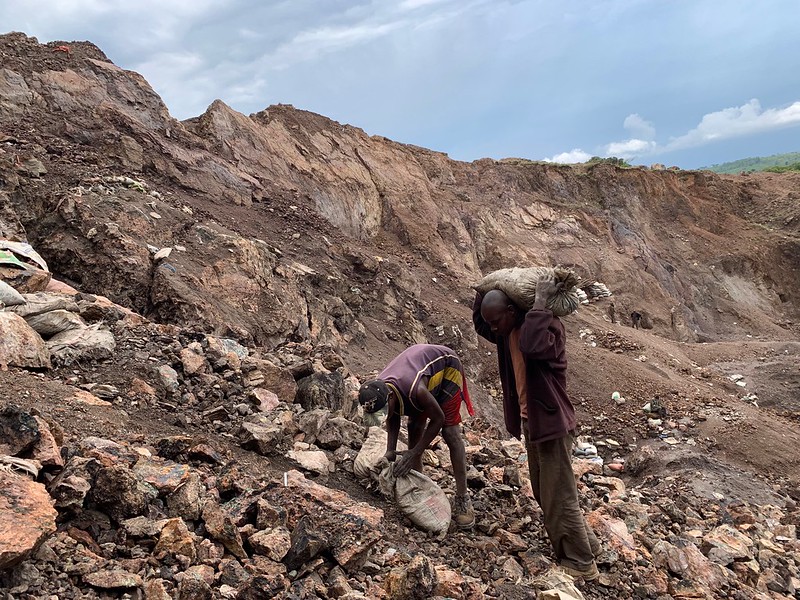
In the DRC, foreign corporations dominate cobalt mining, a resource crucial to technology production worldwide. Local communities receive minimal benefits from the cobalt industry, often facing poor working conditions, environmental damage, and limited economic opportunity. Artisanal miners, who produce over 20% of the DRC’s cobalt, frequently earn less than $2 per day despite grueling and dangerous conditions.
Furthermore, child labor remains a significant concern, with an estimated 40,000 children working in cobalt mines across the country, Wilson Center reports. According to the UNDP, economies heavily reliant on raw exports without diversified industry struggle with job scarcity and vulnerability to market fluctuations, hindering efforts to reduce poverty. The presence of foreign corporations in critical industries leaves these countries at the mercy of global market dynamics, which often prioritize profit over local development.
Sustainable Development and Economic Empowerment
Several African nations have launched initiatives to reduce reliance on raw exports and foreign corporations in response to colonial legacies. Nigeria, for instance, has started developing oil refineries to process crude oil locally, hoping to reduce its need for imports and increase job opportunities. By adding value within Nigeria, these efforts aim to boost economic resilience and retain a larger share of resource-generated wealth within the country.
The U.S. government-supported Public-Private Alliance for Responsible Minerals Trade (PPA) focuses on creating a sustainable and responsible minerals trade in the Democratic Republic of Congo (DRC) by promoting local ownership and ethical mineral sourcing. By creating conflict-free supply chains for resources like gold and cobalt, the PPA helps communities gain more control over their resources.
It also emphasizes empowering women in mining communities and improving working conditions. These efforts aim to create sustainable economic opportunities, reduce exploitation by foreign corporations, and build resilience in the DRC’s mining regions. Transparent supply chains and community-focused projects are critical steps toward self-sufficiency and long-term poverty alleviation.
Addressing Colonial Impacts to Alleviate Poverty
Historical resource extraction continues to affect African economies, leaving many reliant on raw exports and vulnerable to global market shifts. European powers took significant wealth from African nations without fostering sustainable local industries, creating economic structures that persist today. Sustainable development and resource sovereignty initiatives are helping African countries reclaim control over their resources and invest in local economic growth. Addressing these historical injustices remains crucial for building economies that empower African communities and reduce poverty by ensuring African wealth benefits the continent itself.
– Harriet Conway
Harriet is based in London, UK and focuses on Politics for The Borgen Project.
Photo: Flickr
