• Link to X
  • Link to Facebook
  • Link to Instagram
  • Link to TikTok
  • Link to Youtube
  • About
    • About Us
      • President
      • Board of Directors
      • Board of Advisors
      • Financials
      • Our Methodology
      • Success Tracker
      • Contact
  • Act Now
    • 30 Ways to Help
      • Email Congress
      • Call Congress
      • Volunteer
      • Courses & Certificates
      • Be a Donor
    • Internships
      • In-Office Internships
      • Remote Internships
    • Legislation
      • Politics 101
  • The Blog
  • The Podcast
  • Magazine
  • Donate
  • Click to open the search input field Click to open the search input field Search
  • Menu Menu

Archive for category: Africa

Africa, Aid, Global Poverty

USAID in Sudan: What Does the Shutdown Mean

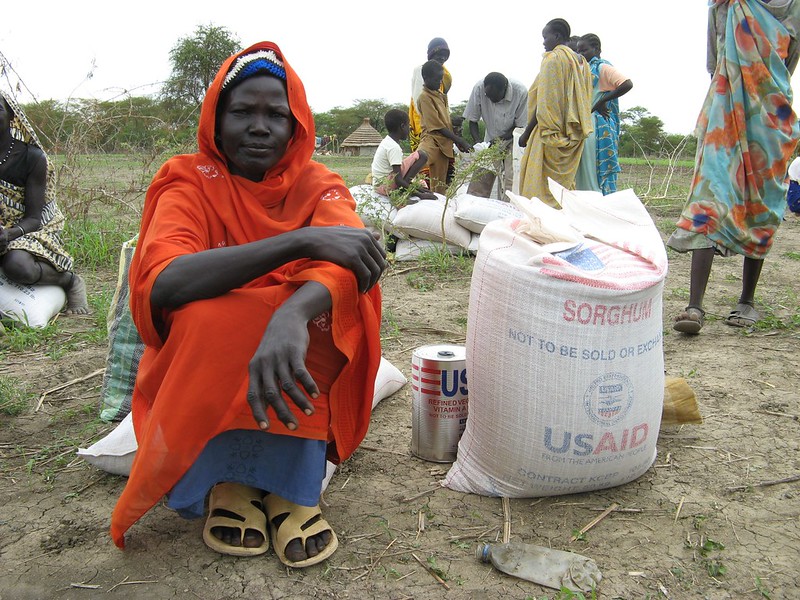
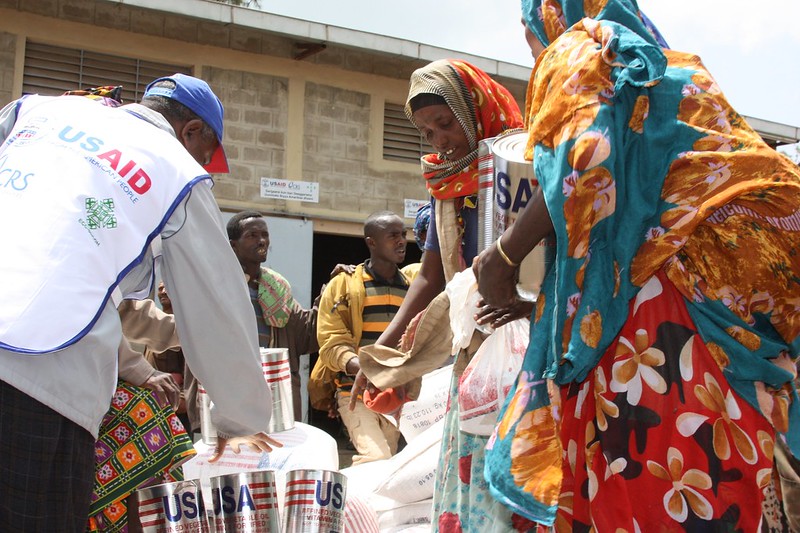
usaid in sudanAs the Trump administration continues to shut down various foreign aid programs, the reverberations have been felt around the world. Sudan, in particular, has been thrust into a state of crisis following the closure of more than 1,000 USAID-supported soup kitchens and medical centers.

Crisis in Sudan

Sudan, a country of more than 50 million people located in East Africa, has been in a state of national emergency as war rages between the national army and the paramilitary group Rapid Support Forces (RSF). Thousands of families have been displaced due to the conflict, and humanitarian aid groups have reported malnutrition cases of millions of citizens, of which 3.2 million are children under 5 years old.

As of December 2024, more than half the population is experiencing high levels of acute food insecurity, a figure which has only worsened since the halting of U.S. foreign aid. The World Health Organization (WHO) has reported more than 50,000 cases of cholera in 11 states and mass exodus has put pressure on neighboring countries including Chad and South Sudan, which are already struggling with their own hunger crises.

USAID Levels Pre-Shutdown

Before the shutdown, USAID in Sudan was responsible for providing between 70% and 80% of funding for flexible cash programs, making it the largest single donor out of multiple countries and global organizations, according to BBC.

These programs consisted largely of an extended network of communal food kitchens— emergency response rooms (ERR)— which provided food, medicine and supplies for families located in regions out of reach from foreign aid workers.

Information regarding USAID in Sudan funding statistics is no longer available for viewing on the federal website, but archived reports have estimated that the U.S. has contributed more than $2 billion since the outbreak of the civil war in April 2023.

In 2024, the U.S. distributed $661 million of aid to Sudan through USAID. With this funding, USAID partners were able to reach nearly 6.7 million Sudanese citizens requiring emergency food assistance, in addition to providing safe drinking water to more than 8 million citizens as of April 2024.

Effects of the Shutdown

President Trump’s executive order to halt all foreign aid activity while conducting a 90-day review operates to cut all programs deemed extraneous to U.S. interests. Around 90% of USAID programs will be cut completely, consisting of $60 billion of foreign aid sent around the world.

This has halted many programs mid-transit, withholding crucial aid to those most in need. The federal government has granted an exception to emergency food assistance, but unclear guidelines have caused widespread confusion around implementation, BBC reports.

As funding disappeared overnight, an estimated 1,000 ERRs had to close, plunging the population deeper into crisis, according to NPR.

According to the BBC, around 2 million Sudanese citizens depended on these ERRs for food and medicine, and must now look elsewhere.

The United Nations Office for the Coordination of Humanitarian Affairs (OCHA) has outlined foreign aid requirements by country each year. In 2024, approximately 67% of the $2.7 billion required aid for Sudan was met, with the U.S. as the largest bilateral donor contributing 48% of committed funds. However, there are several other organizations that are working to help people in Sudan.

International Rescue Committee (IRC)

The IRC has operated in Sudan since 1981, delivering food and health services through six different offices located throughout the country. The range of programs are diverse, including water, sanitation, and hygiene services (WASH), gender-based services for women and children (GBV), health and nutrition, and multi-purpose cash aid.

Led by county director Eatizaz Yousif, IRC’s team in Sudan has opened and closed multiple offices and dispatched mobile medical teams. It also assembles and distributes “dignity kits”— packages containing hygiene products and basic supplies for women and girls

Save the Children

Save the Children is one of the largest NGOs operating in Sudan, providing life-saving medical and malnutrition care to millions of Sudanese citizens. Programs include health, nutrition, food security and livelihoods, hygiene, shelter, child protection, and education. Since the outbreak of war in 2023, Save the Children has reached 3.8 million people, including 1.7 million children.

Save the Children focuses on reaching children and families in the most remote or hard-to-reach areas of Sudan. Teams currently operate in 13 out of the 18 states.

The World Food Program (WFP)

The WFP is responsible for providing emergency food assistance or cash to vulnerable refugees, internally displaced residents, and shock-affected communities. The WFP focuses on a wide range of areas— child malnutrition programs, legislative assistance, vocational skills training, irrigation systems, and crop storage representing only a subset. Since April 2023, the WFP has reached over 11 million people.

The U.S. served as the largest single donor to WFP operations before the shutdown, which is likely to cause some scalebacks in the coming weeks. However, the WFP was granted an exception to resume food purchases and deliveries under existing USAID programs — specifically, the Title II Food for Peace Program, in which global NGOs purchase surplus crops from American farmers to assist in emergency food aid

The shutdown of USAID in Sudan has constituted a major blow to progress being made in health, food, and poverty programs assisting those most affected by conflict. As cuts continue to be made in the U.S., it will fall to other nations and NGOs to fill in the gaps amidst a deepening humanitarian crisis.

– Sadie Claps

Sadie is based in Seattle, WA, USA and focuses on Business and Politics for The Borgen Project.

Photo: Flickr

March 11, 2025
https://borgenproject.org/wp-content/uploads/borgen-project-logo.svg 0 0 Naida Jahic https://borgenproject.org/wp-content/uploads/borgen-project-logo.svg Naida Jahic2025-03-11 01:30:182025-03-11 01:27:50USAID in Sudan: What Does the Shutdown Mean
Africa, Child Soldiers, Global Poverty

Child Soldiers in Burkina Faso: Why Child Recruitment Is a Crisis

Child Soldiers in Burkina FasoAccording to the U.N. Secretary-General’s annual report on Children and Armed Conflict, published in June 2024, terrorist groups in Burkina Faso predominantly recruited 169 child soldiers. Since the outbreak of conflict in August 2015 between Islamist groups and the government, Burkina Faso has faced yet another political and social challenge alongside child labor: child soldiers recruitment. Alongside ongoing cases of child abuse—including killings, kidnappings and labor exploitation— military extremist groups’ recruitment of child soldiers in Burkina Faso is increasing by nearly 100 individuals annually. Despite extensive child protection efforts by UNICEF and other organizations, such as Save the Children and Caritas, violations and crimes against children, and the recruitment of child soldiers in Burkina Faso continue to rise due to the government’s unstable position, a worsening humanitarian crisis and societal divisions.

Brief Background of the Burkina Faso Conflict

The ongoing conflict in Burkina Faso escalated on August 23, 2015, when a rebel Islamist group affiliated with an Islamist insurgency movement attacked multiple government posts, resulting in numerous civilian deaths and injuries. According to U.N. reports, nearly 10 years of war have killed at least 10,000 civilians and combatants, not including regular kidnappings. The statistics on political instability, the rise of new hotspots and the increase in existing ones are disheartening. An analytical report by Al Jazeera showed that the number of hotspot locations increased from 303 in 2018 to 2,216 locations in 2019, representing an approximate rise of 631.3% in just one year. The most vulnerable groups in these conflict zones remain women, the elderly and children, who suffer not only from the humanitarian crisis but also from the widespread practice of child soldier recruitment, a practice that the Burkina Faso government strictly prohibits.

Where Does Child Soldier Recruitment Take Place?

Since the practice of child soldier recruitment is widespread and often beyond state control, its origins remain unclear. Some of the most significant instances of child soldier use throughout history occurred during the Vietnam War, World War II and in modern times, within Russian Army forces in the Russo-Ukrainian war. However, the regions that suffer the most from the practice of child soldier recruitment are primarily in Africa. According to the U.N. annual report, countries such as the Central African Republic, North Sudan, Sudan, Nigeria, Somalia, Mali and the Democratic Republic of Congo (DRC) are among the hardest-hit territories. The report indicates that armed groups recruit between 100 and 2,000 children as soldiers annually in these areas.

Child Soldiers in Burkina Faso and Child Abuse

While the humanitarian crisis and war crimes continue to be major issues, the statistics on child abuse in the country during this period are also rapidly worsening. Given the unstable position of the government, the vulnerability of civilians, particularly women and children, has become a deeply challenging issue to resolve. According to UNICEF, up to 93% of children in the country lack access to public health services, hygiene, nutrition and education. Additionally, UN Trade and Development reports that “nearly four out of 10 people live in extreme poverty.” This situation is caused by insufficient production capacity for goods and services, the challenging transition from a highly centralized state economy to a market economy, major political instability, the geographical disadvantage of being landlocked and external debt.

Another significant issue is the regular recruitment of child soldiers by extremist military groups. The charitable organization Theirworld, dedicated to ending the global education crisis, reports on the causes of child soldier recruitment. In many cases, extremist groups kidnap children and force them into service, while social and economic pressures in their country drive others to join. Lacking proper access to education and humanitarian aid, and struggling with poverty, these children become more vulnerable to the influence of terrorist groups that promise them money or drugs in exchange for their service. As a result, those who join the military often commit war crimes, including killing civilians, or become victims of sexual abuse. Reuters reports that some of these children even participate in massacres.

The World’s Response

In response to the recruitment of child soldiers, some of the world’s largest organizations, such as UNICEF and Save the Children, have established multiple charitable programs that receive donations from volunteers worldwide. UNICEF’s reintegration program for former child soldiers has helped more than 8,700 children escape armed groups and reintegrate into civilian life. Through its partners, UNICEF provides these children with full access to education, health care, counseling services and a safe place to live during their recovery period.

Additionally, Save the Children delivers child rights protection and education services in African regions, while also creating petitions and securing ongoing donations to support the cause. It provides education to war-affected children, including former child soldiers, by offering accelerated learning programs and psychological support. Its efforts resulted in 4,000 children receiving education and becoming empowered, and 62,000 children receiving protection from harm.

Furthermore, the UN Integrated Strategy for the Sahel (UNISS), together with key partners such as UNICEF, UNHCR and the Office of the Special Representative of the Secretary-General for Children and Armed Conflict (OSRSG-CAAC), works with governments and armed groups to sign and implement action plans aimed at ending the recruitment and use of child soldiers.

A Call to Action

While the recruitment of child soldiers remains one of the most devastating and persistent issues in Burkina Faso, driven by severe economic and political challenges, powerful global organizations like the UN and UNICEF are uniting for a common goal: to combat poverty and protect the vulnerable. Through impactful campaigns such as UNICEF’s program for Children Associated with Armed Forces and Armed Groups (CAAFAG), they are working to protect children in conflict zones and ensure their reintegration into society in African regions including Burkina Faso. 

All the programs mentioned are working in Sahel conflict zones, where Burkina Faso is included, so far none of the specific branches to work only in Burkina Faso was created. Additionally, child soldiers receive the same help as other vulnerable children in Sahel conflict zones.

– Liubov Linnyk

Liubov is based in England and focuses on Politics for The Borgen Project.

Photo: Flickr

March 9, 2025
https://borgenproject.org/wp-content/uploads/borgen-project-logo.svg 0 0 Jennifer Philipp https://borgenproject.org/wp-content/uploads/borgen-project-logo.svg Jennifer Philipp2025-03-09 07:30:012025-03-08 23:54:19Child Soldiers in Burkina Faso: Why Child Recruitment Is a Crisis
Africa, Cultural Heritage, Global Poverty

Poetry in Somalia: Using an Age-Old Art Form to Build Peace

Poetry in SomaliaSomalia, the easternmost country of Africa, is also referred to as a “Nation of Poets” or “Nation of Bards” for the Somali people’s deep appreciation for and proficiency with poetry. This form of storytelling has been used in Somali culture as early as storytelling has existed. The earliest poetry in Somalia is from the 18th century; a meditation by Sheekh Cali Cabduraxmaan. This ancient tradition has inspired a newer group that has surfaced just before the COVID-19 pandemic.

The Somali Storytellers

The Somali Storytellers is a group of young poets who have banded together in hopes of reaching the people of Somalia, particularly the younger generations who will be shaping the future of the country. The group produces influential works of art and performances that bring out the nation’s history and ancient culture but also get a touch of modernity.

The UNDP founded a Digital Storytelling Bootcamp that took 20 young Somalis and trained them on how to share their meaningful stories around the world using whatever technology they had available such as smartphones or computers. After the training, the poets went on a field trip to Mogadishu where they could record and create stories in public with their community.

Zahra Abdihagi

There were 400 candidates, including Zahra Abdihagi. Although she faced fierce competition from other applicants, her remarkable accomplishments as a writer and storyteller, along with her efforts to promote social change, helped her to rise to the top.

Zahra received a high school education in Canada, and before she had even graduated, she had succeeded in publishing a book of short stories. Since graduating and returning to her home, she has won several awards for her poetry writing. In her efforts to write poetry in Somalia, she has won awards such as placing third in a Somali-language international poetry competition.

After she and the other 20 applicants went through a six-week course on the introduction of storytelling creation using smart technology, Zahra is now a part of other creative workshops, aiding in training 30 other young Somali people in the art of fables. Once the COVID-19 pandemic hit and everyone became isolated, she encouraged the youth to express themselves and share messages with the people to stay safe.

Digital Shelter

In 2020, Digital Shelter asked the women of Somalia to share their stories about these incidents which became a story and a media-driven campaign called the Without Fear project. In 2021, on International Women’s Day, Digital Shelter launched The Cabsi La’aan – The Without Fear Project. Zahra wrote a story that ended up across social media worldwide, reaching also thousands of women in Somalia.

Her poem speaks to the issues she and other Somali women experience online and in their communities. Every day online, women receive attacks on several different fronts including account hacking, blackmailing and various other forms of online bullying. By creating this poetry in Somalia, women can fight back against cyber attacks.

The Somali Storytellers are currently in the process of forming their own company as well. Zahra said, “I see a great future for us. Lots of young people are already asking how they can become storytellers themselves.” Many people are also donating to their cause via their website.

The Future of Poetry in Somalia

Many young Somali Storytellers are currently making their debut as filmmakers. They have recently screened a digital story collection called “Me and My Somalia,” a series highlighting the innovation, resilience, and challenges that Somali communities face. In their ideal future, digital storytelling will be widely available, Somali culture will be accurately portrayed and the media will be crucial in fostering constructive community transformation.

– Taylor Naquin

Taylor is based in Gilbert, AZ, USA and focuses on Good News and Global Health for The Borgen Project.

Photo: Flickr
March 6, 2025
https://borgenproject.org/wp-content/uploads/borgen-project-logo.svg 0 0 Naida Jahic https://borgenproject.org/wp-content/uploads/borgen-project-logo.svg Naida Jahic2025-03-06 07:30:372025-03-06 01:12:05Poetry in Somalia: Using an Age-Old Art Form to Build Peace
Africa, Global Poverty, Government

The Parish Development Model: Uganda’s Solution to Poverty

The Parish Development ModelThe Parish Development Model (PDM) is a strategy introduced by the Ugandan government in 2022 to promote wealth creation and improve service delivery at the household level. The PDM focuses on communities at the parish level, the smallest administrative unit of the government and the one closest to communities. This proximity ensures that goods, services and benefits from the PDM directly impact local communities.

The government aims to prioritize key commodities like coffee, tea and oils to create wealth-generation opportunities within PDM areas. The program operates through seven key pillars: production, processing and marketing, infrastructure and economic services, financial inclusion, social services and community data.

While the PDM aspires to reduce poverty and improve household incomes and quality of life, it is not Uganda’s first poverty reduction initiative. Many previous programs have failed, with some funds reportedly embezzled, as acknowledged by the President of Uganda. According to the World Bank, four out of 10 Ugandans currently live in poverty. The PDM is seen as a critical, last-ditch effort to reverse this trend and solve poverty within the country.

Objectives of the Parish Development Model

The primary goal of the PDM is to transition 39% of Uganda’s population or 16 million households, from subsistence farming to commercial farming, enabling them to participate in the money economy. The PDM also aims to improve service delivery efficiency at the parish level, offering hope to low-infrastructure communities. The government envisions the program as a key economic solution to alleviate poverty across various regions, setting a five-year timeline to achieve its objectives that started in 2022.

The World Bank predicted Uganda’s economic growth to reach 6.2% in 2025, up from 5.3% in 2023. During Uganda’s 62nd Independence Day celebrations, the President announced that 67% of the population is already engaged in the money economy. If implemented successfully, the PDM could increase this figure significantly. This initiative is also a critical component of Uganda’s Vision 2040, which aims to transform the country from a predominantly peasant-based economy to a modern and prosperous one.

Implementation of the Parish Development Model

The government first identified the right households through community research and vetting to implement the PDM and ensure that the most vulnerable communities benefited. It assessed key factors such as income, education, agriculture and savings to determine which households still relied on a subsistence economy.

The next step involved creating and funding trusts that would allocate the appropriate funds to the right areas. Enterprise groups were formed, consisting of members eligible under the PDM scheme. Savings and Credit Cooperatives (SACCOs) were established to support these groups, with one PDM SACCO designated for each enterprise group.

The PDM SACCOs are managed and controlled by enterprise group members, who make decisions regarding funds, programs and infrastructure plans. Members of the enterprise groups can request loans through the SACCOs, which are specifically aimed at fostering self-employment and supporting business ideas. PDM SACCOs provide loans to households at a 5% interest rate, with repayment terms set by the respective SACCOs.

The first phase of the PDM established 10,585 SACCOs. Further, it disbursed $239 million in loans to numerous households, effectively making the PDM SACCOs function like community banks for enterprise group members.

Challenges

The PDM faces several challenges, primarily due to the vast number of communities it needs to cover and its ambitious goal of transitioning 16 million households into the money economy. However, two key challenges requiring urgent attention include:

  1. Financial Constraints. The PDM adopts a “one size fits all” approach, which has resulted in unequal benefits across regions. Each beneficiary household received close to $270. Similarly, each parish gets $27,000. Nonetheless, regions like Acholi, Karamoja and Busoga, which still heavily rely on a subsistence economy, are so far disproportionately targeted in the disbursement of PDM funds.
  2. Inefficiencies. The average number of households per SACCO is between 75 and 109. However, in regions heavily dependent on subsistence farming, the number ranges from 400 to 600 households per SACCO. This places an overwhelming burden on SACCOs, leading to unequal distribution of funds and challenges in providing adequate oversight. Overburdened SACCOs struggle to monitor loan repayment and assess the progress of households effectively, limiting the program’s overall impact.

Outcome

As of 2024, the PDM has achieved several milestones and benefited numerous households. Out of the 10,585 households registered under the PDM project, 7,950 have actively borrowed and received funds from SACCOs fund. The households have invested in both agricultural and nonagricultural businesses. Notably, 53% of the households that have accessed SACCO funds are women. The PDM initiative offers loans at significantly lower interest rates at 6% compared to 18% charged by commercial banks. This reduced burden allows households to fully implement their business ideas and achieve more excellent financial stability.

The Ministry of ICT and National Guidance also developed an information system to collect and store data from various parishes. This system monitors loans disbursed, tracks loan repayments and oversees the distribution of funds to parishes from the central government. This step is crucial in achieving the PDM’s Pillar 3 objective of financial inclusion.

Conclusion

The PDM represents the Ugandan government’s ambitious and innovative strategy to tackle poverty. Furthermore, it promotes economic inclusion at the grassroots level. By prioritizing key commodities, promoting financial inclusion and providing affordable loans through SACCOs, the PDM has already demonstrated its potential to uplift vulnerable households and communities.

However, the program’s success hinges on addressing critical challenges, including financial constraints and inefficiencies in resource allocation. Tailoring solutions to meet the unique needs of different regions and improving oversight mechanisms will be essential for achieving the PDM’s full potential.

As Uganda moves closer to its Vision 2040 goals, the PDM stands as a cornerstone initiative, promising to transition millions from subsistence to a commercial economy. If implemented effectively and inclusively, it could serve as a model for other nations striving to eradicate poverty and create sustainable economic growth.

– Zacc Katusiime

Zacc is based in Kampala, Uganda and focuses on Business and New Markets for The Borgen Project.

Photo: Pixabay

March 4, 2025
https://borgenproject.org/wp-content/uploads/borgen-project-logo.svg 0 0 Hemant Gupta https://borgenproject.org/wp-content/uploads/borgen-project-logo.svg Hemant Gupta2025-03-04 07:30:082025-03-04 00:41:08The Parish Development Model: Uganda’s Solution to Poverty
Africa, Global Health, Global Poverty

Neglected Tropical Diseases: Malaria in Cameroon

cameroon malariaAs the 53rd largest country in the world, Cameroon’s 183,000 miles of land mass supports a wide range of landscapes and microclimates. While some regions are extremely hot and dry, others are moist and humid due in part to multiple forests populating the areas. In fact, Cameroon’s Cross-Sanaga Bioko Coastal forests are considered one of the wettest regions on earth. This is due to the forest receiving between 20-30 feet of rainfall annually. While these microclimates support beautiful landscapes and diverse ecosystems, they also provide habitats for neglected tropical diseases such as malaria. With the country’s population of 29 million all being at risk for contracting this disease, Cameroon’s war against malaria will be extremely critical.

Malaria: A Neglected Tropical Disease in Cameroon

Neglected tropical diseases (NTDs) such as malaria are just that. Infectious diseases that occur primarily in tropical regions of the world. They are deemed neglected because there is minimal attention to addressing these diseases at both, national and global levels. To make matters worse, NTDs flourish in areas of poverty and where access to health care, sanitation and clean water is lacking.

Cameroon has an abundance of water around it. However, the country has minimal infrastructure in place to effectively convert this water into fresh drinking water. In fact, over half of the population living in rural areas of Cameroon, do not have access to clean drinking water.

Cameroon’s health care system has been severely hampered due to the ongoing internal conflicts. Close to 20% of the medical facilities are no longer operational. And those that are open, are struggling.  Besides the destruction of facilities, there is also a lack of health care workers to assist in Cameroon’s war against malaria.

Add to these issues the plethora of mosquito species present in the country, it is no surprise that malaria is the most prevalent NTD impacting Cameroon. Globally, Cameroon falls within the top 15 countries with a high malaria disease burden. Nationally, more than 6 million cases of malaria occur yearly.

The country reports an annual death rate from malaria to be under 5,000 with a high majority being young children. However, the World Health Organization (WHO) suspects that the number could be well over twice that figure. The data discrepancy is due in part to poor reporting in rural areas.

Fighting Malaria in Cameroon

Although the country still reflects high disease rates, Cameroon’s war against malaria is being fought on multiple fronts. The “No one shall die from malaria” pledge signed by the country’s Ministry of Health shows Cameroon’s determination to fight malaria. The pledge falls in line with WHO’s Global Technical Strategy and Targets for Malaria 2016-2030 guidelines.

Agencies such as the World Bank, Korean International Cooperation Agency (KOICA) and the United Nations Office for Project Services (UNOP) support Cameroon’s efforts to provide access to clean drinking water to all people.

The United Nations Office for the Coordination of Humanitarian Affairs (OCHA), the Center for Disease Control and Prevention (CDC) and the International Medical Corps are providing critical health service resources necessary to prevent and treat NTDs such as malaria.

WHO is clarifying prophylaxis treatment options for pregnant women. Cameroon is also implementing a malaria vaccination program for children with provisions from WHO, Gavi-the Vaccine Alliance, and the United Nations International Children’s Emergency Fund (UNICEF). The WHO is working closely with Cameroon’s Ministry of Health to outline plans on how to provide targeted responses in high disease-burden areas.

Data collected from the Vector Control to Fight Malaria Project is helping to recognize and understand mosquito patterns and activities. This knowledge is crucial for ensuring preventive tools such as insecticide-treated nets are still effective. This data also helps provide education to the community.

Summary

Being home to five different neglected tropical diseases, fighting malaria in Cameroon matters greatly for the country and its population, especially for young children and pregnant women.

Vaccinating young children has led to a significant decrease in disease and death rates of young children. WHO recognized Cameroon for being the first country to incorporate malaria vaccination into the general schedule for childhood immunization.

Many pregnant women have received insecticide-treated nets. And there is a stronger effort to support moms in receiving prophylaxis medication, and in assisting them with access to care during pregnancy.

Although the country made improvements to water infrastructures, there remains an inequitable gap between urban and rural populations having access to clean water. With almost one-quarter of the country’s population could be living in extreme poverty by 2026, addressing these concerns remains critical, and will be the best way to win Cameroon’s war against malaria.

– Kelly Chalupnik

Kelly is based in Kirkland, WA, USA and focuses on Global Health for The Borgen Project.

Photo: Flickr

March 4, 2025
https://borgenproject.org/wp-content/uploads/borgen-project-logo.svg 0 0 Naida Jahic https://borgenproject.org/wp-content/uploads/borgen-project-logo.svg Naida Jahic2025-03-04 01:30:432025-03-04 00:36:13Neglected Tropical Diseases: Malaria in Cameroon
Africa, Global Poverty, Poverty Eradication

Being Poor in Nigeria

Being Poor in NigeriaNigeria is a multiethnic and culturally diverse federation with 36 autonomous states and the Federal Capital Territory. The ruling All Progressives Congress party (APC) partially dominate the political landscape, which controls the executive branch of government and holds a majority of seats in the Senate and House of Representatives in parliament as well as a majority of the states. Nigeria has a sizable population and a thriving economy, making it the largest in the West African sub-region. The oil industry produced a third of GDP, 85% of foreign exchange earnings and 95% of export income. Nigeria’s abundant resource reserves make it a prospective market for foreign businesses looking to create a thriving economy, combat poverty and deliver basic services.

Poverty in Nigeria

Most people would wonder why Nigeria still faces the prospect of poverty even though it is known as the nation with the greatest economy in the West African sub-region. Because its population has few opportunities, poverty is a problem for the government. The World Bank has stated that “Nigerians born in 2020 are only 36% as productive as they could be if they had access to health and education,” and their country has the seventh-lowest human capital index in the world. Many workers emigrate as a result of poor job creation and entrepreneurial opportunities.

In 2023, 87 million Nigerians were living below the poverty level, representing a 38.9% poverty rate. The best-performing regions are compared to upper-middle-income nations, demonstrating the persistence of spatial inequality. Insecurity and violence are pervasive, state capacity is inadequate and service delivery is constrained. Inadequate infrastructure impedes domestic economic integration and limits access to electricity. These difficulties are made more difficult by newly emerging issues like extreme weather events.

What Does It Mean to Be Poor in Nigeria?

Nigeria is facing a wave of violence, including kidnappings, clashes, terrorist attacks, brutal murders, food insecurity, inadequate health care and a disproportionate increase in living costs.

Residents of a refugee camp in Zamfara state in northwest Nigeria said “We are suffering greatly. We have almost nothing to eat and for more than four years we have not been able to dedicate ourselves to agriculture because the bandits have driven us out of our communities. We urgently need the government’s support.”

More than 2.2 million people in Nigeria have experienced displacement.  Many of them are now living in congested, resource-poor camps. In the northeast, continuous battles are also impacting food production and agriculture. Families are afraid to grow outside of military cities. Being poor in Nigeria has led to some families eating cassava husks to survive because food shortages are so bad. As a result of poverty in Nigeria, the Nigerian government introduced the National Multisectoral Action Plan for Food and Nutrition in 2020, a 2021–2025 initiative to address malnutrition and food security. However, this initiative has received enough funding.

More than 30% of Nigeria’s workforce is employed in the agriculture sector, which contributes 24% of the country’s GDP. Yet support for this sector is still below the 10% goal that the African Union established in the 2003 Maputo Declaration. With 32% of children under five suffering from childhood stunting, Nigeria has one of the highest rates in the world.

The Path to Economic Stability and Poverty Reduction

Since May 2023, Nigeria has implemented significant measures aimed at reestablishing macroeconomic stability. There is now a single, better-regulated, and market-reflective official exchange rate as a result of the government’s shift to market-based gasoline pricing and significant FX policy reforms. Nevertheless, this has increased the strain already placed on businesses and people. Although the macroeconomic environment is getting better, further steps are necessary to guarantee long-term deflation and better policy communication. Four main fiscal priorities can lower debt risks and free up funds for pro-poor and development investment. Wage jobs, macro fiscal stability, growth, private sector development and human capital creation are all necessary for long-term poverty reduction.

While higher-paying jobs are unavailable, short- and medium-term initiatives to increase production in household businesses, both farm and non-farm, can offer assistance. Youth and women’s policy measures can also increase the labor market’s capacity to reduce poverty.

The World Bank’s Efforts

To prevent the threat of being poor in Nigeria, the World Bank approved two operations on Wednesday, June 13, 2024: $750 million for the Nigeria Accelerating Resource Mobilization Reforms (ARMOR) Program-for-Results (PforR) and $1.5 billion for the Nigeria Reforms for Economic Stabilization to Enable Transformation (RESET) Development Policy Financing Program (DPF). Nigeria’s pressing attempts to stabilize the economy and increase aid for the poor and most economically vulnerable are immediately supported financially and technically by this $2.25 billion package. It also backs Nigeria’s multi-year, ambitious plan to protect oil income and increase non-oil revenues in order to foster fiscal sustainability and provide enough funding for high-quality public services.

– Abdulhameed Olanrewaju

Abdulhameed is based in Exeter, UK and focuses on Technology and Global Health for The Borgen Project.

Photo: Flickr

March 3, 2025
https://borgenproject.org/wp-content/uploads/borgen-project-logo.svg 0 0 Jennifer Philipp https://borgenproject.org/wp-content/uploads/borgen-project-logo.svg Jennifer Philipp2025-03-03 07:30:102025-03-03 01:15:15Being Poor in Nigeria
Africa, Aid, Global Poverty

4 Impacts of USAID Programs in Mozambique 

USAID Programs in Mozambique
While much progress has been made in recent years, Mozambique has long struggled with poverty due to natural disasters, COVID-19, lack of access to education and repeated conflict, with approximately 62% of the total population living in poverty. This means that a majority of the population is living on less than $1.90 a day. These circumstances often arise in the more rural parts of Mozambique where a lack of skills training lends to selling produce in markets leaving people with barely enough to support their families. Since its inception in 1961, the U.S. Agency for International Development (USAID) is a federal agency that aims to support countries by uplifting and strengthening communities through various programs and partnerships. The following are examples of success stories of USAID programs in Mozambique that follow a history of aid that spans more than 40 years in the country. 

Partnership With GiveDirectly

Following cyclone “Idai” in March 2019, hundreds of thousands of people experienced displacement from their homes in Mozambique. In combination with the impact of the COVID-19 epidemic, approximately 4 million people, roughly 10% of the population, were facing food insecurity. To address this issue, USAID has partnered with GiveDirectly, a program that takes a unique approach to fighting poverty through direct cash deposits for villagers who need to purchase food, medical and agricultural supplies. Since 2021, GiveDirectly has provided $10.9 million in cash to 18,000+ people across 55 different villages which includes more than 7,000 households. 

USAID’s partnership with GiveDirectly in 2024 has allowed for the growth of programs like Cash+ Youth in Conflict Affected Communities which provides $250 each to youths while they receive business skills training through USAID. The partnership has also brought growth to GiveDirectly programs like Cash+ Climate Smart Agriculture and Cash+Resilient Agriculture. These programs provide cash transfers that increase distribution of agricultural inputs, training in sustainable agricultural practices and the purchase of new farm equipment like fertilizers and high-quality seeds.

Educational Programs

Education plays a pivotal role in allowing children to set themselves up for the future they deserve by learning necessary reading and writing skills. As of 2016, 94% of children in Mozambique attended primary school, a significant improvement from 2003 when only 72% of school aged children attended primary school. Despite this improvement, less than 5% of students demonstrated grade-level reading proficiency by the 3rd grade. This is primarily due to factors such as a lack of reading material, teacher and student absenteeism and limited community engagement in the daily life of the school.

USAID has invested in the education and future of Mozambique’s child population through new educational programs like SABER. This five-year program, announced on August 17, 2023, plans to expand bilingual education in more than 4,000 primary schools across the provinces of Zambezia, Niassa, Nampula and Cabo Delgado. SABER is part of USAID’s plan to invest more than $150 million into education and community engagement across Mozambique in the next five years, improving the literacy and numeracy skills of more than 2.2 million students.

Previous educational programs in Mozambique, such as “Eu Leio” (I Read), sought to increase the distribution of reading materials within a period of six years (2014-2020). The program accomplished this while improving school building capacities and holding students and teachers accountable for the learning outcomes of their community. As of September 2019, their efforts have established 116 school libraries, 116 school councils began monitoring teacher/student tardiness and absenteeism and 116 District Education Plans to address critical education gaps originated.

Gender Equality

Among many in Mozambique there remains long-standing beliefs about gender that tend to encourage discrimination towards women. These gender norms, among other contributing health epidemics like HIV is what leaves Mozambique rated 119th out of 166 other nations on the UNDP Gender Inequality Index. These disparities play out in a variety of ways with approximately half of women being illiterate, 11% of young women and adolescent girls contracting AIDS, and women comprising most of the unskilled labor force that includes agriculture despite their work going largely unpaid. Women in Mozambique face these problems, all while the media continues to support harmful stereotypes about women by portraying them as deserving of violence.

The harmful stereotypes in the media are why one of the many USAID programs in Mozambique is directed towards bridging the gender divide through the Media Strengthening Program. This program aims to amplify citizens’ voices who may not otherwise be heard by targeting gender biases in reporting while working to include female voices as sources. Key targets of gender biased reporting may include topics such as early marriage, women’s health issues and gender-based violence. While more work is necessary to end gender biases in Mozambique, the media is a key component in changing people’s perspective across the country so that further change faces less resistance.

Conservation Efforts

Among the USAID programs in Mozambique are efforts in wildlife conservation. No organization has exemplified this effort more than the partnership between Gorongosa National Park and USAID, a partnership that celebrates its 20th year anniversary as of 2024. After their initial partnership in 2004, USAID began its support of a number of initiatives in the Gorongosa National Park including wildlife protection with the hiring and training of park rangers, habitat restoration through the construction of beehive fences, and conservation through pangolin rehabilitation and veterinary care. With these efforts there are now more than 100,000 animals in the park including elephants, lions, hippos, antelope, painted wolves, hyenas and leopards.

The efforts of Gorongosa National Park, which USAID has supported, have created sustainable incomes for local residents by re-allocating jobs. For example, USAID’s partnership with Gonorosa National Park is replacing jobs like illegal hunting, mining and slash and burn logging with coffee cultivation, honey production, cashew farming, fish farming and chili growing. These efforts are in addition to how USAID’s support is reaching 200,000 people through community health workers, traditional birth attendants and mobile medical clinics.

Concluding Thoughts

These partnerships and organizations alongside many more have successfully demonstrated the impact that USAID programs in Mozambique have had in elevating communities. Mozambique is one country among many other success stories of the good work that USAID has accomplished throughout the world. 

– Hunter Gomersall

Hunter is based in Santa Barbara, CA, USA and focuses on Good News for The Borgen Project.

Photo: Flickr

March 2, 2025
https://borgenproject.org/wp-content/uploads/borgen-project-logo.svg 0 0 Jennifer Philipp https://borgenproject.org/wp-content/uploads/borgen-project-logo.svg Jennifer Philipp2025-03-02 01:30:512025-04-14 07:32:564 Impacts of USAID Programs in Mozambique 
Africa, Global Poverty, Refugees

Indefinite Instability: Rule of Law in Eritrea

Rule of Law in EritreaDespite its short history as an independent nation, Eritrea has endured decades of conflict, economic insecurity and harsh leadership. For many Eritreans, the actions of President Isaias Afwerki have brought an air of uncertainty to the Horn of Africa. Here is information about the rule of law in Eritrea and efforts to help those who it affects.

Origins of Corruption

After tasting peace for the first time in three decades, the citizens of Eritrea witnessed the climactic ascent of a guerilla fighter to the nation’s highest office. Isaias Afwerki emerged from the war of independence as the head of the Eritrean People’s Liberation Front, the primary organization that led the fight against Ethiopian rule. Afwerki quickly became the frontrunner to usher the nation into a new age of prosperity that has yet to be realized.

Eritrea declared its independence in a United Nations-supervised referendum on April 23, 1993, and appointed Afwerki as head of state. In the following year, President Afwerki renamed the EPLF to the People’s Front for Democracy and Justice (PFDJ). To this day, the president’s rule of law in Eritrea ensures that the PFDJ remains the nation’s sole political party.

Indefinite Servitude

Almost immediately after taking office, Afwerki’s administration drew international condemnation. Elections originally set for 1997 were indefinitely postponed and the country ratified a constitution but never fully implemented it. Meanwhile, an all-encompassing conscription policy shaped the nation into a militaristic society. Initially, every adult under the age of 55 would serve in the military for 18 months, however, Afwerki revised the policy and extended the length of service for an indefinite amount of time, forcing some Eritreans into decades of military service.

In turn, indefinite conscription has created a workforce with no private sector; as the military and the PFDJ oversee projects in construction, agriculture and government administration. National conscription also ensures a continuous and cheap workforce, with the average salary for conscripts amounting to just 450 Nakfa per month ($30). According to the World Bank Group, 70% of Eritreans live under the poverty line, while Afwerki’s administration allocated an average of 24.9% of the nation’s GDP to military expenditures between 1993 and 2003.

Human Rights Abuses

Rule of law in Eritrea dictates that refusing military service, practicing outlawed religions, forming opposition parties and reporting on the state’s human rights abuses are all punishable offenses. Eritrea maintains a total independent media blackout and ranks dead last out of 180 countries listed in the World Press Freedom Index. The PFDJ holds journalists and other prisoners in deplorable conditions, often leaving them in metal shipping containers in the desert for indefinite amounts of time. 

A New Horizon

Ironically, Eritrea’s rule of law for keeping its citizens in check has had the opposite effect, as many citizens decide to flee the country despite the significant risks. As of 2024, there are an estimated 559,000 Eritrean refugees around the world. With roughly 17% of the population having fled the country, there is a great need for refugee assistance organizations like the America Team for Displaced Eritreans (ATDE).

Based out of Pennsylvania, the ATDE is a nonprofit organization that advocates on behalf of Eritrean refugees and asylum seekers around the world. Volunteers with the ATDE assist refugees with housing, asylum case support and connecting with international organizations that are equipped to provide protection and medical assistance to those in need. Additionally, the ATDE lobbies government officials in the United States and abroad to enact positive change in the way Eritrean refugees are treated when seeking better lives for themselves and their families.

Despite the PFDJ’s efforts, the resiliency of the Eritrean people continues to shine brightly, illuminating the possibility of a prosperous future. Additionally, groups like the America Team for Displaced Eritreans continue the important work of advocating on behalf of the victims of Afwerki’s administration. With the world bearing witness and governments being pressured into action, change might be on the horizon for this fledgling nation.

– Burke Bunyard

Burke is based in Austin, TX, USA and focuses on Politics for The Borgen Project.

Photo: Flickr

March 1, 2025
https://borgenproject.org/wp-content/uploads/borgen-project-logo.svg 0 0 Jennifer Philipp https://borgenproject.org/wp-content/uploads/borgen-project-logo.svg Jennifer Philipp2025-03-01 01:30:402025-03-01 03:06:13Indefinite Instability: Rule of Law in Eritrea
Africa, Development, Global Poverty

Alleviation of Poverty Through Entrepreneurialism

Alleviation of poverty through entrepreneurialismStreet Business School (SBS) is a social enterprise that strives to provide entrepreneurial education to impoverished women. The fundamental entrepreneurial teachings delivered through Street Business School, help to empower communities and provide effective guidance to the potential attainment of additional financial income through entrepreneurial ventures. SBS are a global leader in this progressive approach and has achieved considerable success in the alleviation of poverty through entrepreneurialism.

Bead For Life (BFL)

SBS is the product of the 2004 Bead For Life (BFL) initiative from Uganda. During this period, Uganda was struggling with the HIV/AIDS epidemic and war, which forced more than three-quarters of the population into extreme poverty, and surviving on less than $1 a day.

BFL was an innovative approach to help lift women out of poverty by supporting the creation of small independent and self-sustaining businesses selling jewelry. The women learned how to create jewelry beads from rolling recycled paper, and their finished jewelry products were sold as far as North America and Europe.

In total, the BFL training scheme reached nearly 8,000 Ugandan women living in poverty. The successful launch of thousands of small jewelry businesses and the subsequent revenue they generated, provided an additional source of income which allowed many of the women to lift themselves out of poverty. The BFL initiative clearly displayed that; incentivization and education in independent and sustainable entrepreneurial ventures, are a viable and effective method for the alleviation of poverty.

SBS Trainings

SBS delivers training and teaches a specially designed entrepreneurial training curriculum to women living on less than $2.90 a day. The custom-made programs instruct women living in poverty on how to successfully start and develop independent micro-businesses.

For the cost of around $50 per person, the SBS provides a three-month training, accessible irrespective of education, location and finance. The recipients receive education through many valuable models. The overarching objective of the scheme is to provide and instil knowledge in the fundamentals of business operations, and thus pave the way for future entrepreneurial endeavors, as a sustainable alleviator of poverty. The completion of the SBS curriculum led to a doubling income of women living in poverty.

SBS from Strength to Strength

SBS is now active in 37 countries and has directly provided entrepreneurial education to more than 53,000 people living in poverty, according to the 2024 report. A key component to the sustained growth of SBS is its successful partnering schemes with more than 300 NGOs and INGOs. SBS provides teaching on the delivery of their localized programmes to NGO’s. Additionally, the SBS curriculum is now also integrated within many large-scale humanitarian programs, such as BRAC’s “Empowerment and Livelihoods for Adolescents” which supports girls with and at risk of HIV/Aids in five sub-Saharan African countries.

SBS has also been trialling a Community Teaching Based approach to the delivery of its entrepreneurial program. This utilizes community leaders as certified SBS coaches and direct deliverers of the course. This has proven to be hugely successful, as locals bring an additional innate understanding of the problems faced by those within their community. Moreover, using locals as trainers further empowers and inspires others, whilst also creating a deeper level of engagement and feeling of shared success. In 2024, SBS directly trained more than 5,000 women and 99% saw a positive change in their income within two years post-graduation, according to the 2024 report.

Positive Impacts

A tangible example of the alleviation of poverty through entrepreneurialism and the positive impact of SBS is Usher, who transformed her roadside shop with the help of SBS’s CBT programme. Usher was taught fundamental business principles including the importance of diversification, managing profits and saving.

After attending SBS training and implementing their teachings, Usher’s shop started to generate more business and improved her income. Usher is now able to better provide for her children and even plans on further expanding her business portfolio to include a mobile money shop. Usher said, “Many people have started businesses, and women have improved their lives.” Usher’s story is a testament to the positive work of SBS and proves the power of entrepreneurialism in helping to alleviate poverty.

Alleviation of Poverty through Entrepreneurialism

SBS is achieving tangible success in the alleviation of poverty through entrepreneurialism, by providing entrepreneurial education to women in poverty. Furthermore, whilst the SBS approach focuses on creating a sustainable improvement in income, its progressive approach is multi-faceted and is just as valuable in its creation of hope, inspiration and prospects within the communities it supports.

– Ollie Roberts

Ollie is based in North Wales and focuses on Good News and Politics for The Borgen Project.

Photo: Flickr

February 26, 2025
https://borgenproject.org/wp-content/uploads/borgen-project-logo.svg 0 0 Naida Jahic https://borgenproject.org/wp-content/uploads/borgen-project-logo.svg Naida Jahic2025-02-26 07:30:232025-02-25 23:40:11Alleviation of Poverty Through Entrepreneurialism
Africa, Global Poverty, Poverty Eradication

Innovations in Poverty Eradication in Namibia

Innovations in Poverty Eradication in NamibiaThe Republic of Namibia is a country situated on the west coast of Southern Africa with a population of more than 3 million. The World Bank has ranked it as an upper middle-income country. According to the OPHI, more than 43.3% of Namibia’s population live in multidimensional poverty.

Namibia includes high rates of unemployment and a lack of basic necessities, especially in rural areas. Many are having difficulty in meeting their basic needs, such as access to quality health care, education and housing. Hence, since its independence from South Africa in 1990, various innovations in poverty eradication in Namibia have emerged to address the country’s socio-economic challenges. Their main focuses are on improving access to education, health care, income-generating opportunities and sustainable development. The Namibian government has set up a few programs under the Namibian Social Safety Net to work towards poverty eradication in Namibia.

Social Pension Program

Namibia is one of the only countries in Africa, alongside South Africa, Mauritius and Lesotho, that administers a social pension program for every person who reaches the age of 60. Every month after turning 60, each individual receives a pension of N$160 in the form of a cash transfer. This provides a way of securing long-term savings but also helps to alleviate poverty. One of the common redistributive practices in households with elderly people is grandparents spending their pension on the grandchildren’s school fees, which is a way to invest in the youth.

School Feeding Program (NSFP)

This program receives full funding from the Namibian government and the Ministry of Education, Arts and Culture (MoEAC) manages it. When it began, this program mainly helped orphaned or vulnerable children, but as of 2023, according to the Food and Agriculture Organization of the United Nations (FAO), approximately 466,860 schoolchildren benefitted from the program. Its primary goal is to improve access, retention and learning outcomes by providing timely access to diverse and nutritious food in schools, as well as to improve students’ nutrition and health. It also works as a link between the NSFP and smallholder producers, which further promotes local agriculture and helps alleviate poverty.

Basic Income Grant (BIG)

This is one of the most well-known pilot projects implemented in certain villages in Namibia to address poverty, with the intention of convincing the government to extend the scheme to the whole country. The main idea of BIG is to provide each citizen with a reliable and unconditional cash transfer of N$100 every month for a period of 2 years. This initiative was implemented to battle income inequality by giving each individual the opportunity to meet their basic needs, such as food, health care and housing. In the long term, this may reduce poverty by creating a more stable foundation for individuals and communities to thrive in.

National Employment Service

This government initiative, established in 2011 under the Employment Service Act no. 8, aims to connect job seekers with employers and promote employment opportunities. For example, in 2023, the Ministry of Labour, Industrial Relations and Employment Creation (MoLIREC) mandated that all companies employing more than 10 people post job openings with the ministry to ensure that job opportunities are available to the general public. Whoever fails to do so will face legal consequences. Namibia improves economic stability for individuals and families by increasing job access and connecting job seekers with job opportunities.

Looking Ahead

These are just a few of the many formal and informal innovations in poverty eradication in Namibia implemented by the government and the public. According to World Bank data, Namibia’s poverty rate has more than halved, with approximately 17.4% of Namibians living below the national poverty line in 2015/16, down from 28.7% in 2009/10 and 69.3% in 1993/94. However, poverty rates remain relatively high for an upper middle-income country. This is why continuous advocacy is crucial to implementing and sustaining initiatives that will further combat poverty.

– Zainab Saad Hassan

Zainab is based in Glasgow, Scotland and focuses on Business and Global Health for The Borgen Project.

Photo: Flickr

February 24, 2025
https://borgenproject.org/wp-content/uploads/borgen-project-logo.svg 0 0 Jennifer Philipp https://borgenproject.org/wp-content/uploads/borgen-project-logo.svg Jennifer Philipp2025-02-24 07:30:182025-02-24 00:23:53Innovations in Poverty Eradication in Namibia
Page 6 of 24«‹45678›»

Get Smarter

  • Global Poverty 101
  • Global Poverty… The Good News
  • Global Poverty & U.S. Jobs
  • Global Poverty and National Security
  • Innovative Solutions to Poverty
  • Global Poverty & Aid FAQ’s
Search Search

Take Action

  • Call Congress
  • Email Congress
  • Donate
  • 30 Ways to Help
  • Volunteer Ops
  • Internships
  • Courses & Certificates
  • The Podcast
Borgen Project

“The Borgen Project is an incredible nonprofit organization that is addressing poverty and hunger and working towards ending them.”

-The Huffington Post

Inside The Borgen Project

  • Contact
  • About
  • Financials
  • President
  • Board of Directors
  • Board of Advisors

International Links

  • UK Email Parliament
  • UK Donate
  • Canada Email Parliament

Get Smarter

  • Global Poverty 101
  • Global Poverty… The Good News
  • Global Poverty & U.S. Jobs
  • Global Poverty and National Security
  • Innovative Solutions to Poverty
  • Global Poverty & Aid FAQ’s

Ways to Help

  • Call Congress
  • Email Congress
  • Donate
  • 30 Ways to Help
  • Volunteer Ops
  • Internships
  • Courses & Certificates
  • The Podcast
Scroll to top Scroll to top Scroll to top