Tunisia, a country with immense solar and wind potential, stands at a pivotal point in its energy sector. Renewable energy in Tunisia can address not only its energy poverty but also broader economic and social issues, creating a sustainable path for development. However, the push for renewable energy raises significant questions about equity, local benefits and just transitions. Recent initiatives in Tunisia demonstrate how transitioning to renewable energy sources could bring affordable power to communities and reduce poverty. However, these efforts also highlight the complexities and competing interests surrounding this transition.
Renewable Energy in Tunisia: The Goals
Tunisia has committed to generating 35% of its electricity from renewable sources by 2030, increasing from the current level of about 3% of its energy mix. By 2050, the Tunisian government aims to cover all its electricity needs through renewable energy, according to the World Bank.
This shift aligns with SDG 7 which calls for “affordable, reliable, sustainable and modern energy for all” by 2030. Achieving SDG 7 is particularly critical for Tunisia as it addresses energy poverty and reduces reliance on imported fossil fuels, particularly natural gas. In 2022, natural gas accounted for nearly half of Tunisia’s energy consumption, according to the World Bank. By reducing its reliance on imports, Tunisia can mitigate the risks that international strikes and unstable exchange rates pose to its economy.
However, questions persist about who ultimately benefits from scaling up renewable energy in Tunisia. Critics argue that while infrastructure expansion continues, the benefits often bypass local communities and favor foreign investors and urban centers.
The Challenge of a Just Transition
Arab Reform Initiative requires Tunisia to rethink how it plans and executes renewable energy projects. Experts define this approach as creating “thriving economies that provide dignified, productive and ecologically sustainable livelihoods; democratic governance and ecological resilience.”
The solar plants in Tozeur, near the Saharan desert, reveal the challenges of such transitions. These facilities represented a significant increase in Tunisia’s renewable energy capacity, but they failed to create meaningful employment for local communities, according to the Arab Reform Initiative.
Moreover, the plants export much of the energy they generate, offering limited benefits to the impoverished southern regions where they are located. These dynamics intensify regional inequalities and fuel resentment.
In 2021, poverty rates in Tunisia’s southern governorates exceeded 33%, far above national averages. These regions also receive the least public investment in sharp contrast to urban coastal areas that attract most of Tunisia’s development spending, according to the Carnegie Endowment. Achieving SDG 7 in these areas requires policies that prioritize equitable energy access and inclusive economic benefits.
Alleviating Energy Poverty
Energy poverty—the lack of adequate, affordable and reliable energy access—continues to impact rural Tunisia. Access to sustainable energy, as emphasized by SDG 7, provides a foundation for improving education, health care and economic development, according to the Sustainable Energy for All.
Movements like the El Kamour protests in 2017 show how marginalized communities have resisted exclusion from the benefits of natural resource exploitation. These protests, which originated in southern Tunisia, saw the government increase local investment and job creation using revenues from the region’s oil and gas sector, according to the Arab Reform Initiative. Their success reflects a broader demand for a more inclusive and equitable approach to development, which is essential for realizing SDG 7.
Benefits of Renewable Energy for Economic Stability
Renewable energy offers Tunisia an opportunity to stabilize its economy. By reducing its dependence on imported fossil fuels, Tunisia can protect itself from the energy import costs that strain national finances. For instance, in 2022, Tunisia imported approximately 48% of its energy needs, primarily through natural gas, according to the World Bank. By producing more solar and wind energy domestically, Tunisia can stabilize electricity costs and shield consumers from the fluctuations and price shocks of global energy markets. This shift would also improve Tunisia’s trade balance and create a more resilient economy.
The Tunisian Platform for Alternatives and other grassroots organizations advocate for a “resistance to accumulation” approach. They call for renewable energy strategies that prioritize investments in local communities, create jobs and ensure that the benefits of the energy generated are distributed equitably, according to the Arab Reform Initiative. These strategies align with the universal principles of SDG 7 by focusing on affordable and reliable energy access for underserved populations.
Resistance movements, such as El Kamour and recent campaigns for a just energy transition, highlight the power of grassroots advocacy in shaping Tunisia’s energy future. These movements underscore the importance of prioritizing local empowerment and ensuring fair distribution of renewable energy benefits.
Addressing Climate and Social Inequality
Renewable energy projects in Tunisia bring significant social implications, particularly for women, who often face the most severe impacts of energy poverty and climate-related challenges. In the first quarter of 2019, 12.4% of men were unemployed compared to 22.6% of women.
The Kairouan Solar Project, Tunisia’s first large-scale solar initiative, significantly boosts the country’s renewable energy capacity by providing 100 MW of solar power to the national grid. This initiative, part of Tunisia’s broader goal to generate 35% of its electricity from renewables by 2030, directly supports the transition to clean energy. Beyond electricity production, the project revitalizes agriculture in Kairouan, a region with some of Tunisia’s highest poverty rates. By improving irrigation for wheat and olive farms, enhancing water access and sustaining agricultural production, the project strengthens local communities, offering greater stability and food security. Its dual focus on energy generation and community impact exemplifies how solar initiatives can address both national energy needs and regional development.
Beyond this, the Project emphasizes gender equality by providing targeted opportunities for women in training and employment. This is especially significant in a country where rural women face acute economic and social challenges. Seventy percent of women employed in rural areas work informally, over half of which do not receive wages. Those who are paid earn wages that are less than half of the Tunisian minimum wage, with little to no access to social security or health insurance, according to Assafir Al-Arabi.
Imen Tahri is one of the 20,000 farmers that has benefitted from this project. Before the project, she was left with little income to sustain her and her family due to drought. Now, thanks to “solar-powered pumping systems” introduced by the project, her olive harvest has improved seven-fold, generating enough income to support her family.
This inclusion aligns with SDG 7, which calls for universal access to modern energy while ensuring equitable benefits for all, particularly marginalized groups.
Building a Brighter Future
As Tunisia accelerates its renewable energy transition, it must balance economic, social and environmental priorities. By integrating the principles of a just transition—ensuring local communities benefit, fostering inclusive governance and prioritizing equity—Tunisia can fully unlock its green energy potential while uplifting its most vulnerable citizens.
Achieving SDG 7 in Tunisia requires a collaborative approach that aligns global investments with local needs. With continued international support and grassroots momentum, Tunisia can lead by example in sustainable equitable energy development.
– Sarah Maunsell
Sarah is based in Bristol, UK and focuses on Good News and Politics for The Borgen Project.
Photo: Flickr
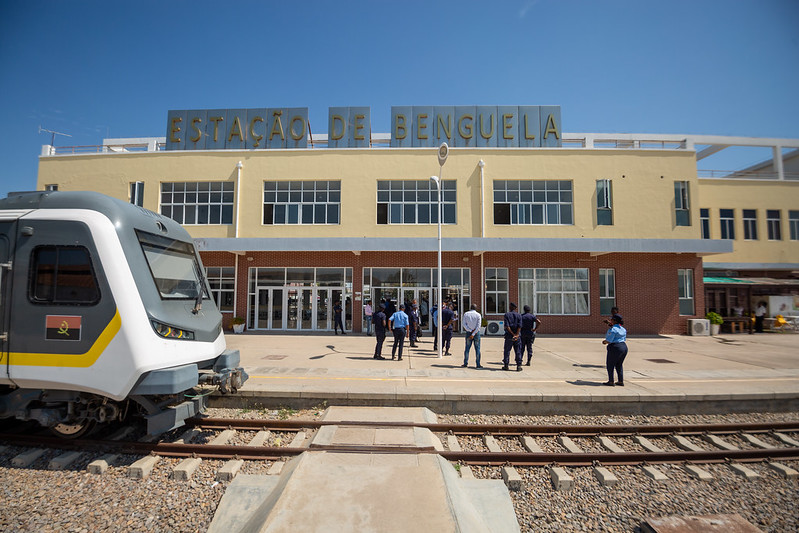 Lobito is a municipality in Angola with a population of 484,000. It is known for its shipping port, constructed in 1903 to transport goods worldwide. Also at this time, building began on the Benguela Railway connecting the Port of Lobito to the resource-rich Democratic Republic of Congo (DRC). During Angola’s civil war from 1975-2002, many of its transport systems were damaged, and goods could no longer reach the port for export. This heavily impacted the African economy. The Lobito Corridor initiative is the flagship project of the Partnership for Global Infrastructure and Investment (PGI). In 2022, the G7 formed the PGI, intending to invest $600 billion by 2027 to improve the infrastructure globally. Re-establishing its Lobito Trading Corridor could increase the efficiency of resource mobilization from the DRC to Angola’s port for trade with developed countries globally.
 Pneumonia kills more children than any other infectious disease. Each year,
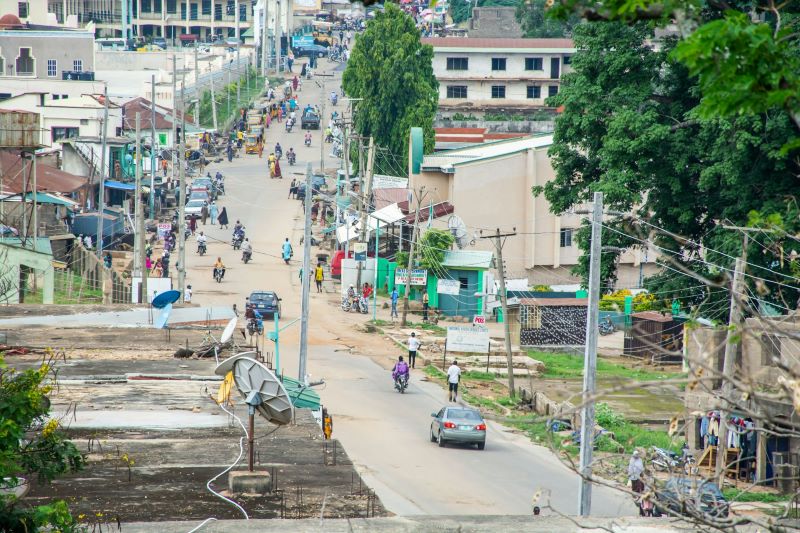 Nigeria is giving its young entrepreneurs a chance to create small businesses which, among other initiatives, could reduce the unemployment rate and help fight poverty in the country.
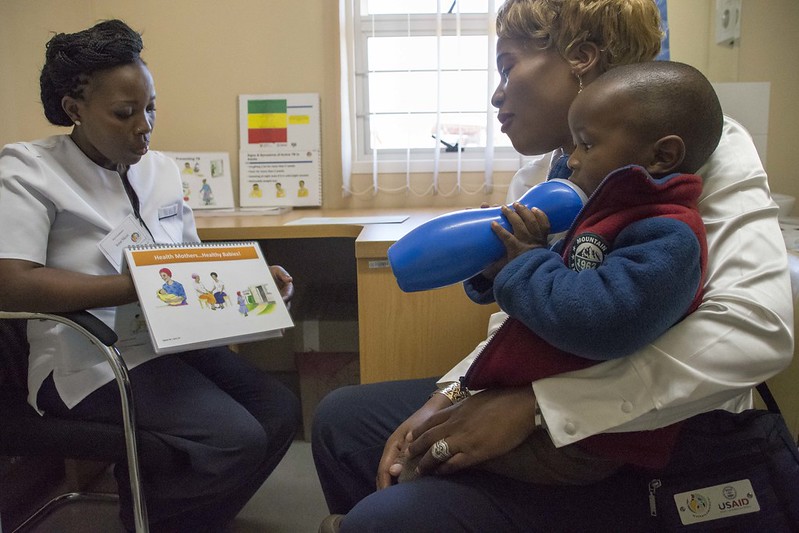 Poor health rates paint a dull picture in sub-Saharan Africa, with