• Link to X
  • Link to Facebook
  • Link to Instagram
  • Link to TikTok
  • Link to Youtube
  • About
    • About Us
      • President
      • Board of Directors
      • Board of Advisors
      • Financials
      • Our Methodology
      • Success Tracker
      • Contact
  • Act Now
    • 30 Ways to Help
      • Email Congress
      • Call Congress
      • Volunteer
      • Courses & Certificates
      • Be a Donor
    • Internships
      • In-Office Internships
      • Remote Internships
    • Legislation
      • Politics 101
  • The Blog
  • The Podcast
  • Magazine
  • Donate
  • Click to open the search input field Click to open the search input field Search
  • Menu Menu

Archive for category: Africa

Africa, Developing Countries, Global Poverty

How IWAYEC Is Transforming Livelihoods in Borno State, Nigeria

IWAYECIntegrated Women and Youths Empowerment Center (IWAYEC), a nongovernmental organization (NGO) registered in 2003, has been instrumental in improving the livelihoods of vulnerable communities in Borno State, Nigeria, particularly in conflict-affected areas like Izge in Gwoza Local Government Area (LGA). One of the center’s flagship projects focuses on empowering local farmers by providing them with essential farming equipment, high-quality seedlings and necessary chemicals for both irrigation and traditional farming. 

This initiative aims to boost agricultural productivity and ensure food security in a region where farming is a primary source of livelihood. However, it has been severely disrupted by ongoing conflicts. Here is how IWAYEC is impacting lives in these conflicted-affected regions:

Uplifting Women

In addition to supporting farmers, IWAYEC is dedicated to uplifting women across Borno State through skills acquisition programs. More than 6,000 women in six LGAs have benefited from training in petty trading, cattle rearing and oil extraction. These skills are vital for enabling women to generate sustainable incomes and support their families. By focusing on both agricultural and entrepreneurial empowerment, IWAYEC is not only addressing immediate economic needs but also laying the groundwork for long-term resilience and self-sufficiency in these communities.

Integrating Communities and Local Stakeholders

IWAYEC employs a holistic, multi-layered approach to tackling the diverse challenges faced by vulnerable groups, especially in conflict-affected regions. Central to its strategy is the integration of community engagement and stakeholder collaboration. IWAYEC actively involves local leaders, civil society organizations and government agencies to ensure that its interventions are culturally sensitive and community-driven.

By facilitating open dialogues with beneficiaries, the organization tailors its projects to address the specific needs and challenges of each community. This grassroots approach fosters trust, strengthens local ownership and ensures the long-term sustainability of its programs.

Addressing Gender-Based Violence

Prioritizing child protection and safeguarding, IWAYEC implements initiatives that address abuse and exploitation, creating safe spaces for children and adolescents. A flagship initiative, the School-Related Gender-Based Violence (SRGBV) project, funded by the United Nations Children’s Fund (UNICEF) and the United Nations Population Fund (UNFPA), prevents and responds to violence in schools, ensuring safe learning environments for both girls and boys.

These initiatives, alongside community engagement efforts, have fostered economic empowerment, improved educational access and strengthened the social fabric of some of Nigeria’s most vulnerable communities, bringing IWAYEC’s mission and vision closer to reality. The organization also engages in advocacy efforts to address systemic issues affecting women and children, working to influence policy changes and promote social justice.

Final Remark

IWAYEC operates with a deep commitment to inclusivity and sustainability. Beyond its core projects, the organization places a strong emphasis on monitoring and evaluation to ensure the effectiveness and impact of its initiatives. IWAYEC regularly assesses the progress of its programs through feedback from beneficiaries, data analysis and collaboration with local stakeholders.

This continuous learning approach allows for the adaptation and enhancement of strategies to better meet the evolving needs of the communities it serves. Through its comprehensive approach and commitment to community-driven solutions, IWAYEC is making a meaningful and enduring impact on the lives of its beneficiaries.

– Staff Reports
Photo: Flickr

November 17, 2024
https://borgenproject.org/wp-content/uploads/borgen-project-logo.svg 0 0 Hemant Gupta https://borgenproject.org/wp-content/uploads/borgen-project-logo.svg Hemant Gupta2024-11-17 07:30:322024-11-17 01:10:36How IWAYEC Is Transforming Livelihoods in Borno State, Nigeria
Africa, Developing Countries, Global Poverty

The Havids’ Initiatives for Youth and Community Development

The Havids’ InitiativesFor years, the people of the Niger Delta, an oil-rich region in Southern Nigeria, have faced staggering challenges, including inadequate access to quality education, limited economic opportunities and environmental degradation. These factors have perpetuated a cycle of poverty, leaving the community’s most vulnerable children, particularly children and youths, without the resources they need to thrive.

Recognizing the urgent need for change, The Havids Center for Environment and Development (The Havids), founded in 1992, has embarked on a mission to empower Nigerian youths living in the delta region and even beyond. To achieve this, The Havids’ initiatives have been implemented, including:

The Scholar Diplomats – Building Future Leaders

The Havids designed the Scholar Diplomats program to nurture a new generation of leaders who are academically proficient and deeply committed to social change. The organization carefully selects bright young minds from the community and provides them with rigorous training in diplomacy, environmental stewardship and leadership. The program equips participants with the skills and knowledge needed to address local challenges while thinking globally.

The Wintersteen Hub: A Beacon of Hope

The Wintersteen Hub is a community center that serves as the focal point of The Havids’ efforts in Bakana (Rivers State, Nigeria) and its environs. The Hub offers a range of programs aimed at combating poverty, including a library, vocational training, entrepreneurship support and environmental education. It also serves as a safe space for community members to access resources, such as Internet services, educational materials and health information.

More than 200 individuals have completed vocational training programs at the Hub, with many going on to start their own businesses or secure gainful employment. Additionally, the Hub’s focus on environmental education has significantly reduced deforestation in the area, as community members have learned about sustainable farming practices and the importance of preserving their natural surroundings.

Reusable Sanitary Menstrual Pads for Schoolgirls

The Havids also addresses period poverty among schoolgirls in the Niger Delta through the Reusable Sanitary Menstrual Pads for Schoolgirls project. In many impoverished communities, young girls often miss school due to a lack of access to sanitary products, leading to significant disruptions in their education.

To combat this, the organization provides reusable sanitary pads to schoolgirls, ensuring they can attend school with dignity and without interruption. The Reusable Sanitary Menstrual Pads for Schoolgirls project has kept more than 500 girls in school, reducing absenteeism and empowering them to pursue their education without the stigma and challenges associated with inadequate menstrual care.

By educating girls about menstrual health and providing sustainable, cost-effective solutions, The Havids not only helps to keep them in school but also empowers them with the knowledge and confidence they need to succeed.

Practical Leadership Awards for Youths (PLAY)

PLAY, another of The Havids’ initiatives, seeks to recognize and empower young individuals who demonstrate exceptional leadership and a commitment to community development. It gives this award to youths who have shown a remarkable attitude toward tackling local issues, whether through innovative projects, community service or environmental conservation efforts.

Recipients of the PLAY award receive not only recognition but also mentorship opportunities, funding for their projects and the chance to network with other young leaders. By shining a spotlight on these young changemakers, PLAY aims to inspire a new generation of leaders dedicated to creating a poverty-free future for the Niger Delta and beyond.

The Havids’ efforts, demonstrated through these initiatives, are a testament to the power of innovative, community-driven solutions to poverty. By focusing on education, leadership and sustainable development, The Havids is not only changing the narrative in the Niger Delta but also inspiring others globally to take action.

– Staff Reports
Photo: Pexels

November 16, 2024
https://borgenproject.org/wp-content/uploads/borgen-project-logo.svg 0 0 Hemant Gupta https://borgenproject.org/wp-content/uploads/borgen-project-logo.svg Hemant Gupta2024-11-16 01:30:352024-11-15 10:33:48The Havids’ Initiatives for Youth and Community Development
Africa, Developing Countries, Global Poverty

Rays of Hope Support Initiative: Path to Healthier Lives in Ibadan

Rays of Hope Support InitiativeNoncommunicable diseases (NCDs) have become a significant public health challenge in Nigeria, particularly in urban areas. Hypertension and diabetes, in particular, have seen a surge in prevalence, disproportionately affecting vulnerable populations. These conditions often lead to severe health complications, disability and premature death, exacerbating poverty and inequality.

Nigeria’s Silent Health Crisis: Hypertension and Diabetes

More than 20 million Nigerians are living and battling with hypertension silently, while more than 11 million live with diabetes. More than half of those affected by these silent killers are unaware of their health status. Even among those who are aware, many are not taking action. Those trying to seek care are hindered by economic challenges and unable to afford or access health care. As a result, they resign to their fate, waiting for the inevitable.

Nearly 30% of deaths in Nigeria, either at the hospital or at home, stem from NCDs. The nation’s potential brightest contributors are lost to these illnesses. The most vulnerable are hit hardest, as a lack of resources cuts their dreams short.

Rays of Hope Support Initiative

Rays of Hope Support Initiative (ROHSI) has been operational since 2017. Located in Ibadan, Oyo State, Nigeria. ROHSI is dedicated to combating the rising burden of NCDs in Ibadan and Nigeria, where it has been implementing innovative solutions to address these pressing issues. As an organization working within the NCD health space, ROHSI has focused on empowering vulnerable populations, such as older people, women and children, who are disproportionately affected by NCDs. This involves providing targeted interventions, addressing social determinants of health and ensuring equitable access to health care services.

The ROHSI team, since inception, has been working closely with local health care providers through collaboration and partnerships to ensure that individuals with NCDs, especially hypertension and diabetes, receive appropriate treatment and care. This includes providing access to essential medications and connecting patients with support services. Through its community-based health education initiative, the organization conducts regular health education programs to raise awareness about NCDs, especially hypertension and diabetes, their risk factors and preventive measures.

These sessions are tailored to the specific needs of the community, ensuring that information is accessible and understandable. Furthermore, the ROHSI early detection and screening program allows for timely intervention, reducing the likelihood of severe complications, therefore saving many lives from avoidable deaths.

Impact of Rays of Hope Support Initiative

ROHSI’s efforts have yielded significant results in improving the health and well-being of the community in Ibadan. It has educated more than 10,000 citizens on disease prevention with an emphasis on hypertension and diabetes. The organization has made an impact across three states, reaching more than 5,000 direct beneficiaries through free screenings and medication.

The nonprofit currently has a thriving online community with access to daily, up-to-date health tips. More than 1,500 members are part of its combined Facebook group, with thousands more across other social media platforms, where they access up-to-date information on health-related issues.

Many of ROHSI’s community members have reported a significant improvement in their quality of life as a result of the team interventions, including reduced symptoms, increased energy levels and greater independence.

Final Note

ROHSI has strengthened its community members’ resilience by empowering individuals to take control of their health and well-being. It has done so through daily health tips and free access to its medical team for guidance on health and wellness issues. The organization has advocated for favorable health policy changes from the Nigerian government and policymakers to address the root causes of NCDs and improve access to health care services in Nigeria. It does this by fostering partnerships and collaborations with like-minded local and international organizations.

– Staff Reports
Photo: ROHSI

November 15, 2024
https://borgenproject.org/wp-content/uploads/borgen-project-logo.svg 0 0 Hemant Gupta https://borgenproject.org/wp-content/uploads/borgen-project-logo.svg Hemant Gupta2024-11-15 01:32:162024-11-15 01:32:16Rays of Hope Support Initiative: Path to Healthier Lives in Ibadan
Africa, Global Poverty, Mental Health

Mental Health in Benin: Challenges and Progress

Mental Health in Benin
Poverty and mental health are deeply intertwined in Benin, where nearly 38.5% of the population lives below the poverty line. Poverty exacerbates mental health issues, creating barriers to accessing necessary care. Mental health disorders such as anxiety and depression disproportionately affect individuals in low-income settings due to stress, lack of support, and stigma. These findings echo broader trends seen in other low- and middle-income countries, as outlined by the World Bank, which identifies the lack of infrastructure as a key impediment to effective mental health interventions.

Challenges in Mental Health Accessibility

Access to mental health services in Benin is limited, with the majority of specialized care facilities located in urban centers like Cotonou and Porto-Novo, leaving rural populations underserved. According to the World Health Organization (WHO), the country faces critical shortages in mental health professionals, with fewer than one psychiatrist per 100,000 people. Additionally, there are only a handful of psychiatric hospitals, and mental health care is often integrated into general hospitals, which lack the necessary resources and trained personnel. This imbalance between urban and rural health care access is further exacerbated by societal stigma, which discourages individuals from seeking treatment, and the absence of a comprehensive national mental health strategy.

Role of Poverty in Amplifying Mental Health Issues

From a human rights and social justice perspective, this cycle of poverty and poor mental health represents a critical ethical issue. According to the International Covenant of Economic, Social and Cultural Rights, “everyone has a right to the highest attainable standard of physical and mental health”. However, as Paul Farmer notes, the needs of the world’s poor are often overlooked, and the structural inequalities that perpetuate mental health disparities are frequently neglected by global health and foreign policy communities. Addressing these inequalities requires integrating human rights frameworks into public health strategies, emphasizing beneficence, autonomy, and resource equity to empower marginalized populations and break the cycle of poverty and mental illness.

Progress Through Community-Based Interventions

Efforts in Benin such as the “Saint Camille Solution” have made strides in addressing mental health challenges through community-based interventions. These include awareness campaigns, support groups and partnerships with international NGOs for resource mobilization. Such programs highlight the importance of addressing both societal stigma and resource allocation.

Moving Forward: Policy and Investment Needs

While some progress has been made, significant work remains to fully integrate mental health into Benin’s healthcare system. Strengthening the system requires a multifaceted approach, beginning with the training and deployment of specialized mental health professionals across the country, particularly in underserved areas. Existing professionals will need to receive continuous training, supervision, and evaluation to enhance their effectiveness. 

– Olivia Barker

Olivia is based in London, UK and focuses on Global Health for The Borgen Project.

Photo: Flickr
November 15, 2024
https://borgenproject.org/wp-content/uploads/borgen-project-logo.svg 0 0 Jennifer Philipp https://borgenproject.org/wp-content/uploads/borgen-project-logo.svg Jennifer Philipp2024-11-15 01:30:002024-11-28 08:15:17Mental Health in Benin: Challenges and Progress
Africa, Global Poverty, Health

Saving Lives: Tackling Maternal Mortality in sub-Saharan Africa

Maternal Mortality in sub-Saharan AfricaMaternal mortality remains one of the most pressing public health challenges in sub-Saharan Africa. In regions like Liberia, Sierra Leone and other underserved areas, the lack of resources, trained professionals and access to essential medications means that around 300,000 women die each year from preventable complications of pregnancy.

Life for African Mothers (LFAM), a U.K.-based charity founded 19 years ago, is at the forefront of tackling this crisis. LFAM operates in some of the world’s most impoverished regions, dedicating its resources to saving mothers’ lives by providing vital medications and training health care workers to improve maternal health outcomes. Entirely volunteer-driven, LFAM’s efforts have become a beacon of hope for thousands of women across sub-Saharan Africa.

The Urgency of Maternal Mortality in sub-Saharan Africa

More than 80% of maternal deaths are preventable, particularly those from postpartum hemorrhage (PPH). The number, 300,000, has remained stubbornly high for more than a decade. Despite the affordability of medication, logistical costs and the high number of mothers in need pose significant challenges. Many clinics in rural and underserved regions lack consistent access to misoprostol, significantly increasing the risk of fatal complications during childbirth. This is where LFAM’s intervention becomes crucial.

The LFAM Project: Two-Pronged Approach

The primary goal of LFAM is to reduce maternal mortality in sub-Saharan Africa, particularly in countries like Liberia and Sierra Leone. LFAM’s project is built on two key pillars: 

  1. Distribution of vital medication: Since its inception, LFAM has been working to procure and distribute misoprostol to hundreds of health facilities across Liberia, Sierra Leone and other sub-Saharan African countries. By ensuring that each clinic has a consistent supply of this life-saving medication, LFAM addresses one of the biggest barriers to reducing maternal mortality.
  2. Training health care workers: In addition to providing medication, LFAM prioritizes the training of health care workers. This training focuses on the proper administration of misoprostol and Emergency Obstetric Care (EMOC). Through partnerships with local midwives and hospitals, LFAM introduces practices in maternal care that can have a lasting impact on the health system. The goal is not only to provide immediate relief but also to foster self-sufficiency in these clinics, enabling long-term improvements in maternal health care.

LFAM’s project implementation involves a comprehensive and continuous process of reviewing the existing needs of each clinic, supplying misoprostol in bulk and delivering these supplies to hundreds of clinics across the region. Regular monitoring of maternal health outcomes ensures that the program can be adjusted to maximize its impact and expand where necessary. This systematic approach helps LFAM address both the immediate and long-term needs of maternal health facilities across the region.

Saving Lives

LFAM has shipped more than 5 million tablets of misoprostol to sub-Saharan Africa, potentially saving around one million lives. The organization has also educated 1,000 midwives, highlighting its dedication to tackling maternal mortality in sub-Saharan Africa. The primary beneficiaries of LFAM’s work are women in rural and underserved areas of sub-Saharan Africa, where access to emergency maternal care is limited or nonexistent.

These women, especially those at risk of life-threatening complications, are often miles from the nearest health care facility. LFAM aims to reach approximately 10,000 mothers annually by working with local clinics to ensure that even the most remote areas receive the necessary supplies and support. This strategy addresses the geographic and socioeconomic disparities that make maternal health care inaccessible for so many women in the region.

Saving mothers’ lives enriches communities and encourages prosperity in the most impoverished countries. Poverty and maternal death rates are inextricably linked. When a mother survives childbirth, she can care for her newborn and contribute to the social and economic fabric of her community. LFAM’s work is helping ensure that more women survive to fulfill this role.

Lasting Solutions

LFAM’s model is designed with sustainability in mind. By investing in training local health care professionals and partnering with governments, the organization is helping to create a system that can continue to function even after LFAM’s direct involvement ends. This long-term approach ensures that the improvements in maternal health care are not temporary but instead form the foundation for a healthier future.

LFAM’s mission is clear: to prevent unnecessary maternal deaths in sub-Saharan Africa. However, this work is only possible with the continued support of donors and partners. Every pound invested in LFAM’s projects helps save lives, empower communities and improve health care systems in some of the world’s most underserved regions. With donor support, LFAM continues to contribute to a brighter and healthier future for thousands of mothers and their families, forging a path toward a world where no mother dies from preventable causes during childbirth.

– Staff Reports
Photo: Flickr

November 14, 2024
https://borgenproject.org/wp-content/uploads/borgen-project-logo.svg 0 0 Hemant Gupta https://borgenproject.org/wp-content/uploads/borgen-project-logo.svg Hemant Gupta2024-11-14 01:30:082024-11-14 00:00:24Saving Lives: Tackling Maternal Mortality in sub-Saharan Africa
Africa, Global Poverty, Nonprofit Organizations and NGOs

The Almanah Hope Foundation: Supporting African Widows

The Almanah Hope FoundationAfrican widows face significant challenges, grappling with discrimination and disinheritance. Despite their resilience and determination, widows are often excluded, marginalized and disenfranchised as they struggle to make ends meet and find their place in society.

“For many women, becoming a widow does not just mean the heartache of losing a husband, but often losing everything else as well,” stated Cherri Blair. Governments implementing policies within these areas are key to building sustainable and universal empowerment of African Widows.

Challenges Faced by African Widows

The myriad of challenges that threaten African widows’ very survival include:

  1. Extreme Poverty: In many patriarchal societies, women are often viewed as second-class citizens and widowhood can reduce their social status further. Without access to socioeconomic support from the government, many widows are forced to live in poverty. This hardship extends to their children. Furthermore, this perpetuates a cycle of generational poverty that, for many, has become almost synonymous with widowhood in Africa.
  2. Social Stigma and Discrimination: Cultural norms frequently lead communities to shun widows, sometimes accusing them of being cursed or even blaming them for their husband’s death. These beliefs sustain widowhood as a shameful status, resulting in ostracism and marginalization. This stigma can extend into religious and social communities, leading to isolation and disconnection from family, friends and community support.
  3. Emotional Trauma: The cultural portrayal of widowhood as “accursed” exposes widows to lasting grief, loneliness and mental health challenges exacerbated by inadequate support systems. The loss of a spouse, coupled with the new responsibility of being the head of the family, often intensifies emotional struggles. Widows may face an overwhelming mix of fear, shame and pain. Unfortunately, this frequently leads to suicidal thoughts, especially when they lack access to counseling or support services.
  4. Legal Vulnerabilities: Inheritance rights disputes, property conflicts and restricted access to justice are common challenges often seen as a norm. African Widows are frequently denied their rightful inheritance. Their property and assets are seized by their husbands’ families or other relatives. With little or no legal protection, many widows are left with no safety net. They are exposed to further vulnerability, exploitation and abuse.

The Almanah Hope Foundation

The Almanah Hope Foundation, a nonprofit organization based in Nigeria, stands as a beacon of light to African widows by bridging the gap between the “cold sweat of stigmatization and the hot flashes of economic hardship” widows in Africa encounter. The organization has implemented a multifaceted approach to address these complex issues: 

  1. Radio Program: “A Widow’s Window”: “A Widow’s Window” is Nigeria’s first family radio talk show dedicated to widowhood. It offers widows a powerful platform to share their experiences and reclaim their voices. Beyond mentoring and empowering widows, the show has helped many reclaim their assets through the exposure it provides. It has also inspired similar radio initiatives across Nigeria and Africa, empowering communities to address widowhood more openly.
  2. Nigeria Widows Protection Bill: Recognizing the lack of legal protections specifically addressing widows’ social needs, the foundation prepared and submitted a bill to the House of Representatives in 2020. This proposed Act aims to eliminate all forms of repressive cultural practices against widows and safeguard their human rights. The 9th House of Representatives passed the bill, forwarding it to the Senate for concurrence in February 2023.
  3. Nigeria Widows Database: One fundamental challenge in distributing COVID-19 palliative measures in Nigeria has been the lack of a comprehensive database, including one specifically for widows. This absence of verified data led to significant issues, such as identity falsification, resource diversion, duplication and wastage of limited resources. It also caused double and rushed registration processes, a shortage of relief materials, inefficient planning and flawed policy implementation. As a result, a considerable number of widows were excluded from receiving critical support during the pandemic. In response, the Almanah Hope Foundation launched the Nigerian Widows Database, endorsed by the Federal Ministry of Women Affairs. This initiative created the first indigenous baseline database for widows. Indeed, more than 30,000 widows registered to date and this continues to grow.
  4. Inter-Secondary School Gender-Based Violence Education Competition: In commemoration of the International Day for the Elimination of Violence Against Women and Girls, the organization established an annual inter-secondary school program that educates students on gender-based violence (GBV) and its impacts. Since its inception in 2017, more than 200 public secondary schools have participated. The program produced the book “Message to the Youth,” which explores the causes and effects of GBV. More than 1,000 copies have been distributed to participants in Anambra and Lagos states.
  5. The African Widows Summit (TAWS): Furthermore, the organization has established the African Widows Growth and Development Initiative (AWGaDi) to address the shared challenges African widows face. This initiative organizes continental summits, including the TAWS, an annual high-profile conference bringing together African stakeholders, leaders and widows. TAWS aims to provide political leadership and guidance to the African Union and its member states on widowhood issues. Furthermore, the organization seeks to influence policies and actions that protect and empower widows across the continent.

These initiatives, among others, demonstrate the Almanah Hope Foundation’s commitment to supporting widows in Africa.

Summary

Widows in Africa continue to face significant challenges, including a lack of economic opportunities, marginalization and stigmatization. However, the Almanah Hope Foundation addresses these issues through various initiatives, including a radio program and an annual African widows’ summit. These programs raise awareness of the obstacles African widows encounter and empower them to advocate for their rights and well-being.

– Staff Reports
Photo: Flickr

November 11, 2024
https://borgenproject.org/wp-content/uploads/borgen-project-logo.svg 0 0 Hemant Gupta https://borgenproject.org/wp-content/uploads/borgen-project-logo.svg Hemant Gupta2024-11-11 01:30:382024-11-11 09:07:35The Almanah Hope Foundation: Supporting African Widows
Africa, Global Poverty, Indigenous Women

Maasai Poverty and the Path to Prosperity

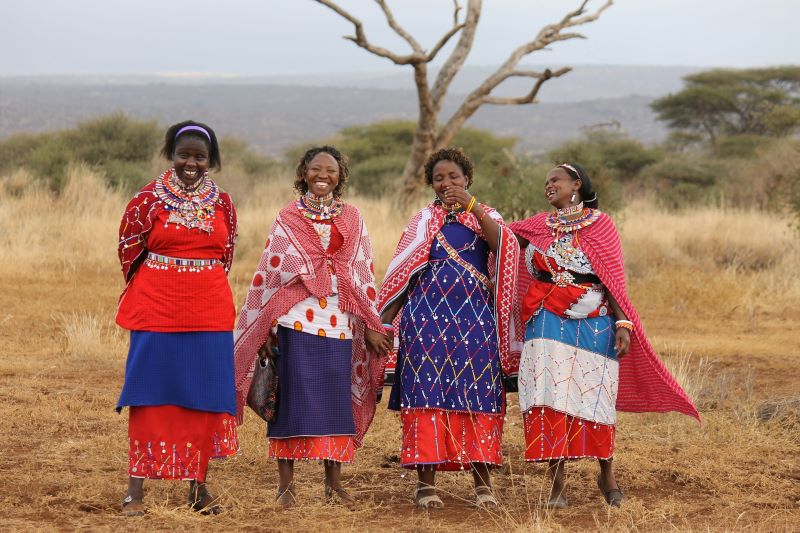
Maasai PovertyThe Maasai Tribe are semi-nomadic people who originally hail from South Sudan but have settled in Kenya and Tanzania in modern times. The tribe have strict customs regarding diet and food, which all center around their relationship with their cattle. To the Maasai people, the cattle they herd form the economy they operate, often depending on them to fulfill all their needs, from currency to trade with, to key ingredients in their diet. However, with an increase in land disputes, the courts often evicted the Maasai people from the land they used. High levels of food insecurity and poverty also affect Maasai people (especially women and children), due to its customs and traditions where men make “all the major decisions around food.” Restricted land use and the ban on growing crops further exacerbate this issue.

Multi-Dimensional Poverty

Multi-dimensional poverty is a serious issue within Africa, with 317 million children being multidimensionally poor in sub-Saharan Africa. This is especially evident in rural areas, where vulnerable groups like women and children do not have access to education, clean water or food. The Maasai people are no exception to these statistics, with cultural ideals stating that the males of the group should get the more nutritious food, leaving the women and children dealing with malnutrition as a result of the food insecurity, according to The Conversation.

This is just one aspect of poverty the Maasai people deal with, with 20% of people having access to safe water in Narok County (where the Maasai reserves are based). This rural area also needs clean sanitation levels with only 35% of people having access to clean sanitation.

These risks to the traditional way of life have forced the Maasai to turn to different ways to feed themselves. One instance following a drought earlier this year forced the tribe to begin fish farming as a way to feed themselves, a divergence considering the typical diet of a Maasai revolves mainly around cattle and the odd goat during hard periods. To help accustom the Maasai local governments, like Kajiado have gifted pond liners, fish fingerlings and food to help them become self-sufficient.

Maasai Poverty and Tourism

However, this is not the only new practice the Maasai have undertaken, with the tribe working with tourism groups as a way to increase its economy. This transition to modern currency, whilst diverging from their cultural practices, allows the tribe to increase its resources. Companies like Wayfairer have discussed how they operate on a level that helps Maasai poverty rates rather than exploit them. Wayfairer ensures that any money generated from the tourists goes directly to local development initiatives helping to support the Indigenous people.

The Maasai poverty rate threatens their traditional way of life, a threat commonly seen among Indigenous groups, another example is the San people. They are the oldest inhabitants of South Africa and are known for their connection and use of the land they inhabit, however, most of the San people live below the poverty line due to aspects of Indigenous poverty the Maasai also deal with, such issues as low resources, land disputes and social and cultural shifts.

Thankfully the Maasai people and the tourism surrounding them often has ethical options, for instance, companies reminding groups to treat them with respect, using Maasai guides and asking these guides what donation they recommend.

Organizations Helping Maasai People

There are also specific organizations to help support the Maasai, like the Maasai Wilderness Conservation Trust, which works to ensure the land protection of the Maasai, subsequently helping protect the animals and ecosystem that it supports. Not only does this help the planet and diversity of species in Kenya, but also the Maasai people who live off the land.

RedTribe helps tackle Maasai poverty and helps people adjust to modern life. The organization focuses on raising money for the community by selling traditional beadwork that women make, helping ensure access to clean water, and the Maasai clinic, which helps the 12,000 people in the community to stay healthy with treatments like vaccines and dental care. Whilst this company helps the Maasai integrate into contemporary life it is run by those from the tribe ensuring that the values and beliefs that were considered vital to the Maasai way of life are still honored, working for sustainability through empowering locals rather than aid.

This prioritizing of the tribe’s needs and values allows the tourists to support the Maasai in a way that doesn’t further threaten their cultural practices, helping the poverty rates as well as educating those who visit them.

– Caitlin Mulholland

Caitlin is based in Lymington, UK and focuses on Technology and Global Health for The Borgen Project.

Photo: Unsplash

November 10, 2024
https://borgenproject.org/wp-content/uploads/borgen-project-logo.svg 0 0 Naida Jahic https://borgenproject.org/wp-content/uploads/borgen-project-logo.svg Naida Jahic2024-11-10 07:30:302024-11-10 01:55:52Maasai Poverty and the Path to Prosperity
Africa, Developing Countries, Global Poverty

DSWHUB Fights Poverty in Nigeria

DSWHUBNigeria, the most populous country in Africa, continues to grapple with severe socioeconomic issues that have left millions in poverty. As of 2023, nearly 87 million Nigerians live below the poverty line, with inflation hitting a 24-year high of 31.7%. Despite efforts to address unemployment, the youth face high underemployment rates and a lack of quality job opportunities, leading to widespread poverty in Nigeria.

This economic disparity is a major factor in irregular migration, with many Nigerians risking their lives to seek better opportunities abroad. In 2017 alone, more than 18,000 Nigerians arrived in Italy via the perilous Mediterranean route. The desperation that pushes individuals to migrate also makes them vulnerable to human trafficking, often ending up in forced labor or sexual exploitation.

Denny Social Welfare Hub

Denny Social Welfare Hub (DSWHUB), a nonprofit organization, is tackling the root causes of irregular migration and human trafficking by focusing on community empowerment, education and advocacy. One of its key initiatives is the iEMPATHY Campaign, which raises awareness about the dangers of irregular migration and human trafficking. This campaign specifically targets women and other vulnerable groups, educating them about the risks involved in irregular migration and empowering them to make informed decisions.

In 2023, DSWHUB held a notable community engagement event in Ogun State, where it educated residents on the risks of illegal migration and the tactics traffickers use to exploit vulnerable individuals. The event emphasized the role of women in migration decisions and promoted the idea of safe and legal migration pathways​. By increasing awareness and fostering informed decision-making, DSWHUB reduces the number of individuals falling prey to traffickers.

Support for Migrants and Survivors of Human Trafficking

In addition to awareness campaigns, DSWHUB actively supports the reintegration of returned migrants and survivors of human trafficking. These individuals often face stigma and difficulty rebuilding their lives. Through vocational training, education and capacity-building programs, DSWHUB equips them with the skills they need to reintegrate successfully into society. Its focus on long-term economic empowerment ensures survivors are less likely to become re-trafficked.

DSWHUB’s efforts have had a tangible impact on the communities it serves. By educating vulnerable populations and offering alternatives to dangerous migration routes, DSWHUB has helped reduce instances of irregular migration and human trafficking. Many individuals who participated in the iEMPATHY Campaign have shared testimonies of how the program equipped them with knowledge that helped them avoid falling victim to traffickers.

Moreover, DSWHUB’s reintegration programs have enabled survivors of trafficking to rebuild their lives. Through skills training and support, individuals have gained the confidence and resources to start small businesses, seek employment or return to education. By addressing the root causes of poverty and unemployment, DSWHUB is making a lasting impact in breaking the cycle of exploitation and preventing retrafficking​.

Summary

DSWHUB is addressing the systemic issues of poverty and unemployment in Nigeria, which drive irregular migration and human trafficking. Through innovative campaigns like iEMPATHY and comprehensive reintegration programs, DSWHUB is creating long-term solutions that empower individuals and strengthen communities. Its work not only saves lives but also offers a model for how grassroots organizations can combat human trafficking and irregular migration in regions plagued by socioeconomic challenges.

DSWHUB is helping vulnerable populations build safer, more secure futures free from exploitation by focusing on education, empowerment and advocacy. DSWHUB’s ongoing work highlights the importance of addressing the root causes of migration and trafficking to create lasting change in Nigeria.

– Staff Reports
Photo: Flickr

November 9, 2024
https://borgenproject.org/wp-content/uploads/borgen-project-logo.svg 0 0 Hemant Gupta https://borgenproject.org/wp-content/uploads/borgen-project-logo.svg Hemant Gupta2024-11-09 01:30:222024-11-09 00:25:47DSWHUB Fights Poverty in Nigeria
Africa, Development

Revitalising Private Sector Growth in Sierra Leone

Private Sector Growth in Sierra LeoneIn fragile economies like Sierra Leone, where political instability and economic challenges have slowed growth, developing a resilient private sector plays a critical role in driving economic recovery and reducing poverty. With 26.1% of the population living on less than $2.15 a day and a GDP per capita of just $433.4, the country faces profound economic challenges that underscore the need for sustainable development. The U.K. government in collaboration with British International Investment (BII), is bolstering private sector growth in Sierra Leone through targeted programs like Invest Salone. These initiatives provide risk-sharing facilities, technical support, and access to markets, empowering Sierra Leone’s high-impact sectors, such as agriculture, manufacturing, and water services, to thrive and contribute to the nation’s economic resilience.

Challenges for Private Sector Growth in Sierra Leone

Entrepreneurs and private businesses in Sierra Leone face multiple challenges, from limited access to capital and restricted market access to structural infrastructure issues. Political instability further deters foreign investment and creates an uncertain environment for growth. In this context, U.K. aid is supporting initiatives like Invest Salone and BII’s Africa Resilience Investment Accelerator (ARIA) to help the private sector overcome these barriers and foster sustainable growth in key sectors, including agriculture, manufacturing and services—areas pivotal for job creation and poverty reduction.

In partnership with local organizations, the U.K. has implemented the Invest Salone project, which offers grants, technical support and market access tailored to the Sierra Leonean business environment. By targeting sectors with substantial growth potential, Invest Salone aims to help local businesses build resilience, expand into larger markets and support the broader economic recovery through increased employment and improved infrastructure, according to its website.

British International Investment

British International Investment (BII), the U.K.’s development finance institution, has played a crucial role in strengthening private sector growth in Sierra Leone. Through ARIA, BII provides risk-sharing facilities and access to capital, allowing local financial institutions like Ecobank to lend more freely to SMEs in high-impact sectors. BII’s strategic investments focus on boosting local employment, generating economic opportunities and fostering a more resilient economy, according to Ecobank. By focusing on industries that drive sustainability and self-sufficiency, BII helps Sierra Leonean businesses access larger markets and improve production capacity.

Catalysing Growth in Key Sectors

Through U.K. aid initiatives, several businesses in Sierra Leone’s high-impact sectors have successfully expanded their operations and contributed to economic resilience.

The Water and Sanitation Promotion Company (WaSAP) participated in Invest Salone’s investment-readiness bootcamp, which enabled it to grow annual revenue from $129,000 to more than $500,000. By focusing on financial management and diversifying its customer base, WaSAP demonstrates how targeted pre-investment support can prepare businesses to scale sustainably and attract additional investment.

Through the ARIA, BII’s $25 million risk-sharing facility with Ecobank Sierra Leone allows for an estimated $50 million in lending capacity to high-impact sectors, including agriculture and manufacturing, according to Ecobank. This facility supports businesses facing collateral constraints by enabling larger loans and extended repayment terms. Such financial flexibility allows these enterprises to expand operations, hire more workers, and contribute to local economic stability.

These examples illustrate how U.K. aid, through initiatives like Invest Salone and BII partnerships, is driving sustainable growth by empowering Sierra Leone’s private sector to overcome structural barriers and access larger markets.

Economic Recovery and Poverty Reduction

These U.K. aid initiatives play a key role in bolstering Sierra Leone’s private sector growth and reducing poverty. The Invest Salone program focuses on empowering high-impact sectors such as agriculture and manufacturing by providing financial support and market access to small and medium-sized enterprises (SMEs). Combined with ARIA’s $25 million risk-sharing facility, these programs enable local banks to extend crucial financing to SMEs, allowing businesses to grow, create jobs and increase income stability within communities. By helping local businesses overcome market barriers, these initiatives not only stimulate economic resilience but also support poverty reduction efforts across Sierra Leone.

Through the FCDO and BII, U.K. aid is revitalizing private sector growth in fragile economies like Sierra Leone. By providing risk-sharing facilities, grants, and technical support, these initiatives help develop high-impact sectors such as agriculture, manufacturing, and water services. This targeted aid not only fosters job creation and income growth but also builds a resilient, self-reliant economy capable of withstanding future challenges.

– Safa Musa

Safa is based in London, UK and focuses on Good News for The Borgen Project.

Photo: Unsplash

November 6, 2024
https://borgenproject.org/wp-content/uploads/borgen-project-logo.svg 0 0 Naida Jahic https://borgenproject.org/wp-content/uploads/borgen-project-logo.svg Naida Jahic2024-11-06 07:30:182024-11-06 02:12:18Revitalising Private Sector Growth in Sierra Leone
Africa, Developing Countries, Global Poverty

The Impact of Custos Care Foundation

Custos Care FoundationCustos Care Foundation (CCF), a nongovernmental organization based in Enugu State, Nigeria, aims to promote social justice and reduce poverty and inequality by empowering underprivileged groups through skills development, health care, well-being and basic education. By working closely with local communities and partners, CCF seeks to drive sustainable change in Enugu State and beyond.

The Mama Care Initiative

According to a publication by PubMed, data from the obstetric unit of the University of Nigeria Teaching Hospital (UNTH) in Enugu, Nigeria, shows that between January 2003 and December 2005, there were 49 maternal deaths, 2,131 deliveries and 2,044 live births. This results in a maternal mortality ratio of 2,397.3 maternal deaths per 100,000 live births during the study period. In response, CCF recently launched the “Mama Care Initiative,” a significant milestone in providing one-year health insurance premiums for 1,701 pregnant women across Enugu State’s 17 Local Government Areas (LGAs), with approximately 100 per LGA in the pilot phase.

A notable case involved a baby from the Oji River LGA who was born prematurely at a primary health care facility. The family was unable to secure the funds necessary to transfer the infant to a secondary facility equipped with an incubator. However, with the assistance of CCF, the baby was successfully transferred to the UNTH, where she received the necessary care and support needed for her health and survival.

Child Abuse Awareness and Sensitization

CCF is currently organizing sensitization programs in primary schools across the 17 LGAs in Enugu State to raise awareness about child abuse. This initiative is anchored in two key program areas: social protection and basic education for all. The objective is to educate school pupils in Enugu State about child abuse, including its identification and prevention. So far, CCF has visited 13 schools, reaching approximately 6,000 pupils directly and more than 5,000 indirectly through media campaigns, including social media outreach.

Skills Acquisition Training for Women and Youth

The issue of poverty, exacerbated by unemployment and a shortage of skills, has significantly impacted the living standards of the population. While the current government in the state has made commendable efforts to build workforce capacity, the organization is also dedicated to bridging the capacity gap.

Through the CCF’s “Craft UP Initiative,” the foundation has trained 68 women and youth in the state in vocational skills related to leather work, including shoemaking, bag making and belt production. To further support their endeavors, it established a skills acquisition center focused on tailoring and leatherworking.

This center provides these individuals with the opportunity to utilize our state-of-the-art industrial machines at no cost, enabling them to produce high-quality goods in larger quantities.

Youth Aspire Boot Camp 2024

In 2024, CCF hosted a four-day youth boot camp for 100 young people from Enugu State, consisting of both male and female participants, alongside more than 30 volunteers and resource persons. Participants aged 15 to 20 were selected from various locations across the state, with a commitment to inclusivity that ensured equitable representation across gender, social status and abilities.

The youths acquired a diverse range of skills, including information and communication technology (ICT) competencies such as coding and the creation of 3D and 2D animations. They also developed vocational skills in areas like weaving, tailoring, bead-making, social media marketing and content creation.

Final Remark

By engaging with local partners and communities, Custos Care Foundation not only provides essential services but also cultivates a culture of empowerment and resilience. As it continues to bridge gaps in health, education and vocational training, CCF stands as a beacon of hope for underprivileged groups in Enugu State, driving meaningful progress and inspiring a brighter future.

– Staff Reports
Photo: Flickr

November 5, 2024
https://borgenproject.org/wp-content/uploads/borgen-project-logo.svg 0 0 Hemant Gupta https://borgenproject.org/wp-content/uploads/borgen-project-logo.svg Hemant Gupta2024-11-05 01:30:222024-11-03 01:15:37The Impact of Custos Care Foundation
Page 9 of 24«‹7891011›»

Get Smarter

  • Global Poverty 101
  • Global Poverty… The Good News
  • Global Poverty & U.S. Jobs
  • Global Poverty and National Security
  • Innovative Solutions to Poverty
  • Global Poverty & Aid FAQ’s
Search Search

Take Action

  • Call Congress
  • Email Congress
  • Donate
  • 30 Ways to Help
  • Volunteer Ops
  • Internships
  • Courses & Certificates
  • The Podcast
Borgen Project

“The Borgen Project is an incredible nonprofit organization that is addressing poverty and hunger and working towards ending them.”

-The Huffington Post

Inside The Borgen Project

  • Contact
  • About
  • Financials
  • President
  • Board of Directors
  • Board of Advisors

International Links

  • UK Email Parliament
  • UK Donate
  • Canada Email Parliament

Get Smarter

  • Global Poverty 101
  • Global Poverty… The Good News
  • Global Poverty & U.S. Jobs
  • Global Poverty and National Security
  • Innovative Solutions to Poverty
  • Global Poverty & Aid FAQ’s

Ways to Help

  • Call Congress
  • Email Congress
  • Donate
  • 30 Ways to Help
  • Volunteer Ops
  • Internships
  • Courses & Certificates
  • The Podcast
Scroll to top Scroll to top Scroll to top