• Link to X
  • Link to Facebook
  • Link to Instagram
  • Link to TikTok
  • Link to Youtube
  • About
    • About Us
      • President
      • Board of Directors
      • Board of Advisors
      • Financials
      • Our Methodology
      • Success Tracker
      • Contact
  • Act Now
    • 30 Ways to Help
      • Email Congress
      • Call Congress
      • Volunteer
      • Courses & Certificates
      • Be a Donor
    • Internships
      • In-Office Internships
      • Remote Internships
    • Legislation
      • Politics 101
  • The Blog
  • The Podcast
  • Magazine
  • Donate
  • Click to open the search input field Click to open the search input field Search
  • Menu Menu

Archive for category: Africa

Africa, Global Health, Global Poverty, Nonprofit Organizations and NGOs

How LFAM in Sierra Leone is Reducing Maternal Mortality

LFAM in Sierra LeoneSierra Leone has one of the highest global rates of maternal mortality and an overwhelming number of these maternal deaths are due to preventable factors. In 2020, the maternal mortality ratio was 443 women’s deaths per 100,000 live births. Although this is incredibly lower than the rate in 2000, where 1,682 women died per 100,000 live births, there is still a way to go in reducing this number.

The Life for African Mothers Charity (LFAM) has been actively working on reducing the maternal mortality rate in Sub-Saharan Africa since 2005. LFAM is helping Sierra Leone through its essential programs and projects to lower the maternal mortality ratio.

What LFAM Does

In 2020, nearly 800 preventable maternal deaths occurred daily worldwide. A maternal death took place every two minutes; a further 95% of these deaths took place in low and lower-middle-income countries. LFAM provides tailored training to midwives in Sub-Saharan Africa through various means, such as skill-sharing workshops and medication distribution. The nonprofit has trained around 1,000 midwives and shipped five million tablets to date, contributing to the approximately one million women saved by the organization.

LFAM’s 15-Year Journey in Sierra Leone

In 2008, LFAM was called by the United Nations Population Fund to assist Sierra Leone and Liberia in reducing their Maternal Mortality Ratio. The U.N. had designated Sierra Leone as one of the most dangerous places on earth to have a baby. In 2009, LFAM started helping; medications to treat and prevent hemorrhages were sent to Sierra Leone and U.K.-based midwives traveled to share their skills and complete training programs.

LFAM is helping in Sierra Leone through its contribution to the resilience of the communities by empowering midwives and preventing post-partum hemorrhage. The initiative is positively impacting the country’s maternal health care.

LFAM’s Recent Workshop in Sierra Leone

In Sierra Leone, less than half of pregnant women receive care from experienced birth attendants. In response, the program has been helping the nation through several methods, including midwifery workshops. LFAM held a two-day event in January 2024, for midwives to attend. The event occurred at Kailahun District Hospital and 20 midwives and nurses participated in the workshop. This intense training event covered postpartum hemorrhage management, resuscitation scenarios and labor care guidance. The focus of these workshops is empowering individual midwives to save lives in low-resource settings.

Enhancing Service Reach

LFAM is helping Sierra Leoneans by distributing life-saving medications such as Misoprostol. However, this has been challenging. The nonprofit encountered challenges when ensuring these medications’ timely and safe delivery. Additionally, transporting supplies from the airport to the hospital and distributing them across the country posed logistical hurdles for several reasons, such as the state of the roads.

In a positive turn of events in January 2024, the organization received a contribution from a U.K. foundation for a new vehicle. This donation has allowed LFAM to revolutionize the way it transports medication and midwives as distribution efforts are simplified and accessibility is increased. This donation will hopefully lead to a further reduction in Sierra Leone’s maternal mortality rate as the effectiveness of LFAM’s work continually increases.

– Arabella Wood-Collins
Photo: Flickr

March 12, 2024
https://borgenproject.org/wp-content/uploads/borgen-project-logo.svg 0 0 Hemant Gupta https://borgenproject.org/wp-content/uploads/borgen-project-logo.svg Hemant Gupta2024-03-12 01:30:052024-03-11 07:07:30How LFAM in Sierra Leone is Reducing Maternal Mortality
Africa, Global Poverty, Technology

Empowering the Underserved With Technology: AI for Africa’s Poor

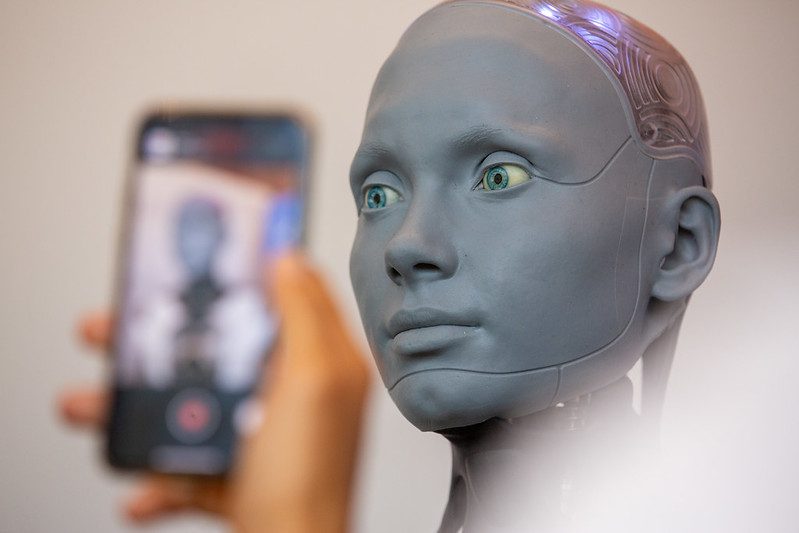
AI for Africa's PoorArtificial Intelligence (AI) takes the spotlight, transforming industries worldwide in technological upheaval. For Africa, where nearly 7% may live under $2.15 a day by 2030, the promise of an AI-driven economy with ethical foundations holds tremendous potential. Africa, led by Mauritius, Egypt and South Africa, embraces AI with distinct strengths. Egypt thrives on young tech talent, South Africa excels in infrastructure for online education and Mauritius emphasizes governance.

In a conversation with Karishma Muthukumar, a nongovernmental organization (NGO) leader and session panelist at the 2023 United Nations (U.N.) AI for Good Global Summit, The Borgen Project, explores insights and opportunities for leveraging AI to uplift Africa’s impoverished, aligning with Sustainable Development Goals (SDGs). As the continent progresses, AI emerges as a beacon for positive change.

Employability of AI for Africa’s Poor

Despite the expansion in technology and infrastructure access, the scarcity of resources due to COVID-19 has outpaced growth in various regions of Africa. A stark reality persists as less than 20% of the continent has implemented a comprehensive strategy to address electricity shortages, with approximately 600 million people needing more basic access to electricity as of 2022. Achieving Sustainable Development Goal 7 (SDG-7) by 2030, which aims to ensure universal access to affordable, reliable, sustainable and modern energy, remains a formidable challenge.

The pivotal question no longer revolves solely around how artificial intelligence (AI) will affect people but how millions of individuals will harness AI for their benefit. As rightly indicated by Muthukumar, the disparities in technological advancements pose significant challenges. The effects of AI are poised to unfold differently in developing versus developed countries and the requisite investments and regulations these countries need are also likely to be different.

A critical determinant in this evolving landscape is pertinent data and infrastructure availability. Wealthier nations leverage their extensive datasets to develop sophisticated AI models and proposals. However, gaining access to reliable data in Africa is not trivial, creating a barrier for technological advancements to reach those who need them the most. Nevertheless, instances of innovation, such as Kenya’s M-Pesa, which has revolutionized the payment world through mobile data, serve as a reminder of the transformative possibilities that lie ahead.

Technological Challenges for AI Advancement in Africa

It is crucial to overcome technological challenges to make AI impactful for people experiencing poverty. Research stresses distinguishing short-term and long-term values in AI adoption. An important strategy involves customizing technology from developed nations for local use, facilitating the creation of solutions that resonate with the specific needs of diverse communities.

Another strategy involves decentralizing AI products to meet local needs. This not only has the potential to uplift incomes but can also stimulate economic growth. However, implementing such strategies is challenging, particularly in regions with trust issues, as easy code modification is possible in those cases. Society plays a vital role in monitoring new systems and highlighting abuses to ensure technology reaches those in need efficiently.

Cost Management and Innovation Take Center Stage in Health Care

With the automation of medical procedures, artificial intelligence can help health professionals do more and reach more people with limited resources. Currently, less than 30% of the applications deploy artificial intelligence in health care. AI has the potential to improve outcomes and decrease treatment costs, thus making diagnosis accessible to a larger group of the population.

Several African countries have adopted artificial intelligence today to automate radiology tasks, enabling more frequent tests to rule out the severity of diseases, thus actively assisting in medical diagnostics. The Artificial Intelligence for Good Global Summit extensively explored empathy-based artificial intelligence as a promising future to complement patient care. Muthukumar emphasized how artificial intelligence can empathize with patients, particularly in critical situations like wait times. This can lead to medical innovations and a significant enhancement in the meaningful connection between caregivers and those needing care.

Nurturing Hope for the Future of AI for Africa’s Poor

Successful adoption of AI for Africa’s poor hinges on strong foundations in data, infrastructure and governance. The potential transformative applications in Africa may not necessarily replace humans but rather create new opportunities for them.

In the quest for cost containment and improved infrastructure, African nations must carefully balance adopting foreign AI solutions with promoting local innovations and regulations. This approach promises to uplift underserved communities, especially in vital sectors like health care and employment.

Crucially, this strategy resonates with the region’s commitment to implementing secure and practical solutions, contributing to a digital transformation that narrows the digital divide toward achieving the SDG goals.

– Sudha Krishnaswami
Photo: Flickr

March 11, 2024
https://borgenproject.org/wp-content/uploads/borgen-project-logo.svg 0 0 Hemant Gupta https://borgenproject.org/wp-content/uploads/borgen-project-logo.svg Hemant Gupta2024-03-11 15:00:592024-03-11 06:50:42Empowering the Underserved With Technology: AI for Africa’s Poor
Africa, Global Poverty, Water

“Water Life” in Ethiopia

Water LifeAida Muluneh is an Ethiopian photographer and cultural entrepreneur. Born in Addis Ababa, Ethiopia, she works as an educator “developing projects with local and international institutions in Ethiopia and Côte d’Ivoire.”

Shining Light on Water Poverty

In 2018, alongside WaterAid and the H&M Foundation, Aida created a series of works focusing on the scarcity of safe water. WaterAid is an NGO established in 1981 to provide clean water and sanitation to people around the world. Its mission is to “transform the lives of the poorest and most marginalized people by improving access to safe water, sanitation and hygiene.”

Founded in 2013, the H&M Foundation is an NGO based in Stockholm, Sweden that uses “philanthropic resources to find, fund and facilitate disruptive innovations, initiatives and research that enable a socially inclusive and planet positive textile industry.” Its website states “We believe that change is best achieved when a diverse group of people join forces and commit to a common agenda to solve complex challenges.”

WaterAid gave Aida “complete artistic freedom” and provided her with “information about the issues around water security, especially in Ethiopia.” The Water Life exhibition developed from a conversation about the pairing of art and advocacy, the issues of access to safe water and the impact that water scarcity had on women and children in Africa.

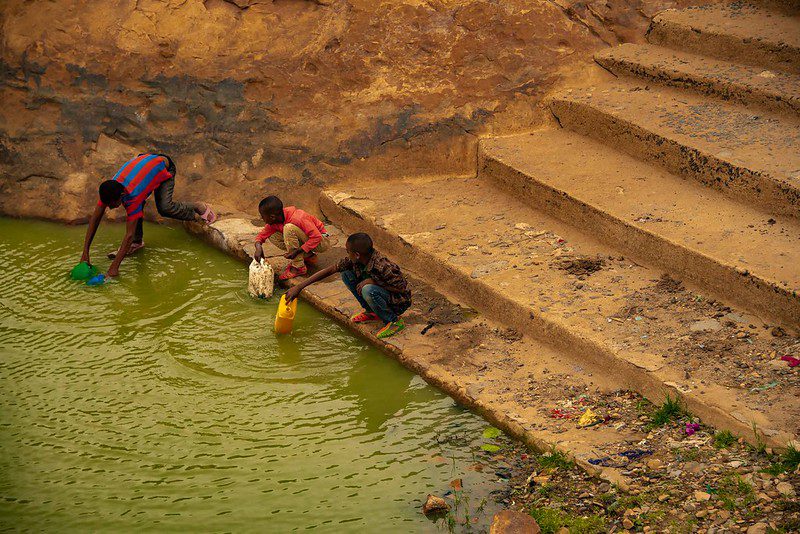
For the Water Life exhibition, Aida photographed the women in the Afar region in Northern Ethiopia, “one of the hottest and driest places on Earth.” Her goal was to address the issue of water scarcity without the clichés that mainstream media and aid organizations often represent, stating that she realized that “art can be a form of advocacy,” Canon reports.

Water Scarcity

Water scarcity is the lack of sufficient clean water to meet daily demands. Access to fresh drinking water dwindles due to both human factors and extreme weather conditions. Globally, 785 million people do not have access to clean drinking water. Each day more than 800 children die from preventable diseases that poor water causes in many communities around the world. The scarcity of safe water supplies can cause families and their communities to become locked in poverty for generations.

In the past 20 years, “Ethiopia has made remarkable strides in ensuring access to safe drinking water,” USAID reports. However, it continues to “face challenges in overall water, sanitation and hygiene and WASH coverage.” According to USAID, “in Ethiopia, diarrheal disease is the second cause of hospital admission and death among children under 5 years of age.”

Water scarcity affects women and children the most. According to World Vision, children are “more vulnerable to diseases of dirty water” and women and girls ” often bear the burden of carrying water for their families for an estimated 200 million hours each day.”

In Conclusion

Access to safe water and sanitation is a precondition to life and a declared human right. Water is vitally important to sustainable development – from health and nutrition to gender equity and economics. The artistic perspective of Aida Muluneh transitioned from a conversation into a vibrant artistic advocacy addressing the global issue of water scarcity.

Aida intended to create images that showed the challenges of water scarcity and emphasize the strength and resilience of the women who face these daily difficulties framed by the beauty, heritage and culture of the continent. “I could not stop thinking about the time it takes to collect water. Today, and every day, girls and women will spend more than 200 hours walking for water. If a young girl must spend three hours transporting water, whether for cooking feeding, bathing or drinking, that is three hours she could have been in school, getting an education,” Aida wrote for WaterAid.

– Pamela Fenton
Photo: Flickr

March 11, 2024
https://borgenproject.org/wp-content/uploads/borgen-project-logo.svg 0 0 Jennifer Philipp https://borgenproject.org/wp-content/uploads/borgen-project-logo.svg Jennifer Philipp2024-03-11 15:00:012024-12-13 18:03:07“Water Life” in Ethiopia
Africa, Global Poverty, USAID

USAID Programs in Chad

USAID Programs in ChadChad, “the fifth largest country in Africa,” is also “one of the world’s poorest countries.” Once a colony of the French Empire, Chad declared its independence in 1960, but troubles did not end there. Starting in 1966, Chad entered into a civil war that would prove to be one of Africa’s longest. Forward to the 21st century and political instability continues to manifest in rebel attacks and pre-election violence. Besides civil unrest, Chad has recently endured severe flooding in its Lac Province, where approximately 381,000 domestic refugees took shelter as of 2022. In 2024, an additional 54,000 people were displaced. Chad takes the most refugees per capita within the African continent, particularly those from Sudan due to ongoing conflict and economic factors further worsening Chad’s crises, according to the Norwegian Refugee Council (NRC).

The country’s primary export is oil, but other financial sectors have seen minimal development and coupled with high levels of debt, its economy struggles to cope with the crises it faces. Chad currently ranks 190th on the Human Development Index (HDI) out of the 191 countries listed, according to the German Federal Ministry for Economic Cooperation and Development (BMZ). As such, foreign aid is incremental to Chad’s development, and the rest of this article will demonstrate the role of the U.S. Agency for International Development, particularly USAID programs in Chad.

Reducing Poverty and Food Insecurity

According to the World Food Program (WFP), approximately 2.1 million people in Chad are acutely food insecure as of 2023, while 1.36 million of its children struggle with malnourishment and 42% of its population lives below the poverty line. The USAID recognizes this in its foreign aid commitments, seeking to address the immediate need for humanitarian aid. USAID’s 2022 Chad Assistance Overview highlights contributions of $54.9 million in funds for food assistance. This includes food vouchers, cash transfers for food, nutrition assistance and malnutrition treatments.

As of January 2024, Chad hosted more than 1.1 million refugees, of which 934,000 came from Sudan. USAID has supported the Chad Rapid Response Mechanism, supplying nearly 7,800 internally displaced people with hygiene and kitchen supplies and constructing nearly 70 emergency shelters for refugees, according to its 2024 Chad Assistance Overview. These commitments are but a symptom of USAID’s continued efforts to increase food and national security.

Success Stories in the Villages

Since 2008, USAID has partnered with Africare to provide villages with better-quality water and alleviate some of their hygiene and food security crises. Abdelmadjid Ali, member of Mourdaba’s water management committee and father of five notes that before USAID programs in Chad, there was no organization within the community to deal with water management, and as a result “villagers consumed dirty and unclean water and this exposed them to all kinds of diseases including diarrhea and cholera.” Since then, USAID helped construct 113 water wells, which now benefit nearly 35,000 people.

Another success story comes from USAID’s cultural efforts. Seeking to address the political instability that is the cause of so many of Chad’s other crises, USAID funds the Peace Through Development II program. The program supports radio shows that broadcast sensitive and educational topics through sketches and mini-dramas. In this way, USAID hopes to counter the extremism that has plagued Chad and contributed to its citizens’ poor living conditions. Besides this, the program provides community and creative expression to Chad’s impoverished populations.

Ending Note

The total emergency funding provided by USAID programs in Chad in the fiscal years 2022 to 2024 stands at $166,360,752, according to the 2024 Assistance Overview. This sum has contributed to some great success stories, including increased food security, refugee relief and aid and cleaner water sources. Chad, however, remains the 9th poorest country in the world, according to Global Finance, and its stretched resources, the ongoing refugee crisis and periodic flood devastation further worsen this situation. While USAID programs in Chad have made some good strides toward improving living conditions within the country, increased foreign aid continues to be an absolute necessity to address the continuing humanitarian crisis.

– Kayleigh O’Brien
Photo: Flickr

March 9, 2024
https://borgenproject.org/wp-content/uploads/borgen-project-logo.svg 0 0 Jennifer Philipp https://borgenproject.org/wp-content/uploads/borgen-project-logo.svg Jennifer Philipp2024-03-09 01:30:162024-03-08 02:11:56USAID Programs in Chad
Africa, Global Poverty, Health, Technology

Digitizing Salary Payment: Impacts of WHO’s Digital Health

Digitizing Salary PaymentThe World Health Organization (WHO) is actively working to enhance the conditions and motivation of African frontline health workers. Through digital innovation, the African health sector benefits from implementing financial technologies such as digitizing salary payment. It facilitates direct cashless income transfer to workers. They created bank accounts and digital bookkeeping collaborating with other Better Than Cash Alliance members, a partnership comprising 80 United Nations (U.N.) members.

WHO has launched this initiative in 24 African countries, digitizing salary payment for more than two million health workers. Spearheaded by WHO’s Department of Digital Health, these payments ensure African frontline health workers’ steady and timely incomes. These innovations foster a cashless society and empower women to access and participate independently in the financial system, aligning with the U.N.’s Sustainable Development Goals.

Cashless Payment Facilitation

Cash payments for incomes have been deemed “Unwieldy” and represent the challenges in Africa. For instance, the physical handling of cash poses security risks for workers. There is a higher likelihood of salary discrepancies if manual counting methods are not rigorous. However, digital innovation is revolutionizing the African health sector by implementing mobile money systems. These systems have significantly accelerated the pace of payments to workers, offering numerous benefits. Previously, managers bore the burden of physically storing cash at payment sites and distributing funds to disbursement sites for employees to collect their salaries. This process often involved considerable time and effort for workers. With mobile money systems, workers can receive their payments in as little as 30 minutes after completing their work, streamlining the payment process and enhancing efficiency across the board.

Between 2014 and 2021, the global proportion of adults engaging in digital payments rose by 35%, reaching 57% in Sub-Saharan Africa. This surge has played a pivotal role in advancing financial inclusion in the region. The president of the World Bank Group underscores the importance of robust policies to facilitate access to formal accounts and financial services, particularly in the wake of challenges posed by the COVID-19 pandemic.

Digital Accounting

Digital innovation revolutionizes the African health sector by emphasizing digital payments, streamlining business operations and reducing cumbersome paperwork. Organizations, often managing payrolls with hundreds of employees, can now improve efficiency in payment verification and meticulous bookkeeping. Instead of manual calculations and record-keeping, systems automatically log transactions and swiftly generate precise accounting documents. However, achieving this efficiency requires comprehensive reform of the financial system as a whole within the nation. This entails innovating processes to automate manual tasks, integrating employee information seamlessly, verifying hours worked and implementing effective dispute-resolution mechanisms for payment-related issues.

Motivation Boost for Workers

Various programs have witnessed detrimental impacts on health services due to cash payments. For instance, in Côte d’Ivoire in 2019, delayed cash disbursements resulted in employee attrition and the postponement of a polio immunization project. Additionally, researchers identified disruptions in immunization patterns among recipients attributed to a lack of incentives for frontline health workers, including door-to-door vaccinators and campaign organizers.

According to the WHO, delayed and incomplete payments adversely affect the morale and satisfaction of frontline workers, leading to decreased motivation and challenges in retaining health campaign workers. However, digital innovation is transforming the African health sector. Through the World Health Organization’s Mobile Money digital payment system for health campaign workers, 99% of workers engaged in the polio immunization campaign in Mali and Ghana were paid on time, resulting in improved retention rates and successful program delivery across multiple districts.

Furthermore, the gender wage gap has narrowed as women gain greater autonomy and privacy over their financial affairs through advancements in digital finance. This progress promotes financial empowerment for women and fosters greater economic independence. Furthermore, digital innovation significantly enhances health care in Africa by improving the effectiveness and retention of health workers. These advancements yield notable results in critical health initiatives, such as immunization programs, ultimately contributing to improved health care outcomes across the continent.

– Tevin Mundo
Photo: Unsplash

March 7, 2024
https://borgenproject.org/wp-content/uploads/borgen-project-logo.svg 0 0 Hemant Gupta https://borgenproject.org/wp-content/uploads/borgen-project-logo.svg Hemant Gupta2024-03-07 03:00:302024-03-06 04:21:19Digitizing Salary Payment: Impacts of WHO’s Digital Health
Africa, Education, Global Poverty

Teacher.AI Revolutionizes Sierra Leone Education System

Teacher.AISierra Leone is a developing country in West Africa with potential for economic growth. However, more than 57% of its population lives in poverty, leaving many children to work instead of pursuing education. This unfortunate cycle conversely causes an influx in poverty in the country despite the number of people active in the work field.

Despite introducing the “Free Quality School Education” initiative in 2018, Sierra Leone’s education system faces many challenges. One is the spike in students attending schools after the initiative, leaving one underqualified teacher to 40 or more students.

Sierra Leone Education

Sierra Leone’s education system struggles immensely with not only getting kids to school with a 40% enrollment rate but also having a high-caliber teacher force to manage the ones who do have the opportunity to learn. The spike in students attending school after the introduction of “Free Quality School Education” caused a need for more supplies, space and teachers to go around for everyone.

This influx, however, has resulted in a scarcity of crucial one-on-one interaction between students and teachers, a vital element for individualized attention and correction. Compounding the issue is the fact that one in three teachers does not have the standard qualifications to be genuinely effective.

Moreover, a significant portion of educators, likely native to the area, may not have completed their secondary education, with statistics indicating that 65.8% of girls and 44.4% of boys fail to complete lower secondary school.

Teacher.AI

Teacher.AI is an advanced artificial intelligence created to aid teachers in under-resourced areas and give students the quality education they deserve. Teachers within Sierra Leone’s education system have had limited experience with technology since only 8% of schools have internet access. However, access to 2G is more prevalent as 86% of schools are in the range of said coverage.

The AI uses a WhatsApp-integrated chatbot for teacher support, upheld by the 2G coverage available to most developing countries, including Sierra Leone. Teacher.AI allows educators to put facts and organization behind their lesson plans and student questions.

Since the financial means to hire strong candidates is not within view for places like Sierra Leone, Teacher.AI has teamed with EducAid and developed plans to train and implement this tool in Sierra Leone classrooms.

The Affect of Teacher.AI

In April 2023, EducAid helped Teacher.AI train 1,000 teachers to use the tool successfully to their advantage. About “10% of the 116 teachers who used the chatbot on their phones during that session have continued to use it regularly since then.” Since many educators in areas like Sierra Leone have little experience using advanced technology, it will take longer for something like this to be seen as beneficial for the community.

Looking to the Future

Poor education in Sierra Leone leads to a cycle of poverty as it limits the employment opportunities for young people, forcing many into low-paying manual labor jobs like agriculture. However, with proper education, children could access higher-level jobs, offering more stability and potentially decreasing poverty rates.

Educated individuals can contribute to economic growth and urbanization, benefiting businesses and government. Moreover, they can use their knowledge to advocate for improved education systems, breaking the cycle of poverty for future generations. Investing in education now is crucial as it empowers children to improve their lives and positively impact their communities.

– Tristen Jerkins
Photo: Flickr

March 6, 2024
https://borgenproject.org/wp-content/uploads/borgen-project-logo.svg 0 0 Hemant Gupta https://borgenproject.org/wp-content/uploads/borgen-project-logo.svg Hemant Gupta2024-03-06 07:30:092024-03-05 03:59:18Teacher.AI Revolutionizes Sierra Leone Education System
Africa, Child Poverty, Children, Water

LWML: Mission Grants for the Children of Kenya

Mission Grants for the Children of Kenya Children in Kenya are struggling. In places like Kisumu, many are living on the streets, “begging and stealing to survive.” They sleep in unsafe and unsanitary places such as parks or the sewer. There is a lack of clean drinking water for those who attend school, especially in rural areas where children must walk long distances to retrieve water that may not even be safe for them to drink. Water-borne illness is a common cause of low school attendance and children falling behind in schoolwork. Fortunately, these problems have caught the attention of an organization that now provides mission grants for the children of Kenya. These organizations take action to improve the conditions for Kenyan children with the financial help of missionaries and auxiliaries.

Lutheran Women’s Missionary League (LWML)

Founded in 1942, the Lutheran Women’s Missionary League (LWML) is an official auxiliary of the Lutheran Church. Its purpose is to encourage and equip Christian women to live in active ministry and support global missions. Each year, the members of LWML vote on a list of missions to support and establish a financial goal to reach for them. A few missions working on improving the lives of Kenyan children have made the list. Here are two of LWML’s mission grants for the children of Kenya.

Water and the Word for Rural Schools in Kenya

This is one of the mission grants for the children of Kenya that started in 2008 when a man from Nebraska was traveling around East Africa and saw the need for clean drinking water in rural areas and took action. Through help from social workers and educators in Nakuru, he developed a system of water harvesting equipment. The team installed water storage, filters, hand-washing systems, rain gutters and tanks in schools across Kenya.

In 2016, the Lutheran Church Missouri Synod took over the project. It became an organization that continues to bring clean water resources and religious teachings to schools in Kenya. In 2019, LWLM members approved the mission grant to continue supporting this project.

Capstone Ministries

Capstone Ministries is another project on the list of mission grants for the children of Kenya that LWML supports. Founded in 2005, the organization focuses on bringing street children in Kenya, especially the areas in and around Kisumu, back to their families. There are many challenges that this process includes such as children who feel shame, hopelessness or poverty burden and do not want to go back home. By 2016, Capstone Ministries reconciled 678 children with their families, according to its website. The project’s members frequently visit these children and their families to ensure all is going well.

In Kenya, high school education is not free. The average yearly price is $650 and many cannot afford it. Capstone Ministries started a scholarship fund to provide affordable opportunities for kids to continue school. In 2016, the organization sponsored 42 boys in secondary school, according to its website.

LWML Involvement

In addition to providing mission grants for the children of Kenya, members of LWML become personally involved with the missions themselves. Shurie Scheel was one of these hands-on people in 2022 when she visited Kenya to see the progress of the Water and the Word project. Scheel is the grant administrator for Water and the Word and is an active member of LWML at her local Lutheran church in Wyoming.

While visiting the schools, Scheel and her group brought the children soccer balls, books, school supplies, as well as sanitary supplies for the schoolgirls to keep them going to school. Representing the LWML, she established groundwork and connections with the people working on the mission. She was able to bring back information and visual evidence that the money LWML was giving to the project was having a positive impact on the lives of the schoolchildren therefore encouraging more donations.

Missionary groups like the LWML are helping to provide financial support for projects like Water and the Word and Capstone Ministries. This process relieves the time-consuming fundraising efforts so the missions can work on important things like improving the lives of impoverished children.

– Heather Gisi
Photo: Unsplash

March 6, 2024
https://borgenproject.org/wp-content/uploads/borgen-project-logo.svg 0 0 Naida Jahic https://borgenproject.org/wp-content/uploads/borgen-project-logo.svg Naida Jahic2024-03-06 01:30:152024-03-05 03:53:26LWML: Mission Grants for the Children of Kenya
Africa, Global Poverty, HIV/AIDS

A Progress Report on HIV/AIDS in Benin 

HIV/AIDS in Benin According to the CIA World Fact Book, the Republic of Benin is a small, low-income, multi-ethnic country in West Africa. Benin borders Nigeria to the east, Niger and Burkina Faso to the north, Togo to the west and the Atlantic Ocean to the south. Benin was a French colony until it gained independence in 1960. The Kingdom of Dahomey occupied present-day Benin before colonization. Benin has been on the front lines of the HIV/AIDS epidemic since the 1980s.

Significant Progress Has Been Made on HIV/AIDS in Benin

UNAIDS data shows the total number of Beninese people living with HIV/AIDS was 72,000 in 2022, down from a high of 77,000 in 2014. The World Bank put these numbers into percentages. In 2021, 0.8% of Benin’s population was living with HIV/AIDS, a 0.7% decline from the 1.5% peak in 2001. 

UNAIDS announced that half of adults with HIV/AIDS in Benin were on antiretroviral treatments in 2017. That percentage increased to 81% in 2022. New annual HIV infections in Benin plummeted from 8,600 in 1996 to 1,800 in 2022. Similarly, AIDS-related deaths fell sharply, from 6,100 in 2007 to 1,900 in 2022. UNAIDS will continue to implement community-focused approaches to improve access to care, reduce transmission and end discrimination against Beninese people infected with HIV. 

Fighting HIV/AIDS Reduces Poverty

A 2005 report from the International Labour Office and UNAIDS explains the link between HIV/AIDS and poverty. HIV/AIDS infections have an outsized impact on household, local and national economies. HIV infections can make people too ill to work. Families often have to drain their savings to pay for medical care and fill in for missing income. Children may need to take time off school to care for an infected parent or work. Missing school has a significant impact on long-term economic livelihood. Data indicate that high rates of HIV/AIDS infections slow economic growth and reduce the size of the labor force. The report argues that countries that are an exception to this trend may have implemented a more organized response to the HIV/AIDS epidemic.

Interventions for Sex Workers

Research published in 2012 by S. Baral and others in the journal Lancet Infectious Diseases found female sex workers (FSW) and their clients to be focal points of HIV/AIDS in Benin. In a 2013 study by L. Béhanzin and others published in the National Library of Medicine, researchers focused their FSW-targeted interventions on three fundamental areas:

  • Community: Improving HIV/STI knowledge, condom education and negotiating skills to promote condom use with clients
  • Clinical: Monthly check-ups and free STI testing for FSW
  • Structural: Working with the police and FSW managers to reduce harassment and violence directed at FSW

The HIV/AIDS rate among FSWs in Benin who received the interventions declined from 53.3% in 1993 to 30.4% in 2008. According to UNAIDS, the infection rate among sex workers was 7.2% in 2022, and condom use was at 90.4%. Researchers also speculate that these interventions may have reduced the spread of HIV/AIDS in Benin outside the FSW and client populations.

Planning for the Future

HIV/AIDS in Benin is a significant and continuing public health and economic issue for the country. More work is necessary to reduce the total number of people living with HIV/AIDS. However, targeted and effective interventions have reduced the spread of HIV/AIDS in Benin over the last several decades, especially among vulnerable populations. Fewer people living with HIV/AIDS means more labor force participation, household savings, economic development and kids in school. Overall, HIV/AIDS programs in Benin have a positive economic impact and reduce poverty in the country.

– Joey T. McFadden
Photo: Unsplash

March 6, 2024
https://borgenproject.org/wp-content/uploads/borgen-project-logo.svg 0 0 Jennifer Philipp https://borgenproject.org/wp-content/uploads/borgen-project-logo.svg Jennifer Philipp2024-03-06 01:30:122024-03-05 03:48:05A Progress Report on HIV/AIDS in Benin 
Africa, Child Soldiers, Children

Child Soldiers in Sierra Leone

Child Soldiers in Sierra LeoneIt is upsetting when children witness violence outside their homes. There is a sense of fear about what will happen to their family and homes. As a result, it is easy to kidnap or coerce children into becoming soldiers for the sake of their country. Children experience many different forms of violence. According to UNICEF, “they may be required to participate in harrowing training or initiation ceremonies, to undergo hazardous labor or engage in combat–with a great risk of death, chronic injury and disability.”

Between 1991 and 2002 civil war took place in Sierra Leone in which the country “recruited” children as young as 7 years old as soldiers. These child soldiers were “actual” children with families and lived at home but were abducted under the promise of protection and a sense of community as the war was raging, according to UNICEF.

Stigmatization, Poverty and Vengeance

According to Human Rights Watch (HRW), children are more likely to become soldiers when they do not have access to education and live in poverty. Armed groups often make children kill their own families or neighbors to ensure stigmatization, making a child “unable to return to his or her community.”

Sierra Leone has a long history of struggling with poverty and unemployment. According to HRW, “many children join armed groups because of economic and social pressure, or because children believe that the group will offer food or security.”

Ishmael Beah was only 13 years old when the government’s army unit recruited him to fight against Rebel forces, after losing his parents and two brothers. Becoming a soldier out of vengeance for the loss of his family led him to take part in numerous battles. “When you have lost your family and everything, you quickly learn to belong in this group—but to belong to this new group requires violence. Violence becomes the way of showing loyalty,” Beah told UNICEF. Around two years later, when he was 15, UNICEF rescued him and placed him in a rehabilitation home in Freetown.

Ishmael Beah is now a UNICEF Goodwill Ambassador and pledges to help children who suffer from trauma due to violence. There have now been many rehabilitation centers for child soldiers and UNICEF reports the release and reintegration of more than 100,000 children in more than 15 countries struggling with armed conflict since 1998.

Helping Child Soldiers in Sierra Leone

Save the Children began its work in Sierra Leone in 1999 in response to the civil war. After the war, Save the Children’s initial focus was on child reunification in which the organization helped children find their parents or family members and helped those children who had participated in the war as child soldiers. The organization has now implemented its 2022-24 Global Strategy to fulfill the rights of all children, including child protection, education, health and child rights governance.

On February 12, 2002, the U.N. established the Red Hand Day, the International Day Against the Use of Child Soldiers. Red Hand Day became an actual campaign that strives to end the use of child soldiers and to care for and protect former child soldiers, including those who were child soldiers in Sierra Leone.

Save the Children and Red Hand Day offer a glimmer of hope toward peace education, ensuring that no child under the age of 18 will end up in the army, potentially losing their own lives. Ishmael Beah’s experience is among many stories of child soldiers in Sierra Leone that bring to life how wars affect children. Hopefully, others will continue to voice their experience too, helping to end the use of child soldiers and helping provide children with the love and care that they deserve.

– Nevin Guler
Photo: Flickr

March 3, 2024
https://borgenproject.org/wp-content/uploads/borgen-project-logo.svg 0 0 Naida Jahic https://borgenproject.org/wp-content/uploads/borgen-project-logo.svg Naida Jahic2024-03-03 07:30:452024-06-11 00:12:43Child Soldiers in Sierra Leone
Africa, Disease, Global Poverty

Preventing Chronic Obstructive Pulmonary Disease in Nigeria

Chronic Obstructive Pulmonary DiseaseChronic obstructive pulmonary disease or COPD, ranks as the third leading cause of death worldwide, trailing only behind heart disease and strokes. The condition impedes breathing by damaging the airways and/or lungs. It may cause chronic coughing, mucus and wheezing and permanently disable the affected individual. In affluent countries, one can easily avoid it by self-care, especially by avoiding smoking.

On the other hand, in developing countries, air pollution and the living environment are much more significant factors. Interestingly, estimates suggest that 50% of COPD cases in Sub-Saharan Africa occur in individuals who have never smoked and it often remains undiagnosed. It is a silent killer of so much of the population simply because they are impoverished.

Chronic Obstructive Pulmonary Disease in Nigeria

The lifestyle of the people in Nigeria likely causes chronic obstructive pulmonary disease in the country. Whether or not people smoke tobacco, most African kitchens suffer from poor ventilation due to biomass smoke. Biomass fuel includes anything from a living thing, mostly wood or animal waste. Fires, often fueled by more biomass or kerosene, are also constant for heating or light. Although women are less likely to smoke than men, they have the same amount of COPD cases because they spend far more time inside the house.

COPD prevalence in Nigeria is attributable to factors beyond solely toxic air. Malnourishment at birth is a high-risk factor, potentially leading to weaker or misshapen lungs. Unborn and newborn infants, sharing environmental exposures with their mothers, may also encounter lung defects. Moreover, in economically disadvantaged African communities, high rates of HIV and tuberculosis persist. These diseases, if causing lung damage, contribute to the risk factors for COPD.

Prevention

COPD remains incurable, with survival strategies centered around removing oneself from potential dangers, such as tobacco use, engaging in regular exercise and maintaining optimal lung health. Ideally, addressing this concealed epidemic involves preventive measures to stop it before it begins.

However, the World Health Organization has implemented multiple steps to protect Africans from chronic obstructive pulmonary disease. The first is the WHO Framework Convention on Tobacco Control, approved by 180 countries, including Nigeria, which aims to help protect people from tobacco smoke. The second is the Global Alliance against Chronic Respiratory Diseases (GARD), a network aimed solely at eliminating respiratory illnesses like COPD and asthma in low- and medium-income countries.

Various other proposals have been suggested to prevent illnesses caused by indoor air pollution. One approach involves the construction of homes equipped with chimneys or flues, allowing smoke to exit the living spaces efficiently. Creating infrastructure to provide homes with electricity or gas for cooking could eliminate the use of biomass fuel and its associated smoke.

Enhancing housing conditions goes beyond improving living standards; it has the potential to not only create better living environments but also to save lives.

– Varsha Pai
Photo: Pixabay

March 2, 2024
https://borgenproject.org/wp-content/uploads/borgen-project-logo.svg 0 0 Hemant Gupta https://borgenproject.org/wp-content/uploads/borgen-project-logo.svg Hemant Gupta2024-03-02 15:00:512024-03-01 04:27:28Preventing Chronic Obstructive Pulmonary Disease in Nigeria
Page 23 of 24«‹21222324›

Get Smarter

  • Global Poverty 101
  • Global Poverty… The Good News
  • Global Poverty & U.S. Jobs
  • Global Poverty and National Security
  • Innovative Solutions to Poverty
  • Global Poverty & Aid FAQ’s
Search Search

Take Action

  • Call Congress
  • Email Congress
  • Donate
  • 30 Ways to Help
  • Volunteer Ops
  • Internships
  • Courses & Certificates
  • The Podcast
Borgen Project

“The Borgen Project is an incredible nonprofit organization that is addressing poverty and hunger and working towards ending them.”

-The Huffington Post

Inside The Borgen Project

  • Contact
  • About
  • Financials
  • President
  • Board of Directors
  • Board of Advisors

International Links

  • UK Email Parliament
  • UK Donate
  • Canada Email Parliament

Get Smarter

  • Global Poverty 101
  • Global Poverty… The Good News
  • Global Poverty & U.S. Jobs
  • Global Poverty and National Security
  • Innovative Solutions to Poverty
  • Global Poverty & Aid FAQ’s

Ways to Help

  • Call Congress
  • Email Congress
  • Donate
  • 30 Ways to Help
  • Volunteer Ops
  • Internships
  • Courses & Certificates
  • The Podcast
Scroll to top Scroll to top Scroll to top