• Link to X
  • Link to Facebook
  • Link to Instagram
  • Link to TikTok
  • Link to Youtube
  • About
    • About Us
      • President
      • Board of Directors
      • Board of Advisors
      • Financials
      • Our Methodology
      • Success Tracker
      • Contact
  • Act Now
    • 30 Ways to Help
      • Email Congress
      • Call Congress
      • Volunteer
      • Courses & Certificates
      • Be a Donor
    • Internships
      • In-Office Internships
      • Remote Internships
    • Legislation
      • Politics 101
  • The Blog
  • The Podcast
  • Magazine
  • Donate
  • Click to open the search input field Click to open the search input field Search
  • Menu Menu

Archive for category: Advocacy

Information and news on advocacy.

Advocacy, Developing Countries, Education, Gender Equality, Global Poverty, Poverty Reduction, Women and Female Empowerment, Women's Empowerment, Women's Rights

She’s the First and the Girls’ Bill of Rights

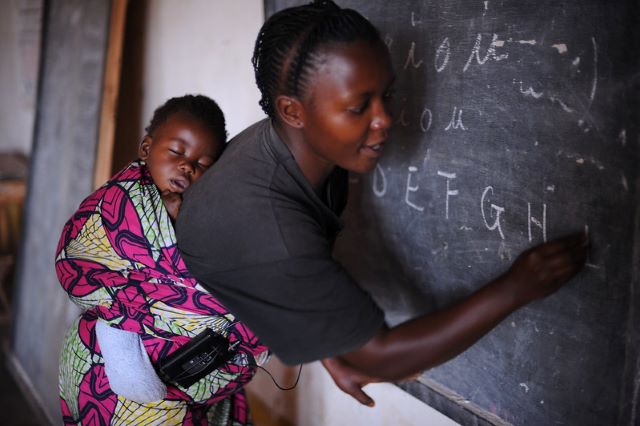
She’s the First Across the globe, women face harsh inequalities in education and the promotion of other crucial rights. Women make up more than two-thirds of the world’s illiterate population, receive lower wages, experience gender-based violence and are forced to adhere to strict societal gender norms that prevent their progression. This is especially the case in developing countries. She’s the First is an organization where the progression of women is a central focus.

She’s the First

She’s the First, a nonprofit organization, recognizes the benefits of prioritizing women and gender equality. When females are educated and empowered, they can earn up to 20% more as an adult for each additional year of schooling completed. They are also then more likely to be in healthy relationships, have fewer but healthier children, are less likely to marry early and are more likely to make an impact in the world. These reasons are why She’s the First puts girls first by promoting women’s equality and education.

Putting Girls First

She’s the First promotes girls’ education and equality. It provides funding to different community-based organizations that can implement culturally efficient ways for girls to attend school as well as afterschool programs where they can further their education while simultaneously learning about life skills and reproductive health. She’s the First also runs training and conferences around the globe. These conferences amplify girls’ voices around the world, inspiring them to become leaders in their own communities. As of the end of 2019, She’s the First reached 11,000 girls, had a presence in 21 countries and provided training for 52 community-based organizations.

Girls’ Bill Of Rights

She’s the First is a co-organizer of the Girls’ Bill of Rights, a declaration of the rights all girls are entitled to, written by girls, for girls. More than 1,000 girls from 34 countries contributed to the list, created on the 2019 International Day of Girl and presented to the United Nations. The Girls’ Bill of Rights advocates for the promotion of girls’ rights like quality education, equality, leadership, sexual education and reproductive rights, protection from harmful cultural practices, free decision-making and more. To support the Girls’ Bill of Rights, supporters can use the hashtag “#GirlsBillOfRights”, co-sign the bill or make a public pledge of support.

Women’s Empowerment and Poverty Reduction

She’s the First is an organization that works toward complete equality for women worldwide, especially in regards to education. Currently, women face a significant disadvantage, especially those who are uneducated. If women are given education and equality, they can lift themselves out of poverty since education is directly related to lowering poverty levels. She’s the First spreads this idea by creating culturally efficient ways for girls to go to school and further their education in developing countries. The organization also advocates for women’s rights through the Girls’ Bill of Rights. She’s the First plays a crucial part in empowering women and helping them to lift themselves out of poverty.

– Seona Maskara
Photo: Flickr
February 2, 2021
https://borgenproject.org/wp-content/uploads/borgen-project-logo.svg 0 0 Lynsey Alexander https://borgenproject.org/wp-content/uploads/borgen-project-logo.svg Lynsey Alexander2021-02-02 01:30:512021-02-02 03:03:10She’s the First and the Girls’ Bill of Rights
Developing Countries, Global Health, Global Poverty, Health

Healthcare Innovations in Africa

Healthcare Innovations in AfricaAfrica has struggled with healthcare for decades. Low life expectancy due to poor healthcare and high infant mortality rates are some of the healthcare issues that Africa still struggles with. Healthcare innovations in Africa are helping to improve the health and well-being of African people in several ways.
Medical Drones

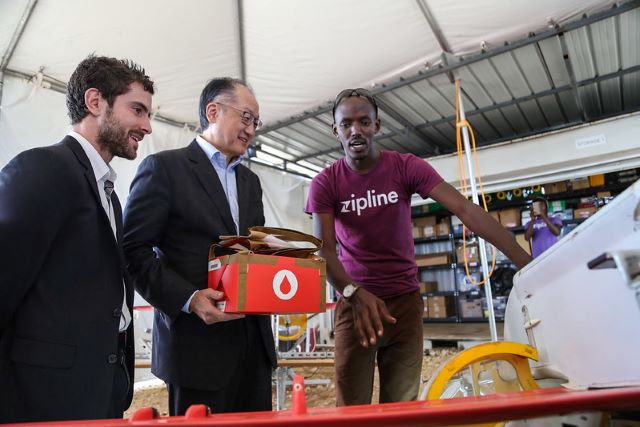
Doctors in Rwanda are able to order blood or medical supplies via text message and have them delivered to remote areas via drones. The drones facilitate the timely availability of blood supply for medical use in hard to reach areas. Transfusions of blood are critical for situations involving significant blood loss due to hemorrhage during pregnancy or child delivery. Blood transfusions are also necessary for women with severe anemia. This innovation thus reduces maternal mortality rates in Africa.

Pelebox

Pelebox is a smart locker that dispenses medication for patients. When the patient’s medicine is ready for pickup, they receive a text with a code that opens the locker. Before Pelebox, patients would wait hours in line with other sick people to receive their medicine which would further spread diseases. The hope is that this innovation will also lighten the load for medical staff, allowing them more time to focus on critical needs.

KidzAlive Talk Tool App

The KidzAlive Talk Tool app uses games and animated videos to educate children in South Africa about HIV/AIDS and combat stigma at the same time. The stigma of HIV/AIDS prevents people from accessing treatment. The KidzAlive Talk Tool app seeks to end this stigma and educate children to prevent the spread.

Crib A’Glow

The Crib A’Glow is a portable, solar-powered crib that utilizes LED lights to treat jaundice in babies. Roughly 3.3 million babies in sub-Saharan Africa do not receive proper treatment for jaundice, which can lead to hearing loss, cerebral palsy, mental struggles and even death. A whole 600 babies with jaundice have already received treatment with Crib A’Glow.

With the onset of COVID-19, innovations emerged to address the issue of limited healthcare resources in Africa and prevent the spread of COVID-19.

Tippy Tap

The Tippy Tap is a hands-free and water-efficient handwashing station. Making a Tippy Tap is low-cost as it requires only simple materials such as sticks, string, a container for water and soap. The Tippy Tap helps prevent the spread of diseases and is currently helping Africa during the COVID-19 pandemic.

The Respire-19 Portable Ventilator

This portable automatic ventilator was created by a Nigerian engineering student. Ventilators are essential to prevent respiratory-related deaths due to COVID-19. The Respire-19 portable ventilator is an easy way to help combat the shortage of ventilators in Africa.

3D Printed Face Masks

South African innovator, Natalie Raphil, is able to create 100 face masks a day from a 3D printer. These masks are then delivered to major South African hospitals to help prevent the spread of COVID-19. Around half of all COVID-19 cases in Africa come from South Africa so face masks are especially essential for the region.

With the healthcare innovations in Africa, quality of life and life expectancy will improve. Especially during a global health pandemic, access to these healthcare innovations proves critical to protecting the health and well-being of people. Africa’s healthcare system can develop even further with the help of more healthcare innovations.

– Hannah Drzewiecki
Photo: Flickr

January 27, 2021
https://borgenproject.org/wp-content/uploads/borgen-project-logo.svg 0 0 Jennifer Philipp https://borgenproject.org/wp-content/uploads/borgen-project-logo.svg Jennifer Philipp2021-01-27 00:50:462021-01-29 12:58:25Healthcare Innovations in Africa
COVID-19, Foreign Aid, Global Health, Global Poverty

Papua New Guinea Receives Aid for Dual Outbreaks

dual outbreaksThe impact of COVID-19 has resulted in fractured economies and health care systems all around the world. While some countries are trying to recover, others just cannot catch a break. Papua New Guinea is a country that finds itself in a unique and desperate situation. With the onset of COVID-19, the country was also hit with a resurgence of polio. Dual outbreaks are a cause of significant concern for Papua New Guinea. Australia is coming to the aid of its neighbors with a substantial financial assistance plan.
Resurgence of Polio

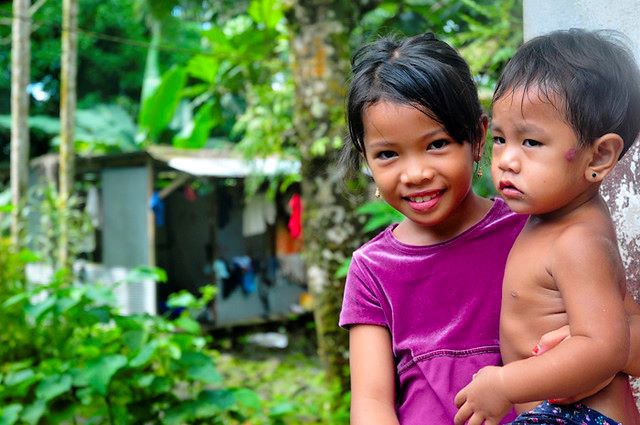
Papua New Guinea is one of the most poverty-stricken countries in the pacific region. The country was declared officially polio-free 18 years ago, but in 2018, the virus was rediscovered in a 6-year-old child. Shortly after, the virus also emerged in multiple other children from the same general area. Polio is especially harmful to children under 5 years old and can lead to lifelong paralysis.

A few months after the polio outbreak, the Australian Government stepped in and responded by giving $10 million to Papua New Guinea’s polio immunization crusade. A few weeks later, the Global Polio Eradication Initiative (GPEI) received another $6 million, which an additional $15 million dedication followed in November 2018. Rachel Mason Nunn, an experienced social development worker in Papua New Guinea, stated that “We have a window right now to invest heavily in infectious diseases in Papua New Guinea. Australia should continue to invest in health care in Papua New Guinea, if not just because it is the right thing to do, but because helping our region acquire strong health systems is a vital element of Australia’s own health security.” Australia is the largest contributor to the development of Papua New Guineas’ struggling health care system.

COVID-19 in Papua New Guinea

In an extreme case of bad luck, Papua New Guinea experienced two disease outbreaks within two years of each other. In a frantic request for aid, the government reached out to the World Health Organization (WHO) in an effort to take some weight off its already overburdened health care system.  When COVID-19 hit the county, there was a limited number of testing kits available and a shortage of medical staff as well as medical supplies and protective gear. The WHO responded by deploying emergency medical teams and supplying necessary resources to upscale testing in Papua New Guinea.

The Road Ahead

Due to the support of contributors like the WHO and Australia, millions of child polio vaccinations have been administered and a sufficient number of COVID-19 testing kits are available in the country. For a country that is still dealing with diseases like malaria and polio, the people of Papua New Guinea are pushing ahead. This unique situation serves as a global reminder that the prevention and treatment of other diseases should not be neglected during the COVID-19 pandemic and that inter-country support is essential in addressing dual outbreaks.

– Brandon Baham
Photo: Flickr

January 26, 2021
https://borgenproject.org/wp-content/uploads/borgen-project-logo.svg 0 0 Yuki https://borgenproject.org/wp-content/uploads/borgen-project-logo.svg Yuki2021-01-26 00:44:042021-01-27 07:34:20Papua New Guinea Receives Aid for Dual Outbreaks
Advocacy, Global Poverty

Homeless Youth in Canada Receive Celebrity Aid

Homeless Youth in CanadaThe plight of homeless youth in Canada is a recent issue in the public eye. The increased representation and awareness have garnered celebrity support, such as from Blake Lively and Ryan Reynolds. The married couple has committed to donating $500,000 in total to the cause. Covenant House Vancouver and Toronto, foundations dedicated to opening their door to the homeless youth in Canada, are the lucky recipients.
The Issue

The first majority study done on homeless youth in Canada, “Without a Home: The National Youth Homelessness Survey,” was conducted just four years ago in 2016. A recent study found that the youth make up around 20% of the entire homeless population in Canada.

These children often experience housing instability and child abuse prior to their homelessness experience. Once on the streets, children under 16 — around 40% of the homeless youth in Canada — struggle through increased adversity. Further, various forms of oppression often couple homelessness. A staggering number of these children identify as POC, LGBTQ+, and of many other marginalized groups.

However, organizations and philanthropists alike have stepped up to address this dire situation.

Covenant House

Covenant House is an international organization that provides support and aid for homeless youth in Canada. The organization’s mission statement is: “Covenant House launched a federation-wide initiative to design and implement a cutting-edge, data-informed strategy to help even more of our kids achieve meaningful, long-term outcomes.”

It especially focuses on offering services to members of the LGBTQ+ community, POC, and abuse victims. The organization provides more than just direct support for these young individuals. Covenant House commits to restructuring data processing regarding homeless youth, reviewing methods of information analysis and generation, and finding the best performance measurement strategies. The organization works toward short-term as well as long-term change.

Ryan Reynolds and Blake Lively’s Involvement

The serious issue of youth homelessness in Canada deeply struck Ryan Reynolds, a Canadian himself. In response, Reynolds and Blake Lively decided to donate $500,000 to the cause. The couple even matches donations up to $375,000 before the end of 2020 to encourage others to donate.

The choice of where the funds should go was a personal one. Reynolds has a long-time relationship with the Covenant House. The dedication they put into their work and the extensive impact they wield in the community inspired his “investment.”

In the interview done by Covenant House, he described the donation as an investment rather than a monetary donation into homeless youth in Canada. Reynolds stated, “The young people who pass through the doors of Covenant House more often than not have a story marked by extraordinary trauma. They are so much more than that trauma. They have so much to offer the world. Matching this gift is saying you believe in them. You believe in the power of compassion to transform the trajectory of a human being.”

The CEO of Covenant House Vancouver, Krista Thompson, expressed her gratitude for the donation and continued relationship with the couple. Thompson remarked, “Ryan and Blake truly understand that young people who are facing homelessness deserve unconditional love and absolute respect.” The money will be used to assist with youth experiencing homelessness and fund much of the research that is occurring to combat the issue of homelessness as a whole.

– Manasi Singh
Photo: Flickr

January 4, 2021
https://borgenproject.org/wp-content/uploads/borgen-project-logo.svg 0 0 Jennifer Philipp https://borgenproject.org/wp-content/uploads/borgen-project-logo.svg Jennifer Philipp2021-01-04 07:30:402024-05-30 07:56:10Homeless Youth in Canada Receive Celebrity Aid
Advocacy, Global Health, Global Poverty

How Gen Z Activism is Changing the World

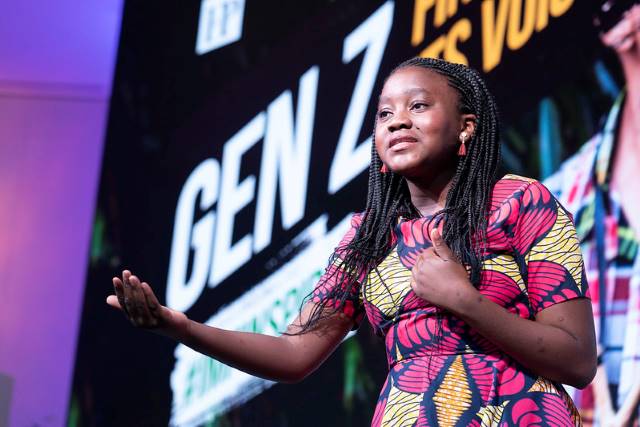
Gen Z ActivismGeneration Z, born between the mid to late 90s and 2010, has proven to be highly outspoken and diverse. Succeeding the millennials, this group is at the front lines of activism advocating for key issues including equality, global health and mental awareness. Listed below are three ways Gen Z activism is changing the world.
Period Poverty

Periods can be uncomfortable to talk about, but they are a daily occurrence for women all over the world. Furthermore, many women are unable to access period products; homeless and disabled women, in particular, are often unable to obtain menstrual products. This sheds a light on a broader issue: according to UNICEF, 2.3 billion people live without access to basic sanitation services. In developing countries, only 27% of people have adequate hand washing facilities at home. This makes menstruation even more challenging to manage safely.

Period products can be inaccessible for a variety of reasons. For example, “pink tax,” the tax placed on female hygiene products, stands as a significant obstacle to obtaining essential period products. Unfortunately, even with some countries lifting “pink tax” on menstrual products, many period products are still needlessly expensive. According to UNICEF, many Bangladeshi families cannot afford menstrual supplies and use old clothing as alternatives. In India, only 12% of menstruators have access to sanitary products, pushing many to resort to unsafe materials as alternatives, such as rags or sawdust.

The nonprofit youth-powered organization, PERIOD, exemplifies one way Gen Z activism is changing the world. PERIOD has been able to set up chapters in 30 countries, push public schools to provide free menstrual products and expose unfair state taxes. Additionally, PERIOD donates menstrual products to prisons, shelters and schools.

Global Health

Generation Z is going to make up about 20% of the world’s workforce by 2020. The use of technology is more prominent with each coming year; a trend that will likely continue as Generation Z enters the workforce. Technology is here to assist the health care industry. Convenience is the word of the new generation and the theme of the future health care industry. For example, this means more efficient and more accessible diagnoses and treatments. The use of technology gives doctors the ability to classify more illnesses and access more avenues for research.

Health information technology provides a bridge between the developing and the developed world. Health IT makes it possible to diagnose, treat and inform people in rural and impoverished areas. SMS text messages can provide reminders for self-examinations and preventative care; people are able to receive health information via SMS messages as long as they have signal.

Employment

This new generation is also entering the workforce with new expectations. Generation Z activists are calling for a diverse and inclusive work environment. Generation Z is not loyal to any brand or store, more importantly, Gen Z shops for what is affordable and most impactful to communities or countries. Gen Z looks to serve, share and impact others rather than serve themselves. This gives them the power to shape the success or downfall of businesses and drive corporate change.

Gen Z will be the biggest consumer segment worldwide until 2030. Therefore, companies will attract employees by improving their social, environmental and economic standings. H&M, the Swedish fast-fashion house has launched a new website tool that lists details of their products’ suppliers and their factories. McDonald’s has also committed to cage-free eggs and more vegan menu items on its global menus. These simple changes show the efforts of Gen Z in the workforce and the progress that is still to come.

Gen Z is changing the way the world, shops, votes, works and plays. The world is evolving rapidly and Gen Z is ready for all it has to offer. Right at the front lines, Gen Z activism is making progress toward the future.

– Sienna Bahr
Photo: Flickr

December 30, 2020
https://borgenproject.org/wp-content/uploads/borgen-project-logo.svg 0 0 Kim Thelwell https://borgenproject.org/wp-content/uploads/borgen-project-logo.svg Kim Thelwell2020-12-30 10:43:272024-06-04 01:17:58How Gen Z Activism is Changing the World
Advocacy, Global Poverty, Health

5 Ways to Decrease Sickle Cell Anemia in Sub-Saharan Africa 

Sickle Cell Anemia in Sub-Saharan AfricaThere are a total of 46 countries that compose sub-Saharan Africa. These countries account for 75% of the total cases of sickle cell anemia globally. Due to the high concentration of this disease in one area of the globe, high rates of early mortality have devastated sub-Saharan Africa. Researchers estimate that 50-90% of infants born with the disorder will die by the age of 5. In response, methodologies have been developed in hopes of eradicating sickle cell anemia in sub-Saharan Africa.
5 Ways to Decrease Sickle Cell Anemia in Sub-Saharan Africa

  1. Early Screening. It is crucial to provide screening for newborns in order to diagnose children with sickle cell anemia as early as possible. Early detection of the disease is proven to increase survival rates. In under-resourced communities, many children have died without ever receiving a diagnosis. Early detection allows for the initiation of treatments, therapies, physician follow-ups and medical attention. Previously, diagnoses of patients happened through isoelectric focusing and liquid chromatography, but these have shown to be inaccurate and expensive. Now, there are “point-of-care” diagnostic methods available that are affordable and provide accurate results.
  2. Vaccinations. A consequence of sickle cell disease (SCD) is an exponential increase in the transmission of bacterial infections. The main vaccination that has resulted in improvement for patients with sickle cell disease is penicillin prophylaxis. With the increased availability of penicillin and medical monitoring, mortality rates for patients with sickle cell anemia in sub-Saharan Africa will significantly decrease.
  3. Treatment Therapies. Once diagnosed, there are numerous preventive and therapeutic measurements that can alleviate the symptoms of SCD. Data collected through years of research have proven that hydroxyurea is the most effective therapy for patients with SCD. In addition, proper hydration and nutritious supplements are key to curing non-critical patients. The most critical patients receive blood transfusions. Lastly, stem cell transplantations bring great improvements to SCD patients; however, its high cost often prevents the utilization of this method.
  4. Health Education. A simple method to increase the life expectancy of SCD patients is to provide accurate and useful information about the disease. Parents well-informed on this condition can properly identify symptoms their children display and can seek immediate medical attention. This leads to early detection so the child can receive necessary medications, therapies, vaccinations and treatments.
  5. Global Advocacy. In recent years, more institutions have recognized the prevalence of sickle cell anemia in Africa and have shifted their focus to aiding those countries. The U.S. National Institutes of Health and the Gates Foundation created joint efforts in order to cultivate gene-based cures for both sickle cell disease and HIV. The National Heart, Lung and Blood Institute (NHLBI) and American Society of Hematology announced that one of their priorities is to support the impoverished, disadvantaged countries across Africa in regard to sickle cell anemia. Also, the NIH Small Business Innovation Research grant allowed for the utilization of the affordable, precise “point-of-care” diagnostic methods for SCD patients. Further advocacy for underprivileged, impoverished families is necessary to continue the fight in reducing sickle cell anemia in sub-Saharan Africa.

Looking Ahead

Despite its challenges, Africa has made major strides in improving sickle cell anemia in the last 40 years. Continuing to utilize these methods would not only save vulnerable children but would also help economies to flourish. A higher life expectancy has a direct correlation with an increase in projected lifetime incomes. This would result in more people contributing to their country’s economy and mobilizing their personal socioeconomic statuses. It is vital to take the above approaches to support patients with sickle cell anemia in sub-Saharan Africa.

– Bolorzul Dorjsuren
Photo: Flickr

December 23, 2020
https://borgenproject.org/wp-content/uploads/borgen-project-logo.svg 0 0 Kim Thelwell https://borgenproject.org/wp-content/uploads/borgen-project-logo.svg Kim Thelwell2020-12-23 16:43:442022-03-29 01:04:165 Ways to Decrease Sickle Cell Anemia in Sub-Saharan Africa 
Activism, Advocacy, Global Poverty

Domestic Violence in Tonga: The WCCC’s Efforts

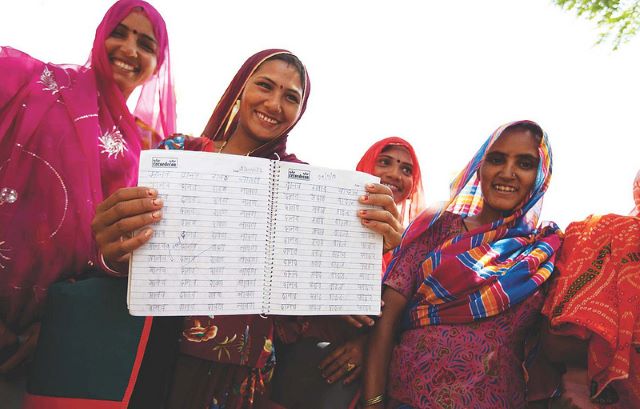
Domestic Violence in TongaDomestic violence in Tonga, specifically against women, has become the leading type of law infringement. The most prevalent instance occurs in the home, which is especially alarming during a pandemic forcing everyone inside. However, Tonga is taking measures to fight this issue. One way is through the Women and Children Crisis Center (WCCC).
Domestic Violence in Tonga

The amount of reported cases of domestic violence in Tonga has risen over the past five years. Between January and June of 2020, there were about 537 domestic violence reports and 117 issued police safety orders. Out of those, only 99 assaulters faced prosecution.

Tongan women report experiencing physical coercion and control, sexual assault, emotional abuse and physical assault. Police officials state that the chief problem is related to a cultural belief. Tongan men believe they are in a position of power at home and can act however they please because of this entitlement. As a result, women are often scared to report their abuse cases. This is particularly true when husbands, brothers or sons are the perpetrators, as is typical.

Pacific Women reports that three out of four women in Tonga have experienced physical and sexual violence. Relationships can involve abuse as early as day one and continue on for decades, which women often endure. Furthermore, about 85% of women who have suffered from domestic violence are likely to return to the same environments as their attacks. To combat this, the WCCC in Tonga offers an escape for the abused to ensure women are given the protection they need from abusers.

The Women and Children Crisis Center in Tonga

The WCCC was established in 2009 by Director Ofa Guttenbeil-Likiliki with a group of women and male supporters. The aim was to help those who have suffered from violence. In turn, they gave free counseling and support to victims of domestic violence in Tonga. Further, the WCCC provides 24 hours of free housing to both women and children in the Mo’ui Fiefia Safe House.

When a woman reports her case to WCCC, the volunteers at the organization help guide the victim through the legal process. They explain the amount of time it will take for the victim’s case to reach court and provide information about how and when the police will contact the victim for testimonies. They also educate the victim on the importance of having a medical record when reporting cases like rape. If the woman is willing, the WCCC offers her a platform to voice her experience. The organization focuses on sharing the stories of victims who have used WCCC’s services and how they have benefitted from those services.

Male Advocacy Training

Violence prevention was another main reason for WCCC’s founding. In 2017, the WCCC launched male advocacy training to end violence against women and children and encourage gender equality. The purpose of the training is to educate men on three key ideas: men have control over how they behave in a sexual manner, all sexual activity can only be performed after there is consent on both sides and men are equally responsible for the transmission of sexually active diseases.

The men receive many lessons from knowledgeable speakers to help end the domestic violence in Tonga. Director Guttenbeil-Likiliki said, “In a situation where a woman does not want to have sex but you continue to persist and persuade her to have sex, this is a high-risk situation, as it is considered to be sexual assault or rape.” Melkie Anton, a lead trainer, explains proper relationship roles to male participants. Anton states, “Women are often used as sexual objects,” and when a woman is in a relationship, she must follow all of her partner’s orders. As a result, the man ends up controlling the relationship and may treat the woman’s feelings with disregard. Another learning directive is toxic masculinity. WCCC members detail how issues, such as proving masculinity and competing with other men encourage domestic violence.

Looking to the Future

WCCC members are working toward expanding their organization’s influence throughout Tonga,  particularly through collaboration. The WCCC has partnered with other organizations, such as the Fiji Women’s Crisis Centre and the Vanuatu Women’s Crisis Centre. The organization even reaches out to Tongan government agencies, including the Ministry of Education. The work of the WCCC, from aiding victims to education to advocacy, is a step in the right direction. With continued efforts, there can be an end to domestic violence in Tonga.

– Sudiksha Kochi
Photo: Flickr

December 23, 2020
https://borgenproject.org/wp-content/uploads/borgen-project-logo.svg 0 0 Yuki https://borgenproject.org/wp-content/uploads/borgen-project-logo.svg Yuki2020-12-23 11:22:372024-05-30 07:53:23Domestic Violence in Tonga: The WCCC’s Efforts
Aid, Global Health, Global Poverty

A Model Healthcare Alliance in Rural Guatemala


Agribusinesses in Trifinio, Guatemala renovated cattle and pasture lands into crops for exports which dramatically changed the area. The transformation drove approximately 25,000 people into this remote area in the southwest rural region of Guatemala and employed thousands of people who sought an opportunity in this growing business. The University of Colorado created a healthcare alliance to provide quality medical treatments in the now booming community.

Trifinio, Guatemala

Few people know about Trifinio, Guatemala even though it is a major producer for AgroAmerica’s Chiquita bananas. The town is made up of small concrete houses and only a few paved roads. Most homes are single-room units. When it comes to cultural development, the town’s only form of entertainment is a local bar.

This small and highly impoverished community suffers from the reality of poor health care access. With its nearest hospital one hour away in the town of Coatepeque Guatemala, the residents of this area face the challenges of malnutrition, high infant mortality rates, and a range of infectious diseases. More than 46% of children have intestinal parasites, 38.7% of children have anemia and one-third of women are affected by pregnancy complications. The numbers could not say it clearly enough; this community needed help. Fortunately, AgroAmerica teamed up with the University of Colorado to find a solution.

University of Colorado partners with AgroAmerica

In 2011 Fernando and Gustavo Bolaños, brothers and CEOs and COOs of AgroAmerica, became frustrated by the lack of health care access in their community. With Guatemala’s history of little investment in healthcare, they found themselves unable to ask the public sector for help. Gustavo Bolaños himself addressed this issue in an interview where he claimed, “In Guatemala, we have a lot of inequality and poverty, the government hasn’t been able to really cover the basic needs of the population. We as a private company, see all the needs of our people, and the biggest problem we are facing is education and health”. Therefore, rather than going to the government, they turned to the University of Colorado’s Global Health Center.

With an investment of 1 million U.S. dollars, the Bolaños made a healthcare alliance with the Colorado School of Public Health. Their goal was to build a medical center on their banana plantation. Three years later, the Bolaños proudly stood before the new medical facility. It houses a clinic, laboratory and conference space. The Trifinio Center for Human Development serves around 4,500 plantation workers, along with the 24,000 residents of the neighboring villages, and is “staffed by CU doctors, nurses, midwives, students and other health professionals rotating through Guatemala”.

The Last Six Years

Before Trifinio’s Center for Human Development (CHD) a visit to a health professional cost people in this community at least $25 USD. This did not include transportation fees and the loss of a day’s wages. With the medical facility, that cost has dropped to less than $5 USD. Families now have access to health resources without a geographical and economic barrier. The clinic is committed to decreasing neonatal morbidity, childhood mortality and increasing safe delivery practices and childhood growth and development. Along with these medical goals, the center hopes to impact the health education and social realities of its community.

In 2017, the CHD began a youth leadership program run by participating high-school students from the area. This initiative provided an opportunity for future leaders to learn about community organizing and advocacy that could improve human development. The program not just helps the community, but “students selected for this program receive a scholarship to cover their school fees,” promoting access for educational attainment.

Along with the youth program, the center provides sexual health education to neighboring schools in the area. For mothers, it has a maternal and child health program. This provides quality prenatal care and gives families a direct line for medical professionals to track both the mother’s and child’s health.

The center also conducts research to serve the needs of the community and bring new knowledge to the rest of the world. Their Student Health Survey, taken in late June and early July of 2019 “enrolled 1,414 participants from 15 Trifinio middle and high schools” to better understand the health and social realities of these children, and hopefully address the needs that are found.

The Future

In 2013 Stephen Berman, the director of the Center for Global Health at the University of Colorado said, “The solutions we develop through this program may someday be replicated in communities all over the world”. The program has had measurable benefits for its community, which is a good reason for its replication in other regions. Health care accessibility is not an easy system. But we saw major success through the healthcare alliance of a privately run company and a public institution. There are possibilities for new solutions to address the needs of those most vulnerable.

Ana Paola Asturias
Photo: Flickr

December 22, 2020
https://borgenproject.org/wp-content/uploads/borgen-project-logo.svg 0 0 Kim Thelwell https://borgenproject.org/wp-content/uploads/borgen-project-logo.svg Kim Thelwell2020-12-22 13:39:282024-12-13 18:02:16A Model Healthcare Alliance in Rural Guatemala
Advocacy, Developing Countries, Education, Global Health, Global Poverty, Poverty Reduction, Women, Women and Female Empowerment, Women's Empowerment

Why Women are More Likely to Live in Poverty

Women Are More LikelyGlobally, women are faced with the invisible burdens of gender inequality which are entrenched deeply within institutional structures and communities as a whole. These prejudices may limit a woman’s access to higher employment and assistance programs, ultimately leading to higher rates of poverty, especially among women of color. As of 2018, the poverty rate for women was 12.9% compared to the 10.6% rate among men. There are several reasons why women are more likely to live in poverty.
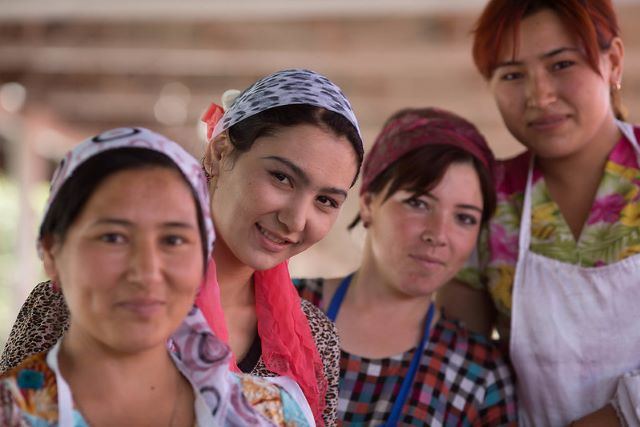
Educational Inequalities

In many developing countries, women are more likely to be denied an education, as nearly 25% of all girls have not completed primary school education and two-thirds of women make up the world’s illiteracy rate. In Somalia, for example, only 7% of girls are enrolled in primary school. The lack of education among women may result in higher pregnancy and poverty rates. According to the United Nations Girls’ Education Initiative, a girl’s education is a driving force in their economic well-being. Somalia suffers from one of the world’s worst educational systems and is one of the poorest countries as well, having a poverty rate of 73%. With education, females can increase their access to higher-paying jobs, and thus, benefit the family’s income., which results in a positive cycle for generations, bettering the economy overall.

Women Are Paid Less

Despite having the same qualifications and working the same hours, women are more likely to get paid less than men. Worldwide, women earn nearly 20% less than men. These variances within wages affect women in low-paying jobs and poorer countries dramatically. Closing the gender wage gap can result in overall equal income distribution. In the United States alone, closing the wage gap would mean that half the poverty rate of working women and their families would be cut.

Period Poverty

Around the world, many females may suffer from period poverty: inadequate access to hygienic menstrual products and menstrual education. The lack of education is related to the stigma periods carry. Periods have been associated with immense shame for a long time and this stigma is carried throughout communities, deeply limiting girls’ opportunities. Globally, periods are the reason why girls are absent from school at a disproportionate rate, as two out of three girls in developing countries are skipping school during their period. In India, 23 million menstruating girls drop out of school annually because of a shortage in hygienic wash facilities and products. Without an education, females are less likely to obtain a high-paying job and escape poverty.

Domestic Violence and Sexual Exploitation

One in three females globally fall victim to some form of domestic or sexual violence in their lifetime. Girls and women who grow up in poverty are also at an increased risk of experiencing such crimes. Victims of domestic or sexual violence can be impacted through the degradation of their physical or mental health, loss of employment or are ultimately driven into homelessness. Globally, females lose out on nearly eight million days of employment every year as a direct result of violent acts committed against them. According to a survey by the U.S. Conference of Mayors, domestic violence was the root cause of women becoming homeless in half of all the cities surveyed.

Pregnancy

Economically, females are potentially burdened with the costs of pregnancy, including the additional fees of caring for a child, more significantly than men. Custodial mothers are twice as likely to be poor compared to custodial fathers. Further, unplanned pregnancies can be detrimental to a woman’s income as being unable to work immediately after giving birth means no pay, especially in the informal working sector. In the developing world, nearly 12 million girls aged 15-19 give birth each year, which often results in the end of the girls’ education and the beginning of child marriage. Children who are born from early pregnancies or marriages more often than not enter the same cycle of poverty and no education.

Organizations for Female Empowerment

Malala Yousafzai started the Malala Fund after members of the Pakistani Taliban shot her for advocating the right for girls to be educated. Since then, Malala has built her project into a global initiative that furthers the goal of providing free quality education to young girls in developing countries.

The Orchid Project is a global initiative to end female genital mutilation (FGM). The Orchid Project functions as a platform that raises awareness of the areas where FGM is most prevalent and advocates against the practice. The Orchid Project has brought together more than 193 countries with the collective goal of abolishing FGC by 2030.

Women for Women is an NGO that works to aid those who are in hostile conflict zones and are the victims of collateral damage. Women for Women helps to uplift these victims of violence by providing them with tools, support and education so that they may earn a living and remain stable through the direst of circumstances. Women for Women has helped more than half a million women in countries that have been directly impacted by war and conflicts.

Empowering Women Means Reducing Global Poverty

Females in developing countries experience complexities that restrict their development and progression. Organizations are helping to raise awareness of these complexities and aid women in need. Since women are more likely to experience inequalities that push them into poverty, empowering women ultimately means alleviating global poverty.

– Maya Falach
Photo: Flickr

December 17, 2020
https://borgenproject.org/wp-content/uploads/borgen-project-logo.svg 0 0 Jennifer Philipp https://borgenproject.org/wp-content/uploads/borgen-project-logo.svg Jennifer Philipp2020-12-17 01:30:312024-05-29 22:43:04Why Women are More Likely to Live in Poverty
Advocacy, Developing Countries, Global Poverty, Women's Empowerment, Women's Rights

Female Activism: Women in Uzbekistan

Women in UzbekistanAfter the dissolution of the Soviet Union, Uzbekistan, like many post-Soviet nations, experienced a surge of conservative culture amongst the ruling elites and the general population. This surge led to the implementation of policies that were more restrictive to women than the previous Soviet policies had been. Women in Uzbekistan have long been excluded from policymaking. Now, women in Uzbekistan are taking to activism to ensure their voices are heard.

ACTED Uzbekistan

ACTED Uzbekistan is an organization that works to uplift the voices of women and girls throughout the country. It is a European Union-funded project that raises awareness for women’s issues and helps to mobilize women who otherwise may have been unsure how to begin. In addition to fieldwork, ACTED Uzbekistan also works to generate a report every year that analyzes the gender equality status in the country and offers suggestions on how to increase equality. Through the implementation of this project, a greater number of female activists have been able to claim platforms and affect policy.

Child Brides in Uzbekistan

One of the largest issues for activists currently is child marriage within the country. Though the law requires that girls be at least 17 years old before they are married, families have begun to pursue more religious ceremonies that legally eliminate the need for a civil union. As more girls are married off young, the amount of women in higher education and public office decreases and the cycle of discrimination continues. To combat this, organizations such as UNICEF and Girls Not Brides have partnered with the country’s Committee of Women to raise awareness of the detriments of child marriage, help young brides in danger and push for legislation that will end this practice once and for all.

HIV/AIDs in Uzbekistan

Another issue that has generated a lot of female activism has been the fight against HIV/AIDS in the country. Roughly 50,000 people in the country are currently living with the disease, according to UNAIDS, but through activism, the numbers have come down in the past few years. Organizations such as the Day Center for HIV Affected Families gather volunteers, many of them HIV positive themselves, and they work to provide assistance to struggling families while also providing educational material on HIV/AIDS and how to prevent it. Many of these activists are young women who were born HIV positive and who are committed to helping others like them.

Domestic Violence

In addition to the aforementioned activist initiatives, a large movement has begun in the country to identify and counter domestic violence. Like many nations, domestic violence in Uzbekistan is still seen as a personal issue and there are no provisions in the law that prohibit violence perpetrated by a spouse or parent. Both the official Women’s Committee and nongovernmental organizations have worked to combat this issue, with the Women’s Committee focused mostly on establishing crisis centers and shelters and NGOs promoting awareness and education on the issue. With both of these measures applied in conjunction, the country is slowly starting to recognize domestic violence as an issue.

The Necessity of Women’s Activism

As the United Nations and many NGOs have stated, women’s activism is necessary for progress. In Uzbekistan, this is evident by all of the work women have done to increase female participation, counter disease and help other women in need. The work gives evidence to a brighter future for women in the country but also for the people of Uzbekistan at large.

– Mary Buffaloe
Photo: Flickr

December 14, 2020
https://borgenproject.org/wp-content/uploads/borgen-project-logo.svg 0 0 Yuki https://borgenproject.org/wp-content/uploads/borgen-project-logo.svg Yuki2020-12-14 01:58:422020-12-14 01:58:41Female Activism: Women in Uzbekistan
Page 19 of 77«‹1718192021›»

Get Smarter

  • Global Poverty 101
  • Global Poverty… The Good News
  • Global Poverty & U.S. Jobs
  • Global Poverty and National Security
  • Innovative Solutions to Poverty
  • Global Poverty & Aid FAQ’s
Search Search

Take Action

  • Call Congress
  • Email Congress
  • Donate
  • 30 Ways to Help
  • Volunteer Ops
  • Internships
  • Courses & Certificates
  • The Podcast
Borgen Project

“The Borgen Project is an incredible nonprofit organization that is addressing poverty and hunger and working towards ending them.”

-The Huffington Post

Inside The Borgen Project

  • Contact
  • About
  • Financials
  • President
  • Board of Directors
  • Board of Advisors

International Links

  • UK Email Parliament
  • UK Donate
  • Canada Email Parliament

Get Smarter

  • Global Poverty 101
  • Global Poverty… The Good News
  • Global Poverty & U.S. Jobs
  • Global Poverty and National Security
  • Innovative Solutions to Poverty
  • Global Poverty & Aid FAQ’s

Ways to Help

  • Call Congress
  • Email Congress
  • Donate
  • 30 Ways to Help
  • Volunteer Ops
  • Internships
  • Courses & Certificates
  • The Podcast
Scroll to top Scroll to top Scroll to top