• Link to X
  • Link to Facebook
  • Link to Instagram
  • Link to TikTok
  • Link to Youtube
  • About
    • About Us
      • President
      • Board of Directors
      • Board of Advisors
      • Financials
      • Our Methodology
      • Success Tracker
      • Contact
  • Act Now
    • 30 Ways to Help
      • Email Congress
      • Call Congress
      • Volunteer
      • Courses & Certificates
      • Be a Donor
    • Internships
      • In-Office Internships
      • Remote Internships
    • Legislation
      • Politics 101
  • The Blog
  • The Podcast
  • Magazine
  • Donate
  • Click to open the search input field Click to open the search input field Search
  • Menu Menu

Archive for category: Advocacy

Information and news on advocacy.

Children, Developing Countries, Global Health, Global Health, Global Poverty

7 Facts About the Shot@Life Campaign

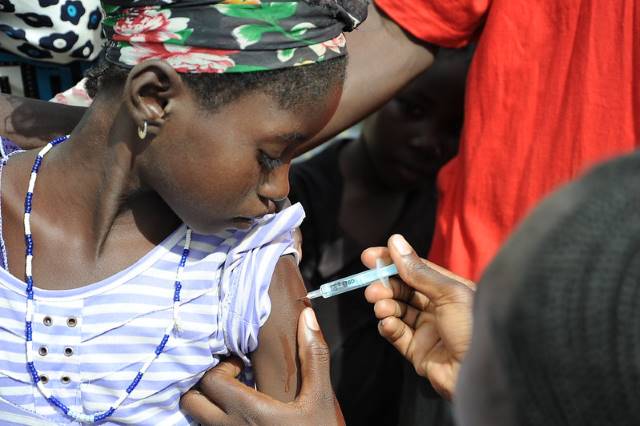
Shot@Life CampaignThrough the use of public education, grassroots advocacy and fundraising, Shot@Life strives to decrease vaccine-preventable childhood deaths to zero by the year 2030. The Shot@Life campaign has an overall goal for every child to have a shot at life no matter where they live.

7 Facts About the Shot@Life Campaign

  1. The initiative began as a grassroots advocacy campaign. Shot@Life was founded in 2011 as part of the United Nations Foundation that aims to ensure that children around the world have access to lifesaving vaccines. Its programs help raise awareness and funds that contribute to child immunization programs hosted by world health organizations like UNICEF, the World Health Organization (WHO) and Gavi, the Vaccine Alliance. The campaign has amassed thousands of supporters over the years, ranging from members of Congress to local and national businesses.
  2. Shot@Life recognizes the importance of vaccines for saving children’s lives. Projections indicate that 17.7 million deaths may be averted in children under age five years as a result of vaccinations administered from 2011 to 2020.  With medicine continuing to evolve, diseases that have been around for hundreds of years are finally able to be addressed.
  3. The campaign focuses on four main vaccines. The four vaccine-preventable diseases it centers its attention on are polio, measles, pneumonia and rotavirus. To this day, Afghanistan, Nigeria and Pakistan are still polio-endemic countries. Additionally, the majority of people who contract measles were unvaccinated. Diarrhea, a common consequence of rotavirus, and pneumonia are two of the leading causes of child mortality. Combined, they account for approximately 1.4 million deaths around the world every year.
  4. Shot@Life achieved a lot during its first five years of operation. Through the program’s support and its advocates, the campaign was able to secure over $2 billion in U.S. funding for global immunization programs between fiscal years 2012 to 2017. From its support of the United Nations’ partner programs between 2012 and 2016, the campaign was also able to provide more than 42 million children around the world with life-saving vaccines. In collaboration with its global partners, Shot@Life was also able to contribute to the 84% drop in global measles deaths from 2000 to 2016, which saved more than 20 million children’s lives. Another accomplishment is the fact that 16 million people who otherwise would have been paralyzed by polio are still walking thanks to the partnership between Shot@Life and the U.N. Foundation’s Global Polio Eradication Initiative.
  5. It has hosted multiple campaigns with the pharmacy, Walgreens. Walgreens has been one of the key partners of Shot@Life since the beginning of the campaign’s advocacy efforts. Shot@Life partnered with the drugstore chain on the “get a shot, give a shot” campaign, which aims to supply 100 million vaccines by 2024 to children in need around the world. This campaign, which began in 2013, is still in operation to this day. Its most recent campaign with Walgreens began on September 1, 2020, with Walgreens pledging to donate $0.23 per immunization shot a patient receives from a Walgreens pharmacy. The fundraiser runs until December 31, 2020, and is set to raise a maximum of $2.6 million
    for Shot@Life.
  6. The campaign runs a blog dedicated to Shot@Life and vaccine-related issues. Part of its educational efforts includes hosting and contributing to the Shot@Life blog. With its first post dating back to 2011, the posts cover a variety of topics about vaccines and success stories related to the campaign. One of its most recent articles broke down COVID-19’s negative impact on refugees and providing them with adequate healthcare, including vaccines.
  7. Shot@Life outlines a variety of ways to advocate for the campaign. Through its “take action now” page on its website, Shot@Life highlights numerous ways U.S. constituents can put their support behind the campaign and efforts to provide vaccines for children globally. It encourages reaching out to U.S. Senators and Representative’s offices by calling, emailing and writing letters to get Shot@Life on their radar to support. One of its programs, “Shot@Life Champions,” is a way for members of the public to increase their support of the organization. These advocates attend training webinars and events to learn how to further the efforts of the campaign as well as encourage other members in the community to join the cause.

Since its beginning in 2011, Shot@Life has amassed more than 350,000 supporters and 2,000 grassroots advocates in all 50 U.S. states who call on their communities to support the campaign for global vaccines. Through education and advocacy, Shot@Life acknowledges the vital role that providing vaccines for children plays in preventing their deaths, especially in developing nations.

– Sara Holm
Photo: Flickr
December 8, 2020
https://borgenproject.org/wp-content/uploads/borgen-project-logo.svg 0 0 Kim Thelwell https://borgenproject.org/wp-content/uploads/borgen-project-logo.svg Kim Thelwell2020-12-08 03:06:472024-05-30 07:53:007 Facts About the Shot@Life Campaign
Advocacy, Global Poverty

5 Facts About Life on the Native American Reservations

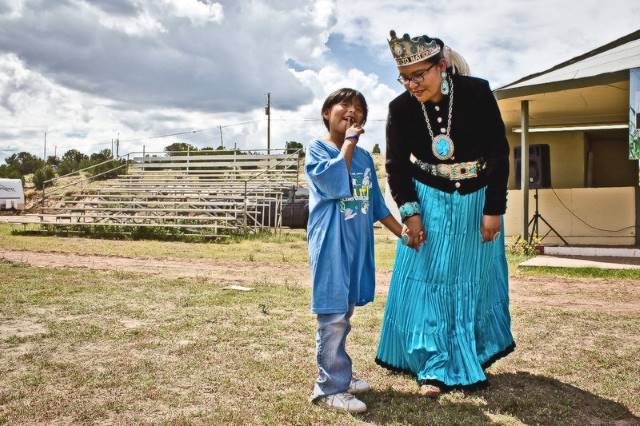
Native American ReservationsLow qualities of life exist in developing countries as well as developed countries, including the United States. Within the 326 Native American reservations in the U.S., Indigenous peoples experience unequal life conditions. Those on reservations face discrimination, violence, poverty and lack of access to education. Here are five facts about the Native American population and reservations.
5 Facts About Native Americans and Life on the Reservations

  1. Native Americans are the most impoverished ethnic group in the United States. According to a study done by Northwestern University, one-third of Native Americans live in poverty. The population has a median income of $23,000 per year and 20% of households earn less than $5,000 a year. Due to the oppression of Indigenous peoples, reservations cannot provide adequate economic opportunity. As a result, a majority of adults are unemployed. Standing Rock Reservation in North Dakota has better numbers than most reservations — 43.2% of the population lives under the poverty line. However, this rate is nearly three times the national average.
  2. Native Americans have the highest risk for health complications. Across the board, Native American health is disproportionately worse than other racial groups in the United States. This population is 177% more likely to die of diabetes and 500% more likely to die from tuberculosis. Native Americans also have a 60% higher infant mortality rate when compared to Caucasians. Most Native American reservations rely on the Indian Health Service, a severely underfunded federal program that can only provide for approximately 60% of the needs of the insured. That does not account for a majority of those on the reservations. Only about 36% of Native Americans have private health care and one-third of the non-elderly remain uninsured.
  3. Native Americans, especially women, are frequently victims of violence. A study from the National Institute of Justice concluded that more than 84% of American Indian and Native Alaskan women have experienced violence in their lifetimes. These women are more likely to be victims of interracial perpetrators and are significantly more likely to suffer at the hands of intimate partners. The numbers are similarly high for men of this population. More than 80% of men admit to experiencing violence in their lifetimes. Most victims report feeling the need to reach out to legal services, but many severely lack the tools to get the help they need. A few law practicing organizations have dedicated their existence to ensuring Native American voices are heard in the legal world. Native American Rights Fund (NARF), for example, is a nonprofit organization that uses legal action to ensure the rights of Native Americans are upheld. Since its inception in 1970, NARF has helped tens of thousands of Native Americans from more than 250 tribes all over the country.
  4. Native students hold the highest national dropout rate. Conditions on reservations leave schools severely underfunded and many children are unable to attend. This delay in education leaves early childhood skills undeveloped. According to Native Hope, “Simple skills that many 5-year-olds possess like holding a crayon, looking at a book and counting to 10 have not been developed.” Inadequate education is highly reflective of Native American graduation rates. Native students have a 30% dropout rate before graduating high school, which is twice the rate of the national average. This number is worse in universities — 75% to 93% of Native American students drop out before completing their degrees. Such disparity between Native American students and their colleagues has inspired the increase in scholarships for this community. Colorado University of Boulder, for example, offers a multitude of scholarships and campus tours specifically for those of Indigenous descent. Further, the university founded the CU Upward Bound Program dedicated to inspiring and encouraging the success of its Native American students. Third-party scholarships also come from a multitude of organizations, such as the Native American College Fund and the Point Foundation.
  5. Quality of Life on Reservations is Extremely Poor. Federal programs dedicated to housing on Native American reservations are severely inadequate. Waiting lists for spaces are years long and such a wait does not guarantee adequate housing. Often, three generations of a single family live in one cramped dwelling space. The packed households frequently take in tribe members in need as well.  Additionally, most residences lack adequate plumbing, cooking facilities and air conditioning.

Help for the Reservations

The condition of these Native American reservations is receiving increased attention. Some reservations are taking matters into their own hands. Native Hope is a volunteer-based organization working to address the injustices the Native American community faces. Its commitment to the tribes has not stopped during the COVID-19 pandemic. One woman from Illinois handmade more than 2,500 face masks so Indigenous children could still go to school amid COVID-19. The organization also provided 33 households with necessary groceries and personal hygiene supplies.

How to Help

Solutions to the marginalization of the Native American population have recently gained traction through the internet and social media. New and established charities alike are receiving more attention, which allows them to have stronger impacts on the Native American population.

Native American tribes have been around for hundreds of years but are only recently receiving the help they require. With continued attention and advocacy, Native Americans can one day receive the justice and equality they deserve.

– Amanda J Godfrey
Photo: Flickr

December 5, 2020
https://borgenproject.org/wp-content/uploads/borgen-project-logo.svg 0 0 Lynsey Alexander https://borgenproject.org/wp-content/uploads/borgen-project-logo.svg Lynsey Alexander2020-12-05 07:30:342024-05-30 07:55:445 Facts About Life on the Native American Reservations
Advocacy, Development, Global Poverty, Technology

How to Purchase Conflict-Free Diamonds

Conflict-Free Diamonds
Twenty years after the international push to ban all conflict diamonds or blood diamonds, they still exist. Conflict diamonds often have a link to rebel insurgencies in diamond-producing countries. Even without the presence of these rebel groups, however, diamond mining and trade remain unethical. Fortunately, alternatives exist, such as conflict-free and ethically sourced diamonds.

The Kimberley Process Certification Scheme (KPCS)

The Kimberley Process Certification Scheme (KPCS), popularly known as the Kimberley Process, began in 2000 in Kimberley, South Africa when diamond-producing states met to discuss the total elimination of conflict diamonds.  This effort occurred with the hopes that rebel groups would not sell diamonds to finance their movements. In 2003, the United Nations adopted the resolution to expand the scheme’s reach to the diamond industry internationally.

Today, the scheme has 81 signatories, with 52 nations having ratified the scheme. Countries that cannot prove their diamonds are conflict-free could receive a suspension from the international diamond trade.

The Challenges of KPCS

Many politicians, investigative journalists and diamond traders have expressed that KPCS is a step forward in ending conflict-free diamond trading. The certification, however, contains many loopholes for blood diamonds to mix in with legitimately mined and traded diamonds. For instance, according to The Next Web news site, which did an extensive report on the legitimacy of conflict-free diamonds, “no legitimate company willingly buys diamonds from conflict regions, at least not anymore.” This is a step in the right direction, but is it enough to guarantee a conflict-free diamond? The watchdog group Human Rights Watch wrote in 2018, “The Kimberley Process is narrowly focused on curbing the trade of diamonds whose sales benefit armed groups—not abusive governments or their armed forces.” Thus civilian harassment, child labor and human rights abuses still go unchecked.

There also remains the question of who is creating the conflict. In recent years, the local Zimbabwean government of the Marange mining village has become notorious for creating conflict in their diamond mining villages. The intimidation of the residents with threats and weapons has characterized this conflict, enforcing unethical labor practices, and the like.

Thus, at the very minimum when buying diamonds, the jeweler should be able to state where the diamond came from and if it has KPCS certification. But the buyer will have to do more to ensure the diamond in question is completely conflict-free.

6 Ways to Ensure a Conflict-Free Diamond

Because the systems in place are inconsistent, it is up to the consumer to do extra research. Thankfully, legitimate ways exist to ensure these criteria.

  1. Check for Certification: A visit to the actual jeweler requires questioning. A reliable jeweler should be willing to state the diamond’s history and origin and provide certification such as the KPCS and Systems of Warranties statements to ensure that the diamond is completely conflict-free. The caveat, however, is that the consumer may not know whether the diamond is ethically mined.
  2. Buy Canadian: The safest bet in purchasing a diamond that is conflict-free with ethical mining practices is to purchase from Canada. The Canadian Diamond Code of Conduct ensures that diamonds come from sustainable and ethical mining.
  3. Check for the CanadaMark Standard: Many regard CanadaMark as the “highest standard” of ethical diamonds, specifically diamonds which “are carefully tracked from the moment they’re mined in Northwest Canada to the moment they’re polished.” Both of CanadaMark’s mines have a partnership that invests in the well-being of local communities such as local aboriginal peoples to protect the surrounding land, air, water and wildlife. James Allen, a popular engagement ring retailer, is the exclusive online retailer of CanadaMark.
  4. Buy from Committed Retailers: Online retailers such as James Allen, Brilliant Earth* and Blue Nile specialize in conflict-free and ethically sourced diamonds. Brilliant Earth, for example, sources diamonds from Canada, and 5% of its profits go to a fund to benefit local African communities that the diamond industry has harmed.
  5. Purchase Lab Created Stones: Synthetic diamonds do not come from the earth but rather a lab. These diamonds have the same sparkle as a mined diamond without the baggage of human rights abuses, child labor and unfair trade. Another benefit of lab-created diamonds is that they are often cheaper than traditional diamonds.
  6. Repurposing Vintage Stones: One of the best ways to ensure that a diamond comes from a conflict-free and ethical source is to buy a used or vintage diamond. Although online retailers specialize in vintage jewelry, one can also re-purpose a passed-down family diamond and have it recut to reflect modern designs.

Concluding Thoughts

While it can be challenging to ensure that a diamond emerged from ethical practices, the above steps are an excellent starting point. By knowing where a diamond comes from as well and whether it has the appropriate certification, one can be sure they are purchasing a diamond that is conflict-free.

– Vicki Colbert
Photo: Flickr

November 1, 2020
https://borgenproject.org/wp-content/uploads/borgen-project-logo.svg 0 0 Kim Thelwell https://borgenproject.org/wp-content/uploads/borgen-project-logo.svg Kim Thelwell2020-11-01 13:19:202024-05-30 07:53:14How to Purchase Conflict-Free Diamonds
Advocacy, Global Poverty, Philanthropy

Wealthy Philanthropist Donates Billions to Charities

Billions to Charities
It is no surprise that Forbes named Charles “Chuck” Feeney the James Bond of Philanthropy. After 38 years, Feeney achieved his lifetime goal: giving away all his $8 billion amassed wealth to charity and being alive to see its impact. When someone donates billions to charities, the impact should be substantial.

Charles “Chuck” Feeney

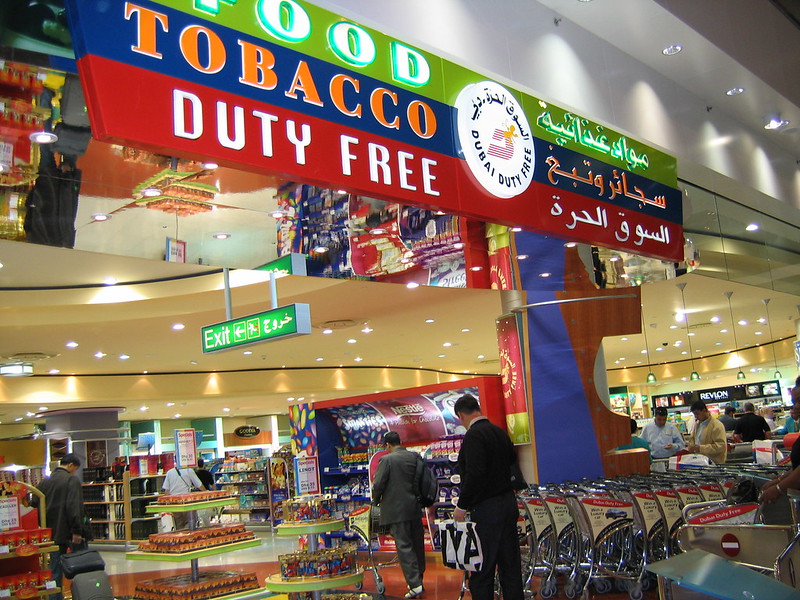
Chuck Feeney amassed his wealth from establishing a franchise of stores within thousands of airports known as the Duty-Free Shoppers Group. He also launched the General Atlantic, an American growth equity firm. Yet, the man, with this immense fortune lives in a rented San Francisco apartment. Moreover, he has even been found riding public transit. Feeney has credited his life philosophy to the Andrew Carnegie essay, “The Gospel of Wealth.” The essay declares that the millionaire’s sole duty is to give back to the poor. As Feeney donates billions to charities, he certainly obliges. Carnegie’s influence is extremely apparent within Feeney’s life. His coined phrase and mantra in life, “Giving While Living,” is essentially saying that you should give all you can to charity now rather than later. This, which closely resembles the messages behind The Gospel of Wealth.

Atlantic Philanthropies

In the early ’80s, the Duty -Free Shoppers franchise was at its peak. This is when Feeney decided to be the one who donates billions to charities. Without anyone’s knowledge, he secretly handed over all his shares and formed his new foundation, the Atlantic Philanthropies. Since 1982, the Atlantic Philanthropies has focused on issues of health, social and public policy throughout Australia, Bermuda, Ireland, South Africa, the U.S. and Vietnam. Within these countries, the foundation has addressed many important issues. Among them include facilitating the peace process in Northern Ireland, reducing the number of children without health insurance in the U.S., providing millions with HIV/AIDS medication in South Africa and helping modernize Vietnam’s health care system. While the foundation has officially dissolved recently, Feeney has one last message to relay: “To those wondering about Giving While Living: try it, you’ll like it.”

3 Countries Impacted

  1. South Africa: In the early years after Apartheid, Atlantic Philanthropies saw the opportunity to help advance South African society from its previous suppression. During the ’90s, the foundation assisted young black South African attorneys in getting their law degrees. In the 2000s, Atlantic made funds to advance nursing and health services. By the end of 2016, Atlantic Philanthropies had totaled $442 million in investments toward building democratic institutions and organizations. Overall, the foundation brought 2 million South Africans access to HIV medication. Also, it convinced the government to pledge $1 billion toward school improvements. Finally, it increased the number of nurses between 2005 and 2013 by 44%.
  2. Vietnam: The Atlantic Philanthropies have invested $381.5 million towards improving Vietnam’s public health system and renewing old libraries and universities. With Feeney’s contribution of billions to charities, Vietnam modernized its healthcare system, resulting in 9 million citizens receiving better and improved treatment. Further, the foundation focused on efforts that advocated for healthier behaviors. These included the widespread anti-smoking campaign and the passed mandate that forced motorcyclists to wear helmets. Also, in the education sector, Atlantic Philanthropies improved Vietnamese university libraries.
  3. Cuba: In the early 2000s, Cuba’s healthcare, although seen as one of the best worldwide, was suffering from a lack of resources. This, in turn, sparked the Atlantic’s activism. Overall, the foundation invested $66 million into organizations that work toward improving the care and treatment of Cubans. Moreover, these bodies spread knowledge about Cuba’s effective public health practices in nations with impoverished communities.

An Inspiring Message

Feeney’s extreme display of generosity via contributions of billions to various charities has inspired many notable philanthropists and entrepreneurs to do their part to help the less fortunate. An example of wealthy business moguls following in Feeney’s footsteps is the “Giving Pledge.” Warren Buffet and Bill Gates launched the Giving Pledge in 2010 as a campaign that seeks to persuade wealthy figures across the world to donate close to half of their wealth before they die.

– Maya Falach
Photo: Flickr

October 30, 2020
https://borgenproject.org/wp-content/uploads/borgen-project-logo.svg 0 0 Kim Thelwell https://borgenproject.org/wp-content/uploads/borgen-project-logo.svg Kim Thelwell2020-10-30 01:30:402020-10-28 07:19:31Wealthy Philanthropist Donates Billions to Charities
Global Health, Global Poverty, NGOs

Child Vision: Glasses for Developing Countries

Glasses for developing countries
A variety of NGOs have been working for decades to provide glasses for developing countries. Most models for this operate in similar ways, either by donating glasses or offering low-cost glasses for communities to purchase. These programs have been successful in helping people correct their vision, as well as creating more education and economic opportunity. They only lack one thing — innovation. Choosing to apply a solution designed for a developed country to a remote village is not always the best option. This is where Child Vision comes in.

The Statistics

The World Health Organization (WHO) estimates that nearly 80% of all persons in Africa have unaddressed vision impairment. Additionally, 33% of the world’s poor population suffers from vision impairment. There are 123.7 million people with a refractive error, which can be solved with glasses that have the correct strength. On average, glasses cost approximately $343, despite the average manufacturing cost of $10. Clear vision drastically reduced education access for children, which in turn created less economic opportunity as they moved into adulthood. Lack of clear vision loses $202 billion in global productivity each year.

The Standard

Some of the biggest names in glasses for developing countries are NGOs like Eyes on Africa, Vision for a Nation, VisionSpring and the WHO.

The WHO has been working on the Global Action Plan for eye health since 2014. The plan has one main objective — to encourage and enhance global eye health. The Global Action Plan has several initiatives. These include identifying what is causing vision impairment, understanding where the gap is in eye health access and bringing cataract surgery to developing countries. VisionSpring works by allowing those in developed countries to purchase glasses for developing countries through the VisionSpring website. VisionSpring donates those as well as letting communities purchase low-cost glasses. It also provides bulk purchase discounts and sell glasses individually and by the box. On average, one pair of bifocals in a box set costs just 85 cents. The price point is low, but still unmanageable for many villages, especially in areas with little to no internet access.

Child Vision

Child Vision is a program within the Centre for Vision in the Developing World (CVDW). The CVDW looked at the statistics of vision impairment then accepted the challenge of creating a solution that worked for the developing world. The main struggles the CVDW found in the traditional programs were a lack of optometrists and the high cost of traditional glasses. There is one optometrist per 1 million people in the population in developing nations. While 85 cents for a pair of glasses may seem affordable, it is a great financial strain for the world’s poor, many of whom survive on less than a dollar a day.

Child Vision, after identifying the root problems with getting glasses to developed countries, created a successful prototype within two months. The CVDW created an inexpensive, adjustable lens that sets into durable frames.

How the Glasses Work

The round lens is composed of two walls made of a flexible plastic membrane that the wearer fills with liquid silicone. The lens is then set into plastic frames that have dials on both temples of the glasses. The plastic frames are filled with the same liquid silicone that is in the lens. The wearer puts on the Child Vision glasses, covers one eye and using a tumbling “E” chart, adjusts a side knob to move more or less fluid into the lens until they can see clearly. They then repeat on the other side.

The wearer simply removes the knobs from the glasses and throws them away after the lens is set. They now have durable, functional, cost-effective glasses. With a $20 donation, CVDW can provide a pair of self-adjusting glasses to a developing country. A 1–2-hour training session with a local community leader to show them how to use the tumbling “E” charts to check vision and make sure the glasses are adjusted correctly is also provided. This is not only an immediate solution and innovation to provide glasses to developing countries but it creates generational empowerment of checking eyesight and promoting educational and economic growth within each community.

– Madalyn Wright
Photo: Flickr

October 29, 2020
https://borgenproject.org/wp-content/uploads/borgen-project-logo.svg 0 0 Kim Thelwell https://borgenproject.org/wp-content/uploads/borgen-project-logo.svg Kim Thelwell2020-10-29 07:30:562024-05-30 07:52:50Child Vision: Glasses for Developing Countries
Foreign Aid, Global Health, Global Poverty, USAID

Maternal Health in Yemen and Childbirth

Maternal Health in Yemen
The Yemen civil war, which began in early 2015 and still devastates the nation today, has created the world’s worst humanitarian crisis. A total of 24 million people require assistance. This crisis affects all aspects of life in Yemen, including healthcare. Millions are without access to life-saving medical treatment and supplies, leading them to die of preventable diseases, such as cholera, diabetes and diphtheria. Pregnant women and infants are particularly vulnerable during this health crisis as adequate medical care throughout pregnancy and birth is essential. Maternal health in Yemen is of the utmost concern now.

Yemen has one of the highest maternal mortality rates in the world with 17% of the female deaths in the reproductive age caused by childbirth complications. Maternal health in Yemen has never been accessible to all women. This crisis has escalated even further during the Yemeni civil war. However, global organizations are acting to save the lives of these pregnant women and infants who desperately need medical care.

Yemen’s Maternal Health Crisis: Before the Civil War

Even before the war began in 2015, pregnant women were struggling to get the help they needed. Yemen is one of the most impoverished countries in the world — ranking at 177 on the Human Development Index (HDI). Poverty is a large factor in the insufficiency of maternal health in Yemen as impoverished women lack the finances, nutrition, healthcare access and education to deliver their babies safely.

Many Yemeni women are unaware of the importance of a trained midwife during childbirth. Of all the births in rural areas, 70% happen at home rather than at a healthcare facility. Home births increase the risk of death in childbirth as the resources necessary to deal with complications are not available.

The Yemeni Civil War Increased the Maternal Health Crisis

Since the civil war began, the maternal mortality rate in Yemen has spiked from five women a day in 2013 to 12 women a day in 2019. A variety of factors caused this spike. The war has further limited access to nearly every resource, including food and water. This, in turn, depletes the health of millions of women and thus their newborns.

Also, the civil war has dramatically decreased access to healthcare across the nation. An estimated 50% of the health facilities in the country are not functional as a result of the conflict. Those that are operational are understaffed, underfunded and unable to access the medical equipment desperately needed to help the people of Yemen. This especially affects pregnant women — who require medical care to give birth safely.

Organizational Aid

Though the situation in Yemen remains dire, various global organizations are acting to assist pregnant women and newborns. The United Nations Children’s’ Emergency Fund (UNICEF) is taking the initiative to help millions across Yemen, including pregnant women. The organization has sent health workers and midwives into the country’s rural areas to screen and treat pregnant women for complications.

Similarly, USAID trained more than 260 midwives and plans to send them into Yemeni communities to help pregnant women and infants. USAID is partnering with UNICEF, the World Health Organization (WHO), the Yemen Ministry of Public Health and Population and other organizations to ensure that maternal health in Yemen, as well as all types of healthcare, are adequate and accessible for all affected by the civil war.

Maternal health in Yemen, while never having been accessible for many, is now in crisis as a result of the Yemeni civil war. While the situation is still urgent, organizations such as USAID and UNICEF are fighting to ensure that all pregnant women and infants in Yemen have access to the medical care they desperately need.

– Daryn Lenahan
Photo: Flickr

October 26, 2020
https://borgenproject.org/wp-content/uploads/borgen-project-logo.svg 0 0 Kim Thelwell https://borgenproject.org/wp-content/uploads/borgen-project-logo.svg Kim Thelwell2020-10-26 01:30:282020-10-22 20:25:19Maternal Health in Yemen and Childbirth
Global Health, Global Poverty

The Coronavirus in Indigenous Communities in Brazil

Brazil Indigenous coronavirusThe coronavirus has resulted in deaths all over the world, but some communities are more heavily affected than others. In Brazil, the coronavirus in Indigenous communities has taken an especially hard toll. COVID-19 disproportionately affects these often-isolated groups, which struggle to access the support systems needed to withstand this threat.
The Vulnerability of Indigenous Communities

Some Indigenous tribes living in Brazil have limited or no contact with the rest of the world. However, this isolation may render some tribes unaware of the pandemic in general or of its full seriousness. The coronavirus in Indigenous communities may also put tribe members at a greater risk, because they lack exposure to many illnesses. This means that their immune systems are often not strong enough to fight COVID-19.

Additionally, isolated Indigenous communities only have limited access to unreliable testing, contact tracing and communication of quarantine protocols. Some would have to travel for days to reach modern medical facilities providing such resources.

In particular, Indigenous communities fear the village elders contracting the coronavirus. Elders are not only the most vulnerable members of the community but may also experience the most serious effects of the disease. Additionally, many refer to these elders as “living libraries” or “living encyclopedias.” They hold tribal knowledge of culture, mythology and natural medicine, and many speak endangered languages. If coronavirus in Indigenous communities wipes out this generation of elders, their tribe’s cultural history and knowledge will die with them.

Why Outsiders Pose a Threat

The rapid spread of the coronavirus in indigenous communities often results from outsiders who visit these communities without taking the proper precautions. For example, doctors working in remote Indigenous regions have tested positive for the coronavirus. They only entered quarantine after they possibly spread the disease to multiple villages. Additionally, other medical teams have failed to follow proper quarantine protocol before entering an Indigenous reserve to care for those vulnerable to the disease.

Miners and poachers tapping resources on Indigenous lands have also spread the virus to these isolated communities. In Brazil, an estimated 40% of Yanomami people who live near these mining operations are now at risk of contracting COVID-19. Leaders from the Yanomami Indigenous Territory have spoken out, creating the hashtag #MinersOutCovidOut. Their aim is to raise awareness and demand an end to illegal gold mines and other land invasions.

The budget cuts and staff reassignment faced by FUNAI, a government agency that defends the boundaries of Indigenous land in Brazil, have made it possible for illegal miners and poachers to enter these protected regions. Indigenous people in certain tribes have also claimed that FUNAI only gave food supplies and assistance to tribes on officially demarcated land. However, even this aid was not enough to feed the large families of the tribe.

The Government in Brazil

Brazilian president Jair Bolsonaro has come under fire in the past for dismissive statements about Indigenous communities in Brazil. He has also allowed illegal logging, mining and land grabs to continue. Currently, Bolsonaro’s administration faces criticism for its response to the pandemic. The Brazilian government’s conflicts with Indigenous communities have resulted in inadequate support required for these communities to fight COVID-19.

The Brazilian Supreme Court ordered in July 2020 that the government must create a crisis response team and develop a plan to control the coronavirus. However, Bolsonaro recently vetoed proposed laws to provide vulnerable Indigenous communities with designated intensive care beds, clean water and essential supplies. Bolsonaro defended this decision by citing excessive costs that he claimed would go against public interest.

Fighting the Coronavirus in Indigenous Communities

To fight this crisis, Brazilian Indigenous communities and outsider organizations are joining forces. The NGO Brazilian Health Expeditionary, or Expedicionários Da Saúde, has helped Indigenous people from over 700 isolated communities in the Amazon by setting up temporary medical facilities with necessary supplies. Local officials and Indigenous groups collaboratively gather money and distribute food supplies in place of the unfulfilled promise of government assistance.

Many individual tribes are also protecting themselves from the spread of the virus by remaining in isolation from the rest of the world. This means that they seek medical care within their own communities. As such, though the severity of the coronavirus in Indigenous communities in Brazil is dire, it is not without hope.

– Allie Beutel 
Photo: Pixabay

October 22, 2020
https://borgenproject.org/wp-content/uploads/borgen-project-logo.svg 0 0 Kim Thelwell https://borgenproject.org/wp-content/uploads/borgen-project-logo.svg Kim Thelwell2020-10-22 18:44:162020-10-22 18:44:16The Coronavirus in Indigenous Communities in Brazil
Activism, Advocacy, Global Poverty, Women's Rights

Understanding Women’s Rights in Turkey

Women's Rights in TurkeyTurkey is located in the Mediterranean between Europe and the Middle East. Once part of the Ottoman Empire, this transcontinental country became autonomous in 1923 and is formally named the Republic of Turkey. After achieving sovereignty, the Turkish government immediately enacted legislation to ensure equality for men and women within politics and society. Despite these reforms, women’s rights in Turkey could still see improvement.
A Brief History of Women’s Rights in Turkey

Women’s rights in Turkey have come a long way since initial equality legislation in 1923. By the 1980s, women’s rights movements had gained more momentum when the Turkish government responded to protests regarding violence against women. In 1985, Turkey ratified the Convention on the Elimination of All Forms of Discrimination Against Women (CEDAW), thus giving women’s rights issues the political focus they deserve. Through the 1990s, the passage of laws to protect domestic violence survivors granted more fundamental rights to women. However, the Turkish government did not stop there in their fight for women’s rights.

In 2011, the Republic of Turkey—along with many other European countries—drafted and signed a resolution known as the Istanbul Convention to further solidify and protect women’s rights. This resolution provided strict legal action against those who committed violence towards women.  The status of women’s rights in Turkey has improved significantly since 1923, but the existence of said rights are currently at stake.

Women’s Rights Today

On August 13, 2019, Turkish President Recep Tayyip Erdoğan stated the government’s plans to withdraw from the Istanbul Convention altogether. Erdoğan explained that the convention’s resolution, “puts a dynamite on the foundation of the family” and is “not legitimate”. His decision has sparked outrage among women’s rights supporters in Turkey as this convention was a major milestone for women’s equality not only in Europe but across the world. Many have taken to the streets to protest Erdoğan’s declaration, but this has not reversed his proposal.

Turkey’s femicide rates have also increased in recent years. Femicide is known broadly as the murder of women and girls, and more specifically is the intentional killing of women simply because they are women. In 2019, 417 women were killed in domestic violence incidents and in 2020, 207 women were killed in homicides. This rise in femicide rates is attributable to both domestic violence and “honor killings”. Honor killings are when relatives or partners kill a loved one if they feel they’ve dishonored them in some way. Turkey has seen an increased rise in honor killings since 2018.

Won’t Back Down

Worldwide domestic violence against women has increased significantly amidst the COVID-19 pandemic—and Turkey is no exception. The recent femicide of 27-year-old college student Pınar Gültekin sparked outrage among women’s rights advocates in Turkey. Many have taken to the streets to call attention to rising femicide rates and domestic violence against women. Protests against President Erdoğan’s decision to withdraw from the Istanbul Convention have also reignited in the aftermath of Gültekin’s murder.

Today, activists in Turkey are continuing to support organizations and campaigns working to strengthen and protect women’s rights. There is still much work to do to ensure to protect women’s rights in Turkey.

– Sadat Tashin
Photo: Flickr

October 21, 2020
https://borgenproject.org/wp-content/uploads/borgen-project-logo.svg 0 0 Kim Thelwell https://borgenproject.org/wp-content/uploads/borgen-project-logo.svg Kim Thelwell2020-10-21 10:00:322024-05-30 07:52:28Understanding Women’s Rights in Turkey
Global Health, Global Poverty, Health

Healthcare in Thailand: Bridging the Gap

Healthcare in Thailand
Thailand is a country of hundreds of islands in Southeast Asia with a population of nearly 70 million people. Thailand has a history of political instability and economic uncertainty along with rising poverty rates. However, the country has made great strides to improve its healthcare. Nearly 7 million of Thailand’s citizens live in poverty and a wealthy few control a large majority of the country’s wealth. With one of the most extreme wealth gaps in the world, universal healthcare in Thailand creates a meaningful movement toward equality for all its citizens.

Switching to Universal Health Coverage (UHC)

In 2002, Thailand made the transition from a combination of various healthcare policies to an all-encompassing, universal health coverage (UHC) system. Under the UHC system, every Thai citizen is entitled to health services — including preventative, curative and palliative care, at any age. Under this system, financial protection for high-cost services also improved.

Challenges in Financing the UHC System

Though universal health coverage in Thailand has allowed increased access for all ages and classes of citizens, the country still faces challenges with funding the program. The UHC system is a predominantly publicly funded program, meaning that it functions mainly through taxation. Because the nearly 7 million Thai citizens live no more than 20% above the poverty line, the UHC budget coming from taxes is relatively inflexible. Therefore, funding the growing demands for healthcare in Thailand often requires reaching into other public funds.

Access to preventative medicine has decreased the rates of many illnesses by keeping them from occurring in the first place. However, medical expenses in other categories are on the rise. As the average age of the population increases, healthcare in Thailand faces an influx in elderly patients needing more care. Unsafe road conditions and unenforced traffic laws in many regions also contribute to high rates of road accidents and result in excessive trauma cases. Also, air pollution in cities and extreme weather conditions in various regions across the many islands contribute to increased utilization of the UHC system. For the UHC system to be an equitable, effective and sustainable service for the country, other avenues of funding must be explored.

Challenges and Looking Ahead

Healthcare in Thailand has had many positive improvements since the national transition to universal coverage in 2001. Yet, like any system, it often faces continued challenges. The system is considered popular among lower-paid citizens that did not previously have access to care. Albeit, higher-income communities hold some distaste for the system due to increased access leading to more crowding in hospitals. Universal healthcare in Thailand has created a much more inclusive environment for the Thai people as it helps to bridge the immense wealth gap. A gap between the nearly 7 million living in poverty and the wealthy 1%.

Positive Impact of the UHC System

This alteration of the previous healthcare system has led to an increase in the utilization of health services and decreased the prevalence of unmet needs in the country. Overall, healthcare in Thailand is improving. Not only did rates of care increase with the introduction of the UHC system, but other metrics of improving healthcare also rose.

Life expectancy from birth rose from 71.8 years before the introduction of the UHC system, to 77.2 years in 2020. Infant mortality rates similarly fell from more than 100 per 1,000 births in 1970 to 7 per 1,000 births in 2020. As citizens have been able to access preventative care and more expensive intervention at lower personal cost, out-of-pocket spending on healthcare needs have decreased. Meanwhile, household savings increased. Though the switch to universal healthcare certainly faces challenges, it has created quantifiable positive change for millions living in Thailand.

– Jazmin Johnson 
Photo: Unsplash

October 21, 2020
https://borgenproject.org/wp-content/uploads/borgen-project-logo.svg 0 0 Kim Thelwell https://borgenproject.org/wp-content/uploads/borgen-project-logo.svg Kim Thelwell2020-10-21 07:01:032024-05-30 07:52:42Healthcare in Thailand: Bridging the Gap
Advocacy, Development, Global Poverty, Homelessness

Homelessness During India’s Rainy Season


When most Indians think about the rainy season, they think about the viable crops that will grow and the economic prosperity that will ensue. The rainy season takes on a completely different meaning, however, for one of India’s most overlooked groups: the homeless. Homelessness in India is a significant problem on its own, with an estimated 1.8 million homeless people living on the streets. When this large homeless population endures months of exposure to rain and winds, health complications and even deaths can occur. Due to its detrimental effects on health, homelessness during India’s rainy season is a significant issue to address.

Housing Shortages

In addition to India’s homeless population, another 73 million families lack access to sufficient housing. Many families have recently lost their homes as a result of forced evictions. In 2017, the national government tore down more than 53,700 homes. Approximately 260,000 people were forcefully evicted due to motives like city beautification projects and infrastructure development. Many of the evicted will now have no choice but to endure the hardships accompanying the rainy season.

India’s Rainy Season

India’s rainy season lasts from June to September. Rain and wind are very frequent, with some areas in central or western India receiving approximately 90% of their total annual precipitation during this time period. Southern and northwestern India tend to receive between 50-75% of their annual precipitation during these months. In 2005, the monsoons were intense enough to trigger floods throughout the country. These floods marooned villages and affected more than 800,000 people.

Homelessness During the Rainy Season

Homelessness in India actually increases during the rainy season. In August 2018, the Times of India reported floods left 54,000 homeless. As more people suffer these poor weather conditions, the homeless population increases.

During monsoon season, the homeless face increased difficulties. Homeless shelters often close during the summer months, leaving many to endure the hazardous weather conditions. Even if homeless people were able to find shelter during this season, they would still be forced to spend a significant amount of time on the streets in order to feed and maintain themselves financially.

Julia Wardhaugh, a senior lecturer in criminology and criminal justice at Bangor University, who has researched homelessness in India, stated, “Even if some shelter is found, then subsistence has to be on the streets, finding casual work (e.g. recycling materials) or begging for alms.” She also went on to note that “the health consequences could be severe, especially for vulnerable adults and for children.”

Unfortunately, data on this topic is limited, largely because it is difficult for the government to keep record of the homeless. As a result, their deaths are hard to track. One study, however, examined the deaths of homeless and unclaimed people in North India between 2008 and 2012. The study ultimately found that the majority of reported deaths occurred during the rainy season.

Finding Solutions

In response to persistent homelessness in India that is often worsened by the rainy season, several organizations are working to provide aid. Aashray Adhikar Abhiyan (AAA) is an organization working in Dehli to advocate homeless people’s rights and provide basic necessities such as food, clothes and shelter. AAA has provided more than 12 million beds, as well as health care to one million homeless Indians.

URJA Trust is an organization seeking to protect the rights of homeless women in India. The group has brought more than 400 women out of homelessness and into safe spaces, offered mental health support to more than 300 women and raised awareness of female homelessness in civil society.

Salaam Baalak Trust is an NGO that works to support homeless children. The organization conducts a variety of initiatives aimed at improving the lives of homeless children, including educational activities, outreach events and mental health programs. So far, they’ve supported 108,014 children.


Although homelessness during India’s rainy season is a significant contributor to the struggles faced by thousands, it is often overlooked. The lack of research on the effects of prolonged exposure to dangerous weather suggests the country has yet to fully acknowledged the gravity of this issue. However, once this aspect is further studied and understood as well, there is hope for alleviating poverty in India and improving life for millions.

– Sophia Gardner
Photo: Flickr

October 20, 2020
https://borgenproject.org/wp-content/uploads/borgen-project-logo.svg 0 0 Kim Thelwell https://borgenproject.org/wp-content/uploads/borgen-project-logo.svg Kim Thelwell2020-10-20 12:59:362020-10-20 12:59:35Homelessness During India’s Rainy Season
Page 20 of 77«‹1819202122›»

Get Smarter

  • Global Poverty 101
  • Global Poverty… The Good News
  • Global Poverty & U.S. Jobs
  • Global Poverty and National Security
  • Innovative Solutions to Poverty
  • Global Poverty & Aid FAQ’s
Search Search

Take Action

  • Call Congress
  • Email Congress
  • Donate
  • 30 Ways to Help
  • Volunteer Ops
  • Internships
  • Courses & Certificates
  • The Podcast
Borgen Project

“The Borgen Project is an incredible nonprofit organization that is addressing poverty and hunger and working towards ending them.”

-The Huffington Post

Inside The Borgen Project

  • Contact
  • About
  • Financials
  • President
  • Board of Directors
  • Board of Advisors

International Links

  • UK Email Parliament
  • UK Donate
  • Canada Email Parliament

Get Smarter

  • Global Poverty 101
  • Global Poverty… The Good News
  • Global Poverty & U.S. Jobs
  • Global Poverty and National Security
  • Innovative Solutions to Poverty
  • Global Poverty & Aid FAQ’s

Ways to Help

  • Call Congress
  • Email Congress
  • Donate
  • 30 Ways to Help
  • Volunteer Ops
  • Internships
  • Courses & Certificates
  • The Podcast
Scroll to top Scroll to top Scroll to top