• Link to X
  • Link to Facebook
  • Link to Instagram
  • Link to TikTok
  • Link to Youtube
  • About
    • About Us
      • President
      • Board of Directors
      • Board of Advisors
      • Financials
      • Our Methodology
      • Success Tracker
      • Contact
  • Act Now
    • 30 Ways to Help
      • Email Congress
      • Call Congress
      • Volunteer
      • Courses & Certificates
      • Be a Donor
    • Internships
      • In-Office Internships
      • Remote Internships
    • Legislation
      • Politics 101
  • The Blog
  • The Podcast
  • Magazine
  • Donate
  • Click to open the search input field Click to open the search input field Search
  • Menu Menu

Archive for category: Advocacy

Information and news on advocacy.

Global Health

Facts About HIV/AIDS in North Korea

HIV/AIDS in North KoreaFor years, North Korean authorities have claimed that the country is free of AIDS/HIV. In an article published on December 1, 2015, the Democratic People’s Republic of Korea, confirmed that the country has not found a single case of AIDS/HIV infection, thanks to “the best medical system and people’s policy.” The article noted, “The country will continue to strengthen health supervision for HIV/AIDS prevention to protect the lives and health of the people.”

However, a team of researchers from North Korea and the United States did not believe the rhetoric of North Korea’s health authorities and conducted an independent study. Their findings show that there are currently about 8,400 HIV/AIDS in North Korea, with the first case having been detected in 1999. And the number of HIV/AIDS infections has been increasing dramatically over the past few years.

Unusual Trust

Science Magazine exclusively reports that this unusual collaborative investigation between North Korea and the United States began back in 2013. Taehoon Kim, one of the organization’s founders, said that starting in 2015, North Korea’s Center for Infectious Disease Control began documenting the spread of HIV and found that the number of people infected in the country had been climbing over the past decade. In September 2018, North Korea’s National AIDS Committee completed a questionnaire survey involving the entire country, a move that also illustrates the severity of the spread of HIV in the country. According to the North Korea National AIDS Committee, the main routes of HIV transmission in the country are blood donation and injection drug use.

“The Yellow Tide of Capitalism”

According to CNnews Chosun, as the North Korean regime’s ruling power continues to weaken and economic difficulties persist — the sex trade, drug abuse and human trafficking are spreading within the country. The North Korean regime calls these phenomena the “yellow tide of capitalism” and strictly controls them. However, according to the information available to South Korean intelligence agencies, the phenomenon has spread, centering on the border area between the two Koreas.

Since the beginning of the 21st century, drugs have spread throughout the country. The circulation is growing rapidly as drug factories have appeared in the Soonan area of Pyongyang and the city of Moonchon in Gangwon Province to earn foreign currency, and some residents are secretly involved in drug manufacturing.

A former resident of North Korea who is currently residing in South Korea said, “There is a ‘drug craze’ in North Korean society, including party cadres. Some wealthy people use drugs to lose weight, and residents use drugs when they have a stomach ache, catch a cold or are tired from work, making drugs a ‘cure-all’ in the country. This is often accompanied by the frequent emergence of the local sex trade, which has even been organized since around 2005. Recently, there has been an increase in the number of university students engaging in the sex trade, and high-ranking officials are receiving ‘services’ from those students.”

A Growing Problem

North Korean officials initially asked the U.S.-based DoDaum organization to keep the spread of HIV in the country a secret. But as the situation worsened, the partnership’s liaison, Taehoon Kim, the director for foreign relations at the North Korean Ministry of Health and a physician by training, finally broke his silence. He said, “Although reports that North Korea has a problem with HIV transmission may cause a backlash from the central government because they are all afraid of infectious diseases. But a cover-up and silence will only make the lack of treatment worse.”

Nonetheless, some reports suggest that the disease may be more prevalent than officially acknowledged, particularly among high-risk groups such as injection drug users and commercial sex workers. It is important to note that poverty and economic hardships have been significant challenges for the country’s population. The limited access to health care, lack of resources and overall economic difficulties could potentially hinder effective prevention, treatment and support for individuals living with HIV/AIDS in North Korea.

External Assistance

Since the mid-1990s, a number of non-profit and charitable NGOs have been active in North Korea. Although relatively limited in scope, their work has attracted the interest of U.S. policymakers because of the extreme isolation of the regime in Pyongyang. A number of US and international NGOs have provided assistance to the DPRK in areas such as humanitarian aid, development, health, informal diplomacy, science, communication and education. A relatively new trend is the growing number of NGOs, particularly in North Korea, which are run by or operate in conjunction with North Korean defectors.

In 2013, North Korean researchers approached DoDaum, a US-based non-profit organization that conducts health and education projects in the country and has agreed to help study the spread of HIV/AIDS in North Korea. However, according to Kim Tae-Hoon, co-founder of DoDaum, only 30-40% of the drugs used to treat the virus cross the border between China and North Korea due to strict international sanctions. Researchers are now calling on the international community to provide further assistance to North Korea to fight AIDS, including the provision of antiretroviral drugs to treat those infected and support for the rebuilding of the country’s health system.

– Jiayi Liu
Photo: Unsplash
August 16, 2023
https://borgenproject.org/wp-content/uploads/borgen-project-logo.svg 0 0 Lynsey Alexander https://borgenproject.org/wp-content/uploads/borgen-project-logo.svg Lynsey Alexander2023-08-16 01:30:492023-08-12 13:34:45Facts About HIV/AIDS in North Korea
Global Health, Global Poverty

Rare Diseases in Latin America

Rare Diseases in Latin AmericaAround 75% of rare diseases remain undiagnosed in Latin America. The region’s limited diagnosis of rare diseases largely stems from a lack of research, low medical practice registration and inadequate infant screening. There is also a connection between poverty and rare disease diagnosis in the region. Upper-middle-class citizens in Latin America have better access to quality health care and possess the financial capacity to consult numerous doctors and pay for treatments. On the other hand, a significant portion of Latin America’s population lives in poverty. Due to this high rate of poverty and expensive health care costs, rare diseases in Latin America often remain untreated and undiagnosed.
Acknowledgment of Rare Diseases

The EU reports that rare diseases impact one in 2,000 individuals or fewer. Rare diseases affect around 350 million people across the globe, with rare diseases in Latin America accounting for approximately 50 million cases. The World Health Organization (WHO) has recorded 7,000 rare diseases, including Aarskog syndrome, Balo disease and Canavan disease.

Latin American countries, such as Venezuela and Cuba, have no legislation in place to prioritize research, diagnosis and treatment of rare diseases, according to the Wilson Center in 2022. Peru has basic rare disease legislation in place but only implemented it in 2011. In comparison, the U.S. passed its first rare disease legislation, the Orphan Drug Act, 28 years before in 1983.

The Impact of Poverty on Rare Disease Diagnosis

Rare diseases like trichuriasis and ancylostomiasis (hookworm infection) are prevalent in Latin America and mostly affect poor and rural areas. However, according to the Pan American Health Organization, in 2017, about 30% of people in the Americas could not access health care services due to economic constraints. As such, many rare diseases either remain untreated or result in financially crippling patient costs.

Many of Latin America’s governments often cannot afford to bear the cost of the drugs required to treat rare diseases. Without right-to-health litigation, legality that ensures governments sustain medical costs, impoverished persons suffer the complications and impacts of rare diseases in Latin America.

The 2022 Social Panorama of Latin America and the Caribbean concluded that around 201 million people in the region live in poverty and 82 million people experience extreme poverty. Therefore, almost a third of the population lives in a degree of poverty that restricts them from accessing medical provisions.

The Persons Living with a Rare Disease (PLWRD) Resolution

In December 2021, the U.N. adopted the first-ever U.N. Resolution on “Addressing the Challenges of Persons Living with a Rare Disease and their Families.” The Resolution pledges to acknowledge and “protect the human rights of all persons, including the estimated 300 million persons living with a rare disease worldwide.” The U.N. aims to draw attention to rare diseases by urging U.N. member states to improve their health care systems and provide services that are non-discriminatory and accessible to all income groups.

The U.N.’s 193 Member States embraced the PLWRD Resolution and Brazil stood as one of three countries originally advocating for the text. Brazil’s support of the agenda suggests recognition of the need to improve the treatment of rare diseases in Latin America. The U.N. hopes for the PLWRD agenda to be in full effect by no later than 2030 with the help of NGOs such as Rare Diseases International (RDI) and EURORDIS (Rare Diseases Europe).

Pharmaceutical Partnerships in Latin America

Pharmaceutical companies in Latin America are working together to improve access to life-saving treatments. HRA Pharma Rare Diseases and Celnova Pharma partnered in 2023 to increase the supply of medical drugs in Latin America. According to GlobalData’s drugs database, “only 5% of the globally marketed rare disease drugs are accessible in South and Central America.”

HRA RD and Celnova Pharma’s partnership will increase the availability of Metopirone and Lysodren to rare disease patients in Argentina, Chile and Peru. Metopirone treats Cushing’s syndrome and Lysoden treats adrenal cortical carcinoma, (ACC) both of which are rare diseases. In 2023, Argentina announced a 29.1% increase in government health spending, which will aid the dispersal of these drugs. An increased health budget allows for treatment subsidization and will help to provide medical care for Argentinians living in poverty.

Looking Ahead

Latin America’s struggle with rare disease diagnosis is systematic, and finding and implementing the appropriate solutions to this issue could take a while. However, pharmaceutical companies, the U.N. and NGOs are all working toward improving health care ethics and the treatment of rare diseases in Latin America and the world at large.

– Jennifer Preece
Photo: Flickr

May 2, 2023
https://borgenproject.org/wp-content/uploads/borgen-project-logo.svg 0 0 Kim Thelwell https://borgenproject.org/wp-content/uploads/borgen-project-logo.svg Kim Thelwell2023-05-02 07:30:342024-05-30 22:31:01Rare Diseases in Latin America
Activism, Advocacy, Global Poverty

Advocating for Critical Aid to Ukraine

critical Aid to Ukraine
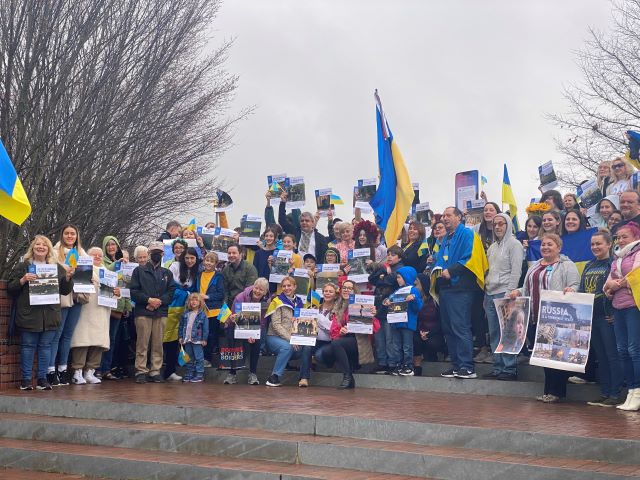
A local Facebook group “Birmingham Stands With Ukraine” hosted one of Birmingham’s first rallies in support of Ukraine in response to the first strikes of warfare almost a year ago. On February 25, 2023, approximately 50 residents gathered outside Railroad Park in Birmingham, Alabama, to show support for Ukraine amid the ongoing war with Russia and commemorate 365 days of the war in Ukraine. This is the exact spot where many of these same supporters gathered for the first time almost a year ago in support of Ukraine after Russia’s attack on February 24, 2022. With 365 seconds of silence, the group acknowledged the resilience and bravery of the Ukrainian people. The group focuses on organizing local actions such as fundraisers and rallies to aid Ukraine. Since the start of the war in Ukraine, poverty rates have multiplied more than five times, placing more than 8 million Ukrainians in poverty by the close of 2022. These Birmingham residents continue to advocate for critical aid to Ukraine.

Impacts of the Russia-Ukraine War on Global Poverty

Scotty Colson, the Honorary Consul for Ukraine to Alabama, addressed the crowd at the start of the rally and noted how easy it is for the global community to forget about the ongoing war in Ukraine and push the issue out of mind when it does not directly affect them.

People in the U.S. do not see or hear the constant warfare. Some may think that the U.S. has its own problems to worry about. The truth is that the war in Ukraine affects everyone. The Federal Reserve says the war in Ukraine has created a geopolitical risk that has caused a global spike in inflation due to supply chain disruptions and limited access to food and energy resources.

As the war continues, countries all over the world continue to see an overall rise in the cost of living. For example, the exportation of fossil fuels has become so expensive that more households across the world now face the risk of falling into energy poverty.  The expense of heating, cooling and lighting has increased to an almost unmanageable level for many households. The World Economic Forum reported in February 2023 that rising costs of living due to the impacts of the Russia-Ukraine war have the potential to push between 78 million and 141 million people below the global poverty line.

Ukraine TrustChain Takes Action

The Ukraine TrustChain is an organization that supports volunteer groups in Ukraine. To provide critical aid to Ukraine, it works hands-on with residents by delivering medicine, food, generators and stoves while repairing war-ravaged schools and homes.

So far, the Ukraine TrustChain has helped more than 1 million Ukrainian residents and tens of thousands of residents continue to receive support weekly. In the most recent March 2023 effort, the Ukraine TrustChain supported a small group by the name of Dobra Spavra that undertakes evacuation missions. The group traveled 16 times in one week into the frontline zones of warfare to evacuate 208 people. The Ukraine TrustChain supplied this group with a van, fuel and vehicle repairs to provide further critical aid to Ukraine through evacuation missions.

The Ukraine TrustChain runs an online art merchandise store to gain financial support for its humanitarian endeavors. It partnered with artists from Ukraine and other supporters around the world to create and sell merchandise such as tote bags, scarves, t-shirts, notebooks and prints of original designs in support of Ukraine. The nonprofit states that 100% of the net proceeds from the sales go to on-the-ground volunteer groups in Ukraine.

Looking Ahead

The rally in Birmingham, Alabama, displays the ability of the average person to contribute to aiding people in war-afflicted countries through advocacy. One person’s Facebook group with 380 current members continues to gain support and raise awareness across the Birmingham area of the need for critical aid to Ukraine. With millions of Ukrainian people living in poverty due to the ongoing war, advocacy and aid efforts are crucial.

– Leah Smith
Photo: Courtesy of Leah Smith

April 4, 2023
https://borgenproject.org/wp-content/uploads/borgen-project-logo.svg 0 0 Jennifer Philipp https://borgenproject.org/wp-content/uploads/borgen-project-logo.svg Jennifer Philipp2023-04-04 07:30:292023-04-03 04:03:42Advocating for Critical Aid to Ukraine
Advocacy, Global Poverty, Humanitarian Aid

The Work of Audrey Hepburn’s Granddaughter

Audrey Hepburn’s Granddaughter
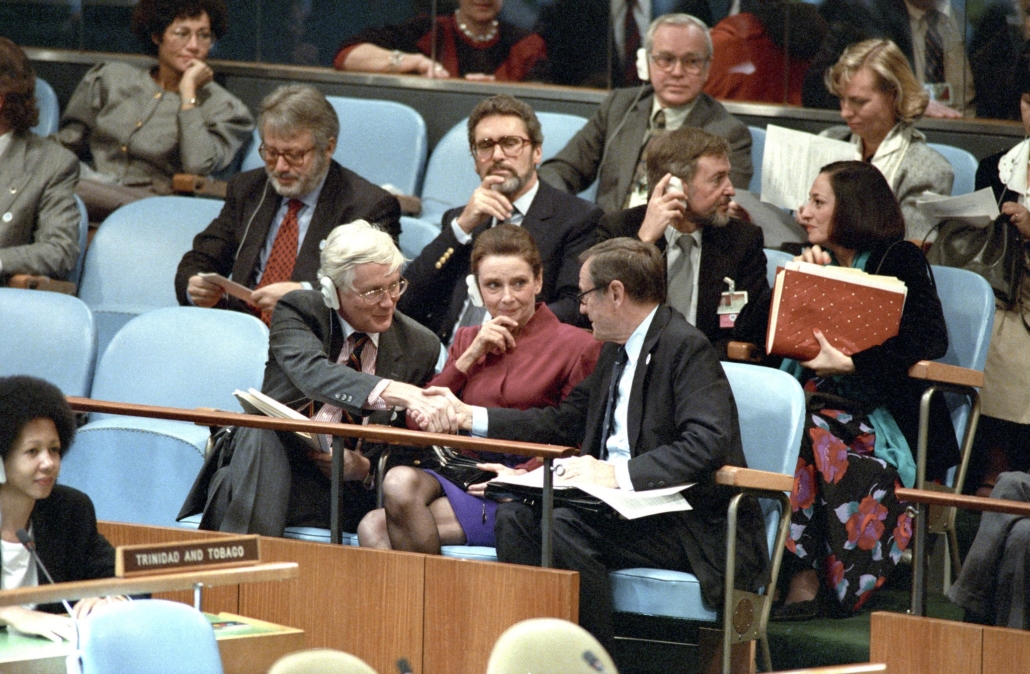
Decades after the late actress Audrey Hepburn’s passing, her granddaughter, Emma Ferrer, took on her grandmother’s legacy, becoming involved in international advocacy projects. Ferrer is a national ambassador for the United Nations High Commissioner for Refugees USA and a spokesperson for UNICEF. Here is some information about Audrey Hepburn’s granddaughter as well as some background on Hepburn’s work with UNICEF.

Audrey Hepburn’s Work with UNICEF

Late actress Audrey Hepburn’s humanitarian efforts made a significant difference in the lives of countless children. Hepburn was a Goodwill Ambassador for UNICEF. UNICEF operates in more than 190 nations and regions to ensure that every child’s rights are protected. Her commitment to the organization began after a journey to Ethiopia in the late 1980s where she sought to assist individuals in areas impacted by a severe drought that brought famine to the nation. She subsequently communicated with journalists about the work occurring in Ethiopia, and as a result of her international fame, media interest and attention grew dramatically.

In the years thereafter, Hepburn made multiple philanthropic trips, aiding in areas such as Turkey, Venezuela, Ecuador, Honduras, Guatemala, El Salvador, Bangladesh, Thailand, Vietnam and Sudan. Hepburn was a staunch advocate of UNICEF. She conducted new studies, organized ceremonies and enabled the organization to gain widespread media coverage. In 1992, she received the “Presidential Medal of Freedom,” the highest civilian honor. Despite her cancer diagnosis, Hepburn continued to work for UNICEF, traveling globally on the organization’s behalf. Hepburn died in 1993 after focusing the latter years of her life on humanitarian efforts. However, her granddaughter continues her legacy.

Emma Ferrer’s Work

Though Hepburn’s granddaughter Emma Ferrer never met Hepburn, Ferrer learned much about her grandmother through her grandmother’s legacy, which ultimately influenced her desire to follow Hepburn’s lead. Ferrer was inspired that such a high-profile celebrity would ally herself with humanitarian causes. Ferrer feels a sense of connection to her grandmother through Ferrer’s own work with UNICEF. Additionally, Ferrer is a fervent advocate of UNICEF’s work and the good that these efforts can achieve in the form of significant decreases in child fatalities, illnesses and malnutrition.

Ferrer’s passion for humanitarian endeavors began when she saw photos of lifeless children washing up on an international shore as a result of war. These heart-rending images prompted her to create artwork based on the images. In her free time, Ferrer writes on the well-being of youth in nations rife with conflict and violence. Her writing comes from extensive research and comprehension. She incorporates her understanding of the realities of disadvantaged people into her artwork.

Ferrer donated artwork proceeds to the UNHCR after her first exhibition as an art curator in 2018. She has collaborated extensively with nonprofit groups and her philanthropic activities and artwork serve to continue Hepburn’s legacy.

Ferrer reflects her grandmother’s values and fights valiantly to continue Hepburn’s legacy, notably campaigning to preserve children’s rights across the world. “I think it’s so important to have a history and a legacy that you want to carry on in your family, whether you’re famous or not,” Ferrer tells UNICEF.

– Tiffany Lewallyn
Photo: Flickr

February 3, 2022
https://borgenproject.org/wp-content/uploads/borgen-project-logo.svg 0 0 Jennifer Philipp https://borgenproject.org/wp-content/uploads/borgen-project-logo.svg Jennifer Philipp2022-02-03 01:30:392024-05-30 22:25:40The Work of Audrey Hepburn’s Granddaughter
COVID-19, Global Health, Global Poverty

Recent COVID-19 Vaccine Success in South Sudan

Vaccine Success in South Sudan
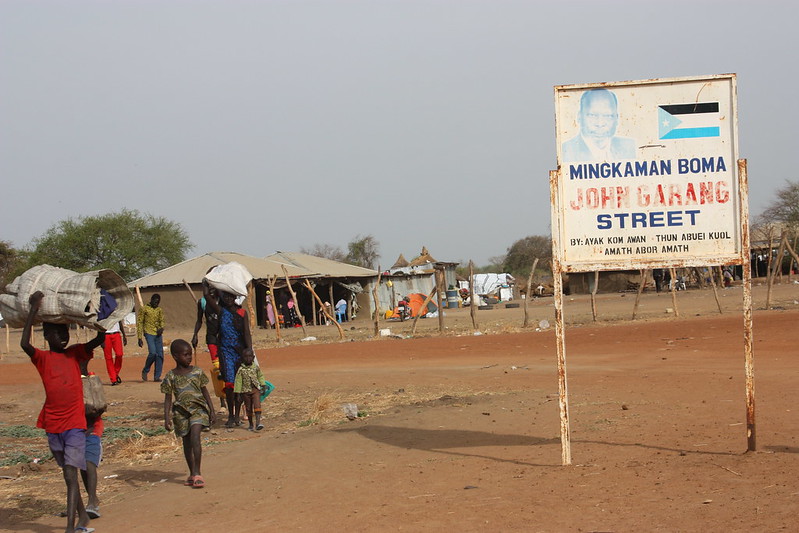
Gaining independence from the Republic of Sudan in 2011, South Sudan, “the world’s youngest nation,” now struggles with several economic, health and political challenges due to the COVID-19 pandemic. By November 6, 2021, South Sudan reported 12,453 COVID-19 cases and 133 deaths. In particular, the country is facing several obstacles in distributing COVID-19 vaccine doses. Confronting these difficulties, South Sudanese community leaders and international organizations are stepping up to ensure vaccine success in South Sudan. These efforts showcase how a country can turn challenges and tragedies into victories and triumphs.

Logistical Challenges in Vaccine Distribution

As a land ravaged by decades of war, underdeveloped South Sudan has one of the lowest COVID-19 vaccination rates globally, with just 0.8% of the population receiving one dose and 0.3% receiving both doses by October 15, 2021. Lacking road infrastructure significantly contributes to the nation’s low vaccination rate as much of “the country remains largely inaccessible by road.”

A country roughly “the size of France,” the nation grapples with governmental neglect, political challenges and ethnic violence, which has led to a poor infrastructure system, among other issues. Lacking road infrastructure means South Sudan must transport its vaccines by air, a very costly endeavor that makes vaccine distribution efforts in South Sudan significantly more expensive than the cost of purchasing vaccines.

These barriers to vaccine distribution have led to monumental consequences. In May 2021, COVAX donated 132,000 COVID-19 doses to South Sudan. However, these doses “went to waste” as South Sudan had no choice but to return the doses. According to CARE, “the logistics did not exist to get the doses from the capital city Juba into the arms of the South Sudanese people” before the vaccine expiry dates. These challenges exacerbate the inequality in vaccine distribution between South Sudan and other developed countries, which are already vaccinating children while administering third booster shots. Coordinating the entire procedure and timing correctly are vital factors for vaccine success in South Sudan.

Addressing Distribution Bottlenecks

In light of these vast logistical problems, South Sudan aimed to turn this situation around by the time it received its next shipment of doses in July 2021. South Sudan raced to obtain “surge funding from CARE’s Fast & Fair Campaign, South Sudan’s Health Pool Fund, UNHCR and UNICEF.” Although South Sudan did not have enough time and resources to build road infrastructure, the nation used the funding for “investing, building staff capacity, addressing staff gaps” and enhancing vaccine confidence in communities.

This helped address some of the other “distribution bottlenecks” South Sudan experienced in May 2021. As a result, South Sudan was able to administer all 60,000 vaccines from the July shipment. However, the vaccine delivery process was significantly “more expensive than what COVAX currently budgets for.” COVAX “budgets $1.41 per dose for vaccine delivery, but South Sudan had to spend about $10 per dose to successfully deliver vaccines.” These are costs that South Sudan cannot bear alone. Therefore, international support to South Sudan is essential.

These efforts continue to boost vaccine success in South Sudan, and with dedicated community leaders, the country is on track to deliver more vaccines to its people. In October 2021, South Sudan began “a new vaccination campaign” following the delivery of roughly 60,000 Johnson & Johnson vaccines from the United States. These single-dose vaccines eased the logistical burden of getting vaccines to citizens.

Aid to South Sudan

Because the vaccine distribution process in South Sudan is so costly, the nation may require “as much as $126 million for delivery alone.” These costs highlight the need for more grants and donations from international donors to ensure vaccine success in South Sudan. Despite South Sudan’s struggles in vaccination distribution, there is hope as organizations step in to support the nation. With continued support, South Sudan can dramatically increase its vaccination rate despite its standing as an underdeveloped nation.

– Tri Truong
Photo: Flickr

November 16, 2021
https://borgenproject.org/wp-content/uploads/borgen-project-logo.svg 0 0 Kim Thelwell https://borgenproject.org/wp-content/uploads/borgen-project-logo.svg Kim Thelwell2021-11-16 01:30:092021-11-15 08:05:54Recent COVID-19 Vaccine Success in South Sudan
Global Health, Global Poverty

Disability and Poverty in Liberia

Disability and Poverty in Liberia
Not everyone with a disability is poor, but countless studies have shown that a large number of those in poverty have at least one disability, ranging from physical to mental types of disabilities. Since those with disabilities require significant access to healthcare, the cost of medical treatments can pose a challenge. Additionally, disabled people frequently find it challenging to access housing, find employment or afford food. A strong connection exists between disability and poverty in Liberia, as is the case with other countries.

Disability and Poverty in Liberia

Liberia is a country along the southern part of the west coast of Africa, which Sierra Leone, Guinea and Côte d’Ivoire surround. It has a population of approximately 4.9 million. The country is Africa’s first republic and is the only African country to never have experienced colonial rule.

From 1999-2003, Liberia endured a harsh civil war. Public Services International believes that this war may have contributed to the increase of disability in Liberia from an initially reported 16% in 1997 to nearly 20%, which is significantly higher than the world’s average at 10%. Of those with disabilities in Liberia, “61% have a mobility disability, 24% are visually impaired, 7% are deaf, and 8% have an intellectual or psychosocial disability.” According to Elizabeth’s Legacy of Hope, 99% of the 48% in poverty in Liberia are those with disabilities.

Non-accommodating infrastructure and social attitudes based on stigmas play a large part in disadvantaging the disabled community in Liberia. Many cannot exercise the basic right to an education, leading then to unemployment. The author Morgan Ashenfelter wrote that “educational facilities do not cater to their needs, employment is difficult to find, sidewalks barely exist in the city and most businesses and government buildings do not even have a ramp. . . . in addition, some disabilities, such as post-traumatic stress disorder or missing limbs, are stigmatized, as they are associated negatively with the war.” 

Addressing Disability and Poverty in Liberia

In the years since the end of Liberia’s civil war, the country has taken steps toward listening to and protecting its disabled population. Liberia established the National Commission on Disabilities in 2005, an organization focused on creating policies to aid disabled Liberian people. In the 12th Session of the United Nations Conference of State Parties to the Convention on the Rights of People with Disabilities, Liberia announced that it adopted a National Action Plan for the Inclusion of Persons with Disabilities. The goal of this plan was to promote the welfare and rights of the disabled in Liberia, while also aiming to include them in the governance process and provide them with financial assistance through social security. Liberia is also planning on including sign language as a required course from elementary school to college.

In December 2018, the Liberia Labor Congress held a joint workshop with the ILO Bureau for Workers’ Activities to discuss the issue of providing work for those with disabilities. Ideally, this work should be able to lift the majority out of poverty, while addressing the lack of significant progress in the last decade and the discrimination that kept many with disabilities out of the workforce.

Looking Ahead

A significant link exists between disability and poverty in Liberia, though it is evident that Liberia is working to change that. The disabled community is among the most vulnerable communities, and it is important that they receive equal opportunities to their non-disabled peers. Liberia is continuing to take steps toward addressing the social stigma and disadvantages that its disabled community experiences.

– Grace Ingles
Photo: Flickr

October 15, 2021
https://borgenproject.org/wp-content/uploads/borgen-project-logo.svg 0 0 Lynsey Alexander https://borgenproject.org/wp-content/uploads/borgen-project-logo.svg Lynsey Alexander2021-10-15 01:30:572024-06-06 01:05:38Disability and Poverty in Liberia
Advocacy, Global Poverty, Women's Rights

Helping Afghan Women Under the Taliban

Afghan women under the Taliban
In 1996, the Taliban took over Afghanistan’s capital, Kabul. Almost exactly 25 years later, on August 15, 2021, the Taliban took control of Kabul once again. Women in Afghanistan fear what the new Taliban regime means for them. However, advocacy groups are helping Afghan women under the Taliban to seek safety and refuge.

The Climate in Afghanistan

In 2020, former President Donald Trump signed a peace agreement with the Taliban. According to this agreement, the U.S. agreed to withdraw its troops if the Taliban stopped attacks on Americans. In April 2021, President Biden kept that promise and announced that the U.S. would withdraw the rest of its troops by September 11. A month later, the Taliban started gaining control in the northern part of the country. By August, the Taliban seized control over all the major cities and conquered most of the land, aside from Kabul.

Shortly after, the government in Afghanistan collapsed as President Ashraf Ghani fled the country and the Taliban took over the capital. The Taliban control prompted nearly 250,000 Afghans to flee their homes in seek of refuge. During a press conference on August 17, Taliban spokesperson Zabihullah Mujahid promised “an inclusive government, security for aid agencies and embassies and women’s rights to work and go to school.” However, many Afghans are skeptical because of previous Taliban rule in the late 1990s.

The Effects of Taliban Control on Afghan Women

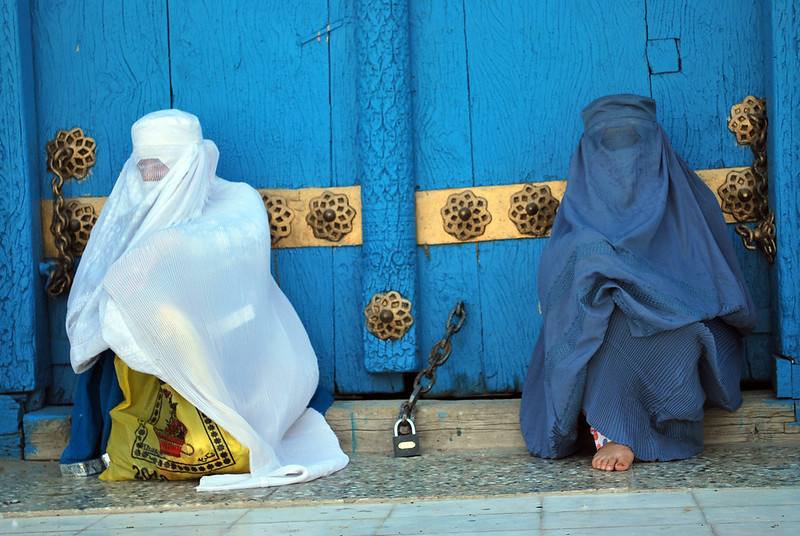
When the Taliban ruled Afghanistan from 1996 to 2001, women did not enjoy much freedom. The Taliban banned women from attending school or working outside their homes. Also, women had to wear a burqa, an article of clothing that encompasses their entire body besides their eyes and a male guardian had to accompany them whenever they left their house. Current female employees will not be able to have a source of income if the Taliban upholds previous restrictions once again. While the Taliban promised that they will respect women’s rights, many Afghans are uncertain of their promises.

The Progression of Women’s Rights in Afghanistan

Before Taliban control in 1996, Afghanistan was making progress in women’s rights. King Amanullah Khan’s reign, beginning in 1919, discouraged polygamy and did not require women to wear a veil. In 1964, women helped write a new constitution that gave them the right to vote and run for office. However, when the Taliban took control in 1996, it restricted women’s rights. Women could not attend school, work or speak in public. As punishment for breaking any of the laws, women suffered public lashing or stoning, which led to higher suicide rates among women. When the U.S. ousted the Taliban from Afghanistan in 2001, women again enjoyed rights like joining the armed and police forces as well as being part of the political process.

Despite the progress made, 90% of women in Afghanistan experience abuse in their life. The latest Taliban regime stated that it will respect women’s rights within the structure of sharia (Islamic) law. However, jurists, clerics and politicians interpret sharia law differently. These discrepancies allowed justifications for the Taliban’s previously harsh laws against women’s rights.

Help from Advocacy Groups

Despite the new ruling of the Taliban, advocacy groups from around the world are helping women in Afghanistan seek safety. One organization aiding Afghan women is Women for Women International. This nonprofit organization aids female survivors of war. It is currently collecting donations to help women in Afghanistan find safety, as well as a place to meet and stay connected.

The Georgetown Institute for Women, Peace and Security is lobbying the U.S. government to better protect Afghan women under the Taliban. Its Protect Afghan Women Project raises funds specifically to support at-risk female Afghan activists. Melanne Verveer, the institute’s director, co-wrote an opinion article in the Washington Post to push the U.S. government to create ways to better protect Afghan women. Verveer and her co-author, Tanya Henderson, lobbied the U.S. to get evacuation flights for women activists in Afghanistan and relocate funds for Afghan refugees.

Looking Ahead

Although the Taliban control is worrying for most Afghans, advocacy groups are finding various ways to help. These groups have a particular committment to helping Afghan women under the Taliban to seek safety and safeguard their rights in this chaotic time of uncertainty and political turmoil.

– Kyle Har
Photo: Flickr

October 9, 2021
https://borgenproject.org/wp-content/uploads/borgen-project-logo.svg 0 0 Lynsey Alexander https://borgenproject.org/wp-content/uploads/borgen-project-logo.svg Lynsey Alexander2021-10-09 01:30:322021-10-06 11:48:49Helping Afghan Women Under the Taliban
Advocacy, Global Poverty, Human Rights

The Threatened Future of the Jarawa Tribe

Jarawa tribe
“Dance,” pressured the policeman to the tribal women who were naked from the waist up. “Dance for me,” he pestered, offering them food in exchange for coercing the semi-naked tribe members to put on a performance for his entertainment. This was a viral video from 2012 that brought mainstream attention to the Jarawa tribe. The video shows a tourist fantasy for those who encroach upon the land for a “human safari” experience. The Jarawa, a tribe that some once hunted down during colonial British rule, now runs the risk of extinction due to growing modern-day threats.

About the Jarawa Tribe

According to scholar George Weber, the Jarawa tribe are Pygmy Negrito people living in the Andaman and Nicobar Islands of India who are “a remnant population representing perhaps the earliest migration out of Africa of modern Homo Sapiens.” This Paleolithic tribe that still lives a Stone Age hunter-gatherer lifestyle has around 450 members in total. The tribe represents one of the four tribal communities (Great Andamanese, Onge and Sentinelese) living in the region who for the longest time refused contact with modern society. Unlike the Sentinelese tribe who refuse contact violently, the bow and arrow-wielding Jarawa tribe first established peaceful contact with the Indian government in 1997.

The Threats the Jarawa Tribe Faces

While making half-naked women dance is common, poachers similarly lure young tribal women with groceries, alcohol and meat to harm them physically and sexually exploit them. The government-approved “contact” resulted in alcohol and smoking addictions as well as the spread of diseases (the tribes lack the immunity of modern people) with COVID-19 now becoming one of their gravest threats. Additionally, a growing number of settlers is encroaching on tribal land. With one Jarawa for every 1,000 settlers, the wealthier settlers tend to deplete tribal land of resources.

But the most threatening thing to the Jarawa tribe today is “mainstreaming.” Mainstreaming refers to the policy of pushing a tribe to join the country’s dominant modern society. This most notably strips the tribe of its self-sufficiency and identity, leaving them struggling at the margins of society. The Borgen Project spoke with Yash Meghwal, the spokesperson of Tribal Army, a leading organization in India that has been fighting against tribal injustice. According to Meghwal, hunter-gatherer, tribal populations like the Jarawas are “not equipped to survive in a market-based economy.” Elaborating on this, he stated that “to move into the upper echelon of society, one must have proper education and then the adequate business or job opportunity” which governments have failed to provide to the tribes.

The Latest Threat: Human Safaris

Interactions with modern society increased after the construction of the Andaman Trunk Road. The road cuts through the Jarawa tribe’s reserve forests and brought in a large population of refugee settlers. Tour companies now allow “human safari” experiences along this road. This does not just exacerbate abuse, addictions and the spread of diseases from interaction with modern people. It also encourages the treatment of tribes as if they are zoo animals. This cultivates the dehumanization of tribal people. As Meghwal put it, “we are failing if our citizens are equated with wild animals.” Human safaris exist to profit from the poor, powerless tribal population. Thus, the tourism industry has emerged at the expense of their privacy, dignity, health and human rights.

When referring to the road, Meghwal said that “the state is only interested in making new roads as infrastructure. Modern society does not care about the ecological and environmental balance; their focus is more on the extraction from the tribal land.”

Larger Problem of Tribal Discrimination

Discrimination in the Andaman and Nicobar Islands is emblematic of a larger problem of tribal discrimination. Unfortunately, this level of discrimination is far bigger than the confines of the Islands. Meghwal claimed that this discrimination comes from conflating the tribal population with the Dalits. The Dalits are among the Indian lower caste. The Indian caste system is a hierarchal system that ascribes supremacy to one group and untouchability to the other. “Both Dalits and tribes suffer similar nature problems such as deprivation, discrimination and exclusion,” Meghwal claimed.

The Borgen Project also spoke with Jarken Gadi. He is a former sociology professor who is now a fellow for the Ministry of Social Justice and Empowerment. According to Gadi, this discrimination is a product of “the lack of awareness supplied by educational institutions and media houses.”

Tribal Army as a Solution

Hansraj Meena, one of the most prominent tribal activists in India, founded Tribal Army. This organization may hold the solution to the discrimination of the Jarawa tribe and other tribes across the country. Meghwal claimed that people should grant tribes rights in the case of land and forests. He also mentioned that “we should avoid [letting] too many outsiders into tribal territory.” Additionally, he stated that there is also a need for constitutional measures to protect tribes as they participate in the market economy. Tribal Army has also called for requirements of “reservation in the private sector and in business,” stating “it is the most necessary step for tribal welfare.”

Gadi’s solution to discrimination and threats is a call for awareness programs which the government initiated. These programs would teach the public about the different tribes and how they should treat them. The education system and media can influence thought, change negative attitudes and stop harmful actions toward the tribal community.

Organizations like Tribal Army constantly advocate for policy change. People are challenging the status quo of tribal discrimination. With advancements like these, positive change can come for the Jarawa tribe and for overall tribal welfare.

– Iris Anne Lobo
Photo: Flickr

September 24, 2021
https://borgenproject.org/wp-content/uploads/borgen-project-logo.svg 0 0 Lynsey Alexander https://borgenproject.org/wp-content/uploads/borgen-project-logo.svg Lynsey Alexander2021-09-24 01:30:292021-09-22 13:28:19The Threatened Future of the Jarawa Tribe
Advocacy, Global Health, Global Poverty

5 Celebrities Advocating for Mental Health Awareness

Mental health awarenessMental health is an issue that, until recently, people shied away from talking about. While it can be a sensitive topic for people, it is one that society needs to talk about. By discussing mental health, people can help raise awareness of the issue. Celebrities are known to have an influence on their fans, so when they speak about a cause they care about, people tend to listen. Here are a few celebrities who are known mental health awareness advocates.

5 Celebrities Advocating for Mental Health Awareness

  1. Demi Lovato. Actor and singer Demi Lovato has frequently spoken about their struggles with mental illness. Lovato has been a mental health activist since 2015 when they revealed they were diagnosed with bipolar disorder. Wanting to help others struggling with mental illness, Lovato started the Mental Health Fund, which provides people with free counseling during the COVID-19 pandemic. In society, asking for help can be seen as a weakness. Lovato believes otherwise. In an interview with Deseret News, Lovato said, “The strongest thing someone can do is take that first step in getting help, whatever shape or form that is.” This charity raises money for the Crisis Text Line and crisis counseling options in Canada and the United Kingdom. The COVID-19 pandemic has had a negative impact on the public’s mental health so organizations like these have a significant impact on society.
  2. Kristen Bell. Actress Kristen Bell is a longtime and well-known advocate of mental health awareness. Fighting the stigma that surrounds mental illness, Bell believes mental health check-ins should be as common as going to the dentist or doctor. Bell has struggled with depression and has spoken about why mental health screenings should be taken more seriously. There are often stereotypes surrounding depression, but like Bell said in an interview with NAMI, “You can’t tell someone has depression just by looking at them, especially since it’s such an internal battle.” With celebrities like Bell speaking about their own struggles with mental illness, fans will better see that there is no shame in asking for help.
  3. Simone Biles. Simone Biles is the most awarded gymnast in history. The Olympian also has her own battles with mental illness. Biles goes to therapy on a regular basis and takes anxiety medication. These revelations arose after Biles stood up as a survivor of Larry Nassar’s abuse. Victims of sexual assault have an increased risk of developing PTSD, depression and anxiety. In 2017, Biles partnered with the #BeUnderstood campaign, which advocated for learning disabilities and ADHD awareness during the month of October. Biles has also spoken out about her experience with ADHD.
  4. Chyler Leigh. Chyler Leigh, known for her roles on Grey’s Anatomy and Supergirl, has not shied away from sharing her experiences with bipolar disorder. As the new face for the Be Vocal: Speak Up campaign, Leigh shared her experiences of growing up without a diagnosis. Leigh says that she did not have an environment where she could speak up, so she kept quiet. She also spoke about self-medicating with alcohol and the struggle she went through with getting help. Joining Be Vocal was a way of opening up to the public. By sharing her story, Leigh hoped for people to hear her experience and relate, knowing that they are not alone in feeling that way.
  5. Justin Bieber. In his YouTube docuseries “Seasons,” Justin Bieber gave his fans an inside look at his struggles with addiction and mental health challenges. His addiction to marijuana became so serious that he became dependent on it. He also spoke about his use of stronger substances like MDMA or hallucinogenic mushrooms. Bieber got help and replaced illegal substances with antidepressants. In his efforts to help advocate for mental health, Bieber gave a fan $100,000 to support her career in social work. Part of the donation helped the fan attend grad school while the rest of it went to Active Minds, an organization that raises mental health awareness for college students.

Global Mental Health

Though raising mental health awareness domestically is essential, there are many people without access to proper mental healthcare globally. As of 2016, high-income nations spent around 5% of their health budgets on mental health. For lower-middle-class nations, that number fell to less than 2%. There are fewer trained psychiatrists in developing countries, which makes it hard to address everyone’s illnesses.

In Indonesia, there was one psychiatrist for every 350,000 people. Haiti, a country with roughly 10 million people, has only about “10 licensed psychiatrists.” Without the proper funding, developing countries struggle to make mental health a priority.

Spreading Awareness

Mental health issues are very common in society, but they often do not spark the necessary discussion. Part of this reason is because of the stigma surrounding mental illness. Everyone is capable of contributing to mental health awareness. By posting about mental health on social media, donating to mental health organizations or supporting people with resources, an ordinary individual can contribute to improving mental health globally.

– Ariel Dowdy
Photo: Flickr

September 11, 2021
https://borgenproject.org/wp-content/uploads/borgen-project-logo.svg 0 0 Jennifer Philipp https://borgenproject.org/wp-content/uploads/borgen-project-logo.svg Jennifer Philipp2021-09-11 01:30:402024-06-06 01:05:385 Celebrities Advocating for Mental Health Awareness
Global Health, Global Poverty

Save the Children Aids Nepal During COVID-19

Save the Children Aids Nepal In 2015, a 7.8 magnitude earthquake wreaked havoc in Nepal. The devastation left more than 22,000 people injured and almost 9,000 people dead, with hundreds of thousands of more people facing extreme poverty. The ongoing COVID-19 pandemic may prove to be an even more severe humanitarian crisis for the country. With more than 600,000 reported cases as of July 2021, the severity of the pandemic in Nepal is significant. In an effort to improve the country’s dire state and protect vulnerable populations such as children, Save the Children aids Nepal during the COVID-19 outbreak.

Impact of COVID-19 in Nepal

Nepal’s status as a landlocked nation with a medical system closely tied to India has resulted in serious healthcare concerns. Chief among these concerns is a lack of essential medical resources like oxygen tanks and COVID-19 testing kits, both of which are critical in the fight against COVID-19. Nepal normally obtains these supplies through India, however, the severe COVID-19 outbreak in India means India has minimal resources to spare.

Maggie Doyne is the co-founder and CEO of a nonprofit in Nepal, BlinkNow. Doyne, tells CNN Canada that “All of our medicines, all of our oxygen tanks, our ambulances, our food supply relies on India. So, you really can’t have a landlocked Himalayan country so reliant on another country that’s really struggling.” The nonprofit operates a school and a children’s home, among other facilities, in Nepal. It has also been one of the groups attempting to provide aid on the ground. In direct response to the country’s surge in cases, BlinkNow increased emergency food bank supplies available for vulnerable families and people out of work.

The Impact of COVID-19 on Children in Nepal

One particularly vulnerable population in Nepal is children. The Human Rights Watch and two partnering organizations released a report in May 2021 examining how COVID-19 impacts children. After speaking with 25 working children in Nepal, nearly all of them agreed that COVID-19 has negatively impacted their family’s financial stability. The children interviewed ranged from 8 to 16 years old.

The children worked jobs in construction, carpentry, mechanics and more, in an attempt to financially support their families. Many of the children work long hours, sometimes totaling 12 hours per day, which causes them pain, dizziness and fatigue. The use of child labor has increased in the country since the pandemic has forced lockdowns and school closures. Even as schools reopen, many children remain working to help supplement their parent’s income.

Save the Children Aids Nepal

Save the Children is taking action in Nepal to minimize COVID-19’s impact on children. The global nonprofit is dedicated to preventing child suffering, with efforts ranging from malnutrition prevention to emergency response measures. The nonprofit recently expressed concerns about the impact of COVID-19 on children in Nepal. School shutdowns hold back Nepalese children educationally and socially.

Not receiving an education hinders the chances of breaking free from poverty, according to Jennifer Syed, the country director for Save the Children in Nepal. Syed says that “The economic impact on households hurts children the most — they’re the ones who suffer the worst malnutrition; it’s the young girls who are forced into child marriage to reduce the financial burden on their family.”

To assist, Save the Children is donating more than 50 oxygen concentrators and 20,000 rapid testing kits. This will help Nepal’s government in the fight against COVID-19. In addition, Save the Children’s website states, “a further 100,000 PRC test kits, 200,000 rapid test kits and 1,000 oxygen concentrators will be given to the Ministry of Health and Population under agreement with the Global Fund.”

The Road Ahead

Save the Children’s efforts are essential to assist a country that has now surpassed India in COVID-19 related deaths per capita. The organization is also supporting Nepalese children through campaigns that promote personal protection measures and offer mental health support. Hopefully, Save the Children’s efforts will inspire aid from others in the near future as Nepal continues to fight the devastating repercussions of COVID-19.

– Brett Grega
Photo: Flickr

July 14, 2021
https://borgenproject.org/wp-content/uploads/borgen-project-logo.svg 0 0 Kim Thelwell https://borgenproject.org/wp-content/uploads/borgen-project-logo.svg Kim Thelwell2021-07-14 01:30:212021-07-12 05:13:54Save the Children Aids Nepal During COVID-19
Page 17 of 77«‹1516171819›»

Get Smarter

  • Global Poverty 101
  • Global Poverty… The Good News
  • Global Poverty & U.S. Jobs
  • Global Poverty and National Security
  • Innovative Solutions to Poverty
  • Global Poverty & Aid FAQ’s
Search Search

Take Action

  • Call Congress
  • Email Congress
  • Donate
  • 30 Ways to Help
  • Volunteer Ops
  • Internships
  • Courses & Certificates
  • The Podcast
Borgen Project

“The Borgen Project is an incredible nonprofit organization that is addressing poverty and hunger and working towards ending them.”

-The Huffington Post

Inside The Borgen Project

  • Contact
  • About
  • Financials
  • President
  • Board of Directors
  • Board of Advisors

International Links

  • UK Email Parliament
  • UK Donate
  • Canada Email Parliament

Get Smarter

  • Global Poverty 101
  • Global Poverty… The Good News
  • Global Poverty & U.S. Jobs
  • Global Poverty and National Security
  • Innovative Solutions to Poverty
  • Global Poverty & Aid FAQ’s

Ways to Help

  • Call Congress
  • Email Congress
  • Donate
  • 30 Ways to Help
  • Volunteer Ops
  • Internships
  • Courses & Certificates
  • The Podcast
Scroll to top Scroll to top Scroll to top