• Link to X
  • Link to Facebook
  • Link to Instagram
  • Link to TikTok
  • Link to Youtube
  • About
    • About Us
      • President
      • Board of Directors
      • Board of Advisors
      • Financials
      • Our Methodology
      • Success Tracker
      • Contact
  • Act Now
    • 30 Ways to Help
      • Email Congress
      • Call Congress
      • Volunteer
      • Courses & Certificates
      • Be a Donor
    • Internships
      • In-Office Internships
      • Remote Internships
    • Legislation
      • Politics 101
  • The Blog
  • The Podcast
  • Magazine
  • Donate
  • Click to open the search input field Click to open the search input field Search
  • Menu Menu

Archive for category: Advocacy

Information and news on advocacy.

Advocacy, Global Poverty, Health, Women's Rights

5 Facts About Women’s Rights in Albania

Women's Rights in AlbaniaFor years, women have struggled to obtain equality in the developing European country, Albania. Recently, however, this topic has received greater publicity as it becomes an increasingly pressing issue for thousands of citizens. Here are five facts about women’s rights in Albania that illustrate Albanians’ struggles. Moreover, these facts highlight organizations and initiatives that are inspiring positive change.

5 Facts about Women’s Rights in Albania

  1. The number of Albanian women in the workforce is rapidly increasing. Women now comprise the majority of agricultural workers in Albania, yet they are still paid lower wages than their male counterparts. On average, women receive 18% lesser salaries than men. To promote gender equality in the workforce, the U.N. Economic Empowerment Program in Albania provides resources for programs and initiatives. Such initiatives aim to expand vocational training and encourage female entrepreneurship throughout the country.
  2. Over 50% of Albanian women have experienced sexual violence. According to a study performed by the Swedish government, U.N.D.P. and U.N. Women, more than 50% of Albanian women have been victims of some form of “sexual, physical or psychological violence.” This most commonly occurs as a result of a partner’s perpetration. Additionally, a recent combination of economic struggles and stay-at-home orders due to the COVID-19 has caused an increase in domestic violence in Albania. This leaves women with little protection from violent situations. Under these circumstances, U.N. Women is initiating social media campaigns to spread awareness about resources providing security and shelter for domestic violence victims throughout Albania.
  3. Traditional customs prevent women from owning property. Under Albanian laws, women can purchase and own property. However, these laws often go ignored. Because women are traditionally unable to sign as a “head of the household” in legal affairs, it is incredibly difficult for women to become property owners. As of 2018, only 8% of Albanian women owned land. The Center for Civic and Legal Initiatives in Albania is working to boost this figure by encouraging women to purchase property. Also, they provide legal support to help navigate the obstacles that traditional customs present.
  4. More women participate in Albanian politics. Aiming to lessen the country’s multitude of gender inequalities, many women have successfully run for office. As of 2017, “women make up 23% of members of parliament, 35% of local counselors, 9 in 61 mayors and 8 in 20 cabinet ministers.” Though the numbers fall short of achieving proper representation, initiatives by the Albanian Parliament are encouraging women to run for various political offices.
  5. Women and girls struggle to access safe reproductive health care amid COVID-19. Albanian law severely limits access to abortion. Coupled with restricted access to healthcare due to the COVID-19 outbreak, many women find it impossible to receive access to safe abortion care. According to Amnesty International, governments in the region deem abortion care as an inessential health service. Leah Hoctor, the Regional Director for Europe’s Center for Reproductive Rights, has called on many governments, including the Albanian government, to intervene. She states “European governments must act urgently to guarantee safe and timely access to abortion care during the COVID-19 pandemic.”

Continuing the Fight

Women in Albania struggle to lead independent lives due to the prevalence and severity of gender inequality. Sexist laws and cultural norms limit women’s rights in Albania. This, in turn, prevents many women from achieving equality in health, safety and prosperity. Though organizations like U.N. Women and the Center for Legal and Civic Initiatives, improving the quality of life for these women has become a real possibility.

– Courtney Bergsieker
Photo: Wikimedia Commons
October 17, 2020
https://borgenproject.org/wp-content/uploads/borgen-project-logo.svg 0 0 Kim Thelwell https://borgenproject.org/wp-content/uploads/borgen-project-logo.svg Kim Thelwell2020-10-17 06:29:092020-10-17 06:29:095 Facts About Women’s Rights in Albania
Advocacy, Global Poverty

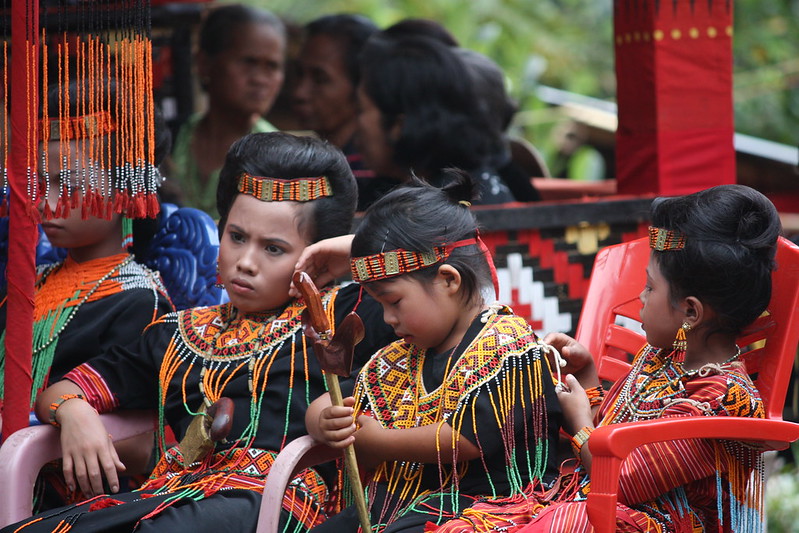
5 Ways Cultural Survival Empowers Indigenous Communities

cultural survivalThere are about 476 million Indigenous people in the world, just over 6% of the global population. Also known as First Peoples and Tribal Peoples, they are present on every continent except Antarctica. Indigenous people belong to about 5,000 distinct groups. Though the term “Indigenous” is not an exact science, it generally refers to groups of people who originally inhabited an area prior to colonial influence. Despite colonialism, they have achieved varying degrees of cultural survival by preserving the use of their languages, ancestral traditions and ways of knowing. Organizations like Cultural Survival also support this preservation.
Cultural Survival was founded in 1972. Its work now follows the United Nations Declaration on the Rights of Indigenous People (UNDRIP), adopted in 2007. Based in Massachusetts, this organization aims to streamline social justice efforts by connecting Indigenous people’s needs to resources. Indigenous people often have a hard time accessing resources due to isolation, linguistic barriers or lack of political representation. Here are five ways that Cultural Survival empowers Indigenous people.

5 Key Ways Cultural Survival Empowers Indigenous People

  1. Advocacy: When it comes to advocacy, Cultural Survival responds to real needs expressed by a particular community. According to the UNDRIP, “States shall provide effective mechanisms for prevention of, and redress for … Any action which has the aim or effect of dispossessing them of their lands, territories or resources.” An example of such dispossession might include state-sanctioned projects involving mining or deforestation, which threaten a community’s land. In these instances, the Indigenous community on its own may not have direct access to policymakers. Cultural Survival, on the other hand, has had the privilege of consultative status with the United Nations Economic Social and Cultural Council (ECOSOC) for the past 15 years. It also has offices in North, Central and South America, as well as South Africa and Nepal. This wide reach provides quicker access to resources that can more effectively enforce the UNDRIP.
  2. Grants for community development: Cultural Survival also makes grants accessible for development-focused programs. These programs may relate to environmental justice, female empowerment, language preservation, Indigenous representation in policymaking and more. The Keepers of the Earth Fund makes these grants available in amounts between $500 and $5,000. In March 2020, the Keepers of the Earth Fund went exclusively toward the COVID-19 response in Indigenous communities. So far, it has been able to provide direct aid amounting to more than $81,000. This has reached Indigenous communities in 16 countries.
  3. Fair trade partnerships: Cultural Survival connects Indigenous artisans and creators directly to consumers through their annual “bazaars.” These bazaars showcase Indigenous music, jewelry, household items, art and other products. Usually, New England hosts the events. However, in 2020, Cultural Survival opted for a “virtual bazaar” to keep people safe from COVID-19. This allowed it to connect Indigenous makers to a wide audience of consumers.
  4. Media: Additionally, Cultural Survival publishes a magazine called Cultural Survival Quarterly (CSQ). This publication brings matters of concern of Indigenous communities to the attention of the public. The organization also nurtures expertise in radio journalism and broadcasting by connecting young Indigenous people with conferences. By training them, the organization prepares Indigenous youth with the skills they need for a career in media and advocacy. In particular, the Indigenous Community Media Youth Fellowship Project offers fellowships up to $2,500 for young people to learn about broadcast journalism. The Community Media Grants Project also makes funding available to bolster already-existing community radio projects. These projects benefit communities all over Latin America, East Africa, South Africa and South Asia
  5. Community Radio: Cultural Survival’s funding for COVID-19 includes community radio. This has recently made a difference in Indigenous communities of Mexico, Costa Rica, Honduras, El Salvador, Ecuador and others. These programs are vital not only for language preservation but also to ensure that correct information about the pandemic reaches Indigenous communities. This is important, as these communities may not be proficient in the country’s official language or may have limited broadband connection. To complicate matters, Indigenous community radio has been outlawed in several places. In Guatemala, for example, the government claims there are not enough frequencies to accommodate Indigenous radio stations. Cultural Survival continues to fight to support community radio programs and policy changes in Guatemala. Importantly, it also offers legal representation to individuals when necessary. Indigenous leaders have officially requested that a law, Bill 4087, legalize an Indigenous-language radio station for each municipality. Cultural Survival continues to support this effort.

The Future of Cultural Survival

Cultural Survival requires continuous support to maintain its mission to defend the UNDRIP. Although every Indigenous group possesses the right to be both autonomous and involved in state affairs that affect them, political leaders do not always observe these rights. Cultural Survival is one-of-a-kind in its commitment to defending Indigenous ways of life. With support, it can continue to use its global reach to fast-track solutions to the unique needs of Indigenous people around the world.

– Andrea Kruger
Photo: Flickr

October 16, 2020
https://borgenproject.org/wp-content/uploads/borgen-project-logo.svg 0 0 Kim Thelwell https://borgenproject.org/wp-content/uploads/borgen-project-logo.svg Kim Thelwell2020-10-16 14:59:122024-05-30 07:52:275 Ways Cultural Survival Empowers Indigenous Communities
Advocacy, Global Poverty, Women, Women and Female Empowerment

Fighting for the Future: Women’s Rights in Israel

Women's Rights in Israel

In Israel, the battle for gender equality continues to rage. Despite being the third country in the world to have a female head of state, women were forced to sit at the back of the bus as recently as 2018. In the face of gender equality legislation, religious figures continue to promote and enforce gender segregation in public spaces.

Israel, a fairly new country in the Middle East, identifies as a democratic state. The country gained its independence in 1948, passing the Women’s Equal Rights Law in 1951 to ensure gender equality. The Israeli Declaration of Independence states that the nation “…will ensure complete equality of social and political rights to all its inhabitants irrespective of religion, race or sex.” However, the Israeli government has found it difficult to combat gender segregation.

Women’s Rights in Israel Today

Presently, Israel ranks 25th on the Gender Inequality Index. Although the Israeli Declaration of Independence sought to establish gender equality, there has been an increasing demand for enforcing gender segregation in public spaces by Ultra-Orthodox Jewish communities. There have been instances in which women have been denied access to a public bus for wearing shorts deemed “immodest.” In many situations, if women can access a bus, they are forced to sit in the back. In some universities, women are even forced to drink from separate water fountains.

Many lawsuits in Israel have been filed in the name of gender inequality. Although gender segregation in cemeteries is illegal, the Israeli government and the Ministry of Religious Affairs do not uphold the law. As a result, women sit separately from their male family members and are not permitted to be a part of funeral ceremonies.

Women hold esteemed positions in Israeli society. As of 2017, women comprised 59% of the university student population and  53% of the Ph.D. student population. Israel’s Supreme Court has had three female presidents, with women comprising 54% of judges in Israel as of 2017.

Despite the prevalence of female leaders, female lawmakers have been deemed “indecent” by their religious associates and admonished for wearing sleeveless dresses. Although the majority of college degrees are held by women, women academics are not allowed to instruct ultra-Orthodox men at universities. Female lawyers are seated separately and at the back of the room for training programs. Female army cadets are separated from their male counterparts by partition during graduation ceremonies. However, several organizations are advocating for equal treatment.

The Future of Women’s Rights in Israel

Many organizations are fighting for gender equality in Israel. For example, the Israel Religious Action Center (IRAC) fights gender segregation and religious extremism. IRAC has made great progress in the field of anti-segregation legislation, including filing a class action suit against public radio stations for refusing to put women on-air. IRAC’s work has also lead to a Supreme Court ruling making gender segregation on public transportation illegal.

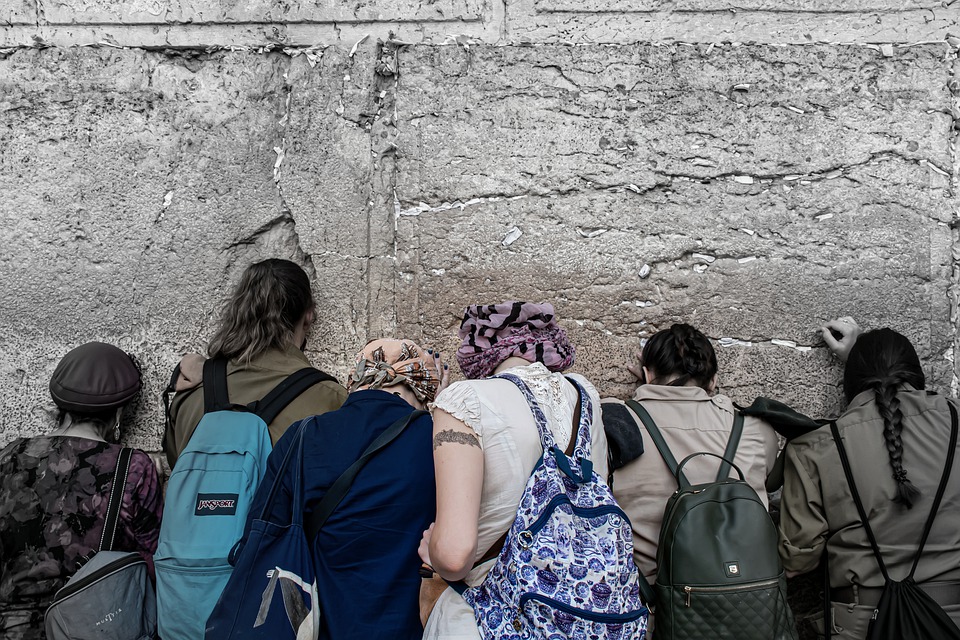
Founded in 1984, The Israel Women’s Network advocates for gender equality through education and awareness. They are currently advocating against gender segregation in public transportation and gender violence. The Women of the Wall are fighting to secure women’s religious rights to pray at the Western Wall through education, empowerment, and advocacy. When gender equality laws will be upheld, the visions for gender equality can be achieved.

The Future is Equality

As the first woman to serve as president of the Israeli Supreme Court, Dorit Beinisch said, “We are commanded to act with tolerance and to promote the protection of human rights.”

The gap between the visions for gender equality and the reality women face is vast. Gender inequality is crucial to the advancement of Israel and the rest of the world, being essential to peace and development. Ultimately, the work of organizations such as IRAC and The Israel Women’s Network continues to empower women and allows Israel to look toward a brighter future.

– Tara Hudson
Photo: Pixabay

October 16, 2020
https://borgenproject.org/wp-content/uploads/borgen-project-logo.svg 0 0 Kim Thelwell https://borgenproject.org/wp-content/uploads/borgen-project-logo.svg Kim Thelwell2020-10-16 12:15:252020-10-16 12:15:25Fighting for the Future: Women’s Rights in Israel
COVID-19, Global Health

Two Teens Create Video Game to Combat COVID-19

Video Game to Combat COVID-19With the COVID-19 pandemic being a new reality for people all around the world, top medical experts have advised everyone to take a series of precautionary measures to protect themselves against the disease. This includes wearing a face mask, social distancing and regular handwashing. While many have successfully adapted these recommendations into their daily routines, one group that is particularly struggling to do so are young children. However, two Pakistani teenage brothers have put forth an out-of-the-box solution and created a video game to combat COVID-19 in Pakistan.
The Creators

Brothers 14-year-old Kenan Khan and 13-year-old Nabhan Khan, created a free video game to combat COVID-19, called Stop the Spread. They began developing the idea in February 2020 and released it in April 2020 because they observed that children had trouble remembering and adapting to the guidelines that are meant to protect them against COVID-19. The tasks of the Stop the Spread game, test children on the health guidelines put forth by the World Health Organization. This includes being able to identify symptoms and the difference between facts and myths regarding COVID-19 as well as protection and prevention measures that need to be taken to protect their chosen videogame avatar from being exposed to the virus. As each video gamer completes a task, he or she accumulates points and advances to the next level. Once the video gamer completes all six levels, he or she is considered a COVID-19 warrior and is deemed knowledgeable enough to protect themselves against COVID-19. This keeps children engaged in the game as well as well-informed.

Neither of the Khan brothers has been formally educated. However, they were able to use the vast resources available online to learn design, coding, simulation and animation as well as basic literacy and mathematics. 

Combating COVID-19 Through Video Games

Other children around the world have also begun to create video games of their own. Israel Smith, a 12-year-old from Georgia, redesigned Space Impact, an old cellphone game, to combat COVID-19. In the game, each player is assigned an avatar who is tasked to identify and kill the COVID-19 viruses. Throughout the game, the avatar and the viruses use speech bubbles to inform the video gamers about facts regarding the virus as well as health guidelines.

Recent COVID-19 game developments such as these, have inspired a global campaign called #PlayApartTogether to use video games to as a means to prevent the spread of COVID-19 globally.

Videogame companies have also partnered together to spread the World Health Organization’s message by incorporating COVID-19 self-protection messages into videogames.

The Khan brothers’ video game to combat COVID-19 just goes to show that even the youngest of minds have the power to make a big impact during unprecedented times. The creation serves as an inspiration to others and provides rays of hope amid a global pandemic.

– Rida Memon
Photo: pxfuel

October 15, 2020
https://borgenproject.org/wp-content/uploads/borgen-project-logo.svg 0 0 Kim Thelwell https://borgenproject.org/wp-content/uploads/borgen-project-logo.svg Kim Thelwell2020-10-15 06:22:232020-10-15 06:24:51Two Teens Create Video Game to Combat COVID-19
Advocacy, Global Poverty, Poverty Eradication

Becoming an Advocate for Global Poverty Legislation

ADVOCATE FOR GLOBAL POVERTY LEGISLATIONThe mission of The Borgen Project differs from many other foreign aid organizations in that it focuses on combatting through ongoing legislation rather than one-time donations to countries in need. In order to make the most significant impact on the world’s poor, it is necessary to call, email and lobby members of Congress to support beneficial foreign policy. With this more complex mission comes the task of becoming an informed advocate for global poverty legislation. Not unlike many vital humanitarian causes, self-education is not only increasingly crucial but increasingly accessible. There are simple ways to become more well-versed in global poverty and foreign policy.
1. Read About Fighting Global Poverty

There is no better time than now to invest in reading informative books about worthwhile topics. Popular books surrounding the topic of global poverty legislation and advocacy include “How Change Happens” by Duncan Green and “Freedom From Want: The Remarkable Success Story of BRAC, the Global Grassroots Organization That’s Winning the Fight Against Poverty” by Ian Smillie. These books offer analyses on the history of grassroots organizations fighting poverty, as well as actionable steps to contribute to these efforts.

It is also vital to read about the intersection of global poverty and social identities, such as gender and race. One such book is Pulizer-Prize winner “Half the Sky: Turning Oppression into Opportunity for Women Worldwide” By Nicholas Kristof and Sheryl WuDunn. Reading memoirs is also particularly useful for this. Two notable titles in this category include “Persepolis” by Marjane Satrapi and “They Poured Fire on Us From the Sky: The True Story of Three Lost Boys from Sudan” by Benson Deng, Alephonsion Deng, Benjamin Ajak and Judy A. Bernstein.

2. Subscribe to Online Newsletters

For a brief daily dose of education, anyone can subscribe to a foreign policy newsletter from a reputable source. On Foreign Policy’s website, one can subscribe to a variety of free newsletters containing global updates. Some newsletters arrive daily while others arrive weekly. Such newsletters are Editors’ Picks, Flash Points, and Morning Brief. There are also frequent newsletters available from the Center for International Policy, the World Bank, and the Council on Foreign Relations.

3. Follow Global Poverty and Advocacy Instagram Accounts

A picture says a thousand words and many Instagram accounts use vivid photos to convey global poverty and advocacy updates. Many of these photos feature eye-catching graphics containing statistics about global poverty and brief but comprehensive captions always offer context for the images. While social media often contains vapid or fleeting content, these accounts demonstrate how social media can educate anyone willing to follow along. Examples of such accounts are UNICEF, the International Rescue Committee, the United Nations, U.N. Human Rights, and the U.N. World Food Programme.

4. Keep Up with Senators and Representatives

The most direct way to advocate for global poverty legislation is to contact members of Congress on an ongoing basis. Each person has one representative and two senators, which can be easily located using the “Find Your Elected Officials” tool on The Borgen Project website. In addition to subscribing to representatives’ and senators’ newsletters and social media accounts, it is enlightening to do more research on their previous actions for poverty-reducing legislation.

More often than not, there will be a tool on a congressperson’s website to view the bills they have recently sponsored or co-sponsored as well as pages that specify which committees the congressperson resides on. On the U.S. Congress website, there are pages detailing several Foreign Policy Committees, including who the committees consist of. By conducting research, it is easier to determine what any given congressperson’s stance is on global poverty legislation and foreign aid. With this information, one can go beyond the typical call or email and additionally bird-dog or lobby congress with an informed perspective of the congressperson’s past efforts and priorities.

Becoming an informed advocate for global poverty legislation may seem like a massive undertaking but the amount of dedication to the challenge distinguishes true solidarity from fleeting, temperamental advocacy. Using these accessible resources, anyone can learn about the importance of poverty-reducing legislation and aid and play a part in reducing global poverty.

– Stella Grimaldi
Photo: Flickr

October 14, 2020
https://borgenproject.org/wp-content/uploads/borgen-project-logo.svg 0 0 Kim Thelwell https://borgenproject.org/wp-content/uploads/borgen-project-logo.svg Kim Thelwell2020-10-14 04:00:552024-05-30 07:53:10Becoming an Advocate for Global Poverty Legislation
Advocacy, Women's Empowerment, Women's Rights

5 Organizations Supporting Women’s Empowerment in the Middle East

Women's Empowerment in the Middle EastWomen’s empowerment is a priority for many activists and advocacy groups around the world. In the Middle East, many women are not active participants in politics or in the workforce and experience domestic abuse and sexual assault. However, many non-governmental organizations have stepped up in recent years to promote women’s empowerment in the Middle East. Numerous NGOs support women’s economic, social and political growth in this part of the world. The following five charities are all taking meaningful steps toward women’s empowerment in the Middle East. Their tactics span economic empowerment, political activism and more.
Organizations Promoting Women’s Empowerment in the Middle East

  1.  The Center of Arab Women for Training and Research. Founded in 1993, this organization supports women’s empowerment in the Middle East through education and operates in multiple countries. The Center of Arab Women for Training and Research (CAWTAR) is dedicated to training Middle Eastern women in useful skills to enable them to find meaningful employment. In December 2019, CAWTAR launched the InnovAgroWoMed program to help women find jobs in agriculture and food production. It plans to run the program until 2022 in Italy, Spain, Tunisia and Palestine. CAWTAR also launched a program to empower Syrian refugees living in Lebanon by teaching them computer skills and accounting so that they can support themselves financially. Finally, CAWTAR conducts research on Arab women’s participation in the workforce. In doing so, it aims to break the stigma about women’s roles in the economy and the public sphere.
  2. Arab Women Organization in Jordan. For fifty years, this Jordan-based group has been dedicated to gender equality and ending violence against women. Founded in 1970, the Arab Women Organization in Jordan (AWO) works to advance women’s rights. It advocates for government policies that support women, encourages women to run for office, and engages in general activism. Additionally, AWO leads workshops to teach women leadership skills and provides free counseling and services to survivors of domestic or sexual violence. As of 2019, AWO owns and operates two women’s centers that provide aid to local women as well as to Syrian refugees. Counseling at these centers helps women identify signs of abuse and provides them with the training they need to become independent and self-sufficient. To commemorate AWO’s fiftieth anniversary this year, the organization’s leaders publicly reiterated their dedication to women’s empowerment in the Middle East and their goal to continue providing leadership programs to women in Jordan.
  3. Daughters for Life Foundation. Dr. Izzeldin Abuelaish created the Daughters for Life Foundation in 2009 after the tragic deaths of his three young daughters. Her mission is to promote peace and political stability through women’s empowerment in the Middle East. The foundation grants scholarships to Arab women in various countries throughout the Middle East so that these women can access higher education and pursue their dreams. Scholarships for graduate and undergraduate programs in the United States and Canada are available in a variety of subject areas. DFL also hosts an annual gala in Toronto to honor its scholars’ success and connect them with local leaders in business and media.
  4. Organization of Women’s Freedom in Iraq. Since 2003, the Organization of Women’s Freedom in Iraq (OWFI) has protected women’s rights and fought violence against women. The group also advocates for the victims of so-called “honor crimes,” widowed women and women in prison. OWFI operates six women’s shelters across Iraq to protect survivors of rape and abuse. All shelter locations are secret so that the survivors will not have to fear retaliation from their abusers. As of 2020, more than 500 women have passed through OWFI shelters. OWFI has braved pushback from the Iraqi government, even facing a lawsuit accusing the NGO of supporting revolution. Despite the government’s attempts to shut them down, OWFI leaders are adamant that they will continue to fight for women’s rights in Iraq.
  5. Women for Women International. Founded in 1993, this global organization provides support to women in eight countries in the Middle East, Africa and Europe, including Afghanistan and Iraq. Women for Women International not only offers a variety of economic and social programs for women, but it also offers men’s groups to teach men how to be better feminist allies. Since 2002, the charity has run a year-long women’s program that teaches local women skills, such as husbandry and beekeeping, to help them achieve financial independence. In the past eighteen years, more than 100,000 Afghani women have completed the program, which also teaches healthy decision-making, financial skills, and self-protection. Women for Women International has also been active in Iraq since 2003. There, it serves not only Iraqi women but also Syrian refugees living in the country and indigenous Yezidi women. The organization has opened “opportunity centers” where women can go to find economic resources, connect with their community and find political opportunities. Importantly, Women for Women International sponsors frequently keep in contact with the women who have gone through their various programs over the years.

With years of experience and extensive programming, these five organizations will continue to advocate for women’s empowerment in the Middle East. They all educate women to become confident, independent individuals with the necessary skills to support themselves. Hopefully, they will continue to touch women’s lives in meaningful ways for years to come.

– Jackie McMahon
Photo: Flickr

October 9, 2020
https://borgenproject.org/wp-content/uploads/borgen-project-logo.svg 0 0 Kim Thelwell https://borgenproject.org/wp-content/uploads/borgen-project-logo.svg Kim Thelwell2020-10-09 15:42:432024-05-30 07:52:175 Organizations Supporting Women’s Empowerment in the Middle East
Activism, Advocacy, Developing Countries, Global Poverty, Health

4 Activists Fighting Global Poverty

Activists Fighting World Poverty
Hunger is a prevalent issue that impacts children, families and individuals in countries across the globe. Despite the major scale of this issue, determined individuals can play major roles in providing food security to thousands. Sharing their ideas and resources on how to reduce hunger around the world, here are four activists fighting global poverty.

Malala Yousafzai

Malala Yousafzai is a Pakistani education activist. The Taliban shot her in the head in 2012 for publicly advocating an end to gender discrimination in education. Since then, she has become a U.N. Messenger of Peace, a Nobel Peace Prize winner and the co-founder of the Malala Fund. Oftentimes, those in poverty cannot receive quality education which also limits social mobility. The Malala Fund is addressing world poverty by providing education to millions of girls. This organization created the Education Champion Network, which helps provide education to girls in Afghanistan, Brazil, India, Lebanon, Nigeria, Pakistan and Turkey. The Malala Fund has partnered with Apple Inc. and the Bill and Melinda Gates Foundation, as well as individuals such as Angelina Jolie, to help support the 130 million girls being denied an education around the world.

Ernesto Sirolli

Ernesto Sirolli is a leading activist on economic development for those in poverty. Born in Italy, Sirolli worked for an Italian NGO in Zambia. This NGO taught Zambian communities how to grow Italian vegetables. There was resistance to the NGO’s efforts and, as a result, the organization paid wages to the Zambian communities working with them. Before the communities could harvest the vegetables, Sirolli witnessed a group of hippos rise out of the river and devour their new agriculture. Only then did he understand the true threat of local resistance.

From this experience, Sirolli discovered the issues that arise from what he calls “dead aid” from many Western countries. He questioned whether the more than $2 trillion from Western countries dedicated to developing communities was being used in a non-patronizing way. He noticed that NGOs rarely worked with local entrepreneurs on an individual level.

Sirolli developed a philosophy of economic aid for those in poverty in which the primary principle is respect. He created the Sirolli Institute International Enterprise Facilitation Inc., a network that gives local entrepreneurs an opportunity to develop their own ideas and benefit their own communities. Sirolli offers local people privacy, confidentiality, dedicated service and other essential components of entrepreneurship.

Louise Fresco

Louise Fresco is a Dutch researcher and activist who advocates for smart agriculture as the key to fighting world hunger. In 2000, she became the assistant-director general of the United Nations Food and Agriculture Organization (FAO) in Rome and brought her ideas to an international scale. Fresco uses the evolution of bread as a metaphor to explain food’s role in the development of modern society.

Over time, bread has evolved from a staple to a cheap contributor to obesity. Additionally, Fresco discusses the large-scale production that has resulted in the mass destruction of landscapes. This negative association, combined with the negative environmental impacts of mass production, has created a counter-culture where people prefer to buy bread made from small-scale sellers. However, Fresco argues, buying from small-scale producers is a luxury solution for those who can afford it. People in poverty simply benefit from diverse, low-cost and safe bread.

Cheap bread symbolizes that food has become increasingly affordable. The human race currently has more available food than ever before, which allows people to focus on other activities. Humans have not had the luxury of ample food production until now when it has become so cheap compared to previous years. Fresco believes that to solve world hunger, countries must increase food production with subtle mechanization to avoid large-scale environmental destruction.

Melinda Gates

Along with her husband Bill, Melinda Gates is the co-founder of the world’s largest private charitable organization. The Bill and Melinda Gates Foundation has a $40 billion trust endowment that helps solve issues including global health, global development, global policy and global growth or opportunity.

Melinda Gates has used her position to focus on empowering women around the world. Specifically, Gates concentrates on family planning, maternal well-being and child health. She has spread awareness about “time poverty,” which is the idea that many women perform hours of unpaid work that can deprive them of their potential.

The Gates Foundation has donated to Mama Cash and Prospera, two prominent international women’s funds. Since 2012, the Bill and Melinda Gates Foundation has put upwards of $560 million toward women’s health.

Each of these activists fighting world poverty is taking a different approach to eradicating global hunger. However, the culmination of these efforts is making a major impact around the world, one person at a time.

– Camryn Anthony
Photo: Pixabay

October 5, 2020
https://borgenproject.org/wp-content/uploads/borgen-project-logo.svg 0 0 Jennifer Philipp https://borgenproject.org/wp-content/uploads/borgen-project-logo.svg Jennifer Philipp2020-10-05 01:31:562024-05-30 07:52:154 Activists Fighting Global Poverty
Advocacy, Development, Global Poverty

Rihanna’s Clara Lionel Foundation

Clara Lionel Foundation
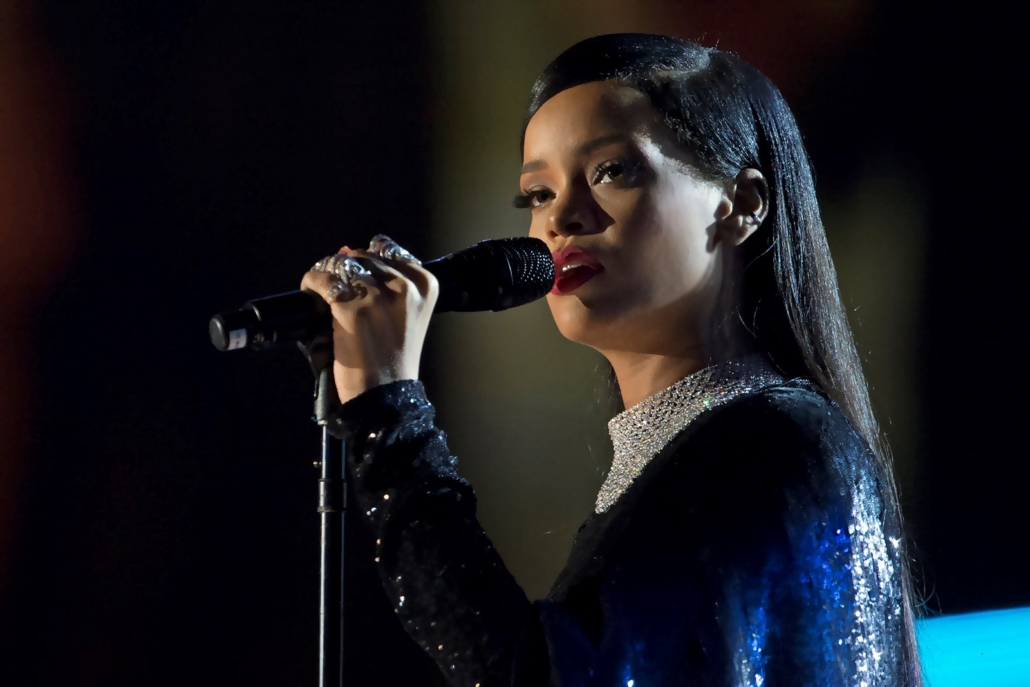
While people may best know Rihanna for her music, she has also used her fame and influence to become a powerful force for global change. In 2012, she launched the Clara Lionel Foundation. This philanthropic organization works to strengthen vulnerable communities in Africa and the Caribbean. Here are a few ways the Clara Lionel Foundation (CLF) has fought against global poverty.

Emergency Response

Every year, natural disasters around affect over 200 million people worldwide and push 26 million into poverty. In the wake of a natural disaster, donors and organizations often rush to provide support and resources to impacted areas. However, after donors eventually lose interest, these regions are left helpless; furthermore, numerous organizations trying to help can become ineffective if they do not communicate with each other.

The Clara Lionel Foundation’s climate resilience and emergency preparedness plan proactively helps vulnerable communities prepare for environmental disasters. Rather than focusing on reactionary rebuilding, they can get ahead of future problems. In 2018, the organization worked to strengthen existing infrastructure in the Caribbean to withstand future disasters and eliminate the need for extensive rebuilding.

The Foundation recognized that women’s health centers often go unincluded in typical emergency response assistance initiatives. Therefore, it partnered with the International Planned Parenthood Federation and Engineers Without Borders to improve access to reproductive health clinics in vulnerable Caribbean areas.

Additionally, the CLF issued a $25 million grant for emergency equipment at the beginning of the 2018 hurricane season. This money helped ensure that relief organizations could distribute these supplies whenever necessary. The aim of this proactive emergency response model is to turn the Caribbean into the world’s first climate-resilient zone, a strategy that could eventually scale up and adapt to protect other vulnerable communities around the world.

Global Education

The Clara Lionel Foundation has worked since 2016 to provide access to education for vulnerable children in the Caribbean and Sub-Saharan Africa, focusing on Malawi, Barbados and Senegal. CLF partners with the Campaign for Female Education in Malawi to support girls’ secondary education. They provide financial assistance and transportation. CLF also provided paid internships for secondary school graduates to become trained HIV testers. This initiative created employment opportunities and helped to address a prominent health crisis. In Senegal, CLF invests in repairing and constructing classrooms for children who lack a safe place of education.

In 2016, Rihanna and the CLF joined the Global Partnership for Education (GPE) to advocate the importance of accessible education. As the GPE Global Ambassador, Rihanna visited impoverished schools in Malawi and encouraged world leaders to increase support for global education initiatives.

COVID-19

As communities worldwide face the devastating effects of the COVID-19 pandemic, the Clara Lionel Foundation has stepped in to help. The foundation donated $6.2 million in partnership with Jack Dorsey and the Shawn Carter Foundation to help marginalized communities in the U.S., Africa and the Caribbean fight COVID-19. This funding fueled frontline organizations such as Direct Relief, Partners in Health, the International Rescue Committee and the WHO’s COVID-19 Response Fund. CLF’s donation allowed for increased testing capacity, more personal protective equipment and the development of medical facilities equipped to handle the virus.

Through the Clara Lionel Foundation, Rihanna uses her fame to be an advocate, ally and role model in the fight against global poverty. Her actions have transformed the lives of many vulnerable people throughout the world. Rihanna and CLF will continue to have a wide impact as others hopefully adopt her philanthropic spirit.

– Allie Beutel
Photo: Flickr

September 28, 2020
https://borgenproject.org/wp-content/uploads/borgen-project-logo.svg 0 0 Kim Thelwell https://borgenproject.org/wp-content/uploads/borgen-project-logo.svg Kim Thelwell2020-09-28 07:30:222020-09-26 20:24:34Rihanna’s Clara Lionel Foundation
Advocacy, Global Poverty, Women's Rights

Eliminating Gender-Based Violence in Zimbabwe

Gender-Based Violence in Zimbabwe
Gender-based violence continues to threaten the safety of millions of girls and women around the world while infringing upon their most basic human rights. According to the World Bank, gender-based violence affects one in every three women globally. Zimbabwe in particular is still struggling to combat this issue, but is working to find solutions. Though gender-based violence in Zimbabwe remains a major societal issue, organizations like the Musasa Project are providing hope for a safer future.

Consequences of Gender-Based Violence

Beyond its negative effects on survivors, gender-based violence is also damaging to economic and social structures as a whole. According to the World Bank, gender-based violence results in a loss of about 3.7% of a country’s total GDP. Failure to address issues impacting the well-being of women has also been proven to contribute to poverty. Poverty cannot be alleviated without the protection of and equality for women and girls around the world.

Gender-Based Violence in Zimbabwe

In Zimbabwe, gender-based violence is especially prevalent. Nearly 50% of the country’s women have experienced either physical or sexual violence at some point in their lifetime. Meanwhile, one in three of these women have experienced physical or sexual violence before the age of 18.

Gender-based violence in Zimbabwe is so common that it is steadily becoming a normalized part of Zimbabwean culture; 48.6% of women between the ages of 15-24 years believe that “wife-beating” can be “justified under at least one condition.”

The Musasa Project

Hoping to educate Zimbabwean women about the injustices and abnormalities of gender-based discrimination, Sheelagh Stewart and Jill Taylor Musasa created the Musasa Project. Founded in 1988, this Zimbabwe-based NGO offers a wide range of support and relief services to survivors of gender-based violence. The organization also seeks to eliminate violence against Zimbabwean women by changing regressive laws, beliefs and practices perpetuating gender-based violence.

The Musasa Project offers valuable resources to about 3,000 Zimbabwean women every year including counseling services, legal aid, temporary safe shelters, medical assistance, educational programs and support through a toll-free helpline.

The Musasa Project’s most extensive work is its counseling services, which serve a high volume of emotional and physical abuse survivors every year. Many women also depend on the Musasa Project’s legal aid services and 24-hour telephone support line. In just three years, the Musasa Project attended to the cases of more than 14,000 women.

A Better Future

The organization is currently working towards expanding its educational resources to a broader population and offering programs designed specifically for those convicted of sexual assault and domestic violence. In doing so, the Musasa Project ultimately aims to reduce gender-based violence in Zimbabwe through awareness and education.

Though the Musasa Project only operates in four regional offices in the cities of Masvingo, Harare, Gweru and Bulawayo, its resources and services are making significant strides in reducing gender-based violence across the whole of Zimbabwe. Acknowledging that one of the most meaningful ways to create change is through law and policy-making, the project works closely with the Zimbabwean government to enforce laws pertaining to gender-based and domestic violence.

The Musasa Project’s plethora of resources for victims, perpetrators and the general public raises awareness about the injustices of gender-based violence and gains support for the eradication of this issue. This project and its multifaceted approach to protecting women and girls provides hope that gender-based violence in Zimbabwe will eventually vanish.

– Stacy Moses
Photo: Flickr

September 26, 2020
https://borgenproject.org/wp-content/uploads/borgen-project-logo.svg 0 0 Kim Thelwell https://borgenproject.org/wp-content/uploads/borgen-project-logo.svg Kim Thelwell2020-09-26 01:30:052020-09-25 06:00:59Eliminating Gender-Based Violence in Zimbabwe
Advocacy, Development, Global Poverty

3 Organizations Combating Sweatshop Labor

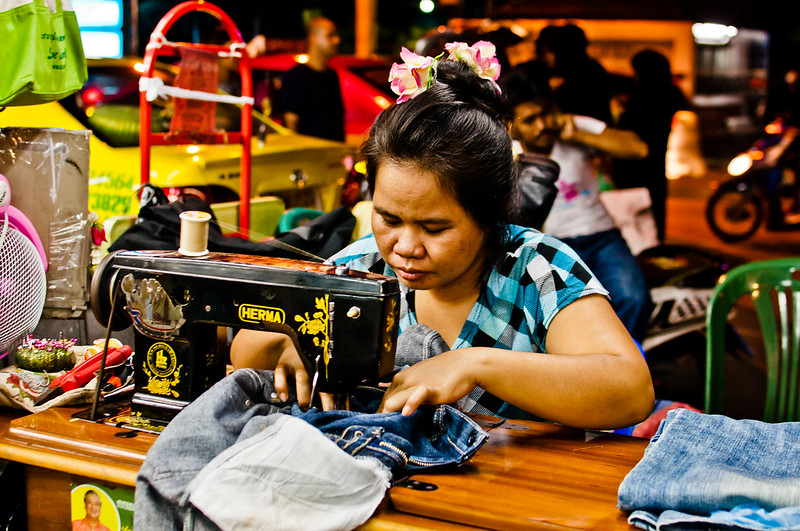
Combating Sweatshop LaborThe fashion industry is built upon the exploitation of cheap labor from developing countries. As a result of latent consumerism and a desire to mass-produce clothing for wide consumption, the fashion industry continually employs outside labor to make clothing that is designed to fall apart so consumers keep buying more. These companies often have no regard for the treatment of their workers. A common misconception about sweatshop labor is the idea that it can alleviate poverty. In reality, it perpetuates existing cycles of poverty by only giving workers enough money for food and lacking a long-term solution for eradicating poverty. Many workers in countries like Bangladesh or Cambodia earn less than one dollar per day and struggle to pay bills, despite working more than 40 hours a week. While more brands have committed to moving away from fast fashion practices in recent decades by opening up about where their garments are made, many companies are still using sweatshop labor to make clothing because of its cheap price. According to Camille Segre-Lawrence, “unhealthy and unsafe working environments are paired with low or unlivable wages and child labor….large corporations cover their stories up.” Lawrence is a Textile Development major at the Fashion Institute of Technology and advocates for sustainable clothing production that does not contribute to fast fashion. Around 168 million children under the age of 18 are forced to work in sweatshops. However, three organizations are working on combating sweatshop labor.

National Labor Committee

The National Labor Committee is an organization committed to educating consumers about the horrors of the fashion industry by posting articles on its website. It also provides resources to help consumers trace where popular brands manufacture their garments. As mentioned previously, the enhanced scrutiny by consumers has forced various brands to disclose where and how their garments are being made, leading to increased transparency of their business practices. “The fashion industry needs to recognize that it’s up to corporations to fix these issues,” says Lawrence. The National Labor Committee is doing just that by highlighting the human rights issue of sweatshop labor through articles.

Fair Labor Association

The Fair Labor Association (FLA) seeks to end sweatshop labor on a similar scale by holding companies accountable for the manufacturing of their products through educational resources. However, this organization is unique in that it partners with universities and companies across the country to train workers and encourage schools to buy ethically made products. Many schools like Princeton and Arizona State University are FLA partners, and the FLA’s reach has only expanded since starting in 1999. Organizations like the FLA have increased awareness of the fast fashion industry, leading to a rise in sustainable fashion. Furthermore, many students across the country have started to campaign for ethically made apparel and furniture for their universities.

United Students Against Sweatshops

Also focusing on the trend of outreach, this organization—also known as SAS—encourages students across the US to take action to end sweatshop labor by creating clubs on their campuses. United Students Against Sweatshops partners with the WRC to ensure that suppliers are meeting regulations and using transparency in their manufacturing processes. Over 250 schools across the U.S. and Canada have SAS branches on campus, which further spreads this company’s reach.


The common trend of these organizations combating sweatshop labor is their national scale and specific focus on the biggest consumers of fashion goods: young adults and college students. By spreading awareness about the hazards of sweatshop labor against the trend of increasing outsourced labor, consumers are becoming more informed of how their spending habits can exacerbate poverty and abuse in developing countries throughout Asia and Africa. These organizations are paving the way for developed countries like the US to end sweatshop labor by exposing the harmful conditions endured by sweatshop workers. Encouraging universities and companies to negotiate with large corporations to improve working conditions is a major step in the right direction towards eliminating fast fashion and alleviating global poverty.

– Xenia Gonikberg
Photo: Flickr

September 22, 2020
https://borgenproject.org/wp-content/uploads/borgen-project-logo.svg 0 0 Kim Thelwell https://borgenproject.org/wp-content/uploads/borgen-project-logo.svg Kim Thelwell2020-09-22 18:00:282020-09-23 06:27:153 Organizations Combating Sweatshop Labor
Page 21 of 77«‹1920212223›»

Get Smarter

  • Global Poverty 101
  • Global Poverty… The Good News
  • Global Poverty & U.S. Jobs
  • Global Poverty and National Security
  • Innovative Solutions to Poverty
  • Global Poverty & Aid FAQ’s
Search Search

Take Action

  • Call Congress
  • Email Congress
  • Donate
  • 30 Ways to Help
  • Volunteer Ops
  • Internships
  • Courses & Certificates
  • The Podcast
Borgen Project

“The Borgen Project is an incredible nonprofit organization that is addressing poverty and hunger and working towards ending them.”

-The Huffington Post

Inside The Borgen Project

  • Contact
  • About
  • Financials
  • President
  • Board of Directors
  • Board of Advisors

International Links

  • UK Email Parliament
  • UK Donate
  • Canada Email Parliament

Get Smarter

  • Global Poverty 101
  • Global Poverty… The Good News
  • Global Poverty & U.S. Jobs
  • Global Poverty and National Security
  • Innovative Solutions to Poverty
  • Global Poverty & Aid FAQ’s

Ways to Help

  • Call Congress
  • Email Congress
  • Donate
  • 30 Ways to Help
  • Volunteer Ops
  • Internships
  • Courses & Certificates
  • The Podcast
Scroll to top Scroll to top Scroll to top