• Link to X
  • Link to Facebook
  • Link to Instagram
  • Link to TikTok
  • Link to Youtube
  • About
    • About Us
      • President
      • Board of Directors
      • Board of Advisors
      • Financials
      • Our Methodology
      • Success Tracker
      • Contact
  • Act Now
    • 30 Ways to Help
      • Email Congress
      • Call Congress
      • Volunteer
      • Courses & Certificates
      • Be a Donor
    • Internships
      • In-Office Internships
      • Remote Internships
    • Legislation
      • Politics 101
  • The Blog
  • The Podcast
  • Magazine
  • Donate
  • Click to open the search input field Click to open the search input field Search
  • Menu Menu

Archive for category: Global Health

COVID-19, Global Health, Global Poverty

Self-Testing for HIV/AIDS In The Dominican Republic

HIV/AIDS in The Dominican Republic
HIV/AIDS in the Dominican Republic is on the agenda of the Pan American Health Organization (PAHO) and HIV/AIDS has been the focus of the Plan of Action for the Prevention and Control of HIV and Sexually Transmitted Infections 2016-2021. The goal of the plan is to end HIV/AIDS in many regions of the Americas, including the Dominican Republic, by 2030.

From 2010 to 2019, HIV cases have reduced to 13 a year and the number of deaths has gone down by 4,000 over the years. Female sex workers are a portion of the population the epidemic affects; they accounted for 37% of new infections in 2019. Less than 30% of individuals do not know they have an infection and about one-third receive a late diagnosis. Over 200,000 were getting antiretroviral treatment in 2019.

HIV Diagnosis Decline

HIV/AIDS in the Dominican Republic has seen an advancement in health through more testing and the option of antiretroviral treatments. The options of PrEP, pre-exposure prophylaxis, and PEP, post-exposure prophylaxis, have contributed to the decline of infections. The COVID-19 pandemic has put a dent in the success of the decline of HIV/AIDS.

The pandemic is changing the social landscape and interaction of people through social distancing measures. Access to medical personnel has also experienced strain because of rising and new COVID-19 infections. When comparing 2019 to the current pandemic, the diagnosis of HIV has reduced by the thousands in the Dominican Republic. According to PAHO, “Self-testing is a key strategy for reaching the U.N. goal of having 90% of people with HIV know their status.”

PrEP and PEP

PrEP and PEP are two types of antiretroviral treatments that people can use to prevent HIV transmission. Individuals can take the antiretroviral treatment PrEP before HIV infection and it is available through two brands. Meanwhile, one can take PEP after an HIV infection and must take more than one medication. The CDC suggests that individuals consult with a doctor for more information. While both treatments are important, PEP offers more because sexual assault victims can use PEP or those who had a workplace accident. Advisories state that one should take PEP within three days of a dire situation and complete treatment within a month. Both treatments are highly effective with PrEP reducing HIV transmission from sex by 90% and PEP reducing risk by 80%.

HIV Self-Testing Market

The HIV self-testing market looks promising on a global scale especially with  HIV/AIDS in the Dominican Republic. Globally, there is a necessity and high demand for rapid diagnosis of HIV in many regions including Latin America. Self-testing is a better alternative because one can do it privately and it is less risky because it will prevent exposure to the COVID-19 pandemic. The self-testing market will grow more between 2020 and 2025. Self-testing will experience a great impact through government investments in healthcare worldwide. The HIV self-testing kit collects samples through blood, saliva and urine. In HIV testing, blood samples provide the most accurate read. According to MarketWatch, “The self-testing market in Latin America is anticipated to reach a value of 51.24 million USD in the year 2025.”

The COVID-19 pandemic has undoubtedly impacted the fight against HIV/AIDS in the Dominican Republic. However, despite HIV/AIDS’ prevalence, antiretroviral treatments and opportunities to self-test should result in improvements.

– Amanda Ortiz
Photo: Flickr

March 10, 2021
https://borgenproject.org/wp-content/uploads/borgen-project-logo.svg 0 0 Yuki https://borgenproject.org/wp-content/uploads/borgen-project-logo.svg Yuki2021-03-10 07:30:332021-03-12 05:19:46Self-Testing for HIV/AIDS In The Dominican Republic
Global Health, Global Poverty

Organizations Leading the Way to Support Albania

Way to Support Albania
Since the beginning of COVID-19, the unemployment rate in Albania increased from 12.33% to 12.81%. As thousands of Albanian people have entered poverty, UNICEF Albania and other humanitarian organizations are leading the way to support Albania during these trying times.

United Nations Development Programme (UNDP)

The United Nations Development Programme (UNDP) Albania started its COVID-19 response on March 9, 2020, by helping the Regional Local Democracy Programme (ReLOaD). The ReLOaD program helps update projects that deliver hygiene packages to vulnerable households. It also supports Albanian farmers with seeds and Albanian children with online learning materials. Support has reached 11 areas from Tirana to Lezhë, Albania. The UNDP even created an International Romani Day campaign where approximately 1,150 Albanian households received food and hygiene packages in April 2020.

UNICEF Albania

The United Nations International Children’s Emergency Fund (UNICEF) Albania works to protect child rights with government and organization partners. Through programs supporting social and child protection, education and early childhood development, UNICEF Albania has three priorities: respecting child rights while implementing social inclusion through maintaining family access to the Albanian justice system, reforming the social care system and keeping children in school with NGO support.

In April 2020 and amid the COVID-19 pandemic, UNICEF Albania supported a child protection organization statement about how thousands of children can receive protection from violence. This can occur through phone helplines, temporary shelters and professional workforces in Albania. In response to the call to action, child protection helplines underwent initiation in June 2020 through UNICEF and The Alliance for Child Protection in Humanitarian Action (CPIHA) support.

Educational Support in Albania

World Vision Albania and Kosovo Education and Youth Technical Advisor Brisida Jahaj told The Borgen Project that, “There was a huge challenge with families in poorer households.” This is because the families do not have the IT equipment or the internet for children to continue their education in Albania. The Ministry of Education in Albania found that 10,000 children lost educational resources over COVID-19.

Regarding education, UNICEF Albania has partnered and supported the Akademi.al online learning platform since 2019. Plans intend to implement it online and on television for all students by 2021. Funding from UNICEF and support from the Ministry of Education in Albania gave Akademi.al the opportunity to put approximately 1,100 lessons online for students taking Matura exams in Albania. Jahaj describes the platform as a “backup plan that if we go into the third level scenario,” wherein Albanian schools shut down in 2021.

In August 2020, UNICEF Albania worked to combat poverty due to COVID-19 by initiating its first Albanian cash transfer program to approximately 1,700 vulnerable families in Shkodër, Korçë and Durrës, Albania.

UNICEF Albania and the World Health Organization (WHO) also established an online training program to teach professionals about Mental Health and Psychosocial Support (MHPSS) and how to implement support to vulnerable populations during emergencies from May to July 2020. The eight module training course helps professionals master how to support mental health and psychosocial issues during emergencies. Approximately 230 frontline professionals obtained certification by September 2020.

Red Cross and World Vision

Albania experienced a series of earthquakes on November 26, 2019, which impacted approximately 200,000 Albanians. The Albania Red Cross responded to the earthquakes by sending 160 volunteers and providing 4,500 shelter relief packages to families who lost homes. The Albanian Red Cross received a 2020 Coca-Cola Company $100,000 grant in the wake of the pandemic to give community food aid and medical equipment to Albanian hospitals.

The Qatar Red Crescent Society partnered with the Albanian Red Cross to provide food package relief to 700 vulnerable families as a way to support Albania. Following the initial response, the Albanian Red Cross collaborated with Better Shelter. A total of 52 Better Shelters underwent construction in Durrës, Krujë, Laç, Shijak and Tirana, Albania, while home reconstruction continues through 2021.

World Vision Albania also helped with the earthquake response in Durrës, Lezhë, Kamëz and Kurbin, Albania by giving food and hygiene aid to 1,019 families and materials to help 27 families with home reconstruction. Jahaj told The Borgen Project that food and hygiene aid will continue in 2021 as World Vision and other humanitarian organizations including Save the Children and UNICEF provide “a lot of the masks and hand sanitizers for the schools” in Albania.

Where is Albania Now?

As of 2021, several humanitarian organizations are working to protect children and vulnerable individuals from the impact of the Albanian earthquakes and COVID-19 on the ground and online. Jahaj explained how World Vision Albania utilizes the Building Secure Livelihoods economic development program to help alleviate poverty while helping parents provide for their children from 2019 until 2023.

On all fronts, UNICEF, World Vision, Save the Children and the Albanian Red Cross responded to Albanian communities. By providing everything from medical care, earthquake shelter, child protection and online learning directly to families, these organizations have found a way to support Albania. As of January 2021, humanitarian organizations continue to work on home reconstruction, mental health support and flood response. Furthermore, Albania acquired 500,000 COVID-19 vaccines to distribute in 2021.

– Evan Winslow
Photo: Flickr

March 9, 2021
https://borgenproject.org/wp-content/uploads/borgen-project-logo.svg 0 0 Jennifer Philipp https://borgenproject.org/wp-content/uploads/borgen-project-logo.svg Jennifer Philipp2021-03-09 11:08:012024-05-30 07:56:34Organizations Leading the Way to Support Albania
Advocacy, Aid Effectiveness & Reform, COVID-19, Global Health, Global Poverty, Nonprofit Organizations and NGOs

How an NGO is Eliminating Childhood Poverty

Eliminating Childhood Poverty
Compassion International is a child-advocacy ministry that pairs people with children living in areas of extreme poverty in order to release those children from all of poverty’s aspects. What makes the organization so unique is its strict focus on children, with the hopes of eliminating poverty in their lives by the time they reach adulthood. Its impact has been massive with a high success rate: children in its programs are 75% more likely to become leaders in their communities and 40% more likely to finish secondary education. Moreover, they are more likely to spend thousands of hours in safe programs. The organization that is garnering recent attention from professional athletes has been working toward eliminating childhood poverty for years.

How Compassion International Began

Rev. Everett Swanson founded Compassion International. He was troubled by the masses of war orphans he saw living on the streets in South Korea. Another morning, Rev. Swanson saw city workers throwing rags into the backs of trucks, which turned out to be the frozen bodies of the orphans on the street. When Rev. Swanson returned to the United States, he told people of what he saw and encouraged them to donate so they could sponsor the orphans and work toward eliminating childhood poverty. Within 10 years, Compassion International helped 108 orphanages and homes in South Korea by donating funds to purchase rice and fuel.

Compassion International’s Mission

The nonprofit uses a ministry-based program in order to release children from poverty. This includes helping with child development, which the organization believes will provide the children with the skills to succeed. Compassion International’s programs begin as early as when the child is in the womb, aiming to eradicate poverty from their lives by young adulthood. Primarily, the work it does is through child sponsorship, but it has implemented initiatives that help babies and mothers in order to develop future leaders and meet critical needs as well.

The Fill the Stadium Initiative

Compassion International works with thousands of churches in 25 countries across the globe. One initiative it is running in the United States currently is the Fill the Stadium initiative. Due to COVID-19, 70,000 children and their families who are in Compassion Programs are in extreme poverty. Athletes such as Nick Foles, Kirk Cousins, Case Keenum and Jaccob Slavin have donated and joined the leadership team, encouraging fans to donate if able. The recommended donation amount is $500, around the same price as a game-day experience for a group of four. About $500 provides a year’s worth of essential food, nutritional supplements, hygiene essentials and medical screenings for COVID-19 for a family and their children. So far, the Fill the Stadium Initiative has “filled” 47,587 seats to provide essential care and support for these families in crisis, raising $23 million from athletes and national leaders. Due to COVID-19, a halt to in-person sporting events has occurred. The hope is that the money a family would spend on a game would go toward those in need instead.

Former Quarterback for the Arizona Cardinals and team member for the initiative, Carson Palmer pledged to donate $300,000 and challenged others to match his donation. “This is an incredible opportunity for American families to help children who are in dire straits and truly fighting for their lives,” said Palmer in an interview with Fill the Stadium.

A Look into Compassion International’s Impact

In 2020, Compassion International surpassed $1 billion for the first time in the history of the ministry. That year alone, Compassion International served 2.2 million children across 8,000 frontline partners. Since 1952, the sponsorship programs have impacted the lives of over 4.2 million children.

Because of the work of Compassion International, partners across the world have obtained access to hygiene kits, lifesaving surgeries, academic scholarships, classes, bathrooms, emergency food and water, electricity and countless other life-saving services. The organization will continue to strive toward eliminating childhood poverty, and especially aiding children the pandemic has hit hard.

– Jai Phillips
Photo: Flickr

March 8, 2021
https://borgenproject.org/wp-content/uploads/borgen-project-logo.svg 0 0 Jennifer Philipp https://borgenproject.org/wp-content/uploads/borgen-project-logo.svg Jennifer Philipp2021-03-08 13:18:242021-03-31 13:18:36How an NGO is Eliminating Childhood Poverty
Global Health, Global Poverty, Poverty

Tackling Elderly Poverty in Colombia

Elderly Poverty in Colombia
Many often ignore the marginalization of the elderly in benighted areas of the world in favor of other more current events. This is a phenomenon affecting almost every developing nation. The increase in life expectancy around the world does not necessarily mean that people are living better quality lives, especially in countries without sufficient resources to care for their elderly population. Below is some information about elderly poverty in Colombia.

The Current Situation

Colombia is a country of roughly 50 million people and a growing elderly population. However, it only has 80 geriatric centers to attend to its senior demographic. Furthermore, only 28% of the total senior population in Colombia can access a center specializing in their medical needs. According to the Medical Department of La Sabana University, the remaining 72% of elders cannot access proper medical attention or a trained caregiver. Most of this demographic inhabits isolated rural areas where access to specialized centers is quite distant. Elderly poverty is an underlying issue in Colombia, and very few organizations have committed themselves to the improvement of this situation.

Impact on Income

Poverty not only impacts Colombia’s senior population medically but also financially. In fact, around 59% of people over 60 rely solely on the pension system and have no stable income source. The elderly poverty rate in Colombia has reached the second-highest in the region, behind Paraguay, almost doubling the Latin American average. Currently, it is the nation with the third-largest elderly population without an income. Furthermore, social and familial networks are not strong enough to care for their elderly, as the aging citizenry becomes a burden for their families and immediate circle. Because only 4% of citizens over 60 years old have a pension and their own source of income, most of them rely on their descendants to care for them. However, given that 9.8% of seniors live by themselves, some do not have familial ties that support them.

Even though the alarming data on elderly poverty is bleak, it informs governments on where to address the issue. They must attempt to invigorate the quality of senior life and provide easy access to pensions. In addition, the government must work to strengthen the geriatric medical sector’s training and outreach. When trying to solve this structural issue, families and communities must also enter into consideration. They are essential to providing elderly support, ultimately decreasing the chance that anyone over 60 feels burdensome

Colombia’s Actions

Colombia is following the example of Spain and Mexico in including its aging population in socio-economic life. It has employed and trained seniors to perform tasks and activities in sectors such as tourism, culture and entertainment, granting them a stable income and bettering living standards. Additionally, it is also increasing seniors’ quality of life as they stop feeling obsolete. Responsible government spending regarding the elderly and the civilian population’s inclusivity towards its aging citizens must accompany this “longevity revolution.” For example, Bogotá City Council created the Municipal Elderly Council back in 2015, a community-based organization focused on advising the Mayor’s office matters impacting seniors. The council represents the elderly; it has been a successful platform in promoting dialogue and advocacy for senior civil society.

Foundational Efforts to Combat Elderly Poverty Issues

Currently, two prominent organizations working to diminish elderly poverty in Colombia are the British NGO HelpAge and the Spanish Agency for International Development Cooperation (AECID). They are joining efforts to provide the elderly living in rural areas with humanitarian aid and psychosocial help from gerontology professionals. Both organizations have a commitment to working on-site in Colombia, in regions like Nariño and Valle, where armed conflict displaced over 400 seniors. HelpAge and AECID also provide legal aid to elders seeking to be indemnified because of their displacement.

Both foundations work hand-in-hand with Paz y Bien (Peace & Righteousness), a Colombian NGO in charge of aiding displaced elderly populations in precarious situations. Together, they discovered that householder mothers were willing to earn extra income by taking care of their communities’ elderly. Thus the foundations provided women proper training to care for seniors, not only to grant them basic medical attention but also to keep them company in a new community. This model benefits both parties, as they are able to form new societal ties. So far, this joint project has yielded excellent results over the last six years.

Many often ignore elderly poverty in Colombia to prioritize other issues, such as ending the six-year ongoing armed conflict. With the pension system’s flaws, it is crucial for civil society to keep taking action. With efforts to attend to elderly poverty in Colombia, the future is promising, as emerging projects create a more dignified life for seniors.

– Araí Yegros
Photo: Flickr

March 3, 2021
https://borgenproject.org/wp-content/uploads/borgen-project-logo.svg 0 0 Jennifer Philipp https://borgenproject.org/wp-content/uploads/borgen-project-logo.svg Jennifer Philipp2021-03-03 07:30:032024-05-30 07:56:35Tackling Elderly Poverty in Colombia
COVID-19, Global Health, Global Poverty

All-Girls Afghan Robotics Team Fights COVID-19

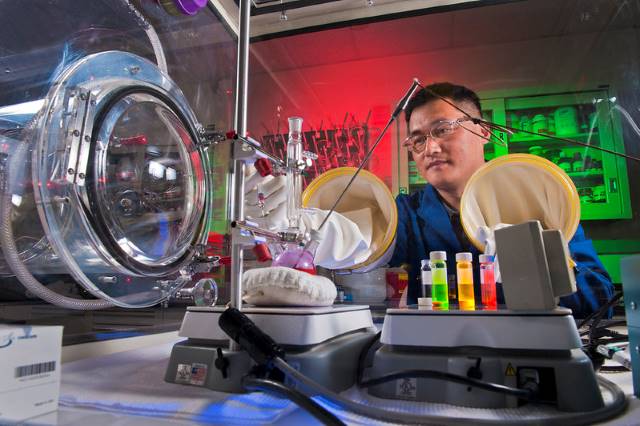
all-girls Afghan roboticsAs the COVID-19 pandemic continues to stretch across the globe, all areas of the world have been impacted in various capacities and have been approaching the virus in numerous ways. With growing numbers and many hospitals at full capacity, innovation and new technology become a much-needed crutch. In early March of 2020, the virus began to spread in Afghanistan and the cases steadily increased to almost 1,000 new cases in early June. As of December 2020, Afghanistan had more than 50,000 confirmed cases. Though the World Health Organization (WHO) had been providing personal protective equipment to Afghanistan since February 2020, there was still a strain on doctors and nurses who lacked sufficient resources to treat patients. An all-girls Afghan robotics team aims to reduce the strain on the healthcare system with a ventilator prototype.
The Afghan Dreamers

In June 2020, the demand for oxygen was higher than the supply and many doctors and hospitals expressed concerns about both costs and scarcity. An all-girls Afghan robotics team saw the severity of this issue and took action to attempt to combat this shortage and fight against COVID-19.

The “Afghan Dreamers” are a robotics team from Afghanistan comprised of all girls between the ages of 14 and 17. The group has reached impressive heights including winning a silver medal in 2017 for “courageous achievement” in an international robotics competition called the FIRST Global Robotics Competition in Washington D.C. In light of the pandemic and increasing ventilator prices, the Afghan Dreamers decided to utilize their skills to design effective and more low-cost ventilators to combat the lack of affordable oxygen in Afghanistan.

Ventilator Prototype

One prototype they produced was based on a model from the Massachusetts Institute of Technology (MIT) and another utilized car parts. The gear-based model based on designs from MIT is low-tech, meaning that it can be duplicated from machine parts that are more easily sourced and widely available. The team’s ventilator designs are estimated to cost around 200 to 300 dollars, which is a 99% decrease from the original cost of $30,000. If the prototype does get approved, the ventilators will be used for emergency cases when there are no alternatives.

Car Parts for Ventilator Model

The Afghan Dreamers faced many obstacles during the course of the building process. While in the middle of a pandemic, the girls were also fasting during the month of Ramadan. In addition, they also had to look for
ways to source materials efficiently and effectively, which led them to look at car parts as Toyota Corollas are a common car driven in Afghanistan. Despite these potential barriers, the all-girls Afghan robotics team was determined to continue researching and problem-solving all while trying to keep themselves safe and healthy.

The Afghan Dreamers: Breaking Barriers

In Afghanistan, as many as 85% of girls do not receive a proper education. Due to many cultural barriers and stigmas, girls typically do not engage in endeavors as ambitious as the Afghan Dreamers. The all-girls Afghan robotics team has changed the narrative for many girls and hope to continue to help others and achieve more in the future. While the COVID-19 pandemic crippled many across the world, it certainly served as a large source of motivation and inspiration for the Afghan Dreamers.

– Grace Wang
Photo: Flickr

February 16, 2021
https://borgenproject.org/wp-content/uploads/borgen-project-logo.svg 0 0 Lynsey Alexander https://borgenproject.org/wp-content/uploads/borgen-project-logo.svg Lynsey Alexander2021-02-16 01:30:432021-02-14 23:31:48All-Girls Afghan Robotics Team Fights COVID-19
Clean Water Access, Global Health, Global Poverty, Poverty Reduction, Technology

3 Ways Nanotechnology is Alleviating Poverty

Nanotechnology is Alleviating PovertyIn its most basic sense, the concepts behind nanotechnology were formulated by acclaimed physicist Richard Feynman in 1959. Over the past four decades, nanotechnology has made significant advancements and research is expanding as costs are falling. Because of these innovations, nanotechnology is alleviating poverty worldwide.

Using Nanosensors for Water Management in Agriculture

Whether mechanical or chemical, nanosensors use tools to detect minor changes in chemical composition and relay information to change the dynamics of whatever they are monitoring. Nanosensors use artificial intelligence and computing to make adjustments as soon as any predicaments arise. Because of their sensitivity and small scale, nanosensors can detect problems well before other outdated instruments.

In a study for sustainable agriculture, the Organisation for Economic Co-operation and Development (OECD) asserts nanotechnology is alleviating poverty issues such as food insecurity. The OECD study concluded that nanosensors effectively detect changes in moisture across fields of crops. They then automatically adjust the disbursement of water and eliminate water waste while preventing crop losses. Farm machines outfitted with nanosensors detect moisture levels in different crops and suggest better-suited areas for specific crops allowing farmers to change planting patterns or change water allocations to other land plots.

Nanofiltration Membranes Provide Clean Drinking Water

Access to clean water is a crisis that many developing countries face. Usually, the first issue dealt with when fighting poverty is economic development so regulations are not often in place to protect against pollution. In some countries, scarcity of clean groundwater becomes problematic too. However, nanotechnology is alleviating poverty in these areas by providing clean drinking water.

Ghana was the center of a study on the effectiveness of nanofiltration membranes conducted by the International Water Association (IWA) and members of the Indian Institute of Science. The IWA chose to test Ghana’s groundwater due to the high level of pollutants present. During the study, it tested the levels of contaminants, bacteria and natural materials that render water non-potable before and after utilizing nanofiltration membranes.

The results of the IWA study were impressive. Not only did the study determine that nanofiltration reduces pollutants to potable levels, but executed efficiently enough, rural areas could produce enough water for more than 100 households. Ultimately, the conclusion was that nanofiltration was a low-cost solution for drinking water access and production in impoverished rural regions worldwide.

Nanotechnology to Fight Infectious Disease

Most original concepts of nanotechnology’s usefulness focused on medical care. The World Health Organization (WHO) has long been fond of utilizing nanotechnology in health care and fighting infectious diseases. The WHO now recognizes that nanotechnology is alleviating poverty in developing nations through scientific medical breakthroughs.

The first need for nanotechnology to address in developing countries is the diagnosis of disease. Nanobiotechnology allows for an inexpensive option to find multiple dangerous microbes using a single test. These technologies have improved over time and are being used in developing nations to detect most viral and bacterial infections, including tuberculosis.

The COVID-19 vaccine development shows the importance of nanotechnology in the prevention of disease too. The Pfizer and Moderna vaccines use a nanocarrier system designed to activate the immune system to fight COVID-19 by assisting antibody production. The distribution of the vaccine to developing nations is now underway.

The Future of Nanotechnology for Poverty Reduction

Nanotechnology is alleviating poverty in developing nations, and with continued scientific inquiry and advancements in nanotechnology, new applications for poverty reduction will improve. Nanotechnology’s cost-effectiveness and versatility make it one of the most viable technologies to assist in the struggle against poverty.

– Zachary Kunze
Photo: Flickr

February 5, 2021
https://borgenproject.org/wp-content/uploads/borgen-project-logo.svg 0 0 Kim Thelwell https://borgenproject.org/wp-content/uploads/borgen-project-logo.svg Kim Thelwell2021-02-05 01:30:192024-05-30 07:56:043 Ways Nanotechnology is Alleviating Poverty
Developing Countries, Global Health, Global Poverty, Health

Healthcare Innovations in Africa

Healthcare Innovations in AfricaAfrica has struggled with healthcare for decades. Low life expectancy due to poor healthcare and high infant mortality rates are some of the healthcare issues that Africa still struggles with. Healthcare innovations in Africa are helping to improve the health and well-being of African people in several ways.
Medical Drones

Doctors in Rwanda are able to order blood or medical supplies via text message and have them delivered to remote areas via drones. The drones facilitate the timely availability of blood supply for medical use in hard to reach areas. Transfusions of blood are critical for situations involving significant blood loss due to hemorrhage during pregnancy or child delivery. Blood transfusions are also necessary for women with severe anemia. This innovation thus reduces maternal mortality rates in Africa.

Pelebox

Pelebox is a smart locker that dispenses medication for patients. When the patient’s medicine is ready for pickup, they receive a text with a code that opens the locker. Before Pelebox, patients would wait hours in line with other sick people to receive their medicine which would further spread diseases. The hope is that this innovation will also lighten the load for medical staff, allowing them more time to focus on critical needs.

KidzAlive Talk Tool App

The KidzAlive Talk Tool app uses games and animated videos to educate children in South Africa about HIV/AIDS and combat stigma at the same time. The stigma of HIV/AIDS prevents people from accessing treatment. The KidzAlive Talk Tool app seeks to end this stigma and educate children to prevent the spread.

Crib A’Glow

The Crib A’Glow is a portable, solar-powered crib that utilizes LED lights to treat jaundice in babies. Roughly 3.3 million babies in sub-Saharan Africa do not receive proper treatment for jaundice, which can lead to hearing loss, cerebral palsy, mental struggles and even death. A whole 600 babies with jaundice have already received treatment with Crib A’Glow.

With the onset of COVID-19, innovations emerged to address the issue of limited healthcare resources in Africa and prevent the spread of COVID-19.

Tippy Tap

The Tippy Tap is a hands-free and water-efficient handwashing station. Making a Tippy Tap is low-cost as it requires only simple materials such as sticks, string, a container for water and soap. The Tippy Tap helps prevent the spread of diseases and is currently helping Africa during the COVID-19 pandemic.

The Respire-19 Portable Ventilator

This portable automatic ventilator was created by a Nigerian engineering student. Ventilators are essential to prevent respiratory-related deaths due to COVID-19. The Respire-19 portable ventilator is an easy way to help combat the shortage of ventilators in Africa.

3D Printed Face Masks

South African innovator, Natalie Raphil, is able to create 100 face masks a day from a 3D printer. These masks are then delivered to major South African hospitals to help prevent the spread of COVID-19. Around half of all COVID-19 cases in Africa come from South Africa so face masks are especially essential for the region.

With the healthcare innovations in Africa, quality of life and life expectancy will improve. Especially during a global health pandemic, access to these healthcare innovations proves critical to protecting the health and well-being of people. Africa’s healthcare system can develop even further with the help of more healthcare innovations.

– Hannah Drzewiecki
Photo: Flickr

January 27, 2021
https://borgenproject.org/wp-content/uploads/borgen-project-logo.svg 0 0 Jennifer Philipp https://borgenproject.org/wp-content/uploads/borgen-project-logo.svg Jennifer Philipp2021-01-27 00:50:462021-01-29 12:58:25Healthcare Innovations in Africa
COVID-19, Foreign Aid, Global Health, Global Poverty

Papua New Guinea Receives Aid for Dual Outbreaks

dual outbreaksThe impact of COVID-19 has resulted in fractured economies and health care systems all around the world. While some countries are trying to recover, others just cannot catch a break. Papua New Guinea is a country that finds itself in a unique and desperate situation. With the onset of COVID-19, the country was also hit with a resurgence of polio. Dual outbreaks are a cause of significant concern for Papua New Guinea. Australia is coming to the aid of its neighbors with a substantial financial assistance plan.

Resurgence of Polio

Papua New Guinea is one of the most poverty-stricken countries in the pacific region. The country was declared officially polio-free 18 years ago, but in 2018, the virus was rediscovered in a 6-year-old child. Shortly after, the virus also emerged in multiple other children from the same general area. Polio is especially harmful to children under 5 years old and can lead to lifelong paralysis.

A few months after the polio outbreak, the Australian Government stepped in and responded by giving $10 million to Papua New Guinea’s polio immunization crusade. A few weeks later, the Global Polio Eradication Initiative (GPEI) received another $6 million, which an additional $15 million dedication followed in November 2018. Rachel Mason Nunn, an experienced social development worker in Papua New Guinea, stated that “We have a window right now to invest heavily in infectious diseases in Papua New Guinea. Australia should continue to invest in health care in Papua New Guinea, if not just because it is the right thing to do, but because helping our region acquire strong health systems is a vital element of Australia’s own health security.” Australia is the largest contributor to the development of Papua New Guineas’ struggling health care system.

COVID-19 in Papua New Guinea

In an extreme case of bad luck, Papua New Guinea experienced two disease outbreaks within two years of each other. In a frantic request for aid, the government reached out to the World Health Organization (WHO) in an effort to take some weight off its already overburdened health care system.  When COVID-19 hit the county, there was a limited number of testing kits available and a shortage of medical staff as well as medical supplies and protective gear. The WHO responded by deploying emergency medical teams and supplying necessary resources to upscale testing in Papua New Guinea.

The Road Ahead

Due to the support of contributors like the WHO and Australia, millions of child polio vaccinations have been administered and a sufficient number of COVID-19 testing kits are available in the country. For a country that is still dealing with diseases like malaria and polio, the people of Papua New Guinea are pushing ahead. This unique situation serves as a global reminder that the prevention and treatment of other diseases should not be neglected during the COVID-19 pandemic and that inter-country support is essential in addressing dual outbreaks.

– Brandon Baham
Photo: Flickr

January 26, 2021
https://borgenproject.org/wp-content/uploads/borgen-project-logo.svg 0 0 Yuki https://borgenproject.org/wp-content/uploads/borgen-project-logo.svg Yuki2021-01-26 00:44:042021-01-27 07:34:20Papua New Guinea Receives Aid for Dual Outbreaks
Aid, Global Health, Global Poverty

A Model Healthcare Alliance in Rural Guatemala


Agribusinesses in Trifinio, Guatemala renovated cattle and pasture lands into crops for exports which dramatically changed the area. The transformation drove approximately 25,000 people into this remote area in the southwest rural region of Guatemala and employed thousands of people who sought an opportunity in this growing business. The University of Colorado created a healthcare alliance to provide quality medical treatments in the now booming community.

Trifinio, Guatemala

Few people know about Trifinio, Guatemala even though it is a major producer for AgroAmerica’s Chiquita bananas. The town is made up of small concrete houses and only a few paved roads. Most homes are single-room units. When it comes to cultural development, the town’s only form of entertainment is a local bar.

This small and highly impoverished community suffers from the reality of poor health care access. With its nearest hospital one hour away in the town of Coatepeque Guatemala, the residents of this area face the challenges of malnutrition, high infant mortality rates, and a range of infectious diseases. More than 46% of children have intestinal parasites, 38.7% of children have anemia and one-third of women are affected by pregnancy complications. The numbers could not say it clearly enough; this community needed help. Fortunately, AgroAmerica teamed up with the University of Colorado to find a solution.

University of Colorado partners with AgroAmerica

In 2011 Fernando and Gustavo Bolaños, brothers and CEOs and COOs of AgroAmerica, became frustrated by the lack of health care access in their community. With Guatemala’s history of little investment in healthcare, they found themselves unable to ask the public sector for help. Gustavo Bolaños himself addressed this issue in an interview where he claimed, “In Guatemala, we have a lot of inequality and poverty, the government hasn’t been able to really cover the basic needs of the population. We as a private company, see all the needs of our people, and the biggest problem we are facing is education and health”. Therefore, rather than going to the government, they turned to the University of Colorado’s Global Health Center.

With an investment of 1 million U.S. dollars, the Bolaños made a healthcare alliance with the Colorado School of Public Health. Their goal was to build a medical center on their banana plantation. Three years later, the Bolaños proudly stood before the new medical facility. It houses a clinic, laboratory and conference space. The Trifinio Center for Human Development serves around 4,500 plantation workers, along with the 24,000 residents of the neighboring villages, and is “staffed by CU doctors, nurses, midwives, students and other health professionals rotating through Guatemala”.

The Last Six Years

Before Trifinio’s Center for Human Development (CHD) a visit to a health professional cost people in this community at least $25 USD. This did not include transportation fees and the loss of a day’s wages. With the medical facility, that cost has dropped to less than $5 USD. Families now have access to health resources without a geographical and economic barrier. The clinic is committed to decreasing neonatal morbidity, childhood mortality and increasing safe delivery practices and childhood growth and development. Along with these medical goals, the center hopes to impact the health education and social realities of its community.

In 2017, the CHD began a youth leadership program run by participating high-school students from the area. This initiative provided an opportunity for future leaders to learn about community organizing and advocacy that could improve human development. The program not just helps the community, but “students selected for this program receive a scholarship to cover their school fees,” promoting access for educational attainment.

Along with the youth program, the center provides sexual health education to neighboring schools in the area. For mothers, it has a maternal and child health program. This provides quality prenatal care and gives families a direct line for medical professionals to track both the mother’s and child’s health.

The center also conducts research to serve the needs of the community and bring new knowledge to the rest of the world. Their Student Health Survey, taken in late June and early July of 2019 “enrolled 1,414 participants from 15 Trifinio middle and high schools” to better understand the health and social realities of these children, and hopefully address the needs that are found.

The Future

In 2013 Stephen Berman, the director of the Center for Global Health at the University of Colorado said, “The solutions we develop through this program may someday be replicated in communities all over the world”. The program has had measurable benefits for its community, which is a good reason for its replication in other regions. Health care accessibility is not an easy system. But we saw major success through the healthcare alliance of a privately run company and a public institution. There are possibilities for new solutions to address the needs of those most vulnerable.

Ana Paola Asturias
Photo: Flickr

December 22, 2020
https://borgenproject.org/wp-content/uploads/borgen-project-logo.svg 0 0 Kim Thelwell https://borgenproject.org/wp-content/uploads/borgen-project-logo.svg Kim Thelwell2020-12-22 13:39:282024-12-13 18:02:16A Model Healthcare Alliance in Rural Guatemala
Advocacy, Developing Countries, Education, Global Health, Global Poverty, Poverty Reduction, Women, Women and Female Empowerment, Women's Empowerment

Why Women are More Likely to Live in Poverty

Women Are More LikelyGlobally, women are faced with the invisible burdens of gender inequality which are entrenched deeply within institutional structures and communities as a whole. These prejudices may limit a woman’s access to higher employment and assistance programs, ultimately leading to higher rates of poverty, especially among women of color. As of 2018, the poverty rate for women was 12.9% compared to the 10.6% rate among men. There are several reasons why women are more likely to live in poverty.

Educational Inequalities

In many developing countries, women are more likely to be denied an education, as nearly 25% of all girls have not completed primary school education and two-thirds of women make up the world’s illiteracy rate. In Somalia, for example, only 7% of girls are enrolled in primary school. The lack of education among women may result in higher pregnancy and poverty rates. According to the United Nations Girls’ Education Initiative, a girl’s education is a driving force in their economic well-being. Somalia suffers from one of the world’s worst educational systems and is one of the poorest countries as well, having a poverty rate of 73%. With education, females can increase their access to higher-paying jobs, and thus, benefit the family’s income., which results in a positive cycle for generations, bettering the economy overall.

Women Are Paid Less

Despite having the same qualifications and working the same hours, women are more likely to get paid less than men. Worldwide, women earn nearly 20% less than men. These variances within wages affect women in low-paying jobs and poorer countries dramatically. Closing the gender wage gap can result in overall equal income distribution. In the United States alone, closing the wage gap would mean that half the poverty rate of working women and their families would be cut.

Period Poverty

Around the world, many females may suffer from period poverty: inadequate access to hygienic menstrual products and menstrual education. The lack of education is related to the stigma periods carry. Periods have been associated with immense shame for a long time and this stigma is carried throughout communities, deeply limiting girls’ opportunities. Globally, periods are the reason why girls are absent from school at a disproportionate rate, as two out of three girls in developing countries are skipping school during their period. In India, 23 million menstruating girls drop out of school annually because of a shortage in hygienic wash facilities and products. Without an education, females are less likely to obtain a high-paying job and escape poverty.

Domestic Violence and Sexual Exploitation

One in three females globally fall victim to some form of domestic or sexual violence in their lifetime. Girls and women who grow up in poverty are also at an increased risk of experiencing such crimes. Victims of domestic or sexual violence can be impacted through the degradation of their physical or mental health, loss of employment or are ultimately driven into homelessness. Globally, females lose out on nearly eight million days of employment every year as a direct result of violent acts committed against them. According to a survey by the U.S. Conference of Mayors, domestic violence was the root cause of women becoming homeless in half of all the cities surveyed.

Pregnancy

Economically, females are potentially burdened with the costs of pregnancy, including the additional fees of caring for a child, more significantly than men. Custodial mothers are twice as likely to be poor compared to custodial fathers. Further, unplanned pregnancies can be detrimental to a woman’s income as being unable to work immediately after giving birth means no pay, especially in the informal working sector. In the developing world, nearly 12 million girls aged 15-19 give birth each year, which often results in the end of the girls’ education and the beginning of child marriage. Children who are born from early pregnancies or marriages more often than not enter the same cycle of poverty and no education.

Organizations for Female Empowerment

Malala Yousafzai started the Malala Fund after members of the Pakistani Taliban shot her for advocating the right for girls to be educated. Since then, Malala has built her project into a global initiative that furthers the goal of providing free quality education to young girls in developing countries.

The Orchid Project is a global initiative to end female genital mutilation (FGM). The Orchid Project functions as a platform that raises awareness of the areas where FGM is most prevalent and advocates against the practice. The Orchid Project has brought together more than 193 countries with the collective goal of abolishing FGC by 2030.

Women for Women is an NGO that works to aid those who are in hostile conflict zones and are the victims of collateral damage. Women for Women helps to uplift these victims of violence by providing them with tools, support and education so that they may earn a living and remain stable through the direst of circumstances. Women for Women has helped more than half a million women in countries that have been directly impacted by war and conflicts.

Empowering Women Means Reducing Global Poverty

Females in developing countries experience complexities that restrict their development and progression. Organizations are helping to raise awareness of these complexities and aid women in need. Since women are more likely to experience inequalities that push them into poverty, empowering women ultimately means alleviating global poverty.

– Maya Falach
Photo: Flickr

December 17, 2020
https://borgenproject.org/wp-content/uploads/borgen-project-logo.svg 0 0 Jennifer Philipp https://borgenproject.org/wp-content/uploads/borgen-project-logo.svg Jennifer Philipp2020-12-17 01:30:312024-05-29 22:43:04Why Women are More Likely to Live in Poverty
Page 13 of 18«‹1112131415›»

Get Smarter

  • Global Poverty 101
  • Global Poverty… The Good News
  • Global Poverty & U.S. Jobs
  • Global Poverty and National Security
  • Innovative Solutions to Poverty
  • Global Poverty & Aid FAQ’s
Search Search

Take Action

  • Call Congress
  • Email Congress
  • Donate
  • 30 Ways to Help
  • Volunteer Ops
  • Internships
  • Courses & Certificates
  • The Podcast
Borgen Project

“The Borgen Project is an incredible nonprofit organization that is addressing poverty and hunger and working towards ending them.”

-The Huffington Post

Inside The Borgen Project

  • Contact
  • About
  • Financials
  • President
  • Board of Directors
  • Board of Advisors

International Links

  • UK Email Parliament
  • UK Donate
  • Canada Email Parliament

Get Smarter

  • Global Poverty 101
  • Global Poverty… The Good News
  • Global Poverty & U.S. Jobs
  • Global Poverty and National Security
  • Innovative Solutions to Poverty
  • Global Poverty & Aid FAQ’s

Ways to Help

  • Call Congress
  • Email Congress
  • Donate
  • 30 Ways to Help
  • Volunteer Ops
  • Internships
  • Courses & Certificates
  • The Podcast
Scroll to top Scroll to top Scroll to top