• Link to X
  • Link to Facebook
  • Link to Instagram
  • Link to TikTok
  • Link to Youtube
  • About
    • About Us
      • President
      • Board of Directors
      • Board of Advisors
      • Financials
      • Our Methodology
      • Success Tracker
      • Contact
  • Act Now
    • 30 Ways to Help
      • Email Congress
      • Call Congress
      • Volunteer
      • Courses & Certificates
      • Be a Donor
    • Internships
      • In-Office Internships
      • Remote Internships
    • Legislation
      • Politics 101
  • The Blog
  • The Podcast
  • Magazine
  • Donate
  • Click to open the search input field Click to open the search input field Search
  • Menu Menu

Archive for category: Global Health

Global Health, Global Poverty

How Foreign Aid Is Addressing Tuberculosis in Tajikistan


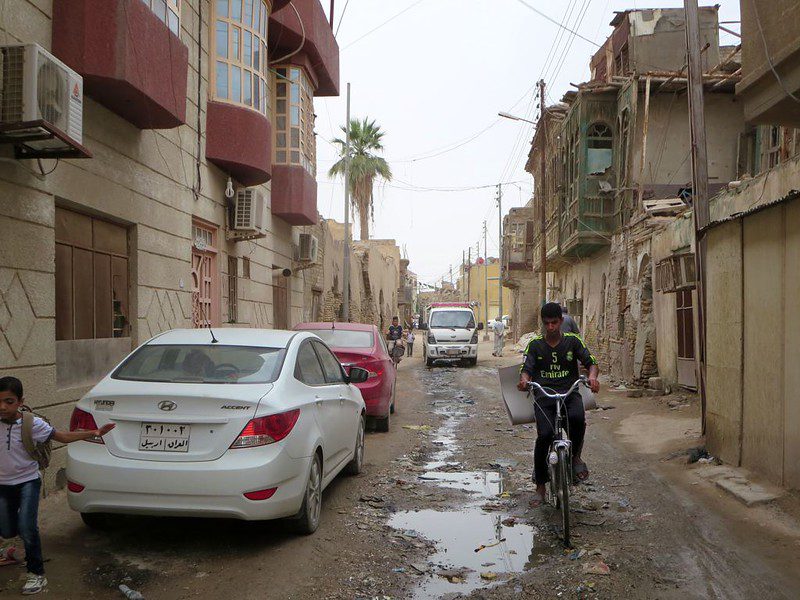
Tuberculosis in TajikistanThe landlocked country of Tajikistan has for years had one of the worst rates of drug-resistant tuberculosis (TB) cases anywhere in the world. Now, foreign aid to Tajikistan is helping to alleviate the country’s health burden.
A History of Tuberculosis Struggle in Tajikistan

Poverty is an influential determinant of TB. Poor living and working conditions directly increase the risk of transmission among people. For decades Tajikistan has had one of the worst rates of infection and TB mortality of any Central Asian country. However, a brief look at these rates offers signs of a promising future.

In 2002, the reported rate of TB per 100,000 people was 219. An encouraging downward trend saw the rate drop to 82 in 2019. This decrease in infection rates could be due to new successful treatments of the disease. By the time of recording in 2019, 91% of cases had been treated successfully, according to The Global Fund. Despite making significant progress in the past two decades, Tajikistan remains ranked 23rd out of the drug-resistant tuberculosis countries throughout the world.

The Front Line

Since 2011, Zufliya Dusmatova has worked for Médecins Sans Frontières (MSF) in Tajikistan as part of a program that focuses on pediatric TB. She knows all too well how hard the battle against the disease is in this part of the world. “Children have different symptoms of TB than adults…the symptoms in children often resemble other diseases and therefore pediatricians might treat children for viruses or diseases, like a cold or bronchitis,” she explained.

A considerable barrier to accurate diagnosis is the expense of CT scans in the region. Without the aid of life-saving equipment stopping the transference and growth of TB within patients can lead to death. Furthermore, the social stigma associated with the disease presents a further challenge to caregivers as those suffering from TB are less likely to seek treatment should it affect employment opportunities or even marriage prospects, MSF reports.

The World Health Organization (WHO) has since consolidated guidelines on drug-resistant TB treatment, doing much to help and identify those suffering from TB in Tajikistan, according to MSF.

Foreign Aid to Tajikistan

Foreign aid to Tajikistan is vital in the fight back against diseases like TB. As a low-income country largely reliant on labor remittances, any economic shock can be disastrous for health care initiatives in Tajikistan. This is why in 2020 state aid to Tajikistan from the U.S. continued to support the fight. The $51.3 million assistance, not including an additional $6.3 million for COVID-19 assistance, is essential in continuing to safeguard Tajikistan’s national health.

Furthermore, in 2021, USAID donated TB detection equipment to Tajikistan’s Ministry of Health. The equipment included smartphones, tablets, video conferencing devices and equipment for climate control.

In addition to U.S. support, the World Bank has agreed to support the new Tajikistan Millati Solim (Health Nation) project with $57.25 million. The project and funding will support improvements in primary health care services throughout the country. As well as to better prepare Tajikistan for any future health care emergencies.

A Brighter Future

The past two decades have seen many successes in Tajikistan’s battle to control TB infection within the country. However, that fight is not over. On March 24, 2023, the UNDP reaffirmed its commitment to eradicating TB in Tajikistan by celebrating World TB Day. The day’s theme of “Yes! We can end TB!” both provides hope for Tajikistan’s future and a reminder of how far the nation has come.

– Thomas Field
Photo: Flickr

February 28, 2024
https://borgenproject.org/wp-content/uploads/borgen-project-logo.svg 0 0 Jennifer Philipp https://borgenproject.org/wp-content/uploads/borgen-project-logo.svg Jennifer Philipp2024-02-28 01:30:572026-04-16 10:06:10How Foreign Aid Is Addressing Tuberculosis in Tajikistan
Global Health

What to Know About Drug Abuse in Iraq

Drug Abuse in IraqIraq is a major political entity in the Middle East region and its proximity to the Tigris and Euphrates rivers has supported a long history of innovating civilizations. However, the aftereffects of war and political turmoil continue to threaten its population of 41 million. From 1979 to 2003, authoritarian president Saddam Hussein presided over the country until a U.S. invasion forced his removal and precipitated the Iraq War. Since then, Iraq has conducted parliamentary elections and made progress toward a transparent democracy.

However, ISIS-related conflicts and a lingering U.S. presence have hindered Iraq’s success and its governmental agencies have been slow to meet its citizens’ needs. Under Hussein, drug trafficking and recreational drug use were illegal, even punishable by death. However, since Hussein’s fall and the Iraq War, anti-drug policies have eased and the country’s economy has continued to struggle.

In 2022, according to Iraq’s Ministry of Planning, 25% of Iraqis lived below the poverty line. Similarly, the U.N. ‘s 2020 World Drug Report evidenced a steady increase in drug trafficking in Iraq since 2003, constituting a veritable crisis. Here’s what to know about drug abuse in Iraq.

High Unemployment Encourages Drug Abuse in Iraq

The U.S. invasion of Iraq in 2003 severely disrupted its local industry. Additionally, the succeeding conflicts of the past 20 years have only further stunted economic development, private sector growth and social security reform. In 2022, Iraq’s Ministry of Planning partnered with the International Labor Organization (ILO) to conduct a labor force survey.

The study reported a national unemployment rate of 16.5% or one unemployed person for every five employed persons. The unemployment rate proved particularly high amongst Iraqi youth, standing at 35.8%. In Basra, a vital port city in Iraq’s southern region, its appellate court found that among arrested drug offenders, roughly 90% were unemployed. As drug officials note, traffickers often target the country’s underprivileged, encouraging addiction and participation in the drug trade.

Crystal Meth Poses the Most Serious Threat

Under Hussein, the Iraqi drug trade existed mostly underground, deterred by harsh penalties and tight border control. However, after the U.S. invasion and Hussein’s deposing in 2003, the Iraqi borders have softened, allowing an influx of drugs from neighboring countries like Iran and Afghanistan.

Since 2017, Afghani drug manufacturers have accelerated the production of methamphetamine, utilizing the ephedra plant that grows naturally on Afghan hillsides. Iraq has proven a valuable market as it battles high unemployment and political instability. Crystal meth accounts for 60% of the Iraqi drug trade and many have sought the drug as an antidote to trauma or job insecurity, hoping to score more hours and better wages.

Widespread Corruption Prevents Anti-Drug Mobilization

Since 2003, anti-crime networks have deteriorated, particularly in Basra, where religious and tribal factions continue to vie for control. Like Iraq’s capital, Baghdad, Basra is at the center of the Iraqi drug problem and its designated anti-drug units are mobilized nightly. However, lack of funding, government corruption and inadequate technology have hindered the units’ efficacy.

Additionally, Iraq’s Popular Mobilization Units–militia groups formed in 2014 to combat ISIS–are allegedly complicit in the drug trade, exerting influence amongst traffickers and government officials alike. Tellingly, anti-drug units have yet to capture any high-level traffickers whose identities remain unknown or protected.

The Prison System and Drug Abuse in Iraq

The government’s response to drug abuse in Iraq has mostly consisted of criminal penalties, threatening up to three years in prison for individuals who use, possess or transport illegal drugs. In 2018, 1400 people in Basra alone were convicted of sale or possession of illegal drugs, predominantly crystal meth.

In the first six months of 2022, the Iraqi government arrested 8000 people on drug-related charges, overcrowding both pre-trial holding cells and state-run prisons. After release, many offenders are discriminated against for their addiction and criminal history and often struggle to find reliable work. Without employment opportunities, some return to the drug trade, aiming to save themselves and their families from poverty.

Road to Recovery

As a predominantly Muslim country, Iraq has struggled to address addiction openly, resorting instead to police crackdowns. Drug users who voluntarily seek treatment are exempt from criminal penalties, but space in rehabilitation facilities remains limited. For instance, Basra has just one rehab center, with only 44 available beds, despite its population of 4 million.

However, in July 2023, Iraqi Prime Minister Mohammed Shia’ al-Sudani ordered the establishment of rehabilitation facilities in all Iraqi provinces except the Kurdistan region. Similarly, al-Sudani ordered Iraq’s state media to organize awareness campaigns, explaining the toll of drug use and associated criminal penalties. In expanding its rehabilitation system, the government seeks to decrease repeat offenders and challenge widespread drug abuse in Iraq.

Final Remark

Ever since 2003, Iraq has struggled to maintain a functioning economy and its poverty and unemployment rates have accordingly spiked. Coping with both financial insecurity and recurring conflict, many Iraqis have turned to drugs, especially crystal meth, to provide salvation, straining Iraqi police forces and clogging its prison system. Government officials, recognizing the danger of drug abuse in Iraq, have promised an upgrade to its network of rehabilitation centers. However, critics note that drug abuse will decrease only when Iraq improves its economic outlook and offers its citizens a chance of success outside of the drug trade.

– Sydney Verdi
Photo: Flickr

January 31, 2024
https://borgenproject.org/wp-content/uploads/borgen-project-logo.svg 0 0 Lynsey 2 https://borgenproject.org/wp-content/uploads/borgen-project-logo.svg Lynsey 22024-01-31 03:00:362024-01-31 00:25:00What to Know About Drug Abuse in Iraq
Global Health, Global Poverty

Everything you need to know about the Marburg Virus Outbreak in Tanzania

Marburg Virus Outbreak in TanzaniaThe Ministry of Health (MOH) of the United Republic of Tanzania declared the end to its first documented Marburg virus outbreak on June 2, 2023. Over a 10-week period, there were a total of nine confirmed cases and six deaths.

History of the Marburg Virus

The first documented cases of the Marburg virus were in 1967 when laboratory workers in Germany and Yugoslavia (now Serbia) were exposed to African green monkeys imported from Uganda. The disease is also found in cave-dwelling Egyptian rousette bats, often infecting miners. Marburg is in a group of diseases called viral hemorrhagic fevers (VHF) and can also be passed from person to person.

Effect and Response

According to the International Trade Association, Tanzania has some of the lowest rates of access to health personnel in the world, and over 60% of its health care facilities are government-run. According to a journal by the National Library of Medicine, the Marburg virus outbreak has been a wake-up call to some things that Tanzania needs to improve regarding its health care system.

Improvements such as a more thorough screening process and stricter quarantine strategies are necessary to stop the spread of the virus. The journal also states that educational campaigns and programs must be implemented in Tanzania as a preventative measure.

Tanzania has initiated quarantines in the one district reporting Marburg cases. They need to obtain more protective gear for the safety of health care workers, who are the first exposed to such outbreaks.

In a Gavi article, Ahmed Ogwell Ouma, acting director of the Africa Centers for Disease Control and Prevention, states that re-emerging infectious diseases are a signal to improve the health care industry and strengthen their coping mechanisms. The MOH has detected a few weak links in the national response to the virus: The financial resources to combat the Marburg virus outbreak are insufficient, the health care industry is understaffed and inadequate tools to aid those affected.

Although efforts are being made to improve the health of those affected by Marburg virus, Tanzania is struggling to combat the repercussions because of its struggling health care system and largely impoverished population.

In 2019, 14 million people in Tanzania were living in poverty, up from 13 million in 2007. According to an Abbott article, around half the population is below the poverty line, making $1.90 a day. They have limited health care resources and only around three doctors for every 100,000 people.

Treatment

Although there is not yet a vaccine to treat Marburg, it is important to receive hospital therapy. Temporary remedies include rehydration and blood cell replacement. Replenishing electrolytes and making sure that oxygen and blood pressure levels are at a normal and stable level are also fundamental to the healing process.

The virus is contained for now, and there are a few medications that can be used to mediate pain and nausea such as acetaminophen and ondansetron.

– Alex Hasenkamp
Photo: Flickr

August 16, 2023
https://borgenproject.org/wp-content/uploads/borgen-project-logo.svg 0 0 Lynsey 2 https://borgenproject.org/wp-content/uploads/borgen-project-logo.svg Lynsey 22023-08-16 01:30:592024-05-30 22:32:15Everything you need to know about the Marburg Virus Outbreak in Tanzania
Global Health

Facts About HIV/AIDS in North Korea

HIV/AIDS in North KoreaFor years, North Korean authorities have claimed that the country is free of AIDS/HIV. In an article published on December 1, 2015, the Democratic People’s Republic of Korea, confirmed that the country has not found a single case of AIDS/HIV infection, thanks to “the best medical system and people’s policy.” The article noted, “The country will continue to strengthen health supervision for HIV/AIDS prevention to protect the lives and health of the people.”

However, a team of researchers from North Korea and the United States did not believe the rhetoric of North Korea’s health authorities and conducted an independent study. Their findings show that there are currently about 8,400 HIV/AIDS in North Korea, with the first case having been detected in 1999. And the number of HIV/AIDS infections has been increasing dramatically over the past few years.

Unusual Trust

Science Magazine exclusively reports that this unusual collaborative investigation between North Korea and the United States began back in 2013. Taehoon Kim, one of the organization’s founders, said that starting in 2015, North Korea’s Center for Infectious Disease Control began documenting the spread of HIV and found that the number of people infected in the country had been climbing over the past decade. In September 2018, North Korea’s National AIDS Committee completed a questionnaire survey involving the entire country, a move that also illustrates the severity of the spread of HIV in the country. According to the North Korea National AIDS Committee, the main routes of HIV transmission in the country are blood donation and injection drug use.

“The Yellow Tide of Capitalism”

According to CNnews Chosun, as the North Korean regime’s ruling power continues to weaken and economic difficulties persist — the sex trade, drug abuse and human trafficking are spreading within the country. The North Korean regime calls these phenomena the “yellow tide of capitalism” and strictly controls them. However, according to the information available to South Korean intelligence agencies, the phenomenon has spread, centering on the border area between the two Koreas.

Since the beginning of the 21st century, drugs have spread throughout the country. The circulation is growing rapidly as drug factories have appeared in the Soonan area of Pyongyang and the city of Moonchon in Gangwon Province to earn foreign currency, and some residents are secretly involved in drug manufacturing.

A former resident of North Korea who is currently residing in South Korea said, “There is a ‘drug craze’ in North Korean society, including party cadres. Some wealthy people use drugs to lose weight, and residents use drugs when they have a stomach ache, catch a cold or are tired from work, making drugs a ‘cure-all’ in the country. This is often accompanied by the frequent emergence of the local sex trade, which has even been organized since around 2005. Recently, there has been an increase in the number of university students engaging in the sex trade, and high-ranking officials are receiving ‘services’ from those students.”

A Growing Problem

North Korean officials initially asked the U.S.-based DoDaum organization to keep the spread of HIV in the country a secret. But as the situation worsened, the partnership’s liaison, Taehoon Kim, the director for foreign relations at the North Korean Ministry of Health and a physician by training, finally broke his silence. He said, “Although reports that North Korea has a problem with HIV transmission may cause a backlash from the central government because they are all afraid of infectious diseases. But a cover-up and silence will only make the lack of treatment worse.”

Nonetheless, some reports suggest that the disease may be more prevalent than officially acknowledged, particularly among high-risk groups such as injection drug users and commercial sex workers. It is important to note that poverty and economic hardships have been significant challenges for the country’s population. The limited access to health care, lack of resources and overall economic difficulties could potentially hinder effective prevention, treatment and support for individuals living with HIV/AIDS in North Korea.

External Assistance

Since the mid-1990s, a number of non-profit and charitable NGOs have been active in North Korea. Although relatively limited in scope, their work has attracted the interest of U.S. policymakers because of the extreme isolation of the regime in Pyongyang. A number of US and international NGOs have provided assistance to the DPRK in areas such as humanitarian aid, development, health, informal diplomacy, science, communication and education. A relatively new trend is the growing number of NGOs, particularly in North Korea, which are run by or operate in conjunction with North Korean defectors.

In 2013, North Korean researchers approached DoDaum, a US-based non-profit organization that conducts health and education projects in the country and has agreed to help study the spread of HIV/AIDS in North Korea. However, according to Kim Tae-Hoon, co-founder of DoDaum, only 30-40% of the drugs used to treat the virus cross the border between China and North Korea due to strict international sanctions. Researchers are now calling on the international community to provide further assistance to North Korea to fight AIDS, including the provision of antiretroviral drugs to treat those infected and support for the rebuilding of the country’s health system.

– Jiayi Liu
Photo: Unsplash

August 16, 2023
https://borgenproject.org/wp-content/uploads/borgen-project-logo.svg 0 0 Lynsey Alexander https://borgenproject.org/wp-content/uploads/borgen-project-logo.svg Lynsey Alexander2023-08-16 01:30:492023-08-12 13:34:45Facts About HIV/AIDS in North Korea
Global Health, Global Poverty

Rare Diseases in Latin America

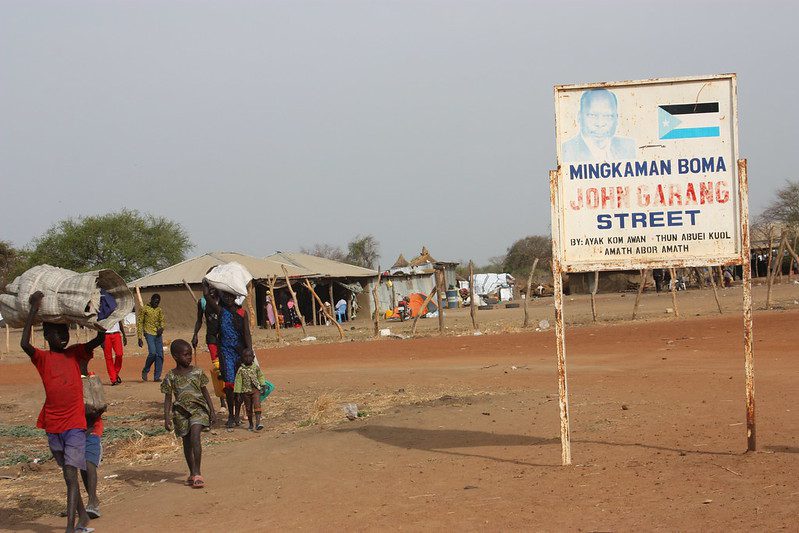
Rare Diseases in Latin AmericaAround 75% of rare diseases remain undiagnosed in Latin America. The region’s limited diagnosis of rare diseases largely stems from a lack of research, low medical practice registration and inadequate infant screening. There is also a connection between poverty and rare disease diagnosis in the region. Upper-middle-class citizens in Latin America have better access to quality health care and possess the financial capacity to consult numerous doctors and pay for treatments. On the other hand, a significant portion of Latin America’s population lives in poverty. Due to this high rate of poverty and expensive health care costs, rare diseases in Latin America often remain untreated and undiagnosed.
Acknowledgment of Rare Diseases

The EU reports that rare diseases impact one in 2,000 individuals or fewer. Rare diseases affect around 350 million people across the globe, with rare diseases in Latin America accounting for approximately 50 million cases. The World Health Organization (WHO) has recorded 7,000 rare diseases, including Aarskog syndrome, Balo disease and Canavan disease.

Latin American countries, such as Venezuela and Cuba, have no legislation in place to prioritize research, diagnosis and treatment of rare diseases, according to the Wilson Center in 2022. Peru has basic rare disease legislation in place but only implemented it in 2011. In comparison, the U.S. passed its first rare disease legislation, the Orphan Drug Act, 28 years before in 1983.

The Impact of Poverty on Rare Disease Diagnosis

Rare diseases like trichuriasis and ancylostomiasis (hookworm infection) are prevalent in Latin America and mostly affect poor and rural areas. However, according to the Pan American Health Organization, in 2017, about 30% of people in the Americas could not access health care services due to economic constraints. As such, many rare diseases either remain untreated or result in financially crippling patient costs.

Many of Latin America’s governments often cannot afford to bear the cost of the drugs required to treat rare diseases. Without right-to-health litigation, legality that ensures governments sustain medical costs, impoverished persons suffer the complications and impacts of rare diseases in Latin America.

The 2022 Social Panorama of Latin America and the Caribbean concluded that around 201 million people in the region live in poverty and 82 million people experience extreme poverty. Therefore, almost a third of the population lives in a degree of poverty that restricts them from accessing medical provisions.

The Persons Living with a Rare Disease (PLWRD) Resolution

In December 2021, the U.N. adopted the first-ever U.N. Resolution on “Addressing the Challenges of Persons Living with a Rare Disease and their Families.” The Resolution pledges to acknowledge and “protect the human rights of all persons, including the estimated 300 million persons living with a rare disease worldwide.” The U.N. aims to draw attention to rare diseases by urging U.N. member states to improve their health care systems and provide services that are non-discriminatory and accessible to all income groups.

The U.N.’s 193 Member States embraced the PLWRD Resolution and Brazil stood as one of three countries originally advocating for the text. Brazil’s support of the agenda suggests recognition of the need to improve the treatment of rare diseases in Latin America. The U.N. hopes for the PLWRD agenda to be in full effect by no later than 2030 with the help of NGOs such as Rare Diseases International (RDI) and EURORDIS (Rare Diseases Europe).

Pharmaceutical Partnerships in Latin America

Pharmaceutical companies in Latin America are working together to improve access to life-saving treatments. HRA Pharma Rare Diseases and Celnova Pharma partnered in 2023 to increase the supply of medical drugs in Latin America. According to GlobalData’s drugs database, “only 5% of the globally marketed rare disease drugs are accessible in South and Central America.”

HRA RD and Celnova Pharma’s partnership will increase the availability of Metopirone and Lysodren to rare disease patients in Argentina, Chile and Peru. Metopirone treats Cushing’s syndrome and Lysoden treats adrenal cortical carcinoma, (ACC) both of which are rare diseases. In 2023, Argentina announced a 29.1% increase in government health spending, which will aid the dispersal of these drugs. An increased health budget allows for treatment subsidization and will help to provide medical care for Argentinians living in poverty.

Looking Ahead

Latin America’s struggle with rare disease diagnosis is systematic, and finding and implementing the appropriate solutions to this issue could take a while. However, pharmaceutical companies, the U.N. and NGOs are all working toward improving health care ethics and the treatment of rare diseases in Latin America and the world at large.

– Jennifer Preece
Photo: Flickr

May 2, 2023
https://borgenproject.org/wp-content/uploads/borgen-project-logo.svg 0 0 Kim Thelwell https://borgenproject.org/wp-content/uploads/borgen-project-logo.svg Kim Thelwell2023-05-02 07:30:342024-05-30 22:31:01Rare Diseases in Latin America
COVID-19, Global Health, Global Poverty

Recent COVID-19 Vaccine Success in South Sudan

Vaccine Success in South Sudan
Gaining independence from the Republic of Sudan in 2011, South Sudan, “the world’s youngest nation,” now struggles with several economic, health and political challenges due to the COVID-19 pandemic. By November 6, 2021, South Sudan reported 12,453 COVID-19 cases and 133 deaths. In particular, the country is facing several obstacles in distributing COVID-19 vaccine doses. Confronting these difficulties, South Sudanese community leaders and international organizations are stepping up to ensure vaccine success in South Sudan. These efforts showcase how a country can turn challenges and tragedies into victories and triumphs.

Logistical Challenges in Vaccine Distribution

As a land ravaged by decades of war, underdeveloped South Sudan has one of the lowest COVID-19 vaccination rates globally, with just 0.8% of the population receiving one dose and 0.3% receiving both doses by October 15, 2021. Lacking road infrastructure significantly contributes to the nation’s low vaccination rate as much of “the country remains largely inaccessible by road.”

A country roughly “the size of France,” the nation grapples with governmental neglect, political challenges and ethnic violence, which has led to a poor infrastructure system, among other issues. Lacking road infrastructure means South Sudan must transport its vaccines by air, a very costly endeavor that makes vaccine distribution efforts in South Sudan significantly more expensive than the cost of purchasing vaccines.

These barriers to vaccine distribution have led to monumental consequences. In May 2021, COVAX donated 132,000 COVID-19 doses to South Sudan. However, these doses “went to waste” as South Sudan had no choice but to return the doses. According to CARE, “the logistics did not exist to get the doses from the capital city Juba into the arms of the South Sudanese people” before the vaccine expiry dates. These challenges exacerbate the inequality in vaccine distribution between South Sudan and other developed countries, which are already vaccinating children while administering third booster shots. Coordinating the entire procedure and timing correctly are vital factors for vaccine success in South Sudan.

Addressing Distribution Bottlenecks

In light of these vast logistical problems, South Sudan aimed to turn this situation around by the time it received its next shipment of doses in July 2021. South Sudan raced to obtain “surge funding from CARE’s Fast & Fair Campaign, South Sudan’s Health Pool Fund, UNHCR and UNICEF.” Although South Sudan did not have enough time and resources to build road infrastructure, the nation used the funding for “investing, building staff capacity, addressing staff gaps” and enhancing vaccine confidence in communities.

This helped address some of the other “distribution bottlenecks” South Sudan experienced in May 2021. As a result, South Sudan was able to administer all 60,000 vaccines from the July shipment. However, the vaccine delivery process was significantly “more expensive than what COVAX currently budgets for.” COVAX “budgets $1.41 per dose for vaccine delivery, but South Sudan had to spend about $10 per dose to successfully deliver vaccines.” These are costs that South Sudan cannot bear alone. Therefore, international support to South Sudan is essential.

These efforts continue to boost vaccine success in South Sudan, and with dedicated community leaders, the country is on track to deliver more vaccines to its people. In October 2021, South Sudan began “a new vaccination campaign” following the delivery of roughly 60,000 Johnson & Johnson vaccines from the United States. These single-dose vaccines eased the logistical burden of getting vaccines to citizens.

Aid to South Sudan

Because the vaccine distribution process in South Sudan is so costly, the nation may require “as much as $126 million for delivery alone.” These costs highlight the need for more grants and donations from international donors to ensure vaccine success in South Sudan. Despite South Sudan’s struggles in vaccination distribution, there is hope as organizations step in to support the nation. With continued support, South Sudan can dramatically increase its vaccination rate despite its standing as an underdeveloped nation.

– Tri Truong
Photo: Flickr

November 16, 2021
https://borgenproject.org/wp-content/uploads/borgen-project-logo.svg 0 0 Kim Thelwell https://borgenproject.org/wp-content/uploads/borgen-project-logo.svg Kim Thelwell2021-11-16 01:30:092021-11-15 08:05:54Recent COVID-19 Vaccine Success in South Sudan
Global Health, Global Poverty

Disability and Poverty in Liberia

Disability and Poverty in Liberia
Not everyone with a disability is poor, but countless studies have shown that a large number of those in poverty have at least one disability, ranging from physical to mental types of disabilities. Since those with disabilities require significant access to healthcare, the cost of medical treatments can pose a challenge. Additionally, disabled people frequently find it challenging to access housing, find employment or afford food. A strong connection exists between disability and poverty in Liberia, as is the case with other countries.

Disability and Poverty in Liberia

Liberia is a country along the southern part of the west coast of Africa, which Sierra Leone, Guinea and Côte d’Ivoire surround. It has a population of approximately 4.9 million. The country is Africa’s first republic and is the only African country to never have experienced colonial rule.

From 1999-2003, Liberia endured a harsh civil war. Public Services International believes that this war may have contributed to the increase of disability in Liberia from an initially reported 16% in 1997 to nearly 20%, which is significantly higher than the world’s average at 10%. Of those with disabilities in Liberia, “61% have a mobility disability, 24% are visually impaired, 7% are deaf, and 8% have an intellectual or psychosocial disability.” According to Elizabeth’s Legacy of Hope, 99% of the 48% in poverty in Liberia are those with disabilities.

Non-accommodating infrastructure and social attitudes based on stigmas play a large part in disadvantaging the disabled community in Liberia. Many cannot exercise the basic right to an education, leading then to unemployment. The author Morgan Ashenfelter wrote that “educational facilities do not cater to their needs, employment is difficult to find, sidewalks barely exist in the city and most businesses and government buildings do not even have a ramp. . . . in addition, some disabilities, such as post-traumatic stress disorder or missing limbs, are stigmatized, as they are associated negatively with the war.” 

Addressing Disability and Poverty in Liberia

In the years since the end of Liberia’s civil war, the country has taken steps toward listening to and protecting its disabled population. Liberia established the National Commission on Disabilities in 2005, an organization focused on creating policies to aid disabled Liberian people. In the 12th Session of the United Nations Conference of State Parties to the Convention on the Rights of People with Disabilities, Liberia announced that it adopted a National Action Plan for the Inclusion of Persons with Disabilities. The goal of this plan was to promote the welfare and rights of the disabled in Liberia, while also aiming to include them in the governance process and provide them with financial assistance through social security. Liberia is also planning on including sign language as a required course from elementary school to college.

In December 2018, the Liberia Labor Congress held a joint workshop with the ILO Bureau for Workers’ Activities to discuss the issue of providing work for those with disabilities. Ideally, this work should be able to lift the majority out of poverty, while addressing the lack of significant progress in the last decade and the discrimination that kept many with disabilities out of the workforce.

Looking Ahead

A significant link exists between disability and poverty in Liberia, though it is evident that Liberia is working to change that. The disabled community is among the most vulnerable communities, and it is important that they receive equal opportunities to their non-disabled peers. Liberia is continuing to take steps toward addressing the social stigma and disadvantages that its disabled community experiences.

– Grace Ingles
Photo: Flickr

October 15, 2021
https://borgenproject.org/wp-content/uploads/borgen-project-logo.svg 0 0 Lynsey Alexander https://borgenproject.org/wp-content/uploads/borgen-project-logo.svg Lynsey Alexander2021-10-15 01:30:572024-06-06 01:05:38Disability and Poverty in Liberia
Global Health, Global Poverty

Save the Children Aids Nepal During COVID-19

Save the Children Aids Nepal In 2015, a 7.8 magnitude earthquake wreaked havoc in Nepal. The devastation left more than 22,000 people injured and almost 9,000 people dead, with hundreds of thousands of more people facing extreme poverty. The ongoing COVID-19 pandemic may prove to be an even more severe humanitarian crisis for the country. With more than 600,000 reported cases as of July 2021, the severity of the pandemic in Nepal is significant. In an effort to improve the country’s dire state and protect vulnerable populations such as children, Save the Children aids Nepal during the COVID-19 outbreak.

Impact of COVID-19 in Nepal

Nepal’s status as a landlocked nation with a medical system closely tied to India has resulted in serious healthcare concerns. Chief among these concerns is a lack of essential medical resources like oxygen tanks and COVID-19 testing kits, both of which are critical in the fight against COVID-19. Nepal normally obtains these supplies through India, however, the severe COVID-19 outbreak in India means India has minimal resources to spare.

Maggie Doyne is the co-founder and CEO of a nonprofit in Nepal, BlinkNow. Doyne, tells CNN Canada that “All of our medicines, all of our oxygen tanks, our ambulances, our food supply relies on India. So, you really can’t have a landlocked Himalayan country so reliant on another country that’s really struggling.” The nonprofit operates a school and a children’s home, among other facilities, in Nepal. It has also been one of the groups attempting to provide aid on the ground. In direct response to the country’s surge in cases, BlinkNow increased emergency food bank supplies available for vulnerable families and people out of work.

The Impact of COVID-19 on Children in Nepal

One particularly vulnerable population in Nepal is children. The Human Rights Watch and two partnering organizations released a report in May 2021 examining how COVID-19 impacts children. After speaking with 25 working children in Nepal, nearly all of them agreed that COVID-19 has negatively impacted their family’s financial stability. The children interviewed ranged from 8 to 16 years old.

The children worked jobs in construction, carpentry, mechanics and more, in an attempt to financially support their families. Many of the children work long hours, sometimes totaling 12 hours per day, which causes them pain, dizziness and fatigue. The use of child labor has increased in the country since the pandemic has forced lockdowns and school closures. Even as schools reopen, many children remain working to help supplement their parent’s income.

Save the Children Aids Nepal

Save the Children is taking action in Nepal to minimize COVID-19’s impact on children. The global nonprofit is dedicated to preventing child suffering, with efforts ranging from malnutrition prevention to emergency response measures. The nonprofit recently expressed concerns about the impact of COVID-19 on children in Nepal. School shutdowns hold back Nepalese children educationally and socially.

Not receiving an education hinders the chances of breaking free from poverty, according to Jennifer Syed, the country director for Save the Children in Nepal. Syed says that “The economic impact on households hurts children the most — they’re the ones who suffer the worst malnutrition; it’s the young girls who are forced into child marriage to reduce the financial burden on their family.”

To assist, Save the Children is donating more than 50 oxygen concentrators and 20,000 rapid testing kits. This will help Nepal’s government in the fight against COVID-19. In addition, Save the Children’s website states, “a further 100,000 PRC test kits, 200,000 rapid test kits and 1,000 oxygen concentrators will be given to the Ministry of Health and Population under agreement with the Global Fund.”

The Road Ahead

Save the Children’s efforts are essential to assist a country that has now surpassed India in COVID-19 related deaths per capita. The organization is also supporting Nepalese children through campaigns that promote personal protection measures and offer mental health support. Hopefully, Save the Children’s efforts will inspire aid from others in the near future as Nepal continues to fight the devastating repercussions of COVID-19.

– Brett Grega
Photo: Flickr

July 14, 2021
https://borgenproject.org/wp-content/uploads/borgen-project-logo.svg 0 0 Kim Thelwell https://borgenproject.org/wp-content/uploads/borgen-project-logo.svg Kim Thelwell2021-07-14 01:30:212021-07-12 05:13:54Save the Children Aids Nepal During COVID-19
Advocacy, Global Health, Global Poverty, Homelessness

The Fight Against Homelessness in Italy

Fight Against Homelessness in Italy
Italy is located along the Mediterranean coastline. The European country has a population of more than 60 million people with an average of 95 million tourists visiting every year. What many are not aware of is that immigrants, women and children are especially vulnerable to experiencing homelessness in Italy. The fight against homelessness in Italy has become a more prominent issue. Police began fining homeless people in the street for not following the lockdown measures that the country implemented. Thus, the Italian Federation of Organizations for Homeless People has appealed for greater leniency from the state.

The organization wrote, “They cannot stay at home because they do not have a home. There is an economic sanction which they cannot pay, and they have to go to the magistrate. They are not on the street for fun.”

Historical Context of Homelessness in Italy

Though worsened by the pandemic, homelessness in Italy has long been an issue. Italy is a developed nation with a GDP that expectations have determined will be around $1920 billion in 2021. However, homelessness has worsened due to the economic crisis. In 2016, homelessness impacted 50,724 people in Italy. Since 2013, this number has increased by roughly 3,000. Furthermore, 5.1 million people were living in extreme poverty in 2017. Due to its geographical location, Italy receives an influx of immigrants. As a result, 58% of Italy’s impoverished population are immigrants. In 2017, 117,153 people arrived in Italy by ship. About 67% of these migrants use Caritas, a counseling service offering advice regarding homelessness. Homelessness impacts the region of Lombardia in northern Italy the most. According to Italian Caritas, there is an increase in youth homelessness as well.

The Good News

There are various organizations that are striving to fight homelessness in Italy. For example, the Baobab Experience is an organization that previously aimed to find shelter for 120 people who slept in Piazzale Spadolini (Tiburtina Station) and has continued to provide hospitality for the homeless population in Rome. Additionally, it has advocated that the homeless receive health checks, beginning with migrants who do not have residency permits. Many of these migrants avoid hospitals in fear of detainment, so this would allow them to check their health without those consequences.

The Baobab Experience emerged in 2015 as a result of a migratory emergency when 35,000 migrants passed through Baobab, located in Via Cupa, Rome. More than 70,000 people have passed through the camps that the organization has since established. Thanks to private donations, the Baobab Experience also supports individuals with medical and legal assistance. Furthermore, the organization provides water, food, clothing and an opportunity for leisure. Many of the migrants travel through Italy to reach other countries, however, others are asylum seekers, often must wait in the streets for months before any legal practice can begin.

Further Efforts

Other NGOs such as Asgi, Naga, Magistratura Democratica and Fondazione Migrantes have called on the government to protect vulnerable migrants and homeless people. The organizations argue that these people lack sufficient protection from COVID-19 and protecting them will improve public health. Additionally, the NGOs have requested authorities shut down large migrant reception centers, enable access to the international protection system, accept homeless people into appropriate facilities and create alternatives to detention centers.

Although the fight against homelessness in Italy remains a serious problem, especially for marginalized groups such as migrants, women and children, NGOs and similar organizations keep the government accountable and provide hope for all of those impacted. By supporting such organizations that positively impact the lives of thousands, we can all contribute to eliminating homelessness in Italy.

– Marielle Marlys
Photo: Flickr

March 27, 2021
https://borgenproject.org/wp-content/uploads/borgen-project-logo.svg 0 0 Kim Thelwell https://borgenproject.org/wp-content/uploads/borgen-project-logo.svg Kim Thelwell2021-03-27 11:17:512021-03-29 12:02:13The Fight Against Homelessness in Italy
Global Health, Global Poverty, Violence Against Women, Women and Female Empowerment, Women's Rights

Gender Equality Issues in Moldova

Gender Equality Issues in Moldova
Massive advancements in the quest for gender equality have filled the Modern Era. In the early 20th century, suffrage was pivotal in allowing women to obtain the right to vote. No-fault divorce, maternity leave, the Voting Rights Act and the Civil Rights Act served to further advance the position of women. Around the world, these acts and ones like it have served to acknowledge and reform many factors limiting women’s role in society.

Need for Change

Despite many of these advances, a great deal more progress is necessary. Women are far more likely to be victims of sexual, spousal and physical abuse than men. Additionally, women still make approximately 60% of what their male counterparts earn per hour. If one acknowledges gender inequality now more than ever, why is gender equality progress so difficult to achieve? The answer may lie in the many problems the Republic of Moldova has seen. Specifically, the state of gender inequality in Moldova epitomizes that of countries gender inequality plagues, due to its deep-seated history of gender prejudice, as well as the limited effectiveness of implementing gender-based reforms.

Current Reform Efforts

Gender equality issues in Moldova have long struggled under the reign of communism. As a former member of the Soviet Union, the nation faced many limitations on expanding its people’s liberties and its economy. As a result of regressive economic situations, much of Moldova’s social culture relies on predicated, traditional gender roles. This makes the achievement of gender equality difficult, as society expects women to remain in their traditional gender roles.

Currently, Moldova’s gender equality efforts have appeared to be keeping up with those of other countries. In 2006, the government passed the Convention of the Elimination of All Forms of Discrimination Against Women. In 2016, the Republic of Moldova executed the 2030 Sustainable Development Agenda which attempted to provide social and economic freedom to all human beings. Additionally, it adopted Law No. 71, which introduced paid paternity leave of 14 days and banned the use of sexist imagery and rhetoric in advertisements. Furthermore, it promoted the empowerment of womens’ status in politics at the national and local levels as well as introduced a minimum 40% Parliament gender requirement in order to enact decision and electoral college processes.

Is it Enough?

Despite the implementation of these and similar protocols, the work is far from complete regarding solving gender equality issues in Moldova. Many of the changes are protocols and they do not reflect immediate, or even effective action towards gender reformation.

Flaws in gender equality within Moldova’s government exemplified the need for further action. Gender equality in Moldova is incredibly hard to achieve when there is a huge limitation on Moldovan womens’ political power, as they possess only a fraction of representation in government in comparison to their male counterparts.

Additionally, despite the passing of these legislations years ago, Moldova still ranks 23rd in countries with the highest gender gap. This gap is so pervasive that women still experience prejudice in the form of severe wage differences, segregation of economic level, finite aid for childcare and unequal partner support for childcare.

Moldova also has a continued issue with domestic violence towards women. A family study on violence against women found that 63% of women suffered from violent partners. The study also showed that one out of 10 women experienced some form of economic violence.

A Hopeful Future for Women

While much more work is necessary, hope exists for gender equality in Moldova. While many countries around the world have yet to seriously acknowledge or even pass legislation toward the issue of gender equality, the aforementioned legal efforts show a much more profound commitment to its cause. Furthermore, there have been sizable steps in executing the issue of gender equality. Parliament, though not yet at 40%, has reached 25.7% representation and 36% in local municipalities. Moreover, Moldova’s Minister of Foreign Affairs and European Integration, Oleg Tulea, suggests the decrease in maternal mortality rate and successful birth rates were a result of a decrease in female-directed violence.

Outside intervention has also played a role in assisting women who experience violence. For instance, the U.S. NGO Global Rights for Women taught and created manual addressing how to approach cases of domestic violence. In addition, the document covers other issues, like gender gaps, human trafficking and overall advancement. Recently, Moldova elected the country’s first female president. Maia Sandu won an impressive 57% of the vote and stands as a staunch Europeanist. This also serves as a dramatic change to the isolationist policies, previously popular in Moldova.

The path to solving gender equality issues in Moldova is a long and formidable process. However, with recent successes, the idea of profound advancement is no longer just a dream, but an ever-evolving reality.

– James Hurwitz
Photo: Flickr

March 13, 2021
https://borgenproject.org/wp-content/uploads/borgen-project-logo.svg 0 0 Yuki https://borgenproject.org/wp-content/uploads/borgen-project-logo.svg Yuki2021-03-13 07:30:182021-03-09 12:54:34Gender Equality Issues in Moldova
Page 12 of 18«‹1011121314›»

Get Smarter

  • Global Poverty 101
  • Global Poverty… The Good News
  • Global Poverty & U.S. Jobs
  • Global Poverty and National Security
  • Innovative Solutions to Poverty
  • Global Poverty & Aid FAQ’s
Search Search

Take Action

  • Call Congress
  • Email Congress
  • Donate
  • 30 Ways to Help
  • Volunteer Ops
  • Internships
  • Courses & Certificates
  • The Podcast
Borgen Project

“The Borgen Project is an incredible nonprofit organization that is addressing poverty and hunger and working towards ending them.”

-The Huffington Post

Inside The Borgen Project

  • Contact
  • About
  • Financials
  • President
  • Board of Directors
  • Board of Advisors

International Links

  • UK Email Parliament
  • UK Donate
  • Canada Email Parliament

Get Smarter

  • Global Poverty 101
  • Global Poverty… The Good News
  • Global Poverty & U.S. Jobs
  • Global Poverty and National Security
  • Innovative Solutions to Poverty
  • Global Poverty & Aid FAQ’s

Ways to Help

  • Call Congress
  • Email Congress
  • Donate
  • 30 Ways to Help
  • Volunteer Ops
  • Internships
  • Courses & Certificates
  • The Podcast
Scroll to top Scroll to top Scroll to top
