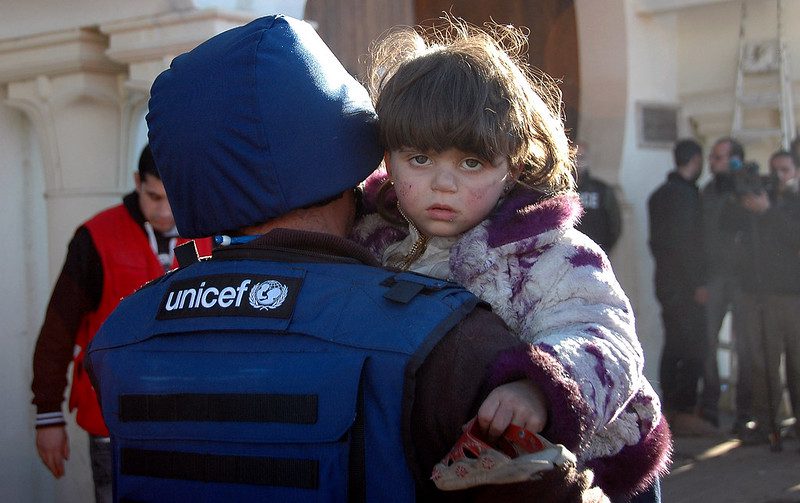
 Syrians urgently need assistance as more than 16 million residents struggle with homelessness, food insecurity, dilapidated infrastructure and inadequate water and sanitation. The United Nations (U.N.) reports that at least 90% of the population lives below the poverty line, placing Syria among the nations facing severe economic challenges. The country’s economic instability is so prolonged that it defies conventional poverty rankings. Compounding these economic issues, changing weather patterns has wreaked havoc, with floods and earthquakes destroying infrastructure and disrupting essential services. As international aid wanes—distracted by global crisّّّis—the burden increasingly falls on government initiatives and nonprofit organizations (NGOs) to provide critical support.
Natural Disasters
Natural disasters such as earthquakes, floods and climate-induced storms are worsening the economic struggles of the impoverished, leading to increased displacement. On Feb. 6, 2023, Northern and Western Syria were struck by a 7.8 magnitude earthquake. This disaster affected more than 8 million people, with a death toll surpassing 50,000. The earthquake also impacted Syrian refugees and humanitarian organizations near the Turkey-Syria border.
More than 10,000 buildings have been destroyed, further damaging Syria’s already crumbling infrastructure. According to the Rapid Damage and Needs Assessment (RDNA), direct physical damages amounted to $5 billion, with an estimated $8 billion required for recovery and reconstruction across six governorates. Additionally, heavy rainfall and flash flooding have disrupted the lives of thousands in northern Syria, adversely affecting more than 40 refugee camps in the Idlib and Aleppo governorates. These floods destroyed camps, closed roads and inundated agricultural lands, exacerbating food insecurity and prolonging the humanitarian crisis in Syria.
Infrastructure
The humanitarian crisis in Syria has severely limited access to water for many residents. As reported by the U.N. in 2022, 52% of Syrians do not have access to piped water, forcing them to rely on alternative sources such as rivers, wells and springs. The deterioration of the water infrastructure results from the ongoing Syrian civil war. Currently, more than 7 million displaced Syrians reside in overcrowded camps and shelters that are either partially or fully damaged, offering inadequate conditions for daily life. In northern Syria, more than 2 million internally displaced persons (IDPs) live in last-resort sites, which are areas with conditions that pose significant health and safety risks.
Government forces have attacked civilian water infrastructure, damaging nearly two-thirds of Syria’s water treatment plants, half of its pumping stations and a third of all water towers. An immense drought in the northeastern, southern and eastern regions of Syria is crippling the agricultural sector, pushing many displaced Syrians into food deprivation. The drought has also decreased water levels, compelling farmers to use contaminated alternatives such as raw sewage, which spreads diseases and heightens health risks.
Food Insecurity in Syria
The humanitarian crisis in Syria has driven up food prices, with prolonged conflict, rising production costs and droughts contributing to widespread food insecurity that affects more than 12 million Syrians—more than half the population. This food insecurity is causing additional problems; millions of children are at risk of malnutrition and acute malnutrition, which has already stunted the growth of more than 600,000 children in the country. As of 2023, more than 3 million children needed nutritional assistance. Additionally, a recent cholera outbreak is placing unprecedented strain on Syria’s health services.
World Vision, a Christian relief organization, has found that female-headed households in Syria suffer most from food insecurity, which often leads to gender-based violence, abuse and exploitation. Meanwhile, the World Food Program, which has aided more than three million people in Syria, recently ended its main aid initiative. This termination has left many who relied on food distribution without alternatives. Cuts were necessary due to rising global economic challenges, donor fatigue and declining funding. Northeast Syria, a region already struggling with these issues, will likely see the most significant effects of the WFP’s reductions, exacerbating extreme poverty among residents.
The City of Aleppo and Government Initiatives
Aleppo, the capital of the Aleppo governorate and Syria’s most populated city stands at the epicenter of the nation’s economic struggles. The humanitarian crisis in Syria spans issues from food insecurity to the changing climate. However, the most significant driver of increased poverty rates remains the prolonged civil war. This conflict, involving the Syrian government with its allies against various militia groups, including ISIS and the Free Syrian Army, has severely impacted civilians. They endure the brunt of the conflict with damaged health facilities, failing water and energy infrastructure and widespread food shortages.
The International Labour Organization (ILO), funded by Japan, has launched a new initiative in partnership with Syria. This project aims to create jobs for Syrians in Aleppo and support the country’s infrastructure recovery efforts. The focus areas include debris removal, sidewalk rehabilitation and repairs to the sewage and stormwater networks in Aleppo’s Kadi Askar district.
The Syrian Recovery Trust Fund (SRTF) is dedicated to enhancing water infrastructure in Aleppo. It is advancing a project to improve the health environment and living conditions across Syria. This initiative includes constructing a water tank, rehabilitating and extending water supply networks and building a new water storage reservoir. These ongoing efforts aim to improve water access for more than 75,000 residents.
IRC and Oxfam’s Efforts in Syria
The International Rescue Committee (IRC) has actively supported various aspects of Syria’s humanitarian crisis. After the 2023 earthquake, the IRC provided affected Syrian communities with essential items such as blankets, feminine products and hygiene supplies. Additionally, the organization supports crucial health services and has implemented classes, counseling and protection services for children in camps for displaced residents and other affected areas. To address the humanitarian crisis in Syria, more than 1,000 staff members are on the ground providing emergency cash and food assistance. They operate clinics and mobile teams offering life-saving support and work to bolster households’ economic stability through job training, apprenticeships and small business support.
Oxfam, a global organization dedicated to ending inequality and poverty, has been working diligently to provide Syrians with clean water, access to materials and proper hygiene practices. The organization has restored water infrastructure and improved sewage systems to enhance the quality of water and public health in Syria. To combat the humanitarian crisis, Oxfam has distributed thousands of hygiene kits, provided cash support and supplied seeds to farmers across several governorates.
Looking Ahead
As Syria continues to face compounding crises, from natural disasters to economic instability, the role of humanitarian aid remains critical. Organizations such as the International Rescue Committee and Oxfam are providing life-saving support, focusing on essential needs like clean water, food assistance and health care. However, the scale of the challenges requires sustained support to help the millions affected by conflict and displacement.
– Immanuel Wiggins
Immanuel is based in Jackson, MI, USA and focuses on Global Health for The Borgen Project.
Photo: Flickr

Humanitarian Crisis in Syria
Natural Disasters
Natural disasters such as earthquakes, floods and climate-induced storms are worsening the economic struggles of the impoverished, leading to increased displacement. On Feb. 6, 2023, Northern and Western Syria were struck by a 7.8 magnitude earthquake. This disaster affected more than 8 million people, with a death toll surpassing 50,000. The earthquake also impacted Syrian refugees and humanitarian organizations near the Turkey-Syria border.
More than 10,000 buildings have been destroyed, further damaging Syria’s already crumbling infrastructure. According to the Rapid Damage and Needs Assessment (RDNA), direct physical damages amounted to $5 billion, with an estimated $8 billion required for recovery and reconstruction across six governorates. Additionally, heavy rainfall and flash flooding have disrupted the lives of thousands in northern Syria, adversely affecting more than 40 refugee camps in the Idlib and Aleppo governorates. These floods destroyed camps, closed roads and inundated agricultural lands, exacerbating food insecurity and prolonging the humanitarian crisis in Syria.
Infrastructure
The humanitarian crisis in Syria has severely limited access to water for many residents. As reported by the U.N. in 2022, 52% of Syrians do not have access to piped water, forcing them to rely on alternative sources such as rivers, wells and springs. The deterioration of the water infrastructure results from the ongoing Syrian civil war. Currently, more than 7 million displaced Syrians reside in overcrowded camps and shelters that are either partially or fully damaged, offering inadequate conditions for daily life. In northern Syria, more than 2 million internally displaced persons (IDPs) live in last-resort sites, which are areas with conditions that pose significant health and safety risks.
Government forces have attacked civilian water infrastructure, damaging nearly two-thirds of Syria’s water treatment plants, half of its pumping stations and a third of all water towers. An immense drought in the northeastern, southern and eastern regions of Syria is crippling the agricultural sector, pushing many displaced Syrians into food deprivation. The drought has also decreased water levels, compelling farmers to use contaminated alternatives such as raw sewage, which spreads diseases and heightens health risks.
Food Insecurity in Syria
The humanitarian crisis in Syria has driven up food prices, with prolonged conflict, rising production costs and droughts contributing to widespread food insecurity that affects more than 12 million Syrians—more than half the population. This food insecurity is causing additional problems; millions of children are at risk of malnutrition and acute malnutrition, which has already stunted the growth of more than 600,000 children in the country. As of 2023, more than 3 million children needed nutritional assistance. Additionally, a recent cholera outbreak is placing unprecedented strain on Syria’s health services.
World Vision, a Christian relief organization, has found that female-headed households in Syria suffer most from food insecurity, which often leads to gender-based violence, abuse and exploitation. Meanwhile, the World Food Program, which has aided more than three million people in Syria, recently ended its main aid initiative. This termination has left many who relied on food distribution without alternatives. Cuts were necessary due to rising global economic challenges, donor fatigue and declining funding. Northeast Syria, a region already struggling with these issues, will likely see the most significant effects of the WFP’s reductions, exacerbating extreme poverty among residents.
The City of Aleppo and Government Initiatives
Aleppo, the capital of the Aleppo governorate and Syria’s most populated city stands at the epicenter of the nation’s economic struggles. The humanitarian crisis in Syria spans issues from food insecurity to the changing climate. However, the most significant driver of increased poverty rates remains the prolonged civil war. This conflict, involving the Syrian government with its allies against various militia groups, including ISIS and the Free Syrian Army, has severely impacted civilians. They endure the brunt of the conflict with damaged health facilities, failing water and energy infrastructure and widespread food shortages.
The International Labour Organization (ILO), funded by Japan, has launched a new initiative in partnership with Syria. This project aims to create jobs for Syrians in Aleppo and support the country’s infrastructure recovery efforts. The focus areas include debris removal, sidewalk rehabilitation and repairs to the sewage and stormwater networks in Aleppo’s Kadi Askar district.
The Syrian Recovery Trust Fund (SRTF) is dedicated to enhancing water infrastructure in Aleppo. It is advancing a project to improve the health environment and living conditions across Syria. This initiative includes constructing a water tank, rehabilitating and extending water supply networks and building a new water storage reservoir. These ongoing efforts aim to improve water access for more than 75,000 residents.
IRC and Oxfam’s Efforts in Syria
The International Rescue Committee (IRC) has actively supported various aspects of Syria’s humanitarian crisis. After the 2023 earthquake, the IRC provided affected Syrian communities with essential items such as blankets, feminine products and hygiene supplies. Additionally, the organization supports crucial health services and has implemented classes, counseling and protection services for children in camps for displaced residents and other affected areas. To address the humanitarian crisis in Syria, more than 1,000 staff members are on the ground providing emergency cash and food assistance. They operate clinics and mobile teams offering life-saving support and work to bolster households’ economic stability through job training, apprenticeships and small business support.
Oxfam, a global organization dedicated to ending inequality and poverty, has been working diligently to provide Syrians with clean water, access to materials and proper hygiene practices. The organization has restored water infrastructure and improved sewage systems to enhance the quality of water and public health in Syria. To combat the humanitarian crisis, Oxfam has distributed thousands of hygiene kits, provided cash support and supplied seeds to farmers across several governorates.
Looking Ahead
As Syria continues to face compounding crises, from natural disasters to economic instability, the role of humanitarian aid remains critical. Organizations such as the International Rescue Committee and Oxfam are providing life-saving support, focusing on essential needs like clean water, food assistance and health care. However, the scale of the challenges requires sustained support to help the millions affected by conflict and displacement.
– Immanuel Wiggins
Photo: Flickr
Student Mission Trips Making Differences in Poor Communities
ExperienceMission
ExperienceMission has missions for middle school, high school, college and young adults, emphasizing their goal to make relationships with the people in poor countries. For example, one former missionary wrote how the missionaries “were able to make these very emotional connections with the Kosovar Albanians as they ate together and helped work on homes in the towns of Semetisht and Suva Reka. the personal touch in the aftermath of such tragedy (the Kosovo war) was powerful.” On the same mission trip, a businesswoman gave some money to the people there, but “she was overwhelmed by what had meant the most to the local people. It had been the simple fact that she had come to Kosovo along with the money.”
ExperienceMission emphasizes the personal touch of these mission trips, believing in the power of relationships and kindness to the people in poverty. In addition, it practically helps the communities. Donations are used to build and rebuild homes or establish English language schools so that people can get jobs as translators. The missionaries also help youth practice English and support orphanages and dental clinics. The practical work extends to assisting greenhouses, working on farms, helping students with homework, cooking, packing food parcels, playing games with students and sorting storage units.
Mission Discovery
Mission Discovery is another organization that focuses on short-term missions. For its medical mission trips, its volunteers work in daily medical clinics and can also educate school students on health. On medical mission trips, the missionaries also give out water filters and grocery items to people in the community, as Mission Discovery did in Antigua and Guatemala. For its regular mission trips, such as in Bulembu and Eswatini, short-term missionaries work to improve the lives of orphans. They renovated an abandoned mining town to create a self-sustaining community where orphans can live in peace. To do so, the volunteers help with construction projects tutor Bulembu’s students and create sports and school clubs to enrich their education.
LeaderTreks Youth Ministry
LeaderTreks Youth Ministry is an organization that makes youth groups wanting to go on mission trips easier by helping plan the logistics. The youth groups go to underprivileged communities within the U.S. and assist them with learning English, as well as helping build, paint, clean and cook for these people. The volunteers deliver care packages that contain clothes and hygiene products, which they distribute to the community and also travel with mobile clinics to places with no health care. It also has a program called Global Aid Network (GAiN) working in the country of Benin. According to UNICEF, only 67.4% of people in Benin have access to drinking water. GAiN works to provide access to clean drinking water by drilling wells and installing pumps and concrete pads. On top of that, GAiN volunteers help with community development programs to encourage and educate residents on sanitation.
Looking Ahead
These organizations that support youth mission trips focus on Christian youths and young adults who are dedicated to sharing their faith in impoverished communities. In addition to spreading their faith, these missions strive to enhance the living standards in these areas through various initiatives. Not only do professionals and NGOs make a difference worldwide; but students also effect positive change.
– Hannah Chang
Photo: Flickr
The Response to HIV/AIDS in Croatia
HIV/AIDS in Croatia
Croatia, a country nestled between Slovenia and Bosnia and Herzegovina, launched a national response to the ongoing HIV/AIDS crisis within its borders. Starting in 1985, the surveillance of the virus gradually improved as testing and programs were established to combat its spread. Between 1985 and 2015, there were approximately 77 to 116 new cases reported annually. The majority of transmissions occurring through sexual contact in male-homosexual relationships.
The government’s response to HIV/AIDS in Croatia included implementing certain educational and health care pillars to maintain and promote the declining spread of the virus. The pillars of the program include easy access to care for people living with HIV/AIDS. Additionally, youth education is targeted, as well as introducing more protective behaviors in order to stay safe. Making sure that blood or blood-related products are clean and safe are also a key priority.
EmERGE
Part of the easy access to care included investigating the cost-effectiveness of a program called EmERGE, which offers support to those who are in a stable condition with the virus. This program has three primary goals:
One of five clinics was opened in Zagreb, Croatia, where a study soon ensued with 309 initial participants, which later fell to 293 participants. The clinics collected outpatient data one year before and one year after the EmERGE program was implemented. The results of the case study were very promising, as outpatient visits declined by 17%. They led to decreases in all other areas, such as annual costs and costs related to anti-retroviral drugs.
The Future
Croatia’s response to HIV/AIDS has made great progress in making care more accessible. Results from the patients showed that they appreciated the autonomy that it gave them as well as reducing travel and waiting times. The only downside is the safety of the participants’ phones; should privacy not be protected, the information could leak. However, further efforts are being implemented to study and expand mHealth and EmERGE to cover a more broad range of needs.
The effort that has been put in to monitor and reduce HIV will save lives in the future. Croatia’s national plan will further the health and safety of its citizens and create new educated generations who will be less likely to contract the virus. Furthermore, with the success of Emerge, other countries may adopt a similar institution to combat the HIV/AIDS crisis. While the case study focused on five countries, Croatia’s success may inspire others to follow.
– Isabella Chavez
Photo: Pexels
3 Nonprofits Fighting the Effects of Romania’s Orphanage Crisis
The Bucharest Intervention Project launched a study that found institutionalized children took longer to learn language skills and struggled with executive functions such as memory, reasoning and problem-solving. Their IQs were lower than their peers and they progressively decreased as the children aged. After Ceausescu lost control over Romania and the reality of what was happening in orphanages was made public, many organizations began to reverse the damage done.
COTE Foundation
COTE is a nonprofit based in Iasi, Romania. Its mission is to help vulnerable youth achieve high levels of education, build a community of friends and prepare for the workforce. One of its projects, Together for Education, was implemented in 2014 and continues as of 2024. This program invests in children whose families can’t afford necessities and supports them financially throughout their high school years.
The Grigore Ureche school has 78 children who would not have been able to graduate without the support of COTE. Of these 78 kids, 50 have graduated from 8th grade, 46 have continued to high school and 20 are still receiving financial support during the 2024 school year. To break the cycle of poverty that children in Romania’s orphanage system face, education is a key component and COTE’s work is bringing the country closer to that goal.
Popa Soare
Popa Soare is an organization based in Romania’s capital, Bucharest. It aims to advocate for vulnerable groups, including Romania’s orphanage crisis victims. In 2024, one of Popa Soare’s biggest projects seeks to improve the living conditions of two families living in extreme poverty. The beneficiaries are a single mother facing severe health issues who is raising three children and a 45-year-old woman who cares for her grandchildren in a small, worn-down shelter.
Popa Soare will provide contractors and construction/repair work and provide these families with safe and comfortable living spaces. In the long term, it hopes to build a “social cafe” to provide an area where the community can meet and support one another.
Forgotten Faces
In 2008, a group of Romanian-American teenagers living in Seattle founded the nonprofit Forgotten Faces. Although they were born in the United States, their parents emigrated from Romania. These teens are passionate about addressing Romania’s orphanage crisis and giving back to their ancestral country. However, being based in the U.S. presents challenges in directly supporting disadvantaged children in Romania.
To overcome this, they organize fundraisers at their local church. In the past two years, they have raised $20,000. The funds have been used to provide children and their families with clothing, school supplies and other necessities. They have also funded high school students’ educational field trips and cultural immersion experiences.
– Sophia Manole
Photo: Flickr
Improving Conditions for Children with Disabilities in Pakistan
Internal and external conflicts have clouded Pakistan’s current climate. Recorded as of 2023, Pakistan’s political, economic and social crises have taken a toll on the state. Food insecurity and the increase of inflation have led to an outcry of suffering Pakistani people. According to the World Report 2024, the prison system is a breeding ground for the mistreatment of Pakistani people who seek mental health support. Additionally, children with disabilities are facing challenges in Pakistan. Here is what Family Network is doing to help children with disabilities in Pakistan.
Children With Disabilities in Pakistan
The BMC Health Services Research reports that “children with disabilities make up around 150 million of the billion people with disabilities in the world.” Furthermore, the research articulated a big concern among sub-Saharan Africans who are concerned about their children being treated badly by others in the community, causing them to hide or not seek proper treatment for their children. These stigmas exist everywhere, including the Western world, and they harm children with developmental needs by neglecting their ability to have access to the special care they need. Oftentimes, developmental disabilities affect a child’s cognitive growth, potentially hindering the development of their nervous system, behavior and motor skills. Moreover, certain Mexican, Haitian and Latin American cultures may see a disability (physical or intellectual) as a curse, further ostracizing children with additional needs and developmental disorders.
Oftentimes children with disabilities experience neglect in their formative years due to a lack of resources. This issue is ever present in Pakistan as it is riddled with all sorts of conflict. Children who have additional needs often develop at a slower rate than their peers (talking, walking, sitting later than their peers).
Developmental disorders can cause society to ostracize these children as they are unable to conform to societal norms. This can be a burden to these Pakistani parents in rural lower class areas as the children with disabilities may not be able to take care of themselves, placing the pressure on an extremely codependent relationship between parent and child (including but not limited to; not knowing when danger is prevalent, being unable to function by themselves/without a parent present). According to FaNs “Over 6% of children in Pakistan have developmental disorders” Treatment is oftentimes consolidated in urban areas, leaving the rural Pakistani children with these developmental disorders to suffer.
The Family Network for Kids
The Family Network for Kids (FaNs) has committed to bettering life for the children of Pakistan, primarily those with disabilities. FaNs is an organization and supportive network that uses technology to aid people in rural Pakistan who have a child with disabilities (developmental disorders) to provide sufficient care. Using mhGAP tech, FaNs is training families through interactive technology to educate and equip society/families to cater and care for children with disabilities.
Roleplay technology that plays scenarios through three animated children who teach the dismantling of stigma, as well as allow parents to practice parental management and problem-solving skills. Once a family passes the training, they become champions who will then further equip their communities with the skills to care for children through a peer-supervised group focused on building community. These champions have monthly check-ins with health specialists, keeping the program in order while pursuing the self-sustenance of the champion families. Implemented in Rawalpindi Pakistan, roughly 70 trained families, 36 of those being trained “family volunteers” who do further diligence to the community as they are training 270 families to properly care for their children.
Looking Ahead
Every child dreams and deserves to be understood regardless of their circumstance. FaNs is working to ensure that every child with a disability in Pakistan has the support system to do so. Cultural stigmas contribute to the exclusion of children with developmental disabilities being shunned from society. By doing the work to abolish cultural stigma, the Family Network for Kids is making rural Pakistan a safe space for kids who are normally ignored and taught to suppress themselves. By giving children the space to be themselves, the world becomes a place filled with authentic adults who can focus on bringing change to the world instead of changing themselves for the world.
– Petralyn Yeboah-Manson
Photo: Flickr
Innovations in Poverty Eradication in Cambodia
There are many explanations as to why poverty exists in Cambodia, many of which trace back to the country’s troubled history during the Khmer Rouge regime in the ’70s. Pol Pot’s regressive regime exacerbated poverty, condemning developments and modern advancements that would allow individuals to train in skilled, higher-income jobs. Coupled with inadequate funding for education, health and transport and an unfair distribution of wealth, poverty in Cambodia continues to run rife. However, here are some ways governments, foreign aid and nonprofit organizations are working to improve the situation in Cambodia.
National Poverty Reduction Strategy in Cambodia
In 2002, the Cambodian government introduced the National Poverty Reduction Strategy (NPRS), which established a vision with objectives and measures to tackle the issue of extreme poverty. Poverty mapping was the first step in the program, allowing policymakers to identify areas with the highest levels of poverty and coordinate their antipoverty efforts more efficiently. The NPRS also focused on providing social protection and equity to civilians, ensuring equal access to land, basic amenities and economic resources.
Focusing antipoverty efforts on boosting non-farm earnings and developing growing industries like tourism, garment manufacturing and construction has been a critical driver of poverty reduction in Cambodia. Providing workers with training for more skilled, higher-paying jobs has facilitated a shift away from low-wage farming, further promoting trade and investment-led growth in the country. Moreover, by opening its borders to international trade and investment, Cambodia has attracted foreign direct investment (FDI) to support these growing industries and to expand the economy further.
Between 2013 and 2022, “the average annual value of FDI rose to 12.1% of gross domestic domestic (GDP),” with garment and electronics industries dominating the flow of inbound FDI. In 2023 alone, FDI created more than 307,000 jobs through 268 approved investment projects.
Cash Transfers
The COVID-19 pandemic introduced a myriad of problems and setbacks for Cambodia, reversing prior poverty reduction efforts and pushing approximately 460,000 individuals into poverty. The closure of factories and markets led to job losses. Additionally, the shutdown of borders diminished income from tourism and trade. As a result, Cambodia’s GDP contracted by 3.1%. However, its government responded swiftly, introducing cash transfers to deliver emergency aid and support to those most vulnerable.
Building on the success of previous cash transfer programs, these new transfers were influential in the post-pandemic recovery strategy. They helped people experiencing poverty accumulate savings and purchase necessities for their survival. In total, 700,000 impoverished households have gained access to the cash transfer program, benefiting approximately 2.8 million people living in poverty.
Habitat for Humanity
Habitat for Humanity is just one of the nonprofit organizations helping to alleviate poverty in Cambodia, “focused on long-term development, aid and poverty alleviation.” The organization operates in six provinces, where poverty is most abundant, building safe and durable shelters for those living in impoverished and unsanitary conditions. Thus far, it has helped more than 22,000 families to create long-lasting shelters with new standards of hygiene in its water and sanitation interventions.
Habitat for Humanity not only focuses on building housing for low-income families but also provides education and training in financial literacy and livelihoods. The organization collaborates with various partners, including authorities and microfinance institutions worldwide. Through their collective expertise, they offer technical guidance in housing solutions and well and latrine construction. They also provide micro-loans to help communities initiate these projects.
Final Note on Poverty Eradication in Cambodia
While much remains to be done to eradicate extreme poverty in Cambodia permanently, the important steps outlined in government plans and the remarkable efforts of nonprofit organizations, such as Habitat for Humanity, serve as a model for ongoing positive change.
– Sofia Bowes
Photo: Flickr
Feeding the Future: Uttar Pradesh’s Community Kitchens
Uttar Pradesh’s Community Kitchens
In 2020, Uttar Pradesh launched a significant community kitchen initiative during the COVID-19 pandemic to combat hunger and support populations like migrant workers and daily wage earners. Collaborating with nongovernmental organizations (NGOs) and religious groups, the state’s government quickly established more than 7,000 community kitchens across all 75 districts. These kitchens provided meals for the impoverished and displaced individuals as lockdown measures disrupted livelihoods.
Furthermore, to make these kitchens even more accessible, Uttar Pradesh became the first state to geotag its kitchens and shelters, partnering with Google Maps to help people locate nearby facilities. This geotagging effort helped ensure that needy individuals could easily find food and shelter during the crisis. This initiative was especially significant during the crisis, as it helped ensure that needy individuals, including the elderly, migrant workers and those stranded in remote locations, could easily find food and shelter without unnecessary delays.
Global Impact
The creation of these community kitchens has evolved into a larger, global trend of efforts to combat food insecurity. Though these initial community kitchens were pandemic-driven, many such initiatives were adapted to address ongoing socioeconomic challenges continuously. Community kitchens in Uttar Pradesh now serve as emergency responses and as a buffer against the growing inequality exacerbated by the pandemic. They have become permanent safety nets for those facing prolonged food insecurity driven by unemployment and disrupted food supply chains.
By providing consistent access to nutritious meals, these initiatives help alleviate the pressures on struggling families and individuals, ensuring that vulnerable populations receive the support they need. The sad reality is that food insecurity has doubled in parts of Asia, further underscoring the critical role that initiatives like these play. In the aftermath of the lockdown, local authorities and NGOs have kept these kitchens running to help people whose livelihoods were yet to recover fully.
The impact of such efforts greatly supports similar global community-based programs that seek to combat hunger. These programs continue to address the population’s long-term economic vulnerabilities, including the pandemic’s financial effects and unemployment.
Moving Forward
The challenge moving forward will be ensuring that Uttar Pradesh’s community kitchens are supported as permanent fixtures in public welfare systems, adapting to post-pandemic realities and the continued economic instability they were designed to mitigate. However, by taking Uttar Pradesh’s initiatives into consideration, we may also make great strides against the longstanding issue of food insecurity.
– Trinity Lee
Photo: Flickr
How Elderly Poverty in Madagascar Impacts Mental Health
Poverty and Mental Health in Madagascar
When examining the ramifications of poverty on mental and emotional well-being, it is crucial to note its pervasive role among senior citizens. According to “Face of Poverty in Madagascar,” a poverty, gender and inequality assessment that the World Bank created, “Only 2.4 percent of the population in 2010 was 65 and older, and elderly poor represented only 2 percent of the poor population.” According to ScienceDirect, “Antananarivo-Renivohitra, the capital district of Madagascar, had an estimated population of 1,275,207 in 2018 (RGPH-3, 2018), of which only 5.5% were over 60 years old.”
While the population and poverty in Madagascar predominantly have a youthful demographic, this does not mean that poverty affecting the island is not detrimental to the psychological well-being of older Malagasies. Poverty leads to food insecurity, lack of safe housing, limited employment opportunities, reduced social mobility and education disparities. The World Bank reports, “The highest prevalence of illiteracy in 2010 was among the elderly population of 64+ years old (50 percent).” Without academic instruction, obtaining secure employment becomes increasingly difficult, forcing Madagascar’s elders to pursue jobs that require less intellectual prowess and more physical stamina, a skill that diminishes with old age.
The Impact of COVID-19 on Madagascar
SARS-CoV-2 (COVID-19) arrived in Madagascar with airborne passengers traveling from Europe in March 2020. While the country took preventative measures to limit the spread of the virus, illness struck Madagascar’s population predictably targeting those of older age. According to original research conducted by BMJ Global Health, due to COVID-19, life expectancy in Madagascar has dropped by 0.8 years for men and 1.0 year for women, primarily due to increased risks of death among individuals over the age of 60. The National Library of Medicine explains, “The probability of testing positive increases with age with the highest adjusted odds ratio of 2.2 [95% CI: 1.9‐2.5] for individuals aged 49 years and older.”
Not only did the virus risk and claim the lives of Malagasy elders, but dealing with its harshness and the majority of its symptoms, “(The most common symptoms of illness onset among confirmed cases were cough (27.2%), fever (18.7%), weakness (14.7%), runny nose (13.3%), and headache (13.1%))” prevented elders from returning to their jobs and continuing to support themselves and their families. The elderly population in Madagascar, already vulnerable to nutritional issues, faced heightened anxiety due to COVID-19, as concerns about their health, life expectancy, and ability to make a living increased.
Food and Health of the Elderly in Madagascar
A 2023 study by GSC Biological and Pharmaceutical Sciences examined the food and health practices of people aged 60 and over in the urban commune of Antsirabe I and the rural commune of Andranomanelatra in the Vakinankaratra Region. The study found that while the elderly were concerned about their health, hygiene practices—such as treating drinking water and washing hands before meals—were inadequate. The evaluation of nutritional status revealed that 37.5% of elderly individuals in rural areas were underweight (BMI < 18.5), compared to 17.9% in urban areas. Factors associated with poor nutritional status included education level, housing comfort, monthly income, food expenditure, dietary diversity and average energy intake.
The MDGs
While the intersection of poverty and psychological distress presents a formidable challenge for Madagascar, addressing this issue necessitates not only measures to alleviate poverty but also immediate, sustainable solutions to safeguard emotional and mental health. The Millennium Development Goals (MDGs), as outlined in the UN’s Millennium Declaration, represent a global commitment to eradicating extreme poverty, particularly in resource-limited countries like Madagascar.
One of the key focuses of Madagascar’s efforts to meet these goals is the conservation of its natural resource base and promoting sustainable development, as emphasized in the Madagascar Action Plan. This approach acknowledges that poverty reduction is not just about economic growth but also about protecting the environment, which many rural elderly Malagasy depend on for their livelihoods. As the government has pointed out, “Madagascar cannot do it alone and should not do it alone,” underscoring the need for international collaboration to address both poverty and environmental degradation in tandem. The global partnership called for in the eighth MDG reflects the notion that overcoming poverty will require support from multiple sectors and countries, aiming for sustainable development that benefits current and future generations.
The Madagascar Action Plan
The government of Madagascar has taken strides in linking health improvements with economic growth, as outlined in the Madagascar Action Plan. The commitment to improving access to health care, especially in rural areas where elders reside and elderly poverty in Madagascar is prevalent, plays a crucial role in enhancing productivity and reducing the pressure on natural resources. With the president’s “Madagascar Naturally” vision, the country emphasizes biodiversity conservation, protect the environment and reduce poverty. Through such initiatives, Madagascar is working to ensure that its population can both thrive economically and sustain its natural resources. As highlighted, “Developing countries’ debt problems” and the need for “sustainable access to safe drinking water” are critical components that will drive Madagascar’s progress toward achieving the MDGs and alleviating poverty.
Through techniques like observing the country’s natural resource base, the effect of demographic trends on development, and the importance of health as a prerequisite for development, it fosters adaptive coping strategies and enhances mental well-being. Implementing MDGs offers promise in improving the lives of Malagasians, potentially breaking the cycle of poverty and mental health challenges, providing those of older age peace and fulfillment when dealing with mental turmoil alongside impoverishment.
– Ryley Anthony
Photo: Pixnio
Organizations that Help Children in Costa Rica
SOS Children’s Villages
This organization focuses on helping children in Costa Rica, specifically in certain towns within the country. One such city is Limon, known as Costa Rica’s murder capital, according to SOS Children’s Village. The city’s homicide rate is 35.9 per 100,000 people, while the homicide rate in the country is 17.2 per 100,000 people. Conflicts between organized crime groups cause most murders in Limon, and children are lured into these gangs, where they transport and sell drugs.
The organization creates “children’s villages” in Costa Rica, and in Limon specifically, to create a safe community for children to grow up in, especially children who cannot stay with their families. It also tries to keep in close contact with the children’s original families so that if they can return to their own homes, the transition process will go smoothly, according to its website. The children in these villages grow up together and make life-long relationships with each other.
Currently, in Limon village, there are 5 youths, but the organization has supported more than 100 young people. SOS Children’s Villages makes sure to provide the children with education and access to health care. In helping these children in Costa Rica grow up in a healthy environment to become confident adults, the team at the organization encourages each youth to make a plan for the future, according to SOS Children’s Villages. When these youths come of age, it also helps them prepare for employment by hosting workshops and training where they can join projects with local businesses.
Hope Partners International
Hope Partners is a Christian organization working to help children in Costa Rica. It works to improve the education, safety, and nutrition of children. The organization opened three new classrooms and a computer lab in its “Hope Centers” to allow more children to have access to education, according to its website. It also supports children eager to learn through mentorship and educational classes so that they can attend college or vocational school.
The organization also emphasizes the safety of its Hope Centers, while also providing a balanced meal for all students who visit the center. The group aims to relieve the children of some of the “day-to-day burdens from their shoulders and [provide] a consistent place of refuge and nourishment,” according to its website. Through its work, Hope Partners International hopes to create “healthier, more vibrant communities” in Costa Rica, starting by reducing child poverty.
Children Incorporated
Children Incorporated focuses on individual children through a sponsorship program to alleviate child poverty, one child at a time. They appreciate the financial support from their sponsors, but the relationship that could be developed between them could also be deep and special. The monthly sponsorship rate is $35, which buys the children school supplies, food, clothing and access to health care. Through this, children can go to school and be educated, according to Children Incorporated.
Volunteer coordinators who are physically in these local communities in Costa Rica are there to guide and help the children. They hand out hygiene items, clothes, shoes, and such essential items to the children, guide them through education, and work to improve health and nutrition, all with the sponsors’ support.
Ways to Help Children in Costa Rica
These three organizations are working to help children in Costa Rica. Poverty and violence often go hand in hand, so some groups focus on keeping youths safe from harm and gang activity, while others work to bring them out of poverty first. As these groups show, there are many different ways one could do that, either through community centers, children’s villages, or a more individualistic approach, but as long as it helps one more youth in Costa Rica, it is a work well worth the effort.
– Hannah Chang
Photo: Flickr
Being Poor in Thailand: Life of the Urban Poor in Bangkok
Khlong Toei
Urban sprawl is projecting threats of eviction and homelessness to informal settlements. Khlong Toei, the largest informal settlement in Bangkok and home to 100,000 people, is the next preferred site for upscale development. Current residents are offered affordable housing options in a residential tower, with only 13,000 available units. The rest of the residents will disperse into the margin of the city, away from their jobs and communities.
Fire hazards are also threatening the lives of residents in Khlong Toei. Due to the low to non-existent fire control infrastructure and the crowded nature of the settlements, fire has become a constant concern in the communities. Fire destroyed 30 homes in 2017 and this is one small event following a history of constant fire and explosions at the settlements.
Water Access
Being poor in Thailand, one often feels the powerful nature of water. Water pollution creates compound effects that make life in informal settlements even more challenging. Waste disposal has buried and polluted the canals that used to be the arteries of the city, making the informal settlers highly prone to vector-borne diseases.
Lack of access to fresh water and flood-control infrastructure has aggravated the environmental stress of living with the residents. Public health conditions related to sanitary water supply is a major concern in Bangkok’s informal settlements. Insufficient sanitary infrastructure and pricey protective equipment could be among the reasons why residents were could not carry out basic COVID-19 prevention activities, according to a 2022 research article.
Solutions
Nonprofit organizations have been assisting the urban poor in Khlong Toei. Founded in 2020, Bangkok Community Help Foundation has been working with residents, addressing sanitation issues, while providing essential supplies daily. Its help spans from housing projects to waste dump conversion. Latterly, help has extended to medical supplies during COVID-19 and survivor bags that pack preserved food supplies, covering 3,000 meals per day.
Urban informal settlements are not only hosts of self-built resilient communities but arts and crafts that would otherwise be lost. Many urban informal settlers in Bangkok work as street hawkers, vending homemade food and crafts, supporting a culture of vibrant street scenes that attract domestic and international visitors to Bangkok every year.
Residences of these urban informal settlements are facing drastic life-threatening challenges. NGOs and volunteers are working on addressing some of the public health and safety concerns, and it is calling for governmental and international aid to improve the quality of life and opportunities of urban dwellers.
– Yuhan Ji
Photo: Flickr